

For many seniors, bathing becomes one of the riskiest daily activities. According to the Centers for Disease Control and Prevention, falls in the bathroom account for over half of all home fall injuries among adults aged 65 and older. Slippery surfaces and high tub thresholds are the main hazards.
This guide compares three common options: walk-in tubs, tub-to-shower conversions, and step-through inserts. It looks at who each option works best for, what they cost, how much space they need, and what safety features matter most. The goal is to help you plan a bathroom update that makes daily bathing safer and easier.
Short Answer
Yes, bathroom renovations can make a real difference in bathing safety. Walk-in tubs work well for seniors with limited mobility who prefer sitting while bathing. Low-threshold showers are a good fit for seniors who can still stand steadily. Step-through inserts or tub cutouts offer a budget-friendly choice for those with mild to moderate mobility issues. That said, these projects typically cost between $10,000 to $50,000.
They also come with downsides—you could lose use of the bathroom for days or even weeks, and larger walk-in tubs simply won't fit in smaller bathrooms.
When It Works Well
This works well if bathing has become risky but the person still wants to manage daily hygiene without hands-on help.
For many families, the signs are clear: an older adult struggles to step into the tub safely, their balance isn't what it used to be, and a fall feels like a real possibility. In that situation, the right renovation can help a lot. Research shows that low thresholds, grab bars, built-in seating, lever faucets, handheld showerheads, and good non-slip flooring are the upgrades that truly matter.
Walk-in tub:
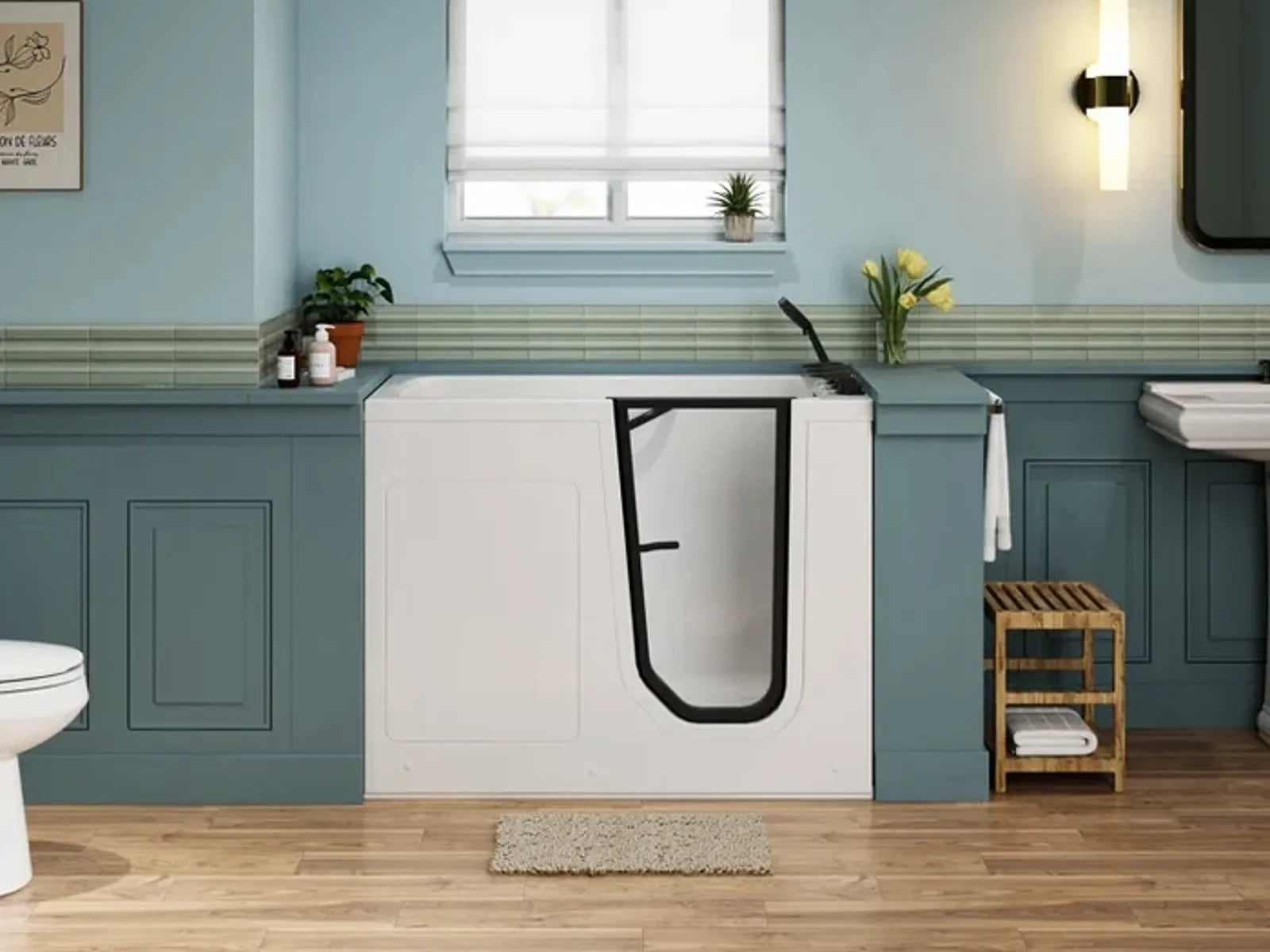
These remove the need to climb over a tall tub wall. You open the door, walk in, sit down, and bathe. They work well for seniors with limited mobility who enjoy soaking baths. On the other hand, they're not a good fit for someone who dislikes sitting for long periods, and they take up a lot of space—so a very small bathroom may not work with one.
Tub-to-shower conversion:
This option works better for active seniors who can still stand safely. It's a good match for someone with good balance who prefers quick daily showers. But if an older adult has weak legs or trouble standing for more than a few minutes, a shower conversion probably won't work well unless you also add a bench or shower chair. A low-threshold or curbless shower is easier to walk into and usually takes up less space than a large walk-in tub.
Step-through insert or tub cutout:
When the budget is tight and you just want to lower the step-over height, this is a practical choice. It works well for seniors with mild to moderate mobility issues, and for homeowners who want a low-cost option without a full remodel. However, it's not a good solution for seniors with severe mobility challenges who need full seated bathing support.
These renovations simply make daily bathing easier and safer for older adults who need some extra support. That is where the value tends to show up.

When It May Not Be Ideal
Not ideal if the budget is tight and the household is vulnerable to financial pressure.
Cost is a common source of regret. Homeowners often get talked into expensive packages with upgrades they don't really need. Aggressive sales tactics don't help, especially when families feel rushed to decide.
Space is another problem. Walk-in tubs take up a lot of room. If your bathroom layout requires moving plumbing or walls to fit one, the project gets pricier and more disruptive.
This can also be the wrong choice if the user cannot comfortably sit for long periods. Some walk-in tubs require the person to sit steadily throughout the entire filling and draining process, which creates discomfort for users with poor sitting endurance. Research also notes missing trade-offs in common sales pitches, including heavy daily maintenance burdens and obvious usability drawbacks including inward-opening doors that restrict inner activity space, as well as premium add-ons such as heated seats and hydrotherapy jets that greatly increase operational complexity and household energy consumption.
A common issue is installation disruption. Some projects take days; others stretch into weeks. If there is only one bathroom in the home, that can become a serious quality-of-life problem. Many users regret trusting a promised timeline that turns out to be too optimistic.
It is also not automatically the best answer for every senior. If the person is still fairly mobile, a low-threshold shower conversion may be more practical than carrying out a full bathroom remodel. And if the need is mild, grab bars near the toilet, non-slip flooring, and a raised toilet may solve more of the real problem at far lower cost.
Pros and Cons
Weighing pros and cons helps homeowners pick solutions that fit their real needs and living situations.
Pros
-
Improves safety Low thresholds, seating, grab bars, and non-slip surfaces reduce fall risk during entry and exit.
-
Supports independence Many seniors can keep handling personal hygiene on their own instead of relying on a professional caregiver for daily assistance.
-
Can help seniors remain in their homes and support aging in place For households committed to staying in the home, this may bring long-term cost savings and greater peace of mind compared with moving to assisted living.
-
Optimized bathroom accessibility ensures easier daily access Lever faucets, handheld or adjustable showerheads, and curbless designs are simpler to use than older tubs.
-
Can be matched to mobility level Walk-in tubs, shower conversions, and step-through inserts each fit different levels of need.
Cons
-
High upfront cost Full renovations often range from $10,000 to $50,000, depending on scope and location.
-
Bathroom downtime Installation can disrupt normal use for days or weeks.
-
Space limits Larger walk-in tubs may not fit well in smaller bathrooms without major layout changes.
-
Quality risk A rushed install can lead to long-term maintenance issues and regret.
-
Not every feature helps every user Hydrotherapy jets, heated components, and premium upgrades may sound useful but are not necessary for all seniors.

Real-World Considerations
Before diving into detailed topics, let’s break down practical choices, daily use tips and common project issues and common financial questions you may encounter during senior bathroom remodeling.
What are the options for bathtubs for seniors?
There is not one best option for everyone.
Walk-in tubs work well for seniors with serious mobility issues, especially those who plan to age in place and enjoy soaking in the bath. But they take up a lot of space, come with a high price tag, and aren't a good fit for someone who struggles to sit for long periods or has a very small bathroom.
Walk-in shower conversions are a great choice for seniors who can still stand steadily, prefer daily showers, and want to save space. They fit nicely into most standard bathrooms. However, they're not ideal for people with poor balance or those who really need a fixed seat for bathing.
Step-through inserts or tub cutouts offer a low-cost, low-disruption option for seniors with mild to moderate mobility issues. They keep the original bathroom layout intact and don't take up extra space. But they usually aren't safe or practical enough for someone with more severe mobility challenges who needs full bathing support.
How do seniors get in and out of the bathtub?
For most seniors, the old method—lifting a leg over a high tub wall while balancing on a wet floor—is exactly the problem.
The safer setups use:
-
low or no thresholds
-
grab bars at the tub or shower entry
-
built-in seating
-
non-slip flooring
-
handheld or adjustable shower controls
Research also shows that generic safety lists are often too vague. What matters most is putting these features in the right places and using them properly—not just having them on a checklist. Many users find that proper layout plus soft bathroom lighting also assist moving in and out of the tub besides grab bars.
Installation and daily disruption
This part is often underestimated.
A homeowner may hear “quick install,” but bathroom projects can still drag on because of plumbing changes, fitting issues, or layout complications. If you only have one main bathing space, even a short project can feel long. This matters more than many sales conversations admit.

Maintenance and long-term expectations
A common misunderstanding is that a renovation ends the problem forever.
In reality, the product still has to be used, cleaned, and maintained. Some walk-in tub features sound impressive on paper but may add complexity. The research also flags maintenance concerns from real users, especially when quality is poor. If the install is weak, the project may become frustrating instead of freeing.
Long-term value is strongest when the remodel is kept focused on real needs: safe entry, stable movement, and usable controls. The more “premium” extras get added, the more the cost can climb without improving daily life much.
Does Medicare pay for a bath remodel?
In most real buying decisions, homeowners should not assume Medicare will pay for a bath remodel.
The research here focuses on decision patterns, not benefits rules, but the practical takeaway is clear: treat this as an out-of-pocket project unless you have verified coverage from the specific program involved. Many people start shopping with the wrong assumption that safety remodeling will be funded, then face sticker shock.
Is it true that seniors can get a free bathroom remodel?
For most homeowners, no, you should not expect a free bathroom remodel just because you are a senior.
This is one of the easiest areas for confusion. Some households may qualify for local programs, grants, or special assistance, but that is not the same as a general free remodel benefit. This misunderstanding can make expensive sales offers seem more reasonable than they are. Go in assuming you will need to pay unless a verified local agency says otherwise.
Who Should Buy / Who Should Skip
After weighing all safety features, costs, space limits and daily usability factors, you can easily determine whether senior-focused bathtub renovation is the right move by checking your actual living demands and practical household situations.
Good fit
-
Seniors with mobility issues who struggle to step over a standard tub wall
-
Households focused on aging in place
-
Homeowners who value safety and independence more than resale style
-
People with enough bathroom space for the right solution
-
Buyers willing to pay for a quality installation and avoid rushed decisions
Better to consider alternatives
-
Households on a tight budget
-
Small bathrooms where a walk-in tub would require major layout changes
-
Seniors who do not need soaking and may be better served by a low-threshold shower
-
Buyers tempted by financing offers they do not fully understand
-
Anyone expecting a “free remodel” or automatic Medicare coverage
Proper layout design can effectively make their home safer, so bathtub renovations for seniors are not automatically good or bad. They are worth it when the remodel clearly solves the actual risk of falling and real bathing safety problem and helps the person stay independent. They become a bad choice when the project is oversized, overpriced, or poorly matched to the user’s mobility and bathroom space.
If you need safer entry, seated bathing, and long-term independence at home → good choice. If you care most about low cost, minimal disruption, or a small-bathroom layout → consider practical alternatives including integrated tub and shower designs, tub cutout, or targeted safety upgrades.

FAQs
Does Medicare pay for a bath remodel?
In most cases, no. Medicare generally doesn't cover bathroom renovations for safety or comfort. The only exceptions are rare situations where a doctor prescribes specific modifications as medically necessary, and even then coverage is very limited. So for a typical walk-in tub or shower conversion, plan to pay out of pocket.
Is it true that seniors can get a free bathroom remodel?
Usually, no. Most seniors should not expect a completely free bathroom remodel. Some low-income households may qualify for local grants, nonprofit assistance, or state programs, but these programs are limited and often have strict requirements. Be cautious of companies advertising “free” remodels with unclear terms.
What are the options for bathtubs for seniors?
There are three main options. A walk-in tub lets seniors sit down and bathe without stepping over a high wall, which works well for those with serious mobility issues. Converting the tub into a walk-in shower is a good fit for seniors who can still stand safely and prefer showers over baths. A tub cutout or step-through insert simply lowers the side of the existing tub, offering a budget-friendly choice for people with mild to moderate mobility limits.
How do seniors get in and out of the bathtub?
Seniors usually get in and out more safely by using a low-threshold entry, grab bars, non-slip flooring, and a bath seat if needed. These features reduce strain and lower the risk of slipping when stepping over the side of the tub.
References


Leave a comment
This site is protected by hCaptcha and the hCaptcha Privacy Policy and Terms of Service apply.