



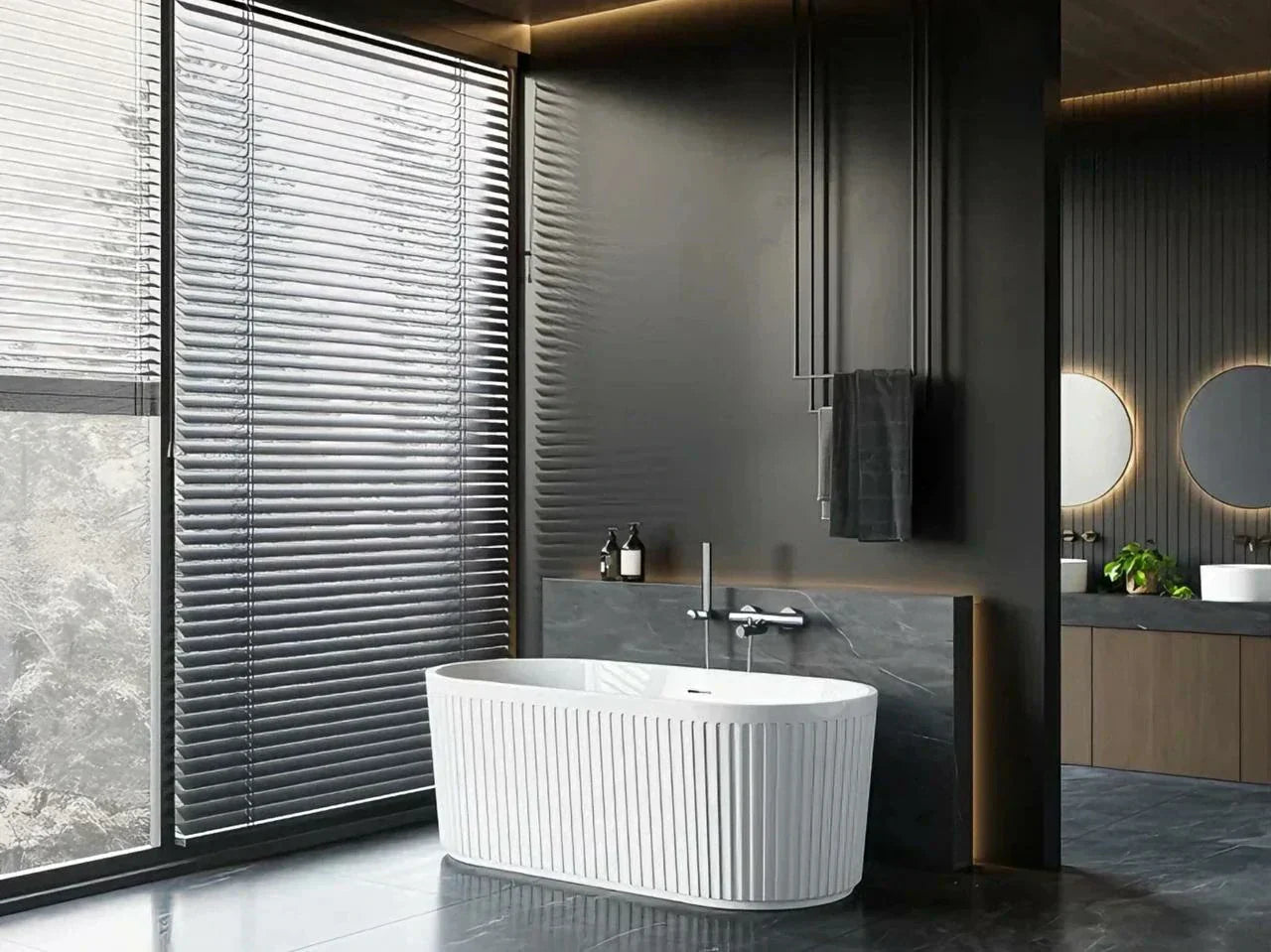
Bathtub costs in 2025 can swing from a budget-friendly swap to a full bathroom upgrade. Many people shop for a new bathtub thinking the tub price is the main number—then the quote comes back much higher because removal, labor, and plumbing changes add up fast. This guide breaks down real 2025 benchmarks, so you can see what a project really costs and why. You’ll learn the typical installed ranges, what triggers the high end, and how tub type of bathtub, material, size, and layout decisions affect your total. If you’re asking “how much is it to replace a tub?” you’ll get clear answers and a simple plan to estimate your project.
Installed Bathtub Replacement Costs (2025 benchmarks)
When you replace your bathtub, the cost of the tub itself is only part of the picture. In 2025, a bathtub typically accounts for a portion of the overall cost, while labor, removal, and minor plumbing can add significantly. Planning ahead ensures a smooth process when you install a new tub as part of the replacement.
National cost ranges (most homeowners)
For most homes, bathtub replacement and installation in 2025 lands in a wide band because “replace” can mean many things.
The typical full-project costs range is $1,300–$10,000 installed. In many markets, common averages cluster around $2,500–$5,700 when you add the tub, removal of the old tub, basic labor, and minor plumbing work. You may see lower totals when the job is a simple alcove swap with easy access. You may see higher totals when the tub style changes, plumbing moves, or hidden damage appears.
The key point is that your bathroom tub cost is usually less about the tub itself and more about what it takes to make the new unit fit, drain right, and stay watertight for years.
Cost breakdown by line item (what you’re really paying for)
When people feel shocked by a quote, it’s often because they only priced the tub. But a real bathtub installation cost is several line items stacked together. Here’s what most homeowners pay in 2025, and what tends to push each category higher.
| Component | Typical 2025 Cost Range | What triggers the high end |
| Tub only | $200–$3,000 | Premium finishes, deeper soaking tub designs, freestanding tub bodies, specialty sizes |
| Removal/disposal | $150–$600 | Heavy cast iron, tight stairs/halls, extra haul-away fees, more demolition |
| Labor/installation | $500–$3,500 | Hard access, tile work, leveling, multiple trades, longer timeline |
| Plumbing/repairs | $200–$1,200 | Drain doesn’t line up, valve updates, pipe corrosion, water damage fixes |
| Common full-project total | $1,300–$10,000 | Tub style change, reroutes, structural work, high-end features |
So when you ask, “how much to install new bathtub?” a helpful way to think about it is: tub cost + removal + install labor cost + plumbing + repairs. Any one of those can become “the expensive part” depending on your room.
What “replacement” vs “installation” vs “remodel” means (scope clarity)
A lot of cost confusion comes from words people use differently.
A like-for-like tub replacement usually means you keep the same footprint and drain location. Think “pull out the old alcove tub and set a new alcove tub.” This is the best path for cost control because you’re not asking the plumber to move pipes or the contractor to rebuild half the room. This is what many people mean by total cost to replace a bathtub.
A “new installation” often means a new tub is being added where a tub did not exist (or you’re changing the style in a way that changes the plumbing). That can mean a new drain run, new venting decisions, and more finish repair.
A “remodel” is the bigger project where the tub is part of a larger bathroom remodel cost—new floors, wall waterproofing, tile, lighting, ventilation, and sometimes layout changes. Many high totals that people call “bathtub replacement cost” are really remodel totals.
If your plan includes changing tub size, switching to a free standing bath tub, or moving the tub to another wall, you’re not in simple replacement territory anymore—even if you keep the same “bathroom tub.”
Bathtub costs by type (alcove to walk-in)
Bathtub style plays a major role in what you’ll actually pay. While many homeowners ask how much does a bathtub cost, the answer often depends on the type you choose and the additional costs that come with installation.
Standard/alcove tubs (lowest-cost path)
A standard 3-wall alcove tub is usually the lowest-risk, lowest-price path because it’s designed to fit tight spaces and match common drain positions. In 2025, a typical installed standard bathtub project often lands around $1,625–$2,000 when the plumbing stays in place and there’s no major repair work.
That “keep the plumbing” part matters. An alcove job becomes expensive when the drain is off by even a few inches or when the wall system behind the tub needs rebuilding. If you want predictable bathtub costs, this is the style that most often behaves like the estimate.
Decision diagram (when alcove is the best value)
If your current tub is alcove, your room is tight, and your drain is in the same spot, an alcove replacement is usually the best value. If you want a different look but still want cost control, keeping an alcove tub and upgrading the surround and fixtures often delivers a “new bathroom” feel without a layout change.
Whirlpool/jet tubs (feature-driven pricing)
A jetted tub (also called a jet or whirlpool tub) adds pumps and plumbing lines that a plain tub does not have. In 2025, the tub itself commonly costs $1,000–$4,000, while installed totals often land around $5,500–$7,500.
What drives the jump isn’t just the tub. It’s the extra electrical needs (often a dedicated, protected outlet), the need for an access panel for service, and the risk of “we opened the wall and found…” moments. If you want jets, budget for the tub and the right setup behind it, because shortcuts here can lead to expensive repairs later.
Add-on checklist for jets/electrical (step-by-step)
-
Confirm the tub’s electrical requirement and whether a dedicated circuit is needed.
-
Confirm where the access panel will go (and what finish work it affects).
-
Confirm the floor is level and stiff enough to prevent vibration and noise.
-
Confirm your contractor includes testing, leak checks, and a way to service the pump later.

Freestanding tubs (premium look, higher install risk)
A freestanding tub can be the centerpiece of the room, but the price jump is real. In 2025, the tub itself often runs $2,000–$3,000, and the full installed total can reach $3,656–$10,000 depending on what has to change under the floor.
Why does a freestanding tub cost so much more to install? Because you may need floor reinforcement, new water supply routing, and a drain move. Even when a freestanding tub fits the room, the plumbing may not be where it needs to be. That’s when a “pretty upgrade” becomes a bigger construction job.
If you’re comparing prices of bathtubs, remember this: the freestanding tub “tub price” is only part of the story. The install conditions are what turn it into a high or very high total. The same is true for a classic “clawfoot” style (often searched as clawfoot tub price): the look can be timeless, but the floor and drain setup decide the installed number.
Walk-in tubs (accessibility + highest variability)
If safety is the goal, a walk-in can be life-changing. It can also be one of the most expensive tub projects because the product category spans a huge range. In 2025, walk-in tub bodies commonly run $1,500–$11,500, while installed totals can range from $2,000–$22,100 depending on features and site conditions.
So, how much does a walk-in tub cost installed? Many homeowners land in the middle to upper part of the range once you add plumbing changes, wall repair, and any upgrades like hydrotherapy. The door seal technology, warranty support, and service access also affect price. A low bid can look great until you realize it doesn’t include enough site work to make the install safe and durable.
If accessibility is the reason you’re doing this, it’s smart to budget for quality installation and water protection, not just the tub body.
Material pricing & durability (acrylic vs cast iron vs steel)
Bathtub prices and durability can vary more than many homeowners expect. Depending on the tub style and depending on the material used, a tub can cost very different amounts. Looking at the cost by bathtub material makes it easier to compare acrylic, cast iron, and steel based on both price and long-term use.
Acrylic/fiberglass: best value for most homes
Acrylic and fiberglass tubs are often the best value because they’re light and easy to handle. In 2025, these tubs often cost $200–$1,200, with many common models around $500–$600. The lighter weight can reduce the chance of high removal costs and can keep your labor cost more predictable.
Acrylic can hold heat better than some thin steel tubs, so the water stays warm longer. The tradeoff is that cheaper surfaces may scratch if you use harsh cleaners. If you want lower bathtub costs but still want a nice look, acrylic is often the sweet spot.
Porcelain/enamel steel: midrange with tradeoffs
Porcelain-coated or enameled steel tubs often cost $400–$2,000 in 2025, with many around $800. People like the clean look and hard finish. The tradeoff is that chips can happen, and steel can feel cooler at first touch. Some steel tubs can also sound “hollow” as water hits them, unless insulation is added.
If you’re trying to balance bathroom tub cost with a more classic look, this can be a good middle option—just plan to protect the surface and confirm support under the tub.
Cast iron: durable, heavy, tariff-sensitive in 2025
Cast iron tubs are known for long life and great heat retention. In 2025, many cast iron tubs cost $500–$2,000, with an average around $1,300 for common options, but the installed price can rise quickly because cast iron is heavy. That weight can increase removal costs, extend labor time, and sometimes require floor checks or reinforcement.
Another 2025 factor is that premium imported materials can be more exposed to trade shifts and tariffs. That can show up in quotes as higher tub prices or longer lead times. If you love the feel of cast iron, it can be worth it—but you should plan for the “handling cost” that comes with it.
Material comparison (cost, weight, lifespan)
| Material | Typical Tub Cost | Weight/handling | Expected lifespan (typical use) |
| Acrylic/Fiberglass | $200–$1,200 | Light, easiest install | Often 10–15+ years (varies by quality/care) |
| Porcelain/Enameled Steel | $400–$2,000 | Medium, can chip | Often 15–20+ years |
| Cast Iron | $500–$2,000 | Heavy, higher labor risk | Often 25+ years |
labor & Installation costs (what makes prices jump)
Installation is often where bathtub projects get expensive. When you install a bathtub, labor and preparation work can quickly cost around as much as the tub itself, especially during a full tub installation. Understanding key cost factors, including plumbing changes and access issues, helps explain the cost of bathtub replacement and why prices can rise faster than expected.
Labor rates, timelines, and access constraints
In many bathtub projects, cost of labor is not a small add-on—it’s a major part of the bill. According to the U.S. Bureau of Labor Statistics (BLS), wages and compensation costs for civilian workers increased in 2025, indicating that labor expenses continue to put upward pressure on renovation projects. It’s common for labor (including demolition, setting the tub, and basic finish work) to represent 40–60% of the total cost.
A simple tub swap might take 1–3 days. The timeline gets longer if tile must be replaced, if walls need rebuilding, or if the subfloor needs repair. A tight bathroom, a narrow stairwell, or an older home with tricky framing can push labor up because everything takes longer and requires more care.
Timeline graphic (typical)
Day 1: Demo + remove old tub + inspect plumbing/subfloor
Day 2: Plumbing adjustments + set new tub + start surround/walls
Day 3: Finish work + seal + test + cleanup (if needed)
If you want to keep your installation cost down, the simplest path is the one with the fewest surprises: keep the same size, keep the drain location, and avoid moving walls.

Plumbing changes: the 1 hidden driver
Plumbing changes are the reason many people go from “I’ll just replace the bathtub” to “Why is this quote so high?” Drain alignment is a big deal. Even small differences between the existing bathtub and the new tub can require opening floors or ceilings.
Common plumbing cost triggers include drain offsets, old shutoff valves that should be replaced while the wall is open, and hidden water damage. It’s not unusual for a contractor to remove the tub and find damp framing or a soft subfloor. Fixing that is not optional if you want the new install to last.
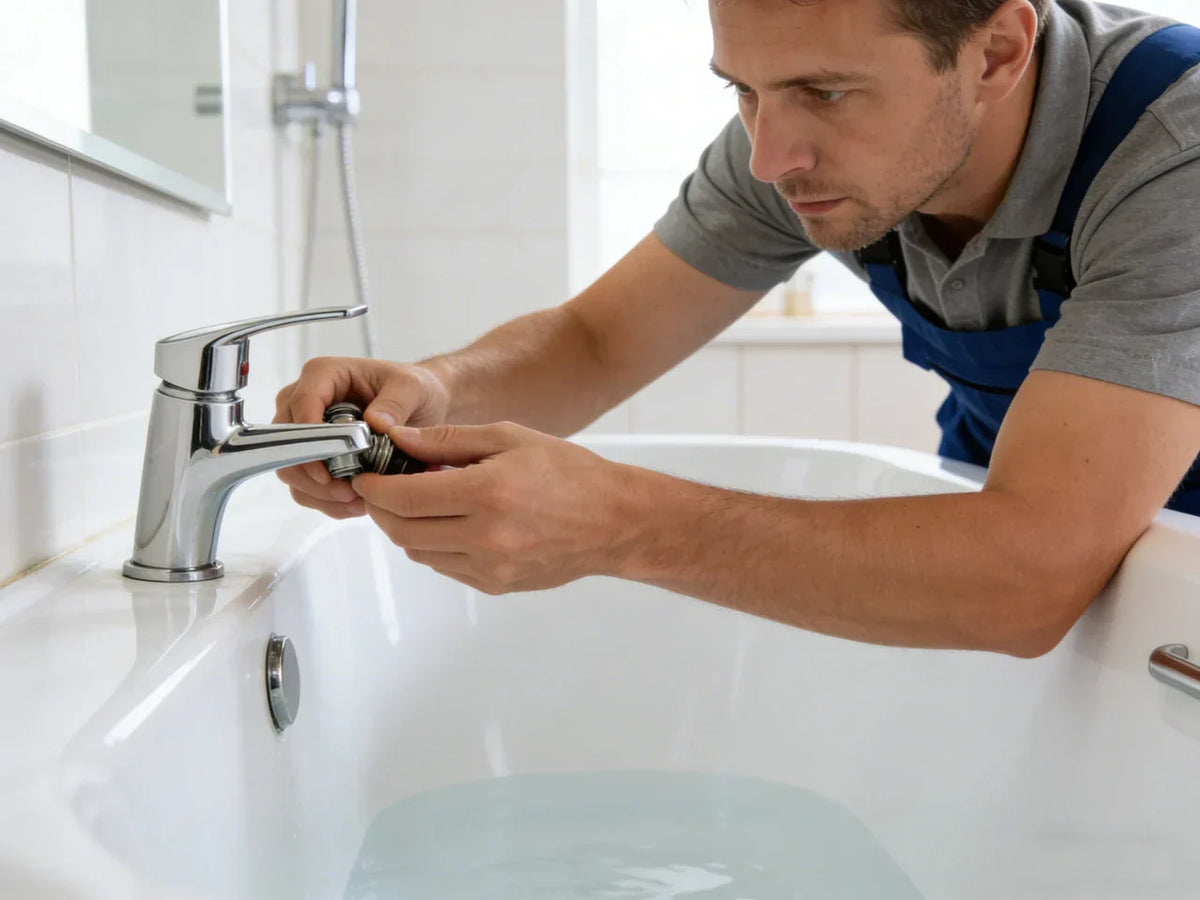
Does replacing a bathtub require a plumber? If the job is truly like-for-like and your contractor is qualified for the work, some teams handle it in-house. But if you need valve changes, drain moves, or any pipe repair, you should expect a plumber to be involved. In many areas, plumbing work also affects permit needs.
Structural, flooring, and subfloor work (especially for heavy tubs)
Flooring and subfloor repairs are easy to ignore until you’re standing on a soft spot. Heavy tubs, deep soaking designs, and some freestanding setups can require better support. Even when the structure is “fine,” the floor may need leveling so the tub sits flat and drains correctly.
If you are upgrading to a heavier tub, plan time for checking the floor and the framing. That’s especially true in older homes, where framing sizes and spans vary.
Permits and compliance (when needed, what to expect)
Not every tub swap needs a permit, but some do. Permits are more likely when you’re doing major plumbing changes, adding electrical for a jetted tub, or changing venting. The cost of permits varies by city and county, so it’s hard to give one number that fits everyone. What matters is this: if a permit is required and you skip it, you can run into problems when selling the home or if an insurance claim happens later.
If your contractor says permits are not needed, it’s fair to ask why. If your project includes a drain move, new wiring, or layout changes, double-check with your local building department.
Size, layout, and placement (cost impact before you buy)
Before choosing a tub, it’s important to know that the cost will depend heavily on size, bathroom layout, and placement. A larger or relocated tub can add to the cost of plumbing and structural work, increasing the cost of a simple bathtub replacement beyond the fixture itself. These layout-related changes often cost an average amount that surprises homeowners who only budget for the tub.
Standard bathtub sizes & what they cost to fit
The most common standard bathtub sizes are popular for a reason: they fit the space that many bathrooms already have. A 60-inch alcove tub is often the easiest to replace because it matches existing framing and rough plumbing.
Oversized tubs can be great, but they raise the risk that doors, walls, or plumbing must move. Even a few extra inches can trigger a cascade of extra work.
Common sizes + typical cost direction
| Size / layout | Common fit | Cost direction |
| 60" alcove | Most common replacement | Low |
| 66"–72" alcove/large | May require framing changes | Medium |
| Freestanding (varies) | Needs clear floor space + drain planning | Medium–High |
| Deep soaking (varies) | Higher water load + support checks | Medium–High |
If you’re shopping by bathtub dimensions, measure more than the tub opening. Measure the path into the bathroom too. A tub that fits the room can still be impossible (or very expensive) to carry in.
Drain location & rough-in compatibility (avoid reroute fees)
A drain that lines up with the tub is one of the biggest money savers in any bathtub replacement. If your new tub’s drain position doesn’t match the old one, you may pay for floor access, pipe moves, and extra finish repairs.
Alcove tubs often have common drain placements that match older bathrooms. Many freestanding tubs do not. Before you buy, confirm the drain location and how it works with your floor framing. That one check can save a lot of “additional costs.”
Placement decisions that change the budget
Moving a tub to another wall sounds simple until you price it. That move can require new supply lines, a new drain route, and repairs to floors and walls where the old plumbing used to be. If you’re thinking about a tub inside a larger shower area, costs can rise again because waterproofing, tile, and glass are specialized work.
If your goal is to update the look without a full reroute, a smarter approach is often to keep the tub where it is and change what surrounds it: a new surround, fixtures, lighting, and storage can make a bathroom feel new without moving the plumbing core.
Smart features and upgrades that add thousands
Upgrades are where you can quietly add $2,000–$6,000 without realizing it. Heated surfaces, built-in lighting, advanced pumps, and digital controls can push a project into luxury pricing fast. Sometimes those upgrades are worth it, but they should be a choice, not a surprise.
Upgrade “price ladder” (typical add-ons)
| Upgrade | Typical added cost (installed) |
| Basic fixture refresh during tub swap | $150–$600 |
| Upgraded surround or wall waterproofing scope | $500–$2,500 |
| Jet/whirlpool features (beyond a basic tub) | $2,000–$4,500 |
| Moving the drain/supply lines | $800–$3,500 |
| Floor reinforcement/leveling work | $500–$3,000 |
If you’re trying to keep the final cost down, decide early which upgrades matter to you and which ones are “nice to have.”
Sustainability & water efficiency (when it affects cost)
Water-saving fixtures and better insulation can reduce long-term water and energy use. These choices don’t always change the tub itself, but they can affect the fixture package, the valve, and how you plan hot water delivery. If you’re already opening walls, it can be a good time to install efficient fixtures that still feel comfortable to use.
2025 cost trends (inflation, tariffs, and premium features)
In 2025, broader economic forces are shaping what homeowners spend money on a bathtub replacement. Inflation, tariffs on building materials, and rising labor costs continue to push the price of an average bathtub higher, while premium features like heated surfaces and smart controls further increase total project costs.
2025 pricing pressures: materials + labor
Many homeowners feel that projects cost more than they did a few years ago—and that shows up in bathtub quotes too. Labor rates vary by region, but in general, wages and material inputs have stayed under pressure. You may see this in the form of higher hourly rates, longer lead times, or higher minimum charges for smaller jobs.
Premium materials can be more exposed to supply and trade shifts, which is one reason heavy or imported products can feel less predictable in price in 2025. If you want cost certainty, choosing common sizes and common materials helps.

Real-world bathtub installation scenarios
Numbers help, but what people really want is: “What will my project look like?” Here are common scenarios that show how the same “replace a bathtub” plan can land at very different totals.
Budget swap: standard tub replacement in an accessible alcove
This is the job many homeowners hope they have. The room is easy to access, the tub is a standard size, and the drain lines up. In that case, the total can land around $548–$2,836 depending on labor rates and whether plumbing repairs are needed.
The big lesson is simple: keep the footprint and drain location the same. If you want the lowest cost to replace bathtub, this is the path that most often works.
This scenario also answers a question people ask in plain terms: How much does it cost to remove and replace a bathtub? For a straightforward alcove swap, removal and replacement are often possible within the lower-to-mid thousands once you include removal/disposal and installation labor. If the tub is heavy or access is hard, that same job moves up.
Midrange upgrade: drop-in or surround bundle to reduce total cost
A common midrange move is upgrading the tub and the surround together, especially when the walls are already coming out. Bundling can reduce repeated labor—doing demolition once, doing waterproofing once, and finishing once.
Here’s a simple way to think about what changed and why the price often makes sense when you compare it to separate projects.
| Scope change | What changed | Typical cost impact |
| Tub swap only | New tub set, minimal wall work | Lower |
| Tub + new surround | Better waterproofing + finished walls | +$500–$2,500 |
| Tub + surround + fixture set | Fewer “old parts” left behind | +$150–$900 |
This approach often feels like a “new bathroom” without paying for a full layout change.
High-end outcomes: freestanding soaker or luxury walk-in
High-end projects usually get expensive for one of two reasons: the tub itself is premium, or the room must change to support it. A deep soaking tub or freestanding centerpiece can push totals toward the top of the cost anywhere range once you add drain moves, floor work, and finish repair.
Walk-ins can also climb fast. Many homeowners end up at $9,500+ for full-service installs, especially when the job includes careful fitting, plumbing adjustments, and finish work that matches the rest of the bathroom.
If you’re wondering why is bathtub installation so expensive? it’s usually because the tub is tied to the home’s water system, structure, and waterproofing. Unlike a chair or a cabinet, a tub has to be perfect: level, sealed, supported, and connected to plumbing that won’t leak.
Your cost to replace a bathtub + save money (tools & tactics)
Estimating your budget starts with understanding what your bathtub depends on, from materials and size to installation complexity. While the average bathtub replacement cost offers a helpful baseline, a bathtub typically costs more or less depending on labor choices, timing, and how well you plan ahead. The right tools and tactics can help keep those costs under control.
A simple cost estimator you can use before you get quotes
You don’t need a perfect estimate to plan well—you need a realistic range. Here’s a simple worksheet method that helps you predict your average cost before contractors visit. It’s not a replacement for quotes, but it helps you spot an estimate that’s missing key items.
Step-by-step estimator (low / mid / high)
-
Pick your tub budget: $300 / $800 / $3,000 (choose based on style and material).
-
Add removal/disposal: $150 / $350 / $600 (heavy tubs go high).
-
Add labor: $700 / $1,500 / $3,500 (tight access goes high).
-
Add plumbing/repairs: $200 / $600 / $1,200 (reroutes go high).
-
If moving the drain or switching to freestanding, add a contingency: $500 / $1,500 / $3,500.
That gives you a planning range for how much does bathtub installation might run in your home.
This also helps answer two big questions in a clean way:
-
What is the average cost to have a bathtub installed? In many homes, the installed total clusters around $2,500–$5,700, with simple swaps lower and complex changes higher.
-
What is the average price of a good bathtub? Many “good” everyday tubs that balance comfort and durability fall around $500–$1,200 for the tub itself, while premium styles can be much more.
Cost-saving strategies that don’t backfire
Saving money is good. Saving money and avoiding a leak behind the wall is better. If you want to save on bathtub projects without regret, focus on choices that reduce hidden labor.
Keeping plumbing where it is usually saves more than any discount on the tub. A drain move can cost as much as the tub. Choosing a common size (often a 60-inch alcove) also keeps framing and finish work simpler. Acrylic is often a strong value because it reduces handling risk and can lower the tub install labor cost.
DIY can help in limited ways. Some homeowners handle light demolition or remove trim, but full tub removal can be risky, especially with cast iron. Heavy tubs can damage floors, walls, and backs. If you’re thinking about DIY removal, make sure it’s allowed in your building, plan safe hauling, and know where the shutoffs are.
If your existing bathtub is in decent shape and you’re trying to delay a full project, bathtub refinishing can sometimes buy time for much less than replacement. Refinishing is not the same as a new tub, but it may be enough if the main issue is surface wear rather than leaks or damage.

Buying guide: where to spend vs where to save
If your budget is tight, it helps to know where spending pays back and where it doesn’t.
Spend on waterproofing and proper support. A tub that flexes, drains poorly, or is sealed badly can cause damage that costs far more than the original project. Spend on plumbing quality too—valves and shutoffs are hard to reach later, so doing them when the wall is open can be smart.
Save on cosmetics when you need to. A standard-size tub, a simple surround, and basic fixtures can look clean and modern when installed well. You can always upgrade style later, but you don’t want to redo hidden work.
If you’re asking what is the cheapest type of bathtub? it’s usually a basic acrylic or fiberglass alcove tub, especially when it matches your current drain and footprint.
Wrap-up: decision checklist (fast takeaways)
Replacing a bathtub involves many choices that affect both cost and outcome. Use this decision checklist to quickly review key factors—size, type, material, labor, and plumbing—so you can make informed decisions and avoid costly surprises.
10-point pre-quote checklist (to prevent surprise charges)
Use this before you call for quotes. It helps you get “apples-to-apples” pricing and reduces the chance of surprise charges after demo day.
checklist (step-by-step)
-
Measure your current tub length and width (and note the height).
-
Confirm your standard bathtub size or note if it’s custom.
-
Identify drain location (left/right/center) and measure from the wall.
-
Check the access path: stairs, turns, door width.
-
Decide if you are keeping the same tub style or changing it (alcove to freestanding, etc.).
-
Look for signs of water damage: soft floors, stained ceilings below, loose tile.
-
Note the age of the valve/fixtures (older homes may benefit from updates).
-
Decide if you want jets, heaters, or other upgrades (and plan electrical needs).
-
Ask your local building office if permits apply for your scope.
-
Set your budget range and pick your “must-haves” before shopping.
Quote comparison framework (apples-to-apples)
When you compare quotes, insist on clear line items. A low quote may simply be missing parts of the job.
Ask each contractor to list the tub model, removal/disposal, plumbing scope, wall/surround plan, repair allowances, timeline, and warranty terms. If one quote assumes “minor plumbing” and another includes a full valve update, those numbers are not competing with each other.
A useful trick is to request two options: one price to “keep drain where it is” and a second price to “move drain if needed.” That way you can see how much the layout change is really costing you.
Final guidance: choosing the right tub for your budget
If you want the most predictable bathtub costs, a like-for-like alcove replacement is usually the safest route. It’s the style most likely to fit the space without major plumbing surprises.
If you want a statement look, a freestanding tub can be worth it, but plan for structural and plumbing risk. The tub may be the easy part—the floor and drain plan are what decide the installed total.
If accessibility is the main goal, walk-in tubs can be worth the premium, especially when safety is non-negotiable. Just go in knowing that variability is high, and the quality of installation matters as much as the tub.
Finally, is it worth it to replace a bathtub? It often is when your tub is cracked, leaking, hard to clean due to surface failure, or no longer fits your needs. It can also be worth it for resale appeal when the current tub makes the bathroom feel dated. On the other hand, if the tub is solid and the issue is cosmetic, refinishing or a surround refresh may deliver the look you want for much less.

FAQs
1. What is the average cost to have a bathtub installed?
When planning to install a new bathtub, it’s important to understand that costs can vary a lot. A typical project often includes the tub itself, removal of the old one, plumbing adjustments, and labor. For most standard-size tubs, the full installation total usually falls in the $2,500–$5,700 range. Simple alcove replacements on accessible floors can be on the lower end, while freestanding, deep soaking, or jetted tubs push costs higher. Labor can include leveling, sealing, and minor construction, which is why the overall cost of installation is often more than people expect. Planning ahead, keeping the drain in place, and choosing common sizes can help you stay within a predictable budget while avoiding surprises.
2. How much does it cost to remove and replace a bathtub?
The cost of replacing a bathtub depends on several factors. Basic acrylic or fiberglass tubs are light and easier to remove, while cast iron or freestanding tubs are heavy and can add extra labor. Removing the old tub, adjusting plumbing, and ensuring proper sealing can increase the bill. A straightforward replacement usually lands in the low-to-mid thousands, but unexpected issues—like hidden water damage or drain misalignment—can push it higher. To keep the price manageable, many homeowners stick to the same size and drain location. Thinking of the job as a combination of tub, removal, and labor costs rather than just the fixture itself gives a more realistic view of much it costs to replace your bathtub.
3. Is it worth it to replace a bathtub?
Deciding whether a bathtub replacement worth it often comes down to your priorities and the condition of your current tub. Cracks, leaks, or an outdated design are good reasons to replace it, especially if you want to avoid water damage or improve comfort. Accessibility upgrades, like walk-in or jetted tubs, can also make replacement worthwhile. If your current tub is solid and cosmetic issues are the only concern, refinishing or updating the surround may save money. Overall, replacement ensures long-term durability, plumbing integrity, and potential resale appeal, making it a smart decision in many situations.
4. What is the average price of a good bathtub?
For most homes, a new tub cost that balances comfort, durability, and standard sizing is around $500–$1,200 for the fixture alone. Premium tubs, including freestanding or whirlpool models, can cost much more. Material choices—acrylic, steel, cast iron—affect weight, heat retention, and installation complexity. Remember, the tub itself is only part of the total; labor, plumbing, and removal of the old tub often double the expense. Choosing a standard size and keeping the drain in place can help keep the total predictable. Understanding price ranges for a good tub allows you to plan effectively and make decisions that fit your budget without sacrificing quality.
5. What is the cheapest type of new bathtub?
When thinking about cost by type, a basic acrylic or fiberglass standard bathtub in an alcove layout is usually your most budget-friendly option. These materials are lightweight, easy to install, and match common drain locations, which can help you save on bathtub replacement without cutting corners. Most homeowners choose common bathtub materials like acrylic because they balance affordability with durability and heat retention. If you stick to standard sizes and avoid moving plumbing, this type of tub typically keeps both material and labor costs lower, making it the smart choice for a simple replacement.
References



Leave a comment
This site is protected by hCaptcha and the hCaptcha Privacy Policy and Terms of Service apply.