
The top bathtub colors for 2025 are warm, rich, and a little bit moody. Homeowners are finally moving beyond plain white tubs, with mocha browns, deep greens, inky blues, and matte black now rivaling neutrals. This guide walks you through the winning bathtub colors, data-backed trends, and simple styling tips you can actually use.
Top Bathtub Colors for 2025
Before we dive into the most popular bathroom tub colors, you might be wondering— can you paint a bathtub yourself, and how to paint a bathtub to match your style?
Quick-List: 2025’s Most Popular Bathtub Colors
More homeowners are treating the bathtub as the star of the bathroom, not just a fixture. Tub colors now help set the mood for a spa-like retreat, a cozy cocoon, or a bold, design-led space. Here are the top bathtub colors for 2025 and the feel each one brings:
-
Mocha Mousse / Chocolate Brown – A grounding, cozy shade that echoes natural wood and stone. It feels like a warm hug and pairs well with real or faux stone and wood details.
-
Warm Earth Tones (Taupe, Sand, Latte) – Soft, timeless, and flexible. These are ideal if you want a calm, spa-like bathroom with an organic feel.
-
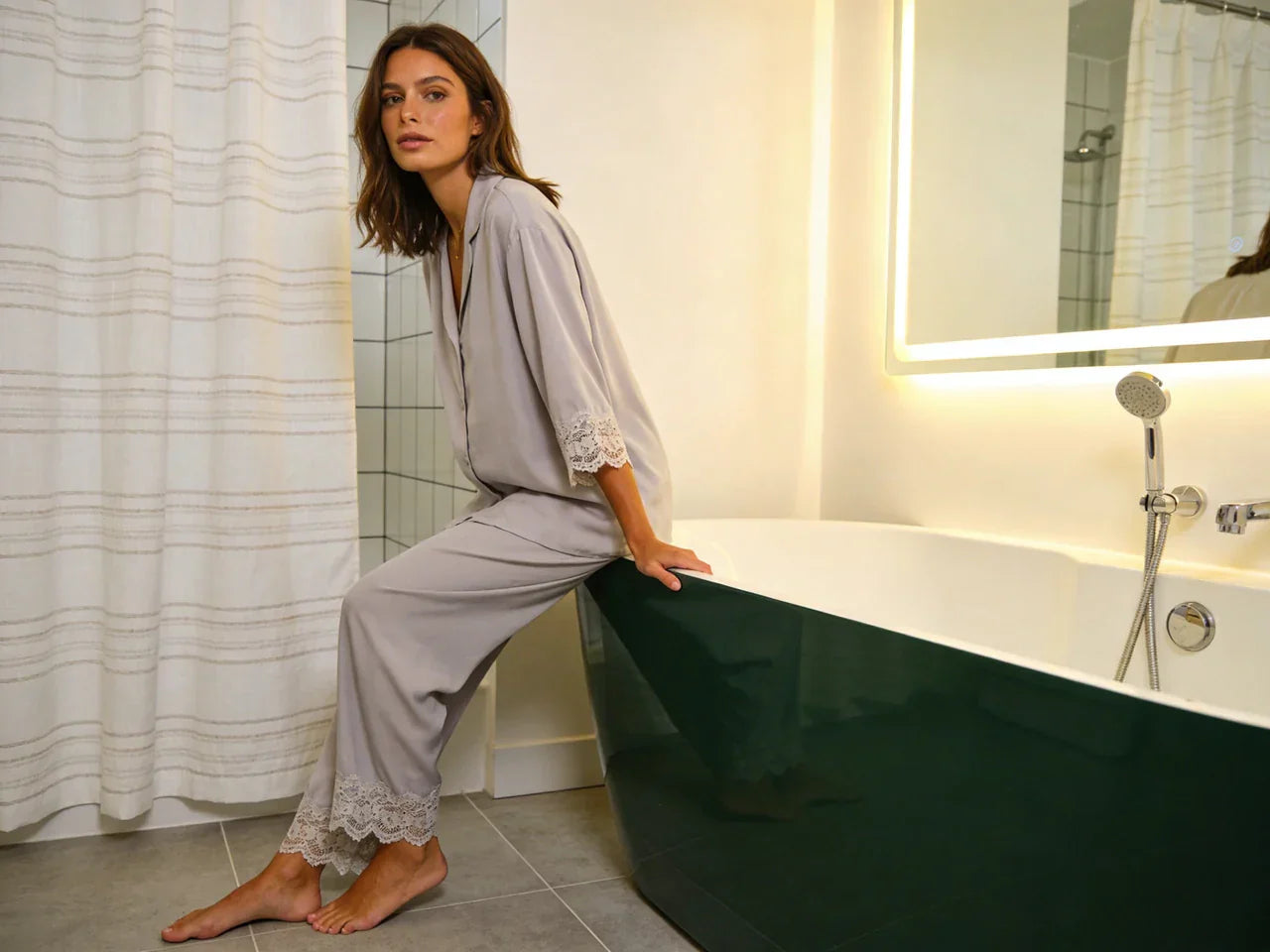
Emerald & Deep Greens – Rich, nature-inspired shades that feel both biophilic and luxurious. Strong in vintage revival and moody spa designs.
-
Deep Navy & Inky Blues – Calm, deep blues that create a coastal or hotel-spa vibe. They work especially well in wet rooms and bathrooms with large showers.
-
Matte Black – Dramatic and sculptural. This modern favorite shines in freestanding tubs and pairs with many fixture finishes.
-
Oxblood / Burgundy / Wine Red – High-drama colors that turn the tub into a statement piece in design-led or vintage-inspired spaces.
-
Soft Whites & Off-Whites – Still the safest choice for resale and small bathrooms, and a classic match for almost any bathroom color scheme.
-
Stone-Inspired Neutrals (Beige with Brown Veining, Greige) – These mimic marble or limestone and give a quiet, luxe feel, especially in solid surface or stone tubs.
-
Terracotta & Rust – Warm, sun-baked colors that bring a boho or Mediterranean mood, often used on clad tubs or in tile around the tub.
-
Two-Tone & Clad Tubs (Color + Stone/Wood) – A fast-growing trend where the interior of the tub is one color and the exterior is wrapped in stone, wood, or a second color for a furniture-like look.
If you are wondering what colors bathtubs come in today, it’s much more than classic white and off-white. Factory options now cover whites, creams, grays, beiges, browns, greens, blues, black, and even muted pink or lavender in some lines, plus custom colors for higher-end materials.
Cheat Sheet: Best Tub Color by Goal
Use this quick table to match your tub color to your main goal for the bathroom with tub.
| Goal | Recommended Bathtub Colors |
| Spa-like & soothing | Soft white, off-white, pale sage, soft blue |
| Nature-connected & warm | Mocha, chocolate, taupe, stone neutrals |
| Bold, moody cocoon | Emerald, deep navy, oxblood, matte black |
| Classic & resale-friendly | White, off-white, light beige |
| Small bathroom, more space | White, off-white, light neutrals |
| Family & easy to maintain | Mid-tone taupe, mocha, stone-look finishes |
2025 Bathtub Color Trends: From White to Warm & Moody
This shift opens the door for richer, warmer, and more adventurous bathtub colors that bring personality and depth to the space.
The Shift Away from All-White Bathrooms
From around 2017 to 2023, white ruled bathroom design. In recent surveys, about half of new countertops and over 40% of shower walls were white, and gray was the leading “safe” neutral. That is now changing.
Gray is dropping fast, and design reports for 2025 show more homeowners reaching for warmer browns, wood tones, and moody colors, especially around the bathtub. White is no longer the only “clean” color. Instead, off-whites and light neutrals are used to frame darker tubs and stone slabs.
So if your bathroom still has the full white-on-white look, you are not alone—but many homeowners looking to transform your bathroom in 2025 are adding color through the tub, tile, or stone, while keeping some white for balance.
Why Browns and Mocha Tones Lead in 2025
A major color authority picked a rich chocolate shade called “Mocha Mousse” as its 2025 color of the year. That choice reflects what many designers are already doing: using mocha and chocolate bathtub colors to make bathrooms feel grounded and calm.
Mocha tubs work especially well in spaces with wood vanities and doors. Wood tones have now passed white as the most popular vanity finish, which tells us homeowners are comfortable with warmer, more natural color choices. A mocha tub sitting near a warm oak vanity or stone with brown veining feels connected, not loud.
At the same time, experts warn that too much brown in a small, low-light bathroom can feel heavy. They suggest adding contrast with lighter walls, cream tile, or a soft white ceiling. The key point is balance: a brown tub with lighter surfaces around it creates a cozy but not dark space.
The Rise of Moody Hues: Green, Blue, and Black
Moody hues are the other big story in bathtub color trends for 2025. Many design pros say colored bathtubs are coming back in style, but not in the bright avocado and harvest gold shades from mid-century bathrooms. Instead, the new wave is deep and rich:
-
Emerald and deep greens echo forests and plants. They pair well with brass or aged bronze fixtures and work in both vintage and modern designs. A green tub with white tile and gold taps gives a classic, almost heritage feel.
-
Deep navy and inky blues communicate calm and depth. They look beautiful in wet rooms where the tub and shower share one open area. Navy tubs with warm white walls and stone floors feel like a quiet spa.
-
Matte black tubs act like sculptures. Their smooth, low-sheen surface makes the shape stand out, especially in freestanding designs. These tubs often show up in high-contrast bathrooms with white walls and black fixtures, or in moody rooms with charcoal tile.
On social media and in showrooms, curved organic tubs in mocha and emerald get a lot of attention. Videos show how these colors change with lighting and how they help soften square rooms. So if you want something unique without going wild, a deep green or navy tub is a strong modern choice.
Data-Backed Insights on 2025 Bathtub Colors
Understanding what designers and homeowners are prioritizing helps explain why these new bathtub colors are gaining popularity.
What Designers and Homeowners Are Prioritizing
Recent design surveys show that about 73% of experts now list “spa-like bathroom design” as a top goal, up from the mid-50% range a year earlier. That means soft, soothing palettes and a strong focus on how the bathroom affects your mood.
To create that spa feeling, pros often use light blues, soft greens, and warm earth tones. Around the bathtub, they are adding stone slabs with soft veining, smooth microcement, or large format tiles to reduce grout lines. About 58% of pros highlight large natural or engineered stone slabs around tubs because they feel timeless and calm, especially in brown-veined beige or moody dark tones.
How White Still Fits into 2025
White has not vanished. In most existing homes, white is still the top bathtub color. It works with almost any wall or tile color, and it helps small bathrooms feel bigger.
So where does white still make sense in 2025?
-
Small bathrooms or low-light spaces where every bit of visual space matters.
-
Homes where resale is a big concern, such as rentals, starter homes, or flips. Classic white or soft off-white tubs are less likely to scare off buyers.
-
Minimalist designs where the homeowner loves a clean, simple aesthetic.
Recent forecasts, though, point to darker, warmer tubs as the “luxury” alternative to pure white. Many designers now create a white main bathroom with a feature tub in mocha, black, or emerald in a second bathroom to keep both flexibility and personality.
Sustainability & Practicality Trends
Around 84% of bathroom remodels now include at least one sustainable feature, and over 40% include water-efficient fixtures. That focus on sustainability also affects bathtub color choices and materials.
Homeowners are more interested in:
-
Durable colored solid surface or stone tubs that will not need to be replaced soon.
-
Recycled or low-VOC surfaces that reduce indoor air concerns.
-
Finishes and colors that hide minor wear so the tub looks fresh for more years.
Mid-tone browns, taupes, and stone-look finishes tend to hide soap marks, light scratches, and a bit of dust better than pure black gloss or bright white. So if you care about low maintenance and sustainability, a mid-tone colored bathtub can be a smart long-term solution.

How to Choose the Right Bathtub Color for Your Space
Bathtub color ideas can feel endless. To keep things simple, think through light, style, maintenance, and resale in that order.
Start with Light, Size, and Layout
First, look at your space. How much natural light does your bathroom get? Is the tub against a wall, inside a shower-bath combo, or freestanding in the center?
In small bathrooms with little natural light, very dark bathtubs—like matte black or deep navy—can make the room feel smaller if you do not balance them with light tile and walls. A white or soft neutral tub can help the area feel bigger and cleaner.
In larger or brighter bathrooms, you have more freedom. A mocha or emerald tub can become the focus without making the space feel cramped. Wet rooms, where the tub and shower share a single glass screen or open area, are now chosen in about 55% of remodels. In those layouts, the tub color affects how the entire shower area feels. Darker tubs can look dramatic against light stone tile, while lighter tubs help blend everything together.
Ask yourself: do you want the bathtub to blend in or stand out? Your answer will guide how bold you go with color.
Define Your Style: Spa, Bold, or Organic
Next, think about the mood you want every time you step into your bathroom with tub.
If you want a spa-like retreat, choose whites, off-whites, pale sage, soft blue, or light taupe. Keep contrast lower—soft walls, gentle tile tones, and simple fixtures. The aim is a calm environment with no harsh jumps in color.
If you prefer a bold or moody cocoon, go for emerald, navy, oxblood, or matte black. These bathtub colors work well with dimmable warm lighting, wall sconces, and textured tile. The tub acts like a focal point, so let it be strong while keeping some surfaces simpler.
For an organic, nature-connected feel, mocha, chocolate, stone neutrals, terracotta, and warm beige are ideal. Pair them with wood vanities, woven baskets, plants, and warm metal fixtures. This style suits homeowners looking for a cozy but modern bathroom that will not feel too strict or cold.
Consider Maintenance, Durability & Resale
Different bathtub colors show dirt and wear in different ways.
-
Dark tubs (black, navy, deep green) can show soap scum, limescale, and water spots more clearly, especially in hard-water areas. Matte finishes may also show oily marks from bath products.
-
White and light tubs can show hair, dirt rings, and any yellowing near the drain or overflow. They may need more frequent deep cleaning but are simple to “read” for cleanliness.
-
Mid-tone earth colors like mocha, latte, or greige often hit the sweet spot. They hide small marks and still feel light enough for most bathrooms.
If you plan to sell your home in the next 5–10 years, a classic white or soft cream tub is usually the safest choice. You can still explore current tub color trends by painting the walls, choosing bolder towels and a shower curtain, or using tile with color and pattern. That way, you do not lock future buyers into a strong bathtub color.
Bathtub Colors by Material: Acrylic, Cast Iron, Stone & More
Your tub’s material does more than affect how it feels—it also sets limits on color choices, how easy it is to recolor bathtub surfaces, and what kind of maintenance you’ll face.
Acrylic and Fiberglass Tubs
Acrylic and fiberglass tubs are light, budget-friendly, and very common. They usually come in white, off-white, and other light neutrals, but many makers now offer soft greige, almond, or even gentle mocha tones. Some allow custom colors on special order.
These tubs are easy to install and replace, and they accept certain bathtub paint colors if you want to change your bathtub later. The surface can scratch and may yellow if you use harsh cleaners or if strong sunlight hits it for years. Because of that, you should use mild, non-abrasive cleaners and avoid rough scrub pads.
Cast Iron and Enamel Steel Bathtubs
Cast iron and enamel steel tubs are heavy and very strong. Their glass-like enamel finish is usually white, off-white, or black, though some companies will produce custom colors at a higher cost. Deep green or navy cast iron tubs are popular in vintage or heritage-inspired designs.
These tubs resist fading well, but if the enamel chips, the dark metal below can show. Chips can rust over time if you do not repair them. So while the color stays stable, you need to avoid heavy impacts and fix any damage early.
Solid Surface & Stone/Stone-Composite Tubs
Solid surface and stone composite tubs are ideal for 2025 bathtub color trends. They can be made in mocha, warm beige, stone-look neutrals, terracotta, and even deep green or black. Many also mimic marble, with beige or brown veining, so the bathtub and countertop can match perfectly.
These tubs feel warm and smooth to the touch and allow for sculptural shapes. However, they are heavier and often cost more. You need a strong floor and, at times, a professional plumber and contractor to ensure they fit and drain properly.
Resurfaced / Reglazed Bathtubs
If you love the idea of a colored bathtub but have a solid existing bathtub you do not want to replace, resurfacing can be a smart option. Bathtub refinishing (also called reglazing) uses special coatings to recolor bathtub surfaces, often white tubs from the 70s–90s.
Can you change the color of your bathtub? Yes. A pro can usually change a tub from white to mocha, black, deep green, or another shade using a strong epoxy or urethane coating. High-quality refinishing can last about 10–15 years if you avoid harsh cleaners and treat the surface gently.
Homeowners often ask how to change the color of your bathtub on their own. You can buy DIY kits, but the work is detailed. You must:
-
Clean and remove all soap scum and oils.
-
Lightly etch or sand the surface so new coatings can bond properly.
-
Mask walls, tile, and fixtures to keep paint off them.
-
Apply primer and topcoat with strict attention to ventilation and cure time (often 24–48 hours or more, depending on the product).
Because these coatings can crack or peel if done wrong, and fumes can be strong, many people choose a professional instead of a DIY project.
Styling Bathtub Colors: Fixtures, Tiles, and Lighting
Color alone will not carry your bathroom. The fixtures, tile, and lighting around the tub are what make your new color scheme feel intentional and pulled together.
Pairing Tub Colors with Fixtures
Think about the metal finish of your faucets, shower head, and drains, because they sit right against your tub color.
-
Mocha or brown tubs look great with brushed brass, bronze, or black fixtures. The warm metals echo the tone of the tub and create a rich, welcoming feel.
-
Emerald and deep green tubs shine with unlacquered brass or antique gold finishes. The combination feels vintage and high-end, especially with traditional tap shapes.
-
Matte black tubs work with almost anything: chrome for a crisp, modern look, stainless for a sleek style, or warm metals for contrast and warmth.
-
White and soft white tubs are the most flexible. You can pair them with chrome, black, gold, or mixed metals. The tub acts as a neutral backdrop.
Even small details—like the color of the overflow cover, drain, and shower curtain rod—can help your tub color feel more “finished.”
Tile and Wall Color Combinations
Your walls and tile should complement the bathtub color, not fight with it. Here are a few simple, real-world combinations:
-
A brown mocha tub with cream handmade-look tile and warm white walls creates a soothing, earthy spa. Add a stone floor and soft beige towels and the space feels like a retreat.
-
An emerald tub with white subway tile and a patterned floor in black and white gives a classic but bold look. The white tile keeps things clean; the pattern and color keep it from feeling plain.
-
A matte black tub with a light oak floor and off-white microcement walls is modern and calm. The wood adds warmth; the walls keep everything bright and fresh.
Pay attention to undertones. If your tub is a warm color (mocha, cream, terracotta), stick to warm whites and beiges. If it is a cool color (navy, gray, certain greens), cooler whites or soft grays may match better. This helps avoid the “something feels off” effect in your bathroom color choices.

Lighting: Making Your Bathtub Color Look Its Best
Lighting can change how your tub color looks more than you might expect.
Warm LED bulbs (around 2700–3000K) make browns, creams, and terracotta shades feel richer and cozier. They can also soften matte black and navy so they do not feel harsh. Cool LEDs (4000–5000K) can make white tubs look brighter but may make warm colors feel slightly dull.
Accent lighting is also helpful. Wall sconces near the tub, a small ceiling spotlight over a freestanding tub, or hidden LED strips under a clad tub edge can highlight the shape and color. In dark and moody bathrooms, dimmable warm lighting is almost a must if you want a cocoon-like feel without losing function.
Bathtub Color Ideas by Bathroom Style
Different bathroom styles call for different bathtub colors, making it easier to match the tub to the overall mood and design of the space.
Modern Minimalist Bathrooms
If you love clean lines and a simple look, stick with bright white, matte white, or soft greige tubs. A matte black tub can work as an accent if the rest of the bathroom stays very light and simple. Keep tile patterns quiet and use one or two metal tones at most.
Spa-Like Retreat Bathrooms
Spa bathrooms call for light and soothing colors. Soft whites, off-whites, pale sage, muted blue, and stone neutrals are perfect. Add natural textures like wood vanities, linen shower curtains, and stone around the tub. A soft green tub with white walls and beige stone can feel like a high-end spa.
Dark & Moody Retreats
For a moody retreat, choose emerald, navy, wine red, or matte black tubs. Surround them with charcoal or dark forest green walls, textural plaster, or dark tile. Use warm metals and warm light to keep the room from feeling cold. This style works best in medium to large bathrooms, or rooms with at least one good source of natural light.
Organic & Earthy Bathrooms
Organic bathrooms mix warm, natural colors and materials. Tub colors like mocha, chocolate, latte, terracotta, and warm beige work well. Pair them with wood vanities, wicker baskets, plants, and warm metal hardware. Even a simple white tub can join this style if you wrap the outside in wood or place it near stone and wood details.
Vintage, Classic & Heritage-Inspired Bathrooms
Classic bathrooms often feature clawfoot or pedestal tubs in off-white, deep green, navy, or burgundy. Checkered floors, wainscoting, and traditional fixtures support this look. If you love history but also want modern function, you can reglaze an existing bathtub in a rich green or navy, then use white walls and black-and-white tile for balance.
Budget, Sustainability & Longevity of Bathtub Colors
Considering cost, environmental impact, and how long a tub will look fresh helps guide your choice of color and material.
Cost Ranges by Tub Color & Material
Color can affect the cost of your bathtub. Standard white acrylic tubs are usually the most affordable, while custom colored solid surface or stone tubs sit at the higher end.
In simple terms:
-
A standard white acrylic tub is often the lowest-cost option.
-
A colored acrylic tub in greige, mocha, or soft blue can cost more due to special pigments or smaller production runs.
-
Solid surface or stone tubs in mocha, stone-look beige, or deep colors are usually premium items.
-
Cast iron tubs in classic white may cost less than custom-colored cast iron in deep green or black.
Refinishing can be a budget-friendly way to change your bathtub color. Instead of paying to remove and replace a heavy old tub, you pay for skilled labor and coatings, often at a fraction of new tub plus install costs.
Eco-Friendly Bathtub Color Choices
If you care about sustainability, you have a few paths:
-
Reuse and refinish an existing bathtub rather than sending it to a landfill.
-
Choose low-VOC coatings and adhesives when reglazing or installing tubs and tile.
-
Use stone or wood cladding from responsibly sourced materials.
Mid-tone and darker colors can also help a tub seem newer for longer by hiding light wear, so you don’t feel the need to replace it as quickly. That is another quiet benefit for both budget and the environment.
Will Bold Tub Colors Date Quickly?
Many homeowners worry that bold tub colors will feel out of date in a few years. That can happen, but there are ways to reduce the risk.
If you are risk-averse, use bold colors on walls, towels, and decor that you can change without major cost. Keep the tub itself white, off-white, or a gentle neutral. If you are in a long-term home and love design, a colored bathtub can be worth it as a strong personal choice.
Ask yourself: will you still enjoy this color if trends move on? If the answer is yes, and the rest of your bathroom design is balanced, a bold emerald or mocha tub can be a lasting joy, not just a short trend.
Practical Care & Maintenance by Color
Keeping Dark Bathtubs Looking Clean
Dark tubs—especially matte black, deep navy, and very dark green—can show soap residue and limescale easily, especially in hard water areas. To keep them looking clean:
-
Rinse the tub after each use to prevent soap rings.
-
Wipe it down with a soft cloth or squeegee.
-
Use gentle, non-abrasive bathroom cleaners to avoid dulling the surface.
Avoid powder cleaners or rough pads that can scratch dark finishes and make them look cloudy.
Caring for White and Light-Colored Tubs
White and light tubs can stain around the drain, overflow, or where water sits. To care for them:
-
Clean regularly with a mild cleaner and a soft sponge.
-
Address any rust or deep stains early.
-
Avoid colored bath oils or strong hair dyes sitting on the surface for long periods.
If your tub has yellowed or stained beyond regular cleaning, bathtub refinishing or reglazing can restore a classic white or give you a new color. A pro can sand, prime, and repaint the tub with specialized coatings so it looks fresh again, based on guidance from the CDC, it’s important to ensure old paint and surfaces are free from lead contamination before refinishing.
Protecting Earth-Tone and Stone-Look Tubs
For real stone tubs or stone-clad tubs, sealing is important. Sealers help protect against etching or staining from soaps, shampoos, or bath salts. Avoid strong acidic cleaners that can mark marble or limestone.
Mocha and stone-look solid surface tubs are more forgiving, but they still benefit from gentle cleaners and soft cloths. Keeping the finish clean and dry after use helps maintain the richness of brown veining and earthy tones.

Choosing a 2025-Proof Bathtub Color
2025 is clearly shifting away from cold, all-white bathrooms toward warm earth tones and moody, cocooning hues, especially on freestanding and feature tubs. Mocha browns, deep greens, navy, and matte black now sit alongside soft whites and stone neutrals as equal choices.
To choose a color that feels “2025-proof,” balance trend with your space:
-
In small or low-light bathrooms, white and light neutrals keep things open.
-
In bright or larger rooms, mocha, emerald, navy, or black can turn the tub into a showpiece.
-
If resale matters, keep the tub classic and add color with walls, tile, and textiles.
You might start by shortlisting two or three bathtub colors you like—maybe white, mocha, and emerald. Use samples, digital visualizers, or moodboards to see how they work with your tile, flooring, and fixtures. When your tub color supports your daily mood and long-term plans, your bathroom will feel both current and personal for years to come.
FAQs
1. What colors do bathtubs come in?
Bathtubs are available in a wide range of colors beyond the classic white. Neutral shades like off-white, greige, and taupe remain popular for their versatility. Earth tones such as mocha, chocolate, and beige create a warm, organic feel. Darker options like deep navy, emerald green, and matte black are increasingly used to add drama and sophistication. Specialty colors, including muted blues, soft greens, and stone-look finishes, can complement natural materials and textures. Colored bathtubs are often paired with contrasting walls or tiles to create a balanced, visually appealing bathroom design.
2. Are colored bathtubs coming back in style?
Yes, colored bathtubs are making a noticeable comeback in modern bathroom design. Unlike mid-century bright avocado or mustard tubs, today’s trend favors rich, deep, and muted tones that add elegance and personality. Homeowners are using mocha, emerald, navy, and matte black tubs as statement pieces, often complemented by natural stone, wood, or neutral walls. Social media and showroom trends highlight how these colors change subtly with light, offering depth and mood. Colored tubs are now seen as a luxury alternative to standard white, allowing homeowners to introduce style and individuality without overwhelming the space.
3. What kind of paint do you use on a bathtub?
When changing a bathtub’s color, specialized refinishing or reglazing paints are used, designed to adhere to non-porous surfaces like porcelain, enamel, acrylic, or fiberglass. These coatings are typically two-part systems, including a primer and a durable topcoat that resists water, heat, and cleaning chemicals. They are formulated to create a smooth, glossy, or matte finish without peeling or cracking. Some water-based or epoxy products are low in volatile organic compounds (VOCs), making them safer for indoor use. Using the correct paint type is crucial to achieving a long-lasting, professional-looking finish that can withstand daily use.
4. How long will a painted bathtub last?
A professionally painted or refinished bathtub can last anywhere from 5 to 10 years, depending on the quality of the materials, preparation, and daily maintenance. Proper surface preparation—cleaning, sanding, and priming—is critical to ensure adhesion. Daily care, such as avoiding abrasive cleaners, harsh chemicals, or scrubbing pads, extends the lifespan. Light-colored finishes may show stains faster, while mid-tone or darker finishes hide minor wear. Environmental factors, like humidity and water quality, can also affect durability. While refinishing isn’t permanent, it provides a cost-effective way to update a tub without full replacement.
5. Can you change the color of your bathtub?
Yes, the color of most bathtubs can be changed through refinishing, reglazing, or professional painting. The process typically involves cleaning and sanding the surface, applying a primer, and then coating it with a durable, water-resistant topcoat. This allows homeowners to update old or outdated tubs to modern colors, whether neutral, earth-tone, or bold. While some materials, like cast iron and fiberglass, are easier to refinish than others, almost any surface can be transformed with the right preparation and coatings. This approach is cost-effective and eco-friendly, extending the life of the tub while giving the bathroom a fresh look.
References


Leave a comment
This site is protected by hCaptcha and the hCaptcha Privacy Policy and Terms of Service apply.