

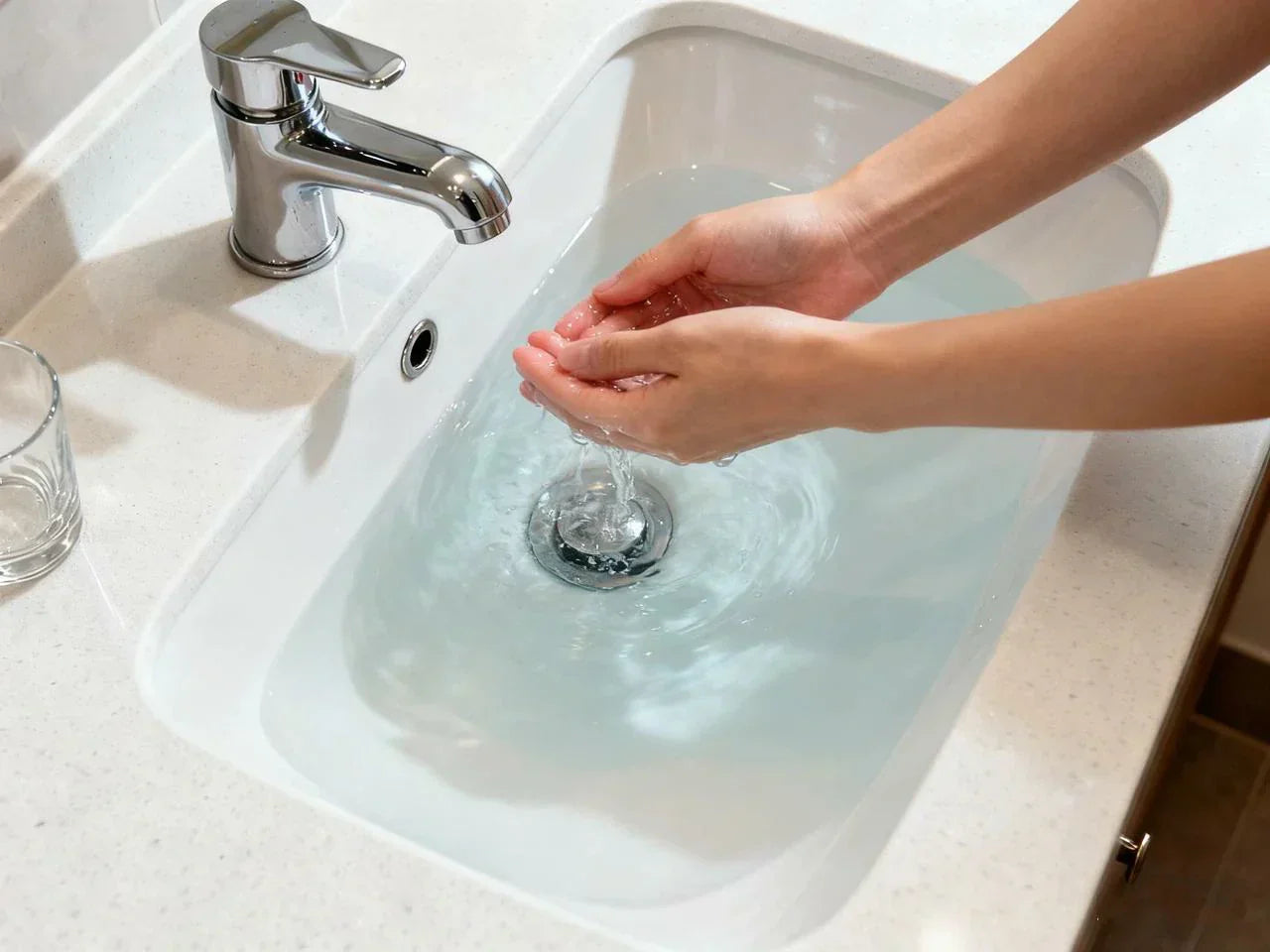
Small part, big impact—that’s the story of bathroom sink drains. A good drain does three things well: it moves water fast, it resists clogs, and it looks right with your sink and faucet. If you’re remodeling, fixing a slow bathroom drain, or choosing a new pop-up for a vessel sink, a little know‑how saves time and money. This guide gives you a quick selector, then explains the types of bathroom sink drains, sizes, materials, and 2025 features to watch. You’ll get step-by-step installation, anti‑clog upkeep, and fixes for leaks and slow flow—plus realistic costs, warranties, and pro tips.
By the end, you’ll know how to measure your bathroom sink drain size, match an overflow or non‑overflow sink, pick a finish, and replace a bathroom sink drain with confidence. You’ll also see when a simple DIY works and when it’s safer to call a professional.
Quick Selector: Find the Right Drain in 60 Seconds
Choosing the right drain doesn’t have to be complicated. In the next section, we’ll break down your options by use case, style, and maintenance needs—so you can quickly spot the best fit for your sink and lifestyle.
Decision paths by use case (kids, guest bath, primary suite, rentals)
If you want fewer clogs with long hair or heavy use, a grid drain is the most low‑maintenance option. It stays open but stops hair at the top. Wipe it weekly, and you avoid monthly snaking.
For a premium look and easy, one-hand use, a push pop-up (also called “press‑to‑close” or “mushroom”) is popular in remodels. Press to close, press again to open. Many models let you pull off the cap by hand for cleaning without tools.
Like the classic control behind the faucet? A pop-up with a lift rod matches traditional styling and gives precise water sealing. It has more moving parts, so it needs careful alignment to avoid jams.
Working with a tight budget or going for a retro feel? Lift‑and‑turn and chain & plug drains are simple and durable. They’re not as quick to use daily, but they’re easy to maintain and repair.
Must‑know compatibility checks (overflow vs non‑overflow, vessel sink drain)
-
Match the drain to your sink’s overflow status. Sinks with an overflow port (a small slot near the rim) need a drain with side holes to let trapped air escape. Sinks without an overflow need a sealed drain body.
-
Vessel sinks often need a “tall” drain body (longer tailpiece) and a finish that matches the exposed parts. Check that the tailpiece reaches your P‑trap without awkward extensions.
Which drain works best for long hair and fewer clogs?
A grid drain with a removable strainer top is the best choice for hair‑heavy homes. It keeps hair up top, so you can lift it out and wipe it—no more fishing under the stopper or plunging the trap. A quick weekly wipe‑down keeps flow fast.

Find‑Your‑Best‑Drain flowchart
-
Do you need to fill the sink? If no → choose Grid. If yes → continue.
-
Do you want one‑press operation without a rod? If yes → Push Pop‑Up. If no → continue.
-
Do you prefer classic faucet control? If yes → Pop‑Up with Lift Rod. If no → Lift‑and‑Turn or Chain & Plug.
Bathroom Sink Drains: Types, Mechanisms, Pros/Cons
Bathroom sink drains come in a variety of styles and mechanisms, and knowing the bathroom sink drain components, from the flange and stopper to the tailpiece and P-trap, helps you understand how each type functions. Whether you prioritize sleek modern looks, easy maintenance, or budget‑friendly reliability, understanding the options will help you pick the right drain for your sink and daily routine.
Push pop‑up (press‑to‑close/mushroom) — modern, tool‑less upkeep
A push pop‑up uses a spring inside the drain assembly. You press the cap to seal the sink and press again to pop it open. It has a sleek top with no rod behind the faucet, so it suits modern baths and vessel sinks. Many caps lift off by hand for cleaning. The upside is speed and style. The trade‑off is you need to clean under the cap and the seat to avoid biofilm that can slow flow.
Pros: smooth look, quick close/open, easy cap removal.
Cons: needs routine cleaning under the stopper; springs wear with time but are replaceable on many models.
Pop‑up with lift rod — traditional control behind faucet
This type of drain links a rod behind the faucet to a lever and pivot under the sink. Push the rod down, and the stopper seals; pull up to open. It gives a tight seal for soaking and a classic look with two‑handle faucets. It has more small parts, so correct alignment matters. If the pivot isn’t square to the tailpiece, the rod can bind or the stopper height can drift.
Pros: precise seal, familiar for many sinks.
Cons: more moving parts; rod can jam if misaligned; harder to remove the stopper for deep cleaning if you don’t know the trick.
Grid/strainer — always open, high‑throughput anti‑clog
A grid (or strainer) is a fixed grate at the top. Water goes through; hair stays up top. It’s the best low‑maintenance choice for kids’ baths and guest suites where you don’t need to fill the bowl. Because it never closes, it can’t be used for soaking.
Pros: simple, fast draining, hair control at the surface.
Cons: cannot hold water in the sink.
Lift & turn + chain & plug — simple, durable, budget options
A lift‑and‑turn stopper twists to rise and seal. A chain & plug uses a loose plug you insert by hand. These are tough, serviceable, and easy to understand, but they’re slower for daily use. They suit rentals, retro styles, or sinks where reliability and low cost matter most.
Pros: long‑term reliability, very simple parts.
Cons: less convenient; chain plugs can go missing.
Comparison at a glance
| Drain type | Mechanism | Best for | Key pros | Key cons | Compatible sinks |
| Push pop‑up | Press cap to open/close (spring) | Primary suites, modern baths, vessel sinks | Sleek, quick, tool‑less cap cleaning | Needs under‑cap cleaning | Overflow or non‑overflow versions |
| Pop‑up w/ rod | Lift rod behind faucet moves stopper | Traditional baths, precise sealing | Tight seal, classic look | More moving parts, alignment matters | Overflow or non‑overflow versions |
| Grid/strainer | Fixed grate, always open | Kids/guest baths, rentals, hair control | Anti‑clog, high flow | Can’t fill sink | Overflow or non‑overflow versions |
| Lift & turn | Twist/lift stopper | Budget, basic reliability | Simple, durable | Slower to use | Overflow or non‑overflow versions |
| Chain & plug | Loose plug on chain | Retro, very low budget | Cheapest, easy to replace | Plug can be lost | Overflow or non‑overflow versions |
Sizing & Compatibility: Measure Before You Buy
Before you buy a bathroom sink drain, it’s important to check sizes and compatibility. Small differences in tailpiece diameter, sink hole width, or P‑trap alignment can cause leaks or slow drainage. The following tips make it easy to measure and match the right drain to your sink.
The essentials: 1‑1/4 inch vs 1‑1/2 inch drains and 1‑5/8 inch openings
Here’s the short answer many people want: Are bathroom sink drains a standard size? Most bathroom sinks use a drain assembly with a 1‑1/4 inch tailpiece, and the sink drain hole is often about 1‑5/8 inches across at the top. Some larger or specialty sinks use 1‑1/2 inch drains, but that size is more common in kitchens. Always confirm your sink hole and the pipe size that connects to your P‑trap before you order.
If your P‑trap is 1‑1/2 inch and your drain tailpiece is 1‑1/4 inch, that’s fine—you can use a reducing washer at the trap connection. The reverse (1‑1/2 tailpiece into a 1‑1/4 trap) requires an adapter and is less common in a bathroom.
Overflow vs non‑overflow drains (how to tell and why it matters)
Look inside your sink near the rim. See a small slot or round opening? That’s the overflow port. It lets air in so water drains faster and prevents overfilling. If your sink has this port, you need a drain with side holes in the body. If your sink does not have one (many vessel sinks don’t), choose a solid drain body with no side holes. Mixing them can cause noisy gurgling, slow draining, or a poor seal.
Vessel, wall‑mount, floating vanities: tailpiece length and P‑trap alignment
Sinks that sit higher (vessels) or vanities with open space below often need a longer drain body and careful P‑trap alignment. Check the centerline of the trap where it enters the wall. Your drain tailpiece should reach it without bending or stressing the pipe. Extensions exist, but a clean, straight run is best to keep flow smooth and reduce leak points.

Will a 1‑1/2 inch drain fit my bathroom sink?
Maybe, but only if your sink drain hole and trap are sized for it. Most bathroom sinks take 1‑1/4 inch drains. Measure the top hole (often ~1‑5/8 inches) and check your trap size. If your sink is standard and your trap is 1‑1/2 inch, a 1‑1/4 inch drain with a reducing washer is the usual setup.
How to measure (quick steps):
-
From above: measure the sink’s drain hole diameter at the top (the “flange” area).
-
From below: measure the outer diameter of the drain tailpiece (1‑1/4 inch or 1‑1/2 inch).
-
Measure from the sink bottom to the trap centerline to confirm reach.
Materials & Finishes: Durability, Cleaning, Sustainability
The material and finish of your bathroom sink drain play a big role in durability, cleaning ease, and overall sustainability. From long‑lasting brass to lightweight plastic, each option has trade‑offs in lifespan, maintenance, and style. The following guide helps you compare materials and pick the best fit for your bathroom.
Brass vs stainless vs plastic: lifespan, corrosion resistance, total cost of ownership
The material of your drain affects how long it lasts and how easy it is to keep clean.
-
Solid brass is the long‑life choice for most homes. It resists corrosion and holds threads well. With simple care, many brass drains run 15–25 years.
-
Stainless steel resists corrosion and staining, especially in humid baths. Thin stainless can dent; thicker parts last longer.
-
Plastic (ABS or PVC) is light, cheap, and won’t corrode, but threads can strip and finishes are limited. Expect 5–10 years in typical use, though some last longer in low‑traffic baths.

Materials comparison
| Material | Typical lifespan | Corrosion resistance | Care | Sustainability |
| Solid brass | ~15–25 years | Excellent | Mild soap; avoid harsh abrasives | Recyclable metal; parts often repairable |
| Stainless steel | ~10–20 years | Very good | Mild soap; wipe dry to prevent spots | Recyclable; durability varies by thickness |
| Plastic (ABS/PVC) | ~5–10 years | Will not rust; can degrade under stress | Gentle cleaning; avoid heat/solvent exposure | Some recycling limits; low energy to make |
Note: Lifespans vary by water chemistry, cleaning habits, and part quality.
Finish matching: matte black, brushed nickel, oil‑rubbed bronze, chrome
Match your bathroom sink drain finish to your faucet and trim. Chrome and brushed nickel hide water spots well and are easy to clean. Matte black looks sharp but shows soap film if you don’t wipe it. Oil‑rubbed finishes vary in tone and can show wear on high‑touch caps. Clean with mild soap and a soft cloth. Skip harsh scrubbers that scratch the finish.
Eco and maintenance factors: repairability, recyclability, anti‑clog design
For a greener choice, pick drains with:
-
Replaceable seals and springs (instead of tossing the whole drain assembly).
-
Tool‑less access under the cap for fast cleaning.
-
All‑metal parts you can recycle at end of life.
-
Tops that trap hair at the surface so you can clear it without chemicals.
Do brass drains really last longer?
In most homes, yes. Solid brass resists corrosion and holds threads and seals well. That makes it less likely to leak or loosen over time. If you want a drain to last longer and stay tight, brass is a smart pick.
2025 Trends & Innovations in Sink Waste and Stoppers
Bathroom sink drains and stoppers are evolving with both style and function in mind. From push pop‑ups to anti‑clog grids, modern designs focus on convenience, easy cleaning, and universal usability. Let’s explore the 2025 trends and innovations that make everyday sink use simpler and more efficient.
What’s popular now
Homeowners continue to choose push pop‑up drains in new baths for one‑press use, clean lines, and easy top access. For kid‑friendly or high‑traffic spaces, many specify grid drains to control hair and reduce clogs. Finishes like brushed nickel and matte black remain common picks to match modern faucets and hardware.

Anti‑clog and tool‑less cleaning features
Look for designs with:
-
Removable pop‑up caps you can lift by hand to clean the seat and threads.
-
Accessible hair baskets under the cap on some models.
-
Grid tops that lift out so you can wipe them in seconds.
These features let you keep flow fast without a snake, plunger, or harsh chemicals.
Universal design and ADA‑friendly operation
Large, flat push caps and easy‑turn stoppers are more comfortable for many users. Low‑force operation and high‑contrast finishes can make everyday use clearer and safer, who says these features comply with ADA accessibility guidelines. When in doubt, choose controls that are simple, need light force, and are easy to see.
Are “press‑to‑close” mushroom drains worth it?
If you want one‑hand use and quick cleaning, yes. They are easy to install, simple to operate, and many let you remove the top without tools. If you often soak items and want a tight seal without a rod, they’re a great fit.
Step‑by‑Step Installation: DIY Basics to Pro Tips
You can replace bathroom sink drain at home with basic tools. The most important steps are sealing the top flange, aligning the tailpiece to the trap, and checking for leaks.
Tools and prep checklist
-
Adjustable wrench, channel‑lock pliers
-
Plumber’s putty or 100% silicone (see sealant advice below)
-
Teflon tape (for threaded tailpiece/trap adapter if needed)
-
Bucket, rags, mild cleanser
-
Utility knife or tubing cutter (for tailpiece trimming)
-
Flashlight and gloves
Tip: You don’t need to turn off the water to replace the drain, but protect the cabinet with towels and place a bucket under the trap.

Install: push pop‑up (with overflow variant)
-
Remove the old drain. Loosen slip nuts on the P‑trap and tailpiece. Unscrew the drain body from the flange while supporting the sink from above. Clean the sink hole to bare surface.
-
Dry‑fit the new parts. Test the drain body in the hole and confirm the tailpiece reaches the trap centerline. Mark cut length if trimming is needed.
-
Seal the flange. Roll a thin rope of plumber’s putty and place it under the metal flange, or run a neat bead of silicone (see which to use below).
-
Set and align. Insert the flange from above. From below, thread the drain body onto the flange. For overflow sinks, align side holes to the overflow channel. Hand‑tighten, then snug with pliers—do not over‑tighten. Wipe excess putty/silicone squeeze‑out.
-
Connect the trap. Wrap Teflon tape on threaded joints if used. Install the tailpiece into the trap with the correct slip washer orientation (tapered side toward the joint).
-
Install the pop‑up head. Press the cap in place. If the design uses a separate cartridge, install it per the instructions.
-
Test for leaks. Fill the sink, then release. Check around the flange and all joints. Re‑snug if you see drips. Recheck after an hour.
Install: grid drain (with or without overflow)
-
Remove old parts and clean the hole.
-
Apply sealant under the flange (putty or silicone).
-
Insert the drain body and align any overflow holes with the sink’s channel.
-
Tighten the locknut from below while keeping the flange centered.
-
Connect to the P‑trap with slip nuts and washers.
-
Test for leaks and flow.
Common mistakes and quick fixes
-
Leak at the flange: Re‑seat with fresh putty or silicone. Make sure the sink rim is clean and dry.
-
Slow draining after install: Remove the pop‑up cap and clean under it; make sure the rubber seat isn’t misaligned. Check for packaging debris in the drain.
-
Misaligned trap: Trim the tailpiece square to length. The trap should be level and straight, not under stress.
-
Overtightening: It can crack plastic parts or distort gaskets. Tighten to snug, then test.
Maintenance & Troubleshooting: Keep It Fast‑Draining
Keeping your bathroom sink draining smoothly doesn’t have to be complicated. Regular cleaning and simple checks can prevent clogs, leaks, and odors, while knowing when to tackle a problem yourself—or call a plumber—saves time and protects your fixtures. Here’s a practical guide to maintenance and troubleshooting.
Weekly/monthly routines
-
Lift off the pop‑up cap (or lift the grid top) and wipe hair and soap scum.
-
Clean the threads and seat with a soft brush and mild soap.
-
Monthly, run a hot water flush or a 1:1 warm water–vinegar rinse to reduce biofilm.
-
Avoid pouring grease, waxes, or thick cosmetics into the drain.
Diagnose and fix: slow draining, leaks, odors
-
Slow flow: Check hair under the stopper. Clean the grid or pop‑up seat. If still slow, snake the trap or use a plastic hair tool from above.
-
Leak at the trap: Reseat slip washers (taper faces the joint), hand‑tighten, then a small quarter‑turn with pliers.
-
Leak at the flange: Re‑seal with fresh putty/silicone.
-
Odor: The P‑trap may be dry. Run water to refill it. If the sink is seldom used, add a cup of water monthly.
When to call a plumber vs DIY
Call a pro if:
-
You see cracks in the sink or drain hole.
-
You have persistent leaks that threaten the cabinet.
-
The trap or wall stub‑out is corroded or loose in the wall.
-
You don’t have the tools or time to prevent damage to finishes.
Typical pro replacement costs vary by region and part choice. Expect the total to reflect the part (plastic vs brass, basic vs premium finish) plus labor for removal, install, and leak testing.

Why is my pop‑up drain slow to empty?
Most often, hair and soap collect under the cap and along the seat. Remove the cap, wipe the threads and rubber seal, and rinse. Check that the stopper sits high enough when open. If the cartridge is mis‑seated, it can choke flow—reinstall it and test again.
Cost, Warranty & Value: What to Expect in 2025
Understanding the cost, warranty, and overall value of a bathroom sink drain helps you make a smart choice for your home. From budget plastic options to durable brass with premium finishes, knowing what to expect in 2025 ensures you get the right balance of price, lifespan, and hassle-free use.
Price bands and finish upcharges
| Drain build | Typical part price | Notes |
| Basic plastic (chrome‑look top) | Low | Budget replacements; lighter duty |
| Mixed metal/plastic (common) | Low–mid | Good value for guest/kids’ baths |
| All‑metal (stainless or brass) | Mid–high | Best durability and feel |
| Specialty finishes (matte black, bronze) | #NAME? | Match faucet/trim; finish quality varies |
Your total cost of ownership includes the part, any adapters or sealant, and your time. All‑metal drains cost more up front but often last longer and have replaceable parts. That reduces future waste and repeat work.
Lifespan and warranty terms that matter
-
Look for coverage on finish (no peeling or flaking) and mechanicals (springs, seals).
-
Check that replacement O‑rings and cartridges are available.
-
Read the installation notes; some warranties require silicone instead of putty on certain surfaces.
Case study snapshots: upgrade ROI
-
Kids’ bath: swapping a sticky lift‑rod stopper to a grid reduces hair clogs and weekend maintenance.
-
Primary suite: moving from chain & plug to a brass push pop‑up improves seal, looks, and daily ease.
-
Rental unit: replacing worn plastic with a mid‑grade metal drain cuts service calls for leaks and stopper issues.
Simple cost calculator (quick math)
-
Part price + sealant/tape + your time value (hours × your hourly value)
-
If hiring out: Part price + labor rate × (1–2 hours for straightforward swap)
Expert & User Insights: Real‑World Performance
Real-world insights from installers and homeowners reveal what works best in daily use. From sealant choices to alignment tricks and hair‑control strategies, these tips show how drains perform over time and what to watch for when installing or maintaining them.
Installer tips: best sealants by finish, avoiding jams, alignment tricks
Which is better under a drain flange—silicone or plumber’s putty? Use the one your drain and sink maker calls for. As a rule of thumb:
-
Porcelain sink + metal flange: Plumber’s putty seals well and stays pliable.
-
Natural stone, cultured marble, or composite sinks: Use 100% silicone. Oil in standard putty can stain some stones.
-
Plastic flanges: Use silicone to avoid stress and ensure a flexible seal.
Other tips:
-
Tighten order matters. Seat the flange first, then set the body and locknut, then connect the trap.
-
For pop‑ups with rods, keep the pivot square to the tailpiece and adjust the clip so the stopper opens high enough.
-
Trim tailpieces square. A crooked cut can cause a slow drip no matter how much you tighten.
What DIYers report about hair and grid drains
Many homeowners say a grid solved recurring hair clogs. A quick weekly wipe of the top prevents the need to disassemble the trap. Those who prefer push pop‑ups note that tool‑less cap removal makes monthly cleaning simple—no more digging under the stopper.
Do I need an overflow or non‑overflow drain for my sink?
Match the drain to the sink. If your sink has an overflow port, use an overflow drain. If it doesn’t, use a non‑overflow drain. This keeps draining smooth and prevents sealing issues.
Quick Safety and Code Notes
-
Keep the P‑trap installed and filled with water to block sewer gases.
-
Maintain proper slope and alignment on drain pipes to support smooth flow and meet plumbing code, based on ICC guidelines.
-
If you modify hard plumbing (beyond the trap), check local code requirements or consult a licensed plumber.
FAQs
1. Are bathroom sink drains a standard size?
Most bathroom sink drains are pretty consistent in size, which makes things easier when you need to replace or install one. Typically, the tailpiece—the pipe coming straight down from the drain—is 1‑1/4 inches in diameter, and it fits into a sink hole that’s roughly 1‑5/8 inches wide. That works for most standard sinks. That said, some specialty or designer sinks might use a slightly bigger 1‑1/2 inch drain, so it’s always good to double-check before buying a new drain.
2. What are the different types of bathroom sink drains?
There are a few popular types you’ll run into. You’ve got push pop‑up drains, which just press down to close and open, super simple. Then there’s the pop-up with lift rod, the classic one you lift or push a rod behind the faucet to operate the stopper. Grid or strainer drains are basically just a metal mesh or grate that lets water through but catches hair and debris. Lift-and-turn drains twist to open or close, kind of like a little knob on the stopper. And finally, there’s the old-school chain & plug, where you literally pull a plug attached to a chain to drain the water. Each has its pros and cons depending on style, ease of use, and cleaning.
3. Is it better to use silicone or plumber’s putty?
It really depends on the sink material and what the manufacturer recommends. As a general rule: if you’ve got a porcelain sink with a metal flange, plumber’s putty works really well because it stays pliable and seals tightly. For natural stone, cultured marble, or plastic flanges, silicone is usually the way to go since putty can stain or not seal properly. The golden rule is to follow the product instructions—that’s the safest way to avoid leaks or damage.
4. Can I replace a sink drain myself?
Absolutely, if you’re handy with basic tools, you can totally do it yourself. Replacing a bathroom sink drain isn’t rocket science—most DIYers can get it done in about an hour. You’ll need a wrench, some plumber’s tape or sealant, and maybe a bucket to catch water. The key is to seal it carefully so there’s no leaking, tighten everything properly, and check your P-trap alignment. It’s a satisfying little project that saves a service call fee!
5. How to measure bathroom sink drain for replacement?
Measuring for a replacement drain is actually pretty straightforward once you know what to look for. Start with the sink hole at the top—most are around 1‑5/8 inches. Then check the tailpiece diameter, usually 1‑1/4 or 1‑1/2 inches. Finally, measure the distance from the bottom of the drain to the centerline of the P‑trap—this ensures the new drain lines up properly. Having these three numbers makes buying a compatible replacement drain much easier.
6. What are the parts of a sink drain?
A bathroom sink drain has a few main pieces stacked from top to bottom. At the top, you’ve got the flange and stopper, which is what you see from above the sink. Below that is the drain body, sealed with gaskets and a locknut to keep water from leaking. The tailpiece extends down into the slip nut and washer, which connect to the P‑trap that leads to your wall drain. For pop-up drains with a rod, add the lift rod, clevis, and pivot rod, which operate the stopper from behind the faucet. Once you see how the pieces fit together, it’s much easier to replace or troubleshoot leaks.
References




Leave a comment
This site is protected by hCaptcha and the hCaptcha Privacy Policy and Terms of Service apply.