

Bathroom faucet handles shape how your sink looks, how it feels to use, and how often you need to clean and fix it. In 2025, widespread and smart faucets, durable finishes, and ergonomic lever handles lead the way. According to the U.S. Environmental Protection Agency (EPA), well-designed faucet hardware can reduce water waste and improve everyday efficiency, making handle choice more important than most people realize. This guide focuses on what actually matters—types, finishes, accessibility, and installation—so you can choose bathroom faucet handles that match your sink, your style, and your day-to-day routine.
Quick picks and key takeaways
-
Best overall for precision and a luxury feel: Widespread double-handle (most searched in early 2025; peak index 86).
-
Best for compact vanities and easy cleaning: Single-handle or centerset.
-
Best for hygiene and accessibility: Touchless or smart faucets with a lever-style override.
-
On-trend finishes: Brushed nickel (top in 2025), matte black, oil-rubbed bronze.
-
Installation watchouts: Match your sink hole count and spacing. Switching between single-hole and widespread often needs plumbing or vanity changes.
-
Durability tip: Solid brass bodies with PVD finishes outlast zinc or painted coatings in high-use bathrooms.
Bathroom faucet handles: types and mechanisms
When most people say bathroom faucet handles, they’re also talking about the faucet configuration as a whole. The handle type determines how you control water temperature and flow, but the layout determines if it will even fit your sink. Let’s break down both in plain language.
Types of bathroom faucet handles
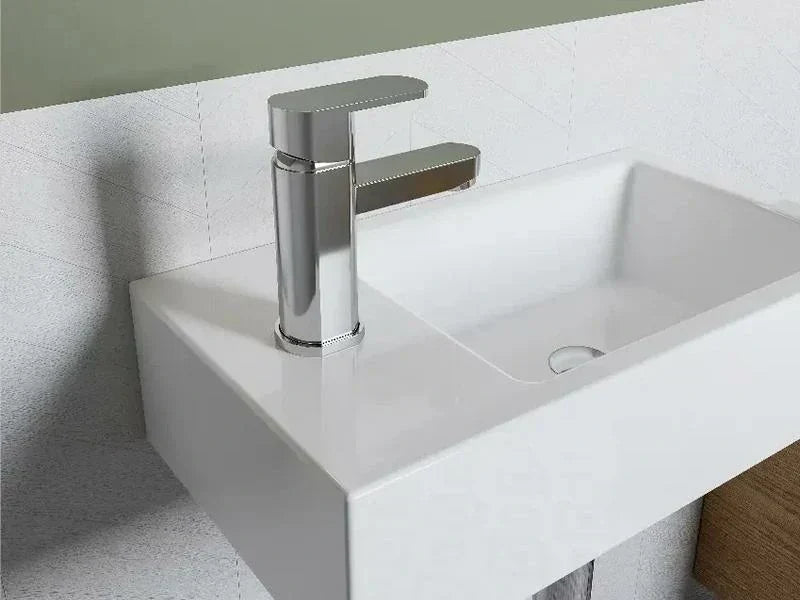
Single-handle faucets combine hot and cold water in one lever or joystick. You move the handle to adjust both temperature and flow. This type is common in modern bathrooms because it saves space, looks clean, and is fast to wipe down. If you have a tight vanity or a small powder room, a single handle on a single hole is simple and effective. One tradeoff is fine-tuning temperature. Because one handle controls everything, tiny moves matter. Most users get used to it quickly.
Double-handle or widespread faucets use separate handles for hot and cold water, often spaced 6–16 inches apart. The spout sits in the middle. This setup is known for precision and a premium look. If you like to dial in your shower temp to the degree, you’ll likely enjoy separate handles for hot and cold. Widespread configurations ranked as the most searched type in early 2025, which lines up with what many designers install in primary bathrooms for a classic or upscale feel.
Centerset faucets place two handles and the spout on one compact base, set on 4-inch centers. This is a great match for older sinks or budget-friendly replacements. If you’re swapping like-for-like and your sink has three holes close together, centerset is often the easiest path.
Wall-mount faucets move the hardware off the deck and onto the wall. The handles may be separate or combined depending on the model. This type pairs well with vessel sinks or floating vanities and frees space around the basin. The key to wall-mount success is planning the rough-in—spout reach, height above the sink, and splash control matter more here than with deck-mount types.
Bridge faucets connect the two valves above the deck with an exposed “bridge” bar, creating a vintage, timeless shape. You still get two handles (one for hot, one for cold), but the look is more like a classic kitchen tap. If you’re restoring a historic home or want a statement piece, a bridge can set the tone.
Touchless and smart faucets use sensors and often add voice or app control. A sensor triggers water flow when your hand moves near the spout. Many smart models also allow temperature presets and timed flow. In high-end homes and busy guest baths, touchless handles reduce germs and water waste because you don’t need to touch the tap with soapy hands. For accessibility, being able to wave a hand to turn water on and off is a big win.
Handle styles and how they feel in the hand
-
Lever handles are the most ergonomic. You can push or pull with minimal force. If you deal with joint pain or just want easy one-hand motion, lever handles are a smart choice.
-
Cross handles have an “X” shape. They offer a secure grip and a classic look. Because you can grab a cross handle from any angle, they feel steady even with wet hands.
-
Knob handles are round. They are common on traditional faucets but can be harder to turn for users with limited dexterity.
-
Joystick or disc handles are sleek and modern. They tilt and rotate to control water. Many single-handle faucets use this idea to keep the shape minimal.
-
Touchless activation replaces the physical handle. Some models include a manual lever override, which is helpful if the sensor needs service or if you want full control.
How many types of handles are there? In practice, most bathrooms use one of five: lever, cross, knob, joystick/disc, or touchless. There are also “wheel” or “industrial” handles in niche designs, but the five above cover most homes.
A quick user story to put this in context: I once helped a neighbor who loved the look of cross handles but hated cleaning around them. We swapped to simple lever handles in brushed nickel, kept her widespread layout, and she shaved several minutes off her weekly sink scrub. The lesson is simple. The best handle is the one you enjoy using and cleaning every day.

Fit first—compatibility and rough-in checks
Before falling in love with a finish or a style, check your sink and plumbing. This one step saves time, money, and stress.
Count the sink holes. Do you have a single hole or three? For three holes, measure the center-to-center spacing. If it’s 4 inches, you likely need a centerset or a mini-widespread. If it’s 6–16 inches, you’re shopping in the widespread category. Moving from a single-hole to a widespread layout often means replacing the sink or adding a new countertop. That’s why confirming hole count and spacing is the first step.
Wall-mount planning is its own thing. Measure valve height from finished floor, and check spout reach so water lands where it should in the basin. If you’re pairing a tall vessel sink with a wall-mount spout, test splash by holding a tape measure where the spout would be and running water from a pitcher. If water splashes outside the bowl, adjust height or choose a spout with an aerated flow.
Can you just replace faucet handles? Sometimes yes. If your faucet has a removable handle that attaches to a valve stem with a set screw or a cap, you may be able to swap handles without changing the valve. But this only works when the new handle fits the existing stem shape (called the spline or broach) and the same cartridge or valve. If the new handle doesn’t match the stem, or you want a different configuration, you’ll need a full faucet replacement.
Are faucet handles universal? No. Handle fit depends on the valve stem shape and size, plus how the handle secures (set screw, top screw, or spline fit). Even if two handles look the same, they may not fit the same valve.
How do I know what model bathroom faucet I have? Check under the sink or on the escutcheon (the decorative base plate) for markings, a small tag, or a part number. Many faucets have labels on the supply lines or valve body. If you can’t find a mark, gently remove the handle and look at the cartridge. Take clear photos and measurements. Manufacturers or local plumbing counters can often identify the model from those details.
Finishes and materials that last
When you’re choosing faucet handles for a long-term upgrade, the finish and the underlying material matter just as much as the style. These details decide how well your faucet resists fingerprints, daily wear, moisture, and cleaning products. Before you commit to a look, it helps to understand which finishes stay beautiful over time and which materials stand up best in busy bathrooms.
Popular Finishes & Materials for 2025
In 2025, finishes that hide fingerprints and look good with many decor styles are leading the market. Brushed nickel sits at the top because it blends with stainless fixtures and is forgiving of daily smudges. Matte black remains popular for modern bathrooms and bold contrasts. Oil-rubbed bronze leans traditional and adds warmth. For luxury accents, unlacquered brass and polished gold make a room feel rich, but they need thoughtful care to keep them looking their best.
Material and construction affect both feel and lifespan. Solid brass is the gold standard for faucet bodies and handles. It resists corrosion, feels substantial, and pairs well with advanced finishes. Stainless steel is strong and modern, with excellent corrosion resistance, though fewer decorative shapes exist compared with brass. Zinc and other light alloys are common in budget models. They reduce cost, but they can dent or wear faster, especially on high-touch parts like handles. Porcelain or ceramic accents show up on classic lever or cross handles. They look charming, but avoid harsh chemicals and temperature shocks to prevent cracking.
Finish technology also matters. Physical vapor deposition (PVD) bonds a thin, hard layer to the metal. PVD finishes tend to resist scratches and fading better than simple plating or paint. Powder coat is used for matte black and color finishes. It’s durable, but abrasive cleaners can dull it. Standard electroplating gives a shine like polished nickel or chrome; it looks crisp but can show water spots more easily.
Care Tips to Keep Your Faucet Looking New
Cleaning your faucet handle the right way makes the finish last. Wipe daily with a soft microfiber cloth. For stuck-on grime, use warm water and a drop of mild dish soap. Avoid abrasive pads, bleach, or harsh lime removers, especially on matte or PVD finishes. If you live with hard water, a weekly wipe prevents mineral buildup around the base and under the handle.
A quick tip from many remodels: if your bathroom lighting and hardware are mixed metals, brushed nickel is the “peacemaker” finish. It blends across cool and warm tones without clashing and hides fingerprints better than mirror-polished finishes.
2024–2025 trends and market insights you can trust
The faucet market has shifted quickly over the past year, with homeowners leaning toward designs that balance convenience, hygiene, and visual impact. Search patterns, social media trends, and industry forecasts all point to clear preferences shaping what buyers choose in 2025. Knowing these trends can help you narrow down your options and invest in a faucet handle style that fits both your habits and the direction the market is heading.
What Consumers Are Choosing in 2025
Consumer interest points to a few clear moves. Widespread faucets with separate handles for hot and cold lead searches in early 2025, peaking at an index of 86. That lines up with a desire for precision and a luxury feel in primary bathrooms. Manual faucets still lead sales, but touchless and hybrid models are rising in high-end homes and busy guest baths, where hygiene and convenience matter most.
Waterfall-style spouts and spa-inspired shapes keep trending on social media. People love the gentle, sheet-like flow for a relaxing vibe. At the same time, many posts and comments praise single-handle or centerset setups for being easier to wipe down under the handle and behind the spout.
Market forecasts estimate the U.S. faucet category growing from about $6.27 billion in 2025 to around $9.38 billion by 2032, a compound annual growth rate near 5.9 percent. What does that mean for you? More choice across budgets and more smart features trickling into mid-range options. Expect more voice control, app-based presets, and better battery life for sensors.
Market Growth and Future Features
In real homes, one theme keeps showing up: ease of cleaning versus precise control. If you want fast wipe-downs and a simple look, a single-handle or centerset makes sense. If you like the tactile rhythm of turning separate handles and want a timeless shape, widespread has staying power. For accessibility and germ control, touchless is hard to beat, especially if it includes a manual lever backup.

Accessibility and universal design (ADA-informed)
A bathroom that works well for everyone uses handles that are easy to reach and require little force. Lever handles lead the pack here. You can push them with your palm, wrist, or side of the hand, which helps if you have arthritis or limited grip. Touchless faucets go even further by removing the need to grab or twist. When possible, choose a faucet that combines a sensor with a manual lever override so you are covered if the sensor needs service.
Scald safety should be part of the plan, especially for kids and older adults. Many valves include temperature limit stops you can set during installation. These stops cap the hottest water allowed at the tap to reduce burn risk. Some smart faucets allow preset safe temperatures, which is helpful for shared baths.
Think about reach, clearance, and torque (the twisting force needed to turn a handle). Place handles where you can access them without leaning over the sink too far. Choose handles with smooth motion, not stiff turning. Longer levers reduce needed force. If your bathroom is used by people of different heights or mobility levels, smooth action and clear markings for hot and cold water improve day-to-day comfort.
Design playbook by style
Want your faucet to look intentional, not random? Start with your bathroom style and build from there.
If your style is modern or minimal, a single-handle or wall-mount faucet with a clean spout line fits right in. Matte black or brushed nickel finishes support the calm, simple feel. Joystick levers or slim discs keep lines tidy and reduce visual clutter around the sink.
If you prefer a traditional or classic look, go with a widespread faucet and either lever handles with porcelain accents or cross handles with curved profiles. Polished nickel, oil-rubbed bronze, or unlacquered brass deliver warmth and depth. Pair with a rounded spout and soft edges on the base to echo the style.
Industrial or loft spaces welcome exposed shapes. Bridge faucets and wheel-style or cross handles look great with raw or aged finishes. The contrast between the base material and the handles can become a focal point, especially against concrete or brick.
Transitional bathrooms mix old and new. Clean lever handles in brushed nickel offer balance. A slightly arched spout, a slim base, and a soft satin finish blend with both Shaker-style vanities and sleek mirrors. The key move across all styles is to choose a finish that matches or complements cabinet pulls, lighting, and shower hardware, so the room reads as a set.
A quick example: I once paired a soft gray vanity with a brushed nickel widespread faucet and simple levers. The cabinet pulls were also brushed. The result felt calm and coherent. Changing only the handles to matte black shifted the mood to modern in minutes. Small parts change the whole picture.
Installation and replacement basics (what DIYers ask first)
Before you start any replacement or change, gather tools and take a few minutes to inspect what you have. A little prep makes the job smoother and protects the finish.
How to remove an old bathroom faucet handle
-
Turn off the water at the shutoff valves under the sink. Turn the handle(s) to release pressure.
-
Cover the drain with a cloth so small screws don’t fall in.
-
If there’s a cap on the handle, pry it off with a plastic tool or fingernail.
-
Loosen the set screw (often on the side or underneath) or the top screw under the cap.
-
Pull the handle straight up or off the stem. If it’s stuck from mineral buildup, wiggle gently or use a handle puller tool.
-
Inspect the valve stem and cartridge. If the handle was wobbly or the faucet dripped, plan to replace the cartridge or tighten the retaining nut as needed.
Simple flow of installing a new faucet or swapping styles
-
Shutoff valves and supply lines: Confirm both hot and cold valves turn smoothly. If they seize, replace them before installing a new faucet. Standard supply lines are often 3/8-inch compression at the faucet end, but older homes vary.
-
Sealants and gaskets: Most modern faucets include rubber gaskets that replace the need for a lot of plumber’s putty. Use a thin bead of silicone only where the instructions call for it, and never apply sealant to visible finish areas.
-
Remove the old faucet: Loosen the supply lines at the shutoffs, then the nuts holding the faucet to the sink. Have a towel ready for drips. For widespread, remove the spout and both handles.
-
Install new hardware: Set the spout and handles (or the single base) with gaskets in place. For widespread, align the spacing with a ruler before tightening. Make sure the handle orientation matches hot on the left, cold on the right, unless local code or personal need dictates otherwise.
-
Connect supply lines: Hand thread first to avoid cross-threading. Snug with a wrench, but do not over-tighten.
-
Test and adjust: Turn on the shutoffs slowly. Check each joint for leaks with a dry paper towel. Tighten gently where needed. Remove aerator, flush for a minute to clear debris, then reinstall.
Common pitfalls include misaligned widespread spacing, over-tightening escutcheons (the decorative rings) and scratching the finish with tools. Protect visible surfaces with painter’s tape while you work. Use a rag between wrench jaws and nuts on finished parts.
When should you call a pro? If you’re switching from single-hole to widespread, opening a wall for a wall-mount, finding corrosion on shutoffs, or replacing a valve body inside the wall, bring in a licensed plumber. These jobs may affect hidden parts of the plumbing system and require code checks.
Maintenance and troubleshooting (save time and money)
A small routine keeps your faucet handles smooth and the finish fresh. Wipe handles and the base weekly with a microfiber cloth. Once a month, unscrew the aerator at the spout tip. Rinse out grit and soak the aerator screen in a mix of warm water and a little vinegar if you have hard water deposits. Rinse again before reinstalling.
For a wobbly lever, look for a loose set screw or handle nut. Tighten gently. If a handle squeaks or feels stiff, the cartridge may need lubrication or replacement. Many cartridges sit under a retaining nut. Turn off water, remove the handle, pull the cartridge, and take it to a plumbing counter for a match. Reinstall with the correct orientation.
Drips are usually a sign of a worn cartridge or a seat/seal that needs replacing. Replacing the cartridge often solves it. Slow leaks at the base may be cured by reseating gaskets or correcting over-tightened parts that warped the seal.
To protect finishes, avoid abrasives and harsh chemicals. Bleach and heavy lime removers can etch matte or PVD finishes. If a stain is stubborn, a warm compress with soapy water often lifts it without damage.

Brand and model insights (what differentiates leaders)
Even without naming names, there are clear differences among faucet makers and model families. Some brands run full ecosystems with consistent valves, cartridges, finishes, and matching bath accessories. This usually means easier parts sourcing years later. Others focus on style and customization, letting you choose a spout, handle, and finish as individual parts for a bespoke look. Boutique makers often offer special finishes and artisan details, while larger makers tend to push technology like sensors, voice control, and presets at lower price points.
When comparing models, look at:
-
Warranty terms: Read both the mechanical and finish coverage. Many offer lifetime for residential use on key parts, but finish coverage varies.
-
Cartridge type: Ceramic disc cartridges are common and reliable. Check if replacements are easy to find and swap.
-
Finish warranty and process: PVD finishes often carry stronger warranties and better scratch resistance.
-
Parts access: Can you buy replacement bathroom sink faucet handles, cartridges, and aerators online or at local counters?
-
Smart integrations: If you’re buying a touchless or smart faucet, consider how it powers (battery vs. hardwired), how long the batteries last, and whether it offers a manual override lever.
-
Flow rate and water savings: Many bathroom faucets use aerators in the 1.0–1.5 gpm range. Check for certifications that align with your water-saving goals.
If you are deep into design, also check how the handle family extends across tub fillers and shower valves. A matching set in the same finish pulls the whole room together and simplifies maintenance with shared parts.
Comparison cheat sheet
-
Want precision and a luxury feel? Choose widespread double-handle.
-
Need space savings and easy cleaning? Choose single-handle or centerset.
-
Want hygiene and universal access? Choose touchless or smart with a lever override.
-
Want a statement? Choose a bridge or wall-mount with a premium finish.
-
Designing for high-traffic baths? Choose simple lever handles in brushed nickel.
Buying checklist
-
Confirm sink holes and spacing (single-hole, 4-inch centerset, or 6–16-inch widespread).
-
Choose handle style for the users (lever or touchless for accessibility).
-
Match finish to hardware and lighting.
-
Pick water-saving and temperature safety features (limit stops, presets).
-
Set budget and review warranty terms.
-
Check parts and service availability for the cartridge and replacement handles.
Conclusion
Choosing bathroom faucet handles comes down to fit, finish, and function. Widespread is trending for precision and style. Single-handle and centerset win for space and easy cleaning. Touchless raises hygiene and accessibility for every user. Match the handle to your sink layout, pick a durable finish, and favor ergonomic levers. Use the buying checklist above to make your short list, then choose the model that fits your daily routine.

FAQs
1. Can you just replace faucet handles?
In many cases, yes, you can swap out your bathroom faucet handles without replacing the entire faucet—but there are some important details to consider. First, the new handles need to match the valve stem type and size of your existing faucet, often called the spline or broach. If they don’t, the handle simply won’t fit. Some faucets also use cartridges that must align with the handle, so check whether the new handle is compatible with your cartridge style. Swapping handles can be a quick way to update the look or improve ergonomics, especially if the original handles are worn, hard to turn, or outdated in style. However, if you’re changing from one faucet configuration to another—for example, single-hole to widespread—or switching handle types, you’ll likely need a full faucet replacement. The key takeaway is that handle replacement is possible, but double-check fit, valve type, and cartridge compatibility before buying anything.
2. How do I know what model bathroom faucet I have?
Identifying your faucet model is easier than you might think, and it’s an important step if you plan on replacing handles or parts. Start by checking under the sink or on the faucet’s base plate—many manufacturers include a part number, logo, or small label there. If you don’t see anything obvious, remove the handle carefully and take clear photos of the valve stem, cartridge, and any screws. Measure the spacing of the holes and the type of connection. You can then compare your findings with manufacturer websites, repair guides, or even take the photos to a plumbing supply store. This process helps you match replacement parts correctly and prevents buying incompatible handles or cartridges. Even if the faucet is older, these steps usually lead you to a model number or at least a style family, making maintenance or aesthetic upgrades much simpler.
3. Are faucet handles universal?
No, faucet handles are not universal. Even if two handles look similar, they may not fit the same valve stem, spline, or cartridge. The way the handle attaches—set screw, top screw, or spline fit—can vary between brands and models. Some handles only work with a specific faucet series or configuration, like single-hole or widespread. Trying to fit a handle that doesn’t match the stem can lead to loose, wobbly operation or damage to the valve. That’s why it’s essential to check compatibility before buying replacement handles. Look at the valve type, stem diameter, and handle attachment method. When in doubt, bring the existing handle or cartridge to a local plumbing counter or consult the manufacturer’s guide. Proper matching ensures smooth operation, prevents leaks, and avoids frustration with handles that just won’t sit right.
4. How to remove an old bathroom faucet handle?
Removing an old faucet handle is usually straightforward, but a few tricks make it safer and easier. Start by shutting off the water at the shutoff valves under the sink, then turn the handle to release any remaining pressure. Cover the drain to avoid losing small screws. Many handles have a small cap on top; gently pry this off with a plastic tool or fingernail to expose the set screw underneath. Loosen the set screw carefully, and pull the handle straight off the valve stem. If the handle is stuck from mineral buildup, wiggle gently or use a handle puller. Avoid prying with metal tools against finished surfaces to prevent scratches. Once removed, inspect the valve and cartridge for wear—this is often the best time to clean, lubricate, or replace worn components before installing new handles.
5. How many types of handles are there?
In practice, most bathrooms use a variety of bathroom faucet handles, with five main types of faucet handles being the most common: lever, cross, knob, joystick or disc, and touchless. Tap handles like levers are ergonomic and easy to operate with minimal force, making them ideal for accessibility or frequent use. Handles often found in classic setups include cross handles, which provide a secure grip from any angle, while round knobs remain traditional but can be harder to turn for those with limited dexterity. Joystick or disc handles, frequently used on single-handle faucets, combine tilt and rotation for a sleek, modern control experience. Touchless tap handles remove physical contact entirely and often include a manual override for reliability. While niche styles like wheel or industrial handles exist, these five types cover most residential and commercial bathrooms. Choosing the right tap handle depends on ease of use, design preference, and compatibility with your faucet’s valve and cartridge system.
Resources


Leave a comment
This site is protected by hCaptcha and the hCaptcha Privacy Policy and Terms of Service apply.