
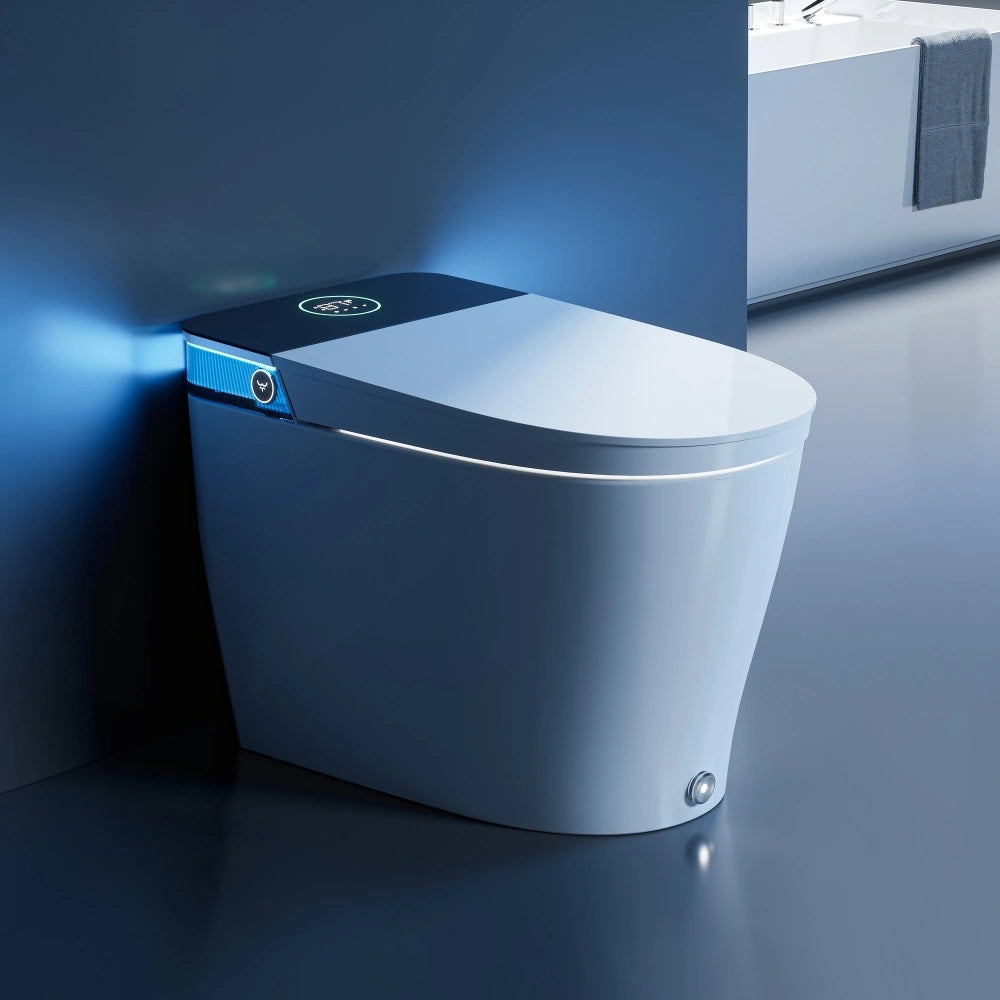
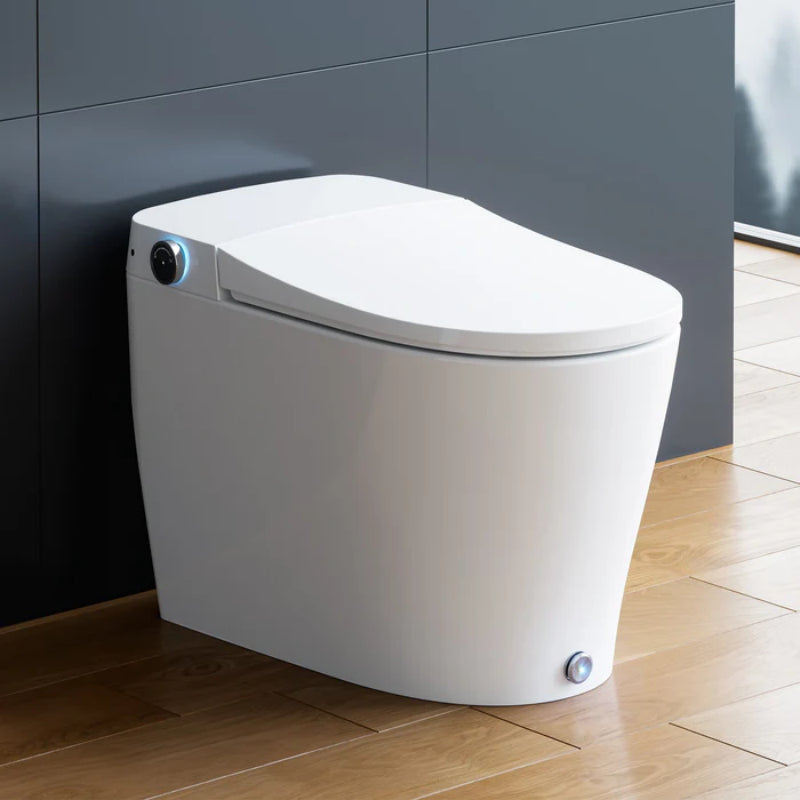
A bidet is best suited for homeowners who want gentler post-toilet cleansing, improved comfort, and reduced reliance on toilet paper, especially in private bathrooms where cleaning routines are consistent and controlled. However, it may not be ideal for users who are unwilling to maintain regular cleaning, households where the unit is frequently shared in a public-like environment, or individuals concerned about potential disruption of vulvar microflora from frequent water exposure.
It’s true that using a bidet can feel like a major upgrade in personal hygiene, especially when compared to traditional using toilet paper to wipe. Many users report that a stream of water to clean feels more thorough and helps improve bathroom hygiene overall. However, whether bidets are truly sanitary than toilet paper depends on how the system is maintained and how using a bidet properly is practiced in daily routines.
For most households, bidets are sanitary when used in a private environment, but it is unlikely that you’ll get better results if cleaning habits are inconsistent. This is why understanding whether bidets sanitary in real-world conditions matters more than assumptions.
Current research generally supports benefits such as improved cleansing comfort, reduced skin irritation, and decreased toilet paper use, but it does not provide strong evidence that bidets prevent urinary tract infections (UTIs) or that they offer universally superior health outcomes compared with toilet paper.
How Does a Bidet Work? When It Works Well
Bidets work best in private home bathrooms where hygiene routines are consistent and controlled, making regular cleaning and maintenance easier to manage. In these environments, users can maintain proper nozzle cleanliness and water system hygiene, which supports more reliable and comfortable daily use. The benefits are most noticeable in households prioritizing gentle cleansing, reduced toilet paper consumption, and improved post-bathroom comfort.
For most homeowners, a bidet makes the most sense as a comfort and skin-care upgrade, not as a proven medical upgrade.
Many users find that water feels cleaner and fresher than wiping with dry toilet paper alone. That matters most if toilet paper tends to leave you irritated, sore, or still not fully clean. A common issue is that aggressive wiping can be harsh, especially for people with sensitive skin. In that situation, a bidet’s gentle cleansing can be a better day-to-day experience.
This works well if you have hemorrhoids and want a less abrasive way to clean yourself. The research provided points to bidets being associated with hemorrhoid symptom relief. That does not mean they are a cure, but it does mean some people find them easier to tolerate than repeated wiping.
It also works well if your goal is lower toilet paper use. That is one of the most practical reasons homeowners stick with bidets after buying them. The benefit is easy to notice in daily use, and unlike some health claims, this one is real and visible.

Do doctors recommend bidets? Based on the research here, the strongest medical support is around comfort and reduced irritation, not broad health claims. In other words, a doctor may see a bidet as a reasonable tool for gentler cleansing, especially for someone with hemorrhoids or skin irritation, but not as something proven to prevent UTIs or make everyone healthier than toilet paper does.
In daily use, bidets are most likely to feel sanitary when they are in a personal home bathroom, used by one household, and cleaned on schedule. That home setting matters. The research notes that contamination risk looks worse in shared settings, especially hospitals and public-use environments.
Bidets come in different types of bidets, including manual, smart, and advanced bidet seats. Most modern systems, especially bidet seats and attachments, are designed to clean the body using a controlled water spray that helps clean your backside more effectively than using toilet paper alone.
In most cases, bidet seats use a directed stream of water to clean, which helps reduce the need for toilet paper and improves daily bathroom hygiene. However, it is still important to follow the manufacturer’s instructions to ensure safe and hygienic operation.
When It May Not Be Ideal
Bidets may not be ideal in scenarios where maintenance is inconsistent, shared or public-use conditions increase contamination risk, or users are sensitive to changes in vaginal or vulvar microflora due to frequent water exposure. The main trade-offs include potential hygiene degradation without proper upkeep, higher cross-user contamination risk in shared environments, and possible disruption of natural microbial balance in individuals with vulvas when overused or improperly adjusted.
The biggest mistake people make is assuming that because a bidet uses water, it must always be cleaner.
A common issue is bacterial contamination on nozzles if the unit is not maintained. In the cited Japanese hospital study, many bidet toilets showed organisms such as Staphylococcus aureus, Streptococcus, and Enterococcus. That does not prove every home bidet is unsafe, but it does show that water-based cleaning systems can still become contaminated.
Not ideal if you want a “set it and forget it” bathroom upgrade. The research specifically points to monthly nozzle wiping and semiannual filter changes as part of ownership. Many users regret this when they buy based on comfort claims and only later realize there is an ongoing maintenance burden.
It may also be a bad fit if you have a vulva and are concerned about vaginal or vulvar microbiome balance. According to the American College of Obstetricians and Gynecologists (ACOG), the vaginal microbiome is sensitive to changes in moisture, cleansing practices, and external irritation. Frequent or high-pressure water exposure may disrupt this balance in some individuals, although effects vary widely from person to person. One study in the research found habitual bidet users were less likely to have normal Lactobacillus levels than non-users, and another figure showed higher fecal bacteria presence among bidet users in that group. That does not mean every woman should avoid bidets, but it does mean this is a real trade-off, not a minor footnote.
Is it hygienic to use someone else’s bidet? In a private home with good cleaning habits, it may be acceptable, but the research clearly suggests shared and public bidets carry more risk. Public bidet contamination is one of the strongest caution points in the data. If you are uneasy about shared surfaces and shared nozzles, that concern is reasonable.

Many users also misunderstand what happens after spraying. Are you still supposed to wipe when using a bidet? Usually, yes—at least to dry, and sometimes to check cleanliness. The research does not support the idea that a bidet always replaces wiping completely. One practical concern is drying: using a shared towel is not sanitary, so if you use a bidet away from home, drying can become awkward or less hygienic.
Pros and Cons
From a user-experience perspective, bidets are often associated with a stronger sense of cleanliness and improved post-toilet comfort, largely because water-based cleansing can feel more thorough and less abrasive than wiping alone. Many users also report reduced skin irritation and a noticeable decrease in toilet paper use over time.
However, these benefits are primarily based on user-reported experience rather than definitive clinical superiority. Potential downsides include the need for consistent cleaning and maintenance to prevent buildup or contamination, increased hygiene risk when multiple people share the same unit without proper sanitation practices, and possible concerns about vaginal or vulvar microflora balance in users who rely on bidets too frequently or at high pressure settings.
Pros
-
Feels more hygienic and fresher than toilet paper alone for many users
-
Gentler on sensitive areas than repeated wiping
-
May help people with hemorrhoids by reducing irritation
-
Can reduce toilet paper use noticeably
-
Less abrasive than forceful wiping with paper
Cons
-
No proven research here showing bidets prevent UTIs or clearly outperform toilet paper for health outcomes
-
Bacterial contamination can happen, especially when nozzles are not cleaned
-
Shared and public bidets pose higher infection concerns
-
Habitual use may disrupt vaginal microflora in some people with vulvas
-
Requires regular maintenance, including nozzle cleaning and filter changes
-
Some buyers regret assuming it is automatically more sanitary without upkeep
Real-World Considerations: Are Bidets Sanitary?
For homeowners, the real decision is not just “are bidets sanitary?” It is whether you will use and maintain one in a way that keeps it sanitary enough to be worth it.
Installation depends on the type, but even a simple attachment changes how your toilet works day to day. In small bathrooms, that may matter less than the cleaning routine. A bidet is not hard to live with, but it does add another fixture or add-on that can collect buildup if ignored.
Daily usability is usually straightforward once you get used to it, and many users quickly understand how to use a bidet and how to use a bidet toilet seat without much difficulty.
But people often ask: when using a bidet, do you wipe first then use it? In normal home use, most people use the bidet first and then wipe or pat dry afterward. The point is to avoid excessive rubbing before the water has done the cleaning. Still, some users may do a light initial wipe if needed, especially if they are trying to reduce mess. The main practical truth is that a bidet often reduces wiping, not always eliminates it.
How do you dry yourself after using a bidet as a female? The most sanitary home method is usually clean toilet paper or a clean personal towel changed often. A common issue is using shared towels, which the research flags as a way bacteria can spread. So if your plan is “everyone uses one bathroom hand towel after the bidet,” that is not a good plan.
How should a female sit on a bidet? The practical answer is to use it in a way that avoids pushing water from back to front. The research provided does not give detailed body-position technique, but because of the concern about vaginal microflora and fecal bacteria exposure, careful direction of water matters. If this concern already makes you uneasy, that may be a sign a bidet is not the best fit for you.
How can I keep my bottom clean of poop if I have hemorrhoids? This is one of the stronger cases for a bidet. Water is generally gentler than repeated wiping, which can be painful and irritating. This works well if your goal is less friction, not a miracle health fix.

Long-term expectations should stay realistic. You are buying comfort, convenience, and potentially less irritation. You are not buying a medically proven hygiene breakthrough. Many users regret this when they expect too much from the product category.
What It Feels Like to Use a Bidet in Daily Life
For many people, using a bidet means a noticeable improvement in comfort during every use the bathroom routine. Instead of relying on wiping with toilet paper, users experience a gentler cleaning method that feels more thorough.
Many bidet users say it feels bidet really clean, especially when compared to using toilet paper alone. In fact, some users describe it as a clear upgrade in personal hygiene.
However, it is still unlikely that you’ll completely eliminate using toilet paper, since most people still pat dry after each use.
Maintenance Matters More Than Most People Expect
A major factor in whether bidets are sanitary than toilet paper is maintenance. Even if the system is designed to clean using a stream of water to clean, hygiene can decline without proper care.
Many people underestimate that bidet seats use mechanical parts that require cleaning. Without regular maintenance, even latest bidet products can lose effectiveness.
This is why it’s important to follow the manufacturer’s cleaning schedule to ensure better hygiene and consistent performance.
Who Should Buy / Who Should Skip
This section breaks down who is most likely to benefit from using a bidet and who may want to reconsider based on hygiene expectations, maintenance willingness, and usage context. It helps clarify whether a bidet fits your personal bathroom habits, comfort needs, and long-term upkeep preferences.
You should buy a bidet if:
-
You want gentler cleansing than toilet paper provides
-
You have hemorrhoids or irritation and want to reduce harsh wiping
-
You are comfortable doing regular cleaning and maintenance
-
You plan to use it mainly in a personal home bathroom
-
You value toilet paper savings and day-to-day comfort
You should skip or think carefully if:
-
You want proven medical benefits that the research does not clearly support
-
You will not keep up with nozzle cleaning and filter maintenance
-
You are mainly thinking about shared or public bidet use
-
You have a vulva and are concerned about possible vaginal microflora disruption
-
You are uncomfortable with needing to dry with toilet paper or a clean personal towel afterward
Bidets are sanitary enough for many homeowners when used at home and maintained properly. They are especially appealing if you need gentle cleansing, better comfort, or less irritation from wiping. But they are not automatically cleaner in every setting, and they are a weaker choice if you care most about avoiding maintenance, avoiding shared-use contamination, or minimizing any possible vaginal bacteria disruption.
If you need gentler cleaning and hemorrhoid-friendly comfort → good choice. If you care most about proven health benefits, zero upkeep, or shared-use hygiene concerns → consider alternatives.

FAQs
What are the downsides of using a bidet?
The main drawbacks are usually about comfort, setup, and habit changes, which is why people often look up the pros and cons of a bidet before switching. Some users find the water pressure or temperature a bit tricky at first, and installation can be inconvenient in bathrooms not designed for it. There’s also a learning curve in getting used to the right angle and settings, especially if you’ve only used toilet paper before.
Do doctors recommend bidets?
Many healthcare professionals do recommend a bidet for people with sensitive skin, hemorrhoids, or postpartum recovery because it’s gentler than wiping. Water-based cleaning can reduce irritation and help maintain better hygiene, especially for those who struggle with discomfort or frequent flare-ups.
Are you still supposed to wipe when using a bidet?
In many cases, yes, but only lightly after using bidet toilet seats. The goal is not to replace cleaning entirely but to finish the process by gently drying off any remaining water. Most users find they only need a small amount of paper rather than full wiping.
Is it hygenic to use someone else's bidet?
It can still be hygienic if properly maintained, especially with a self cleaning bidet feature that helps sanitize the nozzle before and after use. In shared bathrooms, cleanliness depends more on regular maintenance than individual use, though personal comfort levels may still vary.
How should a female sit in a bidet?
For a woman using bidet toilet setups, comfort and angle are key. Many women prefer leaning slightly forward or adjusting posture so the water stream reaches the right area effectively. The most important thing is finding a position that feels natural while ensuring proper cleaning coverage.
How can I keep my bottom clean of poop if I have hemorrhoids?
A smart bidet toilet seat can be especially helpful here because it allows gentle, adjustable water cleaning without the need for harsh wiping. This reduces irritation and helps keep the area clean while supporting healing and comfort during flare-ups.
When using a bidet, do you wipe first then use it?
With a manual bidet, most people do not need to wipe first. The water spray is designed to handle the main cleaning directly after using the toilet, and wiping beforehand is optional only in more messy situations or personal preference cases.
How do you dry yourself after using a bidet as a female?
Drying is usually done by gently patting with toilet paper or a soft towel, and some people upgrade to air-drying features depending on their setup. Many consider choosing the best bidet model with drying options to make the whole process more comfortable and hands-free.
Reference


Leave a comment
This site is protected by hCaptcha and the hCaptcha Privacy Policy and Terms of Service apply.