
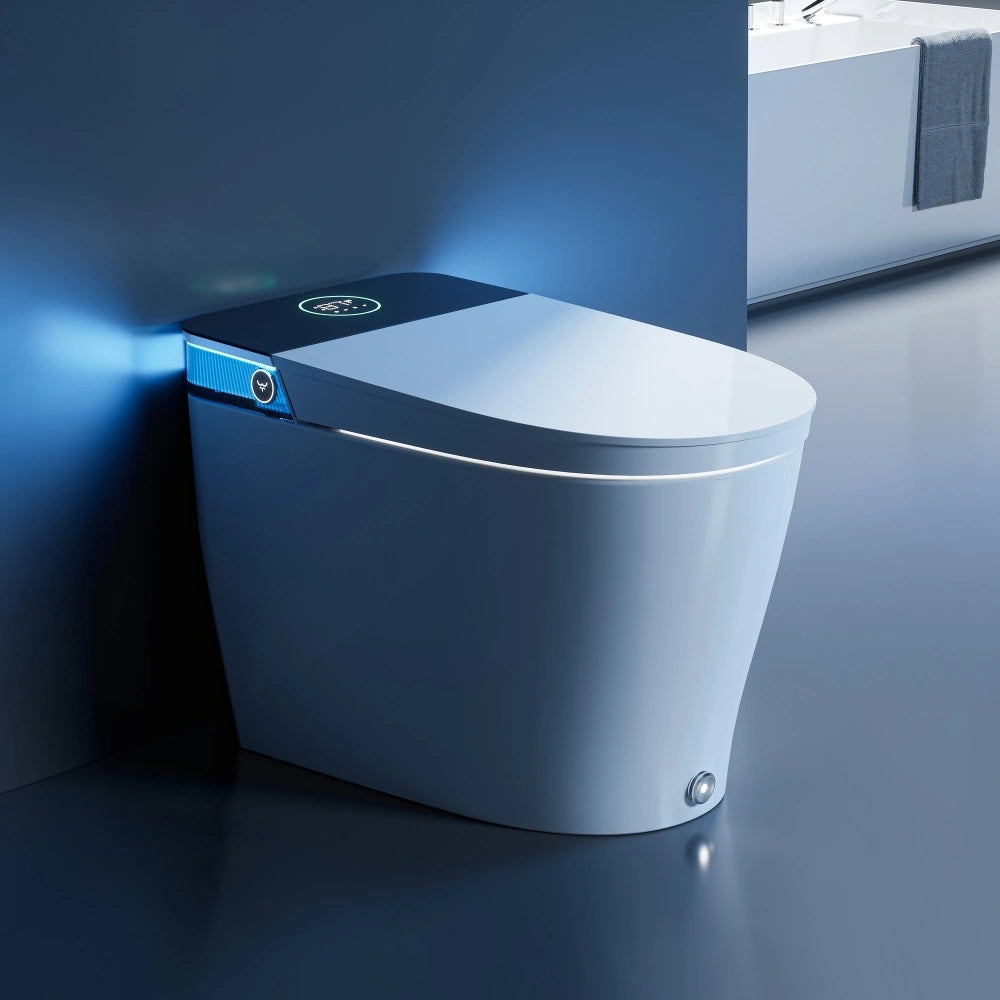
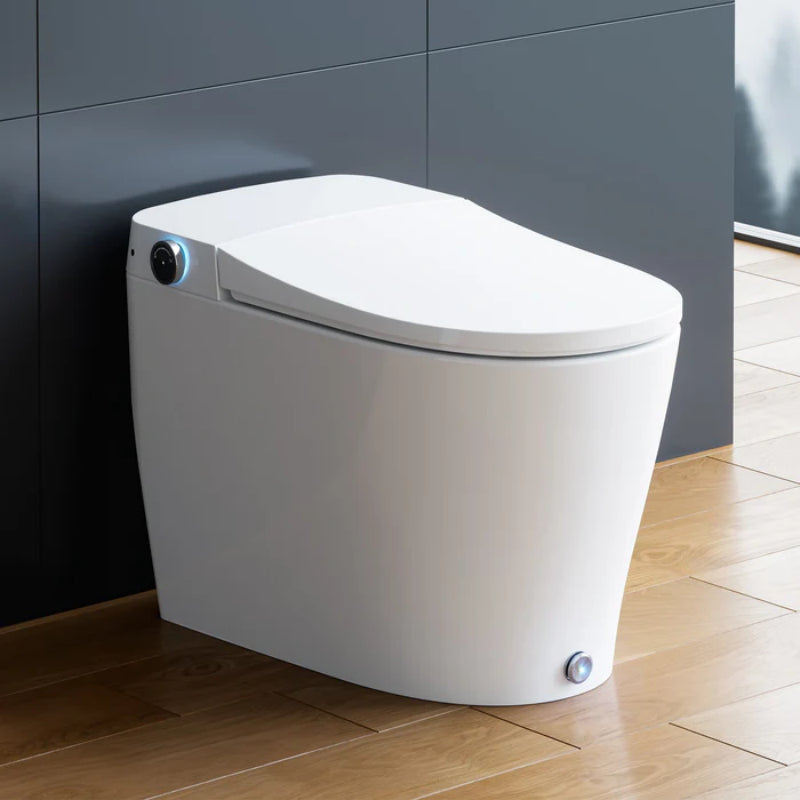
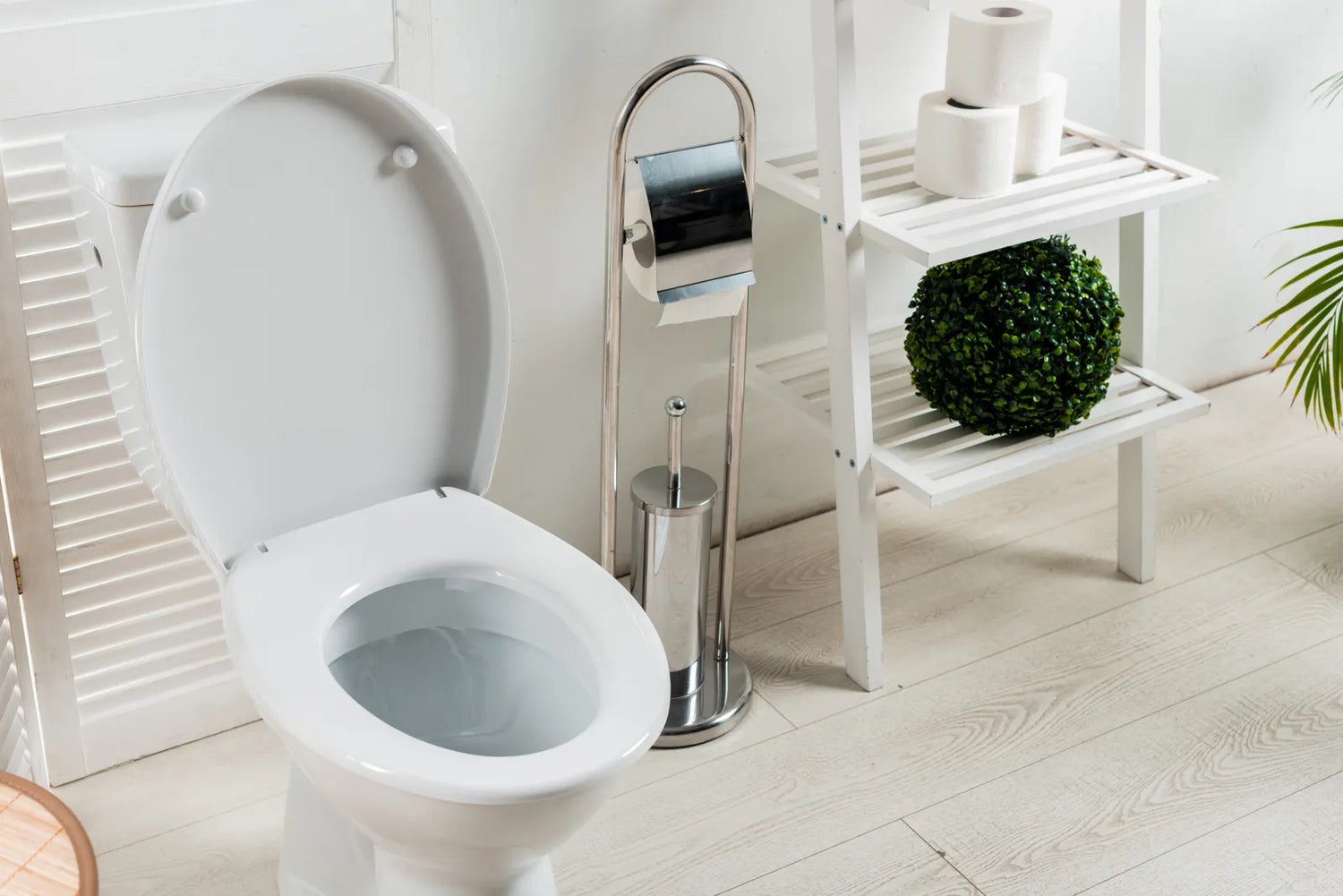
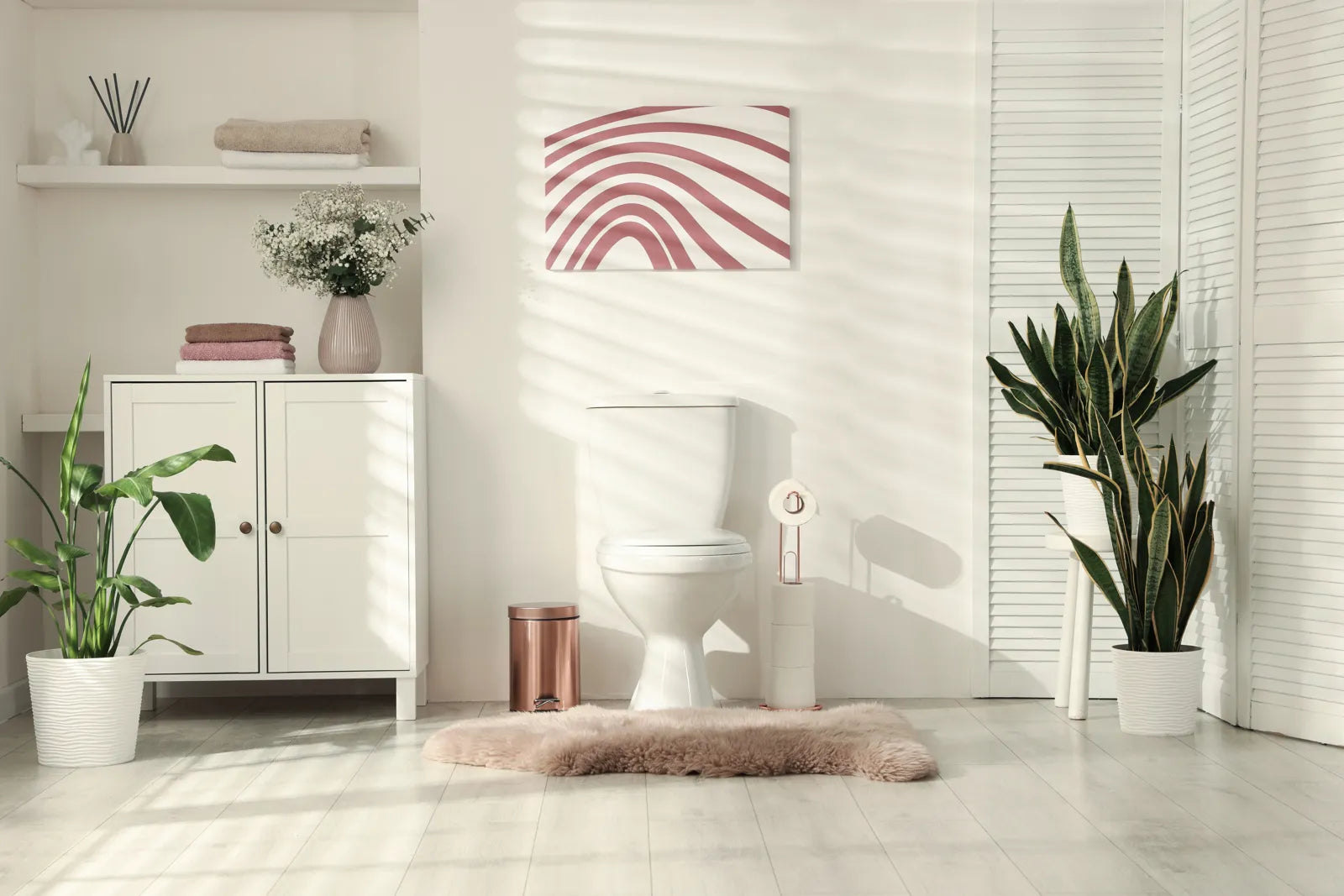
Dual flush toilets are best for water-conscious households with mostly light daily use, such as couples or small families who can consistently use the half flush for liquid waste. They should be skipped in high-traffic homes, rental units with inconsistent users, or situations where simplicity and low-maintenance flushing systems are a higher priority than water savings.
What is a dual flush toilet?
A dual flush toilet is a type of toilet designed with two flushing options instead of one, allowing users to choose a smaller or larger amount of water depending on the type of waste. It is commonly used in modern water-saving bathroom systems to reduce unnecessary water consumption. According to the U.S. Environmental Protection Agency (EPA), water-efficient toilets like dual-flush and WaterSense-certified models are designed to significantly reduce household water use without sacrificing performance.
Are dual flush toilets worth it?
Whether dual flush toilets are worth it depends on how the system is used in real life. They are worth it for households that consistently use the light flush for liquid waste and want to reduce water consumption over time. However, in homes where users often default to the full flush or require frequent double flushing, the water savings are reduced and the practical benefit becomes less noticeable.
When Dual Flush Toilet Works Well
What’s the point of a dual flush toilet and how does a dual flush toilet work? In real use, the point is choice. You get a smaller flush for liquid waste and a stronger one for solids, instead of using the same full amount of water every time.
This works well if your household has a lot of liquid-only flushes during the day. That is where the design earns its keep. Research cited here shows many dual flush models use about 0.8 to 0.95 gallons for the light flush and around 1.28 gallons for the full flush, compared with older 1.6-gallon single-flush toilets. EPA-based estimates in the research suggest some homes can save up to four thousand gallons of water per year.
For most homeowners, that does not mean huge instant money savings each month. But it can mean lower water bills over time, especially in places with high water rates or for households that care about reducing waste.
A dual flush toilet also works well in lighter-use bathrooms. In a guest bath or powder room, people often use the toilet for liquid waste more than heavy solid waste. That makes the lighter flush more useful and lowers the risk that users will feel frustrated by weak performance.
It can also be a good fit in an eco-focused remodel. The research repeatedly points to buyers who want water savings, modern design, and a more updated look. That is part of the appeal. Many dual flush toilets are designed as sleek one-piece units, which some homeowners prefer for style.
Model quality matters a lot here. The research mentions better user feedback around models in other luxury brands. In other words, this works well if you buy a proven model, not just the cheapest dual flush toilet you can find.
A dual flush toilet works well only when users reliably choose the correct flush type every time, especially using the light flush for liquid waste. This behavior is what actually delivers water savings in daily use.
In households where people are aware of the difference and consistently follow the flushing pattern, the system performs efficiently and reduces unnecessary water consumption without changing bathroom habits significantly.

When It May Not Be Ideal
The biggest downside is also the most common regret: the half-flush does not always do enough. Many users find that the light flush can leave waste, streaks, or toilet paper behind, which leads to double flushing.
That matters because it defeats the reason many people buy these toilets in the first place. A common issue is the smaller mechanism being too light on water flow. If you regularly need a second flush, then your water savings shrink, and daily usability gets worse.
Not ideal if your bathroom gets heavy use. In a busy family bathroom, especially with kids or paper-heavy use, the lighter flush may be more annoying than helpful. In those homes, people often want strong flushing performance every time, with no need to think about which button to press.
This may also be a poor fit for budget installs. The research shows dual flush toilets usually cost more upfront than single-flush models. If your main goal is just replacing a toilet cheaply and reliably, a standard single-flush unit can make more sense.
Mechanism reliability is another real concern. The research notes forum complaints about button and valve failures over time. That does not mean every dual flush toilet is unreliable. It does mean there are more parts involved than with a simple handle toilet, and that can increase maintenance risk and repair hassle.
Do dual flush toilets clog more? The research does not show a simple yes across the board. The more accurate answer is that poor flushing performance on the half-flush can increase the chance of incomplete clearing, especially with solids or lots of paper. So the concern is less “they always clog” and more “they are less forgiving when the lighter flush is not enough.”
Double flushing becomes a drawback when users frequently choose the wrong button or default to the full flush out of habit, which quickly reduces or eliminates expected water savings. In these cases, the system loses its main advantage while still adding complexity.
Beyond usability concerns, the added mechanism can introduce higher cost over time, including repair sensitivity in the dual-button system and potential maintenance issues compared to simpler single-flush designs.

Pros and Cons
Here is the practical balance.
Pros
-
Saves water in daily use when the light flush is used correctly
-
Can lower water bills over the long term
-
Good fit for water-conscious households
-
Often comes in modern, attractive designs
-
Better models can perform well enough for most homes
Cons
-
Higher upfront cost than many single-flush toilets
-
Light flush may be too weak in real-world use
-
Double flushing can cancel out part of the water savings
-
Button and valve mechanisms may need more maintenance
-
Less ideal in high-traffic bathrooms where strong flushes matter most
What are the disadvantages of dual flush toilets? In plain terms: weaker half-flush performance, more moving parts, and a higher chance that homeowners feel they paid extra for a feature they do not use as much as expected.
What is better, a dual flush or single flush toilet? For most homeowners, the answer depends on priorities. Dual flush is better if you care about water efficiency and are willing to accept some trade-offs in convenience. Single flush is often better if you want simple operation, lower purchase cost, and strong, predictable performance every time.
Real-World Considerations
In real-world use, one often overlooked trade-off is that the dual-button or internal valve system can be more specialized than standard handle mechanisms. This means that when repairs are needed, replacement parts or servicing may be more design-specific and potentially more costly than conventional flush systems.
Installation is one area the usual sales pages do not explain well. The research notes a missing trade-off here: dual-flush valves and internal parts can be more complex than standard single-flush systems. That does not always make installation difficult, but it can make future repairs less simple. If something goes wrong with the button or valve, the fix may be more specific to that toilet design.
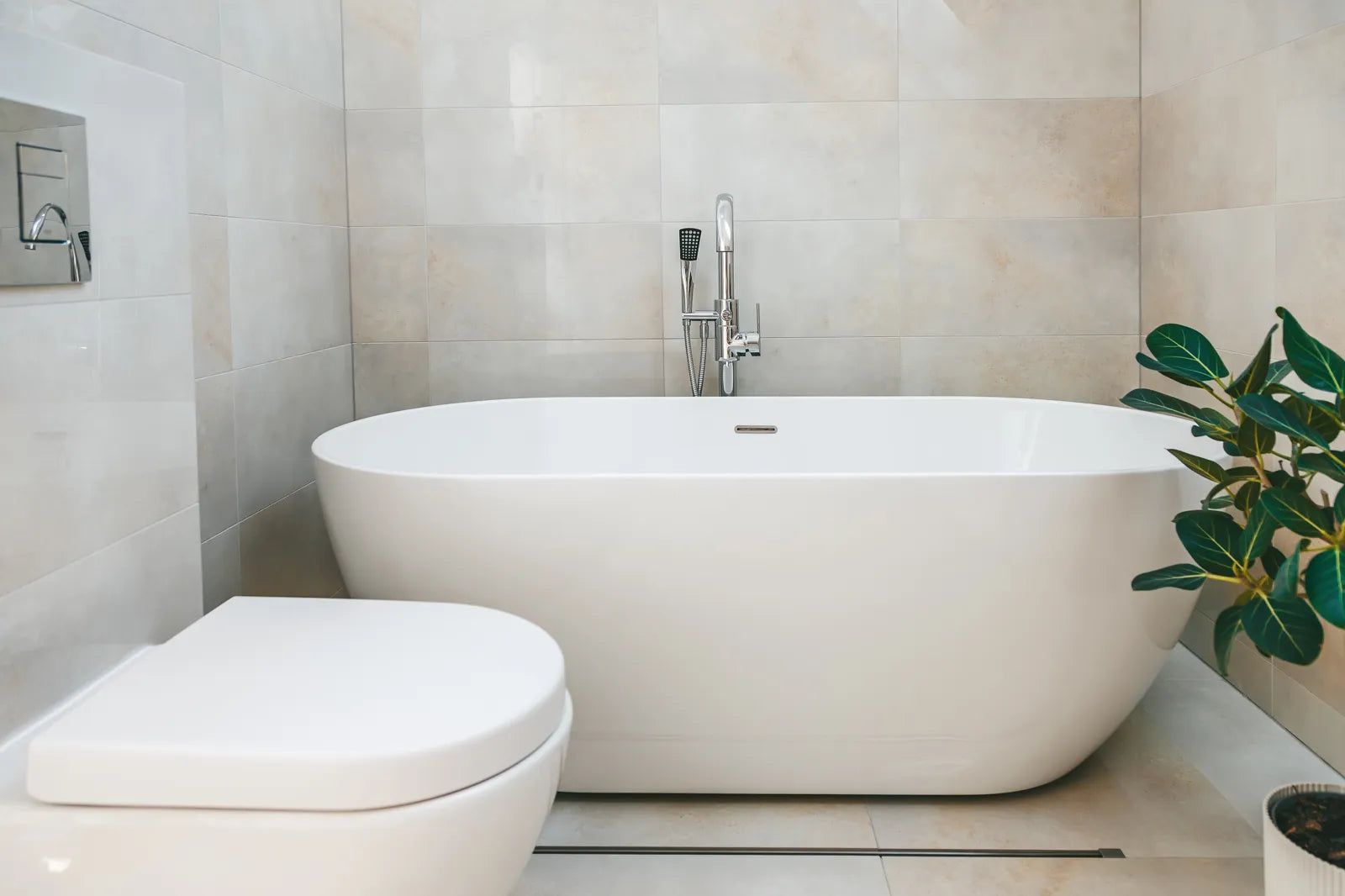
In small bathrooms, space may not be the problem, but access can be. Some one-piece dual flush toilets look great and are easier to wipe down on the outside, but they can be heavier and less convenient to handle during installation. If you are replacing a toilet yourself, that matters more than buyers often expect.
Daily usability is another key point. Do you press both buttons with a dual flush toilet? Normally, no. You choose one button for the smaller flush and the other for the full flush. The issue is not confusion so much as habit. In daily use, some people do not want to think about which flush to use. Others just press the bigger one every time, which reduces the benefit.
Long-term expectations should also stay realistic. How much money does a dual-flush toilet save? The research supports water savings, and some homes may save thousands of gallons per year. But the dollar savings depend on your water rates and whether your household actually uses the light flush effectively. This is usually a slow-payback choice, not a dramatic money-saving upgrade.
Maintenance is the other practical concern. A standard toilet with a simple handle is familiar and often easier to troubleshoot. A dual flush toilet may still be reliable if you buy a good brand, but many users report that button or valve issues are a common failure point over time. If low maintenance matters more than water savings, this is worth taking seriously.
Finally, do not assume all dual flush toilets perform the same. The research shows strong model variation. Some reliable mid-range units do well. Some cheaper units get mixed reviews, especially around flush power and mechanism reliability. For most homeowners, the safest move is not “buy dual flush” in general. It is “buy a proven dual flush model if the use case fits.”

Who Should Buy / Who Should Skip
Choosing between a dual flush toilet and a single flush system depends less on the technology itself and more on how consistently it will be used correctly in everyday life. In the right household, it can meaningfully reduce water use without sacrificing performance. In less predictable or high-traffic settings, the added choice often creates more inconsistency than savings.
Who Should Buy
-
Light-use households where 1–3 people share a bathroom and can consistently match flush type to waste type
-
Water-conscious homeowners who actively want to reduce daily water usage and are willing to adjust flushing behavior
-
Guest bathroom setups where usage is predictable and guided, making correct flush selection more likely
Who Should Skip
-
High-traffic family homes where multiple users (especially children or guests) may not consistently use the correct flush option
-
Rental properties or shared housing where usage behavior cannot be controlled or trained
-
Budget-first buyers who prioritize low upfront cost and minimal long-term maintenance over water-saving features
-
Simplicity-focused users who prefer a single-action flush system without decision-making during use
A dual flush toilet is good, but not automatically better. It is a smart choice when your household can actually benefit from the lighter flush and you pick a reliable model. If you need strong full-power performance every time, or you care more about simplicity than water savings, a good single-flush toilet is often the better buy.
If you need water savings and lighter daily use → good choice. If you care most about strong flushes, low hassle, and lower upfront cost → consider alternatives.

FAQs
What’s the point of a dual flush toilet?
A dual flush toilet is designed to give you two flushing options depending on what you need. One setting uses less water for liquid waste, while the other provides a stronger flush for solid waste. This simple idea helps reduce unnecessary water use in everyday situations, especially compared to older toilet systems. Over time, choosing the lighter flush when appropriate can make a noticeable difference in household efficiency and utility costs.
What are the disadvantages of dual flush toilets?
Even with clear advantages of dual flush toilets, there are a few drawbacks to consider. Some users may find the two-button system slightly confusing at first, which can lead to using the stronger flush more often than needed. Certain models also have more internal components, which may increase repair complexity compared to basic systems. If not used correctly, the intended water-saving benefits can also be reduced.
Do you press both buttons with a dual flush toilet?
No, you should not press both buttons. Each button serves a different purpose, and using them together does not improve performance. The smaller option is typically for light waste, while the larger one is for heavier waste. A double flush setup is designed for choice, not simultaneous activation, so selecting the correct button is the most efficient approach.
What is better, a dual flush or single flush toilet?
When comparing dual flush vs single flush options, it really depends on priorities. A dual system is generally more efficient in water use, making it a common choice among modern water saving toilets dual flush designs. However, a single flush toilet is often simpler, with fewer parts and easier maintenance. The best option comes down to whether you value efficiency or simplicity more in daily use.
Do dual flush toilets clog more?
They don’t inherently clog more, but performance depends on correct usage. If the low-water option is used when a stronger flush is needed, waste may not clear properly, which can create the impression of more frequent blockages. In properly installed systems, a well-designed dual flush toilet performs reliably and is no more prone to clogging than traditional models.
How much money does a dual-flush toilet save?
Savings vary depending on household size and usage habits, but water-saving toilets dual flush systems can significantly reduce water consumption over time. By using less water for lighter flushes, households often see lower utility bills compared to older designs. While the upfront cost may be slightly higher, the long-term savings usually help balance the initial investment.
Reference


Leave a comment
This site is protected by hCaptcha and the hCaptcha Privacy Policy and Terms of Service apply.