
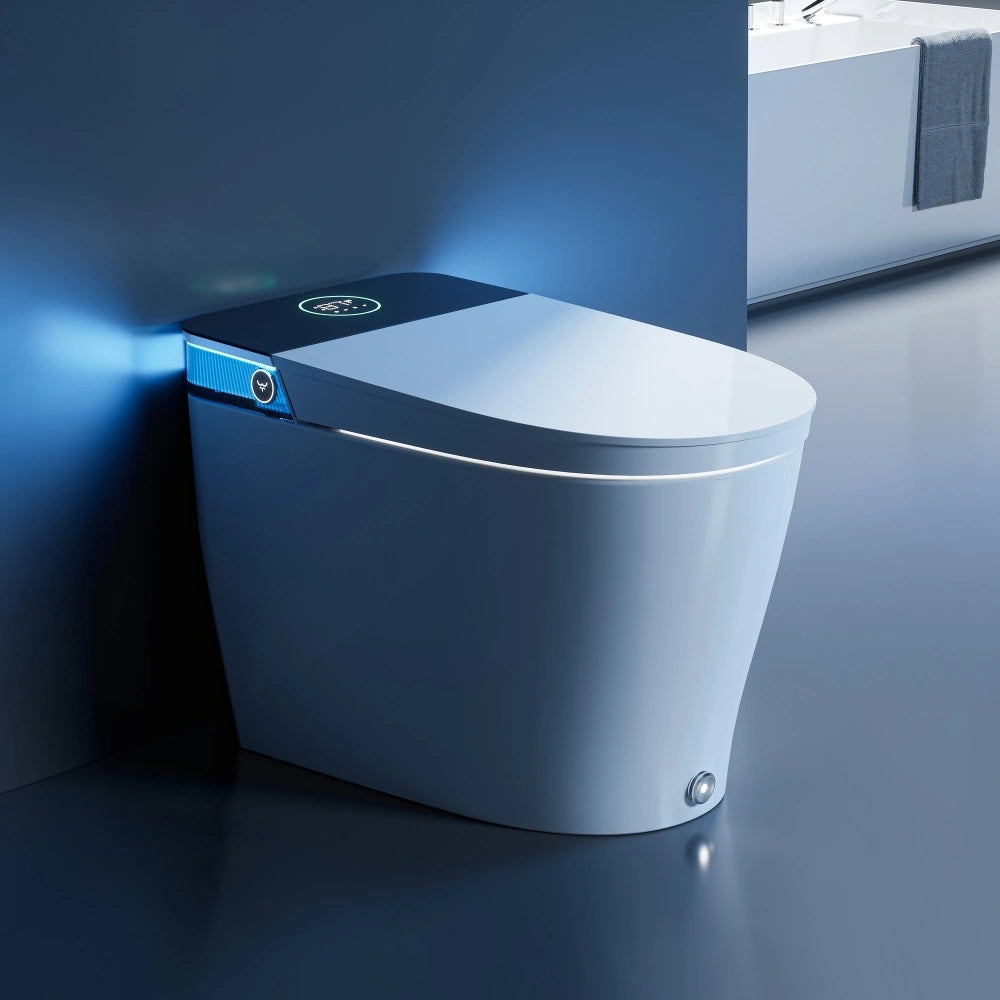
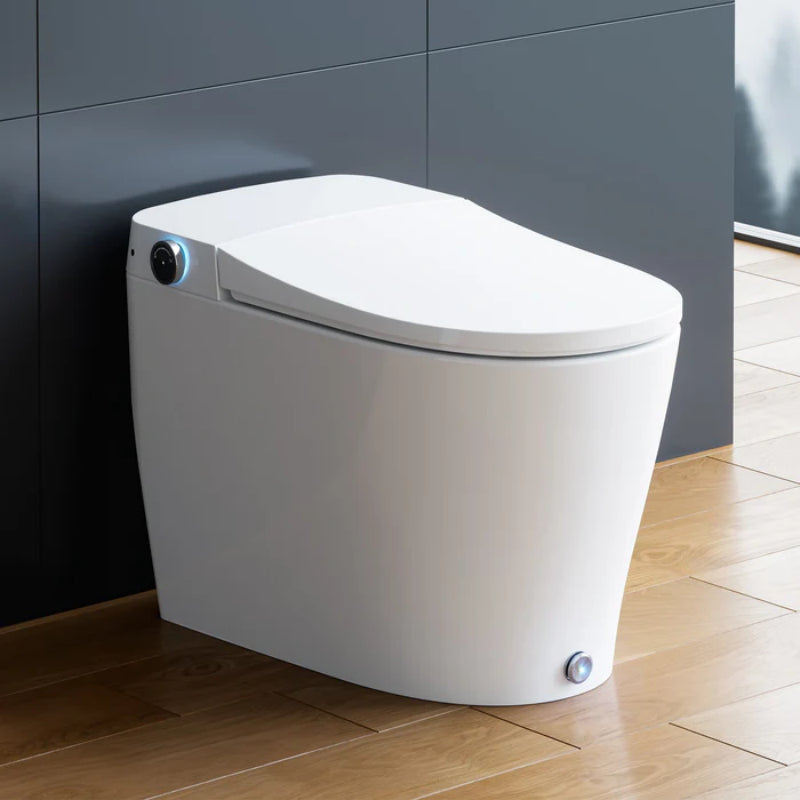
Thinking of upgrading to an ultra-low flow toilet and exploring low flow tech? We break down the key pros, cons, water savings, inside the toilet flushing design and home compatibility to help you choose the best toilet for your home easily.
Short Answer
Yes—a low flow toilet can be worth it if you want to lower money on your water bill, have decent plumbing, and buy a Watersense certified toilet rather than the cheapest one. Low-flow toilets use 1.28–1.6 GPF vs. 3–7 GPF of older units and can save up to $140 per year on water bills, according to the U.S. Environmental Protection Agency (EPA). The EPA also notes that replacing old toilets with WaterSense-certified models can save a household nearly 13,000 gallons of water annually, though repeated double flushing and clogs in busy households can reduce or erase those savings. For many homeowners, the savings are real: low flow toilets use about 1.28 to 1.6 gallons per flush instead of the 3 to 7 gallons older toilets can use. The main limitation is simple: if your home has older plumbing or your toilet sees heavy daily use, weak flushing and clogs can cancel out the benefits.
Best Low Flow Toilets for 2026: When Low-Flush Toilet Works Well for Your Home
Low flow toilets work best when the house and the toilet are a good match.
This works well if you live in a newer home or a home with plumbing that already drains well. Modern low-flow toilets have become increasingly advanced, much better than older early-generation models. Research shows that quality models can clear waste in one flush and leave little residue when the design is good.
They also make sense if your main goal is water efficiency and lower utility bills. A low flow toilet uses 1.6 gallons per flush or less, and many high-efficiency models use 1.28 gallons. Compared with older toilets that use 3 to 7 gallons, that can mean 20% to 60% less water use for toilet flushing, and some homeowners save up to $110 per year on water bills.
In a busy household, that savings adds up faster—but only if the toilet flushes well enough that people are not flushing twice. If the model is strong and your plumbing is compatible, the long-term math can work in your favor.
Are low flow toilets worth the switch? For most homeowners in newer homes with reliable plumbing, yes—if you prioritize water savings over maximum old-school flush force and select a tested efficient model.
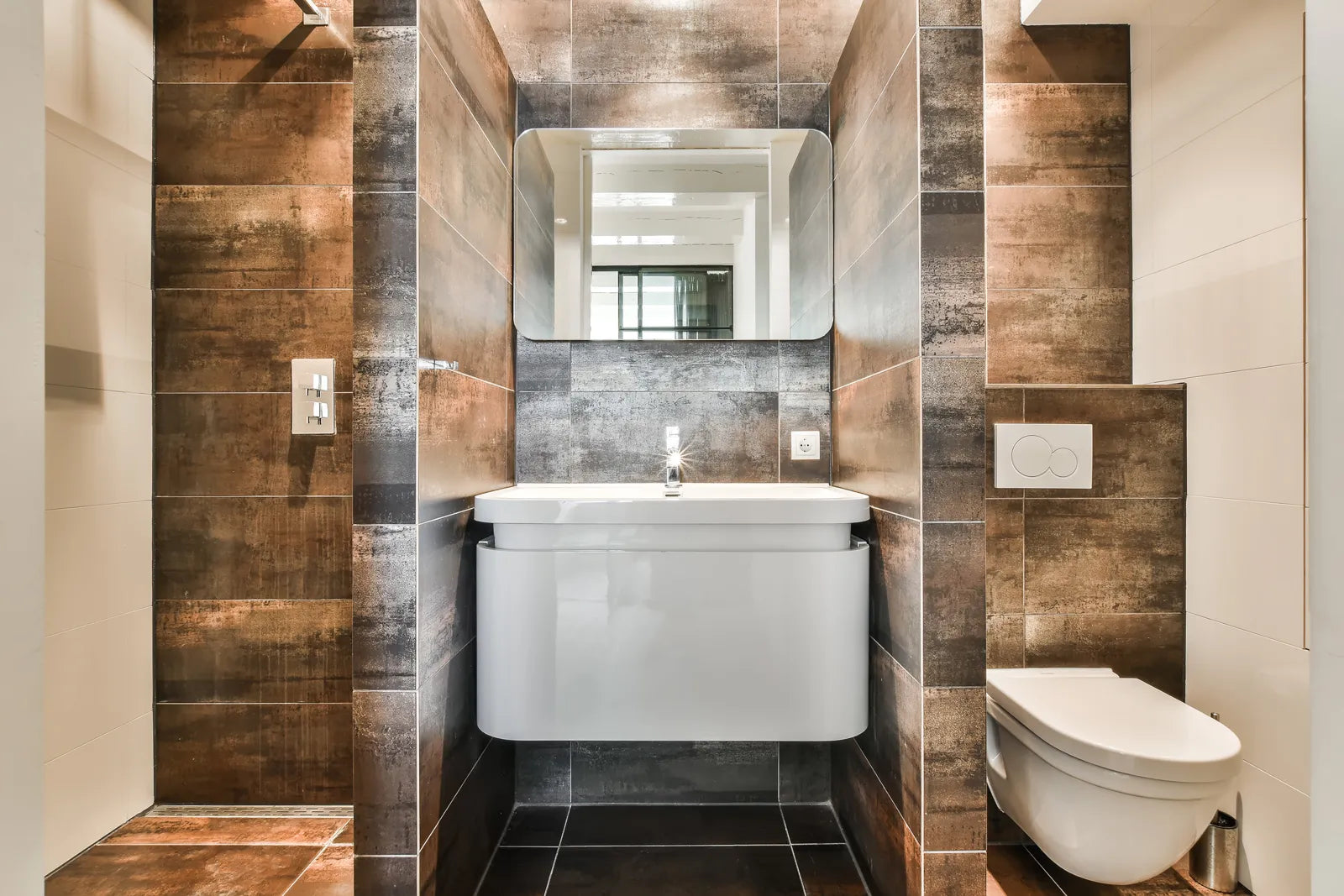
They can also be a practical fit in small bathrooms. Research notes that these toilets come in many shapes and sizes, so they can be easier to fit into tight spaces while still giving you the water savings.
In some states and water-conscious areas, low flow toilets are also common because water-saving fixtures are required or strongly encouraged. That does not automatically make every model good, but it does explain why many homeowners end up considering them.

Common Issues with Low Water Toilets & When Low-Flow Toilet May Not Be Ideal
Low flow toilets are not a smart choice in every home.
Not ideal if your home has older plumbing, poor pipe slope, low water pressure, frequent drain issues, or heavier toilet paper and waste use—all common compatibility risks that often lead to stubborn clogs, unpleasant odors, unexpected service calls, and unnecessary plumbing strain. Research repeatedly points to a common problem: less water in the bowl and trapway can mean less force to move waste through a system that already struggles.
Do low flow toilets clog more easily? In real-world use, many users say yes—especially with older or cheap low flow models, or in high-use homes. The issue is not just the toilet itself. It is often the match between the toilet, the drain line, water pressure, and how the household uses it.
A common regret is thinking “low flow” always means “same performance, less water.” That is not always true. Some homeowners end up:
-
flushing two or three times
-
keeping a plunger nearby
-
using less toilet paper than they want
-
paying for service calls or drain jetting
At that point, the savings start to shrink. If a toilet needs multiple flushes often, the water savings may no longer look impressive.
It may also be a poor fit if your household strongly values a powerful, single-flush experience over water savings. Families with heavy use may notice more residue, occasional odor, and more frustration if they buy a low-end model.
Pressure-assisted low flow toilets can improve performance, but they may bring another trade-off: more noise. Some users describe the flush as a loud whoosh, which is not ideal for every bathroom, especially near bedrooms.

High Efficiency Vs Standard Toilets: Pros and Cons of Low-Flow Toilets Vs Standard Flush Toilet
Here are the real low flow toilet pros and cons based on actual homeowner trade-offs.
Pros
-
Real water savings Low flow toilets use 1.28 to 1.6 gallons per flush, far less than older toilets using 3 to 7 gallons. In a home with frequent daily use, that can save a noticeable amount of water over time.
-
Measurable annual water bill savings
Research shows homeowners can save up to $110 per year on water costs, creating long-term value that offsets higher purchase and installation expenses over time.
-
Better long-term value in the right home A higher upfront cost can be offset over time by lower water use. Some areas also offer rebates, which can improve the value.
-
Eco-friendly without being a niche product These are now standard in many places, not specialty fixtures. They reduce water waste significantly and may support resale appeal for buyers who care about efficiency.
-
Good models can flush very well A big mistake is assuming all low flow toilets are weak. Research shows many quality models now pass strong performance tests and can clear waste in one flush.
-
More design options than many people expect There are many sizes and shapes, which helps in small bathrooms or remodels where space matters.
Cons
-
Weaker flushing power in some models This is still the biggest downside. Lower water use can lead to more clogs, more residue, and more double flushing if the toilet design is poor.
-
Performance varies a lot by model The gap between a good low flow toilet and a bad one can be huge. Older designs and low-end units are more likely to disappoint.
-
Higher upfront and installation costs
Low-flow toilets often carry a higher price tag and more complex installation, requiring homeowners to weigh these extra initial expenses against the stated up to $110/year water savings for a clear payback decision.
-
Installation compatibility matters more than people think In some homes, drain angle, pipe slope, or water pressure problems can make a low flow toilet perform worse than expected.
-
More maintenance in problem homes Some owners end up buying plungers, changing toilet paper habits, or calling a plumber more often. Those extra costs are easy to overlook at purchase time.
-
Some models are louder Pressure-assisted options may improve flushing performance, but they can be noisier than standard gravity toilets.

Real-World Considerations
Let’s dive into practical real-world facts to help you understand water savings, flush power, selection tips and common regulations for low flow toilets.
Saving Money With 1.28 GPF Toilets: How Much Water Can a Low-Flow Toilet Reduce Your Water Waste?
This is one of the easiest benefits to quantify. If your current toilet is old, the water savings can be large because older toilets may use 3 to 7 gallons per flush, while low flow models use 1.6 gallons or less. That difference can add up to thousands of gallons over a year, especially in a family home.
But the real-world answer depends on one thing: does it flush cleanly in one try? A toilet that saves water on paper but needs repeated flushing is less impressive in daily use.
Horow's Powerful Low-Flow Flushing: Can You Boost the Powerful Flush Power of a Low-Flush Toilet?
Sometimes, but not always enough to solve the real issue. If the weakness comes from poor toilet design or a bad plumbing match, small adjustments may not change much. A better answer is to choose a model known for strong flushing performance from the start.
That is where design matters. Some modern brands, including Horow, focus on making low flow toilets more powerful through improved trapway design and flush engineering. That can help, especially compared with older low flow designs. But even here, the same rule applies: better toilet design helps, yet it cannot fully fix a house with poor drain slope or broader plumbing issues.
Toilet Buying Guide: How to Pick the Best Low-Flow Toilet That Delivers Great Flush
For most homeowners, the safest move is to prioritize proven flushing performance, not just the lowest gallon number. Low-flow toilets fall into three main types suited for different homes: gravity models offer quiet operation and reliable everyday performance for standard plumbing; pressure-assisted units deliver stronger flushing power but run louder, best for older drains prone to clogs; dual-flush options let users switch water volume for liquid or solid waste, ideal for budget and eco-conscious households.
Many users find that a WaterSense-labeled model is a better starting point because it signals tested water efficiency and performance standards. Beyond that, look for:
models with a reputation for clearing waste in one flush
modern trapway and bowl designs
fit with your bathroom size and rough-in
compatibility with your home’s plumbing condition
If your home is older, it may be smart to ask a plumber whether your drain line and water pressure are likely to support a low flow toilet well.

Environmental Impact of Low Flow Tech: Why Low-Flush Toilets Are Common for Water Conservation Rules
Mostly because water conservation is now a policy issue, not just a personal choice. In water-stressed areas, using less water per flush is an easy way to reduce household demand. That requirement does not mean every low flow toilet performs equally well. It just means the market has moved toward efficiency as the standard.
Time to Replace a Toilet: Long-Term Expectations for Installing a Low-Flow Toilet
A good low flow toilet can last many years—research suggests up to 30 years in some cases. But homeowners should go in with realistic expectations. The best outcome is not “same toilet, no trade-offs.” The best outcome is strong enough performance with lower water use.
If you buy carefully, that is achievable. If you buy only for price, regret is more likely.
Are Ultra-Low Flow Toilets Effective? Who Should Install a Low-Flow Toilet & Who Should Skip It
Wondering if a low-flow toilet is right for you? Check these clear scenarios to see exactly who should upgrade and who should hold off.
Buy a low flow toilet if:
-
You want to reduce water use and utility costs
-
your current toilet is old and inefficient
-
your home has modern or reliable plumbing
-
you are willing to pay a bit more for a better model
-
you want an efficient toilet for a small bathroom or remodel
-
rebates or local rules make the switch more attractive
Skip or be cautious if:
-
Your home has older plumbing, poor pipe slope, or low water pressure
-
your household is large and hard on toilets
-
you strongly prefer maximum single-flush power
-
you are shopping by lowest price instead of performance
-
you already deal with frequent drain or clog issues
Low-Flow Toilet Offer Lower Water Bills for Homeowners: Plumbing System, Water Bill & Flush Guide
Low flow toilets are good for many homeowners, but not automatically. If you need lower water use, lower bills, and a modern toilet in a home with decent plumbing, they are a good choice. If you care most about strong flush power in an older home or high-use bathroom, consider alternatives or choose very carefully, because that is where most regrets happen.
FAQS
Low-Flow Toilet Can Clog: Do Low-Flush Toilets Have Common Clogging Plumbing Issues?
Yes, low flow toilets do clog more often in many real-life household scenarios.Cheap older low-flow models and homes with aging plumbing are the most prone to clogs.Poor pipe slope, low water pressure and heavy toilet paper use also make clogging worse.Many homeowners end up double-flushing often or keeping a plunger handy daily.Busy large households tend to notice residue and blockages more than small families.Quality modern designs can reduce clogs but can’t fix bad home plumbing conditions.Picking a well-engineered model is key to avoiding constant clog frustrations.
How much water does a low flow toilet save?
Low flow toilets use just 1.28 to 1.6 GPF versus 3–7 gallons on old standard toilets.The daily difference adds up to thousands of gallons saved over an entire year.Average households can save up to $110 annually on regular water utility bills.Water savings are even bigger in large families that use the toilet multiple times daily.Savings drop a lot if you end up double-flushing due to weak flushing performance.High water rate areas see much faster payback from switching to low-flow models.Quality single-flush designs lock in full water savings without wasteful repeat flushes.
Are Low-Flow Toilets Worth Buying As a New Toilet Upgrade?
Low flow toilets are absolutely worth switching for most modern home homeowners.They save water, cut monthly bills and fit easily into small bathroom layouts too.You’ll get the best value if your home has new plumbing and steady water pressure.It’s not a smart upgrade for old homes with poor drains and weak water pressure.If you prioritize powerful single flushes over savings, you may feel disappointed.Sticking to reputable WaterSense certified models avoids most performance regrets.Overall, they’re a practical eco-friendly upgrade when matched to your home.
How to choose a low flow toilet that actually flushes well?
Start by choosing WaterSense labeled models for proven efficiency and flush quality.Pick between gravity, pressure-assisted and dual-flush types to fit your home needs.Check for modern trapway designs known to clear waste thoroughly in one flush.Match the toilet’s rough-in size and overall dimensions to your bathroom space.Older homes should consult a plumber to check drain slope and water pressure first.Avoid ultra-cheap no-name models that often have weak flushing and easy clogging.Prioritize flush performance over just the lowest gallon rating for long-term satisfaction.
References


Leave a comment
This site is protected by hCaptcha and the hCaptcha Privacy Policy and Terms of Service apply.