
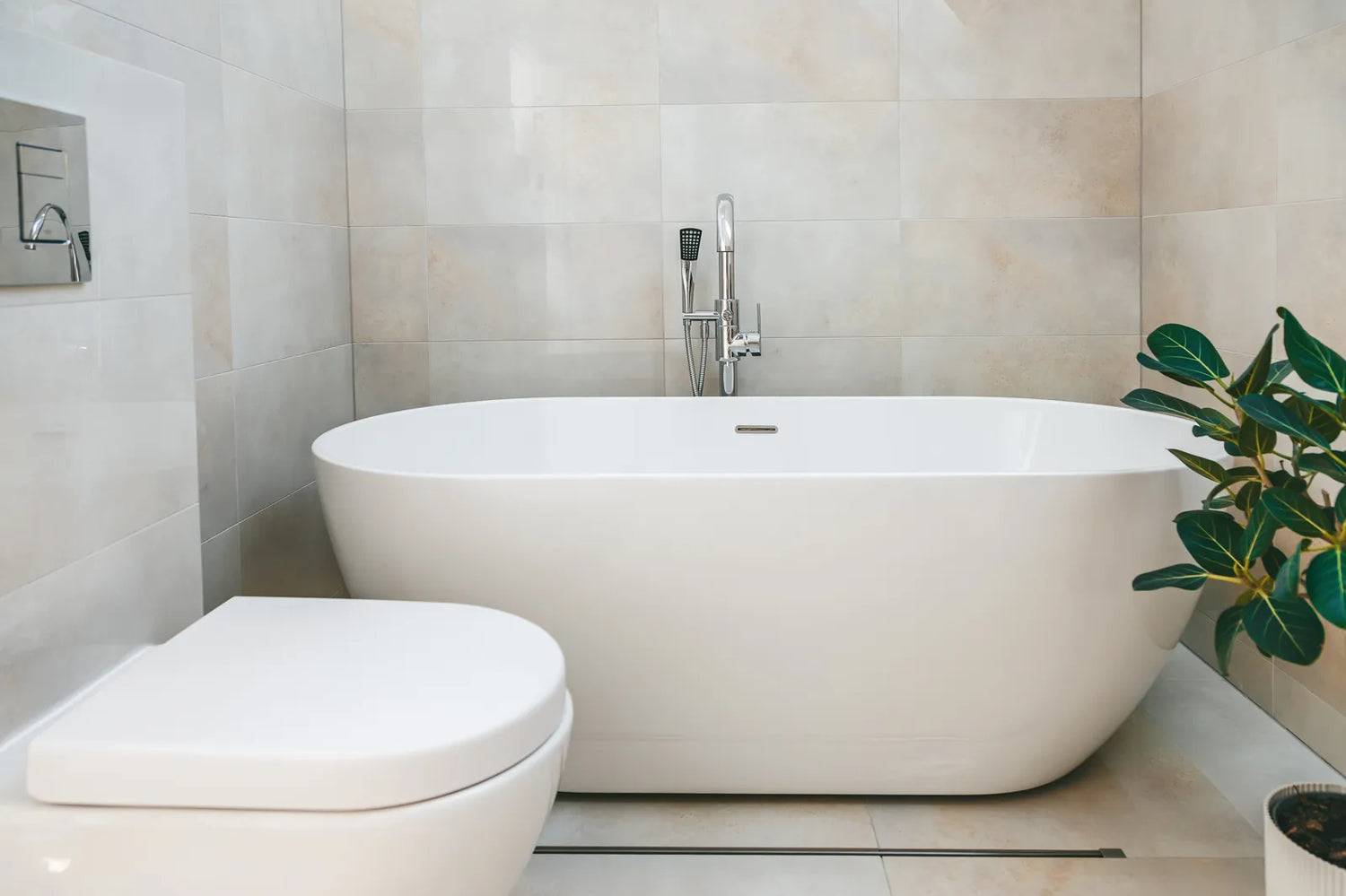
Are acrylic tubs good? Acrylic tubs are popular because they are lightweight, affordable, and relatively easy to install, making them a practical choice for many standard bathroom renovations. However, compared with heavier materials, acrylic is less rigid, more prone to surface scratches over time, and generally feels less premium in terms of solidity and texture.
In simple terms, acrylic works well for homeowners prioritizing budget-friendly upgrades, easier handling during installation, and upstairs or tight-access bathroom projects, but it may not satisfy buyers looking for a cast-iron-like feel, maximum durability, or a luxury bathtub experience with long-term structural heft.
Are Acrylic Tubs Good? When They Work Well
Acrylic tubs work well when the project is practical first, luxury second.
Acrylic tubs perform best in situations where weight and installation flexibility matter more than premium material density. Their lightweight structure makes them especially suitable for renovations in older homes or upper-floor bathrooms where reducing load is important and installation access is limited. This makes them a practical option for upstairs bathroom remodels in multi-story houses. According to the International Code Council (ICC), residential floor systems are designed around specific live-load limits (commonly around 40 psf), which makes lighter bathroom fixtures a practical choice in upper-floor renovations. Based on NKBA remodeling guidance, reducing fixture weight can also simplify installation and reduce structural stress in multi-story bathroom upgrades.
They also fit well in everyday family bathrooms where functionality, comfort, and cost efficiency are the main priorities rather than luxury aesthetics. Acrylic surfaces are warm to the touch and easy to maintain, which supports frequent daily use in shared households. This makes them a common choice for high-use family bathrooms focused on practicality.
For budget-conscious renovations, acrylic offers a strong balance between appearance and cost without the higher price tag of stone resin or cast iron. Homeowners who want a clean, modern look without overspending often choose acrylic as a cost-effective upgrade in standard remodel projects.
This works well if you prioritize easy installation and warmth over heavy-duty durability.

When It May Not Be Ideal
One of the most common concerns with acrylic tubs is structural flex, and issues like creaking or slight movement are often made worse by insufficient base support during installation. This is especially noticeable in freestanding acrylic tubs, where improper leveling or weak reinforcement can significantly reduce user satisfaction and long-term perceived stability.
Acrylic may also feel less solid compared to heavier materials like cast iron or stone resin, which can impact the perceived quality for users who value a firm, grounded bathing experience. Over time, surface scratching and dulling can become more visible if the tub is not properly maintained or if abrasive cleaners are used.
Because of these limitations, acrylic may not be ideal for homeowners seeking a luxury spa-like bathroom, high-end material aesthetics, or maximum long-term rigidity. It is generally less suitable for premium bathroom designs where tactile solidity and long-term structural durability are key expectations.
Pros and Cons
Understanding acrylic tubs means looking at both their everyday advantages and their practical limitations. The following pros and cons break down how they perform in real home use, from installation and comfort to durability and long-term maintenance.
Pros
-
Lightweight and easier to install This is one of the clearest benefits. It matters most in upstairs bathrooms, older homes, and homes with narrow access.
-
Warm and comfortable in daily use Acrylic feels less cold on contact than porcelain or metal tubs. Many families prefer this.
-
Affordable for most remodels It usually gives better comfort and style than the cheapest options without the cost of premium materials.
-
Good design variety Research notes strong customization and color options, which helps in remodels where appearance still matters.
-
Lower maintenance than some people expect For normal care, it is fairly simple to clean, as long as you use mild cleaners and soft tools.
-
Repairable surface issues Minor scratches can sometimes be polished or repaired more easily than major damage on harder finishes.
Cons
-
Can flex or creak under weight This is the biggest real-world drawback in the research, especially with freestanding tubs.
-
Scratches and stains more easily A common issue is scratching from toys, cleaning tools, or abrasive products.
-
Less durable long term than cast iron Acrylic can last well, but it is usually not the “buy it for life” option.
-
Can feel less sturdy or less premium Some owners regret the lighter, less solid feel after installation.
-
Heat retention is good, not exceptional Better than fiberglass, but usually not as good as heavier materials.
-
Harsh cleaning can dull the finish This is often overlooked during purchase.

Real-World Considerations
Real-world performance is where acrylic tubs show their true trade-offs. Beyond specifications and material claims, everyday use highlights issues like comfort, wear over time, and long-term durability expectations. The following questions break down the most practical concerns homeowners typically have after installation.
What are the disadvantages of acrylic tubs?
The disadvantages are mostly about surface wear and rigidity.
In real use, the complaints are not usually “the tub failed instantly.” They are more often about the tub feeling cheap compared to expectations. Many users say the flexing becomes annoying over time. Others mention visible scratches, stains, or a finish that loses its fresh look if cleaned harshly.
So the downside is less about dramatic failure and more about everyday annoyances: movement, noise, surface wear, and a less premium feel.
How long should an acrylic tub last?
Based on the research, a reasonable expectation is around 10 to 15+ years, depending on quality, support, and how it is used.
That lifespan is good enough for many homeowners. But it is important to understand the trade-off. Acrylic can last well in a normal family bathroom, yet it is still usually not in the same long-term durability class as cast iron. If you want something that feels permanent for decades with fewer cosmetic issues, acrylic may feel like a compromise.
Support under the tub matters too. Some of the flexing complaints suggest that installation quality affects long-term satisfaction.
Which is better, an acrylic or porcelain tub?
It depends on what “better” means to you.
Choose acrylic if you want:
-
easier installation
-
less weight
-
warmer surface feel
-
better fit for upstairs or hard-to-access remodels
-
lower upfront cost
Choose porcelain if you want:
-
a harder, more rigid feel
-
a more traditional finish
-
less concern about flex underfoot
For most homeowners doing a practical remodel, acrylic is often the easier choice to live with during installation. But if your idea of “better” is solid, heavy, and premium-feeling, porcelain or cast iron will likely feel more satisfying.
Do acrylic tubs crack easily?
The research does not show cracking as the main problem. The more common complaints are flexing, scratching, staining, and dulling.
So, no, acrylic tubs are not mainly known for cracking easily in normal use. But they can feel less sturdy, and poor support may make that worse. A well-installed acrylic tub should hold up for everyday bathing, but it is not the toughest option available.
If you are worried about a tub taking heavy abuse, the bigger concern is usually surface damage and movement, not sudden cracking.
What tubs do plumbers recommend?
The research here points more to practical trade-offs than one universal recommendation.
In effect, the decision pattern is this: acrylic makes sense when the install is difficult, the budget matters, or weight is a problem. Heavier tubs like cast iron make more sense when durability, rigidity, and premium feel are the top priorities.
So what plumbers often recommend depends on the job. For remodel convenience and upper floors, acrylic is a logical pick. For a forever-home bathroom where you want maximum sturdiness, many homeowners lean toward heavier materials.
Do acrylic tubs turn yellow over time?
The provided research does not strongly document yellowing as a major repeated complaint. The more common finish issues are scratching, staining, and dullness from harsh cleaning.
That means yellowing is not the main thing to worry about based on this data. Still, long-term appearance can decline if the tub is cleaned with the wrong products or sees heavy daily wear. In practice, “looks older than expected” seems to come more from scuffs and surface wear than obvious yellowing.

Acrylic Bathtub Maintenance: Easy to Maintain with Proper Care
One of the key advantages of acrylic is that it is relatively easy to maintain when proper habits are followed.
Routine cleaning should use mild products and a soft cloth or sponge to avoid damaging the surface. This helps preserve shine and prevents buildup that can make the surface look dull over time.
With proper care and maintenance, acrylic tubs can stay in good condition for many years. However, avoiding abrasive cleaners is essential, as harsh products may lead to long-term surface dullness or minor scratches.
In general, acrylic is considered one of the easier materials for homeowners who want a low-maintenance option without sacrificing comfort or design flexibility.
Who Should Buy / Who Should Skip
Choosing the right bathtub often comes down to balancing comfort, durability, and installation needs. This section helps clarify who typically benefits most from acrylic tubs and who may find other materials a better long-term fit based on usage expectations and preferences.
Buy an acrylic tub if:
-
You want a good-value tub for a budget remodel
-
Your bathroom is upstairs or hard to access
-
You need lightweight installation more than luxury materials
-
You want a tub that feels warmer than metal or porcelain at first touch
-
You have a family bathroom and want comfort and practical safety features
-
You are okay with a 10–15+ year product rather than a lifetime tub
Skip acrylic if:
-
You want the most solid, rigid, premium-feeling tub possible
-
You are sensitive to creaking or movement
-
You expect heavy daily use that may lead to scratches and stains
-
You are choosing a freestanding tub and worry about flex
-
You want the best possible long-term durability
-
You would regret a tub that looks worn sooner than cast iron

How to Choose a Good Acrylic Tub (What Actually Matters)
When planning a bathroom remodel, choosing the right tub material is one of the most important decisions, especially when comparing different types of bathtubs such as acrylic, fiberglass tub, cast iron, or stone resin tubs.
Not all acrylic tubs are made the same, and the difference often becomes obvious only after installation. A well-made acrylic tub is typically easy to install, comfortable, and long-lasting, while lower-quality models may feel flexible or wear out faster. Understanding a few key construction factors can help you avoid weak or short-lived options when evaluating acrylic vs other materials.
Acrylic Thickness Matters More Than Most Buyers Realize
One of the most important quality indicators is the thickness of the acrylic layer. Thicker acrylic generally provides better rigidity, improved heat retention, and a more solid feel during use. Thinner models are usually more affordable but may feel less stable over time, especially in freestanding designs.
In most residential settings, mid- to high-grade acrylic tubs tend to offer a better balance between comfort and durability.
Reinforced Structure Reduces Flex and Noise
Acrylic tubs are often reinforced with fiberglass or a composite backing layer. This reinforcement is critical because it directly affects how stable the tub feels under weight.
Poorly reinforced models are more likely to flex, creak, or feel hollow. In contrast, well-supported tubs with solid backing maintain stability even during long-term daily use.
Frame and Base Support Is Often Overlooked
Even a high-quality acrylic tub can perform poorly if it is not properly supported during installation. A stable base frame or full-bottom support system helps distribute weight evenly and prevents movement.
This is especially important for freestanding tubs, where improper support is one of the main causes of long-term instability complaints.
Surface Quality Affects Long-Term Appearance
The top surface finish determines how well the tub resists scratches, dulling, and staining. Higher-quality acrylic usually has a smoother, more uniform finish that holds up better against daily cleaning and water exposure.
Lower-end products may show visible wear more quickly, especially when abrasive cleaning tools are used.
Final Decision
For most homeowners, acrylic tubs are good when the goal is easy installation, lower cost, decent heat retention, and everyday comfort. They are especially strong in practical remodels where weight and access matter.
But they are not the best choice if you care most about rigidity, luxury feel, and maximum lifespan. If you need affordability and lightweight installation, acrylic is a good choice. If you care more about a solid, premium soak with fewer long-term cosmetic issues, consider alternatives like cast iron or porcelain.
FAQs
What are the disadvantages of acrylic tubs?
Acrylic tubs pros and cons are often discussed because the material is practical but not perfect. On the downside, the surface can scratch more easily than harder materials, and lower-quality models may feel slightly flexible under heavy weight if they are not properly supported. They can also lose some of their shine over time if harsh cleaners are used too often, so maintenance habits really matter.
How long should an acrylic tub last?
Looking at typical acrylic tub reviews, most homeowners find that a well-made unit can last around 10 to 15 years or even longer. The lifespan depends heavily on material thickness, installation quality, and how gently it’s used in daily routines. With proper care and mild cleaning products, the surface usually stays smooth and presentable for many years.
Which is better, an acrylic or porcelain tub?
When comparing bathtub acrylic or fiberglas options with traditional porcelain, the choice really comes down to priorities. Acrylic is lighter, easier to install, and generally more affordable, while porcelain tends to feel heavier, more solid, and more resistant to long-term wear. However, porcelain can chip more easily if something heavy is dropped, so each material has its own trade-offs depending on bathroom needs.
Do acrylic tubs crack easily?
Acrylic tubs do not typically crack easily in normal household use. Most issues arise only when the tub is poorly supported underneath or exposed to unusual stress points over time. In everyday conditions, they are more likely to show surface wear like scratches rather than deep structural damage, making cracking relatively uncommon.
What tubs do plumbers recommend?
Many professionals often recommend a fiberglass tub for residential bathrooms because it is lightweight, easy to install, and works well with most standard bathroom structures. It also tends to be more budget-friendly while still offering decent durability for everyday use. For higher-end builds, plumbers may suggest heavier materials, but fiberglass remains a common practical choice.
Do acrylic tubs turn yellow over time?
An acrylic bathtub can sometimes develop slight discoloration after years of use, especially if exposed to hard water buildup or strong cleaning chemicals. However, higher-quality models usually resist yellowing quite well when cleaned gently and maintained regularly. With proper care, the surface can stay bright and clean-looking for a long time.
Reference


Leave a comment
This site is protected by hCaptcha and the hCaptcha Privacy Policy and Terms of Service apply.