

An acrylic shower pan is one of the simplest ways to upgrade a bathroom without tearing everything down to the studs. Instead of building a shower floor from many layers of mortar, membrane, and tile, you drop in a single shower base that already has the right slope, drain, and waterproof surface.
Many homeowners, landlords, and builders ask the same question: Is acrylic good for a shower pan, or should I stick with tile, fiberglass, or stone? The short answer is that acrylic is a practical, affordable, and stylish choice for most standard bathrooms. But it is not the best match for every project.
This 2025 guide walks you through what an acrylic shower pan is, how it is built, how it compares to other shower bases pans, and when it gives you the best mix of budget, durability, and design. You will see:
-
Clear pros and cons in plain language
-
How acrylic compares to fiberglass, tile, stone resin, and solid surface bases
-
Common sizes, shapes, and drain layouts
-
A step-by-step buyer’s checklist so you can choose the right base the first time
-
Key installation and waterproofing basics
-
Real-world cost ranges, lifespan, and market trends through 2033
-
Simple cleaning, care, and repair tips to keep your shower looking new
If you are planning a remodel, building new, or trying to fix a problem shower, use the headings to jump straight to what you need most.
At‑a‑Glance: Is an Acrylic Shower Pan Right for You?
If you want a quick way to tell whether an acrylic shower pan is the right fit for your bathroom, this at-a-glance summary makes it easy. Whether you’re planning a remodel, building a modern shower, or just looking for something simple and low-maintenance, the quick pros and cons below give you a clear picture in under a minute.
Quick pros and cons summary
Top advantages of an acrylic shower pan
-
Lightweight: Easy to carry upstairs and set in tight spaces; lower weight than tile or stone.
-
Non‑porous surface: Resists mold, mildew, and stains because water cannot soak in.
-
Budget‑friendly: The price is usually lower than tile or stone bases, and easy installation can cut labor costs.
-
Good design range: Many sizes, shapes, drain locations, textures, and colors, including walk in shower base styles.
-
Easy cleaning: Smooth surface means soap scum wipes off with mild cleaners; no grout lines to scrub.
Main drawbacks of an acrylic shower base
-
Scratches: The surface can scratch if you use abrasive pads or harsh tools.
-
Heat sensitivity: Very hot items or tools can warp or damage the acrylic base.
-
Flex if poorly supported: If the mortar base or foam bed under the pan is weak or missing, you can get flex, squeaks, or even cracks.
Is an acrylic shower pan a good choice for a modern bathroom?
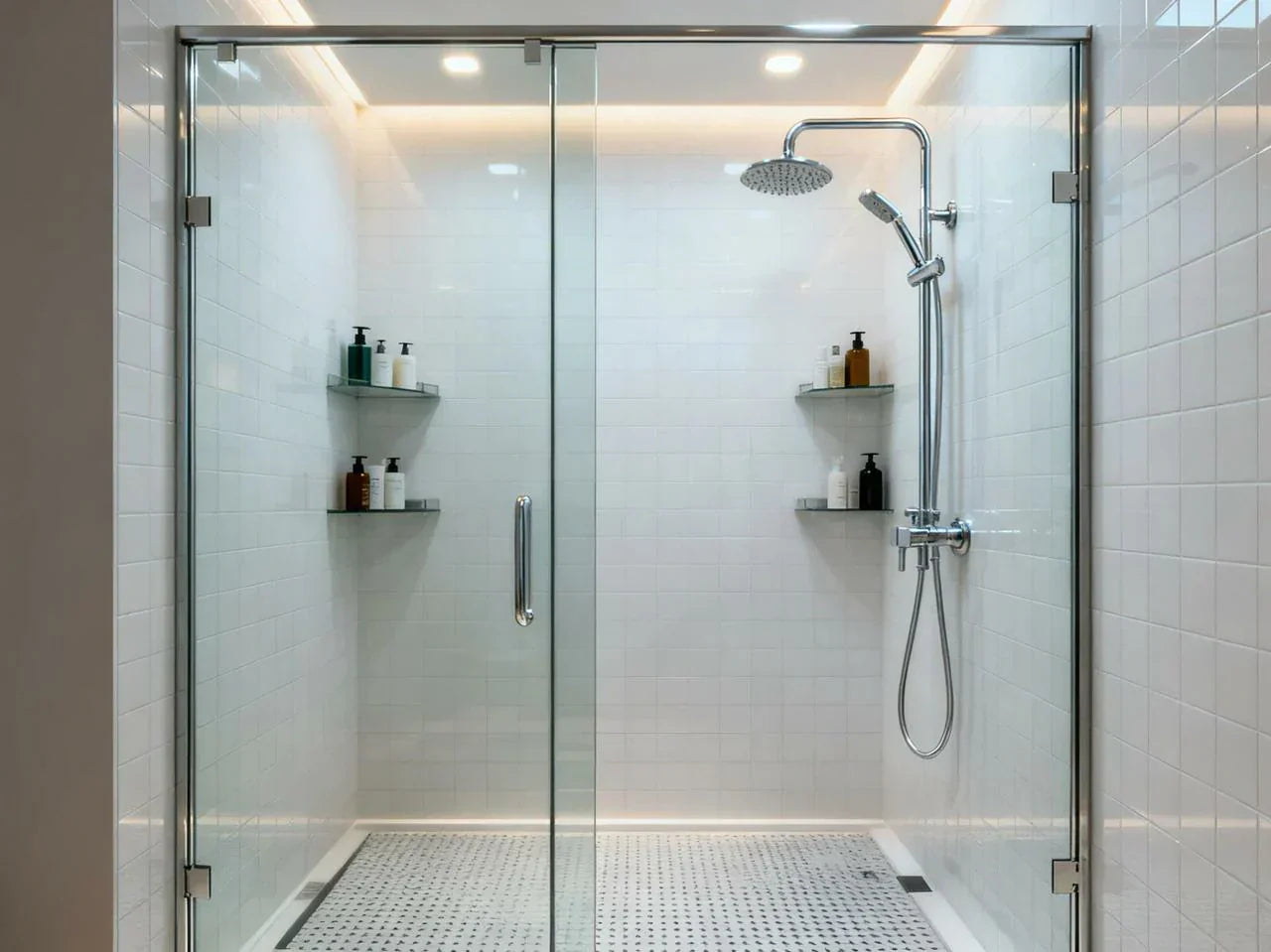
For most modern bathrooms, an acrylic shower pan is a good, practical choice. It fits well with sleek, contemporary designs because it has clean lines, a smooth low profile threshold, and pairs easily with glass shower doors and tile or wall panels.
If you want a shower that is:
-
Quick to install
-
Safe and non‑slip underfoot
-
Easy to clean
-
Not as expensive as custom stone
then a quality acrylic shower base is one of the best options to consider.
Best use cases for acrylic shower bases
Acrylic works especially well when you need a fast, consistent, and low‑maintenance solution. It is ideal for:
-
Residential remodels: Updating old tubs to walk‑in showers, or replacing stained fiberglass surrounds.
-
Multifamily units: Apartments and condos where you need the same product in many units with simple installation and reliable waterproofing.
-
Hotels and rentals: Places that see daily use, need easy cleaning, and must stay open with minimal downtime.
-
Accessible bathrooms: Low‑threshold or barrier‑free acrylic shower pans with seats, grab‑bar backing, and textured floors for safety.
DIYers like acrylic because it is lighter and more forgiving than tile, as long as they follow each step of the install instructions. Pros and developers like it because it cuts install time and call‑backs compared to complex custom builds.
Key decision summary: when acrylic is NOT ideal
An acrylic shower pan is not perfect for every project. You may want a different base material when:
-
You are building a very high‑end luxury bathroom and want the feel and look of real stone or a thick solid surface base.
-
You need extreme customization of shape, slope, or linear drain placement that goes beyond what acrylic molds allow.
-
The shower is in a high‑abuse commercial space like a locker room where heavy impacts and constant foot traffic are common.
-
The room has major structural movement (for example, some older attic floors) and you need extra‑rigid stone resin or poured systems.
In these cases, a tiled shower pan, cast stone or stone resin shower tray, or a heavy solid surface shower base may be a better fit.

Decision matrix
To see how acrylic stacks up against other options, here is a simple comparison. Values are typical, not exact for every model.
| Factor | Acrylic | Fiberglass | Tile | Solid Surface | Stone / Onyx-type |
| Relative cost | Low–mid | Low | Mid–high | Mid–high | High |
| Durability | Good | Fair–good | Very good (if installed well) | Very good | Very good–excellent |
| Maintenance | Easy | Easy–moderate | Higher (grout cleaning) | Easy | Easy–moderate |
| Style range | Good | Basic–good | Excellent (many tiles) | Very good | Very good |
| Accessibility | Very good (low thresholds) | Good | Varies by build | Very good | Very good |
| DIY-friendliness | Moderate | Moderate | Low–moderate | Low–moderate | Low |
Construction 101 – What Is an Acrylic Shower Pan?
An acrylic shower pan (also called an acrylic shower base) is a factory‑made floor for your shower. It is shaped with the correct slope toward the drain and has raised sides to keep shower water from spilling out.
Most pans use layers:
-
A top acrylic sheet for the surface you see and touch.
-
A backing layer, often fiberglass or another composite, to add strength.
-
A support structure under the floor area, which may include ribs, foam, or extra thick zones that sit in a mortar base or support pad.
Because the surface is non‑porous, water and soaps do not soak in. This helps reduce mold and mildew compared to a tiled floor with grout joints. As long as the drain is connected well and the walls are sealed, the entire shower works as one waterproof unit.
Imagine a cutaway view. At the top is the shiny acrylic layer, slightly textured for grip. Below it is a rougher fiberglass backing. At the bottom, there is a bed of mortar or foam that spreads your weight and keeps the pan from flexing. At one end or in the middle you see the shaped drain area with a drain cover that connects to the plumbing below.
Acrylic vs. fiberglass shower pans
Is acrylic better than fiberglass for a shower base? Many shoppers wonder if they should pick an acrylic or fiberglass shower base, because they look similar at first glance. Both are light and factory‑made. The main difference is in the surface and backing.
Fiberglass pans are usually made with layers of glass fibers and resin sprayed into a mold, then coated with a gelcoat finish. Acrylic pans start with a solid acrylic sheet that is heated and shaped, then backed with fiberglass or other material.
Because of this, an acrylic shower pan usually:
-
Keeps its gloss and color longer
-
Feels a bit warmer and smoother underfoot
-
Resists cracking and crazing better under normal use
-
Is easier to repair small scratches with polish kits
Fiberglass can be cheaper, but it may stain or dull faster and can show wear sooner in busy homes.
Here is a quick comparison.
| Feature | Acrylic Shower Base | Fiberglass Shower Base |
| Typical weight | Light | Very light |
| Surface thickness | Thicker top layer | Thinner gelcoat surface |
| Gloss retention | Very good | Fair–good |
| Typical lifespan | 15–25 years (with good care) | 10–20 years (with good care) |
| Common warranty | 10‑year to limited lifetime | 1–10 years |
So, is an acrylic shower base better than fiberglass? For many homes, yes. Acrylic usually gives you better long‑lasting looks, strength, and cleaning ease, at a price that is still within reach. Fiberglass can work on a tight budget, but is often seen as more basic.
Acrylic shower pan vs. tile, stone resin, and solid surface
When people ask, what is the best material for a shower pan? the honest answer is that it depends on your budget, style, and project needs.
-
A tiled shower pan can look amazing and gives you nearly endless design freedom. You can match any style, from rustic to ultra‑modern. But tile has grout lines that can stain and grow mold if not sealed and cleaned. It also needs more skill and time to build.
-
A stone resin or solid surface shower base is heavier and more rigid than acrylic. It feels solid underfoot and often has a more elegant, stone‑like look. These bases can be expensive and harder to move and install, especially in tight old homes.
-
Acrylic sits in the middle. It is lighter, easier to install, and kind to your budget, while still looking clean and contemporary. It might not match the natural beauty of real stone, but for most bathrooms it gives a seamless and neat finish.
If you want the best material for a shower pan with the fewest headaches, acrylic and quality stone resin are usually top of the list. Tile can be best when design freedom matters more than maintenance.
Types, Sizes & Design Options for Acrylic Shower Bases
From compact square pans to spacious walk-in bases, acrylic comes in more configurations than most people expect. The quick overview below shows you what’s available, how standard sizes work in common remodels, and which modern features—like low thresholds or textured floors—might fit your bathroom best.
Standard shapes, sizes, and configurations
Most acrylic shower bases come in standard rectangles and squares, but there are also corner shower and neo‑angle options for tight spaces. Common standard shower pan sizes include:
| Shape / Type | Common Sizes (inches) | Notes |
| Square | 32 x 32, 36 x 36 | Good for small corner showers |
| Rectangular (alcove) | 48 x 36, 60 x 32, 60 x 36 | Most common for tub‑to‑shower swaps |
| Neo‑angle corner | 36 x 36, 38 x 38 | Fits small bathrooms, angled front |
| Large walk‑in | 60 x 42, 60 x 48, 72 x 36+ | For roomy, walk in shower pans |
What are the standard sizes for shower pans? For many homes, 32 x 32 and 36 x 36 are the smallest comfortable square sizes. In alcove setups (three walls), 60 x 32 and 60 x 36 are very popular because they match common tub lengths, which makes a tub‑to‑shower remodel easier.
You can also choose drain placement:
-
Center drain (common in square pans)
-
Left or right drain (for tub replacements)
-
End drain or linear drain styles (often in larger, modern showers)
Matching the new pan size and drain to your existing plumbing can save you money because you avoid moving pipes in the floor.
Modern design trends: walk‑in, low‑threshold, and curbless pans
The newest trend is toward larger walk‑in showers with clear glass and low steps. Many acrylic pans now offer:
-
Low‑threshold or low‑profile entries that make it easier to step in and out.
-
Extra‑wide walk in shower base styles for two‑person showers.
-
Textured, anti‑slip floors that boost safety without feeling rough.
-
Built‑in seats or ledges to hold bottles or support people who need to sit.
True curbless showers (where the bathroom floor flows right into the shower with no step) are harder to pull off with a standard acrylic pan. They often need a special recessed floor structure. But some manufacturers now make barrier‑free acrylic shower pans with very low edges that work with wheelchair entry and safe transition strips.

Custom and made‑to‑measure acrylic shower trays
If your space is odd—maybe it is under a sloped roof or in a narrow attic—you might look at custom acrylic shower trays. These can be cut or molded to special sizes and shapes, though there are limits to how much they can change the mold.
Compared to tile or a solid surface base, acrylic custom work is more limited. Tile lets you create a shower pan of almost any shape on site. Stone resin and solid surface can often be cast or trimmed to size with more freedom. Acrylic custom bases are best when you only need small changes to size or drain position, not a completely unusual layout.
Color, finish, and accessory options
Most acrylic shower bases are white or off‑white, which fits both traditional and modern bathrooms and helps conceal light soap film. But you can now find:
-
Soft greys
-
Deeper charcoal tones
-
Even black options for bold designs
Finishes can be high gloss or softer matte. Gloss looks bright and reflective but can show scratches more. Matte hides small wear marks and gives a more sleek, modern look.
Common accessories built into or added onto the pan and walls include:
-
Tiling flanges along the sides, which help lock in the wall system and stop leaks.
-
An apron or front skirt that finishes the exposed edge in alcove setups.
-
Matching acrylic wall surrounds or panels for a full entire shower enclosure solution.
How to Choose the Right Acrylic Shower Pan
Choosing the right acrylic shower pan is easier when you break the process into simple steps. Instead of guessing or relying only on looks, a quick buyer’s checklist helps you cover measurements, drain placement, support needs, safety features, and compatibility with doors and walls. The guide below walks you through the key decisions so you can pick a pan that fits your space, your users, and your long-term plans.
Step‑by‑step buyer’s checklist
When you choose a shower pan, it helps to follow a simple path so you do not miss anything important.
-
Measure the space. Measure the length and width of the alcove or corner where the shower will sit. Check both top and bottom in case the walls are not square.
-
Locate the drain. Measure from the back and side walls to the center of the existing drain. This tells you if you need a center, left, right, or end drain pan.
-
Check subfloor and structure. Look for soft spots, old water damage, or sag. The floor must support the weight of the pan, the water, and people.
-
Think about who will use the shower. Do they need a low threshold, seat, or wider entry? Are there kids or older adults who need a safer floor?
-
Match the height to the walls. If you plan tile or panel walls, make sure the pan has the right tiling flange and fits the planned wall height and shower door style.
-
Plan for codes. Check local rules and any ADA or accessibility needs for threshold height, slope, and shower size.
-
Set a budget range. Decide how much you can spend on the base, then add rough installation and glass door costs.
Many people find it handy to use a printable checklist so nothing gets missed while shopping and talking with installers.
Key specs to evaluate (beyond size and color)
What should I look for in an acrylic shower pan? When you compare acrylic shower pans, do not just look at style and color. Some details hide in the fine print but matter a lot for long‑lasting use:
-
Pan thickness and backing: A thicker acrylic layer with solid reinforcement feels more solid and resists cracks.
-
Support requirements: Check if the pan needs a full mortar base, a foam support, or can sit on level framing alone. Full support often means less flex and noise.
-
Anti‑slip texture: Look for a textured floor with a tested slip rating, especially for kids or older users.
-
Threshold height: Lower thresholds are easier to step over and often needed for accessible acrylic shower pans.
-
Drain hardware compatibility: Make sure your chosen drain cover and assembly match the pan’s hole size and depth.
-
Warranty: Read what the warranty covers, for how long, and what actions (like using strong chemicals) can void it.
Matching an acrylic shower base to glass doors and walls
Your acrylic shower base must work with your shower door and wall system as one unit. If not, you may get leaks, poor door fit, or ugly gaps.
Think about:
-
Door type: Bypass sliders, hinged doors, and open walk‑in glass all need different curb widths and clearances.
-
Curb design: Check that the pan’s front edge is level and wide enough to hold the door track or frame if you plan one.
-
Wall flanges: The pan should have flanges on sides that meet walls so water cannot slip behind. Your installer will tie these into tile backer or wall panels.
-
Wall material: If you plan tile, make sure the backer board overlaps the pan flange and that a proper waterproof membrane runs behind. For acrylic or fiberglass surrounds, use products tested together when possible.
Code, ADA, and barrier‑free considerations
If you are building for someone with mobility limits, or you simply want to age in place, code and ADA compliant shower base design matters.
Key points include:
-
Threshold height: Many accessibility guidelines limit this to a small step, often 1/2 inch for roll‑in showers.
-
Interior space: Enough room to turn and transfer, sometimes 36 x 36 inches minimum or more, depending on rules.
-
Seat and grab‑bar support: If you add a seat or grab bars, framing behind the wall must be strong enough to hold a person’s weight.
For exact rules, always check national guidance and local building codes, as they can vary.
Installation & Waterproofing Basics for Acrylic Shower Bases
Installing an acrylic shower base isn’t overly complicated, but it does require the right prep and attention to detail. Before you jump into the steps, it’s important to understand what’s realistically DIY-friendly, what should be left to a pro, and how proper support and waterproofing make or break the entire installation. The overview below walks you through the essentials so you know exactly what to expect.
Can you install an acrylic shower pan yourself?
Yes, many handy homeowners can install an acrylic shower pan on their own. The DIY difficulty is moderate. You should be comfortable with basic carpentry, plumbing, and leveling.
You will need tools such as: a level, drill, saw for small framing adjustments, trowel for mortar, and plumbing tools for the drain. You also need patience, because rushing the support bed or drain connection is a common way to cause leaks or flex.
You should hire a professional if:
-
You are moving the drain to a new spot.
-
The floor has serious rot or needs structural work.
-
You are not used to how to create a shower pan level and solid with mortar.
Step‑by‑step installation overview
Here is a simple framework of the installation process. This is not a full manual, but it can help you know what to expect or discuss with your installer.
-
Subfloor prep and leveling. Remove the old pan or tub. Clean the area down to the subfloor. Repair any damaged wood and make sure the surface is flat and strong.
-
Dry fit the pan. Set the acrylic shower base in place without mortar to check fit and drain alignment. Mark the drain location and check that the walls are plumb and square.
-
Prepare the support bed. Mix mortar (or set a foam support if the maker allows it) in the area where the floor of the pan will sit. Spread it evenly with a trowel. This helps prevent flex and squeaks.
-
Set the pan. Lower the pan gently onto the mortar bed, pressing down evenly. Use a level to confirm the slope to the drain is correct and the threshold sits flat. Adjust lightly if the maker allows it.
-
Connect the drain. From above or below, install the drain assembly, seals, and drain cover as the instructions say. Tighten but do not over‑tighten.
-
Secure flanges and walls. Fasten the pan’s flanges to the wall framing (without cracking them) using proper screws. Install tile backer or wall panels so they overlap or align with the flanges, with waterproofing behind.
-
Seal all joints. Use high‑quality sealant where the pan meets walls and corners, and around the drain if required. Let it cure fully before use.
An “exploded” view would show the pan, the mortar base, the subfloor, the drain pipe connection, the wall studs, and then the final tile or wall panels on top. Each layer works together to keep water where it belongs.

Common installation mistakes and how to avoid them
Here are some frequent issues people run into, and what they usually mean.
| Symptom | Likely Cause | Fix / Prevention |
| Pan flexes or squeaks | No full mortar bed; uneven support | Reset pan with full, level support bed |
| Water pools away from drain | Pan not level; wrong slope direction | Re‑level subfloor and reset pan |
| Leak at ceiling below shower | Poor drain seal; gaps at flange | Re‑do drain assembly; reseal wall‑to‑pan joints |
| Cracks near drain or corners | Movement from below; heavy impact | Repair or replace pan; improve floor framing |
| Musty smell, mold at walls | Weak waterproofing behind wall finish | Remove finishes, re‑waterproof, re‑tile/panel |
To avoid these problems, resist the urge to skip the mortar base or use just foam shims. A solid, continuous support layer is one of the most important parts of a long‑lasting acrylic shower pan.
Waterproofing and compatibility with wall systems
Your shower pan is only one component of a watertight shower. The walls must also be sealed. Water often sneaks behind tile where the wall meets the pan if the joint is not planned well.
When using tiled walls, you should:
-
Hang a suitable backer board that laps over the pan flange.
-
Apply a continuous waterproof membrane over the board, tying it into the pan area as the maker suggests.
-
Leave a small gap between the bottom tile edge and the pan, then fill it with flexible sealant, not grout.
With acrylic or fiberglass surrounds, follow the matched system instructions, which usually lock the wall pieces over the pan flanges to create a single enclosure.
Always check both the pan maker’s manual and local building code rules for waterproofing in showers.
Cleaning, Care & Long‑Term Maintenance
Keeping an acrylic shower pan looking great over time is mostly about gentle, consistent care. Knowing the right cleaning routines, simple preventative steps, and how to handle minor scratches or chips can extend the life of your pan for years. The tips below give a clear roadmap for daily upkeep and long-term maintenance so your shower stays functional and attractive.
Daily and weekly cleaning routines
How do you clean an acrylic shower pan without scratching it? To clean an acrylic shower pan gently:
-
Use a soft sponge or cloth and a mild, non‑abrasive cleaner. Dish soap or a bathroom cleaner made for acrylic is fine.
-
Rinse with warm water and dry with a towel or squeegee after showering. This cuts soap scum and hard water spots.
-
Avoid steel wool, rough scrub pads, or powdered cleaners. These can leave scratches that are hard to fix.
Once a week, give the base and walls a more thorough wipe, paying attention to corners and around the drain where buildup often starts.
Preventing stains, scratches, and yellowing
You can keep your acrylic shower base looking fresh for many years with a few habits:
-
Ventilation: Run a fan or open a window to reduce moisture and limit mold growth.
-
Water treatment: If you have very hard water, a water softener or filter can reduce mineral stains.
-
No harsh chemicals: Avoid strong bleach mixes or solvent cleaners unless the pan maker says they are safe.
-
Use mats carefully: If you use a bath mat, choose one without suction cups that can stress the surface. Lift and clean under it often.

Repairing minor damage to an acrylic shower base
Small issues do not always mean you need a new pan.
-
Fine scratches: Many can be buffed out with special acrylic polish kits, following the directions carefully.
-
Small chips or hairline cracks: Some can be filled with acrylic repair kits that match the color and texture. These work best on light damage in low‑stress areas.
-
Deep cracks, soft spots, or leaks: These are serious. They often mean the support under the pan has failed or the pan has aged out. In such cases, a full replacement is usually safer than patching.
If you are unsure, ask a professional installer or repair tech for a quick check.
Costs, Lifespan, Market Trends & Value
Understanding the cost, lifespan, and overall value of an acrylic shower pan helps you make a smarter choice for your bathroom. Beyond the sticker price, factors like installation, maintenance, and durability play a big role in long-term ownership. The overview below breaks down typical costs, expected lifespan, market trends, and real-world experiences so you can see the full picture before buying.
How much does an acrylic shower pan cost?
The cost of an acrylic shower pan depends on size, style, and quality level. As a rough guide in many markets:
-
Budget pans (small, basic): Lower price range for simple 32 x 32 or 36 x 36 square pans.
-
Mid‑range pans: Medium price for common 60 x 32, 60 x 36, and better textures or low profile thresholds.
-
Premium acrylic pans: Higher price for large, walk in shower pans, built‑in seats, special drain layouts, and stylish colors.
Labor to install an acrylic pan can range from a few hundred to over a thousand dollars, depending on:
-
How much demo and prep is needed
-
Whether the drain must be moved
-
If new walls and shower doors are also part of the job
DIY installation can save on labor, but you take on the risk if something leaks or fails. For many people, paying a skilled installer is a good investment for a part of the home that handles water every day.
Lifespan, warranties, and cost of ownership
How long will an acrylic shower pan last? In normal home use, a good‑quality acrylic shower pan often lasts 15 to 25 years or more. This assumes:
-
Solid support under the pan
-
No major structural movement in the floor
-
Reasonable cleaning habits with gentle products
In rental or hotel settings, lifespan may be shorter because of heavier use, but the smooth, non‑porous surface still helps keep cleaning time and costs low.
Warranties vary by maker, but you often see 10‑year to limited lifetime coverage on the pan itself. These usually cover defects, not damage from harsh cleaners, impacts, or poor installation.
Over the full life of a bathroom, acrylic often has a lower cost of ownership than tile, because:
-
You spend less on early installation.
-
You spend less time cleaning grout or fixing cracked tiles.
-
There is less risk of slow leaks from grout or caulk failures at the floor, if the pan is installed correctly.
Global market size, growth, and key drivers (2025–2033)
The acrylic shower pan market is growing, which reflects how popular this choice has become. Research suggests:
-
Around $1.5 billion global market value in 2025
-
Expected growth to about $2.5 billion by 2033
-
A compound annual growth rate (CAGR) of around 6%
Key reasons include:
-
More bathroom remodels as homes age and people want walk‑in showers instead of tubs.
-
Strong building growth and rising middle‑class spending in parts of Asia‑Pacific.
-
A push toward accessible, safer bathrooms for aging populations.
-
Demand for products that balance style, durability, and cost without heavy construction work.
You can think of acrylic pans as a middle path between cheap, flimsy bases and heavy stone systems. That balance is driving their use in houses, apartments, and hotels worldwide.
Real‑world case studies and user experiences
Here are two short stories based on common project types.
-
New York brownstone remodel: A couple turned a narrow, old tub space into a low‑threshold walk in shower base. They chose a 60 x 32 acrylic shower pan with a right‑side drain to match the old plumbing. A glass door and tiled walls finished the look. The low step made it easier for an older parent to shower safely, and cleaning time dropped because there was no more moldy caulk around a tub.
-
Tokyo business hotel renovation: A small hotel replaced aging fiberglass units with acrylic shower bases that had textured floors and built‑in seats. Housekeeping staff reported faster cleaning and less back strain, since smooth surfaces wiped clean quickly. Guest reviews mentioned the sleek, contemporary look and safe, non‑slip floors.
On home improvement forums and installation videos, many users praise acrylic for its balance of easy installation and durable performance, with the main complaint being scratches from the wrong cleaning tools or lack of support under the floor.
Accessibility, Sustainability, Health & Code Compliance
Acrylic shower pans aren’t just about looks—they can support accessibility, sustainability, and better hygiene while meeting code requirements. Before diving into features and standards, it helps to understand how low thresholds, non-slip surfaces, environmental factors, and health-friendly materials all come together in a well-designed acrylic shower base. The section below highlights these key considerations.
Accessibility features of acrylic shower pans
Acrylic works well for accessible showers because it can be molded with:
-
Low or ramped thresholds for easy entry
-
Built‑in seats or benches
-
Extra‑wide shapes to allow helpers or mobility devices
-
Textured, non‑slip floors for safer footing
If you plan to age in place or support a family member with limited mobility, choosing an accessible acrylic shower pan with these features makes daily life easier and reduces fall risk.
Environmental impact, VOCs, and recyclability
Like all plastic‑based products, acrylic pans use energy and materials in their making. On the other hand, they tend to have a long service life, which spreads that impact over many years.
Some makers offer low‑VOC (low chemical emission) acrylic options to limit indoor air impacts during and after install. You may also see environmental product declarations or green building labels that cover:
-
Emissions from materials
-
Recycling or reuse of waste from factories
-
Expected product lifespan
Recycling a used acrylic shower base is still not common, but proper disposal and long life reduce the need for frequent replacements.
Health benefits: hygiene and non‑porous surfaces
A key health benefit of acrylic shower bases is their non‑porous surface. Because water does not soak in, there are fewer hidden damp pockets where mold and bacteria can grow. This is different from tile grout, which can stay damp and support mold if not sealed and cleaned.
Some surfaces may also include anti‑bacterial treatments. Even without those, simple daily drying and weekly cleaning go a long way toward keeping your shower hygienic.
Standards, regulations, and authoritative resources
When you plan a shower project, it is smart to check:
-
National or local building codes for shower sizing, threshold height, and drain rules.
-
ADA or similar accessibility guidelines if you are building for someone with mobility needs.
-
Public health guidance on indoor moisture and mold risks.
A few helpful sources are listed at the end of this guide.
Expert tips to get the most from your acrylic shower pan
Here are a few key tips that professionals often share:
-
Before you buy: Focus on support, slope, and warranty more than fancy looks. A simpler pan that is solid and well‑made is better than a flashy one that flexes.
-
During install: Always use the full support bed the maker asks for, and follow the specific drain assembly steps. Small shortcuts can lead to big leaks.
-
After install: Dry the pan after showers, use mild cleaners, and check caulk lines each year so small gaps do not become big water problems.
FAQs
1. Is acrylic good for a shower pan?
Yes. Acrylic is a great choice for most showers because it's lightweight, durable, and naturally non-porous, which means soap scum and grime don’t cling as easily. It also won’t feel as cold under your feet as tile, and cleaning it is way easier since you don't have to deal with grout lines. If you’re after a clean, modern look without spending a lot or doing complicated construction, acrylic hits a really nice sweet spot.
2. What is the best material for a shower pan?
There’s no single “best” material for everyone—it really depends on what you value most. Acrylic and stone-resin or solid-surface shower bases are extremely popular because they’re durable, smooth, and low-maintenance. Tile is the top choice if you want a custom design or a spa-style vibe, but it takes more labor and upkeep. For luxury bathrooms, some homeowners choose heavy stone or cast iron, which look stunning but cost more and require strong flooring support.
3. Are acrylic shower bases better than fiberglass?
In many cases, yes. Acrylic shower bases typically look better for longer because the surface keeps its shine and doesn’t dull as quickly as fiberglass. They also have better resistance to cracking and tend to feel sturdier and warmer underfoot. Fiberglass is cheaper, but acrylic generally gives you a nicer long-term experience without a huge jump in price.
4. What are the standard sizes for shower pans?
Standard shower pan sizes usually include 32" × 32" and 36" × 36" for compact showers. If you’re replacing a bathtub with a shower, the common sizes are 60" × 32" or 60" × 36". Larger walk-in shower bases often come in 60" × 42", 60" × 48", or even wider options if you want more elbow room or plan to install a bench.
5. Can I create a tiled shower pan instead of using acrylic?
Yes, absolutely. You can build a tiled shower pan using a mortar bed, waterproof membrane, and the tile of your choice. This opens the door to tons of design possibilities—patterns, colors, mosaics, you name it. Just keep in mind that it’s a more skilled, time-intensive project, and you’ll be maintaining grout over the years. An acrylic pan is much quicker to install, has fewer waterproofing layers to worry about, and keeps maintenance simple.
6. How long does an acrylic shower pan last?
As noted earlier, a quality acrylic shower pan usually lasts 15–25 years in a normal home when:
-
It is supported by a full mortar base or approved support
-
The drain is sealed well
-
You clean it with gentle products
Poor installation, harsh cleaners, or structural movement under the floor can shorten this life.
References


Leave a comment
This site is protected by hCaptcha and the hCaptcha Privacy Policy and Terms of Service apply.