
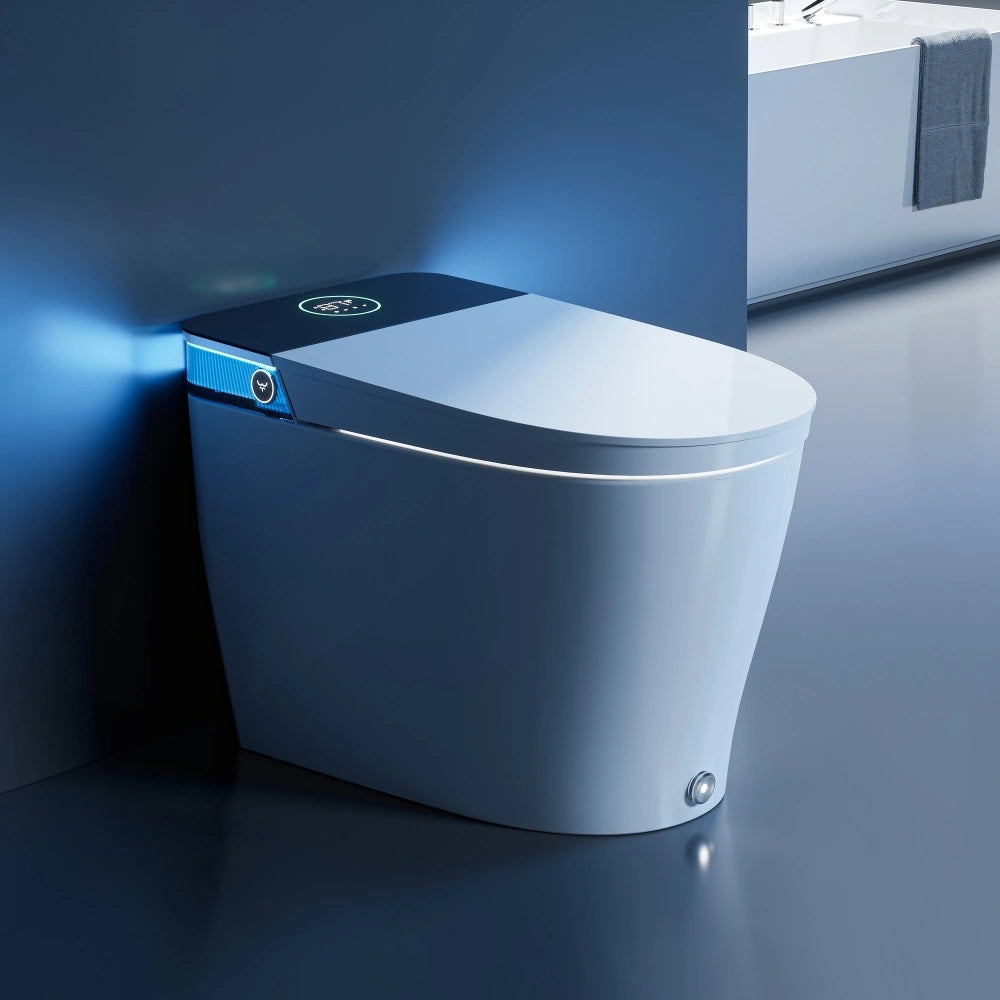
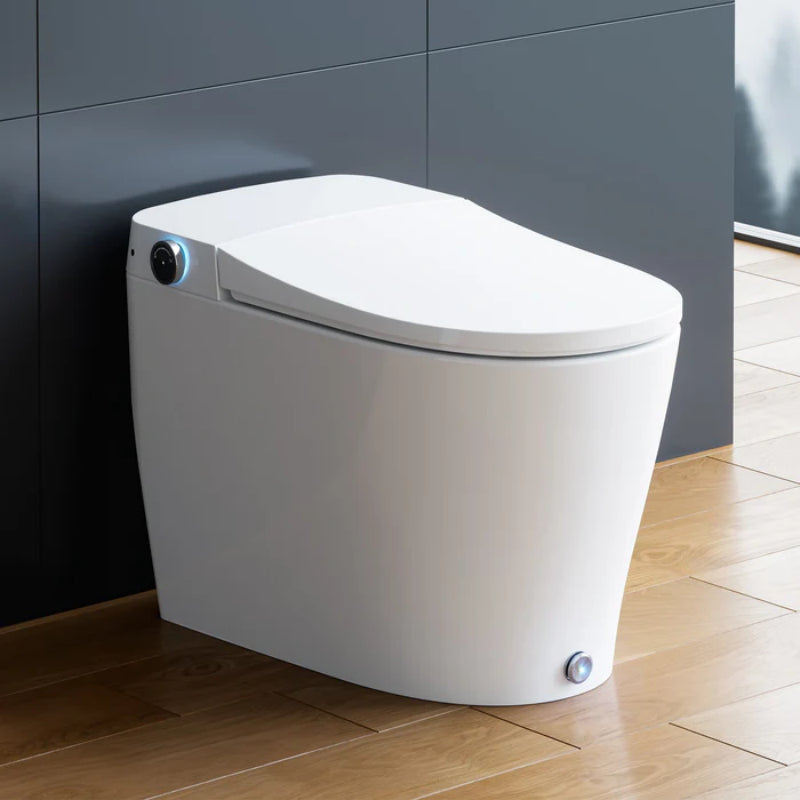
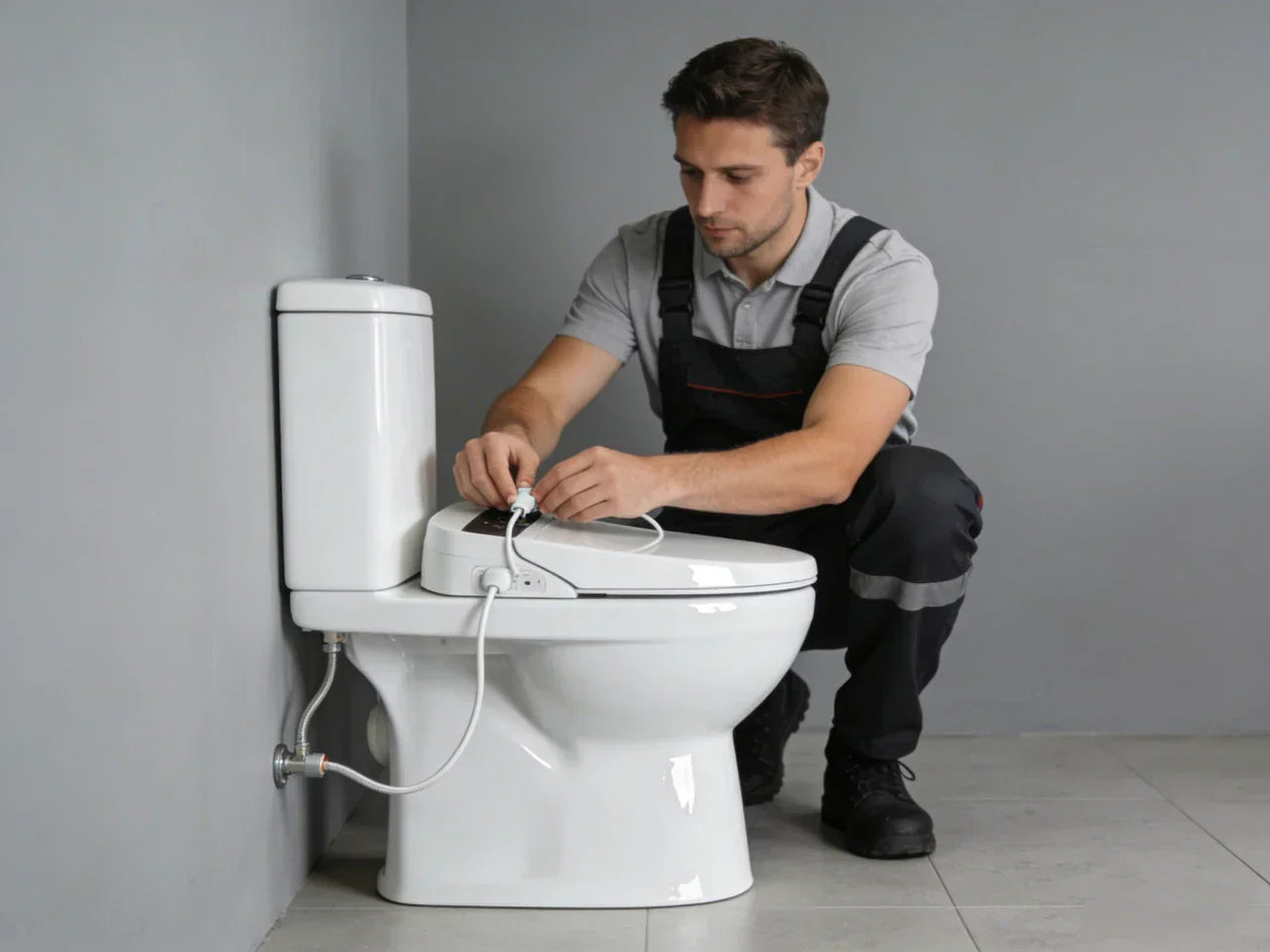
A 10 inch rough in smart toilet can be the right fix for an older bathroom where the drain was set closer to the wall than today’s common 12-inch rough-in. It can also be a frustrating, expensive “almost fits” project—because smart bidet toilet bodies are bulkier, have stricter clearance needs, and often require both electrical and plumbing changes that a regular rough-in toilet never would.
The goal of this guide is simple: help you confirm, with measurements and site checks, whether a rare 10-inch rough-in smart bidet will actually install, function, and stay serviceable in your bathroom—especially in small or old homes.
Who a 10-inch rough-in smart bidet toilet is for (and not for)
A 10 inch rough in smart toilet fits only true 10-inch layouts, requiring clear rear clearance, GFCI power, and unobstructed supply lines to avoid failed installations in older, small bathrooms.
Decision Snapshot: when it works, when to walk away, when to retrofit instead
This works well if
You have a true 10-inch rough-in from the flange center to the finished wall and cannot relocate the drain.
You also have adequate rear and side space for water lines, power cords, and routine service access.
A nearby grounded GFCI outlet is available, and your angle stop sits clear of the toilet base, so the inlet hose connects without obstruction. This setup works especially well for homeowners seeking a reliable rare 10 inch smart bidet in older, space-limited bathrooms.
Walk away (or change plans) if
Your rough-in measures closer to 11–12 inches and can fit a standard 12-inch rough-in toilet, making a 10-inch model unnecessary and potentially problematic.
If you have less than 2 inches of clearance behind the toilet, hose and cord routing will fail even if the bowl appears to fit. Avoid this path if you cannot install an accessible GFCI outlet or if your old, corroded supply stop blocks the toilet base.
Smart bidet systems are far less forgiving than traditional toilets in tight, poorly planned spaces.
Retrofit instead (often the least painful path) if
You can keep your existing toilet and add a bidet seat for basic functions like a heated seat and gentle wash. This approach avoids the tight clearances required for a full one-piece smart bidet toilet.
Even if you prefer a compact layout, a smaller 12-inch rough-in toilet with a bidet seat can deliver a small rough bidet combo feel without the strict constraints of a true 10-inch rough-in smart toilet.
Choose it only if your rough-in is truly 10" and you have workable rear + side clearance
A genuine 10-inch rough is common in older homes, condos, and tight remodels. However, a smart bidet toilet typically includes a wider, skirted base, side-mounted filters and water inlets, and a power cord that must route freely without kinks. I
nstalling a model like the HOROW T37 means fitting an entire system—not just a bowl—so rear and side clearance is critical for both installation and long-term service.
Avoid it if you can’t add a grounded GFCI outlet or your supply stop blocks the unit’s inlet
Many homeowners regret their upgrade 10" rough to smart project due to two common issues: no safe, accessible power source and a supply stop that blocks the toilet body or inlet hose.
Unlike traditional toilets, which can sometimes adapt with flexible lines, a fully integrated one-piece toilet offers little room for adjustment. Without proper power and clear valve placement, even a compact 10 inch rough bidet will lead to frustrating, avoidable problems.
It’s often unnecessary if you can fit a 12-inch rough-in or use a bidet seat on a standard toilet
If your space supports a standard 12-inch rough-in toilet, choosing a 10-inch smart model usually creates unnecessary challenges, including limited service access, stricter electrical rules, and fewer product choices.
For most users wanting a heated seat and basic bidet functions, a standard toilet with a separate bidet seat is simpler and more reliable. This setup avoids the tight packaging that makes full 10-inch rough-in smart bidet installed difficult in small or old bathrooms.
The trade-offs you accept with a rare 10-inch smart bidet in a small/old bathroom
Choosing a rare 10-inch smart bidet in a small or old bathroom means accepting tighter clearances and special installation limits. This compact 10-inch rough-in smart toilet saves space but demands careful planning for service, power, and daily comfort.
Smaller projection can “fit” but feel cramped (knees, door swing, vanity clearance)
A compact 10 inch rough bidet can reduce how far the toilet extends into your bathroom, which helps in narrow layouts. Even so, a smaller toilet bowl often creates tight knee room, especially if the unit sits slightly forward from a rough-in mismatch.
Door swing can become a new problem: you may gain small front clearance, but a forward-mounted toilet can quickly erase that benefit. In very small bathrooms, this creates daily discomfort with moving, closing doors, and cleaning around the base. Most smart bidet models are also taller and wider than older round-front toilets, even when labeled compact.
Tighter rear/side tolerances make service access harder (filters, seat removal, cleaning)
A 10-inch rough-in smart toilet relies on accessible rear and side space for basic upkeep, including inlet filter cleaning, nozzle maintenance, and seat hinge service. In an extremely tight installation, the unit sits too close to walls or vanities to remove side panels or reach filter caps easily.
Simple tasks like checking connections or fixing small leaks often require removing the entire toilet, turning minor maintenance into a full disconnect and reseal project. This is a common downside with any small rough bidet combo in old or compact bathrooms.
One-piece smart bidet combo limits parts interchangeability versus traditional toilets + bidet seats
A standard toilet with a separate bidet seat keeps components independent, so you can replace the bidet seat without altering the wax ring or flange. A one-piece smart bidet combo integrates the bowl, wash system, sensors, and heated seat into a single unit.
If a sensor, valve, or seat mechanism fails, you will need model-specific parts and service steps. This risk is higher with a 10-inch rough-in smart toilet because replacement and repair options are much narrower than with traditional toilets.
Auto features add dependency on power, stable water pressure, and accessible shutoffs
Smart functions like auto flush, automatic lid, heated seat, warm air dryer, night light, and remote control improve the bathroom experience when conditions are stable. However, they create real frustrations in older or poorly prepared spaces.
Power interruptions can reset settings, while GFCI trips can leave the unit nonfunctional until reset. Low or unstable water pressure weakens wash performance and reduces bidet function quality. If the shutoff valve is hidden behind a skirted base, slow leaks may be ignored for months, increasing long-term damage risks.
Real install costs and constraints when you “upgrade 10-inch rough to smart”
Upgrading 10-inch rough to smart involves real plumbing, electrical, and floor costs. A rare 10-inch smart bidet or compact 10-inch rough bidet often needs extra work to fit safely in old, small bathrooms.
Plumbing changes that commonly become mandatory (angle stop relocation, new fittings, new hose)
Upgrading to a 10-inch rough-in smart toilet often requires unexpected plumbing modifications, especially with shutoff valve conflicts. The skirted base of a one-piece smart bidet may block the existing angle stop, forcing you to use a shorter valve, a different style, or even relocate the stop inside the wall.
Old compression fittings and reused nuts can lead to slow leaks after installation, even if the initial setup appears secure. Tight clearances in a 10-inch rough also create supply line routing issues, as unnatural bends and kinks stress connections and reduce long-term reliability.
Typical cost reality (varies by region): Basic parts like a new stop valve or braided supply line carry a modest cost, but labor charges depend heavily on access in small or old bathrooms. Stop relocation can raise expenses significantly, as it often requires wall repair, tile work, and repainting to complete properly.
Electrical work that can’t be skipped (new GFCI, dedicated circuit risks, outlet placement realities)
A smart bidet toilet needs a grounded, GFCI-protected outlet to operate safely, and this work is often non-negotiable when you upgrade 10-inch rough to smart. Older homes frequently lack nearby outlets, use ungrounded two-prong plugs, or share overloaded circuits with heaters, lights, or
Placing an outlet behind the toilet creates accessibility issues, as GFCI reset becomes difficult or impossible without moving the unit. Combined loads from the heated seat, instant warm water, and warm air dryer can also trigger frequent nuisance trips on aging wiring.
Floor/flange remediation costs (flange repair, height correction, subfloor leveling)
A one-piece smart toilet has a heavier, wider base that demands a stable, level floor—unlike traditional toilets, which can tolerate uneven surfaces. A flange set below the finished floor, often from tile work, leads to weak seals and potential leaks.
Rot or damage around the flange from past leaks must be fixed before installation, as a faulty base will not support a heavy smart bidet combo. Sloped or uneven tile causes rocking, which stresses the seal over time and leads to persistent leaks or unstable mounting.
Visual: decision table with “DIY possible vs call a pro” triggers and typical cost ranges
| Task / Issue | DIY Possible When… | Call a Pro When… | Typical Cost Range (US) |
| Replace supply line | Stop valve is solid, threads are standard, no corrosion | Valve is frozen, corroded, or leaking at stem | $10–$30 parts DIY; $150–$350 service call |
| Replace angle stop | You can shut off main water and have tools/space | Old galvanized/copper issues, fragile stub-out, no main shutoff confidence | $20–$60 parts DIY; $200–$500 labor typical |
| Relocate angle stop | Rare DIY unless wall is open already | Tile walls, finished plaster, unknown piping | $400–$1,500+ depending on wall/finish |
| Add GFCI outlet near toilet | Existing grounded wiring, accessible junction | No ground, knob-and-tube, crowded panel, long run | $150–$350 simple; $350–$1,200+ if new run needed |
| Fix rocking / level floor | Minor shimming on solid floor, small gap | Cracked tile, soft subfloor, flange movement | $10–$30 DIY shims; $300–$1,500+ floor/flange repair |
| Flange repair/replace | Accessible from above, subfloor is sound | Rot, cast iron complications, off-center flange | $50–$200 parts; $300–$2,000+ labor scope |
These are broad ranges, but the pattern is consistent: 10-inch rough-in smart installs go sideways when the shutoff and power aren’t already “ready.”
Will a 10 inch rough in smart toilet actually fit my bathroom?
A true 10-inch rough measurement and proper rear clearance are critical to installing a 10 inch rough in a smart toilet. Accurate layout checks prevent fit failures in small old bathrooms with rare 10-inch smart bidet models.
Measure rough-in correctly (center of flange/bolts to finished wall) and don’t ignore baseboards
Accurate rough-in measurement is key for a 10 inch rough in smart toilet or compact 10 inch rough bidet: measure from the finished wall (not baseboard) to the closet flange/bolt centerline to ensure fit for your rare 10 inch smart bidet.
Common mistakes: measuring to baseboards, using tank (useless for tankless models) or bowl front. These derail upgrade 10" rough to smart projects, causing ill-fitting smart bidet toilet installs.
How to measure: Locate closet bolts, measure from finished wall to one bolt’s center (confirm with the other). If baseboards block, add their thickness to your measurement.
For skirted one-piece models, use old bolt caps to reference the drain center or remove the old toilet to verify—critical for 10-inch rough-in toilet purchases to avoid reworks.
What if my rough-in is 9.75"–10.25" instead of exactly 10-inch?
Minor variations between 9.75 and 10.25 inches often come from tile layers, uneven walls, or imperfect flange placement. These small differences matter for a compact 10 inch rough bidet, as most models offer limited adjustment range.
A measurement under 10 inches can prevent the toilet from seating fully or bind rear connections against the wall. A reading slightly over 10 inches may push the toilet forward, reducing front clearance and leaving a gap behind the base.
Always check the exact model dimensions before finalizing your small rough bidet combo choice.
Rear wall clearance: why under ~2" behind the toilet can cause a hard install failure
A 10 inch rough in smart toilet or rare 10 inch smart bidet needs ~2" rear clearance for water hose bend radius, cord routing, venting gaps, and rear skirt thickness—critical for a compact 10 inch rough bidet or one-piece smart bidet combo. According to the Plumbing-Heating-Cooling Contractors Association (PHCC), a minimum of 2 inches of rear clearance is recommended for toilet installations to accommodate plumbing connections and ensure serviceability, especially for smart models with integrated electronics and hoses.
In tight bathrooms, the bowl may align with the flange, but insufficient space can prevent proper hose attachment (without crushing), safe cord routing (no sharp bends), or sliding the unit fully onto its mounting bracket.
If rear clearance is under ~2", confirm inlet position, hose routing, and whether the smart bidet toilet needs to slide back during installation—no maneuver room leads to costly install failures for your upgrade 10" rough to smart project.
Visual: top-down clearance diagram showing door swing, vanity toe-kick, and service access zones
Use this as a planning sketch (not to scale). The idea is to reserve not just “body space,” but “hands + tools space.”
|
Zone / Item
|
Description
|
|
Top-down view (example)
|
Layout overview from above
|
|
Wall behind toilet
|
Rear service zone (hoses/cord) – aim for ~2"+
|
|
Toilet footprint / skirted base
|
Main toilet base area
|
|
Side access zone (filter)
|
Side service area: do not pin against vanity
|
|
Vanity toe-kick
|
Vanity kick space at bottom
|
|
Door opening path
|
|
|
Front clearance
|
Confirm knee room and code/comfort space
|
|
Side clearance
|
Leave room to reach shutoff and service panels
|
In a small bathroom, the toilet can be the only thing that fits on paper, but still be a bad daily-use install if the door hits your knees or you can’t reach the shutoff.

Water supply compatibility (where “it fits” but the bidet performs poorly)
Even a properly fitted 10 inch rough in smart toilet can underperform without stable water pressure, clear valve placement, and safe electrical supply. Water supply compatibility is key for a reliable rare 10‑inch smart bidet in small old bathrooms.
A smart bidet toilet can be “installed” and still underperform because the wash system is sensitive to supply conditions.
Is this still a good idea if my water pressure is low or unstable?
Low or unstable water pressure will weaken the performance of your 10-inch rough-in smart bidet, even when the unit is correctly installed. You may experience weak wash pressure at higher settings, longer fill and flush times, and inconsistent water temperature on models with instant warm water heating.
Before deciding against your compact 10 inch rough bidet, test your home water pressure while other fixtures are running, as old pipes, regulators, or partially closed valves often reduce flow in older homes. A simple real-world check can confirm if your supply will support full bidet functions.
Supply valve position conflicts: when the stop/escutcheon blocks the side inlet and won’t connect
Supply valve conflicts are one of the most common failure points for a rare 10 inch smart bidet, especially with a skirted one-piece design. The angle stop often sits directly in the path of the toilet base, preventing the unit from sliding fully back and blocking access to the side inlet.
Hose connections may collide with the valve body, making installation impossible without changes. For a successful small rough bidet combo install, the shutoff needs to be forward, off-center, or low enough to clear the skirt; high or centered valves almost always require relocation or replacement.
Hot-water method constraints (instant warm vs stored warm) and how they change electrical load/usage
Smart bidet systems use either instant tankless heating or a small stored water reservoir, and each style affects electrical load differently. Instant warm water models draw more power during use, while reservoir systems spread energy use but may run cold during extended cycles.
Combined with a heated seat and warm air dryer, these functions can easily overload older, shared circuits. If your home wiring is outdated or your electrical panel is crowded, you may need upgrades to avoid frequent GFCI trips when you upgrade 10" rough to smart.
Leak-prevention reality: old shutoffs, reused ferrules, and hidden seepage after “successful” installs
Slow, hidden leaks are a major risk with a one-piece smart toilet, especially in a tight 10-inch rough setup. Reused compression ferrules, cross-threaded connections, aging valve stems, and sharply bent hoses all create seepage that remains hidden behind the skirt.
Unlike traditional toilets, these leaks go unseen until damage occurs. Replacing old shutoffs and supply lines during installation is far more cost-effective than repairing floor or wall damage later, especially in small or old bathrooms.
Power and control requirements (the most common “everything worked…except it won’t turn on” failure)
A grounded GFCI outlet, safe circuit load, and clean cord routing are essential for your 10 inch rough in smart toilet to work reliably in small old bathrooms.
What if I don’t have a nearby grounded GFCI outlet?
Without a nearby grounded GFCI outlet, your 10-inch rough-in smart bidet cannot run safely or legally. You can install a new GFCI receptacle close to the toilet, adjust an existing outlet location, or choose a non-electric model or simple bidet seat instead.
Avoid extension cords and ungrounded adapters, since bathrooms are wet areas and a smart bidet toilet is a powered appliance that poses safety risks with improper wiring.
Circuit load and nuisance trips: heated seat + warm water + dryer on older wiring
In older homes, a 10 inch rough in smart toilet may pass a quick test but trip breakers or GFCI outlets under real use. Combining heated seat, instant warm water, and warm air dryer with other bathroom loads like hair dryers often overloads aging shared circuits.
Power loss disables auto flush and other smart features, and some units reset to off after a trip. If the outlet sits behind the toilet, you cannot easily reset it, making daily use frustrating.
Cord routing and outlet location: when “behind the toilet” becomes unreachable or noncompliant
Placing the outlet directly behind your one-piece smart bidet often causes problems, as you cannot unplug or reset the GFCI without moving the toilet, and cords may pinch between the skirt and wall.
A better layout places the outlet to the side, within cord reach, high enough to avoid splashes, and fully accessible while standing or seated. This setup supports a safe, serviceable small rough bidet combo.
Outlet placement checklist tied to cord length, access, and serviceability
Before buying your rare 10 inch smart bidet, confirm the cord length can reach the outlet without strain. The outlet must be grounded, GFCI-protected, and reachable without moving the toilet.
Check that the cord routes freely without pinching by the skirt, the location stays dry from splashes, and the shared circuit does not carry heavy loads like heaters or dryers. Clear answers here prevent installation and safety issues later.

Installation realities that create rocking, leaks, or a toilet you can’t service
Correct floor, flange, and wall alignment ensures your 10 inch rough in smart toilet installs stable, leak-free, and easy to service in small old bathrooms.
Uneven/sloped floors: rocking leads to seal failure and recurring leaks
Rocking caused by uneven or sloped floors is more than an annoyance—it directly creates leaks in a 10 inch rough in smart toilet. The unit may feel almost stable at first, but shifting weight can flex the heavy base, stress the toilet seal over time, and eventually lead to faint sewer odors or slow leaks that appear weeks after installation.
Smart one-piece toilets are heavier and less forgiving than standard models, so over‑tightening bolts will only crack the porcelain or damage mounting hardware. For a stable installation, you must use non‑compressible shims properly, fully stabilize the base before final tightening, and apply a seal only once the rare 10 inch smart bidet is completely steady.
Flange height and sealing: when standard wax fails and thicker/alternate seals become necessary
Placing the outlet directly behind your one-piece smart bidet often causes problems, as you cannot unplug or reset the GFCI without moving the toilet, and cords may pinch between the skirt and wall.
A better layout places the outlet to the side, within cord reach, high enough to avoid splashes, and fully accessible while standing or seated. This setup supports a safe, serviceable small rough bidet combo.
Out-of-square walls and bolt-slot limitations: why the bowl can’t be “forced” straight at 10-inch
Before buying your rare 10 inch smart bidet, confirm the cord length can reach the outlet without strain. The outlet must be grounded, GFCI-protected, and reachable without moving the toilet.
Check that the cord routes freely without pinching by the skirt, the location stays dry from splashes, and the shared circuit does not carry heavy loads like heaters or dryers. Clear answers here prevent installation and safety issues later.
Small bathroom problem: will this work in a tight layout without blocking cleaning and nozzle access?
Even a compact 10-inch rough bidet combo can create cleaning and maintenance issues in small bathrooms. You need enough space to clean around the skirt base, access the nozzle for regular upkeep, and reach the shutoff valve quickly if a leak occurs.
In very tight installs, owners often skip routine maintenance because the space is awkward to reach, leading to clogged filters, weaker spray, and more odor in your 10 inch rough in smart toilet.
Long-term ownership: maintenance access, failure points, and “regret conditions”
A 10 inch rough in smart toilet requires clear service access to avoid long-term issues. Proper maintenance and layout planning keep your rare 10 inch smart bidet reliable in old or small bathrooms.
What fails first over time: seals, hoses, inlets/filters, seat mechanisms, and auto-flush sensors
Over years of use, the most common failure points on a 10-inch rough-in smart toilet are not the porcelain bowl, but the functional appliance components. Hoses and gaskets can weaken from tight bends and vibration, especially in compact installs with limited rear clearance.
Inlet screens and filters often clog from sediment in old plumbing lines, reducing water pressure and weakening bidet performance. Heated seat mechanisms, auto-flush sensors, and slow-close hinges also wear over time, creating small but annoying issues that affect daily use.
These problems are manageable on most smart toilets, but they become far more stressful on a 10-inch rough-in model where access is already limited by walls, vanities, or tight layout constraints.
Parts/service access in compact installs: when you must pull the whole toilet for a simple repair
One of the biggest regrets with a small rough bidet combo in a tight old bathroom is poor service access. Even simple tasks like cleaning the inlet filter or tightening a hose can become difficult if the unit sits too close to walls or cabinetry.
On a fully skirted one-piece smart bidet, connections are often hidden beneath the base, leaving no room to reach fittings without moving the entire fixture. This turns a 5-minute adjustment into a full removal, reseal, and reinstallation process.
For this reason, choosing a 10 inch rough in smart toilet only makes sense if you can preserve side and rear space for future service. Without that room, even minor repairs become time-consuming and costly.
Water quality and scaling: nozzle performance, valve wear, and clogging in older supply lines
Older homes often have hard water or aged pipes that leave mineral scale and sediment, which directly affect a smart bidet’s performance. Over time, scale buildup can restrict water flow, weaken spray pressure, and cause valves to stick or close incompletely.
Nozzle openings and internal water passages are especially sensitive, and clogged components will reduce wash quality, create inconsistent temperatures, and even lead to dripping or leaking. Regular cleaning can prevent most of these issues, but only if you can safely reach the components.
If your water is hard or your plumbing is old, you may need additional filtration or more frequent maintenance to keep your 10-inch rough-in smart bidet working smoothly for years.
When a simpler setup is safer: standard rough-in toilet + bidet seat, or non-smart compact options
For many old or small bathrooms, a simpler layout is often more reliable and less stressful than a full 10-inch rough-in smart toilet. A standard rough-in toilet with a separate bidet seat lets you replace the bidet component without touching the flange or wax ring.
This setup also avoids the tight clearances, strict electrical needs, and limited part availability that come with a rare 10 inch smart bidet. You still get heated seats, warm water, and adjustable wash functions without the installation risks.
If your main goal is to upgrade your bathroom experience with basic bidet functions, this combination often provides better long-term value and fewer service headaches than a compact one-piece smart bidet on a 10-inch rough-in.
Before You Buy (checklist)
-
Measure rough-in from finished wall to bolt center and confirm it’s truly near 10 inches (not “about 10”).
-
Verify you have ~2 inches of workable rear space for hose/cord routing and mounting movement.
-
Check the angle stop location: confirm the toilet’s skirt will not collide with the valve body or prevent hose connection.
-
Confirm a grounded, GFCI-protected outlet is available and reachable without an extension cord, and you can access the reset.
-
Test your floor for rocking risk (tile lippage, dips, soft spots) and inspect the flange area for prior leak damage.
-
Confirm your bathroom layout: door swing, vanity toe-kick, and front clearance won’t make daily use cramped.

FAQs
1. Can you find a smart toilet with a 10" rough?
You can find a 10 inch rough in a smart toilet, but options are limited because most models are designed for the standard 12-inch rough-in.
The real challenge with a rare 10 inch smart bidet is not availability, but whether your bathroom has enough rear and side clearance, a proper GFCI outlet, and a compatible shutoff valve to support a full one-piece smart bidet combo.
2. How do I know if I have a 10" rough in?
You can confirm a 10-inch rough in by measuring from the finished wall (not including baseboards) to the center of the closet bolts at the toilet base. If this distance is close to 10 inches, you have a true 10-inch rough-in that can support a compact 10 inch rough bidet or small rough bidet combo. Always measure carefully, as incorrect readings often lead to fit issues with a 10 inch rough in smart toilet.
3. Are 10" smart toilets smaller in size?
10-inch smart toilets are not always smaller overall, as the 10-inch rough-in only describes the drain position, not the full footprint. Many rare 10 inch smart bidet models remain wide and bulky due to integrated bidet components, heated seat, and electronic systems.
Some are more compact front-to-back, making them suitable for small bathrooms, but they still require careful clearance planning.
4. Is flush power the same as 12" models?
Flush performance for a 10 inch rough in smart toilet is generally similar to 12-inch rough-in models, as it depends more on the flush design, water pressure, and internal mechanics than the rough-in distance.
A well-designed compact 10 inch rough bidet can deliver strong, reliable flushing, but low water pressure, restricted supply lines, or poor installation can make it feel weaker than standard 12-inch rough-in toilets.




Leave a comment
This site is protected by hCaptcha and the hCaptcha Privacy Policy and Terms of Service apply.