




A smart toilet with foot kick offers simple hands-free convenience: a quick foot tap opens the lid or seat and triggers flush, keeping hands away from high-touch surfaces. At its best, this foot sensor flush bidet feels like a game-changing upgrade; at worst, it may cause unexpected beeps or misfires late at night.
The real difference often lies not in the smart toilet itself, but in your bathroom layout, daily habits, and how well you adapt to sensor operation. Ideal for shared bathrooms and users seeking better hygiene, this touchless flush smart toilet relies on reliable foot sensor performance to deliver consistent, male-user friendly hands-free flush technology.
Decision Snapshot (Rule of Thumb): who it fits vs who should skip
A smart toilet with foot kicks is a practical choice if you share a bathroom and want fewer touch points for better hygiene. It works well with hands‑free flush technology for anyone with wet or dirty hands, such as kids, gardeners, or cooks. This male‑user friendly smart toilet also makes standing use easier with quick foot‑activated lid and seat control, and most users can adapt to the foot sensor with a short learning curve.
You may want to skip this touchless flush smart toilet if you’re sensitive to noise at night, since motorized lids, beeps, and auto flush can be disruptive. It’s also not ideal if you dislike inconsistent triggers, missed kicks, or sensor quirks. Tight bathrooms increase accidental activation, while anyone needing full reliability during a power outage should avoid relying on electronic foot sensor flush bidet functions.
If your toilet already includes auto flush or a remote control, the foot kick feature may feel redundant. It adds the most value in shared bathrooms, where it reduces direct contact with the toilet seat and flush handle far more effectively than basic smart functions alone.
This is why customer reviews often highlight foot sensor operation as a key need for toilet comfort.
Does foot kick + touchless flushing actually improve daily use (or just add triggers)?
A smart toilet with foot kick brings hands-free flush technology and foot sensor operation, but its real value depends on your bathroom layout, habits, and existing features like auto flush and remote control.
Foot sensor flush bidet workflow: what becomes easier, what can feel redundant
A foot sensor helps you open the lid or seat without touching, activate flush without pressing buttons, and trigger preset wash and dry cycles on many smart bidet toilet models. This hands-free design reduces contact with high-touch surfaces, supporting better hygiene and less frequent cleaning of smudges and fingerprints.
A quality smart toilet bidet with built-in bidet offers adjustable water and temperature control for daily use.
Many smart toilets already come with auto flush, side controls, or a wireless remote control. If your routine already relies on stand-up automatic flushing, adding a foot kick may only create a redundant input method instead of a major convenience upgrade. In smaller bathrooms, it can also increase the risk of accidental triggers from nearby movement.
Is it male-user friendly for standing use, or does it misread movement?
This male-user friendly smart toilet allows you to lift the toilet seat with a simple foot tap, avoiding contact with the underside of the seat for a cleaner experience. This is one of the most practical benefits of foot kick flush in daily standing use.
Sensor accuracy can create frustration, however. Most models rely on a fixed kick zone, so casual taps may fail to activate the sensor. Legs passing near the bowl or people hovering close by—such as during cleaning or helping children—can also lead to false triggers, especially in narrow bathrooms. With enough space and a clear kick zone, most users adapt to the foot sensor within a week.
This makes it ideal for anyone searching for the best smart toilet for family and daily use.
How much hygiene you really gain vs what self-cleaning already covers
Smart toilets often include self-cleaning nozzles, deodorization, and bowl treatments to reduce stains and odors, but these features do not replace regular manual cleaning. The key hygiene benefit of a foot kick is less hand contact with the toilet seat and flush controls.
This advantage is most meaningful for households with children who struggle with hand hygiene, frequent cleaners looking to reduce smudges, or users with limited mobility who find controls hard to reach. It offers less added value if your toilet already uses reliable auto flush, the seat stays down for most use, or you prefer not to change your daily bathroom routine at all.
An intelligent toilet with warm air drying enhances hygiene without extra effort.

Practical fit: bathroom layout, sensor reach, and setup realities people miss
A smart toilet with foot kick relies on clear kick zones, bathroom space, and proper power setup. Understanding foot sensor operation, elongated toilet dimensions, and power needs ensures real daily comfort.
Foot sensor operation needs precise “kick zones”
Many users expect foot kick to work anywhere near the toilet base, but most smart toilets rely on a fixed, precise kick zone for reliable activation. Some models even include foot icon markings to help you locate the correct trigger area.
You’ll need to check if you can reach the kick zone comfortably without twisting, if bath mats will block the sensor area, and if the zone aligns with your natural standing position. Most people adapt to the motion within a week, while others who keep missing triggers will return to using the remote or manual buttons.
This detail is often mentioned in detailed smart toilet review content online.
Clearance and ergonomics: elongated bowls, seat height, heated seat surprises
Most modern smart toilets are one-piece elongated models, which take more front-to-back space than traditional toilets. In a tight bathroom, this can bring knees closer to the door or vanity, encourage standing closer to the bowl, and make cleaning around the base more difficult.
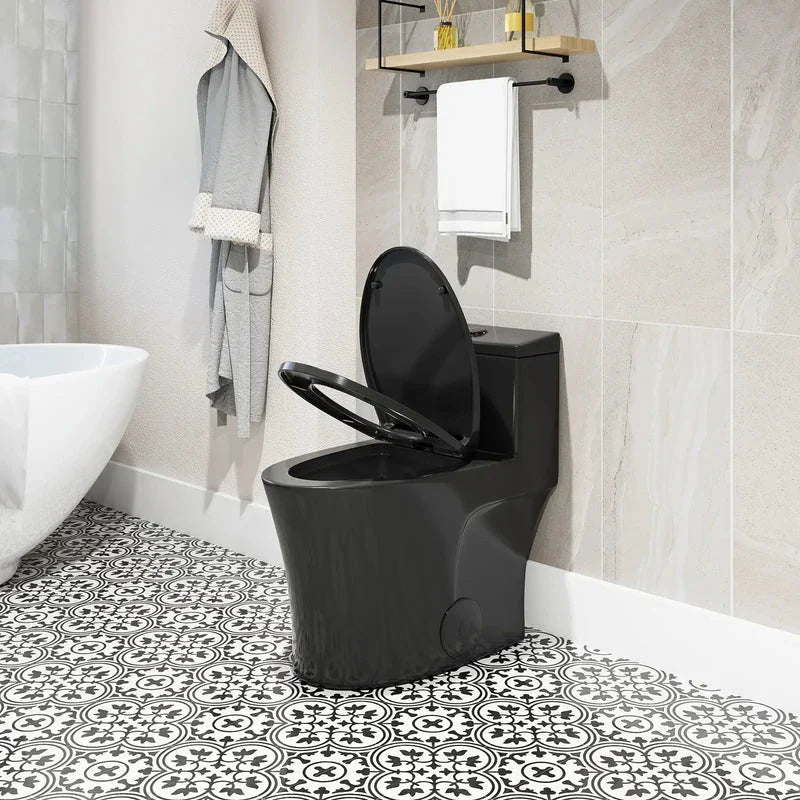
The one piece toilet design is sleek but requires clear space for optimal use.
Heated seats bring mixed daily experiences. Some users enjoy the comfort, while others notice a firmer seat ring, uneven heating before warm-up, or surprised reactions from guests in shared bathrooms. These small comfort details are often overlooked in standard feature lists.
Many models include heated seat sensor auto and quiet-closed heated seat for added comfort.
Power + water needs: outlet location, warm water expectations, and tankless behavior
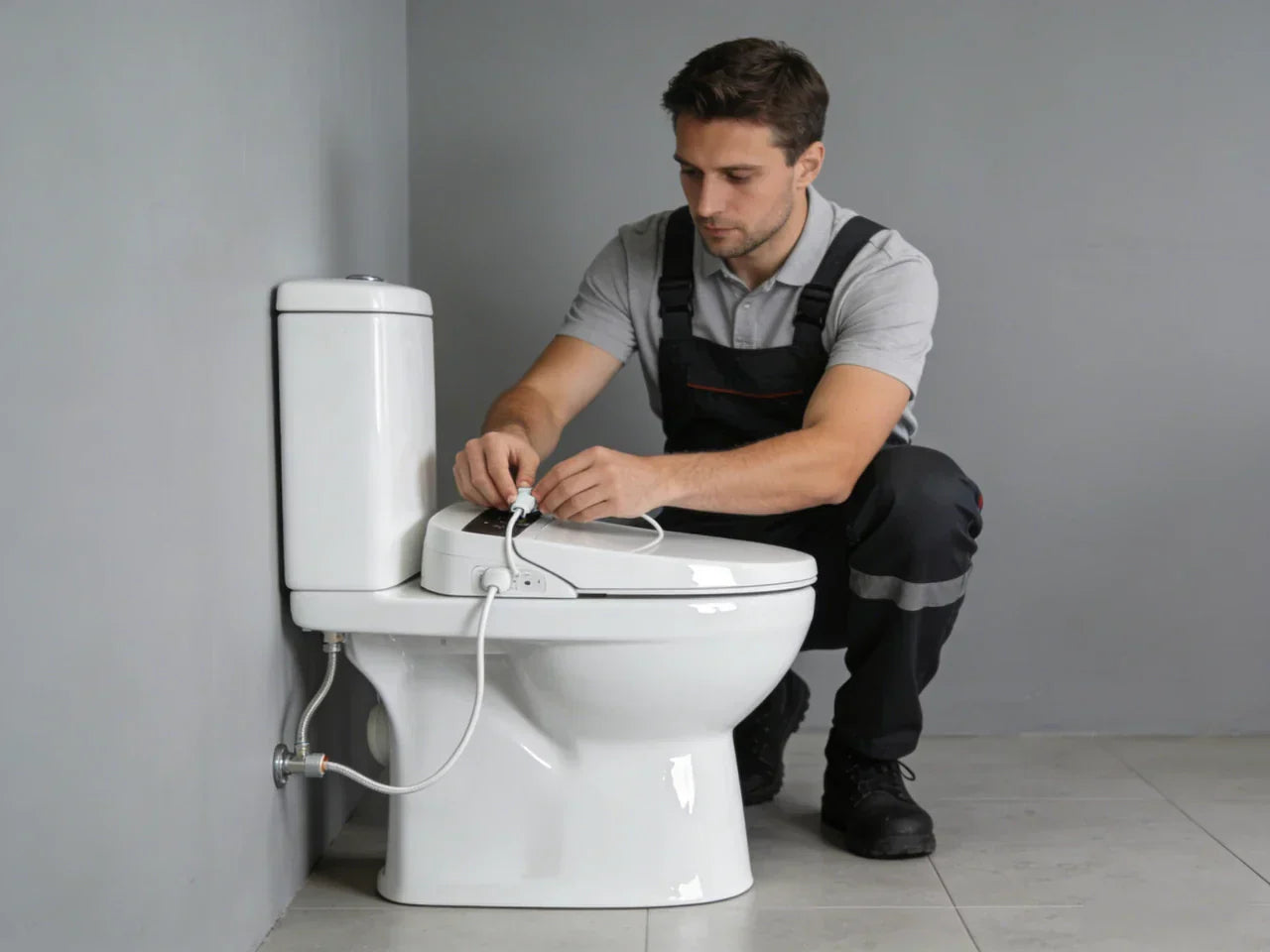
A smart toilet with bidet requires power for heated seats, warm water, warm air dryer, LED night light, sensors, and auto open/close functions.
Outlet placement is critical for a clean look and easy cleaning; bathrooms must also use GFCI-protected outlets for safety. Instant warm water isn’t universal—some designs produce a short cool burst at the start of the rear wash cycle.
Adjustable water temperature ensures consistent comfort in premium smart bidet systems.
During a power outage, smart features like foot sensor flush, remote control, nozzle cleaning, and warm air dryer will stop working. While some models offer basic blackout flush, you should always confirm this function before purchasing.
Tankless smart toilet and tankless toilet models depend fully on power for smart functions.
Reliability & annoyance risks: false triggers, cycling, and nighttime disruption
A smart toilet with a foot kick may bring false triggers, noise, and timing issues. Understanding foot sensors, auto flush, and night light risks helps avoid daily frustration.
False triggers and “endless cycles”
Repeated false triggers are one of the biggest complaints with foot sensor flush systems, causing the toilet to flush repeatedly or cycle the lid and seat nonstop. Many users end up unplugging the unit to stop this disruptive behavior.
These issues often stem from adjustable sensor sensitivity, poor installation alignment, or tight bathrooms where legs or towels pass too close to the sensor zone. If you prefer a set-and-forget fixture, repeated cycling can quickly turn convenience into a major annoyance.
Dual flush and auto open features can also cycle if the sensor is overly sensitive.
Noise you may not expect (especially with a night light)
Smart toilets produce several unexpected sounds, including sensor beeps, motor noise from auto open/close, louder powerful flush tones, and fan noise from deodorization or warm air dryer functions.
In small homes, these noises carry easily down hallways. If your bathroom is near bedrooms, foot kick activation or seat sensor triggers paired with an LED night light may disturb light sleepers during nighttime use.
You should consider whether you prefer your smart toilet to act as an electronic appliance or function like quiet, traditional plumbing at night.
Clogs and “smart” timing
While auto flush improves daily convenience, smart timing can create frustrating interruptions. The toilet may flush early, use multiple loud rinse cycles, or re-flush automatically if a clog occurs, making blockages more chaotic.
This does not mean smart toilets clog more often, but the added electronic functions can complicate simple issues that would be straightforward with a standard toilet.
A powerful flush system helps reduce clogs in modern smart toilet designs.

Maintenance & long-term friction: small chores that make the feature feel not-so-smart
Long-term use of a smart toilet with foot kick involves regular refills, manual cleaning, and power outage limits. Foot sensors, self-cleaning, and bidet functions all need ongoing care.
Refills and reservoirs (if your model uses them)
Some smart toilets include bowl-cleaning foam systems that improve hygiene but add extra maintenance. The reservoir can be easy to overfill, leading to spills that require immediate wiping and drying time.
You may also need to stock a specific cleaning liquid for the system to work properly. For anyone who prefers low-maintenance bathroom fixtures, these recurring refill tasks can quickly become frustrating.
Cleaning reality: what self-cleaning doesn’t do
Self-cleaning nozzles help reduce buildup, but they don’t eliminate all cleaning tasks. You still need to wipe around seat hinges, lid seams, the toilet base, and floor edges to keep the area tidy.
Sensor windows and foot sensor zones also need regular cleaning, as dust, splashes, and cleaner residue can weaken sensor reliability over time. The foot kick feature adds one more surface that requires occasional upkeep.
Routine cleaning supports smooth open and close for lid and seat functions.
What happens during a power outage?
A power outage will disable most smart bidet toilet functions. Foot sensor operation, auto flush, heated seat, warm water, warm air dryer, LED display, and remote control will all stop working.
If your home experiences frequent outages, you should plan for temporary loss of these features. Guests and family members, especially children, may also be confused when the usual touchless and foot-controlled functions no longer respond.
A smart toilet with tank offers more reliable basic flushing during outages.
Before You Choose
Is there a GFCI-protected outlet close enough that the cord won’t be stretched or exposed?
Do you have enough clearance so people won’t brush past the sensor zone?
Are you okay with learning a specific kick motion and teaching guests/family?
Will nighttime noise (beeps, lid motor, flush sound, dryer fan) bother anyone nearby?
Do you have a plan for power outages—basic flushing and basic cleaning without smart features?

FAQs
1. How does the foot kick sensor work?
The foot kick sensor on a smart toilet with foot kick uses infrared or proximity detection to recognize intentional foot taps in a defined kick zone. It typically activates lid opening, seat lifting, or foot sensor flush, supporting hands-free flush technology without physical contact with buttons or handles.
2. Is it sensitive to pets or robot vacuums?
Most foot sensor flush bidet systems are designed to ignore small, continuous movements from pets or robot vacuums, but false triggers can still happen in tight bathrooms. Lowering sensor sensitivity or keeping clear space around the touchless flush smart toilet helps reduce unwanted activation from passing devices or animals.
3. Can men use it for a hands-free flush?
Yes, this male-user friendly smart toilet allows men to lift the seat and trigger flush with a simple foot tap, enabling fully hands-free operation during standing use. The foot kick design avoids contact with the toilet seat and underside, improving hygiene and convenience for daily use.
4. Where is the sensor located?
The foot sensor is usually placed at the lower front or side base of the smart toilet with foot kick, within a marked kick zone for easy reach. Positioning varies by model, but most are aligned with natural standing posture to support reliable foot sensor operation and reduce accidental triggers.
5. Can I disable the foot kick feature?
Most smart bidet toilet models let you disable the foot kick function via the wireless remote control, LED display, or control panel. This is useful if you prefer only auto flush, want to avoid nighttime triggers, or need temporary bypass during cleaning or power outage situations.
References


Leave a comment
This site is protected by hCaptcha and the hCaptcha Privacy Policy and Terms of Service apply.