
WaterSense certification for toilets has become a key benchmark for eco-friendly, high-performance toilets across the United States, helping homeowners balance water conservation, daily usability, and long-term cost savings. Backed by the environmental protection agency, this recognized standard differentiates genuine high-efficiency toilets from generic water-saving models, ensuring reduced water consumption without compromising reliable flushing power. For homeowners considering a bathroom upgrade, remodel, or old toilet replacement, understanding WaterSense certified toilets—their real-world benefits, limitations, installation considerations, and cost tradeoffs—is essential to making a smart, lasting purchasing decision.
This guide breaks down everything you need to know: whether toilets worth the investment and practical long-term upgrades, ideal use cases, potential drawbacks, key pros and cons, practical buying considerations, and clear guidance on who should opt for these certified fixtures and who may need to explore alternative options.
Short Answer
Yes, WaterSense-certified toilets are usually worth it for most US homeowners, especially if you are replacing an old,inefficient toilet, have a busy household, or pay noticeable water and sewer bills. Watersense toilets use no more than 1.28 water per flush and outperform outdated designs while still meets the EPA’s strict performance criteria, so the idea is water savings without a big drop in flushing performance. The core trade-off is higher upfront cost versus lower long-term water and sewer bills, but buyers in older homes should verify installation fit and compatibility before purchasing. The main limitation is simple: the upfront cost is often higher, and some dual-flush models take time to get used to.
When It Works Well
Choosing WaterSense products works well when you are replacing an older, less efficient toilet. This is one of the clearest good-fit cases in the research. If your current toilet is old, daily use is high, and your local water costs are not cheap, the savings add up faster and the upgrade makes more sense.
It also works well for homeowners who want lower water use but do not want to gamble on weak flushes. An EPA WaterSense toilet is not just a low-water toilet with a sticker, as each unit toilet meets official industry guidelines. The certification matters because the toilet must meet strict efficiency and performance standards, including toilets flush testing protocols. That matters for US buyers because a cheap “water-saving” toilet without recognized certification can be harder to trust.
For many households, the biggest appeal is not just environmental impact alone. It is practical. EPA estimates potential savings can reach up to 13,000 gallons per year for some larger households, cutting household water consumption by significantly less wasteful daily usage with very frequent daily usage and high local water and sewer rates, and around $170 in annual water bill savings under similarly favorable conditions, but these figures vary significantly based on household size, actual usage frequency, and local water and sewer rates, so they should not be interpreted as typical for every homeowner. Even if your actual savings are lower, the direction is still the same: if the toilet gets used a lot, water efficiency matters.
This category also works well during a remodel. If you are already changing flooring, updating the bathroom, or hiring a plumber, the higher upfront cost feels less painful because it is part of a larger project. That is also when buyers are more likely to choose better-rated models instead of just the cheapest option.
Some of the best-rated water-saving toilets in the US use advanced flushing systems such as Tornado Flush. Research shows that these models can save water while still cleaning the bowl effectively and operating quietly. Features like a protective bowl glaze also help prevent waste from sticking, improving everyday usability.

When It May Not Be Ideal
Installation compatibility is a critical first check for certain buyers. If your home has older plumbing, nonstandard rough-in dimensions, unusual drain conditions or outdated plumbing products, you must verify compatibility with your specific toilet model before purchasing. Do not assume every WaterSense certified toilet will fit or function correctly in vintage plumbing setups without additional modifications.
WaterSense certified toilets are not ideal if your main goal is the lowest purchase price today. The research is clear on this: one of the biggest drawbacks is the higher upfront cost compared with conventional standard models. If you are fixing a bathroom on a strict budget and do not plan to stay in the home long, the payback may feel too slow.
A common issue is with dual-flush designs. Some users report a learning curve because these toilets often have a smaller water spot in the bowl. In daily use, that can mean people need to adjust their aiming or flushing habits. This is not a deal-breaker for everyone, but it is a real regret pattern that shows up often enough to matter.
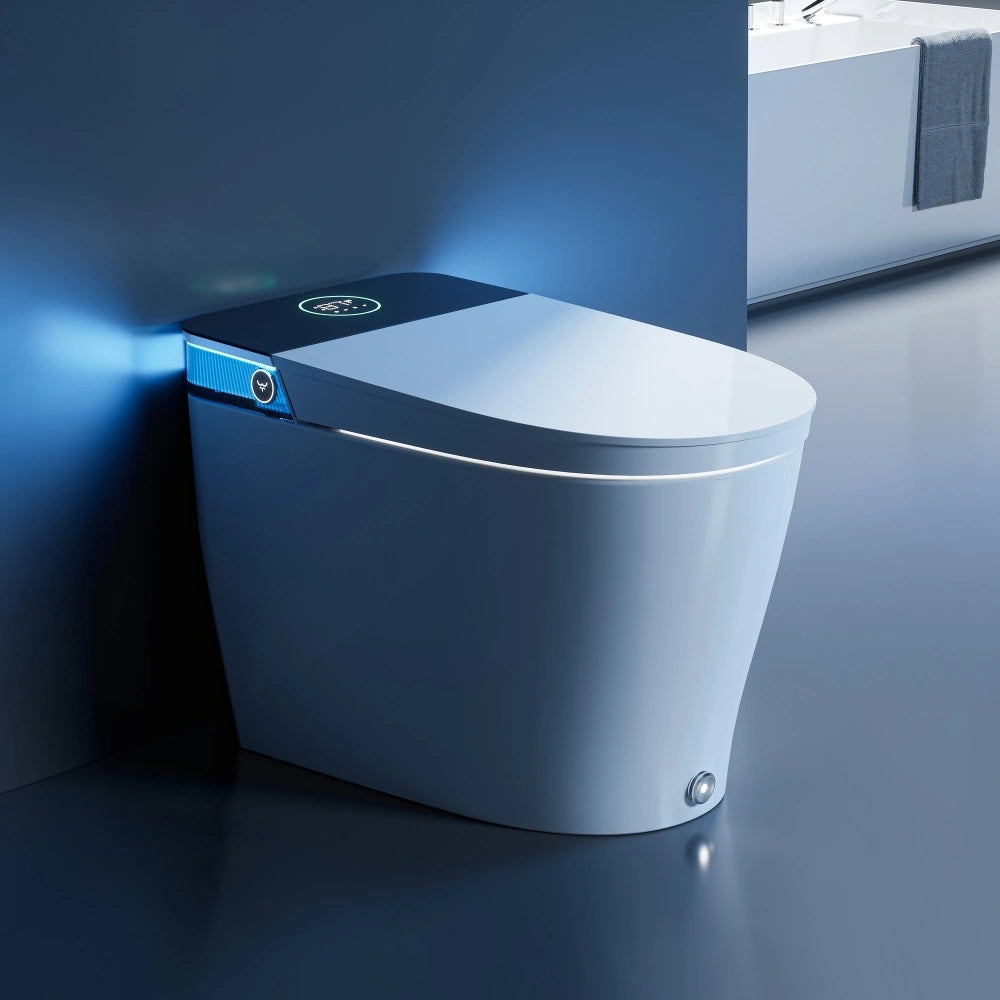
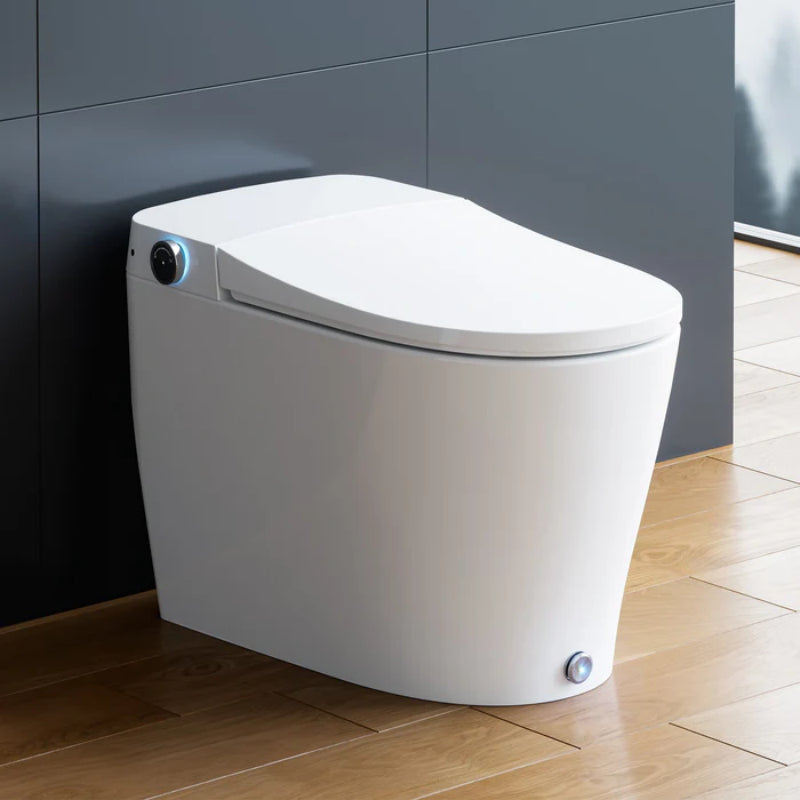
They may also be a weaker fit if you want luxury add-ons without thinking through the setup. Some premium smart toilets with bidets or Washlet-style features need a nearby electrical outlet. The toilet itself may be WaterSense certified, but the upgraded comfort features can add installation constraints. If your bathroom does not already have power in the right place, the project gets more expensive.
Pros and Cons
Before making a purchase decision, review the key advantages and disadvantages of WaterSense certified toilets to weigh their benefits against potential drawbacks for your home and lifestyle.
Pros
-
Uses gallons per flush or less, which is far lower than the outdated 3.5 and 1.6 GPF federal standard
-
These fixtures deliver a smart choice for homeowners seeking smarter water use alongside reliable daily operation
-
Can deliver lower water bills, with some estimates around $170 per year for average households
-
WaterSense certification features rigorous third-party performance testing, certifying only products that meet official efficiency guidelines
-
Performance-tested flushing standards
-
Water-saving certification requirements
-
-
Many well-known models still provide strong bowl cleaning and good flushing performance
-
Some buyers in many areas may qualify for local rebates or incentives to lower overall utility bills
-
Strong fit for environmentally conscious homeowners who also want practical savings
Cons
-
Higher upfront cost than many standard toilets
-
Dual-flush models may have a usability learning curve, requiring time to adjust to different button or lever actions
-
Uncertain long-term durability and differences in availability of replacement parts between models, as certification focuses on efficiency and flush performance rather than long-term wear
-
Variable real-world heavy-waste performance by model, meaning some certified toilets may handle solid waste less effectively than others despite passing EPA tests
-
Real-world savings vary by home size and usage, so some estimates can feel too broad
-
Some premium versions need an electrical outlet for advanced features
-
Installation compatibility with older homes is not always discussed clearly

Real-World Considerations
Practical questions often arise when evaluating WaterSense toilets across key real-world factors for homeowners.
What is an EPA WaterSense toilet, really?
For a buyer, the simplest answer is this: it is a certified model certified to use less water than traditional toilets and the federal baseline standard while still passing specific performance tests alongside other water-efficient products like showerheads. In practical terms, that means 1.28 GPF or less, not the older 1.6 GPF level that became standard in the US years ago.
Why is WaterSense certification important for US buyers? Because it gives you a known baseline. It does not promise that every certified toilet will feel exactly the same in your bathroom, but it does reduce the risk of buying a low-water model that performs poorly.
How much water does a high-efficiency toilet save?
This is where many articles get too vague. The research shows savings estimates ranging from around 4,000 gallons to 13,000 gallons per year, depending on assumptions. That is widespread. The most honest takeaway is:
-
In a larger household, savings are more noticeable
-
In a home with older toilets, savings are more dramatic
-
In a small household with already-efficient fixtures, savings may be modest
So yes, a high-efficiency toilet can save water and cut unnecessary household waste year-round, but the real payoff depends heavily on how often it is used.
Daily usability matters more than most buyers expect
In daily use, most homeowners care about three things: does it flush cleanly, does it stay clean, and does it feel normal to use?
Research suggests many WaterSense toilets do well on these points, especially the better-rated models. Bowl-cleaning features and advanced flush designs can help. But buyers sometimes misunderstand one thing: low water use does not always mean a larger bowl water spot or the same bowl feel as an older toilet. That is why some users notice a learning curve with dual-flush or compact water-saving designs.
Installation and maintenance expectations
Installation is one of the under-discussed issues. If you are swapping a standard toilet for another standard floor-mounted unit during a remodel, this may be simple. But if your bathroom has older plumbing conditions, limited electrical access for upgrades, or nonstandard dimensions, it is smart to verify fit before ordering.
On maintenance, the research is stronger on flush testing than on long-term repairs. So the fair expectation is this: WaterSense certification tells you a lot about water efficiency and test performance, but less about years of valve wear, part replacement, or whether a given model will handle every household’s waste load equally well.
Are there tax rebates for WaterSense toilets in 2026?
The research supports potential rebates, but not a universal federal tax credit. Some states or local water agencies offer incentives for WaterSense models. So the practical answer for 2026 is: possibly, but it depends on where you live. Check your local water utility, city rebate program, or state conservation site before buying. Do not assume every WaterSense toilet automatically qualifies for money back.
Does Horow have WaterSense certification?
The provided research does not confirm specific Horow models or a blanket brand-wide certification status. So safe buying advice is not to assume based on brand name alone. If you are considering Horow, check the specific model listing, the manufacturer’s product page, and the actual certification details before purchase. This is true for every brand, not just Horow.

Who Should Buy / Who Should Skip
Several key factors help homeowners determine whether a WaterSense certified toilet is the right fit for their needs.
Should buy it if:
-
You are replacing an older toilet
-
Your home has high daily bathroom use
-
You live where water and sewer costs are high
-
You want lower water use without giving up tested performance
-
You are remodeling and can absorb a somewhat higher upfront cost
-
You may qualify for a local rebate or water-saving incentive
Should skip or think harder if:
-
You need the cheapest possible toilet right now
-
You dislike any learning curve in daily use
-
You are considering a dual-flush model but want the bowl to feel exactly like an older toilet
-
Your bathroom lacks an outlet and you want add-on bidet or Washlet features
-
Your home has older plumbing conditions and you have not checked the installation fit
-
You expect certification alone to guarantee perfect long-term durability
Final decision
For most homeowners, WaterSense certified toilets deliver lasting value and true peace of mind with proven efficiency and dependable performance. The main reason is simple: they usually reduce water use in a meaningful way while still meeting recognized flush-performance standards. That makes them especially sensible in busy homes, remodels, and places with high water costs.
The biggest misunderstanding is thinking the label alone solves everything. It does not. You still need to think about upfront cost, model design, dual-flush usability, and installation details.
If you need lower water use with tested performance and long-term bill savings → good choice. If you care most about the lowest upfront cost or want zero adjustment in daily use → consider alternatives.

FAQs
1. What is an EPA WaterSense toilet?
An EPA WaterSense toilet is a certified fixture following 2026 US residential water efficiency standards, using 20% less water than the federal benchmark while passing strict EPA performance trials. These watersense certified toilets limit consumption to 1.28 gallons per flush, far more efficient than the outdated 1.6 GPF design once standard across U.S. homes. The official EPA backing separates legitimate efficient models from generic untested bathroom fixtures on the market. It delivers steady water conservation without weakening daily flushing reliability for regular residential use.
2. How much water does a high-efficiency toilet save?
Annual water savings from premium low flow toilets for us homes range from 4,000 to 13,000 gallons, varying by household size and daily bathroom usage habits. Larger families replacing old wasteful toilets see the most drastic cuts in monthly water consumption and overall household waste. Small households already using modern efficient fixtures will notice only modest long-term water reductions over time. Upgrading to these smart fixtures directly supports saving on water bills USA 2026 through consistent lower utility consumption year-round.
3. Are there tax rebates for WaterSense toilets in 2026?
No universal federal tax credit exists for buying water-saving toilets nationwide in 2026, though local programs offer valuable incentives for eligible upgrades. Many state and municipal water utilities provide exclusive high efficiency toilets (het) rebatesalongside efficient faucet fixture incentives to switch to certified eco-friendly models. Eligibility differs by region, so residents must verify local utility portals and city conservation programs before finalizing a purchase. Shoppers should never assume certification alone guarantees automatic cashback without checking regional qualification rules carefully.
4. Best-rated water-saving toilets in the US?
Top-tier EPA approved water saving toilets available across the U.S. These premium units combine quiet operation, low water usage and durable protective bowl glazes to cut waste buildup and boost daily convenience. They outperform budget uncertified alternatives by merging verified EPA efficiency standards with consistent real-world flushing performance. Investing in these trusted options makes lasting sense for homeowners pursuing practical and eco-conscious bathroom improvements.
5. Does Horow have WaterSense certification?
No official brand-wide WaterSense validation covers Horow, nor can shoppers assume every model meets national efficiency and performance requirements automatically. Homeowners should never rely solely on brand reputation when assessing horow's impact on sustainable american living and bathroom upgrade value. Always verify individual model listings, official manufacturer pages and formal certification paperwork before adding a Horow fixture to your bathroom remodel. This due diligence applies to all toilet brands to avoid uncertified picks that compromise efficiency and daily functionality.
6. Why is WaterSense certification important for US buyers?
WaterSense certification serves as a reliable benchmark for homeowners planning sustainable bathroom upgrades us, unifying efficiency and performance expectations across brands. It prevents buyers from choosing cheap uncertified water-saving units that cut water use yet deliver weak, inconsistent flushing results in daily use. While certified designs may vary slightly in feel, all adhere to unified EPA testing guidelines set for residential bathroom fixtures. The label streamlines shopping by guaranteeing trusted efficiency without sacrificing everyday household performance demands.
References


Leave a comment
This site is protected by hCaptcha and the hCaptcha Privacy Policy and Terms of Service apply.