
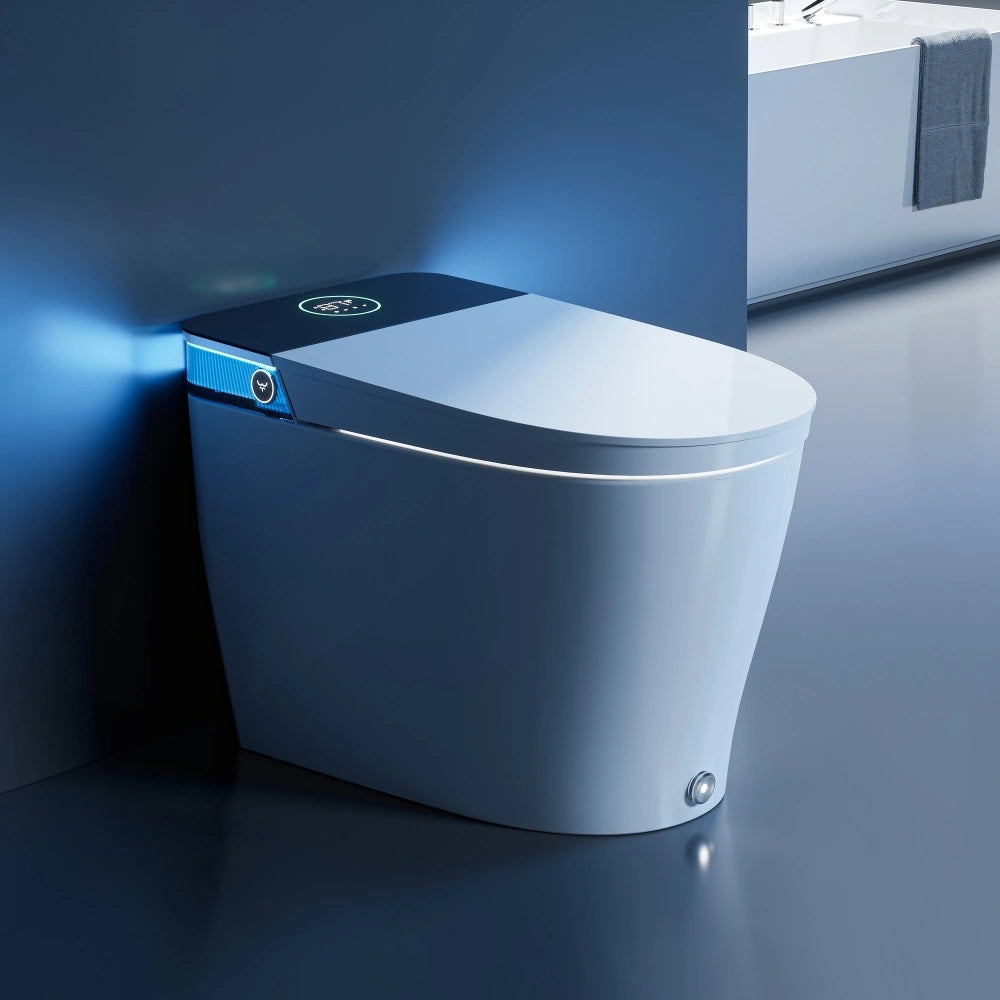
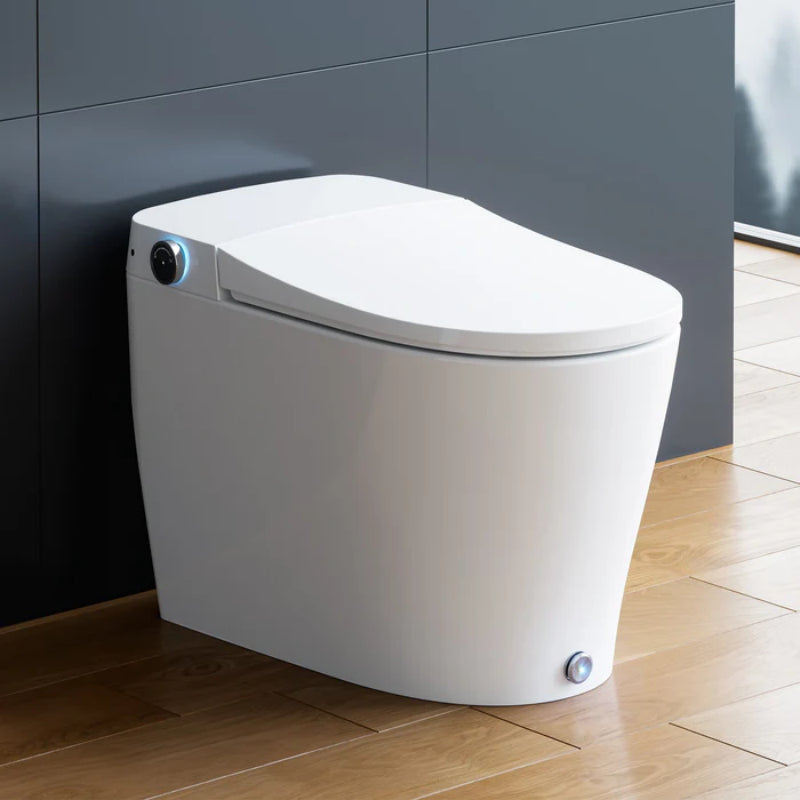
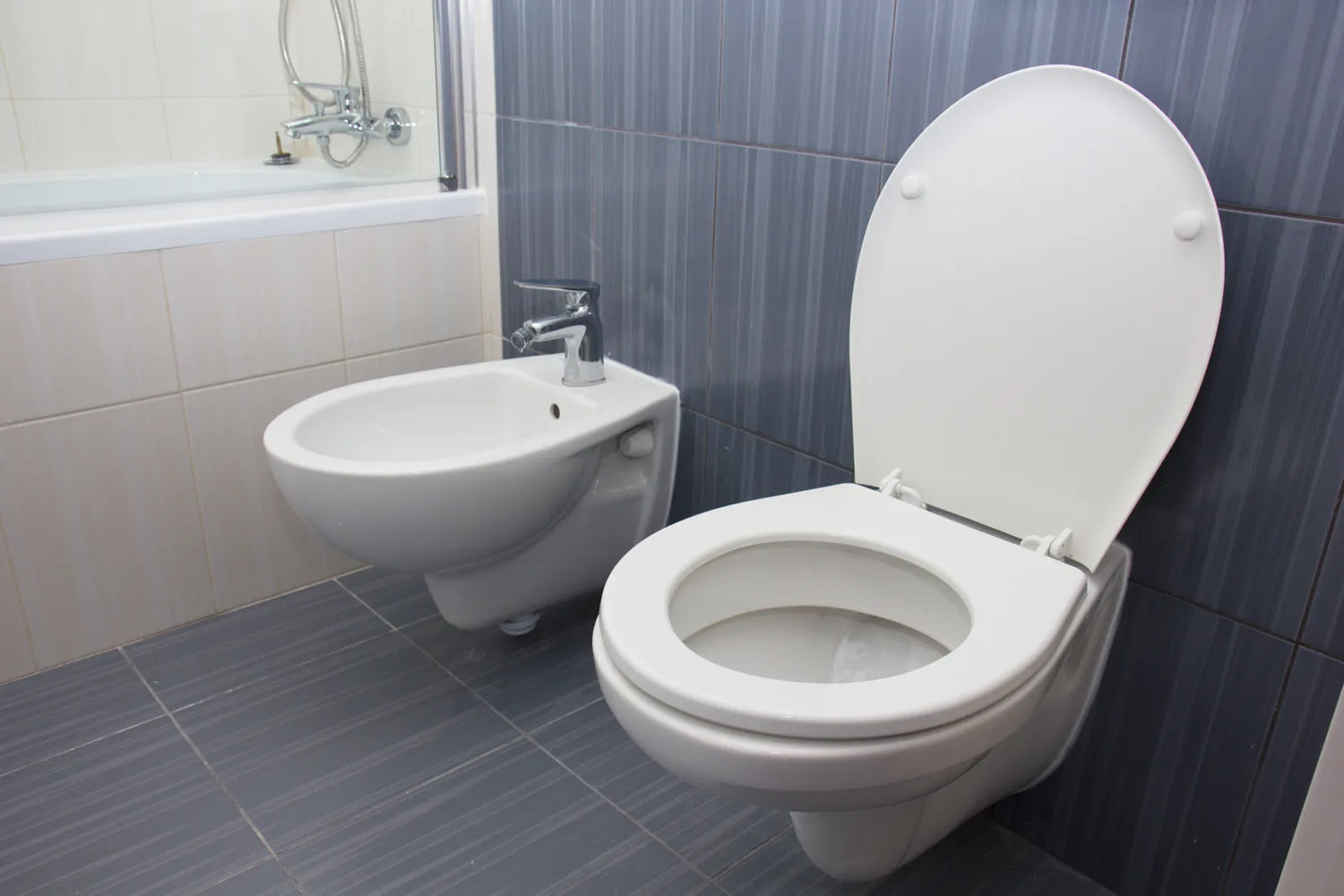
If you are stuck between a warm water bidet and a cold water model, the choice is usually simpler than it first looks.
In the bidet world, the debate between warm and cold water is one of the most common questions new buyers face. For most homeowners, this is not really about “which one cleans better on paper.” Both can clean well, and maintaining proper personal hygiene habits is more important than the specific method used, according to the Centers for Disease Control and Prevention. The real decision is about comfort, installation limits, climate, and whether you will still like using it in January.
Here’s what usually matters in real homes: people regret buying cold water when the bathroom is chilly and they stop using it for part of the year. People regret buying warm water when they did not think through power access, hot water hookup, seat size, or the extra cost for features they barely touch.
This guide serves as a practical introduction to bidet features to help you navigate the choice between cold and warm options with confidence.
Warm water bidet vs cold water: which type is right for you?
The decision isn’t just about comfort—it’s about fit. Your bathroom setup, daily habits, and even your local climate all play a role in determining what will actually work for you long term.

The deal-breakers: when you should hold off on buying a bidet
Sometimes the best answer is “not yet.”
Hold off if:
-
your toilet area has no safe way to add power for an electric seat (though a non-electric option might still work)
-
your plumbing setup makes a hot water line unrealistic
-
your toilet shape is unusual and limits compatibility
-
your bathroom is so tight that a bulkier seat will make daily use worse
Hard filter (check this first):
Before choosing warm vs cold, quickly confirm outlet access, hot-water line reach, and available space. If these fail, rule out the option for heating the water immediately.
The wrong bidet is the one you force into a bathroom that does not support it well.
Who benefits most from a warm water bidet
A warm water bidet is usually the better pick if you:
-
live in a cold climate
-
hate cold toilet seats or cold spray
-
have sensitive skin, hemorrhoids, fissures, constipation, or recovery needs
-
want a gentler routine for an older adult
-
know you will use the comfort features daily
If your bathroom gets cold in winter, warm water is often worth it simply because you are more likely to keep using it year-round.
When a cold water bidet is the smarter and simpler choice
A cold water bidet makes more sense if you:
-
want the cheapest, easiest way to try a bidet
-
rent and want a simple install
-
do not have an outlet nearby
-
live in a warm climate
-
prefer fewer parts and fewer things that can fail
For many first-time buyers, a cold water attachment is the practical entry point.
Warm water bidet vs cold water: key trade-offs
The cold vs warm choice touches every part of ownership — from install to daily feel to long-term maintenance. Here is how the main trade-offs break down.
Comfort vs simplicity
This is the biggest difference.
A warm water bidet is built around comfort. Even a basic warm model feels gentler, especially on cold mornings. Many also include heated seats and more adjustable settings. That matters more than many buyers expect.
A cold water bidet is built around the simplicity of cold water mechanics. It connects to the toilet’s water supply, works without power, and is usually ready in one short install session. There is very little to learn.
So which is better for comfort, warm water or cold water bidet models, when considering the price of heating the water? Warm wins clearly for comfort. Cold wins for simplicity. That single trade-off captures the entire warm water bidet vs cold water debate for most households.
Better cleaning vs stronger shock
People often ask whether cold and warm water bidets actually clean differently, or whether the distinction is purely about comfort. The honest answer is that both clean well, but warm water provides a level of comfort that helps you clean more effectively than cold water by allowing for a longer wash. Additionally, it avoids the dreaded cold shock to the system.
In practice, warm water can help cleaning feel easier because your body stays relaxed. Cold water can make some users tense up, especially in winter, as icy water can feel abrasive rather than refreshing. That clenching can make the spray feel harsher and the wash less comfortable. So while both types can clean well, the comfort of warm water bidets often enhances the experience. warm water often feels more thorough because users tolerate it better and use it longer. This is one of the clearest benefits of a temperature-controlled wash: it keeps the experience comfortable enough that users actually complete the routine rather than cutting it short. In practical terms, this is where the warm water bidet vs cold water gap matters most — not in theory, but in daily follow-through.
Cold water is not weak. In fact, many cold water bidet attachments have a strong stream because they use direct household pressure with very few moving parts. The issue is not power. The issue is whether that power feels refreshing or unpleasant. This is one of the clearest benefits of temperature-controlled wash: it keeps the experience comfortable enough that users actually complete the routine rather than cutting it short.
Luxury features vs fewer failure points
A heated bidet seat does far more than warm the water. The difference between electric warm water bidets and cold water bidet attachments goes beyond temperature.
Beyond basic hygiene, warm water bidets offer a range of comfort features that cold models typically do not match, including:
-
adjustable temperature
-
heated seat
-
air dryer
-
wider wash settings
-
remote or side controls
-
self-cleaning functions
-
night lights or user presets
Those features can be very helpful in the right home. But every added feature means more parts, more electronics, and more cost.
Cold water attachments usually keep things basic: a nozzle, a pressure knob, maybe a simple cleaning mode. There is less to break and less to troubleshoot.
Year-round ease vs outage reliability
Electric warm water bidets depend on power. During an outage, many lose the warm wash and other main features. Some may not work much at all, depending on design.
Cold water bidets don't depend on electricity at all, so outages are never an issue. If the toilet works and the water is on, the bidet works.
That sounds minor until you live in an area with storms or unreliable power. Then it becomes a real ownership issue.
Deep dive: when is the warm water upgrade truly worth it?
Upgrading to a warm water bidet isn’t just about luxury—it’s about whether the added comfort actually changes how often you use it. In the right situations, it’s the difference between a feature you appreciate and a habit you stick with every day.
Cold climates push buyers warm
Warm water bidet vs cold water in winter is where the gap gets real.
In consistently warm climates, cold spray may feel fine most of the year. During cold winters, that same spray can feel sharp and unpleasant, especially in an unheated bathroom. Many homeowners ask, are cold water bidets uncomfortable in cold climates? For a lot of people, yes. Not always unbearable, but uncomfortable enough that use drops off.
Does cold water bidet spray feel shocking in winter? It can. Some users get used to it. Others never do.
What I see most often is this: people buy a cold model because it is cheap, use it happily in spring and summer, then by late fall they start avoiding it. If that sounds like you, cold water bidets often end up gathering dust, making warm water the safer buy.
Warm water bidet for sensitive skin: is it gentler?
Warm water bidet vs cold water for sensitive skin is another area where warm usually wins.
If you deal with irritation, hemorrhoids, fissures, postpartum tenderness, or post-surgery cleanup, the most direct benefit of warm water is comfort — and in these cases, comfort matters more than budget. Warm water tends to feel gentler than a cold burst, and many electric seats let you lower pressure and dial in the temperature. That makes daily use easier.
Are warm water bidets gentler than cold water bidets? In most homes, yes. Many water bidet users agree that warm water is gentler on tender skin. The temperature itself is soothing, and warm-water models often come with better control over pressure and spray position.
This does not mean cold water is harmful for most healthy users. It just means warm is often easier to tolerate when the skin is already irritated.
Post-Surgery and mobility needs: why warm water bidets help
arm water bidets—especially electric seats—can be easier to use, helping users experience the full benefits of bidet use even with mobility limitations.
-
Side controls on basic attachments may require twisting, which can be difficult for some users
-
Remote controls on electric seats reduce the need to reach
-
Some warm seats add height, which can help or hurt depending on the user
-
Bulkier seats may reduce usable space and affect sitting comfort in tight bathrooms
Recommendation:
Choose warm (with a remote) if reaching or twisting is difficult.
Choose cold or slim models if space and seating position matter more than features.
If someone in the home is recovering from surgery, dealing with mobility limits, or struggling with constipation, warm water can be more than a comfort feature. It can make bathroom use less stressful.
Warm spray may help muscles relax, which can make bathroom use more comfortable for people dealing with constipation or recovery, based on guidance from the National Institute of Diabetes and Digestive and Kidney Diseases. That does not replace medical care, but it can improve comfort during routine cleaning. Add a heated seat and easier controls, and the bathroom feels less harsh.
In these cases, asking “When framing the warm water bidet vs cold water question as a financial decision, the answer usually comes down to whether the comfort difference will change your behavior. Is a warm water bidet worth it over cold water?” often has a simple answer: yes, if it helps the user stay comfortable enough to use it consistently.
Shared homes benefit from gentler settings
The warm water options available today range from simple non-electric attachments that tap the sink line, to full electric seats with multiple temperature and pressure settings.
Different bathrooms have different needs:
-
Primary bathroom: warm water with adjustable settings works best for regular users
-
Family bathroom: balance comfort and simplicity so everyone can use it easily
-
Guest bathroom: simple controls are better to avoid confusion
Recommendation:
Choose warm when users want personalized comfort.
Choose cold when ease of use matters more than adjustability.
When cold water makes more sense
Warm water gets most of the attention—but in many real-world situations, cold water is the smarter choice. It’s simpler, cheaper, and often more practical depending on your setup and lifestyle.
First-time buyers usually start cold
If you are bidet-curious, finding the perfect bidet doesn't have to be expensive; a cold water bidet attachment is the low-risk option.
The cold water bidet vs warm water bidet price difference is large enough that many people prefer to test the habit first. A basic cold attachment can cost a small fraction of a warm electric seat. If you end up loving bidet use, you can upgrade later with more confidence.
This path makes sense for buyers who care more about trying the function than building a premium bathroom routine on day one. Think of it as the entry-level answer to the warm water bidet vs cold water question — start simple, upgrade when you know what you want.
Renters often need simpler installs
Renters usually want three things: low cost, easy install, and easy removal.
Cold water attachments check those boxes. Most connect directly to your toilet’s water line, drawing water directly from the source without the need for additional plumbing. There is no need to route cords, find a nearby outlet, or access the sink’s hot water line. That reduces the chance of install headaches and lease issues related to the toilet’s water supply line.
A warm water bidet attachment vs cold water attachment comparison often comes down to plumbing access. Some non-electric warm attachments need a hot water line from the sink. If the sink is far from the toilet, install gets annoying fast. The entire install involves nothing more than the toilet's existing water supply — no electrical work, no plumbing changes.
Warm climates make cold easier
In hot or mild climates, cold water versions often feel fine. Compared to their cold water counterparts, warm models offer less of a contrast in these areas. Sometimes it even feels better.
If the bathroom stays warm and the incoming water is not icy, the comfort gap shrinks a lot. In those homes, paying extra for warm water may not change your daily experience enough to matter.
That is why some cold-water owners are perfectly happy long term. Their climate does a lot of the work.
Kids and guests prefer fewer controls
-
Kid-heavy bathrooms: cold bidets are easier to learn and reduce misuse
-
Guest bathrooms: simple controls prevent confusion or hesitation
-
Primary adult bathrooms: more features are fine since users learn preferences
Recommendation:
Choose cold for kid or guest bathrooms.
Choose warm for personal bathrooms where comfort settings will be used regularly.
Cost differences that change the choice
For most buyers, the decision ultimately comes down to comfort vs price: bidet water heating. Understanding where that line sits for your household makes the choice much easier.
Upfront price gap is real
This is where many decisions get made.
A cold water bidet attachment is usually the least expensive option by far. Warm water models range much wider. Non-electric warm attachments may sit in the middle if hot water access is nearby. Electric warm seats cost more, and feature-rich seats can cost several times more than a simple cold attachment.
So yes, the cold water bidet vs warm water bidet price difference is real, not small.
If your main goal is better hygiene at the lowest cost, cold often wins.
Energy cost stays modest but matters
The energy cost of warm water bidets is a common question, and it comes down to how often you use heated features and what type of heater the model uses to adjust the water temperature.
Since a cold water doesn’t require a heater to maintain a specific temp, it has zero impact on your electric bill. Electric warm models do, because they heat water, power controls, and often warm the seat and run a dryer, and household appliances that generate heat typically consume more electricity, according to the U.S. Department of Energy.
How much more electricity does a warm water bidet use? It depends on the heater type and features. A seat with a heated reservoir or always-on seat heater will usually use more than a model with efficient controls and on-demand heating. In many homes, the monthly cost is still modest, but it is not zero.
The key point is this: electric cost usually will not break the budget, but over years of ownership it becomes part of the real price. If you barely use the heated seat, dryer, or high temp settings, you may end up paying for features you do not value.
Is warm worth paying more?
It is worth paying more when at least one of these is true:
-
winter comfort matters a lot
-
someone in the home has sensitive skin or medical needs
-
you know you will use heated and adjustable features often
-
a better experience means the bidet will actually get used every day
It is usually not worth paying more if:
-
you live in a warm climate
-
you mainly want a basic rinse
-
install will be awkward
-
you are stretching the budget for comfort features you are unsure about
A good rule: pay extra for warm only if the comfort difference will change your daily behavior.
Paying for features you may ignore
This is a common regret with electric seats.
Many buyers like the idea of warm water, heated seat, dryer, oscillating spray, deodorizer, remote presets, and more. But after six months, they may use only one or two functions.
That does not make the purchase wrong. It just means you should separate “must-have” from “sounds nice.” If warm water is your only real need, do not let a long feature list push you into overspending.
Installation reality check: outlets, plumbing, and toilet clearance
Before comfort, features, or price—installation is what actually decides what you can buy.
In many homes, this is the fastest filter. If your bathroom can’t support the setup, the decision is already made for you.

Outlet requirement for electric warm seats
Any electric bidet requires a nearby GFCI outlet to power its heating elements, seat warmer, and control functions — and electric warm water bidet seats are no exception.
-
No outlet near the toilet may require an electrician
-
Extension cords are not recommended in bathrooms
Rule out warm if: there is no safe, practical way to add an outlet near the toilet.
Sink distance and hot-line reach (non-electric warm attachments)
Non-electric warm bidet attachments rely on a hot water line from the sink.
-
Works best when the sink is close to the toilet
-
Long hose routing can be awkward and reduce temperature consistency in the bidet's water supply line.
Rule out warm if: the sink is too far or routing a hot water supply line would be impractical.
Warm needs power or hot access
Knowing how electric bidets heat water helps narrow the decision: most use either a built-in tank that stores pre-warmed water, or an instant on-demand heater that warms water as it flows.
Non-electric models depend on your home plumbing.
Installation is often the fastest decision filter, not comfort, especially when considering the water pressure.
Cold fits tighter bathrooms better
Cold water attachments are slimmer and take up less space.
-
Better for tight layouts
-
Less impact on seating position and legroom
Cold water doesn't require a heater, a reservoir, or any extra components — that is precisely why the install stays simple.

Tank seats can feel bulkier
Tank-style warm seats can:
-
raise seating height
-
reduce usable seat space
-
feel bulky in small bathrooms
Instant heater models are slimmer but often cost more.
Is warm worth it in small bathrooms?
Sometimes no.
If a warm seat adds bulk, visible cords, and harder cleaning, it can make the bathroom less comfortable overall. In tight spaces, a slim cold attachment is often the better fit.
Winter comfort and daily use reality
The biggest difference between warm and cold water often doesn’t show up right away—it shows up in winter, and in whether you keep using the bidet every day.
Does cold feel shocking in winter?
Sometimes yes, sometimes just brisk.
It depends on your local water temperature, whether the bathroom is heated, and your own tolerance. In very cold areas, the water spray from a cold bidet can feel genuinely harsh on contact. In milder areas, it may feel refreshing for a second and then fine.
The problem is not that every cold-water bidet is unbearable. The problem is that you do not know your tolerance until winter arrives, and by then you have already bought it. Non-electric bidet cold water shocks are especially pronounced in bathrooms that lack heating, where incoming pipe temperatures can drop noticeably through winter months.
Can warm settings fix winter discomfort?
Yes, if the model gives you enough control.
Adjusting bidet temp for winter comfort is straightforward on most warm electric models — many offer several warmth levels so you can dial in exactly what feels right on a cold morning. Many let you choose from several warmth levels. That flexibility is exactly why warm seats tend to keep people using the bidet year-round.
For households that dread cold bathrooms, warm settings are less about luxury and more about consistency.
Cold regret rises when use drops
A bidet only helps if you use it.
One of the most common wrong-choice patterns is buying cold to save money, then using toilet paper more often in winter because the spray feels unpleasant. That defeats the point.
If you already know you dislike a cold shower or jumping into a cold pool, you might struggle. Many users find that cold water spray is simply too intense in January. Some people adapt. Many do not.
Which gets used consistently year-round?
For year-round consistency, warm usually wins.
That does not mean everyone needs it. But if your goal is to create a bathroom routine that sticks, comfort matters more than many first-time buyers think. People keep using products that feel easy and pleasant. They stop using products that feel like a chore.
Long-Term Ownership: Hassles, Maintenance, Regret
The real difference between warm and cold bidets doesn’t show up on day one—it shows up after months or years of daily use. What feels like a small trade-off at purchase often becomes a clear preference over time.
Which is easier to live with?
Over years of use, the differences between cold and warm models become clear. While the cons of cold water center on winter discomfort, the thoroughness of warm cleansing is hard to beat.
Cold water models are easier to live with if your top value is low-maintenance reliability. They have fewer parts, no electrical draw, and fewer setup limits.
Warm water models are easier to live with if comfort is your main value and the install is done right from the start.
So the answer depends on what kind of "easy" you mean: easy to install and maintain, or easy to enjoy every day. Over years of use, the warm water bidet vs cold water question becomes less about specs and more about which version you actually reach for every single morning.
Warm adds parts, cold adds fewer worries
When you look beyond features and comfort, ownership comes down to something simpler: how much effort it takes to keep things clean and working over time.
Maintenance and cleaning differences
Cleaning and upkeep differ more than most buyers expect:
-
Nozzle access: cold attachments are easier to inspect and wipe, while warm seats may hide nozzles deeper inside
-
Buildup: both types need cleaning, especially in hard-water areas
-
Self-cleaning: usually rinses the nozzle but does not replace manual cleaning
-
Around the seat: bulkier warm seats make it harder to wipe around hinges and edges
-
Design complexity: warm seats have more surfaces and seams where grime can collect
Do warm water bidets use more electricity than cold water models? Yes, and they also add more components that may need cleaning or servicing over time.
That does not mean warm seats are unreliable. It just means there is more going on: heater, controls, sensors, seat warming, maybe a dryer. With cold attachments, there is less to fail.
For buyers who hate troubleshooting, simple is often the better long-term fit.
Recommendation:
Choose cold if you want the lowest maintenance and easiest cleaning.
Choose warm if comfort matters more than occasional extra upkeep.
Power outages change the decision
If outages are common where you live, think hard before assuming an electric seat is the obvious winner.
A cold model keeps working without interruption. A warm electric unit may lose the very features you paid for. If resilience matters in your area, that can tilt the decision.
Wrong-choice patterns buyers repeat
The biggest mistakes are predictable:
-
People choose cold because it is cheap, then regret it in winter.
-
People choose warm because it sounds nice, then discover they have no easy power access or hot line.
-
People buy a premium warm seat for features they rarely use.
-
People put a bulky warm seat on a small toilet and hate the fit.
-
People buy for “best specs” instead of buying for their bathroom and habits.
In short, the right choice is not the one with more features. It is the one you will use comfortably, in your actual bathroom, all year.
So which should you buy?
Buy cold water or the luxurious comfort of a warm model? The choice depends on your budget. If you want the simple water or the luxurious comfort of advanced features, choose accordingly. Finally, if you have a cramped space, a cold bidet may be your best bet.

Before You Buy
Use this checklist before you order:
-
Check if there is a safe electrical outlet near the toilet.
-
Confirm whether your cold water supply can be augmented to provide warm water, especially if you are looking at non-electric warm water attachments.
-
Measure your bidet toilet space carefully, including toilet shape, seat dimensions, and bathroom clearance to ensure proper water supply line installation.
-
Decide if winter comfort matters where you live.
-
Think about who will use it: just you, guests, kids, or an older adult.
-
Set a real budget, including any install or electrical work.
-
Separate must-have features from nice-to-have extras.
-
Be honest about whether you prefer simple controls or comfort settings.
FAQs
1. Is a warm water bidet worth it over cold water?
Yes, if cold spray will reduce how often you use it, or if you have sensitive skin, winter discomfort, or recovery needs. If you just want a basic rinse at low cost, cold is usually enough.
2. Are cold water bidets uncomfortable in winter?
They can be. In cold climates, the spray may feel sharp enough that some users avoid it part of the year. In mild climates, many people tolerate it just fine.
3. Does an instant heater bidet run out of hot water?
Usually no in normal use. Instant heater models warm water on demand, so they do not have the short hot-water limit common with tank models.
4. How much electricity does a warm water bidet use?
More than a cold model, which uses none. The actual cost depends on heater type, seat heating, dryer use, and how often the unit stays powered. The monthly cost is often modest, but it adds up over time.
5. Are warm water bidets gentler than cold water bidets?
For most people, yes, the comfort of warm water is worth considering. Warm water feels softer and more soothing, especially for sensitive skin or irritated areas. Many warm models also offer finer control over pressure and temperature.
References



Leave a comment
This site is protected by hCaptcha and the hCaptcha Privacy Policy and Terms of Service apply.