
Toilet night lights sound simple: a small motion-activated light that glows when you walk into the bathroom at night. Unlike a standard wall or outlet night light, this type clips directly onto the rim of your toilet bowl. The idea is to avoid blasting yourself with a bright overhead light at 2 a.m.
That benefit is real for some homes. But this is also one of those products that can feel smarter in theory than in daily use. Battery hassles, odd light color, sensor problems, and the fact that it sits on the toilet bowl can turn a “helpful little upgrade” into one more thing to clean and fuss with.
Here’s where this works well in real homes — and where it often doesn’t.
Should You Get One?
Before deciding, it helps to separate what this product actually does from what it does not do.
Decision Snapshot
A toilet night light is usually worth trying if you make frequent late-night bathroom trips, hate harsh bathroom glare, or have a child, older adult, or sleepy household member who needs a gentler light cue.
You should probably skip it if your bathroom is already easy to navigate in the dark, bright light does not bother your sleep, or you know you will get annoyed by battery changes, cleaning around the bowl, or unreliable motion sensors.
The key point is: this is not a must-have safety upgrade for every bathroom. It is a small comfort item that helps most when nighttime light itself is the problem.
Good Fit for Night Trips
The clearest benefit of toilet night lights for nighttime bathroom safety is not that they flood the whole room with light. They usually do the opposite. They give just enough glow to find the toilet without shocking your eyes awake.
That can help in a few common situations:
-
You wake up easily and have trouble falling back asleep after turning on bright lights.
-
Your bathroom overhead light is harsh, cool-toned, or aimed straight at your face.
-
You have kids who are nervous in a dark bathroom.
-
An older adult in the home benefits from an obvious visual target at night.
-
Someone in the house values bowl lighting for aiming and less mess.
In these homes, toilet bowl night lights can help you fall back asleep faster because they reduce harsh glare during nighttime bathroom visits. Many people use them for that reason more than anything else.
Skip It If Glare Isn’t the Issue
If your bathroom already has enough ambient light from the hall, or if you are comfortable turning on the main light, this may not change much.
A lot of people assume these lights improve safety in every case. Sometimes they do. But if the walking path is still dark, the floor is cluttered, or the bathroom is large, a small bowl light does not solve the main nighttime risk. It lights the toilet area, not always the route to it.
So if your concern is falls, ask a basic question: does your problem start at the toilet, or does it start getting there?

What Benefits Feel Real?
When people ask whether a toilet night light actually delivers on its promises, the answer usually breaks down into three specific ways it can make a difference in a real home.
Safer Path or Softer Light?
How toilet night lights help prevent falls at night depends on the bathroom layout.
In a small bathroom, the glow may be enough to orient you, show where the toilet is, and reduce that half-awake stumbling feeling. For some people, that is useful. You do not need to squint into bright light, and you do not need to feel your way around in the dark when you use the bathroom.
But there is an expectation gap here. A toilet night light is not the same as room lighting. It can make the toilet easier to find, but it may not light rugs, thresholds, cords, pets, or slippery spots on the floor.
So yes, there are benefits of toilet night lights for nighttime bathroom safety. Just keep the claim in proportion. This is more “safer than total darkness” than “full fall prevention system.” For a broader understanding of fall risks in the home, resources like the CDC’s fall prevention overview provide useful context on environmental hazards beyond toilet area lighting.
Better Sleep After Bathroom Visits
This is where the product often makes the most sense.
The comparison between LED toilet bowl lights vs. overhead light is not really a fair fight if your goal is staying sleepy. A bright ceiling light can wake you quickly, tighten your eyes, and make it harder to settle down again. A soft glow is usually less disruptive.
Do motion sensor toilet night lights improve sleep quality and protect your sleep cycle during nighttime use? Indirectly, maybe. They do not fix sleep on their own. But they can reduce one common sleep interruption: getting hit with too much light in the middle of the night.
Color matters here. The choice between warm colors like red versus blue lights for sleep is more than a style issue. Many people who are sensitive to light at night find warm, dim tones easier on sleepy eyes. Blue or very bright white light can feel sharper and more alerting. That said, some users dislike red because it feels strange or even creepy in a dark bathroom. So “sleep-friendly” does not always mean “pleasant,” especially for night use when you want minimal disruption.
Bowl Lighting Helps Some Users
This is the part people rarely say out loud, but it matters in real use.
A bowl light can help with aiming at night. That may reduce misses, reduce cleanup, and make the bathroom easier to use for men, boys, and some children. In homes where nighttime mess is a recurring issue, this can be one of the most practical benefits.
It can also help children who are uneasy about a dark toilet area. A small glow makes the bathroom feel less intimidating without fully waking them.
Do toilet night lights help children and seniors at night? Often, yes — but in different ways. Children may like the comfort or novelty. Seniors may value a visible target and less harsh glare. The catch is that both groups can also be more sensitive to odd color, brightness, or motion-trigger timing.

What Problems Show Up Fast?
Once the initial appeal fades, a few practical downsides tend to surface quickly.
Is It Worth Battery Hassle?
This is one of the biggest regrets.
Battery-powered vs rechargeable toilet night lights sounds like a minor detail until you are changing AA or AAA batteries every few months, or the light starts acting weak or unreliable. Some users report battery life around a few months of regular use, especially if the light sensor triggers often. Beyond the inconvenience of regular maintenance, sensor failure over time can make some units effectively unusable even with fresh batteries, turning what seemed like a minor power issue into a complete product failure.
Here’s the real decision when choosing between long battery life or rechargeable options:
| Issue | What it means in daily use |
| Short battery life | More frequent battery swaps and ongoing cost |
| Recharge routines | Less battery waste, but one more device to charge |
| Overactive sensor | Light turns on too often and drains power faster |
| Weak performance over time | You may replace it sooner than expected when it reaches end-of-life |
How long do toilet night light batteries last? It depends on sensor sensitivity, how often someone passes by, and how long the light stays on each time. In a busy bathroom, expect shorter life than the marketing may suggest.
Red Light Can Feel Creepy
This sounds small until you see it at 3 a.m.
Some motion-activated toilet night lights for middle-of-the-night use start on red or cycle through colors, though many lights come with a fixed warm setting. That can be fine in a product photo. In a dark bathroom, half awake, it can feel weird. Kids may dislike it. Adults may also find it eerie.
Many toilet lights offer multiple color options, but color-changing vs single-color lights often comes down to mood versus predictability. The “fun” color-changing effect is not always what people want during a sleepy bathroom trip. Many homeowners end up preferring one steady, soft color.
Bowl Placement Feels Unsanitary
A common regret is simple: people do not realize the light clips onto or near the toilet bowl rim.
If you pictured a normal wall night light, this can be a letdown. Some users find bowl placement compromises bathroom hygiene, even if the device itself wipes clean. It lives in a splash zone, in a humid room, near an area people already have to clean often.
Are toilet night lights safe for humid bathrooms? Usually yes when lights operate in humid environments, but “safe in humidity” is not the same as “pleasant to clean.” That daily reality matters more than many buying pages admit.

What Daily Use Gets Wrong?
Even when the concept makes sense, the daily experience can fall short in a few specific ways.
Rim Clip May Slip
Setup is often described as easy. Sometimes it is. Sometimes the flexible arm does not sit well on the bowl rim and slides out of place.
That means trial and error. You may need to bend it more than expected to keep it stable, and for some users this requires significant bending or awkward adjustment to get a secure fit on the rim. If it shifts, the light angle changes, or the device may dip too far into the bowl area. A poor fit can cause the unit to shift into the bowl area entirely, which is more of a nuisance than a safety risk but still an everyday annoyance.
What to consider before buying a motion sensor toilet night light? Start with your toilet shape and whether you are comfortable attaching something to the rim at all.
Seated Use Blocks Light
This catches some people off guard.
For seated use, the body can block part of the bowl light, meaning the light doesn’t reach the areas you might expect. So the glow that looked helpful while standing may not feel that useful once someone sits down. This does not make the product pointless, but it can reduce the visibility benefit, especially for users who expected the bowl to stay brightly lit from every angle.
That is one reason some women report less benefit than expected.
Motion Sensor Triggers Too Often
Motion sensors are convenient when they work well. They are irritating when they are too sensitive.
A sensor meant to detect motion may trigger movement outside the bathroom, daylight changes, pets, or someone just walking past, with no built-in delay to ignore a brief period of inactivity. That can drain batteries and make the light feel less intentional. When oversensitive triggering causes the light to activate constantly, it speeds up battery drain significantly, which in turn reduces the product’s long-term usefulness as you find yourself replacing or recharging batteries far more often than expected.
It can also stop feeling sleep-friendly if it flashes on every time someone shifts near the doorway. So are toilet night lights worth it for late-night bathroom trips? Yes, if the sensor behaves. No, if it becomes one more blinking gadget.

When Is It Overkill?
Not every bathroom needs a dedicated toilet light. Sometimes the product solves a problem that doesn’t actually exist in your home, or the layout already handles nighttime navigation well enough on its own.
Overhead Light Already Works Fine
If no one in your home is bothered by the bathroom light at night, this may solve a problem you do not have.
Some homeowners buy one because it sounds clever, then realize they were already fine using the regular light for 30 seconds. If your sleep is not affected and your bathroom trips are quick, the gain may be too small to matter.
Small Bathrooms Need Less Help
In a tiny bathroom, hall light spill may already be enough. If you can already find the toilet, sink, and door without trouble, the extra bowl glow may feel unnecessary.
This is also true in bathrooms where the toilet sits close to the door and the path is clear. The benefit drops when your space is simple to navigate.
Will This Still Matter Later?
A smart way to think about this is not “Would this be nice tonight?” but “Will I still want this in six months?”
That question brings out the real trade-off. A toilet night light is easy to enjoy at first. Long-term satisfaction depends on whether you keep liking the same features after dealing with cleaning, battery changes, and the occasional sensor issue.
If the answer is “I only want a softer light at night, and I do not mind a little upkeep,” then it can be worth it. If the answer is “I want something I never have to think about,” this may disappoint you.
Before You Choose
-
Do bright bathroom lights actually bother your sleep, or are you fine with them?
-
Is your main nighttime risk the dark path to the toilet, not just the toilet itself?
-
Are you comfortable cleaning a device attached near the bowl rim?
-
Will battery changes or charging feel minor, or become one more chore?
-
Do you want one steady warm color, or would changing colors annoy you?
FAQs
1. Why are night lights on smart toilets useful?
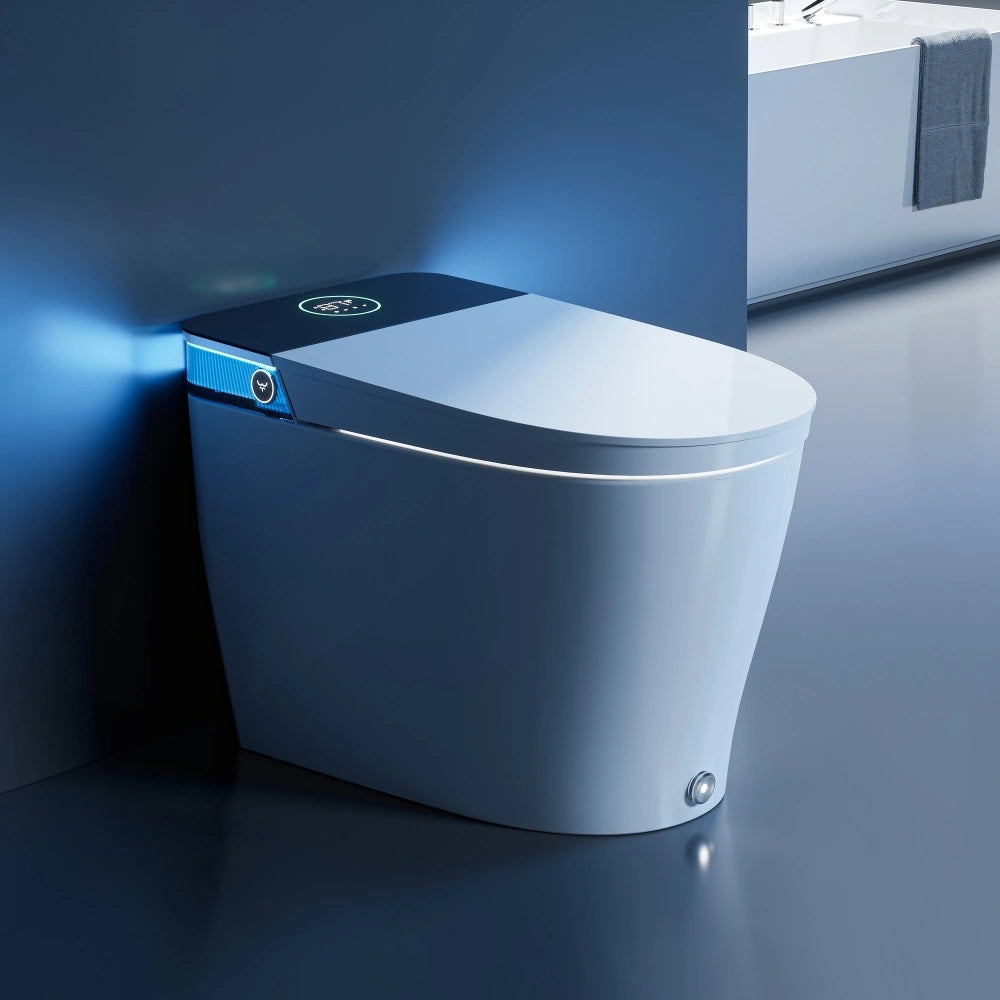
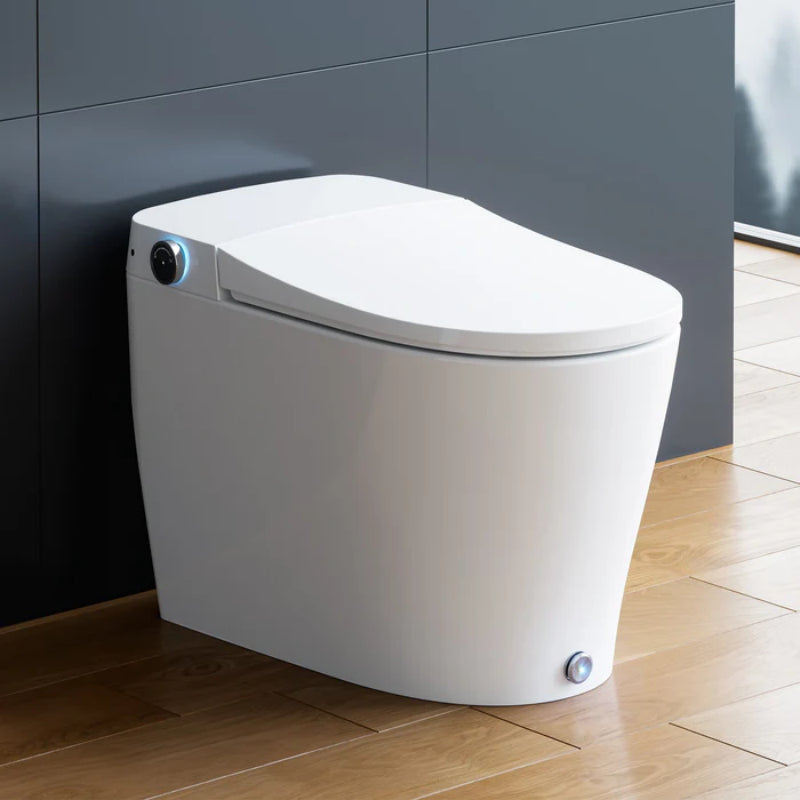
Smart toilets with integrated night lights offer many of the same benefits of toilet night lightswithout the maintenance hassles of clip-on versions. Unlike add-on units, built-in lighting eliminates battery changes, sensor failures, and the need to clean around a device clipped to the bowl rim. For homeowners considering a smart toilet upgrade, this integration delivers reliable illumination that supports safety for night-time bathroom visits while keeping the bathroom free of extra gadgets that can slip out of place or collect moisture.
2. Can a toilet night light help prevent falls?
A toilet night light contributes to preventing falls with illuminated toilets by providing enough glow to help you locate the toilet without turning on a harsh overhead fixture. However, its role in fall prevention is limited to the immediate toilet area and does not extend to lighting the full walking path, where hazards like rugs, thresholds, or clutter may exist. When comparing led toilet bowl lights vs. overhead light, the bowl light offers softer orientation specifically for the toilet, while overhead lighting remains necessary for safely navigating the entire bathroom space.
3. How does a motion-activated toilet light work?
A motion-activated toilet light uses a passive infrared sensor to detect body heat and movement, automatically turning on when someone enters the bathroom. This hands-free operation is central to the benefits of toilet night lights, providing light exactly when someone approaches the toilet without fumbling for a light switch in the dark. Models like the Horow motion sensor night light guide often recommend placing the sensor so it faces outward from the bowl to capture movement effectively while minimizing false triggers from hallway activity or pets.
4. Are smart toilet night lights energy efficient?
Smart toilet night lights are highly energy efficient, typically using LED bulbs that consume minimal electricity while providing consistent illumination for safety for night-time bathroom visits. Hardwired models integrated into smart toilets draw very little power, while battery-powered clip-on versions shift the efficiency consideration toward battery life rather than electricity cost. Understanding led toilet bowl lights vs. overhead light energy use helps clarify that bowl lights are designed for brief, targeted glow rather than prolonged room lighting, making them an efficient choice for overnight use.
5. Can I turn off the night light on my HOROW toilet?
Most HOROW toilets with built-in lighting allow you to turn off the night light using a button on the unit, the remote control, or a companion app depending on the model. This flexibility ensures you can still access the benefits of toilet night lights when desired while disabling the feature if your household prefers total darkness or already uses alternative lighting. For those seeking consistent nighttime visibility, consulting a Horow motion sensor night light guide specific to your model can help you customize sensor timing and light settings to best support safety for night-time bathroom visits.
References


Leave a comment
This site is protected by hCaptcha and the hCaptcha Privacy Policy and Terms of Service apply.