
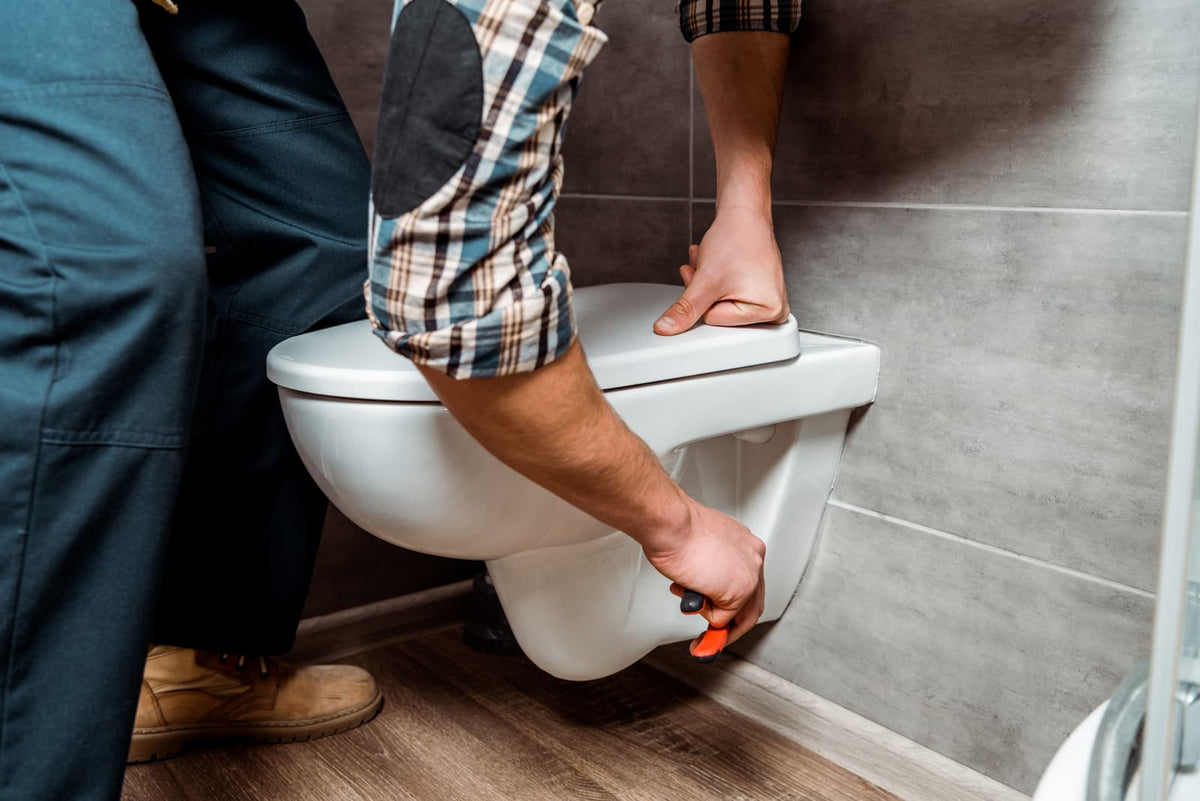
A wall-hung toilet may have several gaskets: one at the waste outlet, another at the flush-pipe connection, and additional seals inside the concealed cistern. These parts are not automatically interchangeable, and a conventional floor-toilet wax ring is not always suitable.
The right setup is one in which the bowl, carrier, connectors, and seals are documented as a compatible system. Before replacing a gasket, identify where the leak starts, check for bowl movement, and verify the required seal material and installation method.
Is a Wall-Hung Gasket Setup Right for You?
Who Benefits From Documented Seal Systems
A documented sealing system makes installation and future repairs more predictable. The bowl and carrier instructions should identify the intended connectors, gasket profiles, installation sequence, and any requirements for cutting or positioning the pipe extensions.
Documentation is particularly valuable because most connections are hidden once the bowl is mounted. A future plumber can use the model information and parts diagram to identify the likely seal without relying on appearance alone.
A suitable setup should provide:
- Compatible bowl and carrier documentation
- Identifiable waste-outlet and flush-pipe seals
- A rigidly supported carrier and stable bowl
- Replacement parts that can be sourced through documented channels
- Clear information about which seals require bowl removal
The gasket is only one part of the connection. Wall-hung fixtures also need rigid support so ordinary use does not transfer damaging strain to the plumbing joints.
Who Should Skip Unverified Wall-Hung Setups
Avoid proceeding with an undocumented combination if nobody can identify the carrier, bowl, or required gasket. A generic seal may appear to fit while having the wrong diameter, lip profile, thickness, or compression behavior.
Bowl movement is another warning sign. A wall-hung bowl should not wobble during normal use. Movement may come from loose mounting hardware, carrier instability, wall flex, or an installation error. Any of these conditions can disturb gasket compression and cause intermittent leakage.
Buying an extra gasket “just in case” is also unnecessary when the complete system already includes its specified seals. Verify what is supplied before ordering a separate wall mount toilet gasket.
Seal Type and Location Determine Compatibility
Do Wall-Hung Toilets Use Wax Rings?
Some wall-hung toilets can use wax, felt, neoprene, rubber, or another synthetic sealing material. However, there is no universal wall mounted toilet wax ring that is correct for every installation.
Many concealed-carrier systems use shaped elastomeric gaskets at the bowl connections rather than the conventional wax ring associated with a floor-mounted toilet. Other wall-outlet installations may specify a different gasket construction. The fixture and carrier instructions—not general plumbing convention—should determine the correct material.
Use a wall hung toilet wax ring only when the documentation for that installation permits it. Do not replace a specified rubber, neoprene, or felt gasket with wax simply because the parts look similar. Heat near the toilet and movement at the bowl are additional reasons to avoid an unapproved wax substitution.
Outlet, Flush-Pipe, and Cistern Seal Locations
The term “wall hung toilet gasket” can refer to several different seals:
|
Seal location |
Connection |
Possible symptom |
|
Bowl waste outlet |
Bowl outlet to the in-wall drain connector |
Water after flushing, odor, or dampness behind the bowl |
|
Flush pipe |
Concealed cistern flush pipe to the bowl |
Clean water appearing during a flush |
|
Flush valve |
Valve assembly inside the cistern |
Water continually or intermittently running into the bowl |
|
Supply connection |
Water fittings in the service area |
Dampness unrelated to waste discharge |
Correctly locating the leak is essential. Replacing the waste-outlet gasket will not stop water passing through a poorly seated flush-valve seal, and servicing the cistern will not correct a leaking bowl connection.
Why Seal Location Changes Service Access
The flush plate opening commonly provides access to serviceable cistern components, including certain valves and internal seals. It does not necessarily provide access to the two connections directly behind the bowl.
A waste-outlet or flush-pipe gasket may require the bowl to be disconnected and removed. Therefore, “serviceable through the flush plate” should not be interpreted as meaning every gasket is reachable from that opening. Confirm access requirements for each seal separately.
Recognizing Gasket-Related Leak Symptoms
Does a Leak Mean Gasket Failure?
Not every wall-hung toilet leak comes from a failed gasket. Water can originate from a supply fitting, an internal valve, condensation, a connector, or another concealed plumbing component.
The timing of the moisture provides a useful starting point:
- During or immediately after flushing: Inspect the flush-pipe and waste-outlet connections.
- Continuous flow into the bowl: Check the flush valve and its seal.
- Moisture unrelated to flushing: Consider a supply connection or condensation.
- Drips when the bowl carries weight: Investigate movement and the connections behind the bowl.
These observations do not prove which part has failed, but they can prevent random seal replacement.

Dampness, Stains, and Odors Matter
A leaking wall mount toilet gasket may not produce an obvious puddle. Warning signs include dampness at the lower rear edge of the bowl, water trails after flushing, swelling or staining on the finished wall, mineral residue, and recurring sewer odor.
Odor near the waste outlet can indicate that the joint is no longer gas-tight even when little water is visible. Persistent moisture, staining, or odor warrants prompt investigation because the leak may be concealed behind the fixture or wall finish.
Wobble or Load-Related Drips Need Attention
Treat bowl movement as a mounting problem as well as a possible gasket problem. Tightening or replacing the seal without correcting the cause of the movement may provide only a temporary result.
If water appears when someone sits on the bowl, stop focusing solely on the gasket. The mounting hardware, carrier support, finished wall, pipe alignment, and seal should be inspected together. Repeated movement can alter seal compression or strain the connected pipes.
Verify Compatibility Before Replacing Any Seal
Match Carrier, Bowl, and Gasket Documentation
Before ordering a replacement, record:
- Bowl manufacturer and model
- Carrier manufacturer and model
- Markings on the existing gasket or connector
- Seal location and connection type
- Pipe and gasket profile
- Instructions shown in the official parts diagram
Similar-looking gaskets are not necessarily interchangeable. A different lip shape, material, or compression design can prevent the joint from sealing correctly.
If the original records are unavailable, have the connection identified before purchasing parts. Do not invent a part-number match based only on photographs or outside dimensions.
Does Servicing Require Bowl Removal?
Internal cistern seals may be reachable through the flush plate. The bowl outlet and flush-pipe gaskets are commonly positioned behind the pan, where bowl removal may be necessary.
A careful leak-check and replacement workflow generally involves:
- Turn off the water if the suspected source involves the supply or cistern.
- Determine when moisture appears and whether it seems related to clean water or waste discharge.
- Check whether the bowl moves under normal loading.
- Consult the bowl and carrier instructions before disconnecting anything.
- Remove and support the bowl if access to the rear connections is required.
- Inspect the gasket, connector alignment, pipe projection, and contact surfaces.
- Install the documented replacement in the specified orientation.
- Remount the bowl, restore water, and conduct repeated flush checks.
- Recheck the rear edge and nearby wall for moisture.
Because the bowl is heavy and its alignment affects both connections, removal and remounting may be better handled by an installer familiar with wall-hung systems.
Confirm Material and Compression Requirements
A gasket depends on controlled positioning and compression. More tightening is not automatically better: inadequate compression may leave a gap, while excessive compression may deform or displace the seal.
Follow the specified procedure for connector projection, cutting, gasket orientation, mounting hardware, and tightening sequence. If the documentation specifies a non-wax seal, do not substitute a generic wall mount toilet wax ring.
Plan for Long-Term Seal Maintenance
Will Hard Water Shorten Seal Life?
Mineral deposits can accumulate on wetted valve seats and profiled seals inside the cistern, potentially interfering with seating. If a toilet develops a slow trickle, inspect the relevant valve and seal for deposits as well as wear.

There is no universal gasket replacement schedule. Water conditions, seal material, installation quality, heat, and movement all influence service life. Replace seals based on condition, symptoms, and the applicable maintenance instructions.
Heat and Movement Can Distort Seals
Nearby heat can be a concern for wax-based seals, while repeated bowl movement can affect any connection by changing gasket compression. When replacing a damaged seal, correct the contributing condition rather than treating the gasket as the only problem.
A new gasket should not be expected to compensate for an unstable carrier, misaligned connector, incorrectly prepared pipe extension, or unapproved sealing material.
Keep Manuals and Replacement Details Accessible
Store the bowl and carrier manuals somewhere outside the concealed wall. Keep model information, official gasket references, and installation photographs with the household maintenance records.
These details help a future installer determine whether the repair can be performed through the flush plate, requires bowl removal, or needs a particular seal profile.
Before You Choose or Replace a Gasket
- Identify the exact bowl and carrier.
- Confirm which connection is leaking before ordering a seal.
- Use wax only when the applicable instructions permit it.
- Verify the specified gasket material, profile, and installation method.
- Determine whether bowl removal is required.
- Correct wobble, wall flex, or connector misalignment before resealing.
- Save manuals, model information, and documented replacement details.
- Flush-test the installation and check again for hidden moisture.
Common Questions
What gasket does a wall-hung toilet use?
It depends on the bowl, carrier, and connection design. Possible materials include rubber, neoprene, felt, wax, or another specified synthetic material. Use the gasket identified in the applicable installation documentation.
Can a gasket leak without leaving a puddle?
Yes. The first signs may be moisture behind the bowl, staining, mineral residue, water trails after flushing, or sewer odor near the waste connection.
Can every seal be replaced through the flush plate?
No. The opening may provide access to cistern valves and internal seals, but reaching the waste-outlet and flush-pipe gaskets may require removing the bowl.
Will a new gasket fix a wobbling toilet?
Not by itself. The source of the movement must be corrected so it does not disturb or damage the replacement seal.
References
https://forms.iapmo.org/email_marketing/codespotlight/2019/Jan10.htm


Leave a comment
This site is protected by hCaptcha and the hCaptcha Privacy Policy and Terms of Service apply.