




A walk in tub shower combo can be a smart fix when a bathroom needs to be safer but you still want the choice of a quick shower or a long soak. It blends a walk-in bathtub (with a door and seat) with a full shower setup in the same footprint, so you don’t have to choose between comfort and convenience.
If you’ve ever watched a parent grip the towel bar to step over a tall tub wall, you already understand the problem. Bathrooms are slippery, tight, and full of hard surfaces. A combo aims to lower risk while keeping bathing practical for a whole household.
Quick Answer Reverse-Pyramid Summary
A combo is a dual-purpose bath and shower system built around a low-threshold, side-entry tub with a seat and a showerhead. It’s popular with older adults, people with limited mobility, and families who share one main bathroom.
Most people pay $2,500–$6,000 for the unit and $4,000–$10,000 for installation, depending on plumbing, electrical work, and wall or floor repairs. The biggest upsides are safer entry, seated bathing, and the ability to use shower mode most days and save soaking for therapy or comfort. The main trade-offs are the higher upfront cost and the fact that, for bath use, you usually wait inside while it fills and drains.
What Is a walk in tub shower combo?
This section explains what a walk-in tub shower combo is, how it’s designed, and what makes it different from a standard bathtub or a separate walk-in shower.

Definition And Core Components
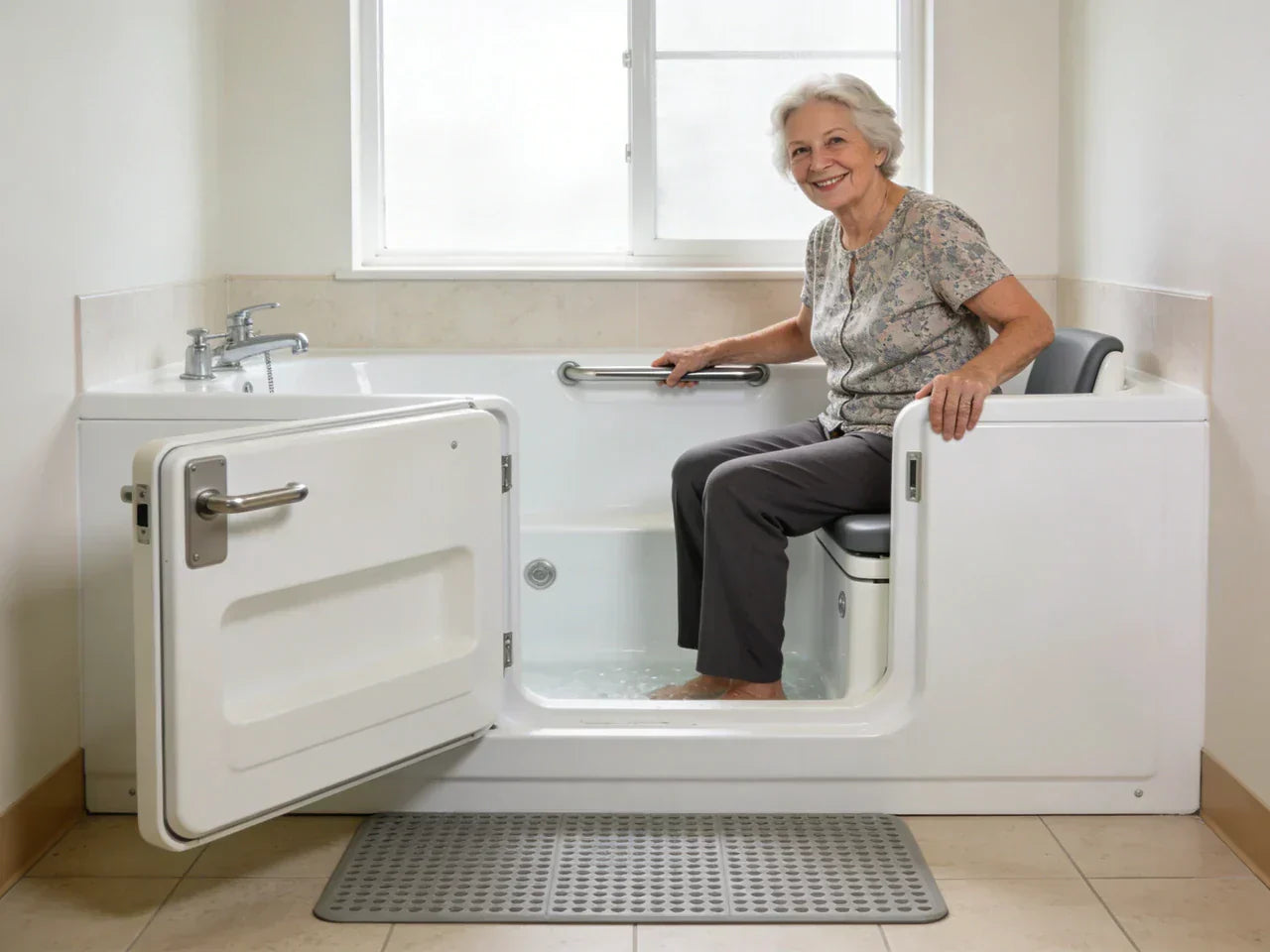
A walk-in tub and shower combo (sometimes called a hybrid walk-in tub) is built to let you bathe seated or shower seated/standing using the same fixture space. In plain terms, it’s a bathtub you can step into through a door, with shower plumbing added so it also works like a shower combo.
Most combo units include these key parts:
-
A side-entry door with a water-tight seal
-
A low step-in threshold, often around 3–4 inches
-
A built-in seat, slip-resistant floor, and grab bars
-
A shower system (usually a hand-held showerhead, sometimes paired with an overhead shower)
-
A drain system, with optional faster-fill and faster-drain upgrades on some models
If you’re comparing “walk-in tubs come with what?” This is the baseline you should expect for safe, everyday use. Extras like a heated seat, a jet system, or fancy lighting can change the bathing experience, but they aren’t required for the core safety goal.
How It Works Simple Step-By-Step
For bath mode, the door is what changes everything. You don’t climb in first and then turn on the water like a normal bathtub. You enter first, then fill.
-
Open the door and walk over the low threshold
-
Sit on the built-in seat and close/lock the door
-
Turn on the water and fill the tub to your preferred depth
-
Bathe and soak comfortably (some people use a jet feature here if included)
-
Turn off the water and drain the tub fully
-
When the water is drained, open the door and step out
For shower mode, you can use the shower attachment like a typical tub with a shower, often without filling the tub at all. Many people end up using shower mode for routine cleaning and reserving soaking for days when pain, stiffness, or stress is worse.
Who Should And Shouldn’t Buy One
A bathroom remodel is stressful when you’re making it for real life, not for a magazine. So it helps to ask: who is this combination actually for?
Best-Fit Scenarios
A combo tends to fit best when safety and flexibility both matter.
If you’re planning for aging-in-place, the low threshold and built-in seat can reduce the risk that comes with stepping over a standard tub wall. That matters for many seniors, but it can also matter for younger people with mobility issues, joint pain, or balance problems.
It also works well in multigenerational homes. Maybe one person wants an everyday shower before work, while another needs a seated soak after physical therapy. In one bathroom, a walk in shower and tub setup can prevent constant compromise.
And when a bathroom is small, it can be the most realistic way to keep both options. Not every homeowner can expand walls or sacrifice storage to build a separate shower and new tub.
When A Walk-In Shower Alone May Be Better
A combo is not always the safest or most affordable answer.
If your budget is tight, a well-built walk-in shower with grab bars, a non-slip floor, and a hand-held showerhead can deliver a lot of safety per dollar. If the main goal is to stop falls, a zero-entry shower can be simpler and easier to use quickly.
A combo may also be a poor fit for someone who cannot tolerate waiting through fill and drain time. This is one of the most common “con” comments you hear when people talk about the pros and cons of walk in bathtubs. Even with better plumbing, bathing still takes longer than a basic shower.
Finally, if wheelchair access and transfer space are the top priority, many households do better with a true zero-entry shower layout that gives a caregiver room to help and leaves more clear floor space.
Benefits Safety, Accessibility, Comfort, Space
You’ll see combos described in a lot of ways: “walk-in tub with shower,” “walk-in tub and shower combo,” “bathroom tub shower combination,” or “tub with a shower.” The names vary, but the benefits usually fall into the same buckets.
Safety And Accessibility Advantages
The safety advantage starts with the threshold. A typical bathtub has a high wall that demands a big leg lift on a wet surface. A combo lowers that step-in height, which can reduce the risk of a slip during entry.
According to the Centers for Disease Control and Prevention (CDC), falls are a leading cause of injury among older adults, and bathrooms are one of the most common places where these accidents occur due to wet, slippery surfaces. Lower step-in heights, built-in seating, and grab bars—features found in many walk-in tub shower combos—are specifically designed to reduce these risks in everyday bathing.
The built-in seat is another big deal. Many people don’t fall in the “middle” of bathing. They fall during transitions—standing up, sitting down, turning to reach soap, or stepping out. Being able to sit reduces the need to balance on one leg or twist while standing on a slick tub floor.
Controls and showerhead placement also matter more than people expect. When controls are reachable from a seated position, you can start the water without standing. A hand-held spray head supports seated showering, which can feel much more stable for a bather with limited mobility.

Comfort And Therapy Features Optional But Common
Many combos are sold with comfort upgrades. The most common is a jet system, which can be water jets, air jets, or both. People often choose this when arthritis, stiffness, or muscle pain is part of daily life. Warm water plus gentle pressure can feel soothing, especially after a long day.
Some units add heated seats or backrests. These features don’t change safety as much as they change comfort, but comfort matters when bathing is already hard. If someone avoids bathing because it hurts or feels risky, a more pleasant setup can support better routines.
Space Efficiency And Household Flexibility
A combo’s practical advantage is that it keeps one footprint doing two jobs. It’s still one tub alcove, one drain area, and one general fixture zone. For many homeowners, that is the deciding factor because the bathroom simply can’t fit a separate walk-in shower and a separate bathtub.
If you’ve been searching “tub in shower ideas” or “tub in the shower,” you’re probably thinking about space too. A combo can be a cleaner answer than forcing a bathtub into a shower footprint that wasn’t designed for it.
Costs And Value What You’ll Really Pay
People often ask the cost question in a few different ways: “How much does a walk-in shower tub combo cost?” and “How much does it cost to install a walk-in tub and shower?” The helpful answer is to separate the unit price from the installed project price, because installation is where budgets swing widely.
Typical Price Ranges Combo-Specific
Most households land in these ranges:
| Cost item | Typical range |
| Combo unit (base models) | $2,500–$6,000 |
| Installation (labor + project work) | $4,000–$10,000 |
If you add premium features—like multiple jets, heated surfaces, or upgraded wall panels—unit pricing can climb. If your bathroom needs major repair work behind the walls, installation can climb too.
So, how much does a walk-in shower tub combo cost as a full project? Many people end up in the $6,500–$16,000 range when you combine unit plus installation, with the final number driven by the hidden parts of the bathroom.
What Drives Installation Cost Up
Installation cost is not just “set the tub and hook it up.” A combo touches plumbing, walls, waterproofing, and sometimes electrical work.
Costs tend to rise when plumbing must be moved or upgraded. A drain might need a change, shutoff valves may be outdated, and the shower control valve may need replacement. If the shower system is being improved—say you want a better overhead shower plus a hand-held—there may be extra work inside the wall.
Electrical upgrades can also matter. If your combo includes pumps, heaters, or powered controls, you may need a GFCI-protected circuit and, in some cases, a dedicated line. Older bathrooms weren’t always built for that.
The walls and floors are another budget driver. If you remove old tile and find damage, you may need repairs before new panels or tile go in. A surround panel system is often faster to install than tile, which can reduce labor time, but every bathroom is different.
Finally, water heating can be the surprise cost. Some walk-in bathtubs hold much more water than a standard tub. If your water heater is small or older, you may run out of hot water mid-fill, which is frustrating and unsafe if the water turns lukewarm when you need warmth most.
Water And Energy Considerations Practical Comparison
A big reason people like the combo concept is that you can choose the lower-water option most days.
| Use | Typical water use (approx.) |
| Standard bath | ~40 gallons |
| 10-minute shower | ~15–25 gallons |
| Large walk-in tub fill (some models) | up to ~80 gallons |
The U.S. Environmental Protection Agency (EPA), through its WaterSense program, notes that standard showers typically use significantly less water than full bathtub fills. This is why many households with a walk-in tub shower combo rely on shower mode for daily use and reserve soaking baths for occasional therapeutic needs, helping manage both water consumption and utility costs.
If you’re thinking, “Will this use more water?” the honest answer is: bath mode can, especially with larger tubs. But the shower combo allows many households to use shower mode for routine bathing and save full soaks for the days they really need that therapeutic warm water.
Financing, Coverage, And Resale Careful Reality Check
According to Internal Revenue Service (IRS) Publication 502, certain home modifications made for medical reasons—including some accessibility improvements—may qualify as deductible medical expenses when specific conditions are met. Homeowners considering a walk-in tub shower combo for documented medical needs may want to review these guidelines or consult a qualified tax professional.
Financing is common in the accessibility remodeling world, but terms vary. Warranties also vary a lot, and the difference between parts coverage and labor coverage can matter more than the headline claim.
Insurance coverage is often limited. Many people learn that basic health coverage does not pay for a new tub, even when it is clearly tied to accessibility. Some households explore local assistance programs, veterans’ benefits, or tax options tied to medical needs. If you think the remodel is medically necessary, it may be worth asking a tax professional whether parts of the work could qualify as a medical expense.
Does having a walk-in tub devalue your home? In most real-life markets, it depends on who the next buyer is. Some buyers love accessible design and see it as a pro. Others may prefer a sleek walk-in shower with no tub. A combo can reduce that worry because it still offers a shower and a bathtub function, which keeps the bathroom useful for more people.
Key Features To Compare Buyer’s Checklist
A combo is only as good as the parts that make it safe day to day. If you’re getting quotes, it helps to compare the same features each time so pricing is apples-to-apples.
Safety Specs That Matter Most
Step-in height is one of the first numbers to ask for. A lower threshold is usually safer, but it should still feel stable underfoot. Seat height and seat width matter too, because the seat is not just for comfort; it’s part of the transfer process.
Door design affects daily confidence. Some doors swing inward, some outward. Outward-opening doors can feel easier to enter, but they require enough bathroom clearance. Inward-opening doors can be easier in tight bathrooms, but they can change how you move your legs during entry and exit. In either case, ask how the seal works and what the plan is if the door gasket ever needs service.
Temperature control is another safety item people skip until it’s too late. Anti-scald protection can help prevent sudden hot water spikes, which is especially important for elderly users or anyone with reduced skin sensitivity.
Shower System Quality What Separates Good From Basic
The shower side of the combo is what turns it into a true tub and shower fixture, not just a tub with a showerhead stuck on.
A hand-held spray head is often the most useful feature because it supports seated showering and makes it easier to rinse legs and feet without standing. An overhead shower can feel more like a normal shower, which some families want for convenience.
Water containment is also part of “quality,” even though it sounds boring. A shower door or well-designed enclosure plays a major role in keeping water inside the bathing area and protecting the rest of the bathroom. A shower curtain, a door, and a panel system all handle splash differently. If your current bathroom always ends up with water near the toilet, you’ll want to think through the shower enclosure plan before you buy the new tub.
Performance And Day-To-Day Usability
People often ask, “What are the negatives of a walk-in tub?” The everyday negatives usually come down to time and upkeep.
Fill and drain time is real. In bath mode, most users must stay inside while it fills and drains because the door is below the water line. Some tubs offer fast-drain setups, but you should still expect bathing to take longer than a shower.
If you choose jets, ask about cleaning. Jets and internal plumbing need routine sanitation to avoid odors or buildup. That’s not a reason to avoid jets, but it is a reason to be honest about whether you will keep up with the maintenance.
Noise can also surprise people. Pumps and blowers can be loud enough to bother light sleepers in nearby rooms, so it’s fair to ask how loud the system is and how service is handled if something fails.
Types Of Walk-In Tub And Shower Combos
Not every combo is built for the same goal. The type you choose should match how you actually bathe.
A soaking-focused combo is usually simpler. It gives you the door, seat, and shower function without adding a lot of mechanical parts. For many buyers, that is the sweet spot because it’s easier to maintain and can be more affordable.
A hydrotherapy or aerotherapy combo is built for comfort and relief. If you expect to soak often and you want the jet massage feeling, this type may be worth the extra cost. Just be realistic about cleaning and the chance of repairs over the years.
Two-person models exist, but they are niche. They need more space, more water, and often more hot water capacity. They can be great for some couples, but they are not a simple swap for a standard alcove bathtub.
You’ll also hear the term “hybrid” used for a full-featured setup that tries to feel like a real shower and a real therapeutic bath in one. If you want both experiences to feel complete, you’ll likely be looking at this end of the combo range.
Pros And Cons Decision Snapshot
When you look up the pros and cons of walk in bathtubs, you’ll see strong opinions. The truth is that a combo can be life-changing for one household and annoying for another.

Pros
A combo can be safer because it reduces the step-over height and supports seated bathing. It can also support independence, which matters when someone wants privacy and doesn’t want to ask for help every time they bathe.
It saves space by keeping one main fixture location doing two jobs. And if you choose therapy features, it can turn bathing into something that helps sore joints instead of something you rush through.
Cons
The biggest con is cost compared to a standard tub or basic tub-shower setup. Installation can also be complex, especially in older bathrooms.
Another con is the “wait” factor. For bath mode, you often must wait inside while it fills and drains. For some people, that’s a deal-breaker.
Coverage can also be limited, and some buyers feel stuck paying out of pocket. And if you choose jets and electronics, maintenance and repairs become part of the long-term plan.
Installation And Bathroom Planning Avoid Costly Mistakes
If you plan well, you can avoid many of the problems that cause leaks, delays, and change orders.
Measure Your Space Layout Essentials
Start with the tub alcove dimensions: width, depth, and height. Many combos are designed to fit where a standard bathtub was, but “should fit” and “will fit” are not the same thing. Bathrooms are rarely perfectly square, and small differences can matter.
Next, think about door swing and clearances. Will the tub door open into a vanity? Will it hit the toilet? Will it fight with the bathroom door? This is the part people forget until install day, when the new fixture is already in the room.
Ceiling height matters too, especially if you want an overhead shower. A showerhead that ends up too low can make showering uncomfortable for taller family members.
Plumbing And Electrical Readiness
For plumbing, confirm drain placement and water supply line condition. If the bathroom has old shutoffs or corroded lines, replacing them during the remodel can prevent future leaks.
For electricity, ask if the unit needs power and what protections are required. If pumps or heaters are included, this may involve GFCI protection and permits. A licensed professional should handle this work.
Contractor Vs Brand Installer What To Ask
Some people use an independent contractor; others use an installer tied to the product provider. Either path can work, but the key is clarity.
When you request quotes, ask for an itemized total installed price, the exact model being installed, what wall surround is included, whether flooring repair is included, and who handles permits. Also ask who owns warranty responsibility if there’s a leak or a control problem: the installer, the manufacturer, or both.
If you plan to install a walk-in tub as part of a larger “tub to a shower” style renovation, make sure the scope is written down. Vague scopes are where budgets tend to blow up.
Maintenance, Cleaning, And Longevity
A combo should feel safe on day one and still feel safe years later. That depends on basic care.
Door seals need routine attention. Wipe down the door area and inspect the gasket so it stays clean and seats properly. Many leaks start as small issues: a bit of hair, soap residue, or a worn spot that goes unnoticed.
Shower walls need the same mold and mildew prevention as any shower. Good ventilation helps more than people think. If the bathroom fan is weak, upgrading it can be a smart, low-cost part of the renovation.
If your combo includes jets, ask for the cleaning steps and stick to them. Jets can stay fresh, but they don’t maintain themselves.
How long do walk-in tubs last? Many can last 15–25 years when installed correctly and cared for, but the real difference is the components. The tub shell may last a long time, while seals, electronic controls, pumps, or heaters may need service sooner. When you compare options, look closely at what is covered and for how long.
Walk-In Tub Shower Combo Vs Alternatives Comparison Table
A combo is not the only path to an accessible bathroom. The better choice depends on mobility, space, and how you actually bathe.
| Option | Safety for limited mobility | Daily convenience | Upfront cost | Best use case |
| Combo (walk-in tub + shower) | High (low threshold + seat) | High for showers; slower for baths | $$$ | One bathroom, mixed needs, wants soaking option |
| Walk-in shower only | Very high (especially zero-entry) | Very high | $$–$$$ | Fast daily use, wheelchair-friendly layouts |
| Walk-in tub only | High for bathing | Lower if you prefer showers | $$–$$$ | Therapy-focused bathing, less need for showering |
| Traditional tub/shower | Lower (high step-over) | High | $–$$ | Lowest budget, no strong mobility concerns |
How To Choose Fast Framework
If you’re stuck between options, it helps to decide based on real habits instead of wishful thinking.
60-Second Decision Filter
Do you need seated bathing now, or do you expect to need it within a few years? If yes, a combo may be worth the extra cost because it supports both safety and flexibility.
Will you actually soak often enough to justify the higher price and the fill/drain time? If you know you will only shower, then paying for a tub you won’t use can feel like a waste.
Is your bathroom space limited to one fixture zone? If yes, that pushes you toward a bathroom tub shower combination rather than separate fixtures.
Can your budget handle the full installed cost, including possible upgrades like electrical work, new wall panels, or a water heater adjustment? If the answer is “only barely,” it’s safer to plan for the simpler option rather than get halfway through a renovation and run out of funds.
Must-Have Vs Nice-To-Have Features
A must-have set for many households is simple: low threshold, a comfortable seat, slip-resistant flooring, grab bars, a hand-held showerhead, and reachable controls. If those are right, the unit can be both accessible and convenient.
Nice-to-have items include jets, heated surfaces, and fast-drain upgrades. They can be great, but they should come after the safety basics and after you confirm your bathroom can support the installation.
Tubs In Shower Questions People Ask During Remodels
At some point, many homeowners ask: Is tub in shower a good idea? Sometimes they mean a true combo. Other times they mean placing a bathtub inside a larger shower zone, like a wet-room style layout.
A tub in the shower can be a good idea when you have enough space and you want a modern open layout. It can also make cleaning easier in some bathrooms because water stays in one waterproofed area. But it demands careful planning: slope, drains, waterproofing, and enough room to step in and out safely. In smaller bathrooms, it can feel cramped and increase splash problems.
So, how much does a tub in shower cost? If you mean a wet-room style bathroom with a bathtub inside a shower area, costs often run higher than a simple swap because waterproofing and tile work can be extensive. Many projects land in the $10,000–$25,000+ range depending on tile choices, glass, plumbing relocation, and labor rates. If you mean a simpler tub with a shower above it (a basic bathtub shower setup), costs can be far lower, but you lose the low-threshold safety that makes walk-in tubs appealing.
In short, “tub in shower ideas” can look great, but for people with mobility limits, the safest choice is usually the one that reduces stepping and supports seated washing.

Conclusion
A walk-in tub and shower combo is a space-smart way to combine safer entry, seated bathing, and everyday showering in one fixture. It can be a strong fit for an elderly homeowner, a person with limited mobility, or a household that needs both a tub and a shower without expanding the bathroom.
If you’re deciding, keep it simple and focus on three things: your mobility needs (now and later), your bathroom layout (clearances and plumbing), and the true total installed cost (unit + installation + upgrades). Your next step can be practical: measure your alcove, write down your must-have safety features, and get itemized quotes so you can compare pricing and scope with confidence.
FAQs
1. Can You Use the Shower Without Filling the Tub?
Yes. In shower mode, a walk-in tub shower combo works much like a traditional shower. You can turn on the showerhead—usually a hand-held unit, sometimes paired with an overhead shower—and bathe without filling the tub at all.
This is how many households use the combo day to day. Shower-only use saves time, uses less water, and avoids the wait associated with filling and draining the tub. The bathtub function is often reserved for therapy, pain relief, or days when soaking is needed.
2. Do You Have to Wait Inside While It Fills and Drains?
For bath mode, yes in most designs. Because the door on a walk-in tub sits below the water line, you must enter first, close and seal the door, and then fill the tub while seated. After bathing, you typically wait inside again while the water drains before opening the door.
This wait time is one of the most common drawbacks people mention. Some models offer fast-fill faucets or fast-drain systems to reduce waiting, but bathing will still take longer than a standard shower.
3. Does a Walk-In Tub Devalue Your Home?
Not always. In many markets, a walk-in tub does not automatically reduce home value. Some buyers—especially older adults or those planning to age in place—see accessibility features as a major advantage.
A walk-in tub shower combo can be more appealing than a tub-only setup because it still functions as a full shower. This flexibility helps the bathroom remain usable for a wider range of buyers, which can protect resale appeal.
4. How Long Do Walk-In Tubs Last?
Most walk-in tubs last around 15–25 years when properly installed and maintained. The tub shell itself is usually very durable, but other components may need attention sooner.
Door seals, pumps, heaters, and electronic controls can wear out over time and may require repair or replacement. Regular cleaning, proper use, and prompt servicing of small issues can significantly extend the life of the system.
5. Will It Fit in a Standard Tub Space?
Many walk-in tub shower combos are designed to fit within a standard bathtub alcove, but a perfect fit is never guaranteed. Before purchasing, it’s important to confirm exact measurements, including tub width, depth, height, and door swing clearance.
You should also verify plumbing alignment, drain location, and whether wall or floor modifications will be needed. Careful planning before installation helps avoid costly changes once the remodel begins.
References



Leave a comment
This site is protected by hCaptcha and the hCaptcha Privacy Policy and Terms of Service apply.