

Choosing vessel sink vs undermount sounds like a small detail, but it changes how your bathroom looks and how it feels to use every day. A vessel sink sits on top of the countertop like a bowl, so it turns the sink into a focal point. An undermount sink is installed under the counter, so the counter and sink edge feel like one smooth surface. If you’re comparing a vessel sink vs an undermount sink because you want the “right look” and fewer chores, you’re in the right place. This guide gives a quick verdict first, then walks through cleaning, splash risk, installation, countertop fit, durability, cost, and resale value—using real-life bathroom scenarios.
What You’ll Learn to Decide Faster
You’ll get a clear “best for” verdict, a head-to-head comparison table, guidance on countertop materials and faucet/plumbing fit, plus realistic use cases (powder room vs family bath) and 2026 trend takeaways. By the end, you’ll know how to choose the right sink for your bathroom vanity, budget, and patience level for wiping water spots.
Key Definitions
A vessel sink (also called an above-counter or countertop sink) is a basin that sits above the counter. The sink sits on the vanity top, and the drain goes through a hole in the counter. If you’re new to bathroom remodeling, you may be wondering what is a vessel sink and how it differs from other sink types.
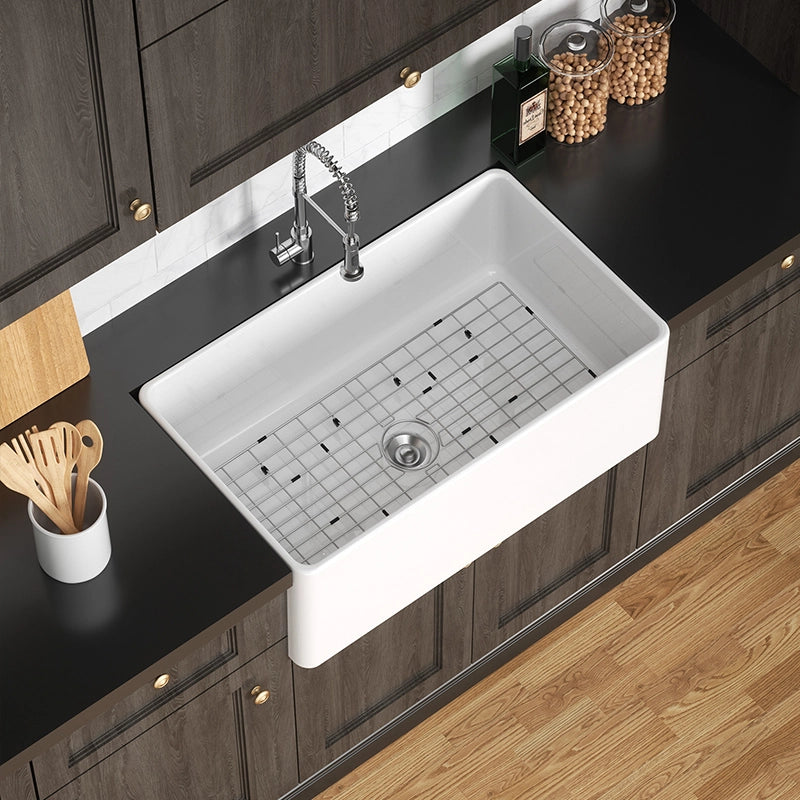
An undermount sink is a sink that is installed under the countertop. The counter opening is cut so you can wipe water straight into the basin. Undermount sink sizes vary, so you can choose one that fits your vanity and countertop perfectly. To understand more, check out what is undermount sink and why it’s popular in high-use bathrooms.
When people say “vanity top considerations,” they usually mean: how much counter space you’ll have left, what faucet height and spout reach you need, and how the cutout and sealing will hold up over time.
Vessel Sink vs Undermount: Quick Verdict & Decision Map
This section breaks down the choice in plain terms so you can decide quickly and confidently. f you’re comparing sinks and wondering about the differences between vessel and undermount, this guide will clarify which style works best for daily use, installation effort, and long-term appeal. You’ll see a clear winner for different use cases, a simple decision map you can run through in seconds, and a visual comparison that highlights what really matters for daily use, installation effort, and long-term appeal. If you’re still unsure which style fits your needs, our guide on undermount vs vessel sink helps you weigh pros, cons, and real-life bathroom scenarios.
30-Second Verdict: Who Wins and When
If your bathroom gets heavy daily use, undermount usually wins. It’s easier to clean, has fewer grime-catching edges, and tends to feel more “built-in.”
If the bathroom is low traffic—or you’re chasing a bold look—vessel often wins. It can be easier to swap in during a refresh because it can sit on top of an existing vanity top with fewer changes.
Here’s the practical summary: vessel = style + easier swap; undermount = daily practicality + cleaner lines.
Decision Map: A Quick Mental Quiz
Use these questions like a simple decision tree:
-
Is this a high-traffic bathroom sink used by kids, guests, or multiple people daily? If yes, lean undermount.
-
Is your countertop laminate (or a thin/weak top)? If yes, lean vessel (or a drop-in/overmount).
-
Do you hate wiping around seams and water spots? If yes, lean undermount.
-
Do you want the sink to be the “main design moment”? If yes, lean vessel.
-
Are you trying to keep your existing vanity top and avoid fabrication? If yes, vessel sinks typically require less countertop work.
If you’re stuck after those, it usually means either option can work—you just need the right faucet, the right bowl shape, and the right installer.
Comparison Snapshot Table
| Factor | Vessel sink | Undermount sink | Most people prefer it when… |
| Aesthetics | Statement, sculptural, eye-catching | Seamless, minimalist, counter-forward | Vessel for “wow,” undermount for calm and clean |
| Cleaning | More edges and a base seam to wipe | Wipe straight from counter into sink | Undermount for busy homes |
| Installation | Often simpler set-on-top install | Precise cutout + mounting + sealing | Vessel for refresh projects |
| Durability | More exposed rim/edge | Rim protected by the counter edge | Undermount for high-use baths |
| Cost (typical total) | Often lower labor, may need a new faucet | Often higher labor and fabrication | Depends on your countertop and plumber rates |
| Resale appeal | Can feel trendy; some buyers love it | Often reads “built-in” and premium | Undermount in many markets |

Design, Aesthetics & Space Planning: Bathroom Vanity Focus
Choosing between a vessel and undermount sink isn’t just about plumbing—it’s about how your bathroom looks, feels, and functions every day. From visual impact to countertop space to material pairing, the sink you select shapes the entire vanity experience. For professional guidance on bathroom design and sink placement, resources like NKBA provide detailed layout standards and inspiration.
Visual Impact: Statement vs Seamless
The biggest reason people choose vessel sinks is simple: they look like décor. Because the bowl is fully visible, the design of the vessel—shape, color, texture—gets attention the second you walk in. If you’re designing a powder room meant to impress, a vessel sink makes that easy.
An undermount goes the other way. The goal is not to show the sink much at all. It gives you that smooth counter edge, so the countertop becomes the star. If you love a clean, quiet bathroom design, the classic undermount sink style supports that.
Counter Space & Small-Bath Feel
In a small bathroom vanity, space is emotional. A vessel bowl can take up precious surface area because it sits on top of the vanity. It can also look visually taller, which sometimes makes a tight room feel more crowded—especially if you already have a tall backsplash or a busy mirror frame.
An undermount helps in two ways: you keep more usable counter space, and you get a cleaner sightline across the vanity top. Even when the actual square inches are similar, undermount often feels less bulky.
If you’re trying to fit your bathroom to real daily life—hair tools, toothbrush cups, soap, skin care—this space difference matters more than most people expect.
Material & Style Matching: Quartz, Granite, and More
A vessel sink pairs well with many looks because it’s basically a “featured object.” You’ll see vessel sinks come in ceramic, glass, stone, and concrete-style materials. That variety is a big reason vessel sinks remain popular in 2026. They match modern, spa-like, and artistic bathrooms without needing a full remodel.
An undermount pairs best with solid, stable counters where the cut edge can be polished and sealed. Quartz countertop and granite countertop installs are common for undermount because the stone can support the cutout and handle water at the sink edge. Many solid-surface counters also work well.
This is where the “sink type affects vanity” decision becomes real: it’s not just style. The counter material can push you toward one choice.
On-Page Image Ideas: What to Look at Before You Buy
If you’re shopping online or walking a showroom, ask yourself: do you want a sink that blends in, or a sink that becomes art? It helps to view the same vanity two ways—one with a vessel and one with undermount—because your brain reacts to the height and rim line right away. If you can, look at photos taken from standing height, not just a perfect top-down product shot.
Cleaning, Maintenance & Hygiene: Real-Life Performance
How a sink looks and functions over time is just as important as style. Daily cleaning, splash control, and long-term upkeep differ significantly between vessel and undermount sinks. Understanding these practical differences helps you choose a sink that fits your lifestyle, not just your design goals.

Daily Cleaning Workload: Why Undermount Usually Wins
This is the most honest difference between a vessel sink vs undermount sink: undermount is easier to keep looking clean.
With an undermount, you can wipe toothpaste foam, dust, and water straight off the counter and into the basin. There’s no raised rim stopping your cloth. That matters in a family bathroom where the sink gets used again and again. For official guidance on proper hygiene and reducing bacterial buildup, see the CDC Hygiene Guidelines.
With a vessel sink, the raised bowl creates extra surfaces: an outer wall, a rim, and the base area where it meets the counter. That base seam is where soap scum likes to build up. Water can also pool around the bowl if the counter isn’t perfectly flat or if the seal line is uneven.
So, are vessel sinks harder to clean than undermount sinks? In most homes, yes—because they have more edges and tight spots. It doesn’t mean a vessel sink is “dirty.” It just asks more from you.
Splashing & Faucet Pairing: Faucet Height and Spout Reach
Splash is where many people regret a sink choice.
Because a vessel sink is higher, the faucet has to reach up and over the rim. If the faucet is too tall, or the spout is too short, water hits the bowl at a bad angle and bounces out. Shallow or wide vessel bowls can make this worse. You’ll notice it when your sleeves get wet or when you see water spots behind the sink every morning.
Undermount sinks sit lower, so water drops into the basin with less bounce. The counter edge also helps keep stray water contained.
If you choose a vessel sink, the faucet pairing is not a small detail—it’s the whole game. You want spout reach that lands water near the drain, not near the rim. You also want a flow that feels controlled. In plain terms: the right faucet can make a vessel sink feel calm, and the wrong faucet can make it feel messy.
Long-Term Maintenance: What You Actually Do
A sink is a sink, but the “hidden work” is different.
With a vessel sink, the key maintenance task is simple: keep an eye on the seal where the bowl meets the counter. If you see discoloration, gaps, or water sitting there often, it may be time to clean it out and re-seal. When maintaining your sink surfaces, always follow proper disinfectant use as recommended by the EPA to ensure hygiene without damaging materials. Also, watch the rim—hard water spots show more on the outside of a vessel bowl because you see that surface all day.
With an undermount, your main watch point is under the counter edge. The seal line and mounting supports do heavy lifting. If you ever notice a musty smell, swelling on a wood cabinet, or movement when you press on the sink, you should have it checked.
Cleaning “Wipe Time” and Edge Buildup Risk
The numbers below are not lab results. They’re a practical way to think about what most people experience in real bathrooms, based on how many edges you’re wiping and how often the sink gets used.
| Bathroom traffic level | Estimated daily wipe time: Vessel | Estimated daily wipe time: Undermount | Edge buildup risk |
| Low (powder room) | 30–60 seconds | 15–30 seconds | Vessel: medium / Undermount: low |
| Medium (guest + you) | 1–2 minutes | 30–60 seconds | Vessel: medium-high / Undermount: low |
| High (family bath) | 2–4 minutes | 1–2 minutes | Vessel: high / Undermount: low-medium |
If you’re thinking, “That doesn’t sound like much,” you’re right—until you multiply it by weeks and years. That’s why undermount sinks tend to feel “easier” long after the remodel excitement fades.
Installation, Plumbing & Countertop Compatibility
Choosing a sink isn’t just about looks—installation, countertop type, and plumbing compatibility play a huge role in how your bathroom functions and how much work you’ll face. This section breaks down what to expect for vessel vs undermount sinks so you can plan smartly.
Install Complexity: DIY-Friendly vs Fabrication-Dependent
A vessel sink installation often feels straightforward. The sink sits on top, the drain goes through the counter cutout, and you seal around the base. For a handy homeowner, this can be a manageable project if the vanity is level and the plumbing lines up.
An undermount sink usually needs more planning. The countertop cutout has to be precise, the underside must support the sink weight, and the sealing has to be clean and continuous. With stone counters, the cutout is typically done during fabrication, not on-site with basic tools. That’s why undermount sinks require more coordination between countertop fabricator and plumber.
Countertop Requirements: Solid Surface vs Laminate
This is a big deal, and it answers a common question people ask during remodels: Can you undermount a sink in laminate countertops? It’s also important to consider undermount sink sizes to ensure your countertop cutout and vanity space fit perfectly. In most cases, it’s not recommended. Laminate can swell if water gets into the cut edge, and the structure may not hold undermount mounting hardware well over time. Some specialty methods exist, but they rely on very specific products and careful sealing.
So if you have laminate and you want the undermount look, you may be looking at a countertop upgrade. If you want to keep the top you have, a vessel sink (or a drop-in/overmount) is usually the safer path.
That’s also where people mix up terms. An over the counter kitchen sink is often what people mean by a drop-in or overmount sink: the rim sits on top of the counter. In bathrooms, a vessel is also “over the counter,” but it’s a bowl style rather than a rimmed drop-in style.

Plumbing and Faucet Fit: What to Check Before You Buy
A vessel sink changes vertical geometry. Because the bowl sits above the counter, the drain tailpiece may be taller, and your faucet needs extra height and reach. Some people solve this with a tall deck-mounted faucet. Others choose a wall-mounted faucet, which can look clean but may involve more plumbing work inside the wall.
With undermount, you can usually use a standard-height faucet because the sink sits lower. It tends to be a simpler match for typical bathroom plumbing setups.
Before you buy any sink type, open your vanity and look at the trap area. Measure clearance and note where the drain line sits. A small mismatch can turn into a surprise plumber visit. It’s also wise to review local building and plumbing codes through resources like ICC Codes to ensure compliance and avoid costly mistakes.
How to Know if Your Sink Is Undermounted
If you’re in an existing home and you’re not sure what you have, here’s the easiest way to tell. Look at the edge where the sink meets the countertop. If you can wipe from the counter straight into the sink with no raised rim, you likely have an undermount sink. If you see a rim sitting on top of the counter (or a bowl sitting on top), it’s not undermount.
If you want to confirm, open the cabinet and look up. An undermount sink will be attached to the underside of the counter with clips, brackets, or an adhesive system. A drop-in/overmount will rest on the counter from above.
Durability, Materials & Longevity: High-Use vs Low-Use
A sink isn’t just about style—how well it stands up to daily life matters. Durability, material choice, and mounting quality affect how long your sink looks and works like new. This section breaks down real-world performance for vessels and undermount sinks.
Impact Resistance & Wear Patterns
Durability isn’t only about material. It’s also about exposure.
A vessel sink’s rim is more exposed. If someone drops a hair tool, a glass bottle, or even a heavy toothpaste dispenser, that impact is more likely to hit the sink edge. Glass vessel models can chip or crack more easily than other materials. Ceramic vessel bowls can hold up well, but the risk is still there because the sink is “out in the open.”
An undermount rim is protected by the counter. You can still damage it, but the most hit-prone edge is less exposed. In a high-traffic bathroom, that protection matters.
Mounting Strength & Failure Risks
People worry about leaks, and the fear is fair. But the causes are usually predictable.
With vessel sinks, leaks often come from a failed seal at the base or a drain connection that loosens. Because the sink sits on top, any water that escapes tends to spread across the counter and drip into the cabinet. The fix is often a reseal and a check of the drain fittings.
With undermount sinks, the bigger risk is support and sealing under the counter. If the sink isn’t mounted correctly, you can get movement over time. That movement can break the seal. In worst cases, a sink can sag, which is both messy and expensive to repair because it may involve removing parts of the counter or plumbing.
This leads right into a common question: Do undermount sinks leak more than vessel sinks? Not by design. In many homes, undermounts stay dry for years. Leaks usually trace back to installation quality, missing supports, or a neglected seal line.
Best Materials by Sink Type: Quick Matrix
| Material | Works well as vessel sink | Works well as undermount sink | What to know in plain words |
| Vitreous china / ceramic | Yes | Yes | Easy to clean, classic look, can chip if hit hard |
| Fireclay | Sometimes | Sometimes | Heavier; strong surface; install needs solid support |
| Stone (natural or engineered look) | Yes | Sometimes | Can stain or etch depending on finish; sealing may matter |
| Glass | Yes | Rare | Shows water spots; can chip; best for low-traffic baths |
| Solid surface | Yes | Yes | Smooth, repairable; good for modern bathrooms |
If you’re building a busy bathroom, pick a material that stays easy to clean and doesn’t show every spot. If you’re building a powder room, you can choose a more delicate statement material because it won’t be used as hard.
Lifespan and What Changes It
Most sinks can last a long time if installed well. What shortens lifespan is usually one of three things: impact damage, poor sealing, or movement in the mounting system. If you want the sink to look good in year ten, plan for the boring parts—good support, good sealant, and sensible cleaning products.
Cost, Labor & Resale Value: Total Ownership
The price tag of a sink is just the beginning. True cost includes installation, countertop work, faucet upgrades, and long-term maintenance. Understanding these factors helps you weigh upfront expenses against weekly upkeep and resale value.
Upfront Cost vs Total Cost of Ownership
Many homeowners focus on the sticker price of the sink. That’s understandable. But the real cost of vessel sink vs undermount often shows up in labor, countertop work, and faucet changes.
A vessel sink can be cheaper to install because it may not require complex countertop fabrication. But many vessel installs need a taller faucet, plus a specific drain that looks finished because it may be visible.
An undermount sink can cost more upfront because the countertop needs a precise cutout and the sink must be mounted securely under the counter. On the other hand, undermount can save time every week in cleaning, and it often matches what buyers expect in a “finished” bathroom.
Labor Line-Items: Cost Breakdown Table
Actual prices vary by location and materials, but these are the common cost buckets to plan for:
| Line item | Vessel sink (typical need) | Undermount sink (typical need) |
| Sink price | Wide range | Wide range |
| Faucet | Often taller or wall-mount | Often standard height |
| Drain assembly | Often decorative/visible | Standard usually works |
| Countertop cutting/fabrication | Often minimal (drain hole) | Precise sink cutout + edge finishing |
| Mounting/support hardware | Light (set-on-top) | Clips/brackets + support system |
| Plumber labor | Often simpler | Often more time due to access and mounting |
| Resealing over time | Base seal check | Under-counter seal check |
If you’re trying to control cost, the countertop is the swing factor. If a vessel lets you keep your existing vanity top, that can be a major savings.
Resale Appeal and Buyer Expectations
Do vessel sinks hurt resale value? They can, but it depends on the style and the buyer. Some buyers love a statement powder room. Others see vessel sinks as fussy because they picture water spots and extra cleaning.
Undermount tends to feel neutral. It’s less likely to turn someone off because it looks “standard but upgraded.” That’s why undermount often gets described as premium integration in real estate photos: it doesn’t distract, it just looks clean.
If you love vessel but care about resale, you can make the choice more “resale-safe” by keeping the rest of the bathroom timeless—simple tile, calm paint, and a classic faucet finish. In that setting, a vessel sink reads as a design accent, not a risky trend.
A Simple ROI Way to Think About It
Ask yourself two questions:
If you stay in the home five to ten years, will you resent wiping around the sink base every week? If yes, undermount may be the better value.
If you might remodel again or you like changing the look, do you want something easy to swap later? If yes, vessel may be the better value because replacement can be simpler.

Real-World Scenarios in 2026 Trends
Choosing a sink isn’t just theoretical—how it performs in daily life can make or break your bathroom experience. Here’s a look at real-world use cases and what’s trending in 2026.
High-Traffic Family Bathroom
A family bathroom is where design meets real life fast. Think toothpaste on the counter, kids leaning on the vanity, and rushed mornings. In that setting, undermount usually fits better. The wipe-in edge is a real advantage, and the sink sits at a more familiar height for most people.
I’ve seen families start with a vessel sink because it looked great in photos. Then, a few months later, they’re irritated by the ring of water at the base and the extra wiping. It’s not a disaster, but it becomes “one more thing” in a busy day.
If this is your main bathroom, undermount sinks are generally easier to live with.
Powder Room / Guest Bath “Wow Factor”
A powder room is where a vessel sink makes a lot of sense. It’s used less, and guests are usually just washing hands. That gives you freedom to pick a sink style that is sculptural or unusual.
Still, you want to think about splash. Guests won’t adjust their hand-washing habits for your sink. If the bowl is too shallow or the faucet hits near the rim, you’ll be cleaning up after every visit. Choosing a deeper bowl and matching the faucet reach carefully can keep the “wow factor” without the constant water marks.
Rental or Short-Term Rental
If you manage a rental, think about turnover cleaning. Undermount tends to reduce time because you can wipe counters quickly without working around a rim and base seam. Vessel sinks also may be used roughly by guests who don’t notice water pooling around the base or who bump the rim with toiletry bags.
For rentals, the right sink for your bathroom is often the one that reduces maintenance calls and speeds up cleaning, which points to undermount in many cases.
2026 Bathroom Trends: What’s In and What Lasts
In 2026, you’ll still see a split: vessel sinks remain popular for sculptural, design-forward bathrooms, while undermount stays common in functional remodels. A lot of current bathrooms also mix “soft minimalism” with warm textures, which fits undermount well because the counter surface and backsplash become the visual focus.
If you want something that won’t feel dated soon, aim for simple geometry. Trend-proofing usually looks like this: a calm countertop choice paired with a sink shape that doesn’t scream a specific year.
Final Checklist: Choose the Right Sink in 60 Seconds
Use this quick step-by-step to land on a choice without overthinking it:
-
If it’s a high-use bathroom, start with undermount.
-
If your countertop is laminate or you can’t fabricate the top, start with vessel (or a drop-in).
-
If you hate wiping seams and water rings, choose undermount.
-
If you want a statement piece and the bathroom is low traffic, choose vessel.
-
Before buying, confirm faucet height and spout reach match the sink depth and width.
-
If you’re staying long-term and care about broad resale appeal, lean undermount.
-
If you like changing styles every few years, vessels can be the easier refresh.
Core Takeaway
A vessel sink vs undermount choice is really a lifestyle choice: vessel gives you style and easier swaps, while undermount gives you easier cleanup, better durability in busy bathrooms, and a seamless look that fits most homes.
FAQs
1. What are the disadvantages of a vessel sink?
The main cons of vessel sinks show up in daily use: more surfaces to wipe, a base seam that can collect grime, and a higher chance of splash if the faucet pairing is wrong. Vessel bowls also reduce usable counter space and can feel tall if your vanity is already high. And because the bowl is exposed, chips and bumps can happen more easily in busy bathrooms.
2. Are vessel sinks outdated?
Vessel sinks are not “outdated,” but some older vessel looks can feel dated—especially very shallow glass bowls paired with tall waterfall faucets. In 2026, vessel sinks remain a valid choice when the bowl shape is practical and the rest of the bathroom is calm. A vessel sink works best when it looks intentional, not like it was added without planning for faucet height and cleaning.
3. What are the negatives of undermount sinks?
The biggest negatives are installation and compatibility. Undermount sinks tend to cost more to install because you need a precise cutout, proper mounting, and reliable sealing. They also don’t pair well with many laminate tops. If the install is done poorly, you can see movement, seal failure, or sagging over time—so the installer matters a lot.
4. Is it better to overmount or undermount a sink?
“Better” depends on what you mean. If you mean easiest daily cleaning and a sleek look, undermount often wins. If you mean easiest install on an existing counter, an overmount (drop-in) or vessel or countertop sinks may win. Many sink types can work, but for most high-use bathrooms, undermount is the safer day-to-day pick.
5. How do I know if my sink is undermounted?
The quickest way to tell is to look at the counter edge. If there’s no rim sitting on top and you can wipe water straight into the sink, it’s likely undermounted. To be sure, open the cabinet and look underneath. An undermount sink will be attached to the underside of the countertop with clips, brackets, or adhesive. If the sink rests on the counter from above, it’s not undermounted.
References



Leave a comment
This site is protected by hCaptcha and the hCaptcha Privacy Policy and Terms of Service apply.