

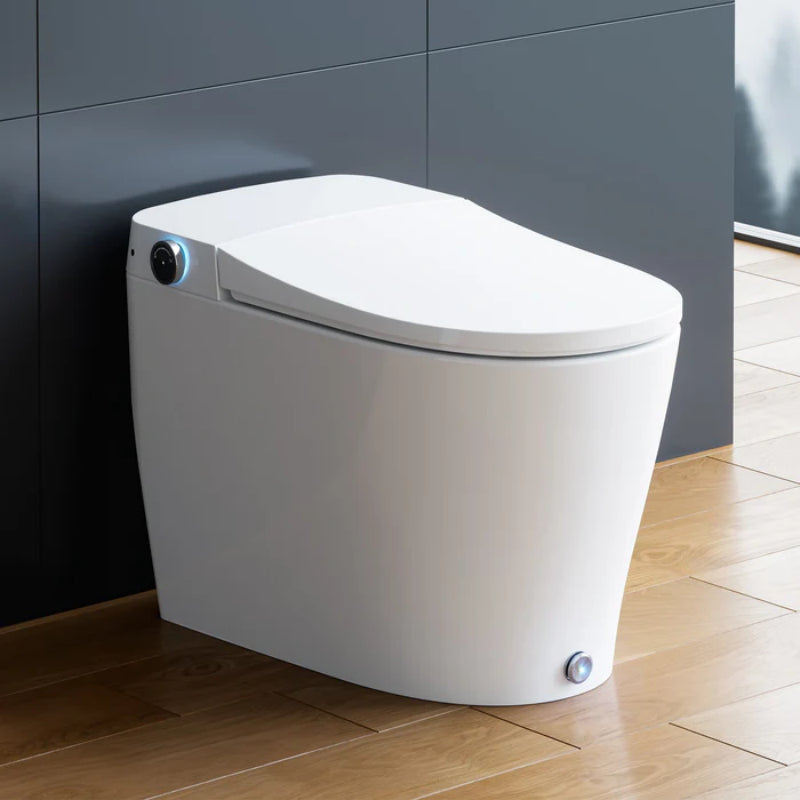
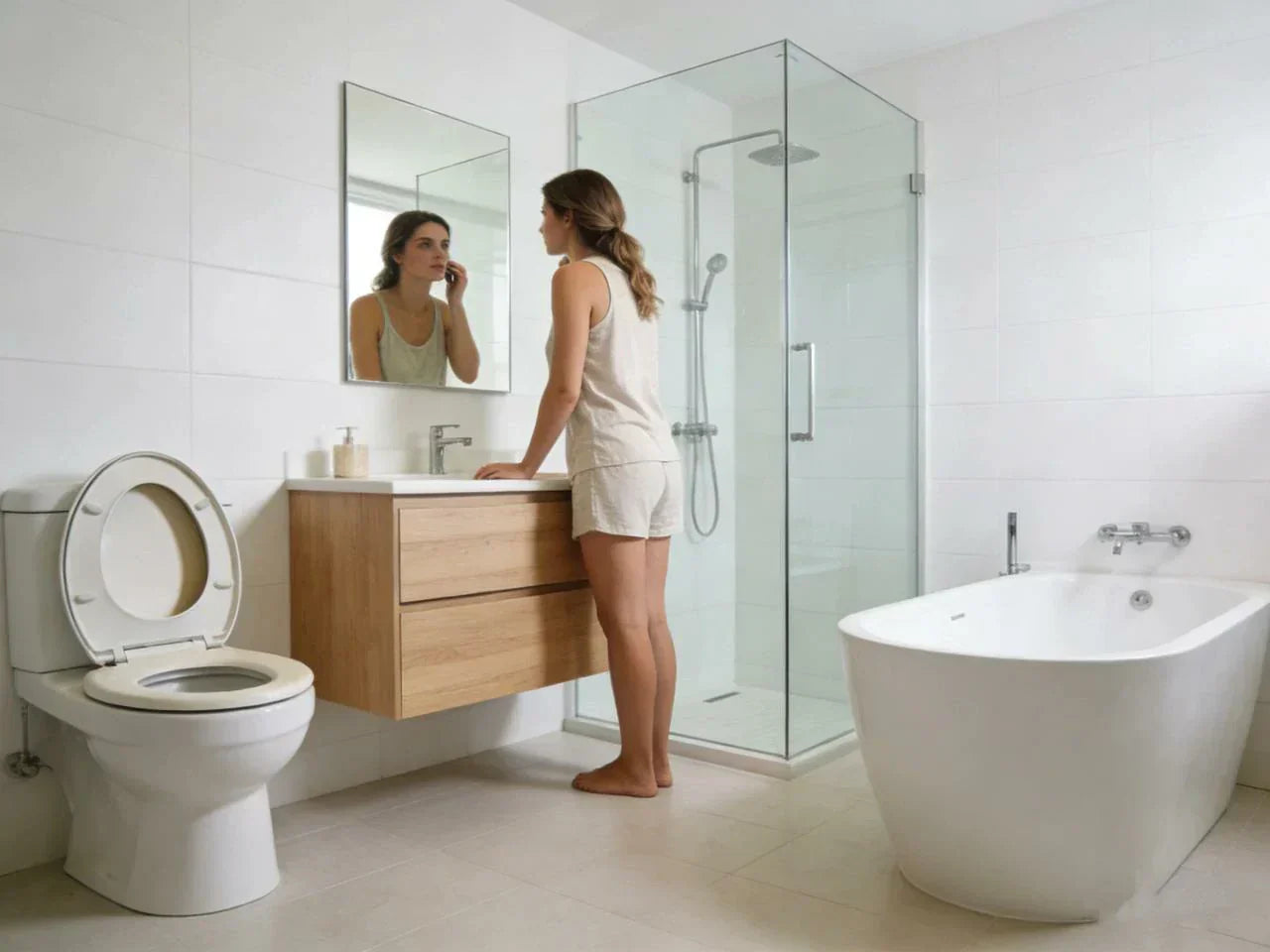
A full bathroom remodel in 2026 sounds simple until you hit the first decision: what counts as a “full” bath, and what’s just a bathroom that feels full? If you get the definition wrong, you can end up surprised at resale time, or halfway through remodeling a bathroom with a plan that doesn’t fit your space or budget.
This guide starts with the basics (definition, cost, layout, steps), then moves into the behind-the-walls work that makes a full bath last.
Quick answers
-
Typical size: According to the National Association of Home Builders, 40–60 sq ft is common, with 40–45 sq ft as the practical minimum for a small full bathroom. 70–110+ sq ft feels large. 110–146+ sq ft can support a spa-style, luxurious bathroom layout.
-
Typical remodel complexity: Higher than a half bathroom because the tub and shower area needs serious waterproofing, ventilation, and plumbing work.
-
Typical cost range (planning bands): Often $10,000–$50,000+, depending on finishes and whether you move plumbing.
-
Typical timeline: Often 4–8+ weeks, with delays caused by permits, hidden damage, or long-lead materials.
What qualifies as a “full bathroom”?
Not all bathrooms are created equal; understanding the differences between full bathrooms is key to planning your remodel. Before we dive into the specific types, let’s take a quick look at what makes a bathroom “full” in real estate terms.
The 4 required fixtures
If you’ve ever heard someone argue about whether a bathroom is “full,” they’re usually talking about one thing: fixtures. In real estate and appraisal language, a full bathroom includes four fixtures: a toilet, a sink, a bathtub, and a shower. A tub/shower combo counts as both the bathtub and the shower, which is why combo units are so common in smaller homes.
This is also why people get tripped up when they renovate. A full bathroom may look nicer and work better after a remodel, but if you remove one of the four fixtures, its classification in real estate listings could change. That shift can matter if it’s the only tub in the home and your buyers expect one.
Full bath vs ¾ bath vs ½ bath
| Bathroom type | What it includes | What it’s missing (common) |
| Full bathroom | Toilet + sink + bathtub + shower (combo allowed) | Nothing |
| ¾ bath (¾ bathroom) | Any three of the four fixtures | Often no bathtub |
| ½ bath (half bath / half bathroom) | Toilet + sink | No tub, no shower |
So what is considered a half bath? To put it simply, it’s a room with a toilet and sink only. No shower. No bathtub. It’s great for guests, but it won’t replace a full bath for daily bathing needs.
Why the definition matters for resale listings
Bathroom counts are often shown in a quick format, like “2.5 baths.” That usually means two full bathrooms plus one half bath. Buyers scan this fast. They may not read the fine print until later.
Here’s the real-life moment this hits: someone falls in love with your walk-in shower upgrade… then asks, “Wait, is there still a tub anywhere for the kids?” If your home now has zero tubs, you might lose a buyer who needed just one bathtub, even if your shower is beautiful.
If you’re remodeling the only full bathroom in a smaller home, pause and ask yourself: Do we want to live tub-free, and will our future buyer be okay with it too?
Full Bathroom vs Half Bathroom: A Comprehensive Comparison
When planning a home or assessing real estate, understanding the differences between bathroom types is essential. Full bathrooms and half bathrooms differ in fixtures, functionality, space requirements, and usage. Here’s a detailed look at both:
Full Bathroom
Definition & Fixtures: A full bathroom includes four key fixtures: a toilet, a sink, a bathtub, and a shower. Sometimes the bathtub and shower are combined in a single unit, which still counts as both fixtures. This type of bathroom provides a complete bathing experience, making it fully functional for all hygiene and bathing needs.
Functionality: Full bathrooms allow residents to shower or soak in a bathtub, offering flexibility for daily routines. They are ideal for families, master bedrooms, or guest suites where full bathing facilities are expected.
Design & Space Considerations:
-
Typically requires more square footage to accommodate all fixtures comfortably.
-
Offers opportunities for enhanced design features, such as separate shower stalls, double vanities, soaking tubs, or luxurious layouts.
-
Can include storage options like linen closets, vanity drawers, or built-in shelves.
Typical Use Cases:
-
Master suites in a home
-
Family bathrooms serving multiple members
-
Guest bathrooms in larger homes where visitors may stay overnight
Pros:
-
Complete functionality for bathing, hygiene, and grooming
-
Can increase property value, especially in homes with multiple bedrooms
-
Supports a variety of design and layout options
Cons:
-
Occupies more space
-
Higher cost for installation and maintenance
-
Requires more cleaning due to multiple fixtures
Half Bathroom
Definition & Fixtures: A half bathroom, also called a powder room, contains only a toilet and a sink. There is no bathtub or shower, which means it cannot serve as a primary bathing space.
Functionality: Half bathrooms are designed for convenience and quick use, primarily for guests or occasional use. They are perfect for areas where adding a full bathroom is impractical or unnecessary.
Design & Space Considerations:
-
Typically very compact, often just enough room for the toilet and a small vanity.
-
Can fit into tight spaces such as hallways, basements, or under staircases.
-
Often designed to be aesthetically pleasing, since these rooms are primarily seen by guests.
Typical Use Cases:
-
Guest bathrooms near living or dining areas
-
Auxiliary bathrooms in office spaces or basements
-
Secondary bathrooms in small homes or apartments
Pros:
-
Cost-effective and quick to install
-
Saves space while providing necessary restroom functions
-
Ideal for guest use without the need for a full bathing setup
Cons:
-
Cannot replace a full bathroom for daily bathing
-
Limited in storage options
-
Less flexible for family living or long-term use
Side-by-Side Feature Comparison
| Feature | Full Bathroom | Half Bathroom |
| Toilet | ✅ | ✅ |
| Sink | ✅ | ✅ |
| Bathtub | ✅ | ❌ |
| Shower | ✅ | ❌ |
| Primary Function | Full bathing, hygiene, grooming | Quick restroom use, handwashing |
| Space Requirement | Larger, typically 40–100+ sq ft | Smaller, often 10–25 sq ft |
| Installation Cost | Higher | Lower |
| Typical Placement | Master suite, family bathroom, guest suite | Near living areas, basement, office, guest use |
| Suitable For | Families, daily bathing needs | Guests, secondary use, compact spaces |
| Impact on Home Value | Can significantly add value | Minimal impact |
Key Takeaways:
-
A full bathroom is a comprehensive bathing space with maximum functionality, often used by families or as a master suite.
-
A half bathroom is a compact, space-saving solution designed for convenience, guest use, or supplemental bathroom needs.
-
Choosing the right type depends on your space, household size, and lifestyle. Homes with multiple bedrooms often combine full and half bathrooms to balance convenience and cost.

Remodel goals & scope
Remodeling a bathroom can mean very different things depending on the type of bathroom you want to create. Understanding the type of project you want to tackle makes it easier to plan, budget, and pick the right materials.
Decide your remodel type
Most people say “bathroom remodel” when they mean very different things. The fastest way to avoid stress is to name the scope before you pick tile.
A cosmetic refresh keeps the layout and most plumbing. Think paint, a new vanity, updated lighting, a new mirror, and fixture swaps at the sink or tub. If your bathroom is functional but dated, this can be the calm, budget-friendly option.
A partial renovation is when the wet zone changes. Maybe the tub is cracked, the surround is failing, or the shower valve is unreliable. You replace the tub/shower, upgrade waterproofing in that area, and retile. This is where costs start rising, because water management is no longer optional.
A full bathroom remodel (a full gut renovation) means you’re rebuilding the room’s systems and surfaces, often down to studs and subfloor. Layout changes, new waterproofing, upgraded electrical, and plumbing changes can all be part of it. If you’ve had leaks, mold smells, soft floors, or years of quick patch repairs, a full renovation is often the smarter long-term call.
Define success based on how you live
A full bathroom is essential because it’s one of the few rooms used in a half-awake rush, in a sick day, and in a quiet “five minutes alone” moment. So what would make your day better?
For daily life, people usually want a shower that heats fast, storage that hides clutter, and surfaces that clean without a fight. If you share one bathroom, you might need a vanity that holds two people’s stuff without taking over the counter. If you have kids, the bathtub question gets practical fast.
For resale, the safest wins are durable finishes, neutral colors, solid ventilation, and a layout that feels easy. A new bathroom can look trendy and still feel “right” if the basics are thoughtful: good light at the mirror, a fan that moves moisture out, and a floor that isn’t slippery.
A quick personal example: I once watched a friend spend extra on a fancy tile pattern, then keep apologizing for the bathroom every time guests came over—because the mirror lighting was dim and shadowy. The room photographed well, but it didn’t work well. In a full bath remodel, function is the part you feel every day.

Full bathroom remodel 2026 cost, timeline, and value drivers
A full bathroom remodel involves more than picking pretty tiles and fixtures. Costs, timelines, and hidden challenges all play a role, so having a clear plan helps keep the project on track and ensures the investment adds real value to your home.
Cost ranges
In 2026, a full bathroom remodel often falls somewhere around $10,000–$50,000+. That’s a wide band because “full” can mean different finish levels, and because moving plumbing can change everything.
If you keep your toilet, sink, and tub in the same places and choose mid-range finishes, you may land in the lower to middle part of that range. If you move plumbing, build a custom shower, tile every wall to the ceiling, or discover water damage during demo, the cost can jump quickly.
The biggest cost drivers tend to be:
-
Moving plumbing (toilet drains and venting are the usual trouble spot)
-
Tile intensity (one shower wall vs full-height tile on every wall)
-
Custom glass and upgraded shower systems
-
Comfort upgrades like heated floors
-
Hidden damage (rot, mold, failing subfloor, old plumbing issues)
A full bathroom includes four fixtures, but you don’t have to replace all four every time. Still, if you open the walls, it’s often smart to update old shutoff valves, replace failing lines, and correct ventilation. Those “invisible” improvements are not exciting to shop for, but they are the reason a bathroom stays solid.
Budget framework (a simple way to plan)
Use a line-item plan so you can see where your money is going and make trade-offs on purpose, not in a panic.
| Cost category | Why it matters | Typical risk if underfunded |
| Demo + disposal | Clears the space safely | Surprise costs if rot/mold appears |
| Rough plumbing | Water supply, drains, valves | Leaks, poor pressure, noisy pipes |
| Rough electrical | Safe outlets, lighting circuits | Bad lighting, unsafe wiring |
| Ventilation | Moisture control | Mold risk, peeling paint |
| Waterproofing | The core of the wet zone | Tile failure, leaks into walls |
| Tile + labor | Biggest visual impact | Lippage, cracked grout, water paths |
| Vanity + top + sink | Storage + daily function | Wasted space, poor durability |
| Tub/shower + fixtures | Bathing experience | Regret, hard-to-clean surfaces |
| Paint + trim | Finish and protection | Mildew and scuffs |
| Contingency | Buffer for unknowns | Project stalls midstream |
A contingency is not “extra.” It’s what keeps a full renovation from becoming a half-finished room when something unexpected shows up.
Timeline expectations (and what causes delays)
A typical full-bath timeline is about 4–8+ weeks once work begins. Some projects go faster, but bathrooms are small rooms with lots of trades. One delay can stop several steps behind it.
The most common delay culprits are special-order materials, permit lead times, hidden damage, and subcontractor scheduling. Another big one is decision timing. If the tile is chosen but the grout color isn’t, the install can pause. If the vanity arrives but the faucet isn’t on site, the sink can’t be set. A bathroom remodel is a chain, so missing links matter.
How much value does a full bath vs half bath add?
People often ask for a single number, but the honest answer is that value depends on your market, your home’s size, and what your home already has. A full bathroom can increase home value more than a half bath when it solves a real problem, like turning a one-bath home into a two-bath home, or adding the first full bath near bedrooms.
A half bath can still add strong value if the home has only one bathroom and guests currently have to use it. Convenience sells. But a full bath tends to feel like a bigger lifestyle upgrade because it supports bathing and daily routines for more people.
If you’re choosing between adding a half bath or upgrading an existing bathroom to a full bathroom, ask: What is missing today that causes daily stress? The best value often comes from removing a pain point buyers will notice right away.
Full-bath layouts & space planning
Planning a full bathroom isn’t just about fitting four fixtures; the bathroom space and how you use it determines comfort, flow, and long-term satisfaction. Full bathrooms offer more comfort, flexibility, and storage options compared with smaller baths. The layout affects comfort, daily flow, and how spacious the room feels, whether you’re working with a compact bath or designing a luxury spa.
Typical full bathroom sizes (what fits in real life)
When planning a remodel, consider sizes and layout carefully. A full bathroom needs enough space for all four fixtures plus safe clearances, door swings, and storage zones. These size bands are common starting points:
-
Minimum: 40–45 sq ft
-
Average: 40–60 sq ft
-
Large: 70–110 sq ft
-
Luxury / spa: 110–146+ sq ft
If you’re working with a small full bathroom, you can still get a layout that feels comfortable, but you’ll need to respect door swings, shower door clearance (if you use glass), and where towels and storage will go.
Five layout archetypes (and who they help)
A compact tub/shower combo full bath is the classic small-home solution. The tub and shower are one unit, so you still meet the “full bathroom includes four” rule without needing extra square footage. If you grew up with one, you know the routine: quick shower on weekdays, bath time when needed.
A standard hall full bath is what many families rely on. It’s usually a tub/shower combo, a single vanity, and a toilet. The win here is durability and easy cleaning. The goal isn’t to impress anyone; it’s to survive real life.
A guest bathroom that’s a full bath is a quiet luxury, even if it’s not huge. If guests can choose a shower or bathtub, the room feels more flexible. In a guest bath, simple choices often age best: clean surfaces, solid lighting, and a fan that clears steam fast.
A master bath leans into privacy and storage, often featuring a larger vanity, separate shower and tub, or tucked-away toilet. This is where you might consider a larger vanity, a separate shower and tub, or a toilet tucked into a more private spot. The aim is less “showroom” and more “easy mornings.”
A spa-style luxury full bath is where space allows a separate walk-in shower and a standalone bathtub, often with calmer lighting and upgraded comfort features. The risk is that spa bathrooms can be expensive to build and maintain if materials are high-care.
Placement logic that makes a bathroom feel better
Even without changing the footprint, placement choices can improve the feel of the bathroom. Grouping wet fixtures often helps keep plumbing runs efficient. A toilet that sits directly in the sightline of the doorway can feel awkward, so many layouts try to angle it away, tuck it beside the tub, or place it in an alcove when space allows.
Also, think about the “wet path.” When you step out of the shower, where does the water drip? If you have to cross the room to reach a towel, your floor will show it. A right layout isn’t just about squeezing fixtures in; it’s about how people move when they’re rushed, tired, or trying not to slip.
2026 full bathroom design trends
2026 bathroom design trends focus on bathroom style that blends aesthetics with comfort and practicality. Trends now focus on warmth, natural textures, and practical upgrades that make the space feel inviting without creating extra work.
Trend buckets (so you can choose without chasing every idea)
In 2026, many bathrooms are shifting toward comfort and warmth rather than sharp, cold looks. You’ll see more spa wellness choices, warmer metal tones, and natural textures that make the bathroom feel less like a utility room.
Spa wellness choices often focus on shower comfort and lighting. People want a shower that feels steady and calming, not a daily annoyance. If you’ve ever fought with fluctuating temperature, you already know why this matters.
Warm modern finishes show up in softer color contrast and materials that feel less stark. This trend can still be timeless if you keep the big items neutral and use the warmer tones in lighting and hardware.
Biophilic touches are about bringing nature into the bathroom in practical ways, like stone looks, wood-look tile, and plants where humidity and light make sense. The key point is to choose finishes that can handle moisture without warping or staining.
Smart bathroom upgrades are growing, but the best ones solve real problems. Humidity-sensing fans and programmable lighting can be more useful than anything that needs constant app attention.
Comfort tech like heated floors can feel luxurious, but it also has a practical side in cold climates. If you hate stepping onto cold tile at 6 a.m., you already understand the appeal.
“Should you do it?” reality checks for common upgrades
A walk-in shower looks clean and modern and can be easier for many adults than climbing into a tub. The downside is splash control and, in some homes, the classification change if you remove the only bathtub. If your home has at least one full bath with a tub elsewhere, a walk-in shower can be an easy yes. If not, it deserves a longer conversation.
Large-format tile can reduce grout lines, which can mean easier cleaning. The trade-off is that floors still need slip resistance, and large tile needs a flatter surface to install well.
Open shelving looks airy, but it often becomes a place where clutter lives. If you know your household tends to leave products out, closed storage may keep the room calmer.
If you’re not sure, ask a simple question: Will this trend still feel good when I’m cleaning it on a Sunday night? That question saves money.
Fixtures & materials selector
Choosing fixtures and materials isn’t just about looks—it’s about how the bathroom works every day. Thinking about toilets, sinks, tubs, showers, and surfaces together helps you avoid costly regrets and ensures the room stays functional for years.
The four fixtures, chosen with the “full” rule in mind
A full bathroom requires a toilet, sink, bathtub, and shower. Many remodel regrets come from choosing one fixture in isolation instead of thinking about how all four work together.
A toilet choice often comes down to comfort height vs standard height and water use. The “best” choice is the one your household will be comfortable using every day, and that fits your clearance needs.
The sink and vanity shape how the bathroom feels. In a tight layout, a bulky vanity can steal walking space, while a too-small vanity can create storage problems that spill onto counters. If you’re debating a double vanity, measure honestly. Two sinks sound great, but in many full bathrooms, a larger single sink with more counter space and storage works better.
A bathtub can be an alcove tub (common in standard layouts), a freestanding tub (often used in larger full bathrooms), or a drop-in. The bathtub is also a water-management decision. Freestanding tubs can look luxurious, but you need enough space around them to clean and to avoid trapping moisture.
The shower choice is where many budgets stretch. A tub/shower combo is efficient and still qualifies as full. A separate walk-in shower can feel like a daily upgrade, but it adds waterproofing and glass decisions that can raise cost.
A simple way to decide between shower or tub options is to think about who uses the bathroom and how each fits daily routines.
Is it a guest bath? A kid bath? A master bathroom used every day? The “right” answer changes.
Surfaces and durability
Bathroom flooring should be water-tolerant and slip-resistant. That matters even more in a full bath because people step out of a tub or shower with wet feet. Wall finishes outside the wet zone can sometimes be paint, but it should handle humidity. Inside wet zones, tile and waterproof wall systems are common because they’re built for direct water exposure.
Countertops should match your habits. If you don’t want to seal stone or worry about stains, choose a surface that’s comfortable for your routine. The goal is not the “perfect” material. It’s the one you’ll still like after a year of toothpaste, makeup, shaving, and hair tools.
Maintenance and lifecycle costs
A full bathroom remodel isn’t only about install day. It’s about what you’ll be scrubbing and resealing later.
Some materials need periodic sealing. Grout and caulk need inspection and touch-ups. Fans collect dust and need cleaning to work well. If you plan for these small tasks, the bathroom stays fresh longer, and you reduce the chance of moisture damage.
Plumbing, electrical, ventilation, and waterproofing
The hidden systems in a bathroom—plumbing, electrical, ventilation, and waterproofing—are what make it work safely and last for years. Planning these elements carefully now prevents headaches, costly repairs, and moisture problems later.
Rough-in planning
Moving a sink supply line is often easier than moving a toilet drain. Toilets rely on specific drain sizes and venting, and the slope of drain lines matters. That’s why moving a toilet across the room can cost more than people expect.
Showers and tubs also involve valve placement and access planning. If a valve fails later, you want a reasonable path to repair without destroying tile. Planning this now can save real money later.
Electrical must-haves
Bathrooms mix water and electricity, so safety is a big deal. Outlets near sinks often need special protection, and lighting should be planned in layers so you can see clearly at the mirror without harsh glare.
If you’ve ever gotten ready in a bathroom with one dim ceiling light, you know the problem. Better lighting doesn’t need to be fancy. It just needs to be placed well.
Ventilation and moisture control
Moisture is the quiet enemy of bathrooms. Without good ventilation, paint peels, grout darkens, and mold can grow. According to the CDC, mold can develop quickly in damp areas and may pose health risks if not properly controlled.
A good fan choice is not only about noise. It’s about moving humid air out. Many people also like humidity timers or controls that keep the fan running long enough after a shower. If your bathroom has a window, it helps, but it usually doesn’t replace a fan for consistent moisture control.
Waterproofing approach
Waterproofing is where a “pretty bathroom” becomes a long-lasting bathroom. The shower and tub zone must be treated like a system: the waterproof layer, the drain setup, the wall transitions, and the penetrations for valves and fixtures all need to work together.
Curbless showers can look sleek and help accessibility, but they require careful planning so water stays where it should. If your home structure makes a curbless entry hard, a low-threshold shower can still improve access without creating constant splash issues.
DIY vs. pro: hiring and managing contractors
Deciding what to tackle yourself and what to hire out can make or break a bathroom remodel. Knowing which tasks are DIY-friendly and which require licensed pros helps protect your home, your budget, and your sanity.
What’s DIY-friendly vs what should be licensed
Some parts of remodeling a bathroom can be DIY if you have the skills and patience. Painting, swapping hardware, changing mirrors, and some simple fixture changes can be realistic for many homeowners.
Work tied to plumbing reroutes, electrical changes, and waterproofing-critical shower installs is often best handled by licensed pros. This isn’t about fear. It’s about risk. A small leak behind tile can cause big damage, and electrical mistakes in a wet space can be dangerous.
If you want a hybrid approach, one practical path is to DIY the tear-out and painting, then hire out rough plumbing, electrical, waterproofing, and tile. But only do this if your contractor agrees up front, because schedules can get messy when responsibilities are split.
Contractor screening
When you compare bids, you want “apples to apples.” Ask what is included in demo, whether waterproofing is specified as a system, how change orders work, and what the timeline assumes about material availability. Also ask about insurance and warranty in plain language.
A good sign is clarity. If someone explains what happens when hidden water damage is found, that’s not negativity. That’s experience.
Preventing scope creep
Scope creep is when the project grows one small decision at a time. It can be as simple as upgrading tile, then upgrading the niche, then upgrading the glass, then adding heated floors, and suddenly your “mid-range remodel” becomes a luxurious bathroom build.
A simple way to control this is to lock your must-haves early and set a deadline for finish selections. If you know your budget limit, keep it visible during decisions. It’s easier to say “no” to an upgrade when you can see what it does to the full plan.

Accessibility & aging-in-place options
Accessibility upgrades can improve comfort and safety without sacrificing style. Thoughtful choices now—like grab bar-ready walls, comfort-height fixtures, and slip-resistant surfaces—make the bathroom easier to use today and prepared for the future. The ADA 2010 Standards provide guidance on how to implement these features without compromising style.
High-impact upgrades that don’t ruin the look
Accessibility can be subtle and still stylish. Even if no one in your home needs it today, these choices can help later and can make daily use easier now.
Blocking in the walls for future grab bars is one of the smartest quiet upgrades. Comfort-height toilets can help many adults. Lever-style handles are easier when your hands are wet or full.
A low-threshold or curbless shower can be a major quality-of-life improvement, but it needs strong waterproofing and thoughtful drainage. Anti-slip flooring is also a big deal, especially in a full bath where water on the floor is more likely.
Make it look intentional
The best universal design doesn’t look “medical.” It just looks like good design. Matching hardware finishes, choosing clean lines, and placing supports where they feel natural can keep the bathroom feeling modern and calm.

Sustainability & water/energy savings
Sustainable choices in a bathroom go beyond being eco-friendly—they save water and energy while keeping the space comfortable and healthy. Small upgrades in fixtures, lighting, and materials can make a big difference over time.
Water-saving without sacrificing comfort
A full bathroom uses a lot of water over time, so small changes can add up. Efficient toilets and water-saving showerheads can reduce use without sacrificing comfort. According to the EPA WaterSense program, properly selected fixtures can cut water usage by up to 20% while maintaining performance. If pressure is already low in your home, choose fixtures carefully so you don’t end up with a shower that feels weak.
Energy choices that matter
LED lighting is a simple win. Efficient ventilation also saves energy in a quiet way, because a fan that clears humidity faster can run for the right amount of time instead of running forever.
Health-forward materials
Bathrooms are small spaces with lots of surfaces. Choosing lower-emission paints and adhesives can make the space more comfortable, especially for people sensitive to smells. Moisture control is also part of health, since damp spaces can support mold growth.
Mini case studies
Real-life examples show how full bathroom rules play out in practice. From compact layouts to upgrades and conversions, these mini case studies reveal the decisions, trade-offs, and planning needed to make a bathroom both functional and appealing.
Compact ~45 sq ft full bath
A small full bathroom can still be “full” on paper and in real life. A typical layout is a tub/shower combo along the back wall, a single sink vanity near the door, and a toilet beside the tub. It’s tight, but it works, and it meets the full bathroom definition because all four fixtures are present.
This is common in smaller homes where adding square footage isn’t an option. The design win often comes from storage and lighting, not from trying to force in oversized features.
¾ bath → full bath upgrade
A homeowner might have a ¾ bathroom with a walk-in shower, toilet, and sink. It functions well for adults, but families often ask for a tub. If space allows, adding a bathtub (even a compact one) can turn it into a full bath.
This is where planning matters. It’s not only “can a tub fit,” but also “can the plumbing and ventilation support the change without awkward compromises?”
Full bath → ¾ bath conversion risk
A common remodel choice is removing a tub/shower combo and installing a larger walk-in shower. The bathroom may feel more modern and easier to use, but now it has a shower, toilet, and sink—so it’s a ¾ bath.
If the home still has at least one full bathroom with a bathtub elsewhere, this change is often fine. If it was the only tub in the home, you may be trading daily enjoyment for a narrower buyer pool later. The right answer depends on your life, your market, and how long you plan to stay.
Maintenance plan after a full bathroom renovation
A newly renovated bathroom looks great, but lasting performance depends on routine care. A clear maintenance plan keeps fixtures, surfaces, and systems in top shape while protecting your investment and future resale value.
A simple schedule that protects your investment
A full bath remodel should last, but only if moisture is managed and small issues are caught early.
Monthly: Look for slow leaks under the sink, check the toilet base for wobble, and notice any new stains on ceilings below the bathroom.
Quarterly: Inspect caulk lines at the tub and shower. Clean the fan cover and make sure airflow feels strong. If the mirror stays foggy for a long time after showers, that’s a clue the ventilation isn’t keeping up.
Annually: Do a deeper grout clean, check for cracked tiles, and reseal surfaces if your material requires it. Also review any warranties while they’re still easy to use.
Protect resale value with paperwork
Keep a folder (digital or paper) with permits (if used), invoices, product specs, and warranty info. If you sell later, this helps buyers feel confident. It can also help you if a part fails and you need a warranty claim.
Key takeaways
A full bathroom includes four fixtures: toilet + sink + bathtub + shower (with a combo counting as both). The best full bathroom remodel 2025 results come from planning in the right order: scope first, then budget, then layout, then behind-the-walls systems, and only then finishes. If you do that, you’re far less likely to blow your timeline, your budget, or your resale flexibility.
FAQs
1. What is considered a full bathroom in real estate?
A full bathroom is basically the complete package—it has a toilet, a sink, a bathtub, and a separate shower. If the bathtub and shower are combined into one unit, like a tub/shower combo, that still counts as having both a tub and a shower. In real estate listings, calling a bathroom “full” usually signals to buyers that it can handle all the basics—bathing, showering, and other personal needs—without having to run to another room. It’s the kind of bathroom most people picture when they imagine a standard family bathroom.
2. What is a full bathroom vs 3/4?
A full bathroom comes with all four main fixtures: toilet, sink, bathtub, and shower. On the other hand, a ¾ bath has three fixtures, which usually means it’s missing the bathtub. Some ¾ baths might have just a shower, a toilet, and a sink, making them slightly smaller or more practical for guest use. Essentially, it’s about how much you can actually do in the space—full baths cover everything, while ¾ baths are a step down in terms of bathing options.
3. What qualifies as a half bath?
A half bath, also called a powder room, only has a toilet and a sink—no shower or bathtub. These are perfect for quick use, like when guests stop by, or for small spaces where a full bathroom just wouldn’t fit. Think of it as the “essentials only” option—everything you need to take care of business, but not for bathing.
4. Should I remove a bathtub if it’s my only full bath?
You really want to think twice before removing a bathtub if it’s the only one in the house. Many buyers, especially families with kids, still expect at least one tub. Removing it could make your home less appealing or lower its resale value. However, if you have another tub elsewhere in the house, taking one out is usually less of an issue. Basically, it’s a balance between modernizing the space and keeping your home functional for everyday life and future buyers.
5. How long does a full bathroom remodel take?
A full bathroom remodel can take anywhere from about 4 to 8 weeks, sometimes even longer. Timing depends on several factors: whether you need permits, how long your materials take to arrive, and if any hidden issues show up once you start demolition—like water damage or plumbing problems. It’s best to plan for a few extra weeks just in case, because bathrooms often hide surprises that slow things down.
References



Leave a comment
This site is protected by hCaptcha and the hCaptcha Privacy Policy and Terms of Service apply.