
If you’re exploring kitchen sink options and facing the choice between an undermount or drop-in model, understanding sink cost is key. If you’re trying to choose the right sink for your kitchen and weighing the cost of undermount vs drop-in., the key is to match the type of sink to your countertop and needs. If you have quartz, granite, or solid-surface counters and you want the easiest counter cleanup—where crumbs and water can be wiped directly into the sink—choose an undermount sink. If you have laminate countertops, a tight budget, or want an easier DIY install, choose a drop-in sink. In most real kitchens, countertop material (a key sink material consideration) decides first, then budget and install risk decide the rest.
A lot of buyers ask if undermount is “better” than drop-in when comparing undermount and drop-in sink options. The honest answer is: undermount is better for some kitchens, not all kitchens. The wrong type of sink can create extra costs, harder cleaning, or even sink and countertop damage.
Decision Snapshot
When deciding between an undermount or drop-in sink, the ease of swapping your sink depends heavily on mount style, a key factor to consider before choosing:
```html id="q4t9x2"
-
Drop-in sinks are generally easy to replace: Also known as a self-rimming sink, this type of sink rests on the counter, so swapping it requires minimal counter work—just removing the old caulk (which maintains the seal between the sink and counter), disconnecting plumbing, and dropping in a new sink that fits the existing cutout. The rim of the sink covers small cutout imperfections, so the sink is installed with less precision.
-
Undermount sinks require precise cutout alignment and proper under-counter support to hold the sink securely; if the original cutout is uneven or damaged, a new countertop may be needed. When an undermount sink is installed, it is attached from below, so the edge of the sink aligns perfectly with the counter for a seamless look. Undermount sinks typically offer a more modern aesthetic that complements contemporary kitchen design and kitchen style.
-
Converting from drop-in to undermount is usually a sink and countertop project: It only makes sense if you have quartz/granite counters (laminate is not ideal) and are willing to pay for professional cutout adjustments and support to install an undermount sink properly.
Choose undermount if you want a cleaner look, faster wipe-down cleanup, and you already have stone or solid-surface counters—undermount sinks offer better impact of sink mounting on countertop hygiene and a sleek finish that elevates your kitchen style.
Choose drop-in if you have laminate, want lower cost of undermount vs drop-in, easier top mount kitchen sink installation, or may replace the type of sink again later. A drop-in sink might be the more practical choice for renters or those with budget remodels.
Avoid undermount if your budget is tight, you want to DIY, or your countertop material is not a good match—undermount sinks require professional installation to avoid issues.
Avoid drop-in if the visible rim of the sink oredge of the sink will bother you every day or you care a lot about a more seamless resale look that aligns with modern kitchen design.
A simple way to think about it:
If cleaning speed matters most, you’ll likely ask which sink is easier to clean? — The answer is undermount, as you can wipe debris directly into the sink.
-
If replacement ease matters most, choose drop-in—drop-in sinks are generally simpler to swap out without counter modifications.
-
If you’re a renter, flipper, or doing a quick budget remodel, lean drop-in—this type of sink is more flexible and affordable.
-
If you’re a long-term owner upgrading a permanent kitchen, lean undermount—undermount sinks offer better durability and aesthetic appeal that complements most kitchen styles.
Here’s what usually matters in real homes: people rarely regret matching the sink for your kitchen to the countertop and budget. They do regret forcing an undermount into the wrong counter or choosing a drop-in when they want a sleek, easy-wipe kitchen that aligns with their kitchen design all along.
Undermount vs drop-in options
Both undermount and drop-in sink styles can work well. The real difference is how the sink is installed and how it interacts with your kitchen style and sink material.
A drop-in sink sits on top of the counter. Its rim of the sink rests on the countertop cutout, so the sink “drops in” from above. This is why it is also called a top-mount sink, andtop mount kitchen sink installation is far simpler for DIYers. Many stainless steel sinks are designed as drop-in models for easy installation.
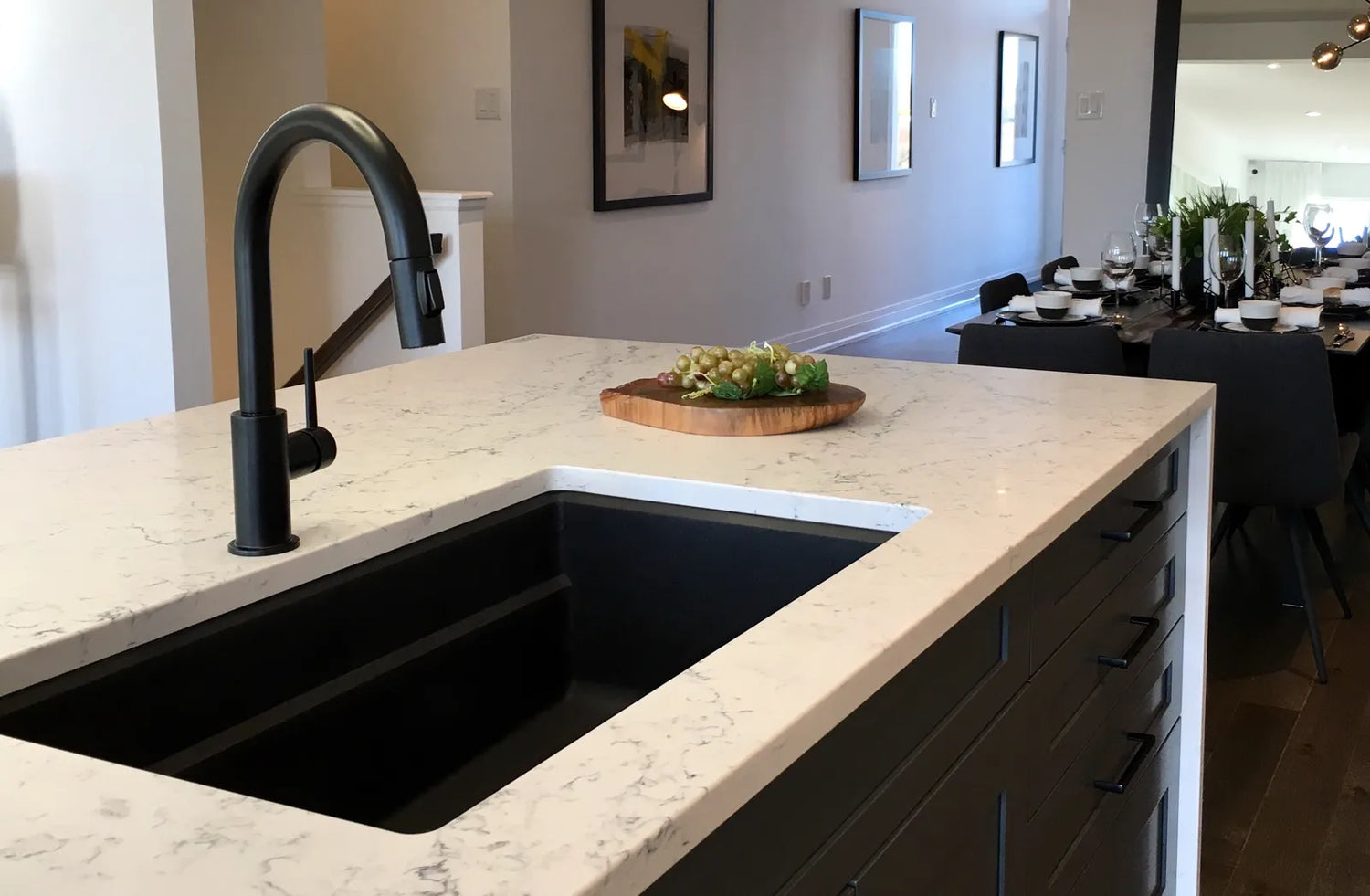
An undermount sink attaches from below the countertop—when an undermount sink is installed, the sink is attached with clips and adhesive to hold the sink securely. The counter edge of the sink stays exposed around the sink basin, so crumbs and water can be wiped directly into the sink without catching on a rim. This design makes undermount sinks offer better hygiene and a cleaner look for modern kitchen design.
That sounds simple, but the choice affects cost of undermount vs drop-in, cleaning (including impact of sink mounting on countertop hygiene), installation, and what countertop materials are safe to use with each type of sink.
Key decision differences
| Factor | Undermount sink | Drop-in sink |
| Best countertop match | Quartz, granite, solid surface | Laminate, wood, tile, stone |
| Upfront cost | Higher | Lower |
| Installation | Pro install strongly preferred | DIY-friendly in many cases |
| Cleaning | Easier counter wipe-in | Rim traps crumbs and grime |
| Counter space | Slightly more usable edge space | Rim takes a little space |
| Look | Seamless, modern | More visible, more traditional |
| Replacement later | Harder, more precise | Easier and more forgiving |
| Risk if installed badly | Higher | Lower |
| Best for resale appeal | Usually yes | Fine, but less premium |
| Best for budget remodels | Usually no | Usually yes |
If you only read one table, read that one. It covers the big buying decision.

Drop-in vs farmhouse
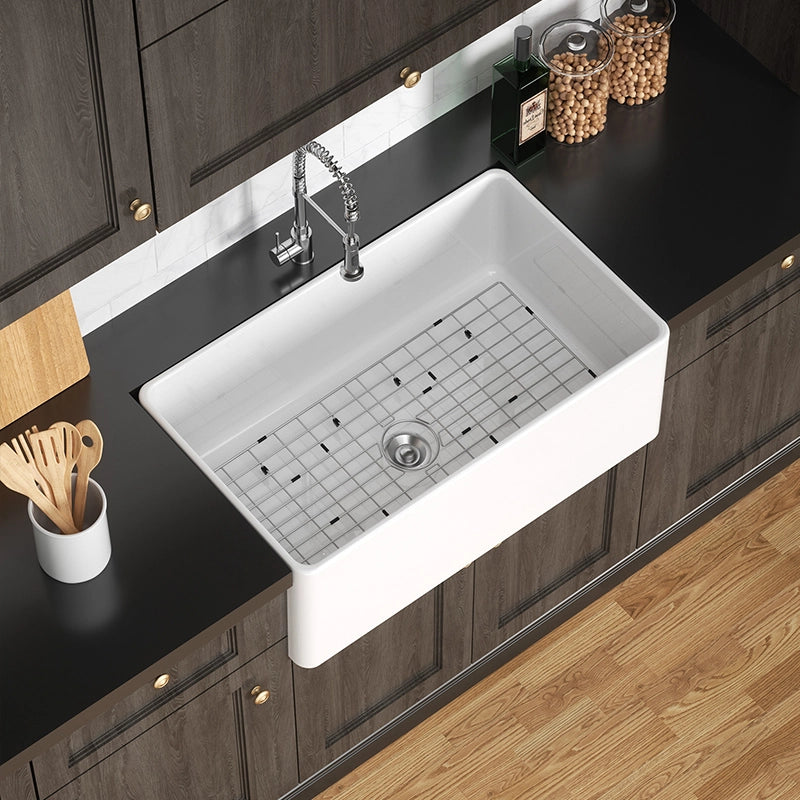
If you use huge pots all the time, you may also wonder about farmhouse sinks. They can be great for heavy cookware because of the deep sink basin and front access, but they often need cabinet changes and cost more to install. For most buyers deciding between undermount vs drop-in kitchen sink, farmhouse is not the first question. Mount style and sink and countertop compatibility matter first,especially when considering kitchen design and budget.
Undermount vs integrated
Integrated sinks are molded into the countertop material, so there is no seal between sink and counter. They can be excellent for a very high-end remodel and easy hygiene(similar to how undermount sinks offer good hygiene), but they cost more and limit future changes to your sink and countertop. If your goal is practical value, this is usually not where to start. Most homeowners are better off comparing undermount and drop-in options first, as they are more flexible and align with most kitchen styles.
Installation trade-offs
The difference between top mount kitchen sink installation and undermount kitchen sink installation is not small, and it directly impacts the cost of undermount vs drop-in.
A drop-in sink is more forgiving because therim of the sink covers small cutout imperfections. That is why when asking which sink is easier to clean? and which is easier to install, drop-in sinks are generally the better choice for DIYers—top mount kitchen sink installation requires minimal precision.
An undermount sink needs precise cutting, stable support to hold the sink, proper clips or bracing, and a reliable seal between the sink and counter. Undermount sinks require this precision because when an undermount sink is installed, the edge of the sink is exposed, so any imperfection is visible. If the opening is off, the reveal looks wrong. If support is weak, the sink might shift or even fall. That is why undermount usually belongs in the “hire a pro” category to install an undermount sink correctly.
Long-term ownership considerations
Both sink styles require regular maintenance to avoid issues over time. For drop-in sinks, plan to reseal or re-caulk the rim every 2–3 years—caulk deteriorates from water exposure, food splatters, and daily use, leading to leaks or mold growth if left unaddressed. Undermount sinks need their under-counter seal checked annually; the adhesive and mounting clips can degrade over 10+ years, especially if the sink is used heavily (e.g., frequent large pot washing).
Common long-term failures include: drop-in sinks developing loose rims (from worn caulk) and undermount sinks shifting or leaking (from failed clips or sealant). Undermount replacement is far more constrained than drop-in: the original countertop cutout must be precise to fit a new undermount sink, and the counter’s support structure (e.g., cabinet bracing) may need inspection or repair. If the cutout is too large, uneven, or the counter edge is damaged, a new countertop may be required—making undermount replacement a costlier, more involved project than swapping a drop-in sink (which simply rests on the counter and can be replaced with minimal counter adjustment).
Which differences really matter?
People often compare sink styles by looks first. In real kitchens, looks matter, but they usually come after four more practical issues.
Comfort, ergonomics, and accessibility
Sink mount style rarely changes core comfort on its own, but it can enhance or hinder usability for specific users. For tall users (5’10” and above), an undermount sink’s rim-free edge reduces the need to hunch over when washing dishes or prepping food, easing shoulder and back strain. Shorter users (5’4” and below) may prefer a drop-in sink: its raised rim provides a slight “ledge” to rest wrists on, reducing arm fatigue during long tasks like hand-washing.
For those with back or shoulder pain, undermount sinks are generally more ergonomic—they eliminate the need to reach over a rim to wipe counters or access the basin, reducing repetitive motion strain. Seated users (e.g., those with mobility impairments) or those planning for aging-in-place will also benefit from undermount sinks: the seamless counter-to-sink transition makes it easier to slide items (e.g., dishes, prep bowls) between surfaces without lifting over a rim.
The only time mount style meaningfully impacts comfort is when paired with counter height: undermount sinks work best with standard counter heights (36 inches) to maintain ergonomic reach, while drop-in sinks can adapt slightly better to lower counter heights (34–35 inches) by adding a rim buffer. For most users, though, sink depth and bowl shape will affect comfort more than mount style—but the right mount can amplify ergonomic benefits.
Countertop material comes first
This is the first filter because it can rule one option out right away.
If you have laminate, a drop-in is usually the safer and smarter choice. The rim covers the cut edge and helps protect the countertop core from water. That is why people searching best sink for laminate countertops undermount or drop-in usually land on the same answer: drop-in wins for laminate.
Can you put an undermount sink in any counter? No. That is one of the biggest misunderstandings. Undermount sinks usually require special countertop materials, or at least the right kind of counter edge and support. They work best with quartz, granite, and solid-surface materials because those materials can handle the exposed sink opening better.
With laminate, the exposed edge around an undermount opening is a weak point. Water gets chances to reach the particleboard or wood core. Swelling and failure can follow. There are some specialty methods for laminate undermount setups, but for most homeowners, that is not the safe default choice.
So if you’re asking, is a drop-in sink better than undermount for laminate counters? In most cases, yes.
Cleaning habits come second
Next, think about how you actually use your kitchen—this will help you answer which sink is easier to clean? and evaluate the impact of sink mounting on countertop hygiene. If you cook often and wipe crumbs directly into the sink many times a day, undermount makes that job easier. There is no raised rim of the sink catching rice, coffee grounds, or sticky sauce. This is why so many buyers ask which sink is easier to clean? when comparing undermount and drop-in sink options. The answer is usually undermount, especially for countertop cleanup, as it supports better impact of sink mounting on countertop hygiene. For kitchen hygiene, the same pattern shows up. An undermount sink has fewer spots where grime sits at the edge of the sink. A drop-in rim of the sink creates a seam and a lip that often collect water, food bits, and old caulk—this requires regular cleaning to maintain impact of sink mounting on countertop hygiene. So for undermount or drop-in sink choices focused on hygiene, undermount has the edge. That said, the sink basin itself still needs normal cleaning. Undermount is not magic. If the seal between the sink and counter is poorly sealed when you install an undermount sink, you can still get moisture problems. But for daily wipe-downs, undermounting is easier in most homes. Proper cleaning and sealing also help maintain good indoor air quality and reduce mold or grime buildup (U.S. EPA, 2024).

Install risk changes real cost
A lot of buyers focus only on sink prices. That misses the bigger picture.
The cost difference between undermount and drop-in kitchen sinks usually includes:
-
the sink itself
-
countertop cutting or fabrication
-
mounting hardware and support
-
labor
-
possible plumbing adjustments
Undermount often costs 25% to 60% more once installation is included. Labor and fabrication can add a few hundred dollars more than a drop-in install. If something goes wrong with a stone cut or the support system, the repair can be expensive fast.
This is why are drop-in sinks better for budget kitchen remodels is usually answered with yes. They are simpler, cheaper, and less risky.
Looks matter more at resale
Some homeowners say they do not care about resale. Then they sell them two years later.
Undermount sinks usually look more current in kitchens with stone counters. Buyers often read them as more upgraded, even if the rest of the kitchen is simple. That doesn’t mean a drop-in kills value. It means undermount often fits the look buyers expect in midrange to higher-end remodels.
If you’re staying long-term, this still matters because the sink is something you use every day. If the raised rim of a drop-in will annoy you every time you clean, that daily friction matters more than the lower upfront price.
Small kitchens benefit more
In a tight kitchen, little details matter more. The rim-free edge of an undermount can make the counter feel slightly more usable. It is not a huge gain, but in a small prep area, every inch helps. Sliding pots and scraps straight into the sink also feels smoother when workspace is limited.
When undermounting is the better choice
Undermount wins when your kitchen setup supports it and your priorities match what it does best.
You have stone or solid surface
This is the biggest green light.
If your counters are quartz, granite, or solid surface, undermount is often the better fit. Those materials can handle the exposed sink cutout, and they match the style buyers usually want from an undermount sink.
For undermount vs drop-in sink for quartz or granite countertops, undermount usually makes more sense unless budget or replacement ease matters more to you.
You want faster cleanup
This is the everyday reason people end up loving undermount sinks.
You can wipe crumbs, flour, onion peels, and water straight into the basin. No rim means fewer stops and less edge scrubbing. In homes that cook a lot, that convenience adds up quickly.
How sink mounting style affects countertop cleaning is simple:
-
Undermount = wipe straight in
-
Drop-in = wipe, then stop at the rim, then lift or push debris over it
That is why many people feel undermount is worth the added cost after living with it for a while.
You plan to stay
If you’re upgrading a kitchen you plan to use for years, undermount makes more sense. The higher upfront cost gets spread across a longer time, and the daily benefits matter more.
This is also why long-term owners often prefer undermount, while short-term remodels lean drop-in. If you will only live there for a year or two, the extra install cost may not feel worth it.
You can pay for pro installation
Undermount is not where most homeowners should try to save by improvising.
People often ask, do undermount sinks ever fall? They can, but usually not because undermount is bad. It happens because the sink was badly installed, poorly supported, or the adhesive and clips failed over time under heavy load.
A proper installation should include:
-
correct support
-
secure mounting system
-
sound countertop material
-
good seal at the sink edge
If you are not ready to pay for that, undermount is often the wrong choice.
When drop-in wins
Drop-in sinks do not get enough credit. In many kitchens, they are the smarter decision.

Laminate makes drop-in safer
If your countertop is laminated, stop here first. A drop-in sink is usually the right answer.
The rim covers the cut edge and helps protect the material below. In real life, kitchen counters get splashed, wiped with wet cloths, and exposed to standing water around the sink. Laminate is much less forgiving when that exposed edge gets wet.
So when people ask when an undermount sink is not a good choice, laminate counters are near the top of the list.
DIY remodels favor drop-in
Which sink type is easier to install undermount or drop-in? Drop-in, by a wide margin.
A drop-in sink is forgiving in ways undermount is not:
-
The rim hides minor cut imperfections
-
the sink supports itself on the counter
-
replacement is easier later
-
Plumbing work is usually simpler to manage
If you are doing your own kitchen refresh, a drop-in sink lets you control cost and avoid expensive fabrication mistakes.

Shared kitchens may prefer easier swaps
In busy family kitchens, the choice between undermount and drop-in is clear once you prioritize your household’s needs—here’s how to decide:
•Choose undermount if: Your shared kitchen is used by adults only (or older kids), daily cleaning speed is a top priority, and you don’t anticipate needing to replace the sink for 10+ years. It works best for long-term family homes where sleek cleanup outweighs easy replacement.
•Choose drop-in if: Your kitchen has frequent kid use, high guest traffic, or rental turnover; you want the flexibility to swap the sink easily if it’s damaged, scratched, or you want a different bowl style; or you prefer a lower-cost option that can be replaced without professional help. Its practicality and easy replacement make it ideal for high-use shared spaces.
Undermount is easier for daily wipe-down cleaning, but drop-in’s flexibility is unbeatable for busy shared kitchens. The key is matching the sink’s replaceability to how often your kitchen’s needs might change.
Replacing drop-in with undermount
A very common question is: can you replace a drop-in sink with an undermount sink?
Sometimes, yes. But it is not a simple sink swap.
You need to check:
-
countertop material
-
cutout size and shape
-
cabinet clearance
-
faucet placement
-
edge condition
-
whether the counter can be fabricated for undermount use
If the existing top is laminate, the answer is usually no, or at least not in a way that makes good financial sense. If the counter is quartz or granite, conversion may be possible, but the cutout often needs adjustment and professional work.
So if you are wondering how to convert a drop-in sink to an undermount, expect it to be more like a mini countertop project than a basic plumbing upgrade.
Pros and cons that matter
Buyers searching undermount vs drop-in kitchen sink pros and cons usually want the trade-offs without the filler. Here they are in plain terms, including pros and cons of undermount sinks and key details about drop-ins.
Undermount pros
Undermount sinks offer several key benefits that make them ideal for many kitchens, especially those focused onkitchen design and hygiene:
-
easier countertop cleanup (wipe directly into the sink)
-
cleaner, more seamless sink and countertop look (complements modern kitchen style)
-
better fit with stone counters (compatible with materials that support undermount sinks require)
-
slightly better use of tight prep space (no rim of the sink taking up room)
-
stronger premium feel for resale (aligns with modern kitchen design preferences)
-
better impact of sink mounting on countertop hygiene (fewer crevices for grime)
Undermount cons
When considering pros and cons of undermount sinks, the downsides are mostly related to cost and installation:
-
it costs more (higher cost of undermount vs drop-in)
-
pro installation is usually needed (to install an undermount sink properly)
-
bad installation can cause expensive problems (leaks from a faulty seal between the sink and counter, or the sink might shift)
-
it is a poor match for many laminate counters (laminate can’t support exposededge of the sink)
-
future replacement is less simple (requires precise sink basin alignment)
Drop-in pros
Drop-in sinks are generally more practical for budget and DIY-focused homeowners:
-
lower total cost (better cost of undermount vs drop-in)
-
easier DIY installation (top mount kitchen sink installation is simple)
-
better fit for laminate (the rim of the sink protects the counter edge)
-
easier future replacement (swap without counter modifications)
-
forgiving cutout and faucet options (minor errors are hidden by the rim of the sink)
Drop-in cons
Drop-in sinks have drawbacks, especially for those focused on hygiene and kitchen design:
-
rim of the sink collects grime and water (hurts impact of sink mounting on countertop hygiene)
-
less seamless sink and countertop look (may feel dated in modern kitchen style)
-
slightly less usable counter edge (the rim of the sink takes up space)
-
can feel dated in a modern stone-counter remodel (doesn’t align with contemporary kitchen design)
Common wrong-choice mistakes
Most sink regret comes from a few predictable mistakes, especially when evaluating undermount or drop-in sink options and cost of undermount vs drop-in.
Forcing undermount on laminate
This is probably the biggest one. Someone loves the look of undermount and the benefits undermount sinks offer, so they try to make it work on laminate. In many cases, it leads to edge of the sink swelling, weak attachment (no proper way to hold the sink), or a result that never looks quite right. Undermount sinks require exposed edges, which laminate can’t support, leading to water damage and poor impact of sink mounting on countertop hygiene.
If your counter is laminate, choose drop-in unless you are replacing the sink and countertop too.
Underestimating install cost
People compare sink offers and sink prices and think the difference is manageable. Then they add fabrication, labor (to install an undermount sink), supports to hold the sink, plumbing changes, and possible countertop edits—all of which add to the cost of undermount vs drop-in.
The key point is this: undermount’s true cost is the full install, not just the sink price—this is a key part of pros and cons of undermount sinks.
Choosing drop-in for a high-end stone remodel
This can still be the right move for budget reasons (better cost of undermount vs drop-in). But if you already paid for beautiful quartz or granite and care about a polished final look that aligns with kitchen design, a drop-in can feel like the compromise you keep noticing. The rim of the sink breaks the seamless sink and countertop look that stone counters are known for.
This is one of those cases where spending less can leave you less satisfied every day, especially if you care aboutwhich sink is easier to clean? and impact of sink mounting on countertop hygiene.
Ignoring maintenance at the rim
Cleaning the edge of the sink and rim of the sink of a drop-in sink is the complaint that comes up again and again. The rim of the sink and caulk line catch grime, which hurtsimpact of sink mounting on countertop hygiene. It is not a disaster, but it does need regular attention—more so than undermount sinks, which undermount sinks offer easier cleaning.
If you hate detailed edge of the sink cleaning, take that seriously before choosing drop-in—this is a key factor when answering which sink is easier to clean?.
Real-life decision examples
Sometimes it helps to see how this plays out when choosing a sink for your kitchen and weighing undermount or drop-in sink options.
Budget kitchen refresh
You have laminate counters, want a new sink fast, and hope to keep the whole project affordable. You may also be doing some of the work yourself. Drop-in sinks are generally the best choice here.
Why? It protects the laminate edge of the sink, lowers install cost (better cost of undermount vs drop-in), and avoids trying to force a premium type of sink (undermount) into a counter that does not support it well.Stainless steel sinks are a great drop-in option for budget remodels.
Long-term quartz remodel
You are replacing old counters with quartz and plan to stay in the home for years. You cook often and want a kitchen that is easy to wipe down (answering which sink is easier to clean?). Choose undermount.
Why? This is exactly where undermount sinks offer the most value. The countertop material supports the exposed sink basin opening (required by undermount sinks require), the style fits the remodel’s kitchen design, and the daily cleaning benefit (wiping directly into the sink) is real. It also boosts the impact of sink mounting on countertop hygiene.
Rental or flip
You want something durable, practical, and easy to replace later. Cost control (better cost of undermount vs drop-in) matters more than a seamless sink and countertop look. Choose drop-in.
Why? It is flexible, cheaper, and easier to service later—drop-in sinks are generally easy to swap if damaged. It also avoids the high cost to install an undermount sink, which is not worth it for short-term use.
Small kitchen with limited prep space
You have stone counters and every inch of workspace matters. You cook often and hate crumb buildup near the edge of the sink (prioritizing impact of sink mounting on countertop hygiene). Choose undermount.
Why? The smoother transition from counter to sink basin makes a small kitchen work a little better every day. Undermount sinks offer more usable counter space (no rim of the sink), and you can wipe debris directly into the sink without wasting space or time.
What to check before choosing
If you’re still unsure which type of sink is right for you, use this order of decisions when evaluating undermount or drop-in sink options.
Start with your counter
Ask:
-
Is my counter laminate, wood, tile, quartz, granite, or solid surface?(This determines if undermount sinks require compatible materials)
-
Can the edge safely support an undermount opening?
-
Am I keeping this counter, or replacing it soon?
This usually narrows the answer fast.
Then set your install budget
Ask:
-
Am I paying for professional fabrication?
-
Can I absorb a few hundred dollars more if needed?
-
Would a mistake here be expensive to fix?
If the budget is tight, drop-in often becomes the safer move.
Then think about daily use
Ask:
-
Do I wipe food scraps into the sink often?
-
Does edge grime annoy me?
-
Do I care more about easy replacement or easier cleaning?
This is where personal habits matter more than design trends.
Then think about timeline
Ask:
-
Am I remodeling for the next 10 years or the next 2?
-
Is this a keeper kitchen or a practical update?
That answer changes how much sense undermount makes.
Final Verdict
Choose an undermount sink if you have quartz, granite, or solid-surface countertops, want faster cleanup, and are willing to pay for professional installation. Choose a drop-in sink if you have laminate counters, a tighter budget, or want the easiest install and replacement path. In most homes, undermount wins for premium permanent kitchens, while drop-in wins for budget practical remodels. If you start with countertop material, you will avoid the most expensive mistakes.
Before You Buy
-
Check your countertop material first.
-
Confirm whether pro installation is required.
-
Price the full installation, not just the sink.
-
Decide how much the rim-free look matters to you.
-
Think about how often you clean around the sink edge.
-
If you have laminate, lean drop-in unless replacing the countertop.
-
Measure cabinet space and faucet clearance before ordering.
FAQs
1. Is undermount better than drop-in?
It really depends on your countertops, budget, and how you use your kitchen. Undermount sinks are better if you have quartz, granite, or solid-surface counters, you want easier cleanup, and you like a sleek, seamless look. Drop-in sinks work better if you’re on a budget, want a simpler install, or you have laminate countertops—they just fit more safely and affordably in those situations.
2. Which sink is easier for DIY installation?
Drop-in sinks are way easier for DIY projects, no question. The rim sits right on top of the counter, so it supports itself and covers up any small mistakes in the cutout. You don’t need super precise cuts or special bracing, which makes the whole install much more forgiving if you’re doing it yourself.
3. Can undermount sinks go with any countertop?
No, they definitely don’t work with every countertop. Undermount sinks perform best with solid materials like quartz, granite, and solid surface, which can handle the exposed edge. They’re usually not a good fit for standard laminate countertops because the exposed cut edge can absorb water and start to swell or break down over time.
4. Do undermount sinks ever fall?
They can come loose or even fall if they’re installed poorly, without enough support, or with weak clips and adhesive. But this is pretty rare with a good professional installation. As long as the mounting system is solid and the counter is in good shape, you shouldn’t have to worry about it failing over time.
5. Can you replace a drop-in sink with an undermount?
Sometimes you can, but it’s not a quick swap—it’s often more like a small countertop project. It only really makes sense if you have quartz or granite counters; laminate is almost never a good candidate. You’ll also need to check the cutout size, cabinet space, and support structure, and you’ll almost always need professional help to adjust the opening and install it correctly.
References


Leave a comment
This site is protected by hCaptcha and the hCaptcha Privacy Policy and Terms of Service apply.