



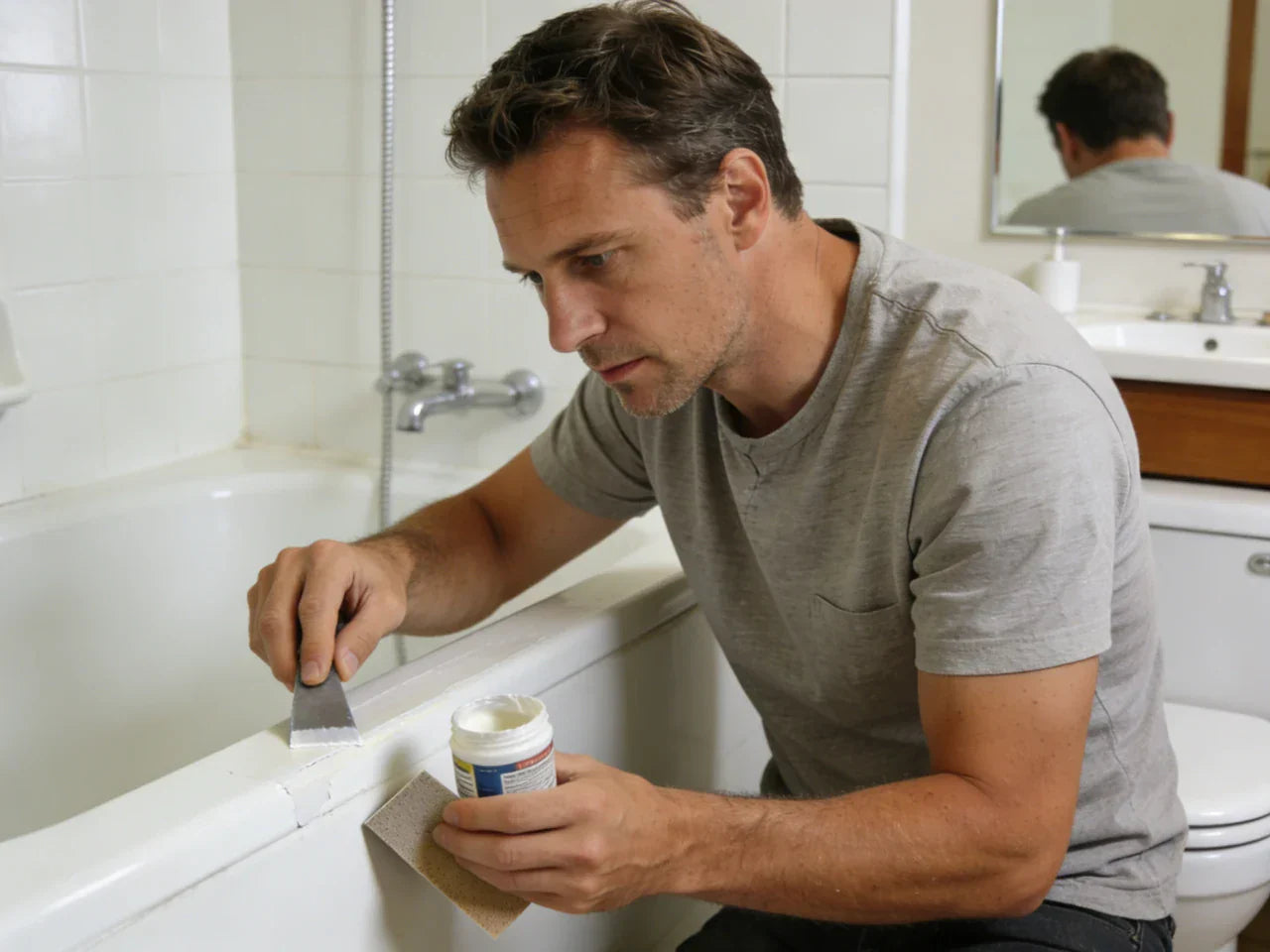
Tub crack repair is about far more than looks. A small crack in a bathtub can turn into a slow leak, hidden mold, and damaged framing before you spot any obvious problem. The good news is that many cracks in fiberglass, acrylic, or porcelain tubs can be repaired safely without a full bathroom remodel. In this guide you will learn how to spot serious damage, decide if you can fix tub cracks yourself, and know when to call a professional. You will also see clear cost ranges, practical repair steps, and smart ways to prevent future cracks. Use this as your step-by-step guide whether you are a DIY fan or comparing local repair services and warranties.
Quick tub crack diagnosis & urgent safety checks
Can a cracked bathtub still be used safely?
A big concern people have is simple: is a bathtub with a crack safe to use? The answer depends on how deep the crack is, how much the tub can flex, and whether water is escaping.
Start with a quick visual scan. Look at the depth, length, and location of the crack. A short, shallow hairline crack in a bathtub surface that does not flex and is not near the drain often stays cosmetic for a while. But a deeper crack that shows dark lines, soft edges, or staining usually means water is getting through the tub surface.
Pay close attention to red-flag signs around the crack and the area below the tub. If the floor feels spongy, if you see staining on ceilings under the bathroom, or if you notice active dripping when someone showers, stop using the tub. Any crack around the drain, overflow, or jets should also be treated as high risk. In these cases the tub is not safe to use until you fix a crack properly or bring in a pro.
How to assess crack severity in 60 seconds
You can get a quick idea of severity in about a minute. First, look closely. A small crack that sits only in the gloss layer and does not catch your fingernail is often superficial wear and tear. It might be a spiderweb mark in the coating, common on older acrylic tubs and fiberglass tubs.
If your fingernail drops into the crack, or if it branches and looks like tiny stress fractures, there is a good chance the damage goes deeper. Deep cracks often have slightly rough or matte edges compared to the glossy rest of the tub.
On fiberglass or acrylic you can use a simple “press and flex” test. With dry hands, press gently around the crack with your palm or fingers. If the tub moves, creaks, or feels soft, the base may not have enough support underneath. That movement is one of the main things that causes a crack and makes it worse over time. Flexing tubs almost always need a more serious tub crack repair, often with reinforcement from below.
Immediate steps to prevent leaks and water damage
If you suspect the tub is leaking, the first move is to keep water away from the damaged area. You can:
-
Stop using that tub or switch to showers in another bathroom.
-
If needed, turn off water to that tub’s faucet until you have a plan.
-
For a very short-term solution, some people tape plastic over a small crack to reduce splashing while they wait for a repair. This is only a temporary measure and not a true fix.
Next, think about what sits under and around your bathtub. Water that seeps through a crack can soak subfloor, wood framing, and insulation. That trapped moisture encourages mold and can weaken the floor. If you see swelling or dark spots on ceilings or walls under the tub, or if there is a musty smell, calling a plumber or contractor before a tub repair specialist can be wise. They can check for active leaks and structural damage so you do not seal in a bigger problem.
Visual guide: tub crack severity chart & repair options
Use this simple chart as a rough starting point. Every home is different, but it helps you choose the right path.
| Crack Type & Location | Suggested Repair Option | Typical Time Needed | Very Rough Cost Range (USD) |
|---|---|---|---|
| Short hairline crack, surface-only, not flexing | DIY repair kit (epoxy/filler) | 1–2 days incl. drying | $20–$60 |
| Small chip on porcelain or enamel surface | DIY chip kit or single-visit pro repair | 1–2 days | $20–$60 DIY / $150–$300 pro |
| Deeper crack on floor of acrylic or fiberglass tub, slight flex | Pro repair with reinforcement, or DIY only if you can stiffen support | 1–3 days | $250–$600 |
| Large crack or small hole near drain/overflow | Professional tub repair or refinishing | 1–3 days | $350–$900 |
| Multiple long cracks, heavy flex, tub feels unstable | Often needs full replacement of tub and possibly surround | Several days to a week | $1,000–$4,000+ |

DIY vs professional tub crack repair: making the right call
What types of tub cracks can you safely fix yourself?
Many homeowners ask, can you repair a crack in a bathtub yourself? In many cases, yes. The best DIY candidates are small cracks, chips, and cosmetic damage that are not caused by major flexing or structural issues.
If the crack is short, does not run across the whole bottom of the tub, and the area around the crack feels firm, you can often use a DIY tub repair kit. These kits usually work well for:
-
Bathtub chip repair on porcelain tubs, steel, or enamel-coated cast iron.
-
Small stress lines or a hairline crack in a bathtub made of acrylic or fiberglass where there is no sign of movement.
-
Minor damage on a shower pan or plastic tub surface with no leaks below.
DIY is also a good fit if you are patient and ready to follow the instructions closely: cleaning, using the right two-part epoxy, sandpaper, and letting the repair cure fully. If you rush, the fix often fails and the crack keeps coming back.
When you absolutely need a professional repair or refinishing
Some problems are not safe or practical to tackle on your own. You should call a professional when you see:
-
A wide, deep crack on the floor of the tub that moves when stepped on.
-
Cracks near plumbing penetrations, the drain, overflow, or built-in jets. A simple patch here can hide a leak and lead to rotten framing.
-
Multiple cracks or blisters that suggest the tub or support underneath is failing.
-
Recurring cracks in the same place after you already tried to fix a crack with a DIY product.
Pros can also handle multi-material issues, such as when the bathtub, tile, and backer board are all susceptible to water damage from one leak. In many older or high-end modern bathrooms, a professional refinisher can make a repaired area blend so well it is hard to see any difference from the original finish.
Pros and cons: DIY tub crack repair vs hiring a pro
Here is a simple comparison to help you choose the right level of repair for your home and budget.
| Factor | DIY Repair Kit | In‑Home Pro Repair | Full Bathtub Refinishing |
| Approx. cost | Low ($20–$100) | Medium ($200–$600) | Higher ($400–$1,000+) |
| Durability | Good if done well on small damage | Very good for most cracks/holes | Very good for surface + cosmetic upgrades |
| Appearance | Can be visible up close, good from a distance | Often hard to see the repair | Tub looks “like new” across whole surface |
| Warranty | Kit warranty only, no labor | Usually 1–5 years on work | Often 3–10 years on coating |
| Time & effort | High homeowner effort, low cash | Low effort for homeowner | Slightly more masking, prep and cure time |
| Risk of failure | Higher if prep is poor or tub flexes | Lower, pro can assess structure | Low, but needs correct care after repair |
For long-term plans, think about home value and future remodels. If you plan to redo the whole bathroom soon, a lower-cost tub crack repair may be all you need to stay safe and dry. If the tub is staying for many years, a professional repair or refinishing may give better value.
How to choose a reputable tub repair specialist
If you decide to hire a pro, spend a bit of time choosing the right one. A good tub repair company should have proper licensing where required, along with insurance that covers your home. Ask to see before-and-after photos of real bathtub repairs, not just stock images.
Ask clear questions about the materials they use. Many pros rely on two-part epoxy systems, fiberglass filler with mesh, and durable top coat finishes like urethane or acrylic coatings. Ask about drying time, how long before the tub is safe to use, and any warranty on both materials and labor.
Reviews can be helpful, but go beyond star ratings. Look for comments about how long the repair has lasted, how clean the crew was, and whether the company honored the warranty when small issues came up. Some regions also have consumer protection or licensing websites where you can search for complaints or enforcement actions.
Tub materials 101: how fiberglass, acrylic & porcelain crack
Common bathtub materials and how to identify yours
Knowing your tub material is key because tub crack repair methods change from one surface to another. Many homes have:
-
Fiberglass tubs and shower pans: light, slightly textured underside, you may see woven strands at an access panel. They sound a bit hollow when you tap them.
-
Acrylic tubs: also lightweight and common in modern bathrooms. The shell is smooth and glossy. Edges often show a thin surface layer over a backing.
-
Porcelain over steel or cast iron: very hard, cold to the touch, and heavy. When you tap them with a knuckle, you hear a sharp “ping” on steel or a dull “thunk” on cast iron.
-
Cultured marble and solid surface tubs: heavier than acrylic, with a consistent thickness and sometimes a subtle pattern all through the material.
A simple magnet test can help: if a magnet sticks strongly, the tub is likely steel under porcelain. If it does not stick and the tub is heavy, it may be cast iron. Checking an exposed underside or plumbing cutout can also reveal if you are working with fiberglass mat or a solid sheet. This matters because the way you fix a crack in plastic tub, fiberglass, or porcelain is not the same.
Why tubs crack: age, impact, flexing, and installation issues
Tubs rarely crack for no reason. Thin, low-cost units made from acrylic or fiberglass are more susceptible to stress if they are not installed on a solid base of mortar or foam. Over time, every time someone steps in, the bottom flexes and tiny stress fractures start to form.
Heavy impact is another cause. Dropping a tool, tile, or even a large shampoo bottle on the tub can chip ceramic or porcelain surfaces and start a crack. Sudden temperature swings – such as filling a very cold tub with very hot water – can also create small fractures, especially on older finishes.
Finally, general wear and tear plays a role. Soap scum and grime buildup hold moisture against the surface. Harsh or abrasive cleaners can thin the protective layer. Over many years this can weaken the tub coating and lead to tiny cracks that slowly grow.
Typical crack patterns by material type
Different materials tend to fail in different ways. On older fiberglass you may see spiderweb cracks in the gelcoat, especially in corners or where the tub often flexes. Some are only on the surface, while others show darker centers that hint at deeper damage.
On acrylic you often see longer, thin linear cracks that run in one direction along the floor of the tub or along the rim. These lines can begin as surface-only marks but can spread as the base flexes.
On porcelain tubs, cast iron, or steel, you are more likely to get chips and small, sharp-edged cracks where the enamel has broken away, sometimes showing metal underneath. If that metal rusts, the damage can grow and stain the surrounding area.
Understanding these patterns helps you judge if a mark is just cosmetic or a sign that the structure is compromised and needs more than a quick patch.
Risks of ignoring small cracks and chips
It is tempting to ignore a small crack or chip, especially if the tub still holds water. But here is what often happens when people put it off. First, water starts to seep through the damaged point and into the layers under the surface. In porcelain-over-metal tubs, that moisture reaches steel or iron and causes rust that swells and pushes more enamel off.
In fiberglass or acrylic, the water can reach the backing and even drip onto the subfloor. Over time, this hidden moisture can feed mold and soften wood. The more the floor softens, the more the tub flexes, and the worse the cracks get. A simple tub crack repair you could have done with a repair kit turns into a need for structural repair.
Insurance and home warranty companies often show case examples where a tiny, ignored hairline becomes a large hole over a few years. Early action is almost always cheaper than waiting.
Step-by-step DIY bathtub crack repair by material
Tools, safety gear & surface prep for all DIY tub repairs
Most DIY tub repair projects use similar tools and steps, no matter the material. A typical kit includes: a two-part epoxy or resin, filler, a small container for mixing, a putty knife, and several sandpaper grits. You may also need masking tape, paper to protect nearby finishes, and a simple cleaner like a non-abrasive bathroom cleaner.
Safety matters. Epoxy and many fillers can release fumes while you work and cure. Good ventilation is important. Open windows, run an exhaust fan if you have one, and avoid breathing dust when you sand the area. Basic safety gear often includes gloves, eye protection, and, for bigger jobs or spraying finishes, a respirator rated for organic vapors.
Before you apply the repair, always clean the area well. Remove soap scum, oils, and buildup with a mild cleaner. Then wipe the area around the crack with rubbing alcohol or acetone to remove any last film. Let the surface dry completely. Good cleaning is one of the top reasons DIY repairs either succeed or fail.
Fiberglass & acrylic tub crack repair (with kits)
If you want to know how to fix a crack in a bathtub made from acrylic or fiberglass, this section walks through a common method many kits use. Always read and follow the directions that come with your specific product, but the basic pattern is similar.
-
Prepare the crack. For deeper cracks, many guides suggest lightly widening it into a shallow “V” shape with a small file or the edge of a utility knife. This gives more room for the mixture into the crack and helps it bond. On long cracks, some pros drill tiny “stop holes” at each end to reduce spreading, but this takes care and is not needed for every repair.
-
Lightly sand the area around the damage with medium-grit sandpaper. This dulls the gloss and helps the epoxy grip. Wipe away dust with a damp cloth, then dry completely.
-
Mix the epoxy or filler. Combine resin and hardener in the supplied tray. Mix until the color looks even. Many kits are based on two-part epoxy or polyester resin.
-
Apply the filler. Use the putty knife to press the mixture into the crack and smooth it out slightly higher than the tub surface. Work around the crack so there are no air pockets.
-
Let it dry. Respect the drying time in the instructions. This may be several hours or overnight. If you rush, the repair can sag or stay soft.
-
Sand and shape. Start with medium-grit sandpaper to remove high spots, then move to finer grits to create a smooth blend with the rest of the tub. Some kits include very fine paper for wet sanding.
-
Finish and polish. Many systems add a top coat or polishing cream to restore a glossy look and better match the original finish.
This method can fix crack in plastic tub units, many fiberglass tub floors, and sidewall cracks that are not moving. If the floor still flexes when someone stands in the tub, add support below (foam or mortar) before or after the repair, or consider a pro. If not, the crack may return.
Porcelain, ceramic & cultured marble chip and crack repair
Porcelain tubs, ceramic tile, and cultured marble have hard, brittle surfaces. Damage often shows up as chips that expose a darker base or metal. Many repair kit products made for these materials use a thick epoxy that can be tinted to match color and sheen.
The general process is similar to acrylic repair but often uses smaller tools. You clean the area, lightly sand the area around the chip to remove loose edges, and then mix a tiny amount of epoxy with hardener. You then apply the repair compound with a small brush or a mini putty knife, building up the missing surface.
After the epoxy cures, you gently sand and polish it so it sits flush. Some kits include a final gloss or matte coat so the repair better matches either a shiny or satin smooth finish. Done well, a chip repair on porcelain or ceramic can last many years and restore both functionality and appearance.
Solid surface and high-end tub repair techniques at home
Higher-end tubs made from solid surface materials can often be repaired too, though they sometimes need brand-specific products. These materials are often the same color all the way through, which makes blending easier if you have the right kit.
The process often involves cutting a neat V-groove along the crack, cleaning it, and filling with a matching solid-surface adhesive or epoxy. After curing, you use step-by-step fine sandpaper grits with water (wet sanding) and then buff the area to match the rest of the tub.
One note of caution: many manufacturers state that unapproved repairs can void a warranty. If your tub is still under coverage, check the documentation or contact the maker to see if they recommend specific methods or contractors.

Inside professional tub crack repair & refinishing services
What to expect during a professional service visit
When a professional tub crack repair technician visits, they will first ask how long the crack has been there and whether you have seen leaks. They may use moisture meters to check walls or ceilings below the tub. They will press on the tub base and sides to feel for flexing and check for any give in the framing.
Next comes prep. Pros will mask off the area with plastic and tape, set up exhaust fans or hoses for fumes, and protect nearby fixtures. They clean the area thoroughly with non-abrasive but strong cleaners and solvents to remove soap scum, oils, and buildup.
For the repair itself, they will often widen and stabilize the crack, add backing if needed, fill it, and then refinish just the repair zone or the entire tub, depending on what you agreed to. Most visits take a few hours of active work plus drying time. Many tubs can be safe to use again within 24–48 hours, though full cure of coatings can take longer. If the crack is too deep, the bottom structure is severely flexing, or the repair keeps reopening, a full bathtub replacement is usually necessary. When replacing a tub, many homeowners choose options that are easier to install and maintain, such as freestanding tubs and deep bathtubs.
Pro-grade materials: epoxies, fillers & topcoats explained
Pros use a range of materials depending on the tub type. Common systems include:
-
Two-part epoxy fillers for deep cracks and holes. These form a very strong bond and can be sanded.
-
Fiberglass mat or cloth with resin for structural reinforcement on fiberglass tub and shower bases.
-
Polyester or acrylic filler compounds for quick-setting patches in low-stress areas.
-
Urethane or acrylic top coat systems applied by spray for bathtub refinishing and resurfacing.
Color matching is a big part of professional work. They may tint primers and top coats or use airbrushing to blend the repaired zone with the rest of the tub. The aim is to make the fix nearly invisible, not just watertight.
Advanced methods for large cracks, holes & leaking tubs
When the damage is more than a small crack, pros turn to advanced repairs. For a long crack or small hole in the floor of a fiberglass or acrylic tub, they may stiffen the base from below with spray foam or rigid supports (if they can access it), then repair the surface from above. Some will add a backing board under the damaged area to cut movement.
Around drains and overflows, they remove and reset plumbing parts as needed so that the repair bonds right to the tub body and not to failing caulk. This reduces the chance of future leak paths. In some severe cases, they may recommend full bathtub replacement instead of repair, especially if the crack is too big or the tub keeps coming back with new damage.
Safety, ventilation & environmental considerations
Professional techs work with coatings that can release volatile organic compounds (VOCs). Good companies follow safety rules like using exhaust systems, respirators, and protective clothing. According to the EPA’s Indoor Air Quality guidance, proper ventilation and source‑control significantly reduce exposure to harmful indoor pollutants. This helps keep your indoor air cleaner while they work.
If you are staying in the home during a refinishing job, ask about low-VOC options and how they will manage fumes and dust, especially if children, pregnant people, or people with asthma are in the home. You can learn more about indoor air quality and chemical use from national environmental agencies that publish home guidance. Waste products like used solvents and sanding dust should be disposed of safely, not rinsed down drains.

Tub crack repair cost, lifespan & replacement comparison
How much does tub crack repair cost?
Prices vary by region and by damage, but you can use these rough ranges for planning:
| Option | Typical Cost (USD) | Notes |
| DIY tub crack repair kit | $20–$100 | Good for chips and small cracks |
| Local pro crack-only repair | $150–$600 | One visit, spot repair only |
| Full bathtub refinishing | $400–$1,000+ | Whole tub surface, cosmetic upgrade |
| Full replacement (tub + surround, basic) | $1,000–$4,000+ | Includes demo, plumbing, new finishes |
Labor rates, access, and location in the home all affect the final bill. A deep crack on a second-floor bathtub over finished living space often costs more than a simple chip in a basement tub.
How long does tub crack repair last?
Lifespan depends on material, method, and how the tub is used. A well-done DIY repair on a small, non-moving crack can last several years. A professional tub repair with reinforcement in a fiberglas or acrylic base often lasts 5–10 years or more under normal use. Full refinishing may have warranties in the 3–10 year range when cared for properly.
Things that shorten lifespan include ongoing tub flex, heavy impacts, standing water left for long periods, and harsh abrasive cleaners. Scrubbing with steel wool, for example, can scratch through a top coat and open the repair up again. Many warranties exclude damage from misuse, harsh cleaners, and continued structural movement.
Repair vs refinishing vs replacement: which pays off?
To compare big-picture value, consider this:
| Option | Upfront Cost | Disruption | Durability (typical) | Appearance | Resale Impact |
| Spot crack repair | Low | Low | Good for the crack | Good, small area | Modest, but protects structure |
| Full refinishing | Medium | Medium | Good across surface | High, like new look | Strong cosmetic boost |
| Full replacement | High | High | Very high, new unit | High, new design | Strong if matched with modern design |
If your tub is in good shape except for a few cracks, repair or refinishing usually gives the best mix of cost and appearance. Replacement makes more sense when the tub is very old, the layout must change, or underlying plumbing is failing.
Interactive tools: crack checker, cost calculator & ROI estimator
Many homeowners like the idea of quick online tools. While you may not have them built into your screen right now, here are useful ideas to look for on service websites:
-
A crack checker where you upload a photo and get feedback on likely severity.
-
A simple cost calculator where you choose material, damage size, and region to get a rough price range.
-
A long-term savings tool that compares the 10-year cost of sealing a crack, refinishing the tub, or replacing it, including risk of water damage.
Even without a fancy tool, you can use the tables above and your own budget to compare options.
Aftercare, cleaning & preventing new tub cracks
Post-repair cure times and first-week do’s & don’ts
Once you fix tub cracks, your job is not done until the repair has fully cured. Most DIY and pro repairs ask you to avoid using the tub for at least 24 hours, sometimes longer. Some coatings reach full strength after several days.
During the first week:
-
Do not put heavy items like ladders or storage bins in the tub.
-
Avoid very hot water that could stress a fresh repair.
-
Do not use mats with suction cups over a repaired area, as they can trap moisture and stress the surface.
Follow any instructions you received from a pro or from your repair kit for best results. Care in this first week can add years to the life of the repair.
Best cleaning practices for repaired and refinished tubs
Gentle cleaning is important if you want the repaired area and rest of the tub to look good for years. Use non-abrasive cleaners and soft sponges or cloths. Many manufacturers recommend pH‑neutral products and warn against powder cleaners, scouring pads, and strong acids or bleach mixes.
A simple weekly routine helps: rinse the tub after each use, wipe down surfaces so soap scum and grime do not build up, and do a deeper clean once a week. Monthly, check the repair zone for any color change or lifting edges. Catching a problem early is easier and cheaper than a full redo.
How to prevent future cracks and structural stress
To prevent future cracks, think about support and loads. If your tub flexes when you stand in it, talk to a contractor about adding foam or mortar support from below if accessible. Solid support underneath is one of the best ways to reduce stress fractures.
Avoid placing sharp or heavy objects in the tub. If you must stand on a ladder or bring tools into the tub area, pad the surface well. Avoid sudden temperature shocks like blasting very hot water into an empty, very cold tub.
Watch for early warning signs such as creaks underfoot, loose tiles around the tub, or hairline marks that seem to grow over time. Taking small action early can keep you away from larger, more expensive repairs.
Safety, mold & moisture monitoring after a repair
Even after tub crack repair, it is smart to keep an eye on the wider bathroom. From time to time, look at the walls and ceilings near and below the tub for discoloration or swelling. If you notice persistent musty smells, peeling paint, or soft drywall, there may still be a moisture problem.
Simple moisture meters or inspection apps can help you track damp spots. If you suspect mold in walls or subfloor, or if a leak has gone on for a long time, consider speaking with a building professional or mold specialist who follows health-based guidelines for cleanup.

Real-world tub crack repair examples & case studies
DIY success stories: small crack, big savings
Many homeowners have had good results fixing minor cracks themselves. One example: a family noticed a hairline mark in the middle of their acrylic tub. The area around the crack felt solid, and there were no stains on the ceiling below. They used a $30 DIY tub repair product, cleaned well with rubbing alcohol, filled the crack with epoxy, and patiently waited for it to cure. Years later, the repair still looks good and the tub does not leak.
Another homeowner saw a thin crack near the corner of a fiberglass shower pan. Instead of waiting, they reinforced the base from below with foam, then used a fiberglass bathtub crack repair kit with mesh inside the crack zone. Because they removed flex and followed each step-by-step direction, the repair held strong.
Professional repairs that saved tubs from replacement
On the professional side, imagine an older fiberglass tub with a long crack near the drain. Replacement would mean tearing out tile, moving plumbing, and losing the bathroom for days. A refinishing specialist reinforced the underside, ground out the crack, filled it with structural resin and fiberglass, and then sprayed a new finish over the whole tub. In the end, the tub looked like new and cost far less than a full remodel.
In another home, a classic cast iron tub had several chips and small cracks in the enamel. The metal underneath was just starting to rust. A pro neutralized the rust, filled the damaged spots with color-matched epoxy, and polished to a smooth finish. The homeowner kept their vintage tub while removing sharp edges and rust risk.
When repairs failed—and what we learn from them
Not every story is a win the first time. Common failure patterns appear again and again in online forums. People often:
-
Skip deep cleaning, so the epoxy sticks to soap scum instead of the tub.
-
Do not let it dry completely or cure for long enough before using the tub.
-
Use the wrong product for the material, such as simple silicone in place of a true tub crack repair compound.
In many of these cases, pros called in later had to grind out the failed patch, dry the inner layers, and start fresh. The lesson is clear: good prep, correct materials, and patience save time and money.
Suggested visual & data references for credibility
For more background on safe chemical use, indoor air, and moisture issues, you can read guidance from national health and environmental agencies, along with technical notes from major tub manufacturers. These sources explain why ventilation, safe cleaners, and proper moisture control protect both your health and your home.
FAQs & quick‑answer section on tub crack repair
1. Can you repair a crack in a bathtub?
Yes — most bathtub cracks can be repaired and can last for years as long as the tub’s structure is stable and the bottom isn’t flexing. The key is using the right materials, such as a two-part epoxy or a fiberglass repair kit—not regular caulk. Keep in mind that if the tub keeps flexing or the base isn’t properly supported, even a perfect repair may reopen. But on many older tubs, a well-done repair often lasts longer than the tub itself.
2. What is the best sealant for a cracked bathtub?
For real crack repairs, the best materials are epoxy resin, acrylic repair compound, or a dedicated fiberglass repair system. These reinforce the structure, unlike silicone, which becomes loose or peels over time. Silicone is only suitable for sealing joints, wall edges, or drains—not for repairing an actual crack.
3. How can I tell if my tub is fiberglass or acrylic?
Check the back side of the tub:
Fiberglass: The backside is slightly rough with visible fabric-like fibers. Tapping sounds hollow and rigid.
Acrylic: The backside is a smooth plastic shell bonded to a backing layer. It feels warmer and slightly more flexible.
Identifying the material matters because the repair method and the types of sandpaper or filler you can use are different.
4. Can I use silicone to repair my bathtub crack?
No. Silicone is only for waterproof sealing; it has no structural strength and cannot close or reinforce a crack. It easily peels, traps moisture, and can even worsen the damage. The correct approach is to reinforce the crack with epoxy or fiberglass first, then apply silicone only if needed for waterproofing.
5. Do plumbers fix cracks in bathtubs?
Some plumbers can handle minor surface damage, but most will first check whether the leak is coming from the plumbing system. If the crack itself needs repair, they usually recommend a bathtub repair or refinishing specialist. Large cracks, flexing bottoms, or color-matching issues are best handled by a professional tub repair technician.
References



Leave a comment
This site is protected by hCaptcha and the hCaptcha Privacy Policy and Terms of Service apply.