




Toilets for modern senior living deliver safer transfers, better hygiene and daily independence for older adults with arthritis or limited movement. Toilets for modern senior living reduce physical strain, while simple upgrades like grab bars or bidet seats work well for minor needs. Opt for smart bidet models for enhanced hygiene, or basic safety fixtures for budget-friendly aging support.
Older adults often want one simple thing from the bathroom: less struggle. Less strain when sitting down. Less twisting to wipe. Less worry about slipping, missing the seat, or needing help.
That is why toilets for modern senior living are not really about “luxury.” In real homes, they are about matching the toilet to the person using it. Sometimes that means a comfort height toilet for easier standing. Sometimes it means a smart toilet with bidet features for elderly hygiene. And sometimes it means not replacing the toilet at all.
Here’s what usually matters in real homes: the best choice is the one that solves the hardest daily problem without creating new ones. A toilet that is too tall, too complex, too expensive, or too hard to install can become a regret fast.
Who These Toilets Make Sense For
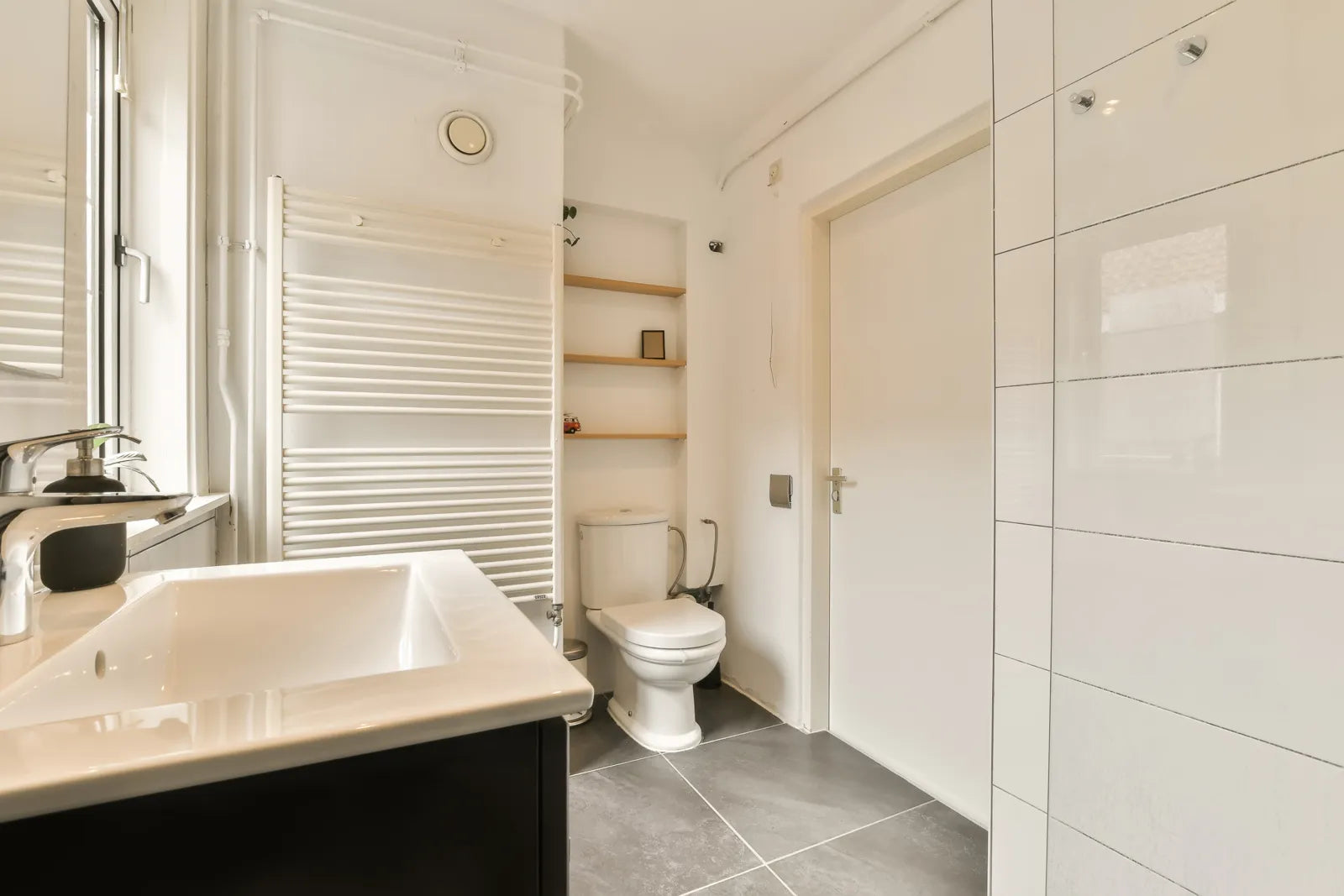
Quality toilets for modern senior living blend accessibility, comfort and smart tech for elderly aging needs.
Decision Snapshot
This works well if:
-
standing up from a low toilet is hard
-
wiping is painful because of arthritis or shoulder limits
-
you want more privacy and less caregiver help
-
you are planning a safe bathroom remodel for aging in place
-
a walker or wheelchair changes how the bathroom must function
This is not ideal if:
-
the current toilet works fine and only minor help is needed
-
the user gets confused by controls or resists new routines
-
there is no nearby power for smart functions
-
the budget is tight and grab bars plus a raised seat would solve most of the problem
-
the bathroom is so small that a full replacement creates fit issues
The key point is simple: buy for the limitation you have now, and the next likely one, not for a list of features.
Best fits by mobility and hygiene needs
If the main issue is standing and sitting, comfort height toilets for seniors with mobility issues usually make the most sense. A seat height around 17 to 19 inches can reduce strain on knees and hips. This is often the first place to start.
If the main issue is personal hygiene, smart toilets with bidet features for elderly hygiene can make a major difference. For many older adults, wiping becomes difficult long before walking does. A bidet can reduce twisting, shoulder strain, and the need for caregiver help.
If the main issue is hand weakness, remote controlled toilets for seniors with limited mobility can help. Large-button remotes or side controls are often easier than reaching behind the toilet or handling small flush levers.
If the main issue is tight space, wall-mounted toilets for accessible senior bathrooms may help with floor clearance, though they are usually a better fit during a larger remodel than as a quick swap.
When simpler upgrades are enough
Not every bathroom needs a full new toilet. In many homes, these lower-cost changes solve the problem well enough:
-
raised toilet seat
-
grab bars in the right transfer spots
-
non-slip flooring or bath mats that do not shift
-
brighter lighting
-
bidet seat added to the current toilet
-
toilet paper holder moved to an easier reach zone
For example, if a parent can sit and stand well once they have a grab bar, a full replacement may not add much. Or if hygiene is the only issue, a bidet seat may do the job without touching the plumbing rough-in.
This matters if you are trying to improve safety without starting a full remodel.
When a full replacement is the wrong move
A new toilet is the wrong first move when the bigger risk is somewhere else. Height alone does not fix slippery floors, poor lighting, weak transfers, or missing support bars.
It is also the wrong move if the user will not learn the controls. Some seniors love touchless flush toilets for seniors with mobility challenges. Others just want one handle that works every time.
In most homes, this becomes a problem when the family buys the “most advanced” toilet before asking how the person actually uses the bathroom.
Which Trade-Offs Matter Most
Balancing smart toilet perks and budget ensures accessible, comfortable senior living bathroom designs.
Independence versus upfront cost
A standard comfort height toilet costs far less than a full smart model. But cost needs to be weighed against daily help, pain, and dignity.
For an older adult who needs frequent help with wiping, a bidet or smart toilet can be worth it because it supports independence. For someone who just wants easier standing, paying for heated water, auto open, and self-cleaning may not make sense.
If one feature removes a daily struggle, the cost can be easier to justify. If five features are “nice to have,” the cost usually feels too high later.
Smart features versus learning curve
This is one of the biggest trade-offs.
Smart toilet features that help seniors maintain independence can be excellent:
-
bidet wash
-
warm water
-
warm air dry
-
heated seat
-
touchless flush
-
self-cleaning
-
auto lid open/close
-
night light
But every added feature creates one more thing to learn. Some older adults adapt in a day. Others never build trust in the system.
Are remote-controlled bidets easy for seniors to use? Often yes, if the remote has large buttons, simple labels, and only a few daily-use functions. Not always, if the control layout is crowded or hidden.
The key point is not “smart” versus “standard.” It is whether the person can use the features without stress.
Comfort height versus bathroom fit
Comfort height sounds simple, but height changes how the whole transfer feels. A toilet that is easier for one person may feel unstable for another, especially if their feet no longer rest well on the floor.
And there is a space question too. Raised toilet options for aging in place bathrooms may add bulk or interfere with nearby walls, vanities, or swing doors.
This matters most in older bathrooms where every inch counts.
Smart toilet or raised seat first?
If the user struggles mainly with low seat height, start by comparing a raised seat versus a comfort height replacement.
If the user struggles mainly with cleaning after use, start by comparing a bidet seat versus a smart toilet.
A raised seat is cheaper and fast to install, but it can feel less stable or less integrated. A full toilet replacement usually looks cleaner and may feel more solid.
A bidet seat is often the smartest first step when you want the hygiene benefits without the cost and installation demands of a one-piece smart toilet.

What Will It Really Cost?
Affordable toilets for modern senior living deliver accessible comfort and practical aging-in-place value.
Budget tiers that change the decision
Here is a practical cost view for most homes:
| Option | Typical product cost | Best for | Main trade-off |
| Raised seat or safety add-on | $30–$200 | Quick height help | Limited long-term feel |
| Comfort height toilet | $250–$700 | Easier standing | No hygiene upgrade |
| Bidet toilet seat add-on | $250–$900 | Better hygiene independence | Needs outlet for many models |
| Smart toilet | $1,000–$4,000+ | Full-feature independence | Highest cost and setup needs |
| Wall-mounted toilet remodel | $1,500–$5,000+ | Tight spaces, full remodels | In-wall work raises cost |
These ranges vary by region and labor rates, but the pattern stays the same.
Installation costs buyers miss
This is where many homeowners get surprised.
Common extra costs include:
-
removing the old toilet
-
replacing the wax ring and supply line
-
Wax ring ensures proper sealing between toilet and flange.
-
Supply line replacement helps prevent future leaks.
-
-
adding or moving a GFCI outlet
-
flooring repair under the old toilet
-
flange repair if the subfloor is damaged
-
wall work for grab bars
-
plumbing relocation in older bathrooms
-
reinforced wall framing for wall-mounted units
ADA compliant smart toilets for senior living often need more planning than people expect because power placement and bathroom clearances matter.
If the toilet needs electricity, do not assume an extension cord is an option. It is not the right solution for a bathroom.
Is a smart toilet worth it?
Sometimes yes, very clearly.
Why are smart toilets good for senior living? Because they can reduce bending, twisting, wiping strain, and awkward reaching. Heated seats also matter more than many buyers think, especially for people with joint stiffness. Warm water and air dry functions can make personal care easier and more comfortable. Touchless flushing reduces one more turn-and-reach movement.
How can a bidet improve hygiene for elderly family members? It can clean more thoroughly with less hand and shoulder effort, which is often the difference between independent toileting and needing help.
A smart toilet is usually worth it when:
-
hygiene is a daily struggle
-
arthritis limits wiping
-
the senior strongly values privacy
-
caregiver help is limited
-
the user can learn simple controls
It is usually not worth it when:
-
the main issue is just seat height
-
the user is uncomfortable with technology
-
the bathroom needs bigger safety fixes first
What costs less over five years?
In a simple five-year view, a comfort height toilet plus grab bars usually costs less than a smart toilet.
But if a smart toilet reduces paper use, caregiver assistance, and repeated add-on purchases, the gap may narrow. Self-cleaning smart toilets for easier senior bathroom use can also cut routine cleaning effort, which matters more in a caregiving household than on paper.
In short:
-
lowest 5-year cost: comfort height toilet + safety upgrades
-
best independence value: bidet seat or smart toilet, if hygiene is the hard part
Which Toilet Type Fits Your Needs?
Premium bidet features elevate bidet benefits for senior hygiene and daily living quality.
Comfort height for easier standing
For many families, this is the safest first answer to “What is the best toilet for an elderly person?” A comfort height model helps seniors stand with less knee and hip effort. It also tends to pair well with side grab bars.
Look for:
-
seat height is around 17–19 inches
-
elongated bowl shape when space allows
-
stable feel with feet supported
-
enough side clearance for transfer help if needed
Comfort height is often the best toilets for seniors with arthritis and mobility issues when hygiene is not the main problem.
Decision line: choose this first if getting up is harder than cleaning up.
Bidet helps for hygiene independence
This is where many homes see the biggest day-to-day improvement.
How bidet toilet seats help older adults with personal hygiene is simple: they reduce the need to twist, wipe, and reach. For older adults with shoulder pain, back pain, obesity, tremors, or limited hand strength, that can be a major quality-of-life improvement.
Useful bidet functions include:
-
adjustable water position
-
adjustable water pressure
-
warm water
-
warm air dry
-
self-cleaning nozzle
-
easy remote or side panel
A heated seat is not just comfort. Benefits of heated seats for seniors include less shock from a cold surface, more relaxed sitting, and less hesitation to use the toilet at night in winter.
Decision line: if personal hygiene has become the hardest part, this feature matters more than flush style.
Remote controls for limited dexterity
Remote controlled toilets for seniors with limited mobility make the most sense when the user has arthritis, hand weakness, or trouble twisting.
The best setups usually have:
-
large buttons
-
clear icons
-
one-touch wash and stop
-
wall-mounted remote in easy reach
-
backup manual flush option
Tiny remotes with too many modes can frustrate people. So can touch panels with dim labels.
This matters if hand pain or poor grip is part of the daily routine.
Wall-mounted models for tighter spaces
Wall-mounted toilets for accessible senior bathrooms can free up floor space and make cleaning easier. They also help in small bathrooms with tight clearances.
But there are trade-offs:
-
more complex installation
-
in-wall carrier system
-
harder and costlier retrofit
-
height must be set correctly during install
Toilets for small senior bathrooms with tight clearances may benefit from wall-mounted designs, but only if the remodel budget and wall structure support it.
Decision line: this is usually a remodel choice, not a quick upgrade choice.


Will Toilets for Modern Senior Living Fit?
Compact toilets for modern senior living adapt to small bathrooms and tight household layouts.
Will this work in a small bathroom?
Sometimes yes, but measure first. Senior-friendly toilet choices fail most often because buyers assume “standard” fit.
Check:
-
rough-in size
-
bowl projection from wall
-
door swing
-
vanity clearance
-
grab bar placement
-
whether a walker can turn near the toilet
Compact toilets can help, but be careful not to give up too much bowl comfort or transfer space.
Clearance needs for walkers and wheelchairs
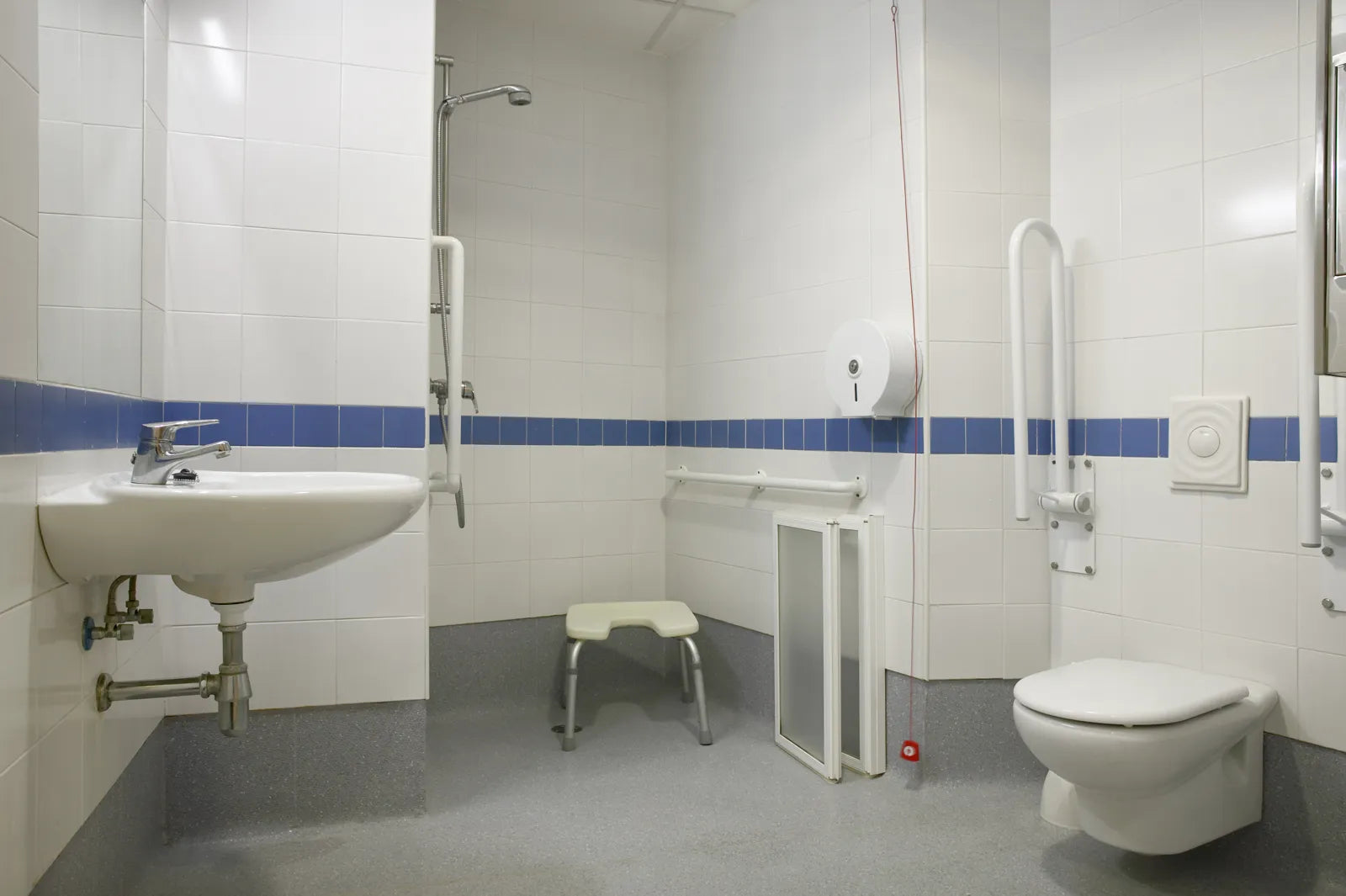
How to choose an accessible toilet for wheelchair users starts with transfer space, not toilet style. The user may need side access, front approach, or room for caregiver help.
At minimum, think about:
-
side clearance for pivot or lateral transfer
-
enough room for walker parking
-
grab bars where hands naturally land
-
toilet paper reachable without twisting
If a wheelchair is involved, the toilet must work with the full bathroom path, not just the footprint at the wall.
Power and plumbing reality check
This is where smart toilets vs standard toilets for elderly accessibility become very different.
Standard toilets mainly need plumbing fit.
Smart toilets often need:
-
a nearby GFCI outlet
-
room for the cord and control unit
-
water supply access that works with the seat or toilet body
-
protection from awkward hose routing
Before ordering, confirm all three:
-
rough-in distance
-
outlet location
That 10-minute check can prevent a costly return.
Renting versus owning changes options
If you rent, permanent remodeling may not be possible. In that case, focus on:
-
raised seats
-
clamp-on or approved support frames
-
non-slip improvements
-
bidet seats if allowed
-
portable lighting changes
If you own the home and plan to age in place, a comfort height toilet with proper bars is often a stronger long-term fix.
This matters because the best technical option may not be the best legal or practical option.
What Safety Features Matter Most?
Full safety upgrades make toilets for modern senior living secure for elderly daily use.
Height alone does not prevent falls
This is one of the most common buying mistakes. A taller toilet can help transfers, but falls still happen if the floor is slick, the user reaches too far, or there is nothing sturdy to hold.
Bathroom design features that improve toilet safety for seniors usually work as a group:
-
proper toilet height
-
grab bars
-
non-slip flooring
-
clear lighting
-
enough approach space
-
easy-to-reach paper and flush controls
In fact, height is only one piece of the transfer.
Grab bars that actually help
Grab bars matter more than many toilet upgrades. They should be placed for real movement, not just code language or appearance.
Good placement often includes:
-
one side bar for sitting and standing
-
rear support when helpful
-
enough length and diameter for a secure grip
-
solid anchoring into framing or approved backing
Many falls happen because the toilet is improved but the transfer path is not.
Decision line: if the user pushes off walls, counters, or unstable towel bars now, grab bars come before premium toilet features.
Touchless flush reduces awkward bending
Touchless flush toilets for seniors with mobility challenges can help because flushing often requires turning, reaching back, or standing before balance is settled.
Touchless flush is especially useful for:
-
people with back pain
-
those using walkers
-
people with poor hand strength
-
anyone with balance issues after standing
It is not essential in every bathroom. But it is one of those features that often sounds minor and feels useful every day.
What helps most with arthritis?
For arthritis, the best toilet setup usually combines several small wins:
-
comfort height for less knee strain
-
elongated bowl for easier positioning
-
bidet wash to reduce wiping
-
large-button remote or side controls
-
heated seat for stiffness
-
touchless flush
-
grab bars close to the natural push-off point
Best toilets for seniors with arthritis and dexterity issues are usually not the “smartest” ones. They are the easiest ones to use with sore hands and stiff joints.
What Happens After Installation?
Custom toilet setups balance independent use and daily caregiver support needs.
Daily use for non-tech-savvy seniors
This matters a lot. A toilet can be perfect on paper and still fail in daily life.
For non-tech-savvy users, setup should be simple:
-
one wash button
-
one stop button
-
one flush method
-
clear seat sensor behavior
-
no hidden menus needed for normal use
The first week matters. If the person has one confusing or uncomfortable experience, they may stop using the features.
A good approach is to set the basics once, then leave it alone.
What happens if smart features fail?
This is a fair concern. Smart toilets have more parts, so they also have more possible failure points than standard toilets.
What to consider before choosing a senior-friendly smart toilet:
-
can it still flush if power is out?
-
is there a manual override?
-
can basic toilet use continue if wash features stop working?
-
who will service it if needed?
-
are filters, nozzles, or parts easy to replace?
In most homes, the safest choice is one that still works as a normal toilet when advanced features are unavailable.
Cleaning and maintenance time
Standard toilets are simple to clean. Smart toilets vary.
Self-cleaning smart toilets for easier senior bathroom use can reduce some cleaning, especially nozzle cleaning and bowl rinsing. But they still need regular wipe-downs and occasional maintenance.
Wall-mounted toilets can make floor cleaning easier because there is open space underneath. One-piece toilets also tend to have fewer grime-catching seams than two-piece models.
If a caregiver does the cleaning, easier-access surfaces matter more than marketing terms.
Caregiver support versus solo use
Think honestly about who will help after installation.
If the goal is solo use, simpler controls and reliable transfers matter most.
If a caregiver helps, then room to assist, clear floor space, and easy cleaning may matter more than auto-open lids or advanced presets.
This matters because the “best” toilet for independent use is not always the best one for shared caregiving routines.

How to Choose Without Regret
Select tailored toilets for modern senior living to meet unique elderly mobility limitations.
Match features to actual limitations
Start with the hardest part of toileting today:
-
hard to sit or stand → comfort height, bars
-
hard to wipe → bidet features
-
hard to twist or reach → touchless flush, remote
-
hard to fit the room → compact or wall-mounted options
-
hard to clean the toilet → one-piece or self-cleaning features
This is how to avoid overspending on features that do not solve the real problem.
Start simple or upgrade now
If the needs are mild and the budget is tight, start simple:
-
grab bars
-
raised seat
-
lighting
-
non-slip floor changes
-
add-on bidet seat
If the person plans to age in place and limitations are growing, upgrading now may prevent doing the bathroom twice.
Safe bathroom remodel ideas for modern senior living work best when they are planned as a system, not one product at a time.
Best checklist before you buy
Before you decide, ask:
-
What is the hardest part right now: sitting, standing, wiping, reaching, or balance?
-
Will the user accept and learn the features?
-
Is there a GFCI outlet nearby?
-
Do we need grab bars first?
-
Is the bathroom large enough for the new bowl and transfer space?
-
Will this help for the next five years, not just today?
-
Can the toilet still work if a smart feature stops?
If you can answer those clearly, you are much less likely to regret the purchase.
Before You Buy
-
Measure the rough-in and bathroom clearances.
-
Decide if the main need is transfer help or hygiene help.
-
Check for a nearby GFCI outlet if considering a bidet seat or smart toilet.
-
Plan grab bars with the toilet, not after.
-
Make sure controls are easy for the actual user to see and press.
-
Confirm the toilet still works simply if power or smart functions fail.
-
Think about who will clean and maintain it.
-
If renting, get approval before making permanent changes.

FAQs
1. What is the best toilet for an elderly person?
Choose best height toilets for elderly comfort and functional toilets for modern senior living, pairing a stable fixture with a grab rail to meet mobility challenges. Weigh a toilet or standard toilet options to prioritize safety, unique senior needs and cost-effective upgrades for reliable aging at home.
2. Why are smart toilets good for senior living?
Easy to use bathroom tech for seniors and smart toilet designs support safe and accessible bathroom remodels, improving quality of life with smart bathroom tech. ADA-compliant units with motion sensors and touchless functions curb germs, easing daily tasks that become challenging among seniors.
3. Are remote-controlled bidets easy for seniors to use?
Remote controlled toilets for accessibility deliver strong usability, with simple controls suited for arthritis and limited dexterity. Minimal complex tech ensures seniors isn’t overwhelmed, letting many seniors personalize settings for comfortable daily bathroom routines.
4. Benefits of heated seats for seniors?
Adjustable seat warmth is a practical built-in comfort feature that eases joint stiffness for aging users. Combined with soft bathroom lighting and anti-slip coatings, it helps older adults maintain independence and steady comfort with everyday bathroom use.
5. Why are Horow smart toilets ideal for senior living?
Horow smart toilets are designed to meet U.S compliant standards for senior living, adapting to tight clearances and small bathrooms. Paired with curbless showers and accessible fixtures, they balance advanced features with simple operation for elderly users.
6. How can a bidet improve hygiene for elderly family members?
Key bidet benefits for senior hygiene reduce strenuous twisting and wiping for those with limited mobility. A bidet toilet seat or built-in bidet boosts daily cleanliness, ensures gentle care and supports long-term wellness for aging family members.
References


Leave a comment
This site is protected by hCaptcha and the hCaptcha Privacy Policy and Terms of Service apply.