



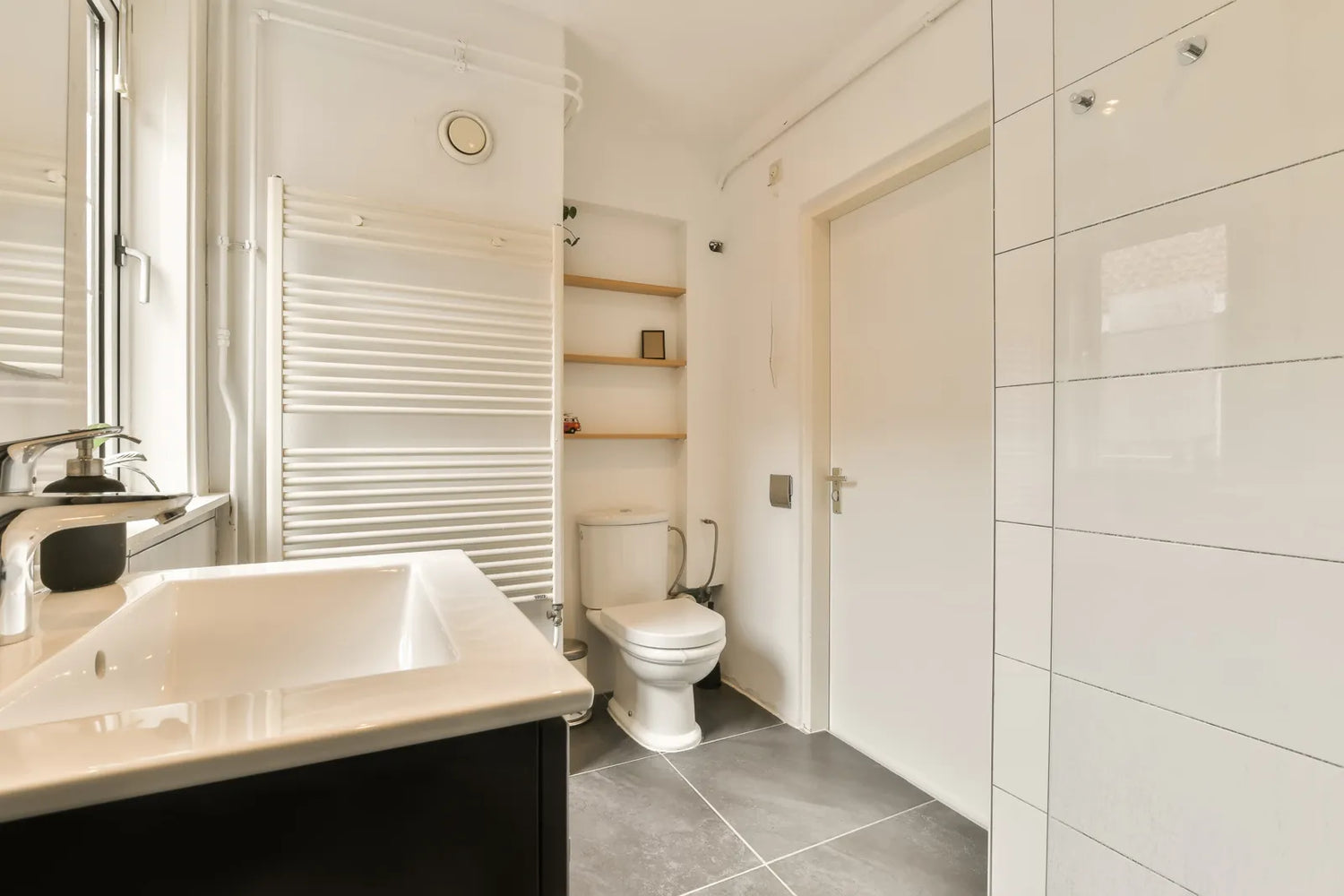
Cheap toilets work for guest baths, short rentals or quick home repairs. Factor in portable toilets, installation costs and 2025 fees, and bargain basement units fail with mobility concerns. Knowing how much does a toilet cost helps you cut costs, as pressure-assisted flushing and smart picks far outweigh the initial expense.
Replacing a toilet feels simple. Every type of toilet and standard two-piece toilet is widely sold; prices can vary from $100 to 500. A portable restroom or basic household model seems practical, yet your toilet you choose impacts long-term home improvement results.
This is where the hidden costs of cheap toilets show up.What you expect to pay covers far more than the fixture alone. Toilets sold cheaply have weak parts; including installation, each toilet typically needs extra hardware. Measured from finished wall to the center, poor sizing causes issues, while higher-end models and American Standard builds reduce the chance of clogs.
Built for basic function, budget units lack night lights and easier to clean designs. Quality upgrades attract more business for contractors, and long-term fees far exceed cheap upfront rates. Always weigh daily use, plumbing health and total ownership cost before buying any toilet.
Are upfront savings actually worth it?
Ignoring toilet quality and long-term durability leads to hidden costs, extra maintenance, and rising water bills over years of daily use.
Cheap price, costly ownership
The hidden costs of buying the cheapest toilet usually don’t show up on day one. They show up in year one, year two, and every time someone says, “Why does this toilet clog so much?”
A low sticker price is attractive because it feels like a clear win. But toilets are one of those fixtures where small quality differences can change daily life. A weak flush means double flushing. A thin seat cracks. A low-grade fill valve starts hissing. A poor seal leaks slowly around the base. None of these costs looks huge by itself. Together, they erase the savings.
This is why cheap toilets cost more in the long run for many homeowners. They don’t always fail in a dramatic way. They cost more through small annoyances, repeat repairs, and wasted water.
$100 vs $500 over five years
Here’s a simple look at the long-term cost of a cheap toilet vs a quality toilet. These are realistic ranges, not promises, because labor rates and water costs vary by area.
| Cost item over 5 years | Budget toilet | Better-quality toilet |
| Purchase price | $100–$180 | $350–$500 |
| Seat and install extras | $40–$120 | $20–$80 |
| Install add-ons or fit issues | $0–$250 | $0–$150 |
| Repairs and replacement parts | $100–$400+ | $0–$150 |
| Extra water use / repeat flushing | $50–$250 | lower |
| Estimated 5-year total | $290–$1,200+ | $370–$880 |
That table explains the problem. The cheap toilet vs high-efficiency toilet total cost can end up being very close. In some homes, the cheap model costs more.
Is a cheap toilet worth it in rentals?
Sometimes, yes. But only in specific cases.
If this is a low-use rental unit, a guest suite, or a property you’ll update later, a budget toilet can be a reasonable move. The key is to avoid the very cheapest build quality. You still want decent internal parts, a common rough-in size, and a water-efficient flush.
For a high-turnover rental or a unit with families, low-end toilet quality vs maintenance trade-offs become much more painful. Frequent clogs and broken seats lead to tenant complaints and emergency calls. One after-hours plumber visit can wipe out all your savings.
This matters if you: are comparing shelf price only. In most homes, ownership cost matters more than purchase cost.
What hidden costs show up after purchase?
Poor budget toilet construction triggers tricky installation issues and unplanned plumber fees that add steep hidden costs over time.
Seat, supply line, and wax ring extras
One of the first surprises is that some toilets do not include everything you need. Homeowners often assume a toilet comes complete. It may not.
Common add-ons include:
-
toilet seat
-
supply line
-
Flexible braided supply lines are commonly preferred for easier installation.
-
Always verify the shutoff valve compatibility before replacement.
-
-
wax ring or wax-free seal
-
closet bolts and caps
-
shims for uneven floors
A cheap toilet can look like a bargain until you add $20 to $60 for a seat, $10 to $25 for a supply line, and more for installation hardware. Why do cheap toilet seats break so fast? Usually because they use thinner plastic, weaker hinges, and less stable mounting hardware.
Flange fixes and rough-in surprises
Installation problems that add to cheap toilet costs often come from the bathroom, not the toilet box. But lower-cost toilets can be less forgiving when the floor is uneven or the flange height is off.
If your flange sits too low, you may need:
-
a flange extender
-
extra sealing parts
-
floor shims
-
more labor to stop rocking and leaks
Rough-in mistakes are another common issue. Most homes use a 12-inch rough-in, but not all do. If you buy the wrong size, the toilet may not fit well, or you may need to exchange it. In a small bathroom, bowl shape and tank design also matter more than many buyers expect.
Hidden plumber fees from weak parts
Hidden plumber fees from low-quality toilet parts are real because plumbers charge for time, not just parts. A $12 fill valve does not stay cheap if the service call is $130 to $300.
How much does a plumber cost for toilet repairs? In many areas, a basic repair visit lands somewhere in that range, with higher rates for urgent or after-hours calls. If a budget toilet needs two service calls in a few years, the “savings” are gone.
Cheap toilets often use lower-grade internal parts:
-
fill valves wear out sooner
-
flappers warp or leak
-
handles loosen
-
tank bolts corrode faster
-
seals dry out or shift
This matters if you: plan to hire out installation or repairs. Labor is where cheap fixtures become expensive.

Will a cheap toilet work in your bathroom?
Choosing a low-quality budget toilet brings hidden installation hurdles and durability issues for unique bathroom layouts.
Older homes trigger install add-ons
Older homes are where bargain toilets often become frustrating. Supply valves may be outdated. The floor may not be level. The flange may sit below finished floor height. Drain lines may not be ideal. A budget toilet may still work, but the chance of add-ons goes up.
Older plumbing also increases the risk that a weak flush underperforms. If your drain system already needs a strong, clean push, a low-end model with marginal flushing power can lead to more clogs and backups.
Small spaces limit budget options
Cheap toilets usually offer fewer size and shape options. In a tight bathroom, you may need:
-
a shorter tank profile
-
a compact elongated bowl
-
a round bowl to save space
-
exact wall clearance
Budget models are often more basic in shape. That can make them harder to fit in powder rooms or small hall baths. So the cheapest toilet on paper may not be the cheapest one that actually fits.
What happens if the floor is uneven?
An uneven floor can turn any toilet install into a more careful job. With lower-end toilets, this matters more because the porcelain base may be less forgiving and the included hardware may be minimal.
If a toilet rocks:
-
the wax seal can fail
-
small leaks can form
-
the bolts can loosen
-
the base can crack over time
Are cheap toilets more likely to leak? In practice, yes, not always because the porcelain is bad, but because the install tolerance is tighter, the seals and hardware may be weaker, and rocking gets ignored. A leak at the base can damage flooring before you notice it.
This matters if you: have an older home, tile floors, or any sign your current toilet does not sit flat.
How much performance are you giving up?
Cutting corners on toilet quality hurts flush power, boosts clogs, and drives up long-term water and maintenance hidden costs.
Weak flushes mean more repeat flushing
Poor flushing performance increases toilet ownership costs in two ways: water use and frustration. A toilet with a weak flush may technically meet water rules per flush, but if you flush twice often, your actual water use goes up.
That is the impact of low-efficiency toilets and low-performance toilets. Even if the gallons-per-flush number looks fine, poor bowl wash and weak waste removal can mean repeat flushing becomes part of daily use.
Do budget toilets use more water? Some do because they are older or less efficient designs. Others use the same rated water per flush as better models but perform worse, so you flush again. Either way, your real-world water use rises.
Are cheap toilets more likely to clog?
Yes, many are.
Are cheap toilets more likely to clog and leak? Often yes, because low-cost models may have:
-
narrower trapways
-
less effective flush design
-
weaker siphon action
-
poorer bowl rinse
-
rougher internal passages
Cheap toilet flushing problems and long-term repair costs often start with clogging. More plunging stresses seals. More overflow events raise cleanup risk. More frustration leads homeowners to replace the toilet earlier than planned.
This doesn’t mean every budget toilet clogs. It means the repair frequency of budget toilets compared to premium toilets tends to be higher when the toilet sees daily family use.
Poor trapways raise repair risk
The trapway is the path waste follows through the toilet. It matters more than most buyers realize. A better trapway tends to be smoother, better shaped, and more effective at clearing waste with less water.
Poor trapway design creates a chain reaction:
-
more partial clogs
-
more aggressive plunging
-
more pressure on seals and connections
-
more service calls
-
earlier replacement
The durability of $100 toilets vs $500 toilets is not just about how long the porcelain lasts. It’s about how well the whole system performs under normal use without constant attention.
This matters if you: have kids, use thick toilet paper, or want the toilet to “just work” every day.
Who should avoid budget toilets entirely?
Certain buyers must skip budget toilets to avoid hidden maintenance issues, weak flush performance and reduced long-term durability.
Large households wear them out faster
A cheap toilet in a one-person guest bath may be fine. The same toilet in a five-person home can become a headache quickly. More flushes mean faster wear on fill valves, flappers, handles, seals, and seats.
Large households also expose weak flushing performance faster. What seems “good enough” in a store becomes annoying after a month of constant use.
Seniors need height and comfort
Many low-cost toilets still come in lower seat heights and smaller bowl formats. For seniors or anyone with knee, hip, or mobility issues, this can be a bad choice even if the price is attractive.
The hidden cost here is not just money. It is comfort, safety, and ease of use. A slightly taller, more comfortable toilet may matter every single day.
Hard water speeds part failures
Hard water is tough on toilet parts. Mineral buildup can shorten the life of fill valves, flappers, and seals. If your area has hard water, maintenance costs of low-end toilets over time tend to rise even faster because the parts are often less durable to begin with.
This is where cheap toilets cost more in the long run in ways buyers rarely expect. You may think the toilet itself is fine, but the internal parts keep needing attention.
Will this hold up with kids?
Kids are hard on toilets. More paper. Partial flushes. Frequent use. Occasional toy accidents. Seat slamming. Handle yanking.
If this bathroom serves children, a better flush and sturdier seat matter. The long-term value of a mid-range toilet becomes much clearer in a family home than in a guest bath.
This matters if you: have four or more people in the home, mobility needs, or hard water.

What will maintenance really cost over time?
Low-quality budget toilets carry ongoing hidden costs, frequent part damage, and rising water bills for long-term homeowners.
Fill valves and seals fail sooner
The most common failures in low-end toilets are usually not dramatic cracks in the porcelain. They are the small internal parts that stop working well:
-
fill valves that run or hiss
-
flappers that leak from the tank
-
seals that let water pass slowly
-
loose handles and trip levers
-
wobbling or broken seats
These are manageable fixes if you like DIY work. But if you hire help, each small failure becomes expensive.
Leak repairs add up quickly
Are cheap toilets more likely to leak? Yes, especially in these ways:
-
tank-to-bowl leaks
-
base leaks from poor sealing or rocking
-
slow tank leaks into the bowl
-
supply line drips after disturbed installation
Even a slow leak matters. It can waste water for months before anyone notices. It can also damage subflooring if the leak is at the base.
A homeowner may ignore a bit of wobble or a faint hiss because the toilet still “works.” That delay is how cheap toilet maintenance costs grow.
Water bills rise with low efficiency
The water bill impact of low-efficiency toilets depends on local rates and how often the bathroom is used. The Environmental Protection Agency notes that older inefficient toilets can use much more water than newer efficient models. In a busy household, that difference adds up.
But there is another layer: poor flushing performance. A toilet can have a low flush rating and still use more water in real life if people double flush often.
So, do budget toilets use more water? Sometimes by design, sometimes through poor performance, and sometimes through hidden tank leaks.
How often do budget toilets need repairs?
There is no fixed timeline, but repair frequency of budget toilets compared to premium toilets is usually higher in family bathrooms and older homes. In practical terms, many homeowners notice issues sooner with low-end models:
-
seat replacement within a few years
-
internal part repairs in the first few years
-
more clog-related service calls
-
earlier full replacement due to annoyance
By contrast, a better-built toilet may go years with little more than routine cleaning and an occasional internal part replacement.
This matters if you: want a low-maintenance bathroom or plan to pay for service instead of doing repairs yourself.
Which toilet gives better long-term value?
Balancing budget and quality reduces hidden costs, optimizes flush function, and maximizes long-term toilet value for homes.
When budget models make sense
A budget toilet can be the right choice if:
-
it is for a guest bathroom
-
the home will be sold soon
-
the bathroom sees light use
-
you are doing the installation yourself
-
the plumbing is straightforward
-
you accept basic comfort and average performance
In that case, the key is not to buy the absolute cheapest box. Buy the least expensive model that still has decent internal parts, a common rough-in, and a good efficiency rating.
When mid-range is the smarter buy
For most owner-occupied homes, mid-range is where value usually lives. You are not paying for luxury features. You are paying for:
-
better flushing
-
more durable internals
-
better seat quality
-
fewer clogs
-
lower leak risk
-
better comfort options
-
lower long-term maintenance burden
That is the real answer to upfront savings vs long-term value in toilet buying. The sweet spot is often not the cheapest toilet or the most expensive one. It is the one that works well for daily life without repeated fixes.
Best features to pay for first
If your budget is limited, spend more on these things first:
-
Reliable flush performance
-
High-efficiency water use
-
Comfort height if needed
-
A better trapway design
-
Better internal parts
-
A sturdier seat
You do not need fancy features for long-term value. You need fewer clogs, fewer leaks, lower water use, and a comfortable fit for your household.
Final checklist before you buy
Before choosing a toilet, think about the bathroom it is going into, not just the shelf tag.
If it is a guest bath with easy plumbing and light use, a budget model may be enough. If it is your main bathroom, an older home, or a high-use family space, paying more often saves money fast.

Before You Buy
-
Measure your rough-in before shopping
-
Check if the toilet includes a seat and hardware
-
Budget for supply line, wax ring, and shims
-
Look at flush performance, not just price
-
Choose water efficiency that works in real use
-
Avoid very low seats if comfort matters
-
Expect older homes to need install add-ons
-
Compare 5-year cost, not only day-one cost
FAQs
1. Are cheap toilets more likely to leak?
Yes, low-end toilets have weak seals, poor flange fit and low-grade parts that trigger slow leaks. These hidden costs stem from cut corners on durable materials, turning quick upfront savings into long-term maintenance and plumb issues for homeowners.
2. How much does a plumber cost for toilet repairs?
Plumber labor rates vary by location, with basic repairs ranging $130–$300 in 2025. Standard installation fixes and fill valve replacements add additional costs, directly impacting the total cost of owning a budget toilet long term.
3. Do budget toilets use more water?
Budget-friendly toilet designs often lack high-efficiency build, with a weak standard flush leading to repeated flushing. Higher water usage raises monthly bills, a key downside of low-efficiency cheap bathroom fixtures over time.
4. Why do cheap toilet seats break so fast?
The cheapest options skimp on quality and sturdy hardware to lower initial price and narrow price range. Basic two-piece toilet parts lack reinforced build, creating potential pitfalls and early damage that adds unexpected replacement costs.
5. What are the most common failures in low-end toilets?
Low-end toilets face frequent clogging, faulty flushing mechanism, worn valves and unstable rough-in fit. This quality vs budget comparison shows poor durability, undermining daily restroom facilities and fixture performance.
6. Is it better to spend more on a smart toilet?
Investing in premium, durable models brings long-term savings that far outweigh upfront cost. Wall-mounted, bidet and heated seat higher-end styles offer perks, while reliable flush, better warranties and mobility-friendly designs make a quality toilet the smart choice.
References



Leave a comment
This site is protected by hCaptcha and the hCaptcha Privacy Policy and Terms of Service apply.