
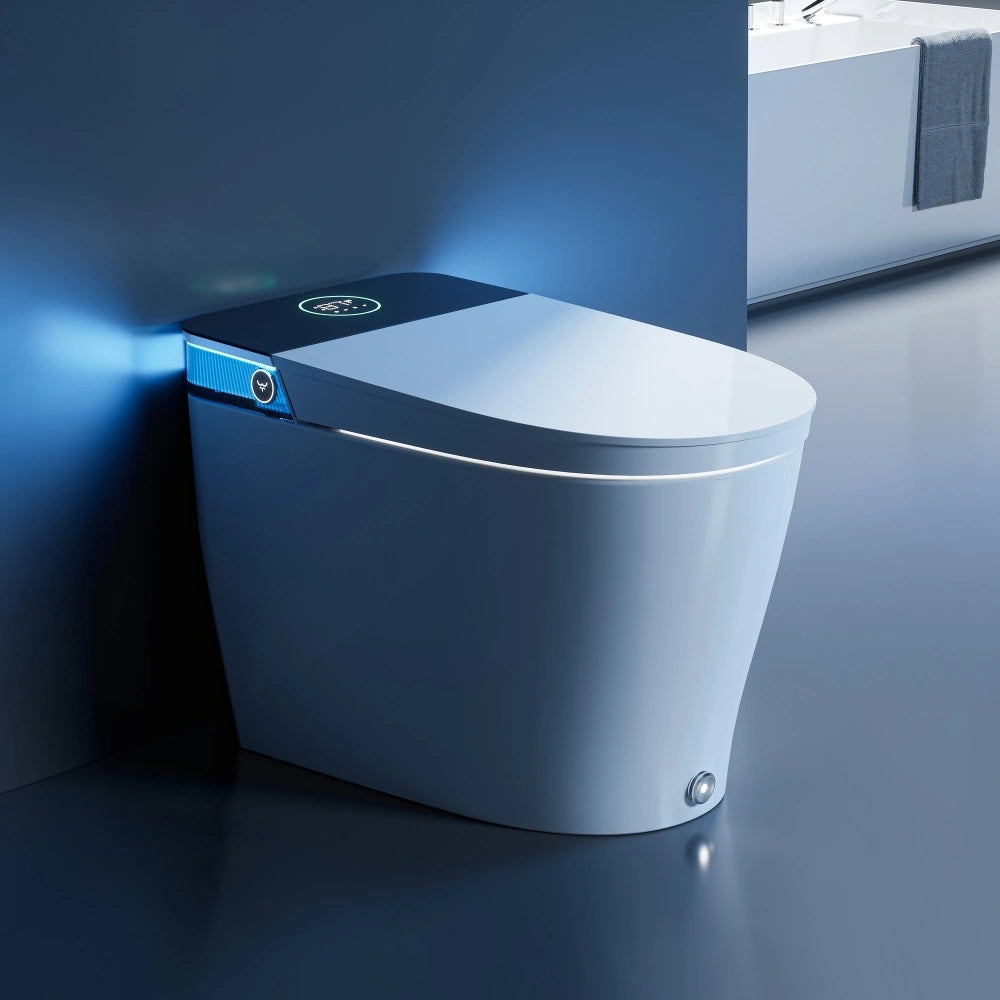
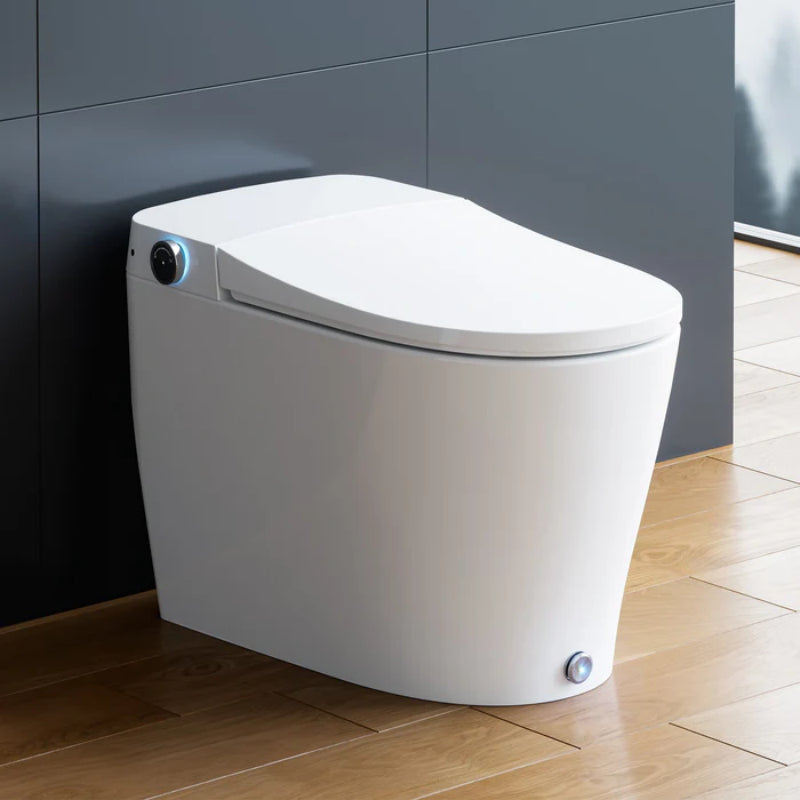

Shopping for a toilet sounds simple until you realize how easy it is to buy the wrong one. This toilet buying guide helps you choose fast—without wasting money on the wrong toilet rough-in, a weak toilet flush, or a model that’s annoying to clean. Most buying mistakes happen when people shop by looks or a familiar name instead of checking fit, flushing performance, water use, and comfort. In the next sections, you’ll start with a 30-second checklist, then measure your bathroom the right way (rough-in, clearances, supply line). After that, you’ll compare different kinds of toilets, learn what performance tests really mean, and finish with cost, accessibility, and a printable checklist you can use before you buy a toilet.
Can a toilet be guaranteed not to clog? No toilet can be guaranteed never to clog. A toilet that is less likely to clog combines a smooth, fully glazed waste path, a flush valve and bowl design that move water efficiently, and model-level performance evidence. The drain line matters too: buildup, a restriction, or poor slope can cause repeat clogs even when the toilet itself is new.
Quick Start: how to pick the right toilet
If you want the short version of how to choose a toilet, start here. This section follows our toilet buying guide principles to help you avoid common mistakes quickly. These items prevent most returns, rework, and “why doesn’t this fit?” moments.
5 non-negotiables before you shop (fit, flush, water, comfort, budget)
- Confirm the rough-in: 10" / 12" (standard) / 14"
- Pick bowl shape: elongated toilet vs round toilet (or compact elongated)
- Choose height: standard height about 14–15" vs comfort height / chair height about 17–19"
- Decide water use: 1.28 gallons per flush (common for high-efficiency toilets) vs 1.6 gallons per flush (federal max for new models)
- Be honest about install reality: DIY swap vs plumber, one-piece weight, and whether a skirted base blocks access to bolts and the shutoff
If you’re wondering, “What do I need to consider when buying a toilet?” this is the core answer: fit first, then performance, then water use, then comfort and cleaning, then the real installed cost.
“If you only do one thing”: measure rough-in + door swing
Rough-in is the distance from the finished wall (not the baseboard edge) to the center of the toilet flange bolts. Door swing matters because a new toilet may project farther into the room than your existing toilet, and a door that bumps the bowl is more common than you’d think.
Tip: Tile, wall panels, and thick baseboards can change what counts as the “finished wall.” When in doubt, measure to the wall surface above the baseboard, then compare that number to the installation spec sheet.
Fast decision tree: small bath vs main bath vs guest bath
Use these quick questions to pick the right toilet “profile.” Read them in order and stop when you get a clear match.
- Is the bathroom tight on space or does the door swing close to the bowl? If yes, favor a round toilet or compact elongated, and check projection depth carefully.
- Is this the main family bathroom with daily heavy use? If yes, prioritize clog resistance, strong bowl rinse, and easy cleaning features.
- Is this a guest bath where people may not know your controls? If yes, keep it simple: a quiet single flush is easier for guests than fancy buttons.
- Is it a basement bath or a spot with older drains? If yes, prioritize drain-line carry and avoid underpowered low settings that lead to repeat flushing.
- Are you planning aging-in-place? If yes, comfort height and easy-to-reach controls matter more than a designer shape.
- Are you trying to cut water use because of local rules or high bills? If yes, target water-saving toilets that are certified for efficiency without giving up performance.
What should I look for when buying a toilet?
Following a toilet buying guide approach, look in this order: fit (rough-in and clearances) → performance (flush strength, clog resistance, bowl cleaning) → water efficiency (GPF and certifications) → comfort and features (height, seat, noise, easy cleaning) → total installed cost (toilet price, parts, labor, future repairs). That order saves the most time because a toilet that doesn’t fit is never a good deal.

Step 1 — Measure Fit: Rough-In, Clearance, Plumbing
This step decides whether a toilet will work in your space. If you skip it, you can end up with a toilet that rocks, leaks, hits the door, or can’t be serviced easily.
How to measure toilet rough-in (10/12/14) the right way
Take a tape measure and find the two closet bolts that hold the toilet down. Measure from the finished wall to the center of the bolts (or the center of the drain if the toilet is removed). That measurement is your toilet rough-in.
Most homes have a 12-inch rough-in, but 10-inch and 14-inch layouts exist, especially in older homes or when a bathroom was remodeled long ago. A 12-inch toilet usually will not fit correctly on a 10-inch rough-in. Sometimes it can be forced, but then the tank may sit too close to the wall, or the toilet base won’t sit right on the floor.
Common mistake: measuring from the baseboard edge instead of the finished wall. That can throw your number off enough to buy the wrong toilet.
Clearance planning: projection depth, side space, door swing
After rough-in, projection is the next big “fit” issue. Projection is the front-to-back depth of the toilet. Two toilets with the same bowl shape can have different projection because tanks and bowls vary by toilet design.
A small bathroom toilet setup can fail because the bowl sticks out and the door hits it, or because the toilet crowds the vanity so your knees have nowhere to go. I once helped a friend swap a toilet in a tiny half bath, and the new elongated bowl looked great in the store. At home, the door stopped two inches short of closing. The toilet wasn’t “bad”—it just wasn’t the right toilet for that room.
For planning, check local building rules for minimum clearances, because the ICC International Plumbing Code specifies required distances at the sides and in front of toilets to ensure comfort and safety (ICC Codes). Following these standards helps prevent installation issues and ensures your toilet layout complies with recognized building safety guidelines.
Identify supply + shutoff placement (skirted toilet considerations)
Look behind the toilet for the shutoff valve and supply line. This matters more than many people expect, especially with a skirted toilet base (a smooth-sided design that hides trapway curves and bolts).
Some skirted toilets look cleaner and can be easier to wipe down, but they may make the mounting bolts and water connection harder to reach. That can turn a simple repair into a frustrating project.
Here’s a direct comparison that helps many homeowners decide:
| Base style | Cleaning benefit | Install/service access tradeoff |
| Skirted base | Fewer curves and gaps to trap dust and splash | Bolts and supply can be harder to reach; plan access before you choose |
| Non-skirted base | Easy access to bolts and supply | More exposed surfaces and edges to clean |
How do I know if my toilet is 10-inch or 12-inch rough-in?
Start with that wall-to-bolt measurement. If you see about 12 inches, you likely have a 12-inch rough-in. If it’s closer to 10 inches, it’s a 10-inch rough-in. If it’s around 14, it’s a 14-inch rough-in.
If the tape lands at something like 11 1/4 inches, don’t guess. Check what you used as the “finished wall.” Baseboards, wall tile, or paneling can change the reference point. When the number is close, it’s smart to compare with the toilet’s spec sheet and allow for the small gap that many tanks have behind them.
Step 2 — Choose the Toilet Type (One-Piece, Two-Piece, Wall-Hung)
Once you know the toilet will fit, the next question is the toilet type. People often ask, “Is a one piece toilet better?” The thing is, toilets come in many shapes and designs, so knowing your priorities first helps a lot.
One-piece vs two-piece toilet: pros/cons by homeowner priority
A one-piece toilet has the tank and bowl molded as one unit. Two-piece toilets have a separate tank and toilet bowl that bolt together. Both can flush well. Both can be reliable. The difference shows up in cleaning, handling, and price.
A one-piece often has fewer seams, so wiping it down is simpler. But it can be heavy and awkward to carry into a bathroom, especially up stairs or around tight corners. A two-piece is easier to move and install because you carry the tank and bowl separately, and it’s often easier to find replacement parts that fit common setups.
If you’re stuck on the question “one or two piece toilet?” this table helps you decide quickly:
| Type of toilet | Typical upfront cost | Cleaning ease | Install complexity | Best fit for |
| Two-piece | Lower to mid | More seams and edges | Easier to carry and position | Straight replacements, budget-focused projects |
| One-piece | Mid to high | Easier to wipe down | Heavier; may need help | Easy-clean priority, modern look |
| Wall-mounted toilet (wall-hung) | High | Easiest floor cleaning | Highest complexity; in-wall carrier | Remodels, modern style, floor access for cleaning |
So, is a 2 piece toilet better than a 1 piece? If your top priority is easy carrying, easier tank access, and often lower price, two-piece can be better. If your top priority is simpler cleaning and fewer seams, one-piece can be better.
Wall-hung toilets and in-wall tanks: when they make sense
A wall-mounted toilet hangs off a carrier inside the wall, with the toilet tank hidden behind the finished surface. People love these because cleaning the floor is easy, and the bowl height can be set where you want during a remodel.
The tradeoff is real, though. This is not a simple swap for most homes. It usually needs framing work, a strong in-wall carrier system, and a planned access point for service. If you’re doing a full remodel, it can be a great choice. If you’re just replacing an old toilet because it leaks, this type often pushes cost and scope far beyond what you expected.

Smart toilets + integrated bidets: feature tiers and tradeoffs
Smart models range from a basic bidet attachment to a full Japanese toilet-style setup with warm water, a heated seat, air drying, and deodorizing. Many people start with a bidet toilet seat because it provides additional comfort features without requiring a complete toilet replacement.
Before you choose smart features, confirm you have safe power. Many advanced seats need a nearby outlet, and in bathrooms that often means a protected outlet style that matches local electrical rules. Also think about who will use the bathroom. A guest might not want to guess which button to press, while a main bath for adults might be the perfect place for extra comfort.
Case snapshot: remodel vs replacement (what changes the decision)
A replacement is usually about matching what you already have: same rough-in, similar footprint, minimal surprises. A remodel gives you freedom to change layout, height, and even go wall-hung. That’s why the same toilet that feels “too expensive” for a quick replacement can feel reasonable during a remodel where walls and floors are already open.
Step 3 — Flush Performance: How to Choose a Toilet That Is Less Likely to Clog
A toilet can look great and still be a daily headache if it clogs, leaves streaks, or doesn’t properly flush toilet waste in one go. The goal is simple: remove solid waste reliably, move waste through the drain line, and rinse the bowl well.
Gravity flush vs pressure-assisted: power vs quiet (and who should choose what)
Most homes use gravity. Gravity systems rely on water dropping from the tank into the bowl to start a siphon that pulls waste through. They tend to be quieter and have fewer special parts.
Pressure-assisted toilets use pressurized air or a sealed system to push water with more force. They can be a practical choice for high-traffic bathrooms, but the flush is louder and the internal system is more specialized. If the bathroom is close to a bedroom, compare noise and service requirements as carefully as flushing performance.
What to Look for in Toilets That Don’t Clog Easily
No toilet is clog-proof, so compare the complete design rather than relying on one marketing claim or one number.
- Trapway: A smooth, fully glazed waste path can help reduce places where waste catches. Use a published trapway diameter only when the exact model provides it.
- Flush valve: A larger valve may release tank water faster, but valve size alone does not prove that the complete toilet will flush reliably.
- Flush system: Gravity, siphon-jet, and pressure-assisted designs balance waste movement, noise, and parts complexity differently.
- Model-level testing: MaP results can help compare bulk waste removal for a specific model and flush volume. They do not measure bowl rinse quality or the condition of the home’s drain line.
- Drain condition: Buildup, restrictions, poor slope, or other plumbing issues farther down the line can cause repeat clogs regardless of the toilet selected.
How to Compare HOROW Toilets for Lower Clog Risk
Use the same checklist when comparing HOROW models with other toilets: review the published flush mechanism, GPF, rough-in, trapway information, and installation requirements for the exact model. Match those specifications to the bathroom’s drain condition and expected use. No toilet should be treated as clog-proof, and repeat clogs may require the drain line to be inspected rather than another toilet replacement.
Real-world issues from reviews: clogs, streaking, splashback, “double flush”
Real homes reveal problems that spec sheets don’t. The most common complaints you’ll see are clogs, streaking, splashback, and needing to flush twice.
Dual-flush designs can save water, but some people hit the low-volume option out of habit and then need a second flush. In that case, the toilet “saves water” on paper but not in real life. If kids or guests will use the bathroom often, simple controls can matter as much as lab performance.
Bowl rinse patterns also matter. Some designs wash from rim holes, while others push water in a swirling pattern. The key point is even coverage. If the bowl rinse is weak, you’ll spend more time cleaning the toilet, even if the toilet clears waste.
Here are signs a toilet may be underpowered for your household:
- It often needs two flushes for normal use
- It clogs when you use normal amounts of toilet paper
- It leaves streaks because the bowl rinse is weak
- It struggles more in one bathroom than another, which can indicate a drain-line issue
Why does my toilet clog even though it’s new?
A new toilet can clog if the waste path is restrictive, the drain-line carry is weak, or the home has buildup, poor slope, or another plumbing issue farther down the line. Before replacing a recently installed toilet, confirm that it is installed correctly and determine whether the blockage is inside the toilet or in the drain system.

HOROW Toilets to Compare by Rough-In and Flush Preference
A toilet should not be selected on a “clog-free” claim alone. Compare the rough-in, flush controls, bowl format, installation requirements, and published specifications for the exact model before ordering.


Confirm the exact product specifications and installation drawing before purchase. Repeat clogs can also be caused by buildup, restrictions, poor drain slope, or other plumbing conditions farther down the waste line.
Step 4 — Water Efficiency, WaterSense & Local Regulations
Water use is where performance and cost meet. Toilets use a lot of water over time, so even small differences add up.
GPF explained: 1.6 vs 1.28 vs dual-flush (0.8/1.28)
You’ll see gallons per flush listed as GPF, which is the amount of water the toilet uses for each flush.
- 1.6 gallons per flush is the federal maximum for most new toilets sold for home use.
- 1.28 gallons per flush is common in high-efficiency toilets and can reduce water use. Clog resistance still depends on the complete toilet design, not the GPF number alone.
- A dual-flush toilet may offer a lower-volume flush for liquid waste and a full flush for solid waste. Exact flush volumes vary by model.
A 1.6 GPF toilet is not automatically less likely to clog than a 1.28 GPF toilet. Compare the exact model’s flush system, trapway design, bowl geometry, and published performance data. On a dual-flush toilet, use the full-flush setting for solid waste; repeated second flushes can erase part of the expected water savings.
State/region restrictions and compliance (what to check before buying)
Some areas limit what can be sold, especially in places with water shortages. Before you order a new toilet, check local rules and utility guidance. It’s frustrating to find the right toilet, only to learn it can’t be sold or installed where you live.
Water-savings calculator (quick estimate you can do at home)
You don’t need a special tool to estimate savings. Use this simple math:
- Pick flushes per person per day. Many households use four to six; choose five for a rough estimate.
- Multiply: people × flushes/day × 365 = flushes per year
- Multiply: flushes per year × (old GPF − new GPF) = gallons saved per year
- Multiply gallons saved × your water/sewer rate per gallon, or per 1,000 gallons, to estimate yearly cost savings
This is also a good way to check water-saving claims against household behavior. If a toilet frequently needs a second flush, actual savings may be lower than the published GPF difference suggests.
Are dual-flush toilets worth it?
They can be, especially where water is expensive or restricted. However, savings depend on using the correct flush setting and avoiding repeat flushes. In bathrooms used by guests or children, clear controls may be as important as the published flush volumes.
Step 5 — Comfort & Fit for Real People (Height, Shape, Accessibility)
A toilet can meet every spec and still feel wrong if the shape or height doesn’t match the people using it. This is why every toilet buying guide emphasizes measuring comfort, shape, and height before purchasing. Comfort is not “luxury” if you use the toilet every day.
Round vs elongated vs compact elongated: comfort vs space math
An elongated toilet is usually more comfortable for adults because it gives more front-to-back room. A round toilet saves space, which can be the deciding factor in a tight powder room.
If you’re stuck between comfort and space, compact elongated bowls can be a practical middle choice. The key is to measure projection depth and make sure there’s still comfortable clearance in front of the bowl.
Standard height vs comfort height vs ADA: who should choose what
Height changes how your knees and hips feel when you sit and stand. It also changes how easy the toilet is for children to use.
- Standard toilet height is usually about 14–15 inches from floor to seat.
- Comfort height, also called chair height, is usually about 17–19 inches.
Many adults and taller users prefer a higher seat because standing and sitting may feel easier. A taller toilet may be less convenient for small children, so consider everyone who regularly uses the bathroom before choosing the seat height.
If you are planning for accessibility, review recognized accessibility requirements for toilet height, clear floor space, controls, and bathroom layout. Do not assume that seat height alone makes a toilet or bathroom ADA compliant.
Accessibility upgrades: aging-in-place, mobility, and transfer-friendly layouts
If someone in your home has limited mobility, features such as a stable seat, easy-to-reach controls, appropriate clear floor space, and planned support-bar locations may matter more than style. Review the full layout and applicable requirements before installation.
Case snapshot: family bath vs guest bath vs rental
In a family bath, you’ll notice every small annoyance, so prioritize reliable operation, bowl rinse, and simple cleaning. In a guest bath, quiet and intuitive operation can reduce confusion. In a rental, durable components and easy-to-find replacement parts may matter most because repairs need to be completed quickly.
Step 6 — Ease of Cleaning, Hygiene & Odor Control Features
Many people buy a toilet for its flush, then end up judging it by how hard it is to keep clean. A well-structured toilet buying guide also considers cleaning ease and maintenance features. Cleaning difficulty can come from shape, glazing, and how well the bowl rinses.
Easy-clean design checklist: skirted base, glazed trapway, rimless rims
If your goal is less scrubbing, focus on surfaces and rinse coverage. A skirted design can reduce exposed curves around the base. A smooth, glazed waste path can support waste movement, while some open-rim designs reduce hidden areas where buildup can collect.
Here’s a practical feature comparison:
| Feature | Cleaning benefit | Potential downside |
| Skirted base | Fewer tight curves outside the bowl | Harder access during toilet installation or repairs |
| Fully glazed trapway | Smoother waste path | Not always listed clearly on packaging |
| Rimless / open-rim design | Fewer hidden areas for buildup | Rinse coverage varies by model |
| Bowl rinse pattern | Can reduce residue after flushing | Performance varies by complete toilet design |
Coatings and bowl-wash systems: what actually helps reduce scrubbing
Some toilets advertise special surface coatings. These may help reduce staining, but rinse coverage and bowl design still affect how much residue remains after flushing. Hard-water deposits can also require regular maintenance regardless of the coating used.
Bidet compatibility and electrical planning (GFCI, outlet location)
If you want a bidet toilet seat, confirm the toilet shape and check clearance between the seat and tank. Plan the water connection, keep the shutoff valve accessible, and confirm any electrical requirements before purchase.
Which toilet is easiest to keep clean?
Toilets that are easier to clean often combine a smooth exterior, accessible surfaces, effective bowl rinse coverage, and a smooth internal waste path. Confirm that concealed hardware will still be accessible for installation and routine service.

Step 7 — Budget, Total Cost of Ownership & Installation Reality
People often ask how much a toilet costs, but the better question is “How much will it cost to own and install?” A practical toilet buying guide helps you calculate not just the purchase price, but total ownership costs. The toilet price is only one part of the total.
Price ranges and what you’re paying for
Toilet prices vary by construction, design, flush system, included components, finish, and electronic features. Compare the specifications and installation requirements rather than assuming that a higher price automatically means better flushing performance.
Remember the hidden add-ons. A toilet seat is not always included. Parts such as a wax ring or waxless seal, supply line, and new bolts may add to the total. If you’re upgrading to powered features, include any required electrical work in the project budget.
Installation cost drivers: basic swap vs flange/flooring fixes vs wall-hung
A basic swap may be straightforward when the rough-in matches, the flange is secure, the floor is level, and the shutoff valve is in good condition. Costs rise when the flange, flooring, subfloor, drain position, or water connection needs repair.
A one-piece toilet can require additional handling because it is moved as one unit. Wall-hung toilets are a different installation category because the wall structure, carrier, drain routing, and service access must be planned together.
If you’re calling a plumber, it helps to take a few photos and measurements first:
- Rough-in measurement from the finished wall to the bolt center
- Photos behind the toilet showing the shutoff valve and supply line
- Floor condition around the base, including stains, softness, or movement
- Any movement at the toilet base or signs of a failed seal
10-year cost model (water + repairs + replacement parts)
Over time, a toilet may need replacement components such as a fill valve, flush valve seal, flapper, button, or seat hardware. Before buying, check whether the design uses standard service parts or model-specific components.
Water use can also affect long-term cost. Compare the published GPF with expected household use, local water rates, and the likelihood of repeat flushing.
Step 8 — Brand, Warranty, Parts Availability & Common Mistakes
Brand recognition can help you find reviews and service information, but it should not replace specification checks. The right toilet must fit the bathroom, meet the installation requirements, flush reliably, and have parts or support available when service is needed.
Warranty comparison: what matters (ceramic vs parts vs labor)
Warranty coverage can differ between the ceramic body, mechanical components, electronic parts, seat, and labor. Read the terms for the exact model instead of relying only on the headline warranty length.
Compare these fields when you shop:
| Warranty item | Why it matters |
| Ceramic/porcelain body | Covers qualifying defects in the main structure |
| Mechanical parts | Applies to valves, seals, and flush components covered by the terms |
| Labor coverage | Determines whether service labor is included |
| Seat or electronic parts | Important when the toilet includes model-specific components |
Parts ecosystem: plumber familiarity and local availability
Even a well-designed toilet becomes difficult to own if replacement parts are unavailable. Before purchase, check whether common service components are standard or model-specific and how replacement parts can be ordered.
Common mistakes to avoid (pre-purchase + in-store)
Many returns happen for predictable reasons. Common mistakes include buying the wrong rough-in, ignoring projection depth, assuming the seat or installation parts are included, and choosing a skirted base without checking access to the bolts and shutoff valve.
Bring your measurements to the store or keep them available while shopping online. Compare them with the exact product drawing and installation guide rather than relying only on the box or product title.
Pre-Purchase Checklist
Use this as a quick worksheet before you buy:
- Rough-in: ____ inches (measure finished wall to center of bolts)
- Max projection depth you can fit: ____ inches (check door swing/vanity)
- Bowl shape: round / elongated / compact elongated
- Height: standard / comfort height
- Water use goal: 1.28 / 1.6 / dual flush
- Flush priority: quiet / higher waste movement / balanced
- Base style: skirted / non-skirted (and can you reach the shutoff?)
- Seat: included? yes / no (measure to ensure fit)
- Install plan: DIY / plumber (note one-piece weight if needed)
- Parts plan: standard or model-specific parts available? yes / no
FAQs
1. What do I need to consider when buying a toilet?
Start with the rough-in, projection depth, door and vanity clearances, and water-supply location. Then compare flush performance, GPF, bowl shape, seat height, cleaning access, installation requirements, warranty coverage, and parts availability. A toilet that does not fit the room or plumbing is not the right choice, regardless of its features.
2. Is a 1.6 or 1.28 toilet better?
Neither number is automatically better for clog resistance. A well-designed 1.28 GPF toilet can clear waste reliably, while a 1.6 GPF model can still clog if its waste path or drain setup is restrictive. Compare the complete model, and use the full-flush setting for solid waste on a dual-flush toilet.
3. What should I look for in a toilet that is less likely to clog?
Separate the toilet design from the condition of the drain line. For the toilet, compare the waste path, flush system, GPF, bowl design, and published model-level performance. For the bathroom, check for an existing restriction, poor drain slope, or installation problem. A new toilet cannot correct a blockage farther down the line.
4. Which is better, a p-trap or an s-trap toilet?
The correct trap configuration depends on the building’s plumbing layout and applicable local requirements. Do not choose a toilet by trap terminology alone. Confirm the waste outlet location, rough-in, installation drawing, and compatibility with the existing drain before purchase.
5. What are different types of toilets?
Common toilet types include one-piece, two-piece, wall-hung, single-flush, dual-flush, pressure-assisted, gravity-flush, smart toilets, and toilets with integrated bidet functions. Each type has different space, installation, service, noise, water-use, and feature considerations.
6. Which is better, a ceramic or porcelain toilet?
Toilet product descriptions may use ceramic, vitreous china, or porcelain terminology. Instead of choosing by the material label alone, compare the finish quality, glazing, product specifications, warranty terms, and cleaning instructions for the exact model.
7. Is a 2 piece toilet better than a 1 piece?
A two-piece toilet is usually easier to carry because the tank and bowl are separate, while a one-piece toilet has fewer exterior seams and may be easier to wipe down. Either type can flush reliably. Compare fit, weight, cleaning access, price, replacement parts, and installation requirements before deciding.
Reference:


Leave a comment
This site is protected by hCaptcha and the hCaptcha Privacy Policy and Terms of Service apply.