
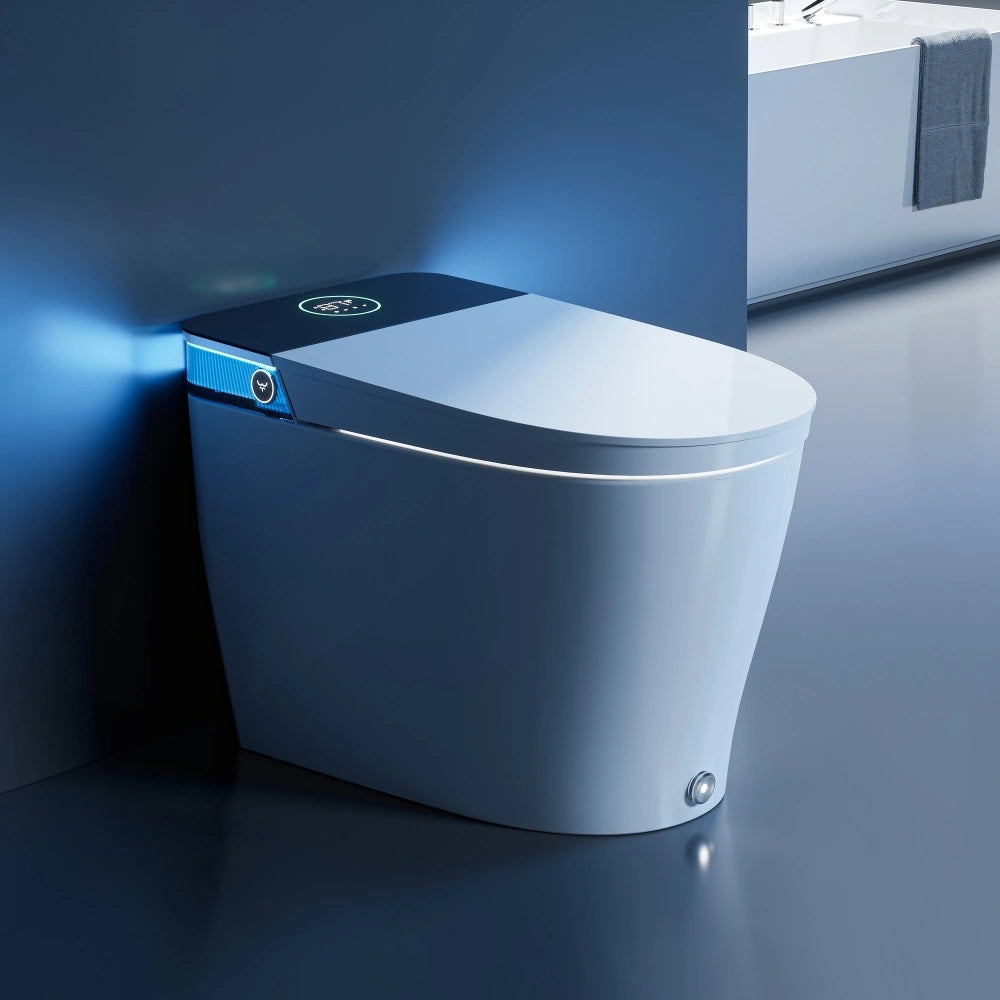
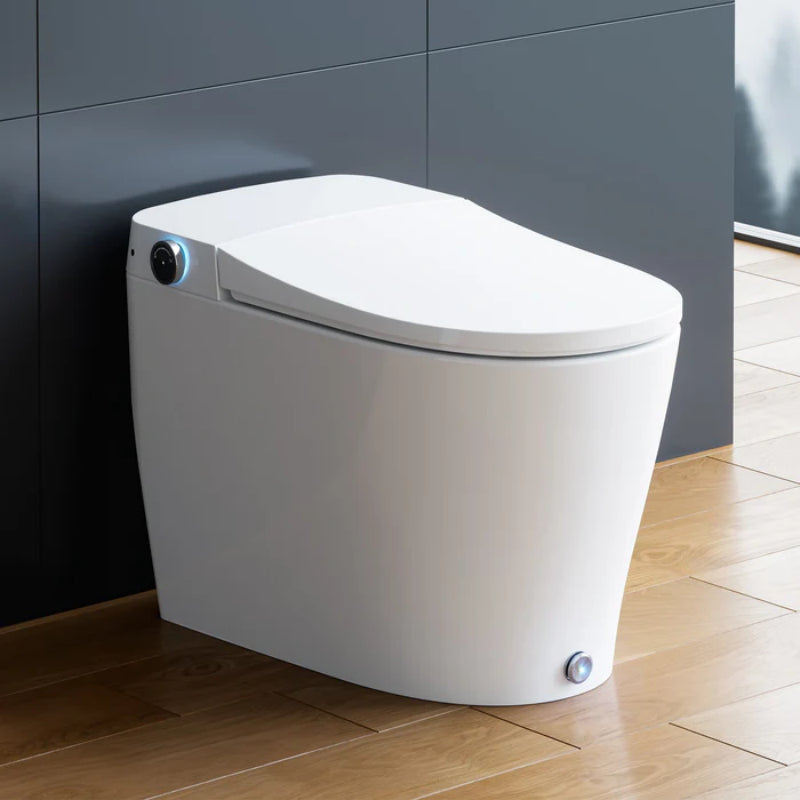
A thermostatic mixing valve for bidet sounds simple: blend hot and cold so the spray stays near one comfortable temperature. In real homes, it can be either a quiet quality-of-life upgrade or one more fussy thing under the sink that you keep adjusting to. Using a valve like this allows best bidet water temperature control without needing an electric bidet seat or major electrical work.
Here’s where this works well in real homes — and where it often doesn’t.
Decision Snapshot: Who Benefits vs Who Skips
Bullet:
-
Budget motivation: This setup can be a lower-cost way to get warmer bidet water compared to an electric bidet seat or electrical work.
-
Pressure/splash-control motivation: Some users choose a mixing valve for smart toilet install specifically to fine-tune spray behavior (less overspray/splash), not just for temperature comfort.
Good if you want steady warm bidet water
Choose a thermostatic mixing valve for bidet if cold water is a real problem for you (winter mains are icy, the bathroom is far from the water heater, or someone in the home is sensitive to cold spray) and you can realistically get a hot supply to the toilet area. This is especially true when you’re concerned with regulating water temp for bidets throughout seasonal changes.
It also fits better if you don’t mind doing a quick “check the temp” routine before you use it.
Skip if you prefer set-and-forget water
Skip it if you want your bidet to behave the same way every time with no extra steps, or if you’ll be annoyed by extra parts and hoses in a cabinet.
Also skip if the only way to get hot water to the toilet involves awkward routing, opening walls, or a setup you can’t easily inspect for leaks. In such cases, plumbing requirements for smart bidet may make the installation more complicated than it’s worth.
Worth it if you’ll only use warm water a few months a year?
Sometimes, but this is where regret shows up. If you only crave warm spray for a short winter window, a mixing valve can feel like a year-round install for a part-time benefit. You’ll still own the downsides all year: more connections that can drip, more things to bump in the cabinet, and another valve that can clog with mineral buildup.
A good way to decide: if you would still want it in spring and summer (for comfort, for kids, for sensitive skin), you’re more likely to be happy long term.
What “constant temperature” really feels like in daily bidet use
People imagine “constant temperature bidet water” like a shower: turn it on, it stays steady. A bidet spray line is different because the water sits in a small tube between uses, and that water quickly becomes “whatever the room is.”
Regulating water temp still involves lag
Even with a thermostatic valve, you can get three phases:
-
The first second: water that has been sitting in the hose/nozzle. It may be cool or warm depending on the room.
-
The transition: mixed water arrives, but it may not be stable yet.
-
The steady state: the valve is now doing what you bought it for.
If you expect instant perfect temperature, you may be disappointed. Many homeowners end up doing a quick “aim away” start (into the bowl) to flush the line before using it normally. That routine is fine for some people and annoying for others.
Pressure changes when you mix
Mixing hot and cold is not just about temperature. It can change the feel of pressure because you are combining two supplies that may not behave the same way.
Common real-life outcomes:
-
You set the temperature, then notice the spray is weaker than you like, so you raise pressure.
-
You raise pressure, then the spray feels harsher or splashes more than expected, so you back off.
-
Someone else uses it and changes the knob positions, so the next user gets a surprise.
The key point is: “more control” can mean “more fiddling.” If the bidet is used by multiple people, this becomes more noticeable.

What happens during household demand changes?
A thermostatic valve can respond to changes, but it isn’t magic. If someone runs hot water elsewhere (a bath, dishwasher, laundry), the hot line temperature and pressure can shift. Some homes barely notice. Others see small swings.
If your house already has temperature swings in the shower when a toilet flushes or an appliance starts, that’s a hint that a toilet-area mixing setup may also see changes.
Installing realities: mixing valve install vs actual plumbing requirements
This is where most “I didn’t think about that” moments live. The valve itself is usually not the hard part. Getting the right water supplies to the right place safely and neatly is the hard part, especially when installing an anti-scald valve for bath or a smart bidet.

Getting hot water to the toilet is the real project
Cold water is already in the toilet. Hot water usually isn’t.
A thermostatic mixing valve for bidet only makes sense if you can supply hot water in a way that is:
-
Code-appropriate for your area
-
Inspectable (you can see and reach connections)
-
Protected from damage (not kinked, pinched, or rubbing on sharp edges)
In many bathrooms, the closest hot line is at a sink. That may be easy to access, or it may mean routing a line through tight cabinet spaces or across areas that get stuffed with cleaning supplies. If the only way is a long, exposed run, ask yourself if you’ll still like it after living with it.
Clearance and access: hide it vs reach it
People often want the valve hidden. But you may need access for:
-
Seasonal temperature tweaks
-
Checking for drips
-
Cleaning strainers or screens (if your setup includes them)
-
Replacing the cartridge later (common wear item in mixing devices)
If you bury it behind stored items, you’ll avoid it until something goes wrong. If you mount it where it’s easy to reach, you may not like the look or the clutter.
A practical compromise is planning a clear “service zone” in the cabinet where nothing gets stored.
The leak risk is mostly about connections and movement
A mixing setup adds joints: more fittings, more sealing surfaces, more chances for a slow drip that only shows up as cabinet smell or swollen flooring.
Common homeowner mistakes:
-
Overusing or misusing thread seal tape
-
Cross-threading plastic threads
-
Using a fitting style that doesn’t match the pipe type
-
Leaving hoses with tension, so they twist when the valve is adjusted
If you choose this route, plan to re-check for seepage after the first day, the first week, and after a few temperature adjustments. Slow leaks often show up after things get bumped or repositioned.

Safety and scald prevention: what the “anti-scald” promise depends on
Warning: Thermostatic ≠ automatically safe. Correct setup, calibration, and ongoing maintenance are required for safe use. Many people assume a thermostatic valve is automatically “anti-scald.” It can help, but safety depends on how it’s set up and how your hot water behaves.
Bidet use isn’t the same as a bath setup
In a bath or shower, you often have:
-
A controlled fixture designed for mixing
-
A predictable flow rate
-
A user who can step away instantly
Bidet sprays can be close to skin, used quickly, and aimed without much warning time. A brief temperature spike that would be “just annoying” in a sink can be a real problem here.
So placement, calibration, and maintenance matter more than people expect.
Hot spikes and cold slugs can still happen
Even a thermostatic control can allow a momentary change if:
-
Hot supply arrives hotter than expected
-
Cold supply pressure drops suddenly
-
The valve is partly clogged or sticking
That’s why “constant” is best read as “more stable during steady flow,” not “perfectly stable the instant you open the sprayer.”
If scald risk matters in your home (kids, elderly, sensitive skin), treat the first second of spray as the highest-risk moment and build a habit around it.
Water heater changes can create surprises
Homeowners adjust water heater temperature for many reasons. Some homes have seasonal changes, servicing, or different settings after a plumber visit. If the hot supply becomes hotter, your mixing valve may still keep up, but:
-
The valve’s adjustment range can be exceeded
-
The setpoint you liked may drift
-
The first-second spike may feel sharper
If you install a mixing valve and later change water heater settings, plan to re-check the bidet spray temperature.
Long-term friction: maintenance, reliability, and when it becomes unnecessary
A mixing valve can work well for years, but it is still a mechanical control device sitting on a water line. If your water has minerals or sediment, expect some maintenance at some point.

Mineral buildup and drifting setpoints
Hard water can leave a scale that makes the internal parts less responsive. The first signs are subtle:
-
You set it at “warm,” but it’s less warm than it used to be
-
The temperature seems fine some days and off on others
-
The adjustment knob feels stiffer
This is when people start “chasing the setting,” which defeats the whole reason they wanted constant temperature control.
Failure modes you actually notice
Most failures aren’t dramatic. They’re annoying:
-
Stuck mix: it seems to favor hot or cold no matter where you set it
-
Reduced flow: spray is weaker because the valve is restricting flow
-
Inconsistent temp: it oscillates warm/cool during a single use
-
Noise: a whistle or chatter when water runs (often pressure-related)
None of these are fun when the device is tucked behind stored items.
When a mixing valve is overkill
A thermostatic mixing valve for bidet is often overkill when:
-
Your cold water is tolerable most of the year
-
The bathroom is already warm
-
The toilet is far from the water heater (so “hot” takes too long to arrive)
-
You dislike any routine that adds steps (purging the line, checking knobs)
In those homes, the project can turn into a permanent “almost helpful” system: it works, but it’s never as convenient as you hoped.
Cost and complexity reality check
This is not a full budget guide, but it helps to see the shape of the decision.
| What changes with a mixing valve | What it can mean |
| More plumbing parts | More potential leak points |
| Needs a hot supply near toilet | May require routing a line |
| More knobs/settings | More user behavior differences |
| Mechanical device in a cabinet | May need cleaning/service later |
Before You Choose checklist
-
Can you get a hot supply to the toilet without long exposed hoses or hard-to-inspect routing?
-
Will you be okay doing a quick first-spray check to avoid a surprise temp?
-
Is your household okay with knobs getting moved (multiple users), or will that cause frustration?
-
Do you have hard water or known sediment issues that may mean more maintenance?
-
Do you have a clear, reachable spot for the valve where it won’t be bumped or buried?
FAQs
1. Do I need a mixing valve for my smart toilet?
You don’t always need a mixing valve for a smart toilet, but it can make a noticeable difference in comfort and safety. If your bathroom has icy cold water in winter, the toilet is far from the water heater, or someone in the household is sensitive to sudden cold or hot sprays, a mixing valve helps stabilize the temperature. It’s also useful if you want to fine-tune spray pressure and avoid overspray, since blending hot and cold affects both heat and flow. On the other hand, if you prefer a “set-and-forget” experience with minimal maintenance or your hot water is already nearby, you might skip it. Ultimately, a mixing valve is more about controlling comfort and avoiding surprises than a strict necessity for smart toilet operation.
2. How does a thermostatic mixing valve work?
A thermostatic mixing valve works by automatically blending hot and cold water to maintain a nearly constant temperature at the output. Inside the valve, a small thermostatic element senses the water temperature and adjusts the mix accordingly. This prevents sudden hot or cold spikes, especially useful when someone else in the house uses water elsewhere. While it doesn’t provide instant, perfectly stable temperature like a shower might, it smooths out fluctuations over a few seconds. Homeowners often do a quick “flush” into the bowl first to get past water sitting in the line. Think of it as a smart buffer: it keeps your bidet water comfortable, safe, and predictable, but it still relies on proper installation, hot water availability, and occasional maintenance.
3. Can I install a mixing valve myself?
Installing a mixing valve yourself is possible if you’re confident with basic plumbing, but it comes with some caveats. The valve itself is usually straightforward, but the bigger challenge is routing hot water to the toilet area safely and neatly. You need to ensure all pipes are code-compliant, connections are secure, and the hoses or fittings aren’t kinked or pinched. Access matters too: the valve should be reachable for seasonal adjustments, maintenance, and checking for leaks. Many DIYers successfully install it when the closest hot line is nearby, but if routing requires opening walls or long exposed runs, hiring a plumber might be safer. Even after installation, it’s important to check for slow leaks and ensure the valve functions properly under household water demand changes.
4. Does it prevent bidet water from being too hot?
A thermostatic mixing valve can significantly reduce the risk of scalding, but it doesn’t guarantee absolute safety. It blends hot and cold water to a stable, comfortable temperature, smoothing out sudden spikes that might occur if someone runs hot water elsewhere. However, if the hot supply is extremely hot or the valve isn’t calibrated correctly, you could still experience brief bursts of hotter-than-desired water. That’s why proper installation, setup, and occasional maintenance are important. Think of the valve as a buffer: it keeps the bidet water mostly steady and much safer than mixing by hand, but you still want to treat the first second of spray as a “test moment” to avoid surprises, especially in households with kids, elderly, or sensitive skin.
References


Leave a comment
This site is protected by hCaptcha and the hCaptcha Privacy Policy and Terms of Service apply.