
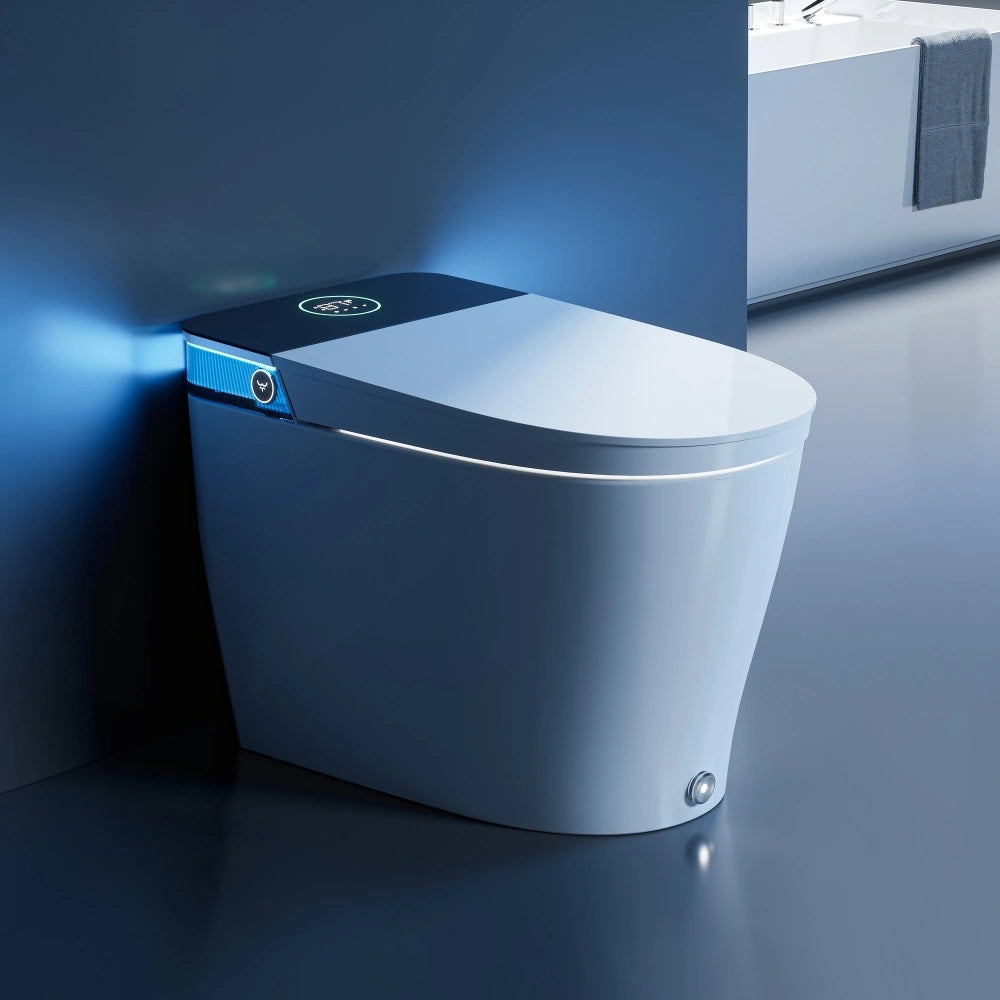
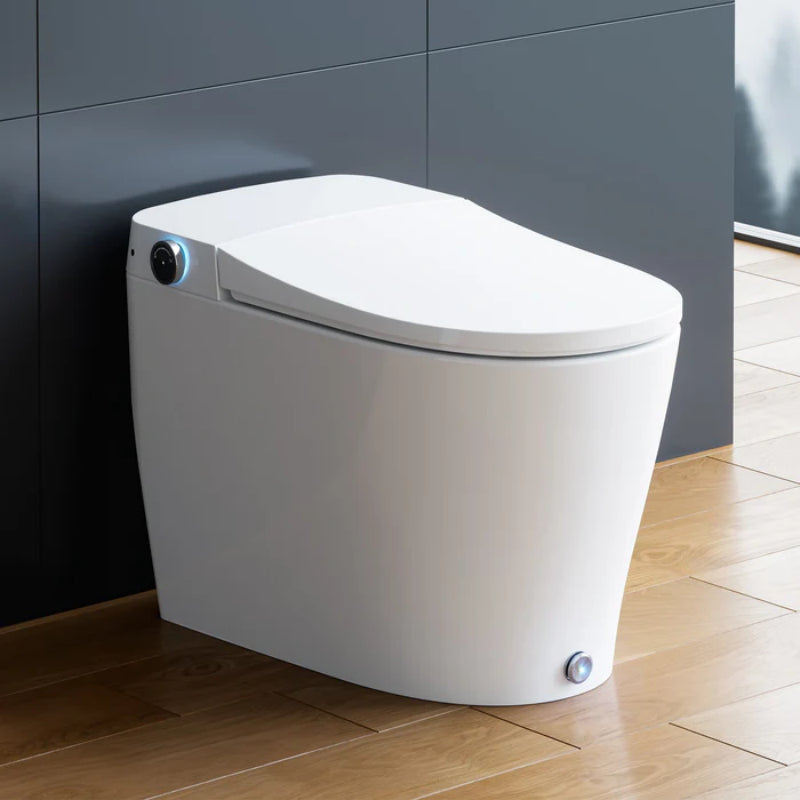
If you already have a toilet you may want to keep, the first question is whether a bidet seat can be added successfully or whether replacing the complete fixture makes more sense.
A bidet seat depends on the shape, mounting area, clearances, water connection, and—on electric models—power access around your existing toilet. An integrated smart toilet removes seat-to-toilet compatibility from the equation, but introduces full-toilet requirements such as rough-in, overall dimensions, utilities, and installation planning.
This guide focuses on those retrofit and replacement checks. If you are still deciding between the two product formats based on cost, features, design, and overall ownership, use the full comparison guide below.
Retrofit or Replace the Toilet?
Start with the condition and layout of the toilet you already have. A retrofit keeps the existing fixture and adds a separate bidet seat. A full replacement removes the existing toilet and requires you to confirm the installation requirements of a new fixture.
Keep the existing toilet and consider a bidet seat when
- The toilet is in good condition and you expect to keep it.
- The seat mounting area is compatible with the bidet seat you are considering.
- The bowl shape and surrounding clearances meet the seat manufacturer’s requirements.
- The required water connection can be provided according to the product instructions.
- Any power requirements for an electric seat can be met by the bathroom setup.
The important point is compatibility. Do not assume that a seat will fit simply because the toilet is described as round or elongated. The mounting area and rear clearance also matter.
Consider replacing the complete toilet when
- The existing toilet already needs replacement.
- The shape or mounting layout creates compatibility problems for the bidet seat you want.
- You are already remodeling the bathroom and replacing fixtures.
- You prefer an integrated fixture and can meet its rough-in, dimension, utility, and installation requirements.
Replacing the toilet solves the question of whether a separate seat will fit the existing bowl, but it creates a different set of checks. The new fixture still has to fit the plumbing and physical space in the bathroom.
What Changes When You Retrofit Instead of Replace?
A bidet seat changes the seat assembly while leaving the existing toilet bowl and flushing system in place. That means the toilet you already own determines much of the compatibility work.
An integrated smart toilet replaces the complete fixture. Instead of checking whether a separate seat can mount correctly, you need to check whether the new toilet itself fits the bathroom.
Existing-toilet compatibility
Before buying a bidet seat, compare the installation drawing for the exact seat with the toilet you already own. Important checks can include bowl shape, mounting-hole requirements, usable mounting area, rear clearance, water access, power requirements, and space for controls, hoses, or cords.
Some one-piece, skirted, compact, or unusually shaped toilets may require extra compatibility checks because their rear porcelain, mounting area, or available clearance can differ from more conventional layouts.

Installation scope
A bidet-seat retrofit may involve:
- removing the existing toilet seat;
- installing the mounting hardware specified for the bidet seat;
- connecting the required water supply components; and
- providing the required power connection if the model is electric.
The exact process varies by product, so follow the installation instructions for the seat you are considering rather than assuming that every retrofit uses the same hardware or connections.
Replacing the toilet with an integrated smart toilet requires a different installation review. Before ordering, check:
- rough-in requirements;
- overall fixture dimensions;
- floor footprint and surrounding clearances;
- water connection requirements;
- power requirements and location; and
- any model-specific installation conditions.
Feature differences are product-specific
Do not assume that one product category automatically provides better washing or comfort features. Bidet seats and integrated smart toilets vary widely by model.
Electric products may include functions such as adjustable washing, heated seating, warm water, drying, remote controls, or automation, but the exact feature set should be confirmed on the individual product page or manual.
If feature comparison is the main reason you are choosing between the two formats, use the broader smart toilet vs bidet seat guide rather than treating an integrated design as proof of better performance.

Cost Factors When Retrofitting a Bidet Seat
The product price is only one part of a retrofit decision. Before ordering a bidet seat, check whether the existing toilet is compatible and whether the required water and electrical connections are already available.
Additional work may be needed if the bathroom setup does not match the product instructions. Depending on the installation, that could involve plumbing adjustments, electrical work, or resolving clearance and mounting issues around the existing toilet.
Replacing the complete toilet introduces a different cost structure because the existing fixture must be removed and the new toilet must fit the bathroom’s rough-in, floor space, utilities, and installation conditions.
Compare the total work required in your bathroom rather than relying on a generic category price range.
When the condition of the existing toilet changes the calculation
A retrofit makes more sense when the toilet underneath the seat is still a fixture you want to keep. If the toilet is already due for replacement, adding a new bidet seat may create a second purchase decision sooner than expected.
Before buying the seat, consider whether the existing toilet still fits the room, operates as expected, and is likely to remain in place. If you already plan to replace it, compare the complete replacement project before purchasing an add-on seat.
Fit and Compatibility Checks for an Existing Toilet
Compatibility is the main reason this supporting guide should be used before a bidet-seat retrofit. Measure the existing toilet using the instructions for the exact seat you are considering.
What to check before buying a bidet seat
- Bowl shape: Confirm whether the product is designed for the shape of your toilet.
- Mounting-hole requirements: Use the product drawing to confirm the required mounting position and spacing.
- Rear mounting area: Make sure there is enough usable space behind the mounting holes for the seat hardware.
- Tank or rear-porcelain clearance: Check that the seat body can sit correctly without interfering with the toilet behind it.
- Toilet design: One-piece, skirted, compact, and unusually shaped toilets may need additional fit checks.
- Water connection: Confirm that the bathroom setup can meet the product’s installation requirements.
- Power requirements: For an electric seat, check the exact product instructions before planning the electrical connection.
- Control and cord clearance: Make sure controls, hoses, and cords can be positioned without interfering with normal use or cleaning.
Small bathrooms and tight clearances
Do not assume that a bidet seat or integrated smart toilet is automatically better for a small bathroom. The existing fixture, door swing, surrounding walls, and product dimensions determine the fit.
A bidet seat keeps the existing toilet in place, but the seat body and controls still need enough room. An integrated smart toilet requires checking the dimensions and footprint of the entire replacement fixture.
In a tight room, compare the product drawing with the actual bathroom dimensions before ordering either option.
When the existing toilet may not be worth retrofitting
Sometimes the compatibility question is secondary because the toilet itself is already scheduled for replacement. If the fixture no longer meets your needs, consider whether buying a seat for it now creates unnecessary duplicate work.
If the existing toilet will stay, verify seat compatibility. If the toilet will be replaced, make the new fixture decision first and then determine whether you want a separate bidet seat or an integrated toilet.
Outlet and water placement
Electric bidet seats and smart toilets have product-specific power requirements. Confirm those requirements using the installation instructions for the exact product and make sure the bathroom electrical setup is appropriate before installation.
Water connections are also product-specific. Do not assume that the existing supply location or connection hardware will work with every bidet seat or integrated toilet.
If electrical access is not part of your plan, non-electric bidet options may also be worth comparing.
Shared bathrooms and control layout
In a shared bathroom, check how the controls are positioned and how easily different users can reach and understand them. Bidet seats and integrated smart toilets may use side panels, remotes, buttons, sensors, or combinations of controls depending on the model.
If seat height, control reach, or surrounding support space is important in your household, treat those as separate fit requirements. Check the exact dimensions and control layout rather than assuming that either product type will automatically be more suitable.

Daily Use After a Bidet Seat Retrofit
A bidet seat changes more than the washing function. It also changes the seat shape, control location, and cleaning access around the toilet.
Check the product dimensions if the usable seat area or overall seat shape matters to you. The control layout can also affect how the seat feels in everyday use, particularly when several people share the bathroom.
Electric bidet seats may include heated seating, warm water, drying, or other comfort functions depending on the model. Integrated smart toilets may provide similar or additional functions, but these should be compared at the product level rather than assumed from the category.
The practical question for this page is whether you want those functions added to a toilet you already own or built into a replacement fixture.
Maintenance and Ownership
Retrofit and integrated systems also create different service paths. Consider that distinction before committing to either setup.
Separate seat vs integrated components
With a bidet-seat retrofit, the bidet seat remains a separate component attached to the existing toilet. If the seat later needs service or replacement, the underlying toilet and the bidet seat can be evaluated separately.
With an integrated smart toilet, more functions are built into the complete fixture. Service requirements therefore depend more heavily on the exact model and the component involved.
Before purchasing either format, check the manufacturer’s current service information and product documentation rather than assuming that repair procedures will be the same across brands or models.
Cleaning access
Bidet seats add mounting hardware and a larger seat body to an existing toilet. Check how the seat is installed and whether the design allows convenient access to the areas you normally clean.
Integrated smart toilets use different exterior shapes and component layouts. A smooth exterior can simplify some cleaning areas, while other designs may require specific access for maintenance.
Cleaning convenience should therefore be judged from the exact product design, not only from whether the toilet is integrated or retrofitted.
Mineral buildup and routine maintenance
If your home has hard water or visible mineral buildup on other plumbing fixtures, review the cleaning and maintenance guidance for the bidet product you are considering.
Nozzles, filters, water passages, and other components vary by product. Check whether the manufacturer provides instructions for cleaning, descaling, filter replacement, or other routine maintenance.

Common Bidet Seat Retrofit Mistakes
Most avoidable problems happen when buyers compare features before confirming whether the seat and bathroom are physically compatible.
Checking only round vs elongated
Bowl shape is an important first check, but it is not the entire compatibility test. Use the exact installation drawing to confirm the mounting area and required rear clearance as well.
Ignoring the mounting area behind the seat
A toilet can have the expected bowl shape and still provide too little usable space for a particular seat body or mounting system. Measure the area specified by the manufacturer before ordering.
Planning electric features before checking power requirements
Do not choose an electric seat only from the feature list and solve the power question afterward. Check the product’s electrical requirements first and confirm that the bathroom can support the intended installation.
Adding a seat to a toilet that is already being replaced
If you expect to replace the toilet soon, decide on the new fixture before investing in a seat that may not be compatible with the replacement toilet.
Comparing automation before physical fit
Wash modes, heated seating, drying, remotes, and automated functions only matter after the product fits. Confirm compatibility and installation conditions first, then compare features.
Before You Retrofit a Bidet Seat
Use this checklist before ordering:
- Confirm the bowl shape using the seat manufacturer’s requirements.
- Measure the mounting area specified in the product drawing.
- Check rear clearance around the tank or rear porcelain.
- Confirm space for controls, hoses, cords, and routine cleaning.
- Review the required water connection.
- For an electric model, review the exact power requirements.
- Check whether the existing toilet is still a fixture you plan to keep.
- If the toilet already needs replacement, compare the complete replacement project before buying a separate seat.
FAQs
Will a bidet seat fit every toilet?
No. Compatibility depends on both the toilet and the specific bidet seat. Check bowl shape, mounting requirements, rear clearance, and the product’s installation instructions before ordering.
What should I measure before buying a bidet seat?
Use the manufacturer’s installation drawing for the exact seat. Measure the areas it specifies, including the bowl and mounting area, and check the required clearance around the tank or rear porcelain. Also confirm space for controls, hoses, cords, and other installation components.
Is round or elongated shape enough to confirm compatibility?
No. Bowl shape is only one part of the fit check. Two toilets with the same general bowl shape can still have different mounting areas, rear clearances, or porcelain layouts. Use the exact bidet-seat installation requirements before purchasing.
Does an electric bidet seat need power?
Electric models have product-specific power requirements. Check the installation instructions for the exact seat and confirm that the bathroom electrical setup can meet those requirements before installation.
When should I replace the toilet instead of adding a bidet seat?
Consider replacement if the existing toilet already needs to be changed, cannot accommodate the bidet seat you want, or is part of a larger bathroom remodel. A replacement fixture introduces its own rough-in, dimension, water, power, and installation requirements, so check those before ordering.
What should I check if I choose an integrated smart toilet instead?
Check the specifications and installation instructions for the exact model, including its rough-in, overall dimensions, water requirements, power requirements, and surrounding clearances. Do not assume that replacing the toilet removes the need for careful measurement.
If you have already decided that replacing the complete fixture makes more sense than retrofitting the existing toilet, compare HOROW integrated options using the verified specifications on the Collection and individual Product Pages.


Leave a comment
This site is protected by hCaptcha and the hCaptcha Privacy Policy and Terms of Service apply.