
Choosing between a tankless and a tank toilet comes down to more than just modern looks. While tankless models offer space-saving design and faster repeated use, they also demand verified water pressure, reliable power, and a tolerance for more complex repairs. This guide walks you through the hard decision gates—pressure adequacy, outage performance, installation realities, and long-term serviceability—so you can pick the toilet that truly fits your home.
Quick Answer
If you want the safest, easiest choice for most homes, choose a toilet with a tank. If you have verified strong water pressure, nearby power, and compact bathrooms where space matters, a tankless toilet can be a smart upgrade. If your home has uncertain pressure, older plumbing, or you want low-cost repairs, skip tankless and stick with a tank toilet.
A lot of buyers start this search thinking tankless is automatically newer and better. In real homes, that is not always true. The right choice depends less on looks and more on pressure, power, install cost, and how much risk you want to take.
Decision Snapshot
Use this clear decision snapshot to separate non-negotiable requirements from minor cosmetic and convenience perks, so you avoid choosing tankless based only on style.
Hard Decision Gates & Secondary Perks
Hard decision gates (must-pass before considering tankless)
-
Verified adequate stable water pressure that holds up during simultaneous home water use.
-
Acceptable power access and tolerance for limited or no flush function during power outages.
-
No older, restrictive plumbing that would trigger costly installation modifications.
-
Willingness to accept brand-specific parts, specialized service, and limited DIY repair options.
Secondary perks (only matter if hard gates are satisfied)
Compact modern styling, easier exterior cleaning, and no tank refill wait are nice-to-have benefits, not primary decision drivers.
Best for older homes and rentals
Choose tank if your home is older, your plumbing is basic, or you rent and want a standard replacement. Tank toilets are easier to fit, cheaper to service, and less likely to create install surprises. Prioritize tank by default if any hard decision gate cannot be confirmed.
Quick Decision Rules for Homeowners
Here’s the short version most homeowners need:
-
If you fail any hard decision gate, choose tank automatically.
-
If you pass all hard gates and need space-saving design, choose tankless.
-
Tank systems are generally more forgiving in low-pressure environments.
-
Tankless units require stable flow conditions to perform optimally.
-
-
If you are not sure about water pressure, do not buy tankless yet.
-
If you prioritize simple, low-cost repairs, choose tank.
Modern looks and faster repeated use only sway the choice after all critical gates are cleared.

Tankless vs tank toilet compared
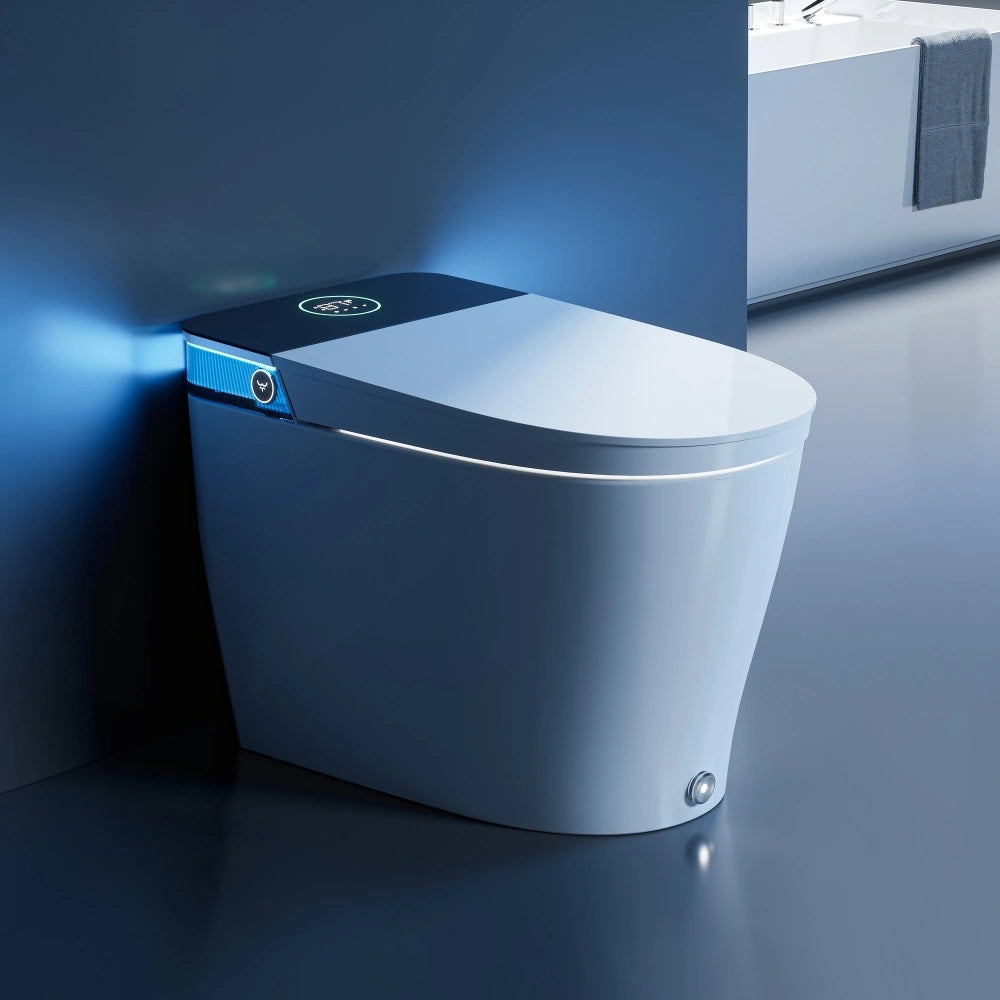
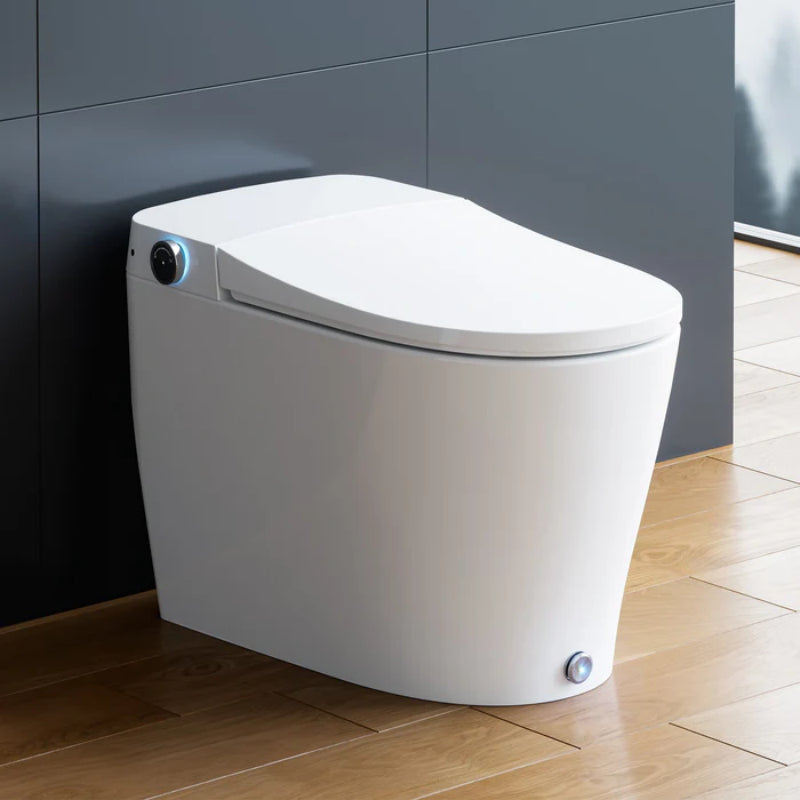
A tank toilet stores water in the tank, then releases it with gravity or pressure assist when you flush. A tankless toilet does not store flush water in a visible tank. It draws water directly from the supply line, often with help from a pump or internal flush system. That is why many buyers ask, “How does a tankless toilet flush without a tank?” The answer is simple: it uses incoming water pressure, and in many models, electricity helps create a strong enough flush.
That one difference affects almost every buying decision.
Comparison table: key buying differences
| Factor | Tankless toilet | Tank toilet |
| Upfront cost | Higher | Lower |
| Installation | More complex; may need pressure check, outlet, plumbing changes | Standard and simpler |
| Water pressure needs | High; often critical | More forgiving |
| Electricity | Often required for pump or smart features | Usually not required |
| Space use | Compact, good for small bathrooms | Takes more depth |
| Flush reuse | No refill tank wait | Short refill delay |
| Water use | Often lower per flush | Varies; can still be efficient |
| Repair difficulty | Brand-specific parts, more electronics | Simple, common parts |
| Outage performance | May not work normally without power | Works without electricity |
| Best fit | Modern remodels, compact baths | Most homes, rentals, older plumbing |
| Comfort risk | Can be noisier, stronger flush feel | Familiar, predictable |
| Long-term service | Can require specialist help | Easy for most plumbers |
Space and design impact
This is the strongest argument for tankless toilets.
If you are remodeling a powder room, condo bath, or narrow ensuite, a tankless toilet can free up visible space and make the room feel less crowded. Even a few saved inches matter in a bathroom where the door swings, vanity depth, and legroom already feel tight. That is why tankless vs tank toilet for small bathrooms is not just a style question. It is a layout question.
In a small room, a compact toilet can:
-
improve walking space
-
help meet clearance goals
-
make the bathroom look cleaner
-
leave more room for storage or a wider vanity
On the other hand, if your bathroom is average-sized and layout is not a problem, the space benefit may not justify the higher price and more complex install.
Water use and flush performance
Many buyers exploring water usage: tank vs tankless systems assume tankless reduces water consumption and always means lower water bills. Sometimes yes, but not always enough to make it the best value.
In general, tankless toilet vs tank toilet water usage favors tankless. Many tankless models use about 1 to 4 liters per flush, while many older tank toilets use around 6 to 9 liters. Modern tank toilets can also be very efficient, though, especially high-efficiency models certified under EPA WaterSense standards.
So, are tankless toilets more water efficient than tank toilets? Often yes. But the better question is this: will the lower flush volume work well in your home?
That leads to the next issue: tankless vs tank toilet flushing power comparison.
A tank toilet creates a very predictable flush because it releases stored water in one controlled rush. A tankless toilet depends much more on incoming pressure and sometimes electric assist. In a home with strong pressure, flush performance can be excellent. In a home with weak or inconsistent pressure, the same toilet may disappoint.
That is why some buyers ask, “Are tankless toilets more prone to clogs?” Not by design in every home, but they are more likely to flush poorly if water pressure is not high enough. Poor flush performance can lead to streaking, partial clearing, repeat flushing, and clogs.
Installation, power, and pressure needs
This is where many wrong purchases happen.
Installing a tankless toilet relies on stable water supply, so tankless vs tank toilet installation requirements are not close. A tank toilet usually swaps into an existing bathroom with standard plumbing. A tankless toilet may need:
-
a water pressure check
-
larger or better supply lines
-
an electrical outlet nearby
-
wall or floor changes, depending on the model
-
a plumber who has installed them before
And yes, many buyers specifically ask: do tankless toilets require electricity compared to tank toilets? In many cases, yes. Not every model uses power the same way, as smart toilets require steady electricity for pumps, controls, sensors, or built-in features. A regular tank toilet does not need power to flush.
Ongoing electricity/standby cost note: Most electric-assisted tankless toilets draw small constant standby power for sensors and internal controls, adding minor but permanent incremental electricity cost year-round that standard tank toilets never incur.
If you lose power, a tank toilet still works fully without any interruption. Concrete outage performance breakdown as a hard decision gate: Pump-powered tankless models will experience reduced flush strength or complete failure during blackouts; sensor and electronic-control only models may still flush mechanically but lose smart features. No tankless design offers the consistent, fully reliable no-power performance of a gravity tank toilet. For households prioritizing uninterrupted bathroom function during outages, tankless is an automatic compromise, not a minor tradeoff. For some homes, that alone decides the issue.

Key differences that actually matter
When choosing between tankless and tank toilets, several non-negotiable factors shape long-term satisfaction beyond basic style and flush performance.
Accessibility & ergonomics: seat height, posture, and aging-in-place
Toilet seat height, bowl posture, and overall ergonomic design heavily impact daily comfort, especially for seniors, people with mobility limitations, and young children. Most standard tank toilets follow well-established ergonomic height and seating angles designed for universal accessibility and easy sit-to-stand movement. Many compact tankless models prioritize footprint reduction over standardized ergonomics, leading to lower seat heights or tighter posture positioning that can strain aging joints and limit accessibility.
Household-fit rule: Prioritize standard tank toilet familiar ergonomics and consistent seat height if your household includes seniors, anyone with mobility challenges, or young children. Only treat compact tankless design as a higher priority if accessibility and aging-in-place needs are not a primary household concern and all hard decision gates are already satisfied.
Water pressure changes everything
This is the biggest dealbreaker.
Without sufficient water pressure and enough water pressure consistency, if your pressure is low or unstable, tankless can become frustrating fast. You may get weak bowl clearing, more marks left behind, more double flushing, and more annoyance in a family bathroom.
So, tankless toilet water pressure requirements vs tank toilets are not a small technical note. They are the main buying filter.
A tank toilet stores what it needs before you flush. That is why it is much more forgiving. Tankless asks your plumbing system to deliver enough force in real time.
How to verify your pressure is tankless-ready – buyer checkpoint list
What to ask a plumber to measure:
-
Static water pressure at the bathroom supply line baseline PSI rating
-
Dynamic pressure while running full flush flow to test real-use performance
-
Pipe size, supply line condition, and any flow restrictors limiting volume
-
Pressure consistency across peak morning and evening household usage times
What to do at home:
-
Run the toilet flush while simultaneously running a shower and bathroom sink faucet; observe if flush strength drops noticeably
-
Test multiple back-to-back flushes to check for pressure recovery lag
-
Note any existing weak flow in other bathroom fixtures that signals overall system limitations
What borderline pressure looks like in real use:
Flush works fine alone but weakens heavily during simultaneous shower or laundry use; back-to-back flushes require waiting several seconds for pressure to rebuild; occasional partial bowl clearing that forces double flushing.
If you are comparing tankless toilet vs traditional tank toilet for low water pressure, a traditional toilet might perform far more reliably, and the answer is simple: choose a tank toilet.
What should you do before buying tankless?
Have a plumber verify your bathroom’s pressure and supply setup first. That small step can save you from an expensive mistake. In many homes, the bathroom looks ready for tankless, but the plumbing behind the wall says otherwise.
Pass/Fail Decision Rule: Proceed with tankless only if plumber-verified dynamic pressure meets the toilet manufacturer’s minimum requirement and pressure remains stable during simultaneous household water use. If pressure is borderline, fluctuating, or fails multi-fixture testing, rule out tankless entirely and select a standard tank toilet.
Upfront cost vs lifetime cost
Upfront cost compared to traditional models makes tankless vs tank toilet cost comparison usually looks like this:
-
Tank toilets cost less to buy
-
Tank toilets cost less to install
-
Tankless toilets may save some water
-
Tankless toilets may cost more to repair
So, reviewing cost compared to traditional toilets, is a tankless toilet worth it compared to a tank toilet? For most homeowners, not on savings alone.
The water savings are real in many cases, especially if you are replacing an old high-volume toilet. But if the tankless model costs much more upfront and requires plumbing or electrical changes, the payback can take a long time. In some homes, it never really pays back in a meaningful way.
A more honest way to look at it is this:
-
Choose tankless for space, design, and frequent use
-
Choose tank for value, reliability, and lower ownership risk
That is a clearer decision than chasing water savings alone.
Repair simplicity vs electronic parts
This issue does not get enough attention.
A tank toilet has common parts. Fill valve, flapper, handle, supply line. Most plumbers know them well. Many homeowners can fix basic issues themselves.
Tankless vs tank toilet maintenance and repair differences are much bigger than most product pages suggest. Tankless units often have more specialized internal parts, controls, and sometimes pumps. Repairs can be more brand-specific, parts may cost more, and service may depend on a technician familiar with that type of system.
Long-term ownership practical outcomes: Tankless toilets commonly rely on proprietary, brand-exclusive replacement parts that cannot be cross-shopped at general hardware stores; parts lead times can create multi-day downtime if components must be special-ordered. Electronic circuitry and integrated pumps eliminate nearly all DIY repair opportunities for average homeowners, requiring professional service for even minor malfunctions. Local service availability becomes critical—rural or small-town locations often lack technicians trained to service niche tankless models, extending wait times and raising service fees.
That does not mean tankless is unreliable by default. It means when something goes wrong, the fix is often less simple.
This matters if you:
-
live far from service centers
-
do not want electronic parts in a toilet
-
want easy DIY repair
-
plan to keep the toilet for many years
If your goal is low-maintenance peace of mind, tank still wins for most homes.
Clear decision rule: Choose tankless only if you accept proprietary brand-specific parts, longer repair downtime, limited DIY capability, and guaranteed access to a local qualified service technician for future maintenance and fixes.
Noise, comfort, and shared use
Here’s what usually matters in real homes.
Tankless toilets can be louder. Some flush with a sharper, more mechanical sound, especially if a pump is involved. Some users also notice a stronger, more sudden flush feel. In a guest bath or powder room, that may not matter. In a quiet ensuite at night, it might.
For shared bathrooms, there are two comfort questions:
-
Can it handle repeated use?
-
Is it pleasant to live with?
Tankless has an advantage on repeated use because users never need to wait for the tank to refill with no tank refill delay. But that only helps if the water pressure is sufficient. If pressure recovery is weak, the benefit shrinks.
Clear weighting rule for repeated-use vs family predictability: Prioritize tankless no-refill convenience only for high-traffic guest bathrooms, apartments, or multi-occupancy homes with confirmed strong, stable water pressure. For primary family bathrooms, homes with young children, seniors, or nightly quiet ensuite use, standard tank toilet predictability always outweighs the minor perk of instant repeated flushing, even with good pressure.
Tank toilets are more familiar. Guests know what to expect. Kids and older adults usually find them simpler. In family homes, predictability matters more than sleek design.

When tankless vs tank toilet is better
When tankless toilets make the better choice depends on your bathroom layout, utility costs, household usage habits, and daily maintenance preferences.
Tight layouts need compact footprints
If your toilet area feels cramped, tankless can be a very practical choice. In small bathrooms, even modest space savings can improve comfort. This is where tankless vs tank toilet bathroom design and space-saving benefits are real, not just cosmetic.
A few examples:
-
a powder room where knees nearly touch the door
-
a condo bath where you want a slightly wider vanity
-
a narrow ensuite where every inch affects movement
If layout stress is the main problem, tankless may solve a real issue that a tank toilet cannot.
High bills reward lower flush volume
If your current toilet is older and uses a lot of water, moving to a lower-volume model can reduce water use. A tankless toilet may help more here, though some efficient tank toilets also perform very well.
The key point is this: tankless can make sense when water rates are high and your household uses the bathroom often. If your utility costs are a concern, compare actual flush volume, not just “eco” claims.
Busy bathrooms benefit from no refill
In homes where several people use one bathroom back-to-back, no refill wait sounds appealing. This can be useful in guest-heavy homes, apartments, or busy mornings.
But this is one of those features that only helps if your setup is right. If pressure is borderline, the theory is better than the reality. So yes, tankless can be better for heavy repeat use, but only after pressure is confirmed.
Easier exterior cleaning matters
Many tankless toilets often have a cleaner outside shape with fewer ledges and no tank top collecting dust. That makes wipe-down cleaning easier. There is also no tank interior where mineral buildup can sit.
This is a real benefit for homeowners who care about easy day-to-day cleaning and reduced need for toilet paper alongside cleaner bowl hygiene. It is not enough on its own to justify the switch, but it does add value if you already want a tankless model for other reasons.
When a tank toilet is better
No single upgrade fits every home, and multiple practical factors make tank toilets the safer pick for most households.
Low pressure makes tankless frustrating
This is the biggest reason when a tankless toilet is not better than a tank toilet.
If your home has low pressure, inconsistent pressure, or older supply lines, tankless can turn into a daily annoyance. Weak flushes are not a minor flaw in a toilet. They affect everyday use.
If you are unsure, do not guess. Test first.
Older plumbing raises install costs
Many older homes are poor candidates for easy tankless installation. What starts as a clean design upgrade can become a larger plumbing and electrical project.
That is why the question “Can I replace a standard toilet with tankless?” needs a careful answer: sometimes, but not as a simple one-for-one swap in every home.
You may need:
-
pressure upgrades
-
a new outlet
-
supply line changes
-
professional fitting beyond a normal toilet replacement
If your current toilet works fine and your goal is a simple replacement, a tank toilet is usually the smarter path.
Families need predictable flushing
In family homes, the best toilet is often the one no one has to think about. It flushes the same way every time. It works during outages. It does not need special habits. It does not rely on ideal pressure.
That is where the old-style tank toilet keeps winning. It is not flashy. It is just dependable.
For homes with kids, guests, older adults, or frequent use by many people, predictable flushing often matters more than compact style.
Simple repairs beat brand service
Many homeowners only think about repairs after year three or five. By then, the easy answer matters. With a tank toilet, almost any plumber can handle common failures. Parts are widely available.
With tankless, service can be slower, more specialized, and more expensive. If that bothers you now, it will bother you later.

Is a tankless toilet better?
Sometimes, yes. Usually, no.
If “better” means more stylish, more compact, and often more water-efficient, tankless can be better in the right bathroom. If “better” means easier to own, easier to install, easier to repair, and safer in more homes, tank toilets are better.
That is why most homeowners should not treat tankless as an automatic upgrade. It is a conditional upgrade. It becomes a good choice only when your home can support it and your priorities match what it offers.
How tankless toilets flush
Many buyers want a plain-English answer here. A tankless toilet flushes by sending water directly from the home’s supply line into the bowl, often using strong line pressure and, in many models, an internal pump or powered system to create a forceful flush. There is no visible storage tank waiting in the background.
That system can work very well. But because it depends on pressure and often power, it is less forgiving than a standard tank toilet.
Are tankless toilets worth it?
They can be, but only for a narrower group of buyers than marketing usually suggests.
A tankless toilet is worth it if:
-
your bathroom is small and the saved space matters
-
your water pressure has been verified
-
you have power available where needed
-
you value modern design enough to pay more
-
you accept more specialized repair risk
A tankless toilet is usually not worth it if:
-
your pressure is uncertain
-
your home is older
-
you want a cheap and easy replacement
-
you worry about outages
-
you prefer simple repairs
That last group includes most buyers.
What to consider before buying
Before finalizing your toilet choice, work through these key practical checks to avoid costly mismatches with your home and lifestyle.
Check pressure first
This is the first thing to do, not the last. If you skip it, you are buying blind. Water pressure is the main reason tankless toilets disappoint in real homes.
Ask about power
If the toilet needs electricity, where will it come from? Is there a nearby outlet? Will one need to be added? What happens during outages?
Look at true installation cost
Do not compare toilet price alone. Compare full installed cost, including plumbing changes, electrical work, and any finish repairs.
Think about who uses it
A sleek compact toilet may look great, but does it fit your household? Guests, children, and older adults often do better with familiar, simple fixtures.
Consider repair comfort
Would you rather have a toilet with common parts that any plumber can fix, or one that faces complex troubleshooting tankless toilet issues and may need model-specific parts and service?
Test flush feel if you can
This sounds small, but it matters. Flush noise, bowl rinse quality, splash, seat height, and user comfort can shape satisfaction more than spec sheets do.
Best-rated choices for 2026
If you are looking for the best-rated tankless toilets for 2026, do not start with features. Start with fit.
For most buyers, the best-rated option is the one that matches the house, not the one with the longest feature list. A highly rated tankless toilet in a low-pressure home becomes a bad toilet fast. A plain but efficient tank toilet in the same home may be the best purchase in the room.
Use this filter:
-
For small, modern bathrooms with verified pressure: shortlist tankless models with clear pressure requirements, local service access, and simple maintenance support.
-
For older homes, rentals, or budget replacements: shortlist efficient tank toilets with standard parts and strong real-world flush reviews.
-
For family bathrooms: focus on reliability, seat height, and easy servicing more than style.
That approach will lead to a better result than chasing the newest model.
Final Verdict
Most buyers should choose a tank toilet. It is the safer choice for older homes, rentals, family bathrooms, and anyone who wants lower cost, simpler installation, and easy repairs. Choose a tankless toilet only if your water pressure is verified, power is available, and the space-saving design solves a real bathroom problem. If you are unsure about pressure or want the least risky option, a tank toilet is the better decision.
Before You Buy
-
Check your home’s water pressure before considering tankless.
-
Confirm whether the toilet needs a nearby electrical outlet.
-
Compare full install cost, not fixture price alone.
-
Measure bathroom clearance and footprint carefully.
-
Think about outage use and whether no-power flushing matters.
-
Ask who will service it if repairs are needed later.
-
Consider who uses the bathroom most: guests, kids, older adults.
-
If possible, test the flush feel and noise in person.
FAQs
1. Do tankless toilets need more water pressure?
Yes. Tankless toilets depend more on incoming water pressure than tank toilets do, making consistent line pressure critical for steady daily performance. If pressure is weak, flush performance can suffer and lead to incomplete bowl clearing during regular household use. Unlike tank models that store water for gravity flushing, this design relies fully on real-time supply force in tankless vs tank toilet setups. Even minor pressure drops during simultaneous home water use can noticeably weaken tankless toilet performance over time.
2. Are tankless toilets more likely to clog?
Not in every home, but they can flush poorly if pressure is too low, which leads to more repeat flushing and clog complaints in homes with unstable plumbing flow. Low water pressure fails to create the strong rush needed to clear waste thoroughly, raising residue buildup and partial flushing cycles. comparing flushing power: tank vs tankless reveals inconsistent pressure as the top trigger for frequent blockages in tankless units. Homes with older pipes or fluctuating water flow face the highest clog risk with standard tankless toilet installations.
3. Is a tankless toilet better than a tank toilet?
There is no universal answer, as which option works best depends on home plumbing, pressure levels, layout needs and long-term maintenance preferences. Benefits of tankless smart toilets include streamlined styling, efficient water use and integrated modern smart features ideal for updated bathrooms. Tankless models excel in compact layouts with verified strong pressure, while tank toilets deliver reliable function, simple repairs and outage resilience for most traditional households. Better performance only applies when the toilet design aligns perfectly with your home’s infrastructure and daily lifestyle demands.
4. How does a tankless toilet flush without a tank?
A tankless toilet draws water directly from the home’s main supply line instead of storing liquid in an overhead tank before each flush cycle. Most units rely on steady incoming water pressure, with many adding electric internal pumps to boost force when natural line pressure runs moderate. This instant delivery design cuts refill wait times and supports space saving with tankless design by removing bulky tank hardware entirely. The system eliminates stored standing water but ties performance closely to stable plumbing pressure and available electricity for pump-assisted flushing.
5. Can I replace a standard toilet with tankless?
You can technically swap a standard tank toilet for a tankless model, though the upgrade is rarely a simple one-to-one fit for older homes and outdated plumbing layouts. Key installation requirements for tankless toilets include pressure testing, upgraded supply lines, nearby electrical access and sometimes minor wall modifications. Many properties need professional plumbing adjustments to meet flow and power standards before a seamless replacement is possible. Always have a plumber verify stable water pressure upfront to avoid unexpected costly retrofits after installation.
6. Why choose Horow tankless smart toilets?
Horow tankless smart toilets blend functional smart technology with sleek lines that elevate modern bathroom aesthetic with tankless tech for contemporary remodels. The brand optimizes internal flush systems to balance water efficiency and reliable clearing, matching homeowner demands for both style and everyday practicality. These units include thoughtful hygiene features and durable build quality that address common repair and part availability concerns of generic alternatives. Horow prioritizes user comfort alongside lasting performance, standing out among premium smart toilet options for modern home upgrades.
7. How does Horow's tankless system ensure a powerful flush?
Horow’s tankless design uses engineered internal water pathways and pressure-assisted pump technology to generate strong, consistent flushes straight from the household water line. The system is calibrated to perform reliably even in moderately pressured homes, reducing dependency on extreme baseline PSI compared to basic tankless alternatives. Its optimized flow structure minimizes residue and partial flushing while aligning well with smart water conservation goals in water usage: tank vs tankless systems. As one of horow's best-rated tankless models, this engineered design delivers steady clearing without relying on a traditional storage tank.
References


Leave a comment
This site is protected by hCaptcha and the hCaptcha Privacy Policy and Terms of Service apply.