
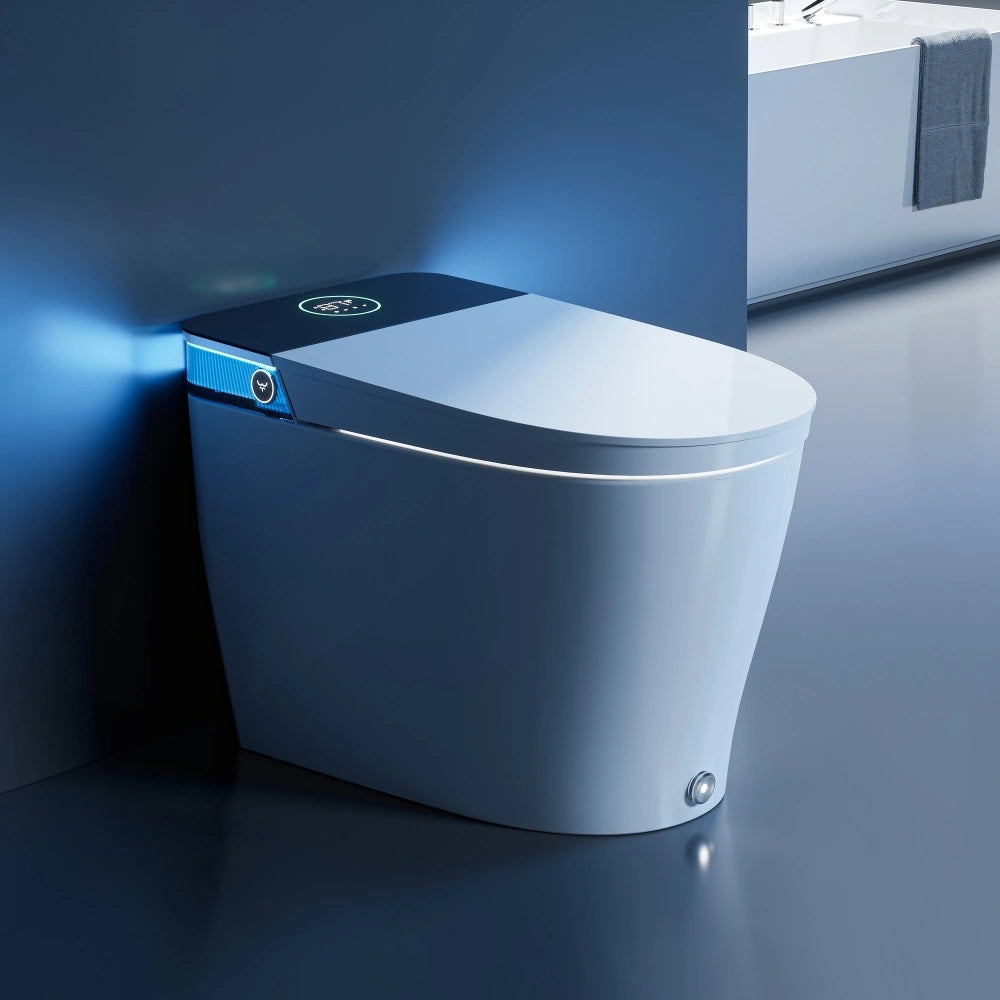
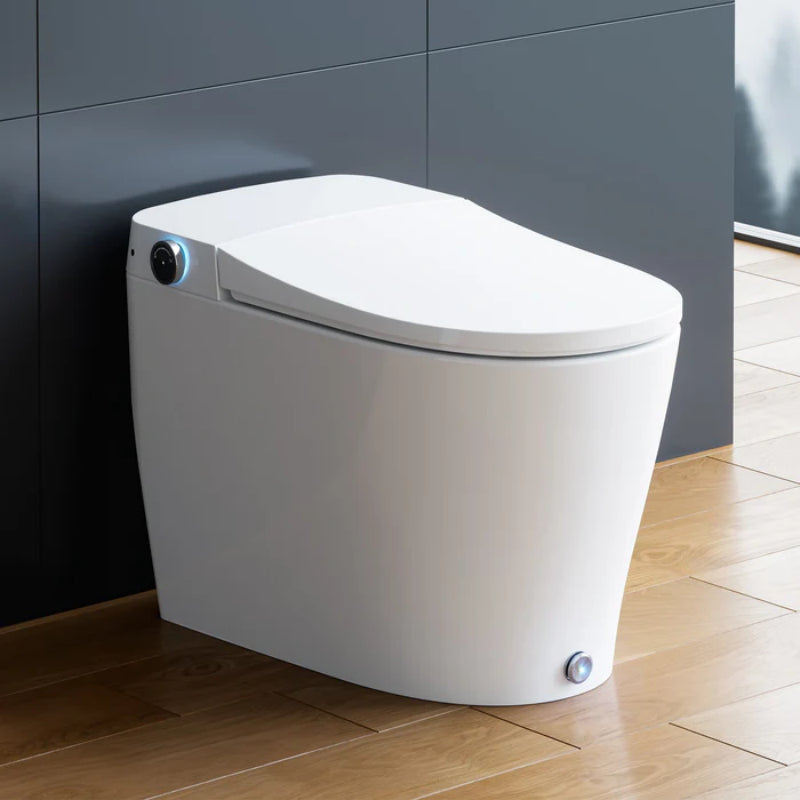

A tankless smart toilet sounds simple: no water tank, sleek shape, strong direct flush, and a built-in bidet. In real homes, the decision is less about “smart vs not smart” and more about whether your bathroom and your home systems can support a tankless flush reliably.
I’ve seen homeowners love these toilets for daily comfort and easy cleaning—then get frustrated when the flush feels weak in a low-pressure house, or when installation turns into a bigger plumbing/electrical project than expected.
This guide is built to help you make a confident first decision: Is a tankless smart toilet right for your home, and if yes, what should you check before you buy?
Is a tankless smart toilet right for you?
Deciding whether a tankless smart toilet makes sense goes beyond looks. It’s about how your home’s water pressure, electrical setup, and daily habits match the technology. This snapshot helps you quickly see when the upgrade adds real comfort—and when it might create more hassle than it’s worth.
Quick Answer / Rule of Thumb: when it’s a worthwhile upgrade vs. when to skip it
Choose a tankless smart toilet if:
-
You want bidet comfort every day (wash + heated seat) and you’ll actually use it.
-
You have good water pressure and steady electrical power, or you’re willing to upgrade those.
-
Your bathroom benefits from a sleek, compact look, and you’re willing to measure carefully.
Skip it (or pause) if:
-
Your home has low water pressure, old plumbing, or pressure drops when someone showers.
-
You lose power often, or the toilet is in a spot where a GFCI outlet is hard to add.
-
You’re on a strict budget and you’d be stressed by a four-figure purchase plus pro installation.
Best fit: urban toilet setups, limited bathroom space, and daily bidet comfort users
Tankless smart toilets tend to fit best in “urban toilet” situations: smaller bathrooms, condos, remodels where a clean look matters, and households that want a low profile smart bidet experience without adding a separate bidet seat.
They’re also a good fit for:
-
Busy households (no tank refill wait between users)
-
People who care about hygiene (bidet wash reduces toilet paper use)
-
Anyone who wants easier wipe-down cleaning (fewer curves and gaps than some traditional toilets)
Not a fit: low water pressure homes, frequent outage areas, and strict budgets
If your home is rural, on a well system, has pressure issues, or sees frequent outages, a tankless system can become a daily annoyance. You can sometimes solve this with a booster pump or electrical upgrades, but at that point it’s no longer a simple bathroom swap—it’s a home project.
The key point is: a tankless smart toilet is a “systems” purchase (water + power + layout), not just a toilet purchase.
Tankless smart toilets vs. traditional toilets
Most people compare “tankless vs tank,” but the more useful comparison is:
-
Tankless smart toilet vs modern 1.28 GPF traditional toilets (what most homes should buy today if going standard)
-
Tankless smart toilet vs a smart bidet seat on a standard toilet (the cheaper comfort upgrade)

Water & energy efficiency: 0.8–1.28 gallons per flush (GPF) vs. 3.5 GPF older toilets
Many tankless toilets use about 0.8–1.28 gallons per flush (GPF), which can be a significant reduction compared to older 3.5 GPF models. According to the U.S. Environmental Protection Agency’s WaterSense program, choosing high-efficiency toilets can significantly reduce household water use while maintaining effective flushing performance. It may be a smaller difference if you already have a modern 1.28 GPF model.
So ask yourself:
-
Are you replacing an old, water-hungry toilet? Then water savings can be real.
-
Are you replacing a newer efficient toilet? Then the “save water” benefit is often modest, and the real value is comfort and features.
Energy use is the trade-off. Tankless smart toilets usually need electricity for:
-
Seat heating
-
Water heating (often on-demand)
-
Dryer, deodorizer, sensors, and control electronics
They can still be efficient (especially with on-demand heating), but they do consume power for heating water and other functions, which adds to household energy use. Based on guidance from the U.S. Department of Energy, on-demand water heating systems are generally more efficient than storage heaters, but electrical consumption should be considered in daily operation planning.
Comfort/hygiene upgrade: heated seat + low profile smart bidet features vs. learning curve
The comfort upgrade is why most homeowners keep them long-term:
-
Warm seat in winter
-
Warm water wash
-
Adjustable pressure and nozzle position
-
Dryer and deodorizer
But there’s a learning curve. A lot of models rely on:
-
A remote with many buttons
-
User profiles (helpful, but more setup)
-
Sensors that can be picky about body position
If you want simple, pay attention to controls. In practice, a toilet can be “smart” and still be annoying if basic functions take too many steps.
Direct flush toilet performance: instant readiness vs. pressure-dependent flush strength
How does a tankless toilet flush without a tank? Instead of storing water in a tank and dumping it by gravity, a tankless toilet uses a direct flush system. Water comes straight from your water supply and is controlled by a valve and flush path designed to move waste quickly.
This has two big results:
-
No refill wait like traditional toilets. It’s ready again fast.
-
Flush strength depends on your water supply. If pressure/flow is weak, performance can drop.
Some tankless systems use internal components to help manage flow. But as a homeowner, you should assume this: Tankless toilets are less forgiving of weak water pressure than traditional toilets.

Space savings vs. ergonomics: sleek tankless look, but some models feel bulky or push you forward
Yes, removing the visible tank can free up visual space and sometimes physical space behind the bowl. But there’s a surprise many buyers don’t expect:
Some tankless smart toilets have a larger rear “hump” because they integrate:
-
Valves and flush mechanism
-
Electronics
-
Bidet parts and dryer ducting
So you might gain a cleaner look, but not always a shorter projection from the wall.
Also watch ergonomics:
-
Some bowls feel shorter
-
Some seat shapes feel firm
-
Some designs can position you slightly forward
If comfort matters (and it usually does), try to confirm bowl shape and seat feel before committing, or buy from a seller with a return option.
Trade-offs at a glance
| Feature | Tankless smart toilet | Traditional toilet | Notes |
| Water pressure | Requires stable, high flow | Minimal | Weak flow causes underperformance |
| Power dependency | Must have electricity | None | Outages prevent full operation |
| Noise | Motorized flush & bidet | Quiet | Some users find it intrusive |
| Learning curve | Controls and remote | Simple lever | Extra functions require user adaptation |
| Drying time | Warm-air drying | Manual/paper | Can be longer than expected |
| Maintenance/parts | Filters, descaler, replacement parts | Minimal | Regular servicing needed |
| Space/projection | Wall or floor mount, compact | Larger footprint | Tankless may save space |
| Installation | Electrical & plumbing must match | Basic | Upgrades may be needed |
| Consistency | Pressure-sensitive flush | Reliable | Sensitive to home infrastructure |
| Comfort | Heated seat, warm wash | Cold, manual | Major lifestyle upgrade |
Total cost: toilet price, installation and ownership
Tankless smart toilets can be worth it, but they’re rarely a bargain. A realistic budget includes:
-
Toilet unit price
-
Plumbing work
-
Electrical work (often overlooked)
-
Ongoing consumables and maintenance
Price tiers that match real buyer expectations: budget ($500–$1,000) to luxury (>$10,000)
Most homeowners land in the middle. The low end exists, but quality and service support vary a lot.
-
Budget ($500–$1,000): Basic tankless smart functions, fewer comfort tweaks, simpler materials.
-
Mid-range ($1,000–$3,000): Better wash controls, more reliable sensors, better finishing, stronger warranty support.
-
Premium ($3,000–$10,000): More refined drying, quieter operation, better fit/finish, more advanced auto features.
-
Luxury (>$10,000): You’re paying for design, specialized functions, and a specific experience.
A homeowner rule: Set your unit budget first, then confirm you can afford installation. People often do the opposite and get trapped.
Installation costs: plumber/electrician needs, retrofit risk, and why “tankless” isn’t DIY-friendly
Installing a tankless toilet is often harder than replacing traditional toilets because you’re integrating:
-
Direct water flow requirements
-
A bidet system
-
Electrical power (usually GFCI-protected)
-
Heavier one-piece construction
In many homes, this means:
-
A plumber for supply and drain alignment
-
An electrician for an outlet or dedicated circuit (depending on requirements and local code)
Even when the toilet “fits,” the shutoff valve placement, supply line size, and outlet location can add labor.
If you’re handy, you might be able to do parts of it, but many homeowners are happier paying for a clean install—especially because leaks behind a sealed base are not fun.

Ongoing costs: electricity, filters/purifiers, and whether savings offset the initial cost
Ongoing costs usually include:
-
A small increase in electricity use (seat + water heating + dryer)
-
Periodic filter changes if your model has them
-
Descaling if you have hard water
Will water savings offset the initial cost? Sometimes, but don’t buy one expecting a quick payback. Buy it because you want the daily comfort, hygiene, and a modern bathroom upgrade, and you’re also happy that it can reduce water per flush.
Visual: cost range table (unit + install + yearly operating/consumables)
Below is a realistic range for many U.S. homes. Your area may be higher/lower.
| Cost Item | Typical Range | What changes the number |
| Tankless smart toilet unit | $500–$10,000+ | Feature set, build quality, warranty support |
| Plumbing installation | $300–$1,500+ | Old shutoff valve, supply line size, flange/drain issues, access |
| Electrical work (outlet/GFCI) | $150–$800+ | Distance to power, circuit capacity, wall access, permits |
| Yearly electricity | $15–$80 | Seat heater use, dryer use, energy settings |
| Filters/descaler/consumables | $0–$150 | Water quality, model design, usage |
If you want a safer budget number for planning, many homeowners end up in the $1,800–$4,500 total range for a mid-tier unit plus professional install.
Will it fit your bathroom? Space, rough-in, and “low profile” reality
People hear “tankless” and assume “smaller.” Sometimes yes. Sometimes no.
What matters in a real bathroom is not just tank depth—it’s:
-
Bowl projection (how far it sticks out)
-
Door swing and knee clearance
-
Where the shutoff valve sits
-
Whether the seat height works for your household
Small bathroom and powder-room fit: depth/projection clearance (not just “no tank”)
A tankless toilet can make a bathroom feel more open because the back looks cleaner. But measure projection carefully.
In a powder room, the most common pain points are:
-
Knees hitting the door or vanity
-
Not enough side clearance to sit comfortably
-
A bulky rear housing interfering with the supply valve location
If your bathroom is tight, you want a model that’s truly compact in projection, not just “tankless.”
Rough-in and layout checks: 12-in vs other rough-ins, door swing, and supply valve placement
Most homes use a 12-inch rough-in (distance from the finished wall to the center of the drain). Some bathrooms are 10-inch or 14-inch.
Before you buy, confirm:
-
Your rough-in size
-
If the wall behind the toilet is finished straight (tile can change measurements)
-
Supply valve location (left side is common, but not universal)
-
Door clearance (open/close with someone seated—this matters in tiny baths)
If the toilet requires a specific adapter or mounting system, rough-in accuracy becomes even more important. A half-inch mistake can turn into a return or a remodel.
Accessibility comfort: seat height, comfort-height vs standard 15.6", and who will use it
Smart toilets often come in a standard height around 15–16 inches to the rim, while many people prefer “comfort height” (taller) for easier sitting and standing.
Think about:
-
Older adults or anyone with knee/hip issues
-
Kids (a very tall seat can be awkward)
-
Guests (you don’t want a toilet that feels strange to half your visitors)
If accessibility is a priority, don’t assume all smart models are comfort-height. Verify it.
Will this work in a small bathroom if I’m replacing a standard toilet?
Often yes—but only if:
-
The projection is similar to your current toilet (or shorter)
-
There’s a plan for the outlet (without cords crossing wet zones)
-
The supply valve and hose won’t be crushed behind the unit
In practice, the small-bathroom win is most real when the tankless unit is paired with:
-
Thoughtful outlet placement
-
A bowl shape that doesn’t extend too far
-
A clean install that doesn’t leave gaps you can’t reach to clean
Can your home support a tankless system? Water supply, pressure, and electrical
This is the section that prevents the most regret.
A tankless smart toilet is picky about:
-
Water pressure and flow
-
Stable power
-
Proper plumbing connections
Water pressure & flow requirements: why tankless toilets use on-demand water and can fail if undersupplied
What is the minimum water pressure for tankless? It depends on the model, but many tankless systems need moderate to strong pressure to flush well because they don’t have a tank storing energy (gravity) for the flush.
Here’s what matters more than a single PSI number:
-
Do you get weak flow at certain times of day?
-
Does pressure drop when a shower, washer, or dishwasher runs?
-
Are you on a well with a pressure tank that cycles noticeably?
If pressure is marginal, you may see:
-
Incomplete bowl clearing
-
More than one flush needed
-
Less consistent waste carry in the drain line
How to sanity-check at home
-
Observe flush strength at different times of day.
-
Monitor water flow during showers or laundry cycles.
-
Note any weak flow in simultaneous fixtures.
-
Track well pump cycling patterns if on private supply.
-
Confirm valves can handle instantaneous high flow without banging or surges.
Is a tankless smart toilet worth it if my water pressure is low? Usually not—unless you’re willing to fix the pressure issue first. A tank toilet is often more forgiving because the tank stores water and dumps it fast even if supply flow is not great.
Plumbing compatibility: shutoff valve, line sizing, plumb quality, and drain/vent considerations
A tankless smart toilet needs the basics done well:
-
A healthy shutoff valve that fully opens
-
Proper supply line size (and not partially clogged with mineral buildup)
-
Correct drain connection and venting
If your home is older, issues that a standard toilet tolerates can become obvious:
-
Old galvanized lines can restrict flow
-
Valves can be corroded and half-blocked
-
Flanges might be worn or not level
Also note: a “direct flush toilet” moves water quickly. If your drain line has problems (poor slope, partial blockage), you might blame the toilet when the real issue is the drain.
Electrical requirements: outlet/GFCI placement, wattage draw, and what needs power to function
Smart toilets need power for bidet and comfort features. Many require a nearby GFCI outlet.
Plan for:
-
Outlet location that won’t put a cord under tension
-
A circuit that can handle the load (especially if the bathroom already has other high-draw devices)
-
Local code requirements (many areas require GFCI in bathrooms)
If you’re remodeling, rough in the outlet early. If you’re retrofitting, expect some wall work.
Do tankless toilets require a pump?
Most residential tankless smart toilets do not require an external pump. They typically rely on your home’s water pressure and internal valves to produce the flush.
That said:
-
Some systems may include internal boosting components.
-
If your home water pressure is low, you might need a whole-home pressure adjustment or booster system (a separate project), not a toilet add-on.
So the practical answer is: they don’t “need a pump” by default, but weak supply can force you into pump/pressure upgrades.
Everyday use: what it’s like after the “wow” factor
A smart toilet is one of those products you interact with every day. The best choice is the one that stays pleasant on a random Tuesday morning—not just the first week.
Controls and profiles: remote/app complexity, multi-user settings, and sensor quirks
Many models let you set:
-
Water temp, pressure, nozzle position
-
Seat temp
-
Dryer temp and time
-
User profiles (helpful for couples and families)
In practice, the most common complaint is not “it doesn’t work”—it’s too many buttons.
If multiple people use the bathroom, profiles matter. Otherwise you’ll constantly reset settings, and people will stop using the bidet.
Also, sensors can be finicky:
-
Auto-open lids can trigger when you walk by in a tight bathroom
-
Auto-flush can misfire if someone shifts a lot or stands up slowly
-
Night-lights are useful, but some are brighter than expected
If you like “simple and predictable,” prioritize models with:
-
Clear manual buttons plus a remote
-
Easy way to disable auto-features you don’t enjoy

Bidet + dryer reality: cleaner feeling, but drying takes minutes (most still use some paper)
A bidet wash can feel much cleaner than paper alone. But the dryer is where expectations need to be realistic.
Most built-in dryers:
-
Work best if you sit for a couple minutes
-
Don’t always fully dry everyone
-
Lead many users to use a small amount of paper to finish
So the real benefit is often:
-
Better cleanliness
-
Less toilet paper overall (not always zero)
Noise, odor, and auto-features: deodorizer benefits, auto-flush reliability, and humidity/steam glitches
Noise varies by design. A tankless direct flush can be louder than a gravity tank toilet because water moves fast and the valve action is sharp.
Odor control can be genuinely helpful, but it’s not magic. If the toilet uses a deodorizer:
-
It may need periodic filter changes
-
It works best with regular cleaning
In humid bathrooms, occasional sensor weirdness can happen. Steam from showers can trigger lids or confuse some sensors. This is fixable on many models by adjusting settings or turning off certain auto functions.
What happens if the power goes out—can you still flush?
This is a must-ask question before you buy.
Many smart toilets can’t run bidet functions without power. For flushing:
-
Some designs allow a limited flush (sometimes one or two) using stored energy or backup systems.
-
Others may not flush at all until power returns.
If you live in an area with outages, look for:
-
A manual flush option you can access without power
-
A backup flush feature (and understand its limits)
If outages are frequent and long, a traditional toilet (tank) is still the most reliable “always works” option.
Buyer verification checklist
-
Confirm manual flush access.
-
Check how many flushes are possible during outage.
-
Assess local outage frequency.
-
Verify fallback plan (bucket or auxiliary tank) for emergency use.
Maintenance, repairs, and long-term ownership risks of tankless smart toilet
This is where “smart” becomes a real homeowner decision. Electronics add comfort, but they also add components that can fail.
Cleaning and upkeep: nozzle self-cleaning vs. descaling, filter changes, and easy-to-clean claims
Most smart bidets include nozzle rinse cycles. That helps, but it doesn’t replace cleaning.
Expect:
-
Regular bowl cleaning like any toilet
-
Occasional deeper cleaning around hinges and seams
-
Descaling if you have hard water (especially for models that heat water internally)
-
Filter changes if your system uses them
Tankless designs can be easier to wipe down because there’s no tank seam, but some one-piece bodies have curves that require the right brush.
If you have very hard water, plan for maintenance. Hard water can shorten the life of valves and heaters.

Reliability and repair costs: electronics/components, service access, and warranty/support differences by brand
Without naming brands, here’s what matters when comparing models:
-
Warranty length (especially on electronic components)
-
Access to parts in your region
-
Whether service requires removing the whole toilet
-
Clear troubleshooting support
A traditional toilet can often be repaired with a $20 part from any hardware store. A smart tankless toilet may need:
-
A specific valve
-
A specific sensor
-
A control board
That’s why these toilets feel like an investment: repairs can be less “handy homeowner” friendly.
Long-term decision: when to replace vs. repair, and tank and tankless trade-offs over time
Over a long period, tank toilets have simple wear parts:
-
Flapper, fill valve, flush valve
-
Wax ring, bolts
Tankless smart toilets trade those simple parts for:
-
Valves designed for direct flush
-
Electronics and motors for bidet and dryer
-
Sensors and control modules
If you plan to stay in the home a long time, think about your comfort with:
-
Paying for specialized repair
-
Ordering parts
-
Possibly replacing the unit rather than rebuilding it
Do tankless smart toilets actually reduce water per flush enough to matter long-term?
They can—especially if you’re replacing an older high-GPF toilet. But the long-term water savings depend on what you’re replacing.
-
Replacing 3.5 GPF older toilets: savings can be significant.
-
Replacing a modern 1.28 GPF toilet: savings may be modest.
Also remember: if a tankless toilet flushes weakly due to low water pressure and you end up flushing twice, you can erase the savings fast. That’s why supply checks matter more than the brochure number.
Before You Buy: quick checklist (5–8 items)
-
Measure rough-in (most often 12") and confirm the model matches it.
-
Check projection and clearance: door swing, knee room, and side space.
-
Confirm water pressure and real-world flow (especially during shower/laundry use).
-
Inspect the shutoff valve and supply line for age, corrosion, and size restrictions.
-
Plan the GFCI outlet location (and budget for an electrician if needed).
-
Decide how you’ll handle outages: manual flush? backup? or choose a different toilet type.
-
Know your water quality (hard water often means descaling/filters are not optional).
-
Choose controls you’ll actually use (simple buttons vs remote/app heavy).
FAQs
1. How does a tankless toilet flush without a tank?
A tankless smart toilet works by connecting directly to your home’s water supply rather than relying on a storage tank. When you press the flush button, water is instantly released through a direct flush toilet system, using the existing water pressure to clear the bowl efficiently. Some models include a small valve or booster to make sure every flush feels strong and consistent. The benefit is a fast, clean flush with no waiting for a tank to refill, making it perfect for modern urban toilets where space and efficiency matter.
2. Do tankless toilets require a pump?
Not necessarily. Many tankless smart toilets function well with standard municipal water pressure, as long as your home meets the required PSI. However, some high-end models—or homes with fluctuating pressure—use a built-in pump to ensure a reliable flush. This is common in low profile smart bidet designs or urban toilets where compact plumbing can reduce natural water pressure. Essentially, the pump is optional but guarantees consistent performance, especially in older buildings or multi-bathroom setups.
3. Are tankless toilets better for small bathrooms?
Absolutely. Tankless smart toilets are ideal for small or compact bathrooms because they eliminate the bulky tank and often sit closer to the wall, giving the space a cleaner, more open feel. Wall-hung or low profile smart bidet models free up floor space and make cleaning easier. They’re especially popular in urban toilets, where maximizing every inch of space is important. Just make sure there’s nearby power and reliable water pressure before installation.
4. What is the minimum water pressure for tankless?
Most direct flush toilets need a minimum supply pressure of around 25–35 PSI, though some smart models prefer 40 PSI+ to guarantee consistent flushing. Lower pressure can lead to weaker flushing or repeated attempts. Homes on municipal water usually meet this naturally, but older or well-water systems might need a booster pump. Checking your water pressure ahead of time ensures your tankless smart toilet performs optimally.
5. Do they save more water than tank toilets?
Yes—though it depends on the model. Modern tankless smart toilets and low profile smart bidets often use 1.28 GPF or lower dual flush, which is significantly less than older tank toilets. Direct flush toilets also reduce repeat flushes thanks to pressurized cleaning patterns, saving even more water. If you’re upgrading from an older unit, switching to a tankless smart toilet in an urban toilet setup can noticeably cut water usage and utility bills.
References


Leave a comment
This site is protected by hCaptcha and the hCaptcha Privacy Policy and Terms of Service apply.