
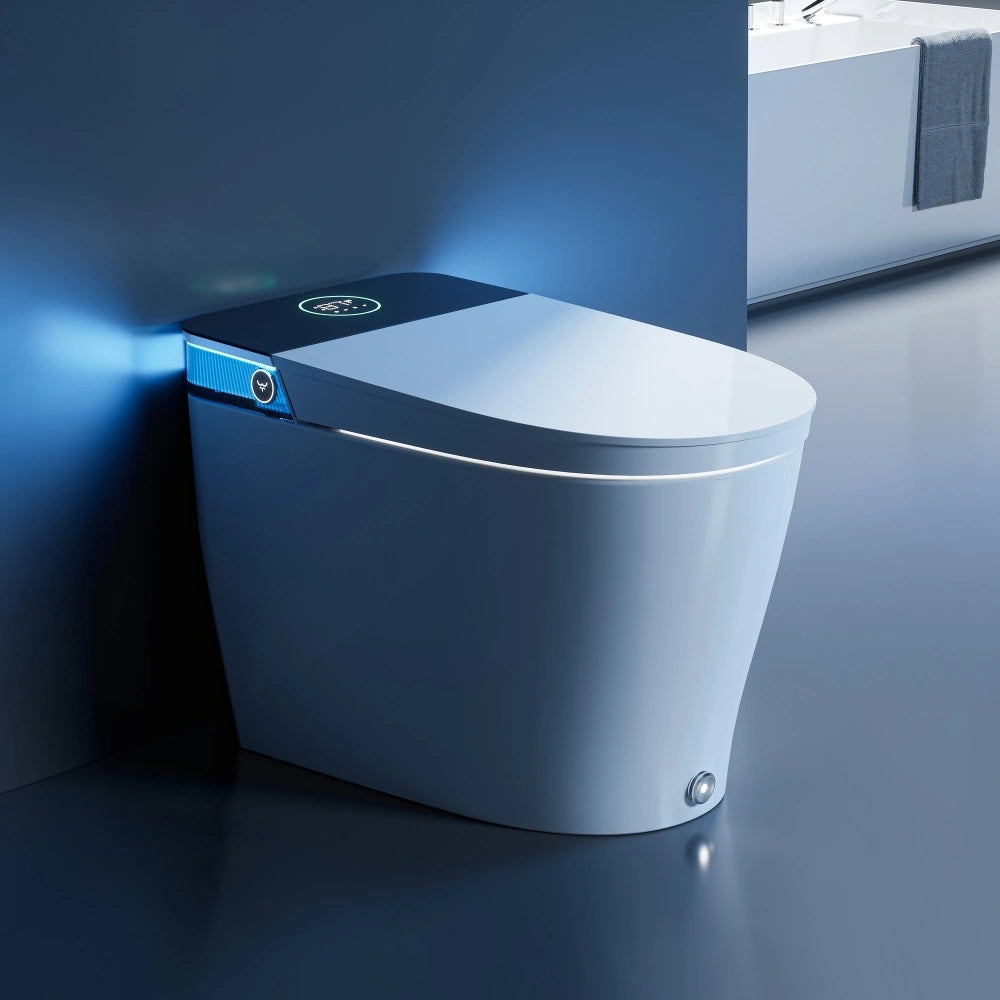
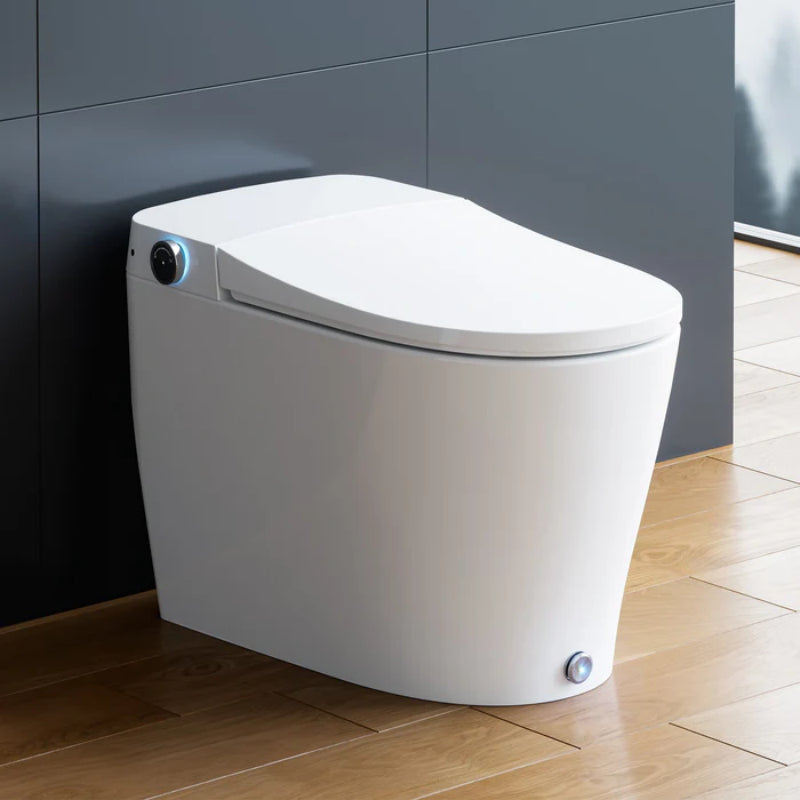
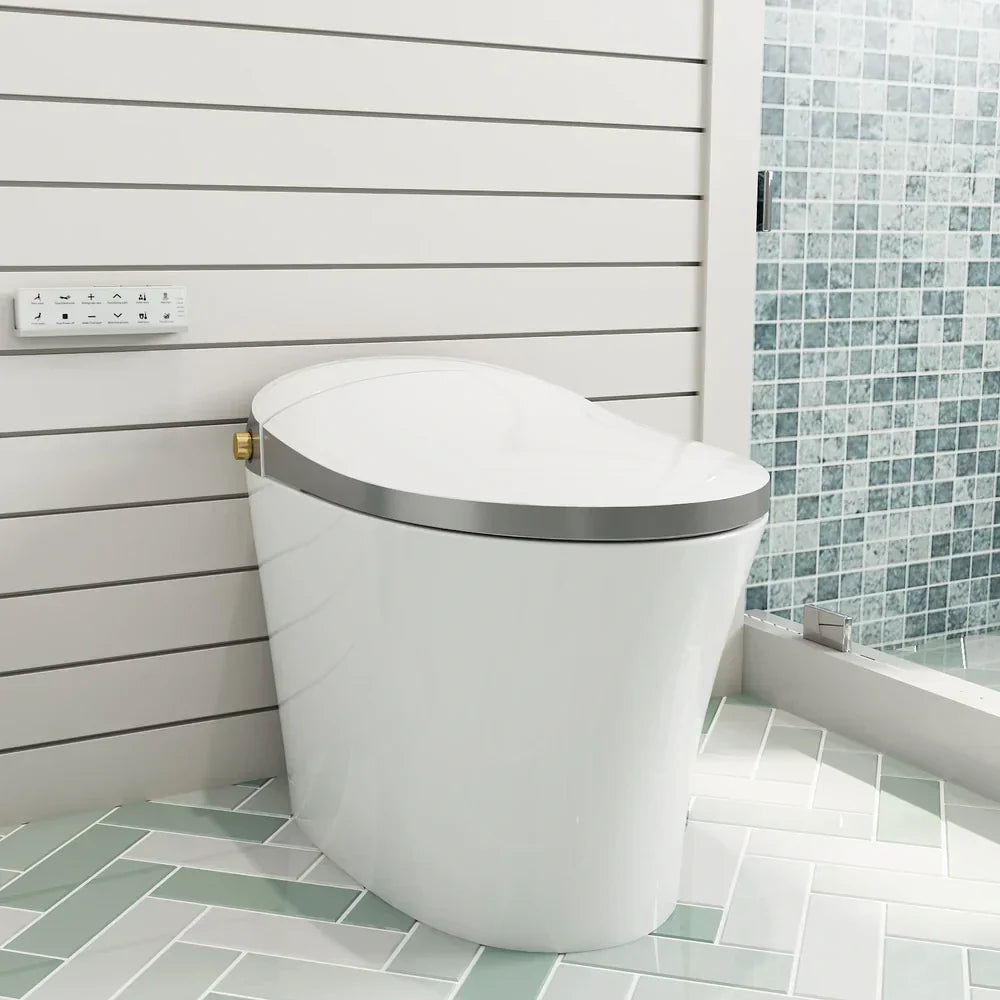
A smart toilet can feel “normal” day to day—until the power goes out. Then the question gets very practical: can you still flush, and how much hassle is the backup system? A smart toilet with power backup can solve a real problem in some homes, but it can also add battery chores, clutter, and false confidence if you don’t understand what the backup does (and doesn’t) power.
Decision Snapshot: who it fits and who should skip
Usually a good fit if:
-
You get outages that last hours (or happen often), and you really don’t want a non-working toilet.
-
Your household includes seniors, kids, or anyone who needs predictable bathroom access.
-
You’re fine keeping spare batteries and testing them a few times a year.
-
Your bathroom layout has space to hide and reach a battery pack.
Probably not worth it if:
-
Outages are rare, short, or you don’t mind a “basic mode” during storms.
-
It’s a guest bath that can sit unused during an outage.
-
You dislike maintenance tasks like tracking battery age and replacing a lot of cells at once.
-
You expect the toilet to keep all smart features during a blackout (it usually won’t).
Who benefits from power backup in real homes
A smart toilet with power backup has become a key upgrade for modern bathrooms, answering the critical question: can you flush smart toilet without power? A battery backup bidet toilet with emergency flush smart toilet functionality ensures stable power outage toilet operation and keeps a reliable smart toilet during blackout. Most smart toilets rely on electricity to run automatic flushing, heated seat, bidet features, one-touch wash, and other comfort functions. When the power goes out, standard models may stop working entirely, disrupting bathroom hygiene and daily use.
This guide helps you understand when power backup is essential to maintain water pressure, emergency mode, and reliable performance even in cold weather. For many homes, battery backup is not just a luxury feature but a functional necessity to ensure your toilet works when you need it most.
Choosing the right model in advance helps you avoid frustration, enjoy consistent efficiency, and never worry about a non-functional toilet during unexpected outages.
When blackout reliability is a real need
Power backup makes the most sense when a toilet failing during an outage would create a serious inconvenience, not just mild annoyance.
Common situations where it pays off:
-
Storm-prone areas where outages are routine and overnight.
-
Rural homes where power restoration can be slower.
-
Homes with medical or mobility needs, where walking to another bathroom or improvising is not realistic.
-
Single-bathroom homes, where “use another toilet” isn’t an option.
One more detail that matters: if your home is on a well pump, an outage can also mean no water supply pressure after the pressure tank is depleted. In that case, backup power might keep the toilet’s electronics alive, but flushing may still be limited by water availability.
When it becomes needless complexity
In stable-grid neighborhoods, the backup feature is often paid for twice: once at purchase, then again through battery upkeep and “why isn’t this working?” moments.
It can feel unnecessary when:
-
Outages are measured in minutes, not hours.
-
You travel often and don’t want batteries aging in the unit.
-
You want a bathroom that’s visually clean and low-clutter, because some backup packs are hard to hide.
The key point is that backup power is not “set it and forget it.” If you won’t maintain it, it can turn into a feature that only exists on paper.

What works during a power outage (and what doesn’t)
Understanding power outage toilet operation is essential for any homeowner considering a smart toilet with power backup. One of the most common questions shoppers ask is: can you flush smart toilet without power? This guide breaks down how a battery backup bidet toilet performs during a blackout, so you know exactly what to expect from emergency flush smart toilet functions and keep a reliable smart toilet during blackout.
Modern smart toilets rely on electricity for automatic flushing, heated seat, one-touch wash, bidet features, and other comfort functions that define modern convenience. When the electricity goes out, these advanced features may stop working, leaving you without reliable bathroom hygiene or even basic flush capability. Some models offer a manual emergency mode, while others depend entirely on battery power.
Knowing how your toilet works without power helps you buy the right model in advance, ensure consistent performance, avoid frustration during storms or winter outages, and maintain functional, hygienic bathroom use even when the grid fails.
Can you flush a smart toilet without power?
There isn’t one universal answer because “smart toilet” covers different flushing designs. In practice, flushing during a blackout usually falls into one of these buckets:
-
Flush works only if the battery backup is installed and healthy. Many smart toilets use powered valves, sensors, or motors. Without electricity, the flush button may do nothing.
-
Flush works through an emergency/manual method. Some units include a manual lever, pull-cord, or access panel that triggers a limited flush.
-
Flush does not work at all without power. This is what surprises people most, because it conflicts with what we expect from a toilet.
So when you see “power backup,” read it as: the toilet may be power-dependent, and the backup is how you get any flush at all.
What “emergency flush” usually means
“Emergency flush” tends to mean limited function, not full performance.
What to expect in real use:
-
A limited number of flush cycles (sometimes just a handful) before batteries sag.
-
A simpler flush routine (for example, no automatic sensing, no custom flush volume).
-
Less consistent performance if the batteries are old, cold, or mixed brands.
If your household is large, a limited number of flushes can disappear fast during a long outage.
What happens to bidet and comfort features
Even if the toilet can flush on backup, many comfort features may shut off or become restricted. During an outage, it’s common for these to be reduced or unavailable:
-
Heated seat
-
Warm water washing
-
Warm air drying
-
Auto open/close lid
-
Night light and display
-
User presets and “one touch” routines
Some toilets will allow basic washing, but many prioritize flushing. Also, heating functions draw a lot of power, so they’re often the first to go.
If your goal is “reliable hygiene features during blackout,” check your expectations. Backup usually aims to prevent the worst problem (no flush), not preserve luxury features.
The trade-offs people don’t expect
Before you purchase a smart toilet with power backup, it’s important to look past the convenience and understand the real-world trade-offs of a battery backup bidet toilet. Many homeowners focus on emergency flush smart toilet performance and power outage toilet operation without considering installation, space, battery maintenance, and daily functionality.
This guide reveals the hidden downsides that can impact your bathroom design, comfort, and long-term use. A reliable smart toilet during blackout often comes with unexpected costs, spatial requirements, and extra upkeep. From bulky battery packs to persistent outlet needs, these factors affect how well your toilet fits your space, how easy it is to clean, and whether you can truly enjoy modern convenience without frustration.
Knowing these trade-offs in advance helps you make a practical choice, avoid buyer’s remorse, and ensure your smart toilet works smoothly in every situation—even when the power goes out.
The battery pack can be bigger and more annoying than expected
A common reality is a backup system that uses a large set of AA batteries (often 16). That surprises homeowners because they expect a small rechargeable battery like you’d see in other electronics.
Practical consequences:
-
You may need to buy a full set of batteries on day one.
-
Batteries are often not included, so backup readiness is not automatic.
-
Replacing them can feel wasteful and expensive if you prefer rechargeable setups.
If you’re the type of person who never has spare batteries at home, this feature can become a recurring frustration.
Where the battery pack goes can affect bathroom fit
Backup power usually needs a battery holder somewhere: behind the toilet, beside it, or inside an access area. That creates two real-world issues:
-
Clearance: tight spaces can make the pack hard to mount or service.
-
Appearance: if you can’t hide it, you may end up with a visible box and wires.
A simple fit check before you commit:
-
Measure the gap behind the toilet and on each side.
-
Confirm you can reach the pack without removing the whole toilet.
-
Think about cleaning: will it collect dust and splash exposure?
Backup doesn’t remove the need for an outlet
Some buyers assume “power backup” means the toilet is basically battery-powered. In most cases, it isn’t. The toilet still needs a nearby electrical outlet for normal operation, and you may still deal with:
-
Cord routing that’s hard to hide
-
GFCI outlet requirements in bathrooms
-
Limits on extension cords (often not recommended in wet areas)
So the backup feature helps with outages, but it doesn’t simplify installation. It adds one more thing to install and maintain.

Maintenance and reliability risks that show up later
Owning a smart toilet with power backup brings reliable power outage toilet operation and peace of mind during blackouts, but it also introduces long-term maintenance responsibilities many buyers overlook. A battery backup bidet toilet can deliver a stable emergency flush smart toilet experience only if properly cared for.
This guide highlights the hidden reliability risks, ongoing costs, and routine tasks that keep your reliable smart toilet during blackout functional when you need it most. From battery replacement expenses to contact issues and humidity-related corrosion, these factors directly affect how well your toilet works without power.
Understanding the real maintenance demands helps you avoid unexpected failures, ensure consistent emergency flush performance, and answer confidently: can you flush a smart toilet without power? With the right habits, you can keep your system dependable, hygienic, and ready for any outage—without last-minute surprises or frustrating breakdowns.
Battery replacement is a real cost and a real chore
Batteries are the #1 long-term regret point because they turn a plumbing fixture into something that feels like it needs “device management.”
Here’s a realistic cost range just for AA batteries, assuming a system that takes 16 AAs:
| Battery approach | Typical out-of-pocket cost | What changes the cost most |
| Budget alkaline AAs | ~$10–$25 per full change | Shorter life, higher leak risk in some conditions |
| Premium alkaline/lithium AAs | ~$25–$60 per full change | Better shelf life, better cold performance |
How often you replace them depends on:
-
How often do you lose power
-
Whether the toilet draws standby power from the batteries
-
Bathroom temperature and humidity
-
Whether you test the backup (testing uses power)
Even if the batteries last a long time, many owners still choose to replace them on a schedule so they aren’t surprised.
What fails first during an outage
In “it worked in the showroom” terms, backup sounds simple. In real homes, the failure points are basic:
-
Weak batteries (partly drained from age, or mixed brands/ages)
-
Loose battery contacts after a year of vibration and cleaning
-
Forgotten installation (backup pack bought but never set up)
-
Corrosion if a battery leaks in a humid bathroom
The most annoying version of this problem is when the toilet behaves normally for months, so nobody thinks about the backup—then a blackout hits and the toilet won’t flush.
You have to test it, or it’s just a promise
If backup flushing matters to you, plan to test it. Not constantly, just enough to catch problems.
A simple approach many homeowners can live with:
-
Twice a year, turn off the breaker briefly and confirm the toilet can complete an emergency flush.
-
Replace batteries on a schedule you trust, not only when they die.
If that sounds like too much, it’s a sign the feature may not match your habits.
When power backup is overkill
While a smart toilet with power backup offers clear benefits for emergency flush smart toilet function and power outage toilet operation, it is not a necessary upgrade for every home. Many buyers focus too much on the question: can you flush a smart toilet without power? without considering whether their daily living situation truly requires a reliable smart toilet during blackout.
For some households, the added battery maintenance, installation steps, and extra components create more hassle than the peace of mind they provide. This guide helps you recognize if a battery backup bidet toilet is simply unnecessary for your lifestyle, location, and emergency tolerance.
Understanding when backup is overkill allows you to choose a smarter, simpler, and more functional bathroom solution that fits your actual needs—without paying for features you will rarely use or maintain.
If outages are rare or short
If your power is rarely out long enough to disrupt bathroom routines, power backup may add more irritation than value. You’ll face extra setup steps during installation, need to plan for proper battery storage, make regular choices about when to perform battery replacement, and accommodate extra parts behind the toilet that can affect the clean look of your space. For many people, the “right” answer is not about money. It’s about whether you want one more system to maintain in the home.
If your household expects “normal” in an emergency
Some households handle outages fine because they naturally simplify: fewer showers, fewer device routines, less reliance on automation. Others find disruptions very stressful. As you weigh your options, ask yourself whether you’ll be calm with reduced features during a blackout, or if the loss of basic bathroom function will feel like a major failure. Power backup is most worth it when it prevents a high-stress scenario, not when it protects convenience. Beyond basic performance and modern convenience, you’ll never fully understand the real value of a smart toilet with power backup until you face an extended outage, and as you discover the Horow difference in reliable emergency operation, these personal and household comfort questions will shape your final thoughts on whether the upgrade is truly justified.
Before You Choose checklist
-
Do you get outages long enough that a non-working toilet would be a real problem?
-
Are you willing to buy, install, and periodically replace a large set of AA batteries?
-
Do you have a place to mount/hide the battery pack with enough clearance to service it?
-
Do you understand which functions work on backup (flush only vs flush + bidet)?
-
If your home uses a well, will you still have water pressure during an outage?

FAQs
1. What happens to a smart toilet during a blackout?
During a blackout, a standard smart toilet may stop working entirely because most smart toilets rely on electricity to flush and operate. Only models with a smart toilet with power backup or a built‑in emergency flush system will allow basic power outage toilet operation, while nearly all luxury features will be disabled to preserve battery power for essential flushing.
2. How long does the backup battery last?
The backup battery in a battery backup bidet toilet only supports limited emergency use, not full daily operation. How long it lasts depends on battery type, age, temperature, and how many emergency flushes you use, but it is designed for short‑term reliable smart toilets during blackout support, not extended outages.
3. Can the bidet function without power?
Most bidet features will not work normally without power, since warm water wash, drying, and pressure controls require electricity. Some smart toilets may offer a very basic cold manual wash mode in an emergency, but you cannot expect full hygienic bidet performance when the electricity goes out.
4. Is the battery easy to replace?
Battery replacement is usually straightforward but does require regular upkeep. Most systems use common AA batteries in an accessible pack behind or beside the toilet, though you must replace them on a schedule to ensure reliable emergency flush smart toilet function when you need it most.
5. Does the auto-open lid work in a blackout?
The auto-open lid will not work during a blackout, because it uses motorized components that draw significant power. During a power outage, all automatic functions like lid control, heated seat, and one-touch routines are disabled so the battery can focus on supporting basic flush operation.
References




Leave a comment
This site is protected by hCaptcha and the hCaptcha Privacy Policy and Terms of Service apply.