
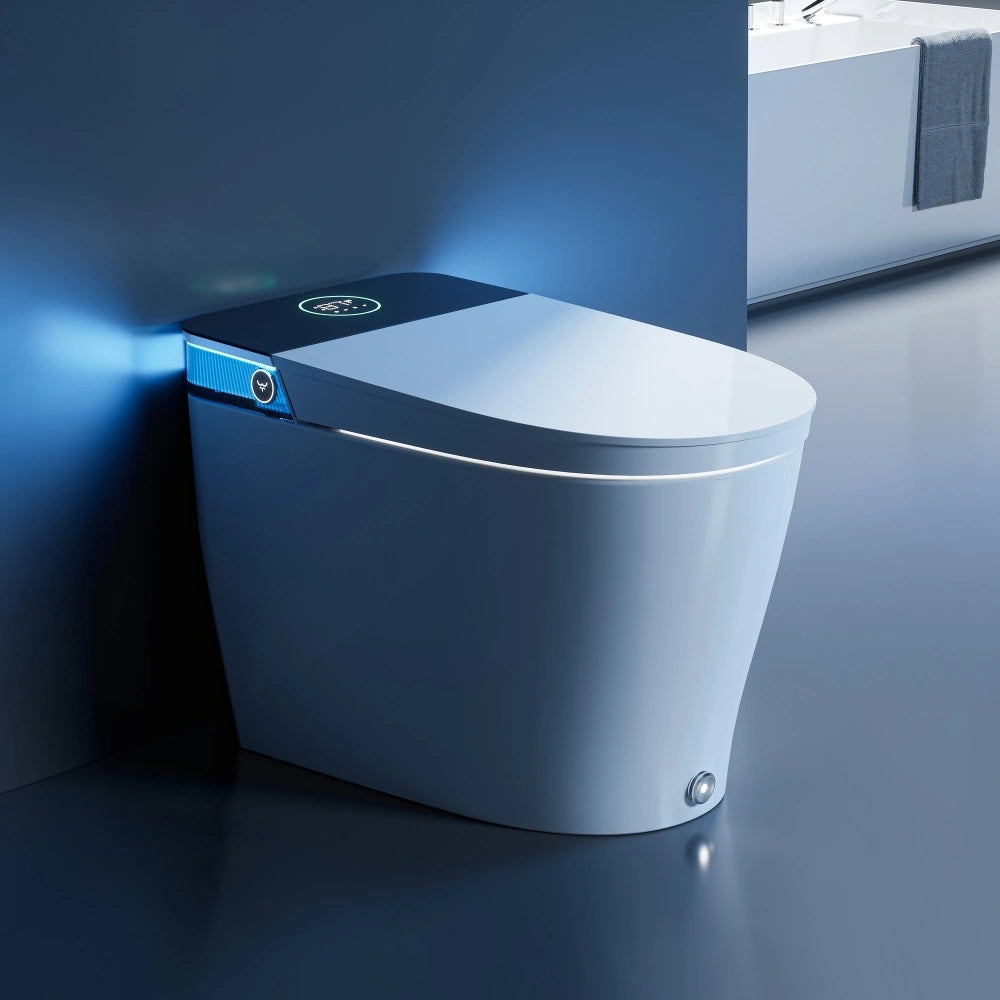
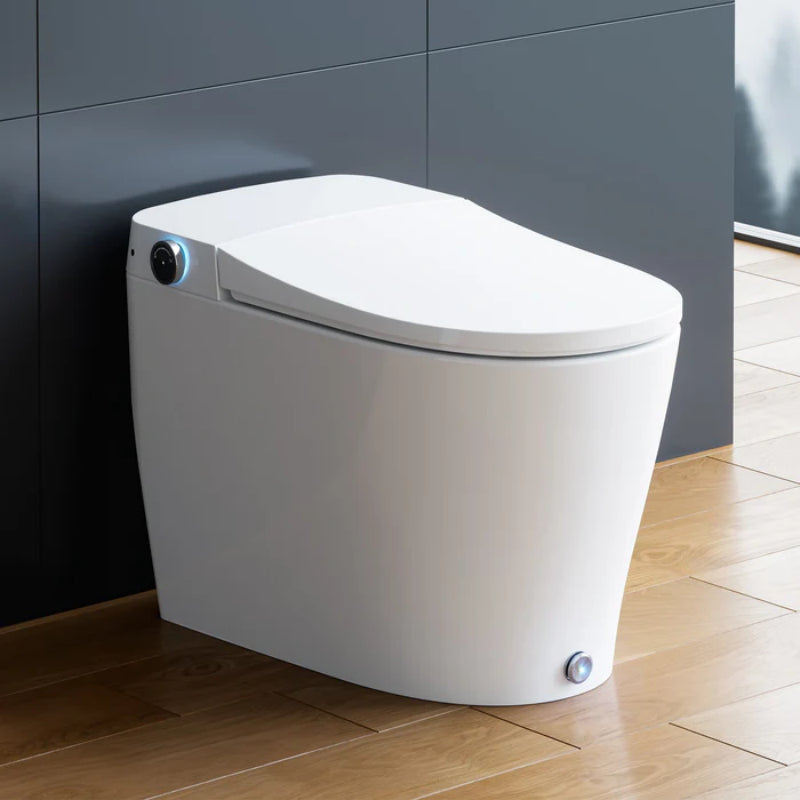

Smart toilet troubleshooting can solve many everyday issues related to your toilet’s performance, like temporary sensor glitches, minor blockage warnings, or simple power interruptions, but it has clear limits when problems are recurring or system-level. In practice, repeated resets do not reliably fix deeper faults such as malfunctioning sensors, unstable heating elements, internal leaks, or electrical control board issues. If the same issue keeps coming back after basic resets or power cycling, it usually indicates an underlying hardware or installation problem rather than a user-fixable error.
Decision Snapshot: smart toilet troubleshooting guide
A smart toilet troubleshooting guide usually makes sense if you own a feature-heavy unit and want to handle basic problems yourself. It is most useful for homes where people are willing to check the outlet, water supply, filters, nozzles, and settings instead of assuming the toilet has failed.
This is often unnecessary if you have very low patience for upkeep or if every small glitch becomes a major frustration. In those homes, a guide may help once or twice, but it will not change the fact that smart toilets can need more attention than people expect.
This also makes sense if your main goal is to sort out recurring issues like a smart toilet remote not working, weak flushes, sensor misreads, or a heater that stops warming the seat or water. But if your unit has repeated electrical faults, leaks, or internal valve problems, a guide can only take you so far.
This section helps separate what you can safely check at home from what should be handled by a technician. Basic homeowner checks include verifying power supply, confirming water connection, cleaning sensors, and checking for obvious blockages or loose fittings. Based on the U.S. Environmental Protection Agency (EPA), routine household water appliance maintenance such as checking connections and flow paths is recommended as a first step before seeking professional service, especially for water-using fixtures. However, if problems persist after these steps—such as inconsistent flushing, random heating failure, or repeated error codes—it is a strong sign that service intervention is needed. This framework is meant to guide troubleshooting decisions clearly, rather than evaluating whether the product is “worth using,” focusing instead on whether the issue is simple, repeatable, or system-related.
Who benefits from troubleshooting
Before diving into the specific scenarios where troubleshooting is useful or not, it helps to understand what kind of problems actually show up in real daily use. Smart toilets behave differently from traditional fixtures, so the value of a troubleshooting guide depends a lot on how often the advanced functions are being used and how quickly small issues are noticed and corrected.
Best for heavy daily use
A troubleshooting guide is most helpful in bathrooms where the smart features get used every day. The more often people rely on auto-flush, heated water, drying, remote controls, and motion sensors, the more likely small issues will show up.
In that setting, knowing how to troubleshoot a smart toilet that is not flushing properly can save time and stress. The same is true for a bidet nozzle that stops extending, a seat heater that seems dead, or a sensor that suddenly does nothing. Many of these problems start with simple causes: a clogged filter, a loose plug, low water pressure, a tripped outlet, or buildup around a sensor area.
This usually becomes useful when the problem is annoying but not severe. A homeowner who can work through a few checks often gets the toilet back to normal without waiting for a repair visit.
Poor fit for low-tolerance homes
Some households want smart features, but not smart-feature behavior. That is where a troubleshooting guide often feels like more work than help.
This can be annoying when people expect the toilet to act like a regular fixture with zero upkeep. In real homes, smart toilets may need nozzle cleaning, filter rinsing, occasional resets, and power checks. If one person in the house is always the one dealing with these tasks, that convenience can start to feel one-sided.
A guide will not remove that friction. It just helps you manage it.
In many homes, this ends up being ignored if the bathroom is used by guests, kids, older adults, or anyone who does not want to learn the quirks. If users are confused by remote settings, activation delays, or sensor behavior, the guide may become something only one person ever uses.
Is it worth it for basics?
If you only use the toilet like a basic toilet and rarely use the extra functions, a troubleshooting guide may not matter much. You might only need it once in a long while for a simple flush issue or power reset.
That is the real dividing line: the guide is more valuable when the smart functions are part of your routine. If those features are mostly left alone, it becomes less important.
Setup issues people miss
Many smart toilet issues are not actual malfunctions but normal startup behavior that users misinterpret. Some models have a short activation delay after power is first connected, during which sensors and internal systems calibrate before responding normally. In addition, many functions depend on user posture or seating detection, meaning the system may not activate if the user is not positioned correctly or if weight detection thresholds are not met. Understanding these expected behaviors helps prevent unnecessary resets and confusion when the unit appears unresponsive at first use.

Fit changes sensor behavior
One of the biggest regrets is assuming that if the toilet installs, it will also work well. That is not always true.
Seat shape, hinge position, bowl fit, and even a slight rocking motion can affect sensors and user position. Some people learn this only after repeated misfires. A sensor may fail to detect someone sitting correctly, or it may trigger oddly because posture shifts change what the toilet “sees.”
This matters because many common guides focus on buttons and resets, but not on fit. If your smart toilet sensor is not working, the problem may not be electronic at all. It may be a placement issue, seat movement, or the way the user has to sit on a bulkier seat.
This can be annoying when the bathroom is tight. A larger seat may change sitting posture, knee room, or how far back someone sits. That can affect washing, drying, and sensor timing.
Power causes hidden faults
Power-related problems often come from installation details that are easy to overlook but have long-term impact. A slightly bent power supply line, over-tightened water-to-unit fittings, or uneven electrical connection can all create intermittent faults that appear random during use. These issues may not show immediately after installation but can gradually lead to sensor errors, inconsistent heating, or sporadic system shutdowns. Checking installation integrity is just as important as checking the device itself when diagnosing smart toilet problems.
A lot of people underestimate how much household power setup affects smart toilet behavior. A guide helps here because many odd failures are not actual product failures.
If a smart toilet heater is not working, or the remote suddenly stops responding, or the unit seems dead after working fine before, start with the power source. Shared or easy-to-trip GFCI outlets, switch-controlled outlets, loose plugs, and unstable connections can all cause recurring problems.
This is where smart toilet heater not working troubleshooting and smart toilet remote not working troubleshooting often overlap. The heater, remote receiver, and control board can all act strangely when power is interrupted, even briefly.
A guide is worth using if it reminds you to check the simple things first:
-
Is the outlet reset?
-
Is the plug fully seated?
-
check for loose connections or partially inserted plugs
-
inspect socket condition for wear or damage
-
-
Is something else on the circuit causing trips?
-
Was the power switched off without anyone noticing?
That said, if power keeps dropping or the unit repeatedly loses function, the guide may only confirm that the bathroom’s electrical setup needs a professional look.

Water pressure limits performance
Water pressure is a common hidden factor behind weak or inconsistent smart toilet performance. Even when the unit is functioning correctly, variations in household water supply can lead to weak spray strength, incomplete flushing, or delayed refill cycles. In some homes, marginal or unstable water pressure means the system never operates at its optimal design level, which can make symptoms appear like a defect even when the hardware is normal. This is why persistent weak performance should not be judged only by resets or cleaning, but also by checking whether the water supply is consistently within the required operating range.
If you are dealing with smart toilet weak flush troubleshooting, poor bidet spray, slow refill, or inconsistent washing, pressure may be the root problem. Many homeowners search for smart toilet water pressure issues troubleshooting or how to check water supply problems in a smart toilet only after they have already tried resets and settings.
This usually becomes useful when your toilet works, but badly. Weak flushing, weak spray, or incomplete rinsing can come from partly closed shutoff valves, clogged inlet filters, bent supply lines, or pressure that is simply lower than the toilet expects.
That is also why smart toilet water flow issues and how to fix them should not be treated as a small detail. If the home’s water supply is marginal, the toilet may always feel underpowered no matter how many times you reboot it.
Daily annoyances behind simple fixes
Smart toilet issues rarely start as full breakdowns. Most of the time, they show up as small, repeatable annoyances that are easy to ignore at first but harder to live with over time. Understanding these everyday patterns makes it clearer why simple checks often fix more than expected—and why a troubleshooting approach is usually about observation before repair.

Weak flushes have patterns
A weak flush often looks like a major problem when it is really a pattern problem.
Common causes include low pressure, a restricted valve, buildup in the rim or jet paths, or partial clogs. That is why common smart toilet flushing problems and solutions often start with water supply and cleaning checks, not full repair.
Still, this becomes frustrating fast if the toilet needs frequent attention to flush as expected. A guide helps most when the weak flush is new or occasional. If it is a steady issue from the start, the guide may simply reveal that your setup was never ideal.
Remote failures break routine
Remote problems sound minor until you live with them. If the toilet depends on a remote for key functions, one battery issue, pairing glitch, or signal problem can make the bathroom feel awkward.
That is why a smart toilet remote not working troubleshooting section matters more than many buyers think. If flushing mode, wash settings, or dryer controls are hard to access without the remote, small failures have a big effect on daily use.
In many homes, this ends up being ignored if there are backup controls on the unit. But if there are not, or if those controls are hard to reach, remote trouble becomes a real quality-of-life issue.
Sensor mistakes wear people down
Sensors are convenient when they work and tiring when they do not.
A smart toilet sensor not working troubleshooting guide is useful because sensor issues are often inconsistent. The toilet may auto-flush when it should not, fail to activate washing, stop mid-cycle, or misread someone getting up. Some people also deal with ghost flushing smart toilet causes and fixes, where the unit flushes with no obvious reason.
These problems are often caused by dirty sensor windows, odd seating position, reflections, fit problems, or internal faults. The hard part is that resets may help only for a while.
This can be annoying when each problem seems small on its own. A missed flush here, a false flush there, a wash cycle stopping early, a remote lagging, a seat heater acting up — that “death by a thousand cuts” feeling is what many people wish they had known earlier.
When problems need real repair
Not every smart toilet issue can be handled with quick checks or resets. Some symptoms point beyond routine troubleshooting and start to involve plumbing stress, internal components, or electrical behavior. At that stage, the focus shifts from “fixing at home” to understanding limits and avoiding damage while deciding when professional repair is the safer option.

Clogs can be risky
A smart toilet can clog like any toilet, but clearing it is not always as simple. If you are wondering how to unclog a smart toilet without causing damage, the answer is to be careful with force and tools.
Aggressive plunging or improper tools can damage seals, internal pathways, or electronic parts nearby. A guide is worth using here because it can help you rule out a simple blockage before you make it worse.
But if the clog is deep, recurring, or tied to weak flush performance, that may point to a larger plumbing issue or internal problem.
Valves and leaks need care
Smart toilet valve problems troubleshooting can be useful for identifying whether a shutoff valve is partly closed, a supply connection is restricted, or refill behavior is abnormal. But this is also where homeowners sometimes create damage.
Over-tightened fittings, bent lines, and rough handling can turn a minor issue into a leak. If the unit is leaking, not refilling properly, or making unusual refill sounds, caution matters more than speed.
This is especially true if you are not sure whether the problem is at the wall valve, supply line, internal valve, or control assembly. A basic guide can help you inspect, but not safely repair everything.
Know when to call a pro
A guide is helpful for simple checks. It is not a substitute for service when the problem is beyond routine care.
You should think about when to call a professional for smart toilet repair if:
-
the toilet repeatedly trips power
-
leaks keep returning
-
ghost flushing continues after cleaning and resets
-
the heater, pump, or sensors fail again and again
-
flush performance stays poor after checking water supply
-
you suspect an internal electrical or valve fault
That is often the real value of a troubleshooting guide: not that it solves every issue, but that it helps you separate normal upkeep from problems that need qualified repair.
Before You Choose
-
Check that your bathroom has a stable, unswitched power source that will not trip easily.
-
Confirm your water pressure and supply line setup are suitable for a smart toilet.
-
Be honest about whether you will clean nozzles, filters, and sensor areas regularly.
-
Expect some quirks with seating position, activation delay, and sensor accuracy.
-
Make sure at least one person in the home is comfortable doing simple resets and checks.
-
Plan to call a professional for repeated leaks, electrical faults, or persistent flush problems.
FAQs
1. Why is my smart toilet not flushing?
A smart toilet not flushing is often part of a broader smart toilet troubleshooting guide, where the issue usually comes from power interruption, sensor misreads, or low water pressure. In many homes, a quick reset or checking the inlet valve already restores normal flushing without needing deeper repairs.
2. How to fix a bidet nozzle that's stuck?
A Bidet nozzle not coming out problem is typically linked to mineral buildup or a minor mechanical jam inside the spray arm. Gently cleaning the nozzle area and restarting the unit often helps it extend and retract smoothly again without forcing the mechanism.
3. Why does my smart toilet beep?
When a smart toilet starts beeping unexpectedly, it can sometimes be mistaken for a Smart toilet remote not working issue because users assume the control system has failed. In reality, beeps often indicate alerts like maintenance reminders, sensor interference, or temporary communication errors between components.
4. Common problems with smart toilets?
One of the more unusual but common issues is Fixing a ghost flushing toilet, where the system triggers flushing on its own due to sensor sensitivity or internal valve leakage. This usually points to calibration issues or minor electronic misreads rather than a major hardware fault.
5. Why is the heated seat not working?
A Smart toilet heater issues situation often comes from energy-saving settings, thermostat glitches, or interrupted power supply to the heating module. Rechecking the settings or restarting the system can usually restore seat warmth without requiring replacement parts.
6. Can I fix a smart toilet myself?
Basic Maintenance for bidet toilets is often manageable at home, especially for cleaning, descaling, or resetting functions. For more complex electrical or internal system faults, Professional bidet repair tips usually recommend seeking expert help to avoid damaging sensitive components.
References


Leave a comment
This site is protected by hCaptcha and the hCaptcha Privacy Policy and Terms of Service apply.