
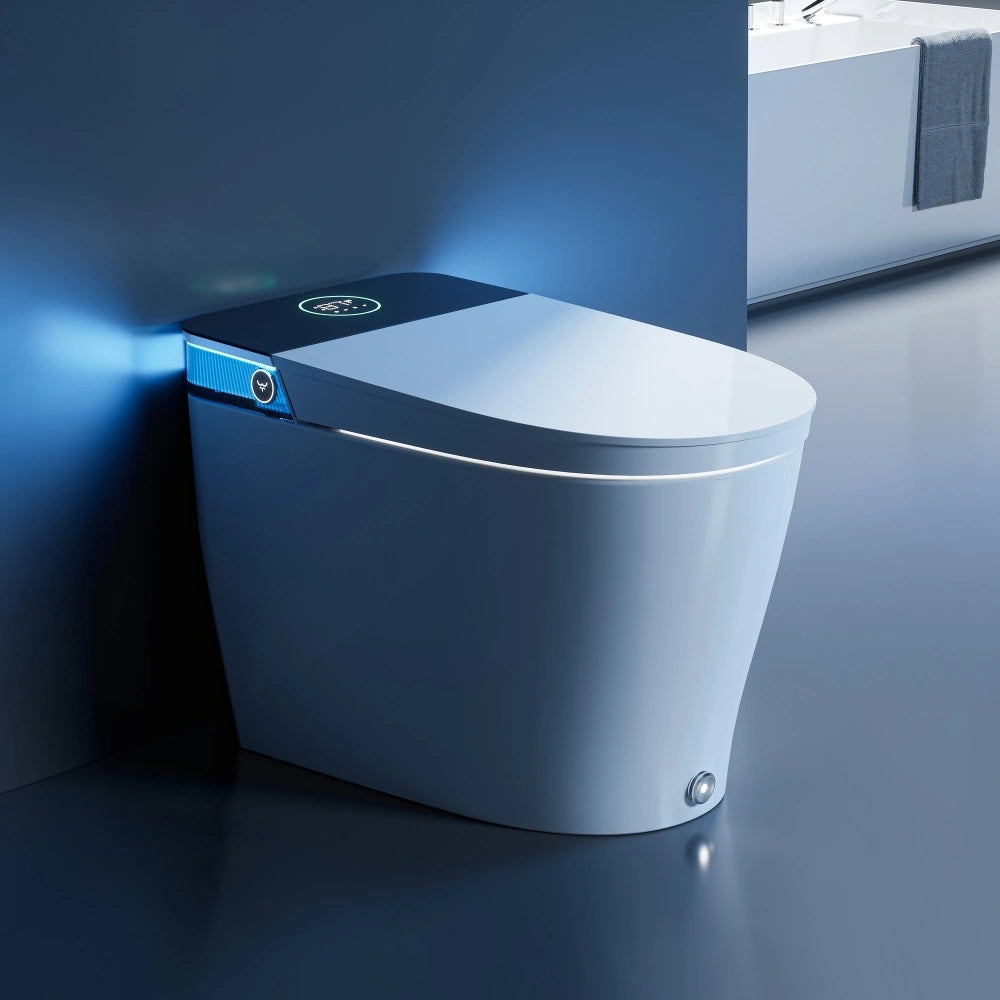
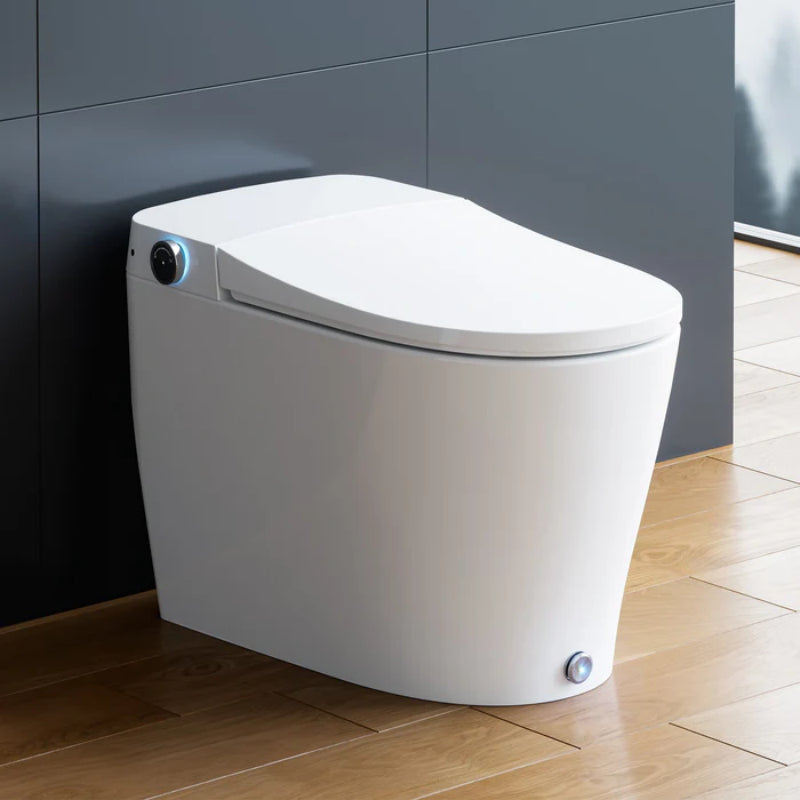
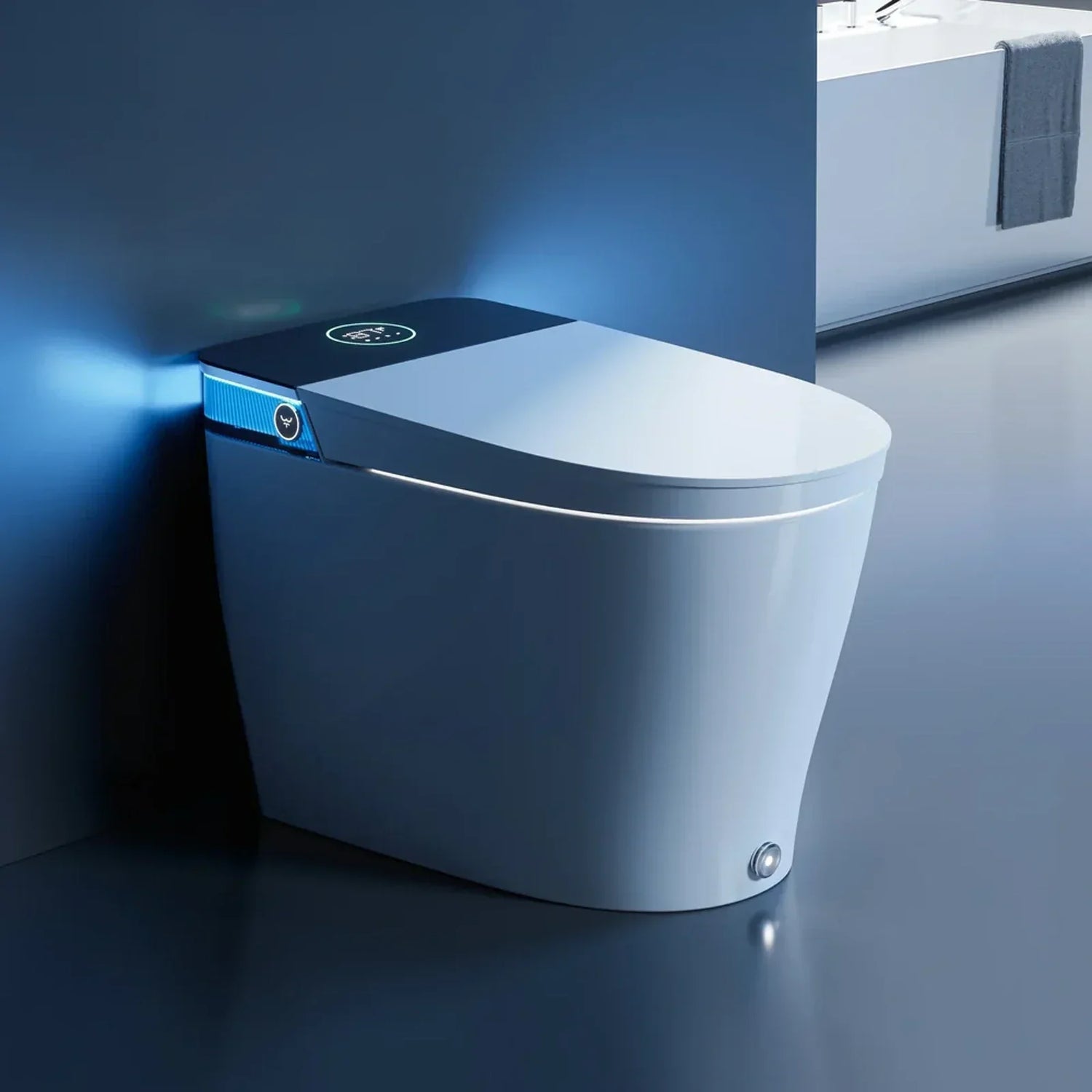
Choosing a smart toilet for seniors isn’t just about adding technology to the bathroom or upgrading from a traditional toilet—it’s about deciding whether an intelligent toilet system with smart toilet features will genuinely reduce daily strain or quietly introduce new challenges. For seniors dealing with arthritis, balance issues, or hygiene concerns, a smart bidet toilet with advanced bidet features and adjustable seat and water settings can offer real comfort and independence. But in the wrong home, or for the wrong user, it can just as easily become a source of frustration. This guide breaks down when a smart toilet truly helps, when it doesn’t, and how to make a decision that fits real senior living—not just product specs.
Decision Snapshot: When a Smart Toilet Makes Sense for Seniors
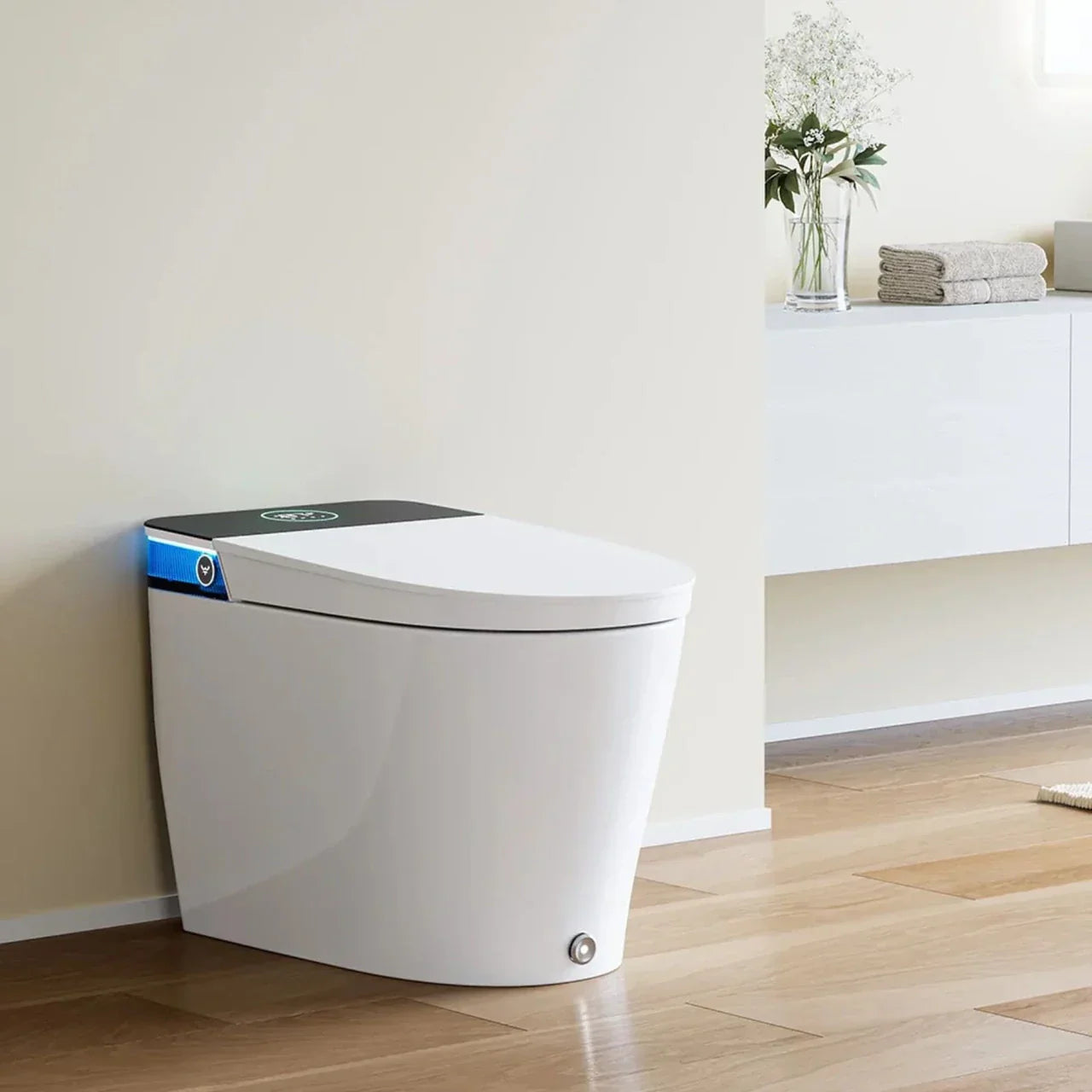
A smart toilet for seniors tends to be worth it when wiping is getting hard (arthritis, shoulder pain, balance issues), getting on/off the toilet is a struggle, and the home can support it with a nearby GFCI outlet, enough space, and someone who can handle settings and minor troubleshooting, following guidance from the U.S. Consumer Product Safety Commission (CPSC) on proper electrical safety at home. In those homes, a comfort height, elderly friendly bidet toilet or smart toilet with built-in bidet can reduce skin irritation, boost hygiene, limit toilet paper use, and help a person stay independent longer.
It’s usually a bad fit when privacy concerns are high, the senior is easily frustrated by remotes or changing “modes,” or nobody is available to maintain it. It can also be a poor match in bathrooms with no close outlet, tight clearances, or frequent power outages—because a “smart” toilet still needs to work on a bad day, not just a good day.
If you’re on the fence between a smart bidet seat, bidet toilet seat, or a full smart toilet with bidet combo, the key question is simple: Will this reduce daily strain, or add daily confusion?
Real Problems a Smart Toilet Can Solve for Seniors
Before focusing on features, it’s important to understand the real, everyday problems a smart toilet for seniors is meant to address. This section looks at physical strain, hygiene challenges, and independence—not marketing promises.
Reduced Twisting and Wiping for Daily Toilet Comfort
For many older adults, the main win is physical: warm water cleansing with instant warm water, adjustable water pressure, and a warm air dryer can mean less reaching, twisting, wiping, and less need for toilet paper. That matters if the person has:
-
arthritis in hands or shoulders
-
back pain that makes reaching hard
-
balance issues that make learning risky
-
thin, sensitive skin that gets sore from wiping
In real homes, this is where a comfort height bidet combo helps most: the cleansing handles the part that causes strain, and the taller seat helps with standing.

Improved Dignity and Daily Independence
A smart bidet toilet can reduce how often a caregiver must step in for personal cleaning. That can protect dignity for the senior and reduce hands-on work for the caregiver.
That said, “remote control bidet toilet” features can feel awkward in practice. Some people like that help is available at the push of a button. Others feel watched or exposed if someone else can control features from outside the room. This is a family dynamics issue as much as a bathroom upgrade.
Comfort Features That Help Prevent Small Bathroom Accidents
Seemingly minor features can matter at night: a built-in night light, seat sensor, and auto open lid reduce confusion and improve safety when elderly people use the toilet at night. According to the Centers for Disease Control and Prevention (CDC), proper bathroom lighting and supportive features are key strategies to prevent falls among older adults.
These don’t replace grab bars or good lighting, but they can reduce the little fumbles that lead to bigger problems.
Is a Smart Toilet Worth It Only for Less Toilet Paper Use?
If the main goal is “less toilet paper,” a smart toilet for seniors can feel like an expensive way to solve a small problem. Many people only feel it’s worth it when it also reduces pain, fall risk, skin irritation, or caregiver burden.
When Smart Toilets Work Best in Senior Homes
Smart toilets are not “plug and play” for every household. This section outlines the types of homes, habits, and support systems where a smart toilet for seniors is most likely to succeed long term.
Daily Routines That Suit Smart Toilet Use
Smart toilets tend to succeed in homes where the user can follow a steady routine:
-
sit down, press one button, stay seated through wash and dry
-
tolerate a few seconds of waiting for warm water or warm air
-
accept that it’s a device with settings, not a “normal toilet”
If the senior is patient and likes consistency, the smart features often become “set it and forget it.”
Bathroom Layout Requirements for Smart Toilets
A smart toilet with bidet works best when the bathroom has:
-
space at the sides for safer transfers
-
a clear path for a walker or cane
-
an outlet close enough that cords don’t cross walking space
-
room to service the unit later (not wedged tight)
Also, bowl shape matters more than people expect. Many seniors do better with an elongated toilet or piece elongated toilet design, combined with the right seat height and heated seat and warm water features for added comfort, especially when using bidet functions. This aligns with National Institute on Aging (NIA) recommendations for designing aging-friendly homes to maintain independence.
ADA and Comfort Height Toilets: Helpful but Not a Complete Solution
Many shoppers search “ADA height smart bidet” expecting it to solve standing difficulty by itself. A comfort-height toilet can help, but it doesn’t replace:
-
strong grab bars in the right place
-
enough knee/foot clearance
-
the ability to sit in a controlled way
Common regret: choosing “comfort height” and then realizing it’s still too low for bad knees, or too high for a shorter user whose feet don’t sit flat. Either problem can increase instability.
When Smart Toilets Become Frustrating or Risky for Seniors
Not every smart feature ages well with the user. This section looks at the tipping point where added technology starts creating stress, confusion, or risk instead of support.
Control Complexity as a Major Usability Barrier
Remotes and side panels sound easy—until vision, memory, or dexterity changes. In multi-user homes, settings get changed by accident. The senior sits down, presses what used to work, and now the water pressure is wrong or the nozzle position changed.
This is where people get frustrated and stop using bidet features, even though they paid for them.
Watch for these red flags:
-
The senior already struggles with TV remotes
-
they get upset when devices “act different than yesterday”
-
they won’t read button labels without glasses
-
they may misplace a remote often
A remote control bidet toilet is only “simple” if the user can repeat the same steps every time.
Auto Flush Convenience Versus Reliability Issues
An auto flush toilet for seniors, including models with automatic flush or bidet with auto flush, can reduce germs, improve hygiene, and remove one more step to remember—when the sensor works reliably. On the other hand, sensor-based flushing can misfire:
-
it flushes early when the user shifts position
-
it doesn’t flush because the sensor didn’t “see” them
-
It flushes twice and wastes water
-
it startles someone who is already anxious in the bathroom
The key point is: make sure there is a clear manual flush backup that the senior can use without fumbling.
Common Bidet Comfort Issues With Temperature and Pressure
Most regrets I hear are not about the idea of a bidet—it’s about the first week of use:
-
water pressure feels too strong, even on low
-
water temperature isn’t as stable as expected
-
the nozzle position feels “off” for their body
-
drying feels slow, noisy, or not fully drying
Some seniors also dislike the feeling of warm air. If the person is sensitive to noise or easily chilled, the dryer can become an unused feature.
Privacy Stress Caused by Advanced Smart Features
Some advanced smart toilet offers integrate with smart home systems and include advanced smart or intelligent toilet features, which may feel excessive for seniors focused mainly on comfort and hygiene. Even if the data stays local, the feeling of being monitored can bother people. Seniors may worry:
-
“Who can see this?”
-
“Will it be shared?”
-
“What if it’s wrong and scares my family?”
False alerts or unclear “health insights” can create anxiety and unnecessary calls to the doctor. For many households, simple comfort and hygiene features are easier to live with than health monitoring.

Home Setup Requirements for Smart Toilet Installation
Installation realities often determine success more than features. This section helps families assess whether the home environment can truly support a smart toilet for seniors.
Electrical and GFCI Outlet Requirements
Many smart toilets, toilet & bidet seats, and one piece toilets setups need a nearby GFCI outlet. Accessories like night lights or seat sensors can also improve safety and usability. In older bathrooms, the outlet is often:
-
on the wrong wall
-
too far from the toilet
-
shared with another device
-
not GFCI-protected
Cord routing matters more than people think. A cord across a walking path is a trip hazard. Extension cords in bathrooms are also a bad idea.
Space and Clearance Issues in Small Bathrooms
Some smart toilet offers—especially elongated smart toilet or one piece bidet designs—take more room behind or around the toilet bowl than a regular toilet or standard toilet. That can:
-
reduce space for a walker
-
make it harder for a caregiver to assist
-
block cleaning access
-
interfere with the door swing or vanity
If the bathroom is tight, measure carefully and think about “real use” space, not just whether it fits.
Realistic Cost Expectations for Smart Toilets
Typical cost buckets look like this:
| Cost area | Common range | Why it changes |
| Smart bidet seat | $200–$900 | heat, dryer, remote, build quality |
| Integrated smart toilet | $1,000–$5,000+ | features, design, parts cost |
| Basic install | $150–$500 | old toilet removal, fitting issues |
| Electrical work (if needed) | $200–$800+ | new GFCI, wiring distance, access |
The numbers vary by region, but the pattern is consistent: electrical and install surprises are where budgets get blown.
Common Long-Term Problems and Buyer Regrets
Initial satisfaction doesn’t guarantee long-term success without reliable support and positive customer reviews. This section highlights the most common regrets reported after months or years of using a smart toilet for seniors.
Reliability Issues After Initial Use
A toilet is not like a speaker or a thermostat. If a smart toilet fails, it can take the whole bathroom out of commission.
Common long-term friction points:
-
the remote goes missing, and the side controls are hard to use
-
a sensor gets finicky and behavior changes
-
parts availability or service becomes a headache
-
the senior becomes less able to troubleshoot small problems
If nobody nearby can help, even a minor issue can become a major disruption.
Ongoing Cleaning and Maintenance Effort
Smart toilets often have nozzle rinse cycles, but they are not self-cleaning in the way people imagine. You still have to clean:
-
around hinges and seams
-
the nozzle area (carefully)
-
crevices around sensors
-
the bowl like any other toilet
Hard water can cause mineral buildup that affects spray quality. If the household already struggles to keep up with bathroom cleaning, a smart toilet can add “small tasks” that pile up.
Effectiveness as Senior Mobility Declines
A smart bidet toilet can extend independence, but it has limits. If a person needs:
-
hands-on transfer help
-
a raised seat beyond comfort height
-
a commode or special support
-
constant supervision due to falls risk
…then the smart features may become secondary. This doesn’t mean it was a mistake, but it’s worth planning for the next phase, not just today.

Hidden Long-Term Burdens Not Shown in Advertising
Some challenges only appear months later. This section focuses on the ongoing mental, physical, and caregiving load that ads rarely mention.
Learning and Relearning Smart Toilet Controls
Even if the senior learns it once, they may need reminders after illness, a hospital stay, or medication changes. A good household plan includes:
-
one simple “default” button
-
taped instructions nearby (large print)
-
a rule that others don’t change settings
Without a plan, the toilet becomes a “device” the senior avoids.
Emotional Acceptance and Resistance Among Seniors
Some seniors love the extra comfort. Others feel it’s a sign they’re “getting old,” or they feel embarrassed by help features. If the person is resistant, pushing a smart toilet may backfire and cause stress around bathroom use.
A practical approach is to focus on relief: less pain, less wiping, fewer irritations. Avoid making it sound like monitoring or “senior equipment.”
Smart Toilet for Seniors Pre-Purchase Checklist
This checklist brings all decision factors together. Use it to confirm whether a smart toilet for seniors will reduce daily strain—or quietly add new problems.
-
Can the main user operate it on a bad day (pain, low energy, foggy thinking)?
-
Is there a nearby GFCI outlet with safe cord routing and no extension cords?
-
Is the height truly right for their legs and balance (not just “comfort height” on paper)?
-
Is manual flush and basic use still easy if auto features misbehave or power is out?
-
Who will clean and maintain it, including nozzle area and mineral buildup?
-
Are you confident about privacy comfort, especially with app or health features?
FAQs
1. Do smart toilets help seniors with arthritis?
Yes—smart toilet for seniors can be genuinely helpful when arthritis makes wiping, twisting, or reaching painful. Warm water cleansing reduces the need for repetitive hand motion, while an air dryer can further limit strain on fingers, wrists, shoulders, and the lower back. For many seniors, this combination improves daily comfort and reduces skin irritation caused by excessive wiping. That said, the benefit depends heavily on usability: controls must be simple, clearly labeled, and consistent every time. If the interface is confusing or requires frequent adjustments, the physical relief can be offset by frustration.
2. What happens if the power goes out?
During a power outage, many advanced features on a smart toilet for seniors—such as heated seat, bidet spray, dryer, and auto functions—will stop working. In most setups, basic flushing may still be possible through a manual flush option, but this varies by model and installation. Before committing, it’s important to confirm that the toilet can still function safely without power, especially in areas with frequent outages. A senior-friendly setup should always allow basic toilet use even on a “bad day,” not just when everything is powered and working perfectly.
3. Is auto flush a good idea for seniors?
Auto flush can be helpful in some cases, particularly if a senior often forgets to flush or has limited mobility. In a smart toilet for seniors, this feature can reduce one extra step and support better hygiene. However, sensor-based flushing can sometimes misfire—flushing too early, not flushing at all, or startling the user with unexpected noise. For seniors who are anxious or easily startled, this can be uncomfortable. A clear, easy-to-use manual flush backup is essential to ensure reliability and confidence.
4. Do smart bidet toilets create privacy risks?
They can. Some smart bidet toilets include app connectivity, user accounts, or basic health-tracking features. Even when data is stored locally, the perception of being monitored can make some seniors uneasy. Seniors and caregivers should follow U.S. Federal Trade Commission (FTC) guidance on privacy and security when using smart home devices.
Concerns often revolve around who can access the information, whether it could be shared, and whether inaccurate data might cause unnecessary worry for family members. If privacy sensitivity is high, it’s usually better to choose a model focused on comfort, hygiene, and basic smart functions—without connected apps or health monitoring.
References



Leave a comment
This site is protected by hCaptcha and the hCaptcha Privacy Policy and Terms of Service apply.