
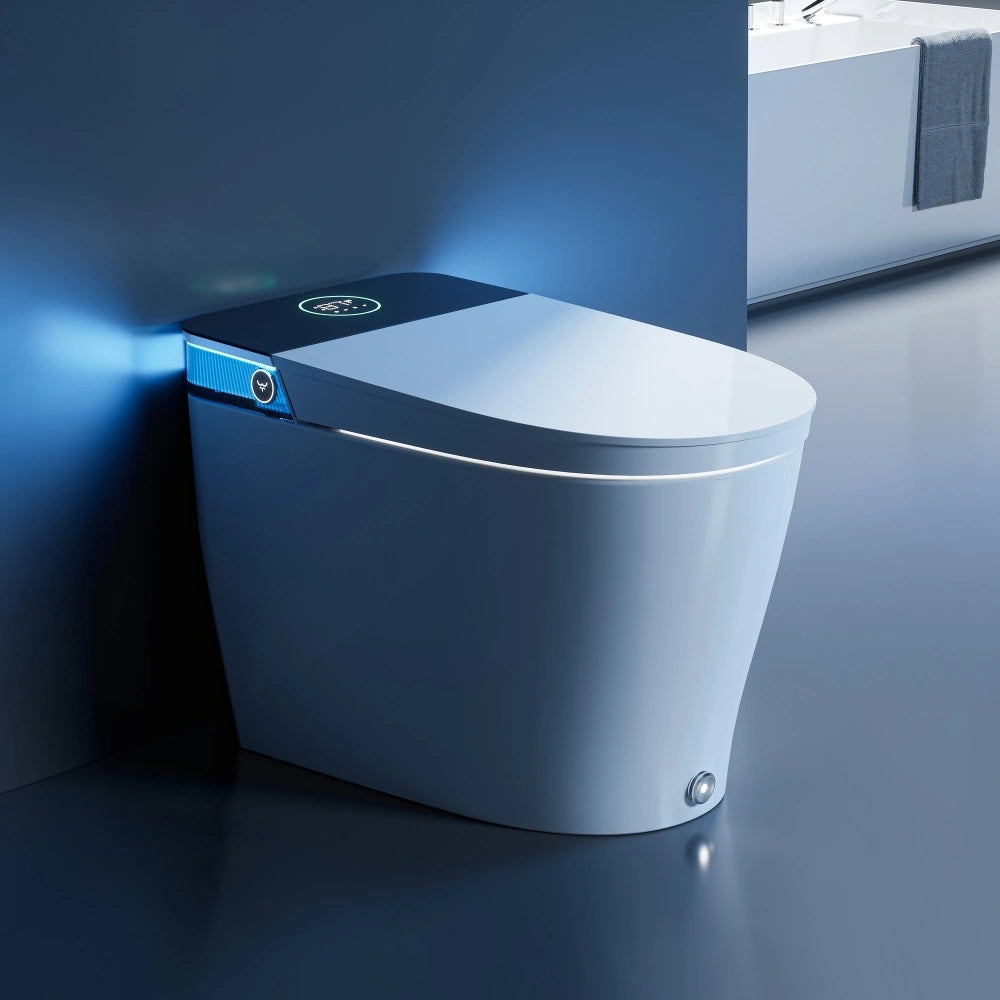
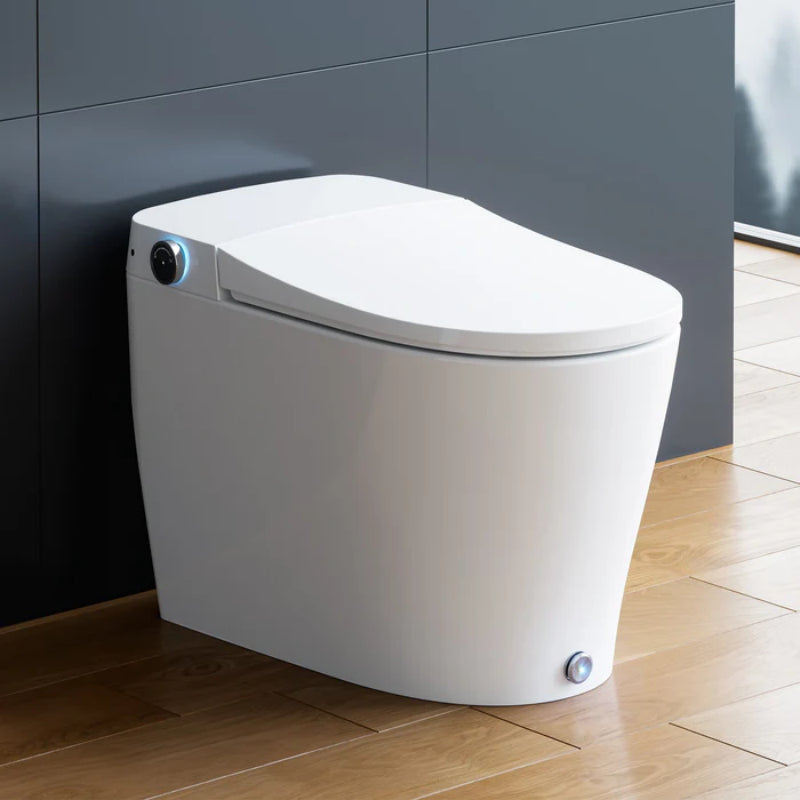
Investing in a smart toilet powered by advanced technology is a popular choice for modern bathroom setups, as smart toilets are designed, modern smart, comfortable and clean, offering convenient functions including automatic deodorization that boosts hygiene and eliminates unpleasant odors. In the right home, that can be genuinely helpful. In the wrong one, it becomes one more powered feature to maintain, explain to guests, and troubleshoot.
Here’s where this works well in real homes — and where it often doesn’t.
Is It Worth It?
This section breaks down whether smart toilet deodorization delivers real value for your household, with a quick overview of ideal scenarios and situations where it may be unnecessary.
Decision Snapshot
Usually worth it if: you have a small bathroom, more than one person uses it often, odors tend to linger, you want to make the bathroom clean and odor-free, and you’re comfortable with a powered feature that needs occasional filter care.
Probably skip it if: you prefer a standard toilet or regular toilet, your bathroom already has strong ventilation, you dislike replacing parts or checking settings, or you expect the feature to make the room odor-free every time.
Automatic deodorization does not mean odor-free or hands-off. Performance fades gradually over time, and routine maintenance checks are necessary to keep the system effective. The key point is that smart toilet deodorization technology is a comfort feature, not a cure-all. It can reduce awkward smell buildup in shared spaces and supports a cleaner bathroom environment focused on hygiene. It does not replace good airflow, regular cleaning, or realistic expectations.
Best for Small Shared Bathrooms
This feature makes the most sense in bathrooms where smells have nowhere to go. Think of a small hall bath used by several family members, or a guest bath near the living room. In those spaces, even a modest drop in odor can make the room feel more usable.
A smart bidet toilet with built-in deodorizer for small bathrooms can help because it starts working close to the source, and many high-end smart models also pair this with self-cleaning features to keep the toilet bowl clean, using the bidet as part of the experience. That matters more in tight rooms where the main exhaust fan is weak or too loud, so people avoid turning it on.
It can also help in shared bathroom use. If several people use one bathroom back to back in the morning, automatic odor control may keep the room from feeling stale between visits.
Skip If You Want Simplicity
Some people regret this feature for one basic reason: they did not want another thing to think about.
If you prefer simplicity compared to traditional toilets and dislike managing advanced features, deodorization may bother you more than it helps, even with the comfort of features like a heated seat and automatic lid opening. Carbon filters need replacing. Vents can clog with dust or lint. Sensors can trigger at odd times. During power loss, the feature stops working.
This is why “what to consider before choosing a smart toilet with deodorizer” starts with your tolerance for upkeep, not with the promise of a fresher bathroom.

How Well Does It Work?
To understand whether smart toilet deodorization lives up to expectations, it helps to break down its real-world performance, limitations, and how it interacts with other bathroom systems.
How Odor Control Actually Works
Most systems do not clean the whole bathroom air. Smart toilets often come with automatic air extraction near the bowl or seat area and come equipped with a filter, often a carbon filter, as part of their comprehensive cleaning system. That is the basic answer to how smart toilet deodorization technology works.
A carbon filter vs automatic air deodorization in smart toilets is often less of a real choice than it sounds. In many setups, the “automatic deodorization” is just the trigger system, while the actual odor treatment is still done by carbon or a similar filter media.
So yes, smart toilet deodorization technology with carbon filters can reduce odor near the source. But that is different from whole-room air cleaning.
Will It Remove All Odors?
No. That is the most common expectation gap.
Do smart toilets really eliminate bathroom odors? Usually not fully. They reduce and shorten odor. In a lightly used bathroom, that can feel impressive. In a heavily used bathroom, or after a stronger odor event, the effect may feel mild.
What I’ve seen in practice is that people are happiest with this feature when they notice the bathroom gets back to normal faster. They are least happy when they expect dramatic odor removal every single time.
Can smart toilet deodorization help with persistent bathroom odors? Only in a limited way. If the room smells musty, sewer-like, damp, or dirty even when no one just used the toilet, the problem is somewhere else. The deodorizer will not fix mold, drain gas, poor cleaning habits, or weak room ventilation.
Ventilation Still Matters
Smart toilet odor control vs traditional toilet ventilation is not an either-or decision. They do different jobs.
A toilet deodorizer works close to the bowl. A bathroom exhaust fan removes humid air and room odor from the space. If your fan works well and people use it, the need for built-in deodorization drops. If your fan is weak, noisy, or often ignored, the deodorizer may feel more useful.
Here’s the simple rule: deodorization can help the bathroom smell fresher during use, but it does not replace moving stale air out of the room.
This is also where smart toilet deodorization and air purification differences matter. Deodorization reduces odor compounds near the toilet. Air purification is a broader air-cleaning job. If you want the room’s whole air quality changed, this feature will likely feel too narrow. Proper indoor air quality relies on balanced ventilation, filtration, and source control as outlined by the U.S. Environmental Protection Agency (EPA).

Daily Use Friction
While smart deodorization aims to make daily bathroom use more pleasant, it often introduces small but persistent frustrations that add up over time. From unreliable sensors to conflicting automatic functions, these real‑world frictions can undermine the convenience of the feature.
Sensors Can Misread Use
A lot of the daily annoyance comes from timing. The toilet may not detect someone right away, or it may trigger when no one expects it. You may hear the fan start when someone just walks by, or not start until a person has already sat down for a few moments.
That sounds minor, but repeated small misreads change how the feature feels. Instead of “automatic,” it starts to feel unpredictable.
Guest use can be awkward for the same reason. If a visitor hears a fan turn on from the bidet seat, or sees extra controls they do not understand, the bathroom can feel less intuitive than a normal one.
Other Features Can Interfere
Automation conflicts involving sensor lag, false triggers, and feature timing mismatches are a common source of disappointment in everyday use, as these issues create inconsistent and unpredictable performance. This is one issue many buyers do not hear about ahead of time. Smart toilet features that keep the bathroom smelling fresh do not always work smoothly together.
For example, automatic flushing may trigger too soon, or warm air drying may stir air in a way that makes smell more noticeable for a moment, especially when using the integrated bidet with adjustable bidet nozzles, water temperature and bidet settings. Pre-wetting or lid movement may change when sensors activate. None of this means the toilet is defective. It just means multiple automatic features are sharing the same user moment.
That is part of why some people ask, “is smart toilet deodorization worth it for everyday use?” The answer depends less on the feature in isolation and more on whether the whole toilet routine feels smooth or fussy.
Guest Use Can Be Awkward
In your own home, you learn the timing. Guests do not.
If your bathroom gets frequent visitors, think about whether you want the toilet making quiet fan noise, automatic toilet lid movement, or showing controls people may avoid touching. Some households do not care. Others find it makes space feel less relaxed.
This matters most for homes with older family members or anyone uncomfortable with tech. A learning curve that seems small to you may feel annoying to someone else.
Maintenance and Reliability
Like any powered bathroom fixture, smart toilet deodorization systems require consistent care to perform reliably over time. From routine filter replacements to gradual performance changes and power-related limitations, understanding these maintenance demands and real-world reliability factors helps set realistic ownership expectations.
Carbon Filters Need Replacing
How often to replace smart toilet deodorizer carbon filters depends on use, but the larger point is this: they are not “set and forget.” Many smart toilets include refill or cartridge-based deodorizing systems alongside other functions, which introduce additional ownership friction.
In a low-use bathroom, replacement may be infrequent enough that you barely notice it. In a shared bathroom, performance can fade sooner than you expect. Some owners only realize the filter or cartridge is spent when the room starts smelling worse again. Cartridge systems can run out unexpectedly, replacement can be awkward to access or install, and many units have strict compatibility limits that restrict you to specific replacement parts.
That is one reason carbon filter vs automatic air deodorization in smart toilets is a misleading idea. Automatic activation does not mean maintenance-free performance.
A simple way to think about it:
| Home use pattern | What usually happens |
| Low-use guest bath | Filter lasts longer depending on usage, benefit may be less noticeable even with full features of smart toilets |
| Daily family bathroom | Benefit is more noticeable, filter attention matters more for this type of toilet |
| Heavy shared use | Faster drop in performance, more frequent checks help maintain high-tech toilets at full efficiency |
Performance Fades Gradually
One of the most common problems with smart toilet deodorization systems is that they rarely fail in an obvious way. They often get weaker little by little.
That makes the feature easy to ignore until it is no longer doing much. Dust, lint, and clogged intake vents can also reduce airflow. If you want to know how to maintain smart toilet deodorization performance, the practical answer is simple: keep vents clean, replace filters on time, and do not assume the system is working just because the fan still turns on.
This gradual fade is also why some owners overestimate how well the feature worked at first. Early performance may have been solid, but months later they are using a weaker version without realizing it.
What Happens During Outages?
Because these systems rely on electricity, the deodorization function stops working during power outages. In most cases, the toilet itself remains fully functional for basic use, but the automatic odor control is inactive with no clear or consistent manual fallback for the deodorization feature.
In some homes, that is just an inconvenience. In others, it becomes a larger frustration because people bought the toilet for comfort and automation, then found this key feature disappears when the power does.
This is not just about outages. It is also about any interruption that affects the deodorization system. If power dependence already worries you, deodorization adds one more reason to keep your expectations modest.

When It’s Overkill
While smart toilet deodorization offers clear benefits in the right settings, it can easily become an unnecessary luxury or an insufficient solution in other scenarios.
Not Needed in Well-Ventilated Bathrooms
If your bathroom is roomy, has a strong exhaust fan, and does not trap odor, smart toilet deodorization technology may not change your life enough to justify the upkeep.
This is where people sometimes feel they paid for a feature they barely notice. It works, but the room already handled odor well enough without it.
Persistent Odors Need More Than This
Can smart toilet deodorization help with persistent bathroom odors? Only when those odors are mainly tied to active toilet use.
If the smell comes from mildew, a dirty floor around the toilet base, plumbing issues, an underpowered fan, or general poor ventilation, a deodorizer will not solve the real problem. In fact, it can delay proper diagnosis because the owner keeps hoping the feature will cover the smell.
Air Cleaning Is Not Purification
This is worth stating plainly: air cleaning near the bowl is not the same as purifying the bathroom air.
How deodorization technology improves the smart toilet bidet experience is mostly about reducing embarrassment and making the room recover faster after use. That is useful. But it is still a narrow job.
If you expect cleaner-feeling room air all day, you may be disappointed. This feature is more about odor management than air quality transformation.

Before You Choose
-
Is the bathroom small, shared, or prone to lingering odor after normal use?
-
Are you comfortable replacing carbon filters and cleaning intake vents?
-
Will you be annoyed if sensors trigger at odd times or guests find it confusing?
-
Does your bathroom already have strong ventilation that solves most odor issues?
-
Are you expecting odor reduction, or complete odor removal every time?
-
Would power dependence bother you during outages or system hiccups?
FAQs
1. How do smart toilets remove smells?
Smart toilet deodorization technology neutralizes odors by drawing air from the bowl and filtering it before recirculating it, focusing treatment at the source for faster results. How carbon filtration works in toilets involves trapping odor molecules within porous carbon media, a core part of carbon filter toilet deodorizer systems. This targeted approach supports effective toilet odor control without attempting to clean the entire bathroom air at once. Maintaining a fresh bathroom with smart bidets relies on this localized filtration paired with proper ventilation and regular upkeep.
2. Do bidet deodorizers actually work?
Smart toilet deodorization technology delivers consistent results in small or poorly ventilated bathrooms by reducing odors during and after use. Carbon filter toilet deodorizer systems are especially effective at mild to moderate odor reduction, forming the basis of reliable performance in most models. While not a full replacement for ventilation, they support effective toilet odor control and help maintain a fresh bathroom with smart bidets. Results remain strong when filters are maintained, making them a practical addition to shared or enclosed bathroom spaces.
3. How long do bidet filters last?
The lifespan of filters in smart toilet deodorization technology varies by usage, with family bathrooms requiring more frequent replacements than low-use guest bathrooms. Understanding how carbon filtration works in toilets helps explain why performance fades gradually as pores become saturated over time. Learning how to change bidet carbon filters ensures consistent function from your carbon filter toilet deodorizer and preserves effective toilet odor control. Sticking to a replacement schedule also helps in maintaining a fresh bathroom with smart bidets long-term.
4. Can you add scent to a smart toilet?
Most smart toilet deodorization technology is designed for odor neutralization rather than scent release, and adding unapproved fragrances can damage carbon filter systems. Many carbon filter toilet deodorizer units do not support external scents, as they can clog filters and reduce effective toilet odor control. Some models offer manufacturer-approved mild scent cartridges, but these are optional and not required for basic function. Maintaining a fresh bathroom with smart bidets works best through clean filtration rather than strong artificial fragrances.
5. What is the best smart toilet for odor control?
The best models for effective toilet odor control feature robust smart toilet deodorization technology with powerful fans and high-capacity carbon filter systems. Top air purifying smart toilets combine localized bowl extraction with consistent sensor activation to trap odors immediately upon use. A strong carbon filter toilet deodorizer and easy filter access also make a unit more practical for long-term ownership. Prioritizing reliable automation and minimal interference ensures the system supports maintaining a fresh bathroom with smart bidets daily.
6. How does deodorization feature in Horow work?
Horow deodorization features operate using smart toilet deodorization technology that activates via presence sensors to pull air through an internal carbon filter. This system follows how carbon filtration works in toilets, capturing odor compounds to support effective toilet odor control at the source. The design integrates quietly with other bidet functions and relies on periodic filter changes to stay efficient. Like similar systems, it complements ventilation while helping users focus on maintaining a fresh bathroom with smart bidets.
7. Can a smart toilet replace an exhaust fan?
Smart toilet deodorization technology cannot replace an exhaust fan, as it only handles localized odors rather than air circulation and moisture control. Air purifying smart toilets focus on bowl-side treatment, while fans reduce humidity and prevent mold in ways a carbon filter toilet deodorizer cannot. Effective toilet odor control works best when both systems work together to balance immediate freshness and long-term air quality. Understanding this distinction is key to maintaining a fresh bathroom with smart bidets without neglecting proper ventilation.
References


Leave a comment
This site is protected by hCaptcha and the hCaptcha Privacy Policy and Terms of Service apply.