
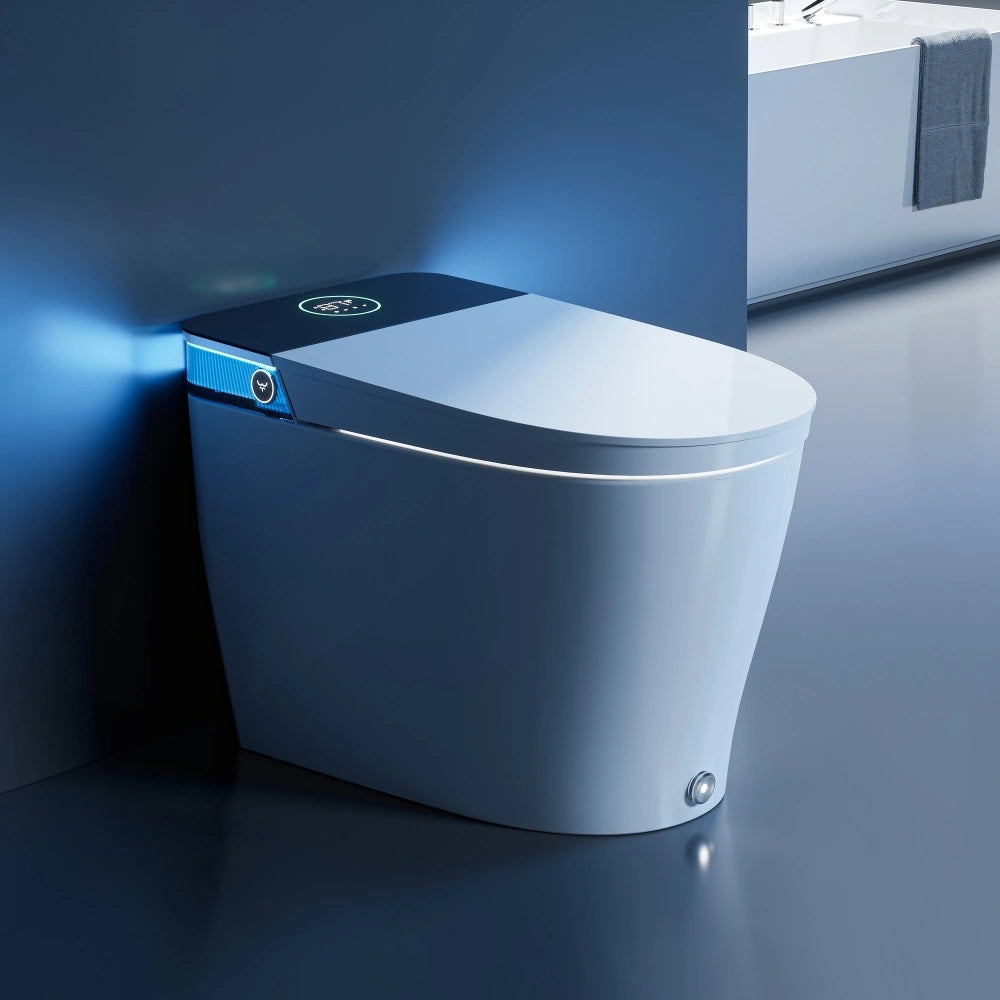
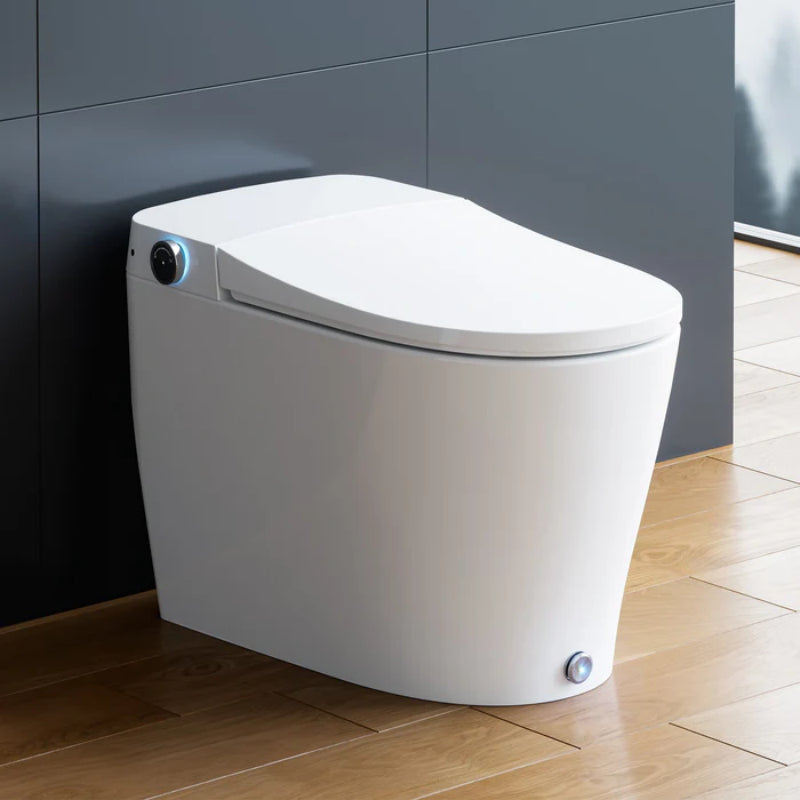
A battery backup for a smart toilet sounds simple: keep the toilet usable when the power goes out. In real homes, that can be very helpful — or it can turn into one more thing to maintain and forget about until the day it fails.
This is where many homeowners get tripped up. They assume “backup” means the whole toilet keeps working as usual. Most of the time, it does not. In a blackout, battery backup usually means basic flush support only, not full comfort features.
Is It Worth It?
A battery backup can be a practical upgrade for modern bathrooms, but its value depends entirely on your home, your habits, and what you expect it to do.
Decision Snapshot
Before deciding, first verify whether your smart toilet already has a workable no-power manual flush method to ensure your toilet works during an outage without relying on battery backup. A smart toilet battery backup is usually worth it if you live in an area with regular outages, your smart toilets rely on power for flushing, and this is a bathroom your household truly needs during storms or grid issues.
You should probably skip it if outages are rare and short, the bathroom is not used much, or you do not want another maintenance task. It also tends to disappoint people who expect heated seats, warm water, auto lids, and presets to keep working in a blackout.
Here’s where this works well in real homes — and where it often doesn’t.
Best for Outage-Prone Homes
If your area gets summer storm outages, winter weather blackouts, or unreliable utility service that can disrupt daily routines, battery backup can make sense. The main reason is not comfort. It is avoiding a basic toilet problem at the worst time.
This matters more in a primary bathroom than in a guest bath. If the household relies on that toilet every day, having some way to flush during a power outage can be worth the extra setup.
It also makes more sense if your smart toilet cannot flush normally without electricity. Some homeowners do not find this out until after installation. Then the first blackout turns into a surprise.
Battery backup is also useful for people who want blackout preparedness without having to remember a manual workaround in the moment. In practice, that peace of mind is the main benefit.
Skip for Rare Blackouts
If your electricity goes out almost never, or only drops for a few minutes at a time, battery backup can feel like overplanning. Many homeowners in this situation end up using manual flush steps once in a rare emergency and never think about it again.
The other common regret is maintenance fatigue. Some battery systems need a lot of AA batteries, not one small rechargeable unit like people expect. That means buying them, installing them, checking them, and replacing them before they leak or die.
If you know you are not the kind of person who tests backup gear twice a year, that matters. A battery backup you never maintain is not really backup.
What Still Works in a Blackout?
Before breaking down what actually works, start with a clear picture of your toilet’s baseline behavior.
Can It Flush Without Power?
This is the first thing to verify: how to flush a smart toilet without power, or whether it can at all?
Some smart toilets can still be flushed manually during a power outage. Others need either a battery pack or a specific emergency flush method. In some homes, water pressure also affects how well that emergency flush works.
That is why the question of smart toilet without power functionality does not have one simple answer. Some do, partly. Some do not. Some only allow limited flushing with backup power.
If you are trying to figure out how to flush a smart toilet during a power outage, the answer depends on the toilet’s flush valve and flush system design, your home’s water supply, and whether a battery backup was installed and maintained.
The key point is this: do not assume a smart toilet flushes like a standard toilet when the power is off. Even with backup, support is often limited in duration and may provide only a small amount of emergency flush support, not the reliable power you would expect for normal use during long outages.
Which Features Shut Off?
This is the biggest expectation gap.
During a blackout, even with a battery backup, many smart toilet functions stop working—these advanced features typically require a continuous power supply to operate. That often includes:
-
heated seat
-
warm water wash
-
air dryer
-
auto-open or auto-close lid
-
custom user settings
-
lighting and comfort features
Homeowners often buy backup thinking it will preserve the whole “smart” experience, including the hygiene and convenience features that made them choose a smart toilet in the first place. In fact, most systems are there to support emergency toilet use, not convenience.
So if you are thinking about battery backup for heated seat and warm water bidet functions, lower your expectations—those features will not work during an outage regardless of whether you have a backup installed. In most cases, backup power is not there for comfort loads like that.
Battery Backup or Manual Flush?
This is really the main trade-off.
A manual flush option is simpler, while automatic flushing typically requires power to function. It avoids battery cost and upkeep. It works well for rare blackouts, especially if you are fine following a few steps when needed.
Battery backup is better when you want less thinking during an outage. If the home loses power several times a year, or if older adults or guests use that bathroom, a push-button emergency flush can be easier than explaining a manual process.
So when people ask about smart toilet battery backup vs manual flush, the answer is not which is “better.” It is which kind of hassle you prefer: occasional outage workarounds, or ongoing battery maintenance.

What Setup Surprises Matter?
What sounds like a simple plug-and-play addition can come with unexpected details that shape whether the setup feels smooth or frustrating.
Battery Pack Size Matters
One of the most common regrets is battery pack size. Many homeowners picture a neat, compact rechargeable pack. Then they find out the backup uses a bulky holder with a large number of disposable batteries.
That changes the decision fast.
Here’s why:
| Setup issue | What surprises people |
| Battery count | Some systems need many AA batteries at once |
| Space | The pack can be bulkier than expected |
| Upfront cost | Batteries may not be included |
| Ongoing cost | Replacing a full set adds up over time |
If you care about low-fuss ownership, this matters more than it sounds. A backup system that feels clunky on day one usually becomes more annoying later, not less.
Outlet Access Adds Hassle
Another common issue is outlet placement. A smart toilet may need a nearby outlet already, but backup installation can still expose awkward access problems.
If the outlet is in a hard-to-reach spot, behind the toilet, or missing entirely, setup gets more frustrating. In some homes, adding proper power access may require professional installation, meaning hiring an electrician to handle the electrical work safely. That raises the real cost well beyond “just buy a battery backup.”
This is one of those things people wish they knew before installing a battery backup for a smart toilet. On paper it sounds minor. In a finished bathroom, it can be the biggest headache.
Installation Steps Aren’t Always Simple
Smart toilet battery backup installation steps are often described as easy. Sometimes they are. But “easy” depends on how comfortable you are working in a tight, damp space around electrical wiring, battery contacts, and access panels.
A few real-world problems show up often:
-
batteries installed but not tested
-
backup pack connected incorrectly
-
a separate small battery such as a 9V battery needed and overlooked
-
confusion about what the backup actually powers
That last point causes a lot of frustration. Homeowners finish setup, assume the toilet is blackout-ready, and never verify what still works.
In practice, a simple test after installation matters more than the install itself. After setup, test blackout operation by cutting power briefly to confirm what the backup actually powers before an outage happens.

What Maintenance Gets Annoying?
Maintenance for smart toilet battery backup is often underestimated—until an outage reveals what was overlooked.
How Long Will Batteries Last?
This is one of the most common smart toilet power outage questions: how long does a bidet toilet battery backup last?
The honest answer is: not as long as many people expect, and not in a perfectly predictable way.
Battery life depends on:
-
how often the backup is tested
-
battery age
-
storage temperature
-
humidity
-
whether the pack supports only flushing or more than that
The backup is usually for short-term use during outages, not extended off-grid operation. If your area gets long blackouts, battery backup may cover only part of that time.
That is why a smart toilet blackout preparedness plan should be realistic. Think of the battery as temporary emergency support, not all-day power.
Testing Prevents Backup Failure
The most preventable regret is simple: people install backup batteries and never test them. An installed battery backup is not the same as a ready battery backup, and failure can remain hidden until the outage if the system is not tested.
Months later, a storm hits, the power drops, and the toilet does nothing because the batteries were weak, inserted wrong, or had poor contact. At that point, the feature exists only on paper.
A twice-yearly test is a reasonable habit. Turn off power briefly and confirm the emergency flush works as expected. This matters even more in humid bathrooms, where contacts can degrade faster.
If you know you will never do this, that is a sign the backup may not fit your habits well.
Corrosion and Loose Contacts
Bathrooms are not ideal battery environments. Moisture, humidity, and long periods of no use can all create trouble.
Common problems include battery corrosion, loose spring contacts, and weak connections from vibration or movement over time. A system can look fine from the outside and still fail when needed.
This is the kind of issue that rarely shows up in simple buying advice, but it matters in real ownership. A backup system is only useful if the contact points stay clean and secure. For broader safety considerations around household products, the Consumer Product Safety Commission’s Safety Education portal provides useful reference material.

When Is Backup Overkill?
Not every smart toilet needs a battery backup—sometimes the situation makes it unnecessary or even disappointing.
Guest Baths May Not Need It
If the smart toilet is in a guest bathroom or a basement bath that sees light use, battery backup often makes less sense. During a blackout, most households just use another bathroom.
This is one of the easiest places to save yourself from extra cost and upkeep.
Short Outages Favor Manual Flush
For homes that lose power only in brief bursts, a manual flush option is often enough. If the outage lasts 10 or 20 minutes a couple of times a year, battery backup may solve a problem you barely have.
This is especially true if your toilet can still flush in some manual way and your home’s water service remains normal during the outage.
Warm Seat Backup Expectations
A lot of disappointment comes from comfort expectations.
People hear “emergency battery backup for bidet toilets” and imagine they still get the warm seat, warm wash, and nice automatic routines. In most cases, that is not what backup power is for.
If your main reason for adding backup is keeping luxury features alive during a blackout, you may be unhappy with the result. Backup is usually about basic use, not comfort.
Before You Choose
-
Confirm whether your smart toilet can flush without power at all.
-
Ask yourself how often outages really happen in your home.
-
Check whether you are willing to replace and test batteries regularly.
-
Make sure you understand which features stop working in a blackout.
-
Look at outlet access and battery pack space before assuming setup is simple.

FAQs
1. Can you flush a smart toilet when the power is out?
It depends on the model. Some smart toilets include a manual flush override that works without electricity—this is worth checking before you invest in a battery backup. For toilets that require power to flush, a battery backup becomes the main solution for flushing smart toilet during power outage. Even then, backup is typically limited to basic flushing, not full smart features. Check your toilet’s specs or cut power briefly to test what actually works before an outage catches you off guard.
2. Does my smart toilet have a battery backup?
Not all smart toilets come with one built in. Some require you to buy and install a separate emergency battery for bidet toilets, while others have no backup option at all. Check your toilet’s manual or look for a battery compartment near the control unit to confirm what you already have. If yours lacks backup and you want it, aftermarket kits exist but require careful compatibility checks before buying to avoid installation headaches.
3. How do I use the manual flush on a bidet toilet?
This depends on whether your model relies on a manual flush vs battery flush smart toilet design. Manual flush models typically have a physical button or lever near the base or inside the tank that works without power. Battery-dependent models require a backup pack to be installed and maintained for emergency use. Either way, locate and practice the flush procedure while power is on so you are not figuring it out in the dark during an outage.
4. What happens to my smart toilet during a blackout?
Most smart toilets lose heated seats, warm water, air dryers, auto lids, and lighting when power goes out. If you have a battery backup, you may still get basic flushing—but how long does bidet battery backup last is a key question worth understanding beforehand. Most systems provide only a limited number of flushes, not hours of full operation. Expect the toilet to function as a basic unit until power returns, regardless of how advanced it normally is.
5. Can I add a battery backup to my existing bidet?
Yes for some models, but installing a battery for your bidet is not a universal solution that works across all brands. Some manufacturers sell proprietary backup kits designed specifically for their toilets, making integration straightforward. For others, you may need aftermarket options that involve wiring and could void warranties. Before purchasing, confirm compatibility with your model and make sure your bathroom has accessible outlet space for the backup unit.
References



Leave a comment
This site is protected by hCaptcha and the hCaptcha Privacy Policy and Terms of Service apply.