
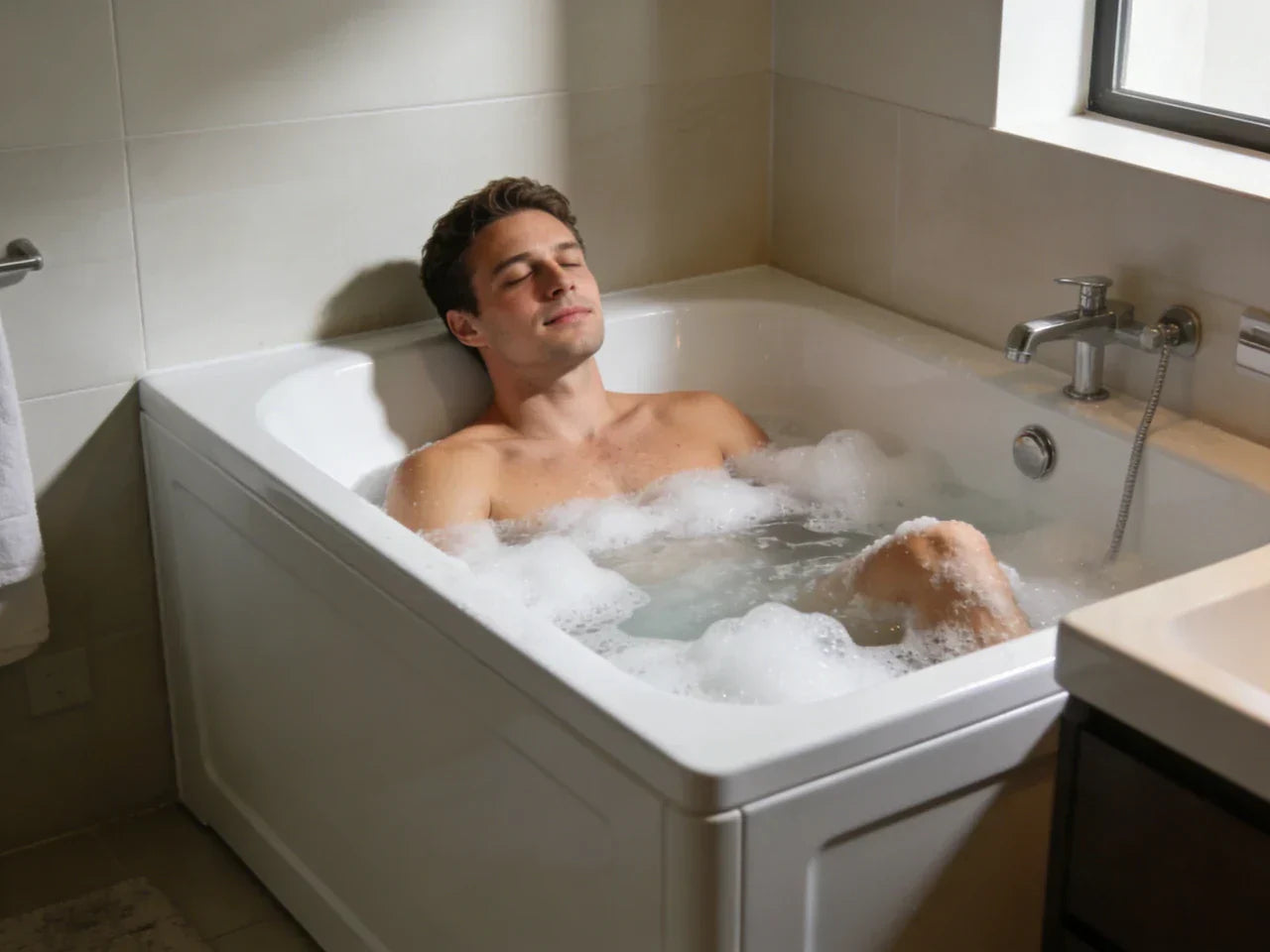
Small soaker bathtubs make full-body immersion possible in bathrooms where a standard tub feels too long, too shallow, or simply too hard to fit. They do this with a simple trade: less length, more depth. If your goal is a real soak (not a quick rinse), this guide will help you choose a compact soaking tub that fits your layout, your budget, and your comfort needs.
You’ll find the smallest practical dimensions, the most common styles (freestanding, Japanese soaking tub, corner, walk-in tubs), and the real-life planning details people forget—like door swing, drain location, and how you’ll get the tub through the hallway. We’ll also cover what a soaking tub costs installed in 2026, which features actually matter, and how to design a small bathroom with a tub without making the room feel cramped.
What to Buy (Top Priorities First)
If you want a short, deep soaking tub that still feels relaxing, start with these priorities.
The best “small-bath sweet spot” dimensions are usually about 48–55 inches long, 28–32 inches wide, with 14–20+ inches of soaking depth. In a small bathroom, depth matters more than length because depth is what lets you sink in and soak your shoulders and chest.
For most homes, acrylic is the most common material in compact soaking tubs. It’s lighter than many other materials, holds heat well (especially double-wall versions), and is easy to clean without special products.
A typical all-in budget (tub + installation) lands around $2,000–$2,500 on average, with a broad range of $600–$3,500 depending on how much plumbing changes, what type of tub you choose, and whether you add extras like jets or an inline heater.
If you want shoulder-deep soaking while keeping floor space small, look at a Japanese-inspired soaking tub (often called ofuro). It’s built for an upright seated position, so the tub can be short while still giving you a deep soak.
Small Soaker Bathtubs Dimensions
Before diving into the standard dimensions, it’s worth noting that selecting the right soaking tub for your small bathroom can truly elevate your bathroom space, whether you prefer modern or traditional tubs. The best soaking tubs for small spaces are designed for long, relaxing soaks, and understanding the dimensions ensures your compact space accommodates both style and functionality.
Standard dimension ranges to know (compact but deep)
A lot of people ask, “How long is a bathtub supposed to be?” Traditional bathtubs are often around 60 inches long and about 30–32 inches wide, but many are shallow, which limits the soaking experience. The size of a soaking tub can look similar on paper, yet feel very different because soaking depth and interior shape matter so much.
For small soaker bathtubs, these are the ranges you’ll see most often:
-
Length: 40–60 inches Compact picks you’ll run into often are 48 inches, 54 inches, 55 inches, and 60 inches.
-
Width: sometimes as narrow as about 28 inches Narrow tubs can work well, but they must have a smart interior shape so your shoulders and hips aren’t pinched.
-
Soaking depth: aim for 14–16 inches minimum, and 20+ inches if you want a deeper, more “wrapped” soak Japanese soaking tubs often feel deeper because you sit upright and the water line rises higher on your body.
-
Capacity: can vary a lot, sometimes about 100–250 gallons depending on depth and design This is why you should always check the tub’s listed capacity and compare it to your water heater size.
If your main goal is full-body immersion, don’t get stuck on exterior size alone. A compact design with an oval or egg-shaped interior can feel roomier than a longer tub with flat sides.
“Will it fit?” quick sizing rules
A soaking tub isn’t just about whether the tub fits on the floor. It’s also about whether you can move around it safely every day. In tight spaces, the most common mistake is forgetting the “living space” around the tub—walking clearance, towel reach, and the way the door swings.
In a 5x7 bathroom, many people do best with 48–55 inch tubs, especially if you keep the vanity slim and plan the door swing carefully. A 60-inch tub can be possible in some 5x7 layouts, but it often forces trade-offs like a tiny vanity or awkward clearance near the toilet.
In a 5x8 bathroom, 55–60 inches can work more easily, especially if you choose a wall-hung vanity or a smaller fixture set. This is the size range where a small bathroom with soaking tub can still feel balanced instead of packed.
Before you buy, do a quick reality check:
-
Tub footprint: the outside length and width
-
Wall offsets: baseboards, trim, and imperfect walls can steal space
-
Drain location: center drain vs. end drain matters a lot in remodels with existing plumbing
-
Access path: door width, hallway turns, stairs, and where the tub can be set down during install
Compact sizing targets by bathroom constraint
| Bathroom size / constraint | Recommended tub length | Recommended width | Target soaking depth | Best style for tight spaces |
| Very tight rooms (around 4x6) | 40–48 in. | 28–32 in. | 16–20+ in. | Japanese soaking tub (ofuro) |
| 5x7 bathroom (common) | 48–55 in. | 28–32 in. | 14–20 in. | Compact freestanding or corner soaking |
| 5x8 bathroom (common) | 55–60 in. | 30–32 in. | 14–20 in. | Freestanding or built-in (alcove) |
| Narrow traffic path / door conflict | 48–55 in. | 28–30 in. | 14–20 in. | Corner/asymmetrical soaking tubs |
Types & Layouts for Tight Bathrooms (Pros/Cons)
Different style soaking tubs can solve different layout problems. The “right soaking tub” is often the one that matches your plumbing reality and your daily routine, not just the one that looks best online.
Freestanding compact soaking tubs (most flexible)
A freestanding soaking tub is popular in small bathrooms because it can sit in places where built-in tubs feel awkward. In an older home with uneven walls, a freestanding tub can also be easier to align without fighting the framing.
A compact freestanding tub tends to work well if you want to make the tub a focal point and keep a clean, minimalist look. Many modern models are acrylic and come with an overflow drain, plus options like double-walled insulation to keep bath water warm longer.
Still, there are trade-offs. Freestanding tubs often need careful drain alignment, and cleaning behind them can be annoying if the gap is tight. If you hate moving a mop around a tub, plan for enough space or choose a shape that sits closer to the wall on one side.
Japanese ofuro soaking tubs (maximum depth, minimum length)
A Japanese soaking tub is the best answer when your room is short but you want a deep soak. Instead of stretching out, you sit in an upright seated position. Because your body is more vertical, the tub can be short (often around 40–48 inches) yet still feel very deep.
This style is great for full-body immersion and can feel safer for some people because the seat gives you a steady place to settle in. The downside is simple: if you love to lie back fully, an ofuro may not match your idea of comfort. Think about how you actually bathe. Are you a “knees up and sink in” person, or a “stretch out and nap” person?
Corner & asymmetrical soaking tubs (work around doors/vanities)
Corner soaking tubs and asymmetrical designs can help you reclaim bathroom real estate in tight spaces. They can improve traffic flow in narrow rooms where a long tub blocks movement.
The main caution is interior comfort. Some corner tubs look large but have a cramped seat or a narrow shoulder area. Before you commit, check interior measurements and look closely at where your back and knees will go. A tub can be “big” and still not offer an ideal soaking experience.
Walk-in compact soaker tubs (accessibility-first)
Walk-in tubs are built for safety and access, with a door, a low threshold, and common add-ons like grab rails and non-slip floors. For many households, this turns bath time from stressful to manageable.
The trade-off is cost and install complexity. Walk-in tubs often need more plumbing work, and you may need to plan for service access. Also, because you have to enter before filling and wait while it drains, it’s a different kind of routine than a quick shower.

Types at a glance
| Type of tub | Best for | Main trade-off | Typical install complexity |
| Compact freestanding | Flexible placement, spa feel | Harder to clean behind; drain alignment | Medium |
| Japanese soaking (ofuro) | Maximum depth in minimal length | Upright seating isn’t for everyone | Medium |
| Corner/asymmetrical | Better traffic flow | Interior can feel tight | Medium |
| Walk-in tub | Safety and accessibility | Higher cost; longer bathing routine | High |
| Built-in (alcove) | Budget-friendly remodels | Less “spa” look; size limits | Low–Medium |
Top Compact Models & Real-World Examples (Small-Bath Proof)
You don’t need a huge room for a luxurious soaking experience. You need the right compact dimensions and a layout that respects how people move through the bathroom.
Model snapshots (based on common size patterns)
Instead of listing brand names, here are the model “classes” you’ll see most often in 2026:
A 48-inch class compact soaking tub is the classic space-saver. Many are acrylic, often with a glossy finish, an ergonomic interior, and an overflow drain. This class is popular in bathrooms where every inch matters, including narrow apartments and small homes.
A 54–55-inch class tub is the most popular compact range because it gives you more back angle and a little more leg room while staying clearly “small” compared to many traditional bathtubs. If you want one tub that works for daily use and weekend soaks, this range is often the safest bet.
A 60-inch class soaking tub can still count as “small” depending on your layout. Many bathrooms have a 60-inch alcove because that’s a common standard. If you can keep that length but choose a deeper, better-shaped interior, you can upgrade your soak without changing walls.
Case-style fit stories (what installs really look like)
In a 50x60 inch bathroom, one homeowner swapped a standard tub for an insulated compact freestanding tub. The room didn’t grow, but the soaking experience changed because the new tub held heat longer. The key detail wasn’t just insulation—it was also the interior slope. A higher backrest made it easier to settle in without sliding down.
In a 5x7 bath, another homeowner placed a 48-inch acrylic tub in a corner-style setup and kept the existing plumbing close to the old location. The tub fit without a full remodel because they adjusted the vanity depth and used recessed shelves for storage. The result felt calm, not crowded, because the walking path stayed open.
In a roughly 4x6 space, a family replaced a basic setup with a Japanese soaking tub. The upright design helped both kids and older relatives feel steadier getting in and out, and the deeper water line made it feel like a true soak even with a short tub. The biggest “lesson learned” was entry planning: the tub fit the footprint, but only after they measured door width and a tight hallway turn.
What should you copy from these installs? The pattern is simple: pick the tub length first, then build the layout around movement.
-
Choose tub length based on the tightest wall-to-wall span, not the open area in the middle of the room.
-
Place the tub so the “open side” faces the walking path.
-
Downsize fixtures (vanity depth, toilet projection) before you downsize the soaking goal.
-
Use wall space for storage so the floor stays clear.
Comfort & Features That Matter Most (Depth > Length)
If you shop by photos alone, it’s easy to end up with a tub that fits your room but doesn’t feel good. In small soaking tubs, comfort features aren’t “extra.” They are the difference between a tub you use weekly and a tub you ignore.
Ergonomics (don’t skip this in small tubs)
A deep soaking tub should support your body in a stable way. Look for a high backrest so your shoulders don’t tense up, and lumbar support so your lower back can relax. If the tub is wide enough, armrests can make a big difference, especially during longer soaks.
Interior shape matters as much as length and width. Oval or egg-shaped interiors often give more usable space because the curves match your body. Square or rectangular tubs can look sleek and minimalist, but some feel tight at the shoulders unless they are wider.
Ask yourself a simple question before buying: do you want to sit low and lean back, or sit upright? Your preferred posture should drive the style.
Heat retention & the water experience
A soak is only relaxing if you aren’t adding hot water every five minutes. Heat retention often comes down to material and construction. Acrylic is common because it can insulate well, and double-walled insulation can help the water stay warm longer.
Some people consider optional upgrades like jets or inline heaters. Jets can feel great, but they add parts to maintain and can raise installation cost. If you want the calmest, quietest bath, a simple deep soaking tub with good insulation may give you a better experience than a tub with lots of features.
Safety and accessibility add-ons
If you’re planning for aging in place, or you share the bathroom with kids, safety features are worth it. A non-slip floor, well-placed grab bars, and a stable step-in height reduce slips. Walk-in tubs can be a good fit when safety is the main goal, but even a standard compact soaker can be safer with smart add-ons and a bath mat that doesn’t slide.
Installation in Small Bathrooms (Step-by-Step Checklist)
A small-bath install succeeds or fails before the tub even arrives. Measuring and planning is what protects your budget and your timeline.

Pre-install measuring (most common failure point)
Before you fall in love with a tub, confirm four things: footprint, drain placement, overflow location, and path-of-entry. The path-of-entry is the one people skip—until the tub is stuck in the hallway.
Also think about weight. Acrylic is usually manageable for most floors, but you still need a solid subfloor, especially in older homes. If you’re choosing a heavier material, confirm the floor can support the load of the tub plus water plus a person.
Plumbing realities (keep it practical)
If you’re reusing existing plumbing, drain location matters. A tub with a center drain may not line up with an old end-drain setup without extra plumbing work. If you’re placing a freestanding tub, you may need to adjust the drain position and the venting. That’s often when hiring a plumber saves money, because mistakes here can lead to slow draining, sewer smells, or leaks inside the floor.
Also consider the faucet plan early. A wall-mounted faucet can streamline the footprint and reduce clutter, but it requires correct wall depth and careful rough-in. A floor-mounted filler can look great, yet it needs solid anchoring and precise placement.
Tight-space layout hacks
If your bathroom is small, every choice should protect clearance. Wall-mounted faucets, slimmer vanities, and recessed shelving can free up valuable floor space. In many layouts, moving storage up onto the wall does more for comfort than shaving two inches off the tub width.
A simple trick that helps: tape the tub outline on the floor with painter’s tape. Then open the door, stand at the sink, and walk the path you’ll take every morning. If it feels annoying when the room is empty, it will feel worse once towels, baskets, and daily life move in.
Printable installation checklist (step-by-step)
-
Measure wall-to-wall space at the floor and at mid-wall height (walls are not always straight).
-
Confirm tub exterior size, interior size, and soaking depth.
-
Check drain type and location (center vs. end) and compare to existing plumbing.
-
Measure door openings, hallway width, and tight turns for delivery.
-
Plan faucet type (wall, deck, or floor mount) and confirm rough-in needs.
-
Verify floor condition and level; repair subfloor if needed.
-
Confirm venting and access requirements with a licensed plumber if any plumbing moves are planned.
-
Dry-fit the tub position (tape outline) and confirm walking clearance and door swing.
-
Decide finishing details early (overflow cover, trim color, access panels if needed).
-
After install, test fill, drain, and overflow before closing any walls or finishing surfaces.
Cost Breakdown (Tub + Installation + Operating Costs)
When choosing the right tub, it helps to understand not just the soaking tubs available—from high-end clawfoot tubs to modern and traditional drop-in tubs—but also how each tub offers different features, sizes (often 14 to 16 inches deep), and operating costs, so you can plan a timeless bathroom that transforms your space into a personal retreat.
Typical pricing ranges to know (2026)
For many homes, the average installed price lands around $2,000–$2,500. That number often includes the tub, basic plumbing labor, and standard finishing work. The broader real-world range is about $600–$3,500, because a “simple swap” is very different from a layout change in a tight space.
A big reason quotes vary is plumbing. Keeping the drain near the existing plumbing can protect your budget. Moving the drain across the room, changing venting, or opening floors and walls raises cost fast.
Cost drivers (what actually changes the quote)
Material matters, but in the compact market, acrylic dominates because it balances durability, weight, and price. The bigger cost swings usually come from the type of tub and the work around it.
Freestanding tubs can cost more to install if you need to reposition drains or add a new faucet supply route. Walk-in tubs often add cost because they are more complex units and may require additional finish work and access planning.
Add-ons also raise the total. Insulation upgrades, heaters, jets, and upgraded drains/trim can turn a basic bath into a premium project. None of these are “wrong,” but they should match how often you plan to use them.
Budget tiers
| Budget tier | Total cost (tub + install) | What you typically get |
| Budget | $600–$1,800 | Simple acrylic compact tub, minimal plumbing changes |
| Mid-tier | $1,800–$3,000 | Better ergonomics, insulated/double-wall options, upgraded fixtures |
| Premium | $3,000–$3,500+ | Specialty deep designs, Japanese-style conversions, jets/heaters, accessibility upgrades |
Operating costs: water and hot water reality
A deeper tub can require more water to fill. That doesn’t automatically mean it’s a waste—it depends on the tub’s interior shape and where the overflow sits. But it does mean you should check your water heater. If your household already runs out of hot water during showers, a deep soaking bathtub may highlight that problem. According to the U.S. Department of Energy, efficient water heating and proper sizing can reduce energy waste and ensure consistent hot water supply.
If you’re worried, look for a tub with good insulation and consider lowering heat loss instead of constantly topping off with hot water. Insulation can reduce the need to reheat or add extra hot water during a long soak.
Maintenance, Durability & Sustainability (Small-Tub Reality)
Once you’ve considered the costs and features of your small soaking tub, it’s equally important to think about maintenance, durability, and sustainability, so your tub continues to provide a timeless soaking experience while staying efficient and easy to care for.
Maintenance by material (focus on what’s common)
Because acrylic is so common in small soaking tubs, it’s worth knowing how to care for it. Acrylic is popular because it resists stains and cleans up easily, but it can scratch if you use abrasive powders or rough scrub pads. A mild cleaner and a soft cloth usually work.
If you color your hair at home, rinse the tub right away. If you use bath oils, wipe the surface after draining so it doesn’t build up into a slippery film. These small habits protect the finish and keep the tub looking bright.
Water use and heating considerations
If you’re trying to balance comfort and efficiency, start with your actual goal. Do you want a deep soak every night, or a long soak on weekends? If it’s occasional, you may not need to change anything. If it’s frequent, confirm your water heater capacity and recovery rate so you aren’t stuck with lukewarm water halfway through.
There’s also a simple efficiency angle: a well-insulated tub can help you keep a steady water temperature with fewer top-offs. That can save both water and energy over time, especially if you like longer baths.

2026 Trends & Buying Signals
Small bathrooms are being remodeled with comfort in mind. People want a spa feeling without adding square footage, so soaking tubs for small bathrooms are showing up more often in renovation plans.
Acrylic continues to lead compact designs because it hits a practical sweet spot: it’s durable for everyday use, it’s lighter for tight installs, and it holds heat well when insulated. At the same time, Japanese soaking tubs are getting more attention because they solve a clear problem—deep soaking in a short footprint—while fitting modern wellness habits.
What this means for shoppers is that you’ll see more style options in compact sizes, but you may also see longer lead times for certain shapes and finishes. If your bathroom remodel timeline is tight, decide early and measure carefully so you don’t have to switch models at the last minute.
Conclusion
Small soaker bathtubs are defined by compact length and real soaking depth, which is why they’re such a strong choice for bathrooms with limited floor space. If you want the best balance for most homes, aim for 48–55 inches long, about 28–32 inches wide, and 14–20+ inches deep, then choose a style that matches how you like to bathe—freestanding for flexible placement, or Japanese soaking for the deepest soak in the smallest footprint.
Your next step is simple and practical: measure your room (including door swing and delivery path), pick a tub type, then shortlist options by soaking depth, interior shape, drain placement, and installation complexity. When those match your space, a small bathroom can still deliver a calm, comfortable soak.
FAQs
1. What is the smallest soaker tub size?
The smallest practical soaker tubs typically range from 40 to 48 inches in length and 28 to 32 inches in width. Despite the compact footprint, they can still offer a deep, comfortable soak for most adults. Many people find a 48-inch tub hits the sweet spot between fitting small spaces and providing enough room to stretch slightly while bathing. Narrow tubs work well if the interior is ergonomically shaped, supporting the shoulders and back. For extremely tight bathrooms, consider upright-style soaking tubs or corner designs, which maximize water depth while keeping the overall footprint small and manageable.
2. What are the disadvantages of a soaking tub?
Soaking tubs have clear benefits, but they also come with a few trade-offs. Deeper tubs often require more hot water, which can increase utility costs and strain smaller water heaters. Stepping into or out of a deep tub can be tricky, especially without grab bars. In tight bathrooms, freestanding tubs may be harder to clean around, and their drain or faucet positions might require plumbing adjustments. Additionally, while the soaking experience is luxurious, filling a very deep tub takes longer than a standard bathtub, which could impact daily routines for households with limited time.
3. Can I put a soaking tub in a small bathroom?
Absolutely! Small bathrooms can accommodate soaking tubs, but you need to be strategic with dimensions and layout. Compact tubs between 48 and 55 inches often work best in common 5x7-foot spaces, leaving room for walking paths and access to fixtures. Even in narrow or oddly shaped bathrooms, corner tubs or upright Japanese-style soaking tubs can fit while still delivering a deep, relaxing soak. Planning clearance around doors, vanities, and toilets is key. With careful measurement and thoughtful placement, even a modestly sized bathroom can feel open while offering a luxurious soaking experience.
4. How to design a small bathroom with a tub?
Designing a small bathroom around a tub starts with measuring your wall-to-wall space and deciding on a tub length that fits comfortably. Protect walking paths, account for door swing, and plan towel reach and daily usability. Slim or wall-mounted vanities help maximize open space. For very tight layouts, consider corner tubs or Japanese-style soaking tubs, which allow deep water in a short footprint. Incorporating wall storage, recessed shelving, and thoughtful lighting can transform the bathroom into a personal retreat. The goal is balancing style, functionality, and comfort without crowding the room or compromising accessibility.
5. What is the standard size of a soaking tub?
Standard soaking tubs are generally around 60 inches long and 30–32 inches wide. Unlike shallow traditional tubs, soaking tubs focus on depth, giving you a more immersive bathing experience. While standard dimensions suit many bathrooms, compact tubs can be shorter while maintaining significant depth, sometimes exceeding 20 inches. The interior shape—oval, rounded, or ergonomically contoured—is often more important than length for comfort. Whether in a freestanding, drop-in, or alcove style, the right soaking tub allows full-body immersion without taking up excessive floor space, blending function with a relaxing, high-end bathing experience.
6. What is the difference between a bathtub and a soaker tub?
A standard bathtub is designed primarily for general bathing or shower combos and is often shallow, making it suitable for quick rinses but not for full-body soaking. A soaking tub, in contrast, is deeper, sometimes 14–20+ inches or more, and shaped to allow comfortable shoulder and chest immersion. This design emphasizes relaxation over speed, supporting better posture for long baths. While standard tubs are often longer but shallow, soaking tubs can be shorter yet deeper, providing a spa-like experience even in small bathrooms. Essentially, soaking tubs are about depth and comfort rather than just footprint.
7. How much space do I need for a soaking tub?
When planning for a soaking tub, consider both the tub’s footprint and the surrounding clearance for comfortable use. Compact tubs generally fit in 48–55 inches of length and 28–32 inches of width, but you also need room to move, step in safely, and reach towels and faucets. Door swings, hallways, and floor space around toilets and vanities are important for daily usability. Even in tight bathrooms, a well-planned layout with slim vanities or wall-mounted fixtures can make a small soaking tub feel spacious. The goal is combining depth for a real soak with enough open space for functionality and safety.
References


Leave a comment
This site is protected by hCaptcha and the hCaptcha Privacy Policy and Terms of Service apply.