
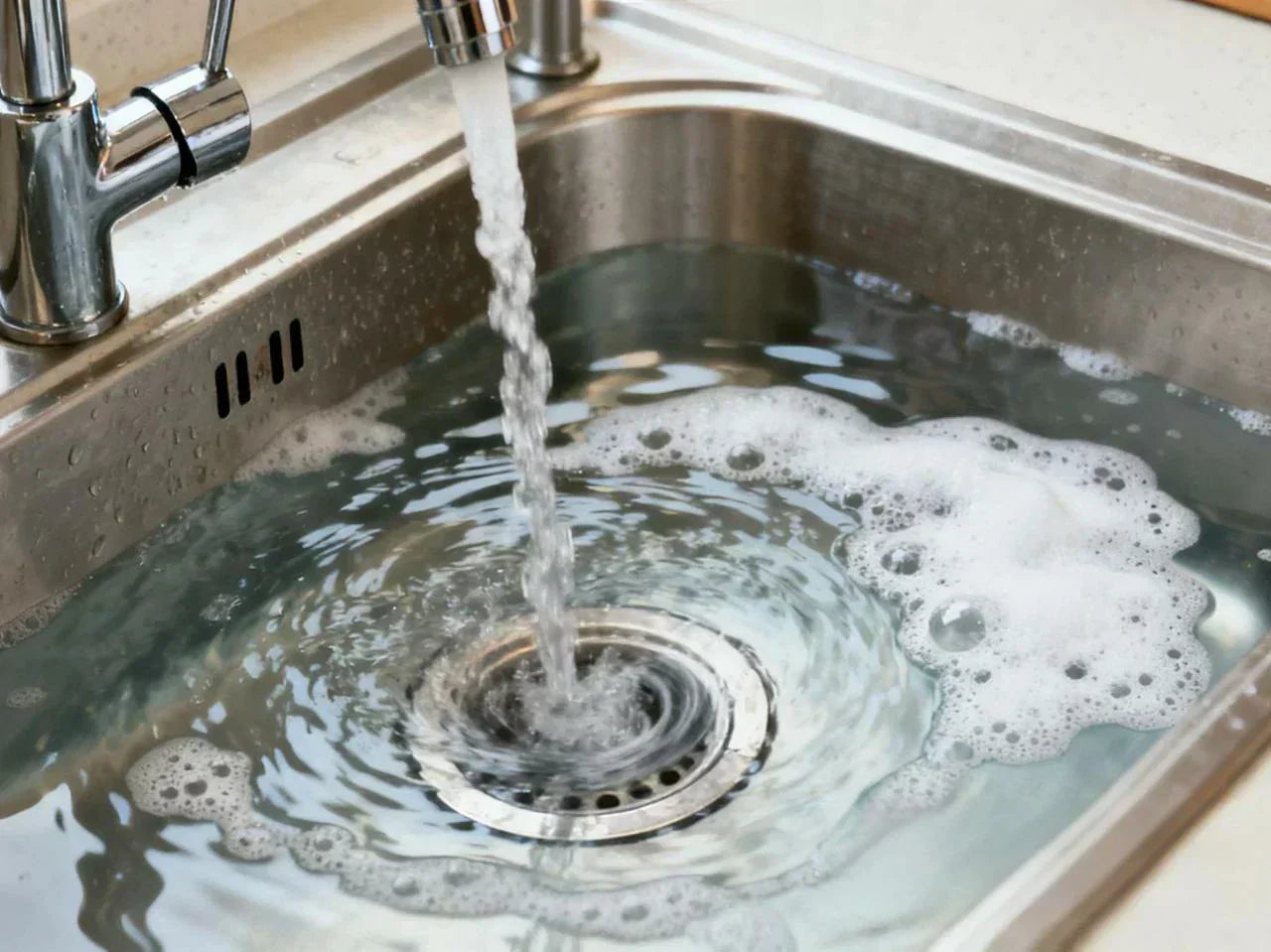
A sink slow drain wastes time, smells bad, and can turn into a bigger plumbing problem. If you typed “slow draining sink” or “how to fix a slow draining sink,” you want a fast plan that works. This guide gives you quick answers first, then takes you step by step through diagnosis, DIY fixes, and prevention. You’ll learn the most common causes—hair and soap scum, grease and food, mineral buildup, P-trap blockages, vent issues, and main-line problems—and how to match the right fix to the symptom.
You’ll also see a simple checklist, a symptom-to-cause table, clear how-to steps, and a comparison of tools like a plunger, P-trap cleanout, baking soda and vinegar, and a plumber’s snake. We’ll close with a maintenance calendar you can actually keep, so your kitchen sink and bathroom sink keep draining smoothly.
By the end, you’ll know:
-
How to fix a slow-draining sink right now
-
What to try next if the first method doesn’t work
-
When to stop and call a plumber
-
Simple habits to prevent clogs and protect your pipes
Sink Slow Drain: Quick Diagnosis and Action Plan
Before you jump into fixes, it helps to quickly identify what’s slowing the drain so you don’t waste time on the wrong solution. A simple first check can reveal whether you’re dealing with surface buildup, a deeper blockage, or an early warning sign of a bigger plumbing issue.
60-second checklist for a clogged or slow draining sink
-
Is water standing or slowly lowering?
-
Does a quick plunge improve flow for a moment?
-
Is the problem only this sink or do you see slow drainage in other fixtures?
-
Do you hear gurgling or notice sewer odors?
-
Any recent grease disposal, heavy hair shedding, or home renovations?
This quick check helps you sort a simple clog from a deeper plumbing system issue. If you only see a slow draining sink at one fixture, you likely have a local blockage in the stopper, tailpiece, P-trap, or short branch line. If multiple drains are slow or gurgling together, suspect vent problems or the main sewer line.
Local vs whole-house: fast tests for main sewer or vent stack issues
If only one sink is slow, it’s usually in the sink’s pipes: the stopper, the P-trap, or the branch line in the wall. If several fixtures drain slowly, or the toilet bubbles when the sink drains, your main line or vent stack may be obstructed. Gurgling and sewer odor across fixtures often points to poor ventilation: the vent may be blocked by debris on the roof or a partial clog deeper in the line. That’s a strong sign to pause DIY and plan a pro evaluation.
Tools and safety: what to prepare before you start
-
Bucket, channel-lock pliers, rags, gloves, and a flashlight
-
Cup plunger (for sinks), plastic hair removal strip, and a hand drain snake
-
Eye protection; open a window or run a fan
-
Never mix chemical drain cleaners; if chemicals were used, wait and flush with lots of water before mechanical work
A few minutes of setup reduces spills and protects you from splashback and fumes.
Visual/Interactive: symptom-to-cause table and quick quiz
Use this table to match the symptom to the likely cause and first fix. Then try the 60-second “quiz”: read across your symptom row and start with the first fix listed.
| Symptom | Most likely cause | First fix to try |
| Water drains slowly, worse after shaving or brushing | Hair and soap scum clogging the stopper or P-trap | Remove and clean stopper; use a plastic barbed strip; plunge if needed |
| Kitchen drain slow after cooking | Grease and food particles coating pipes | Run hot water flush; add a small amount of dish soap; plunge; if still slow, snake |
| Intermittent slowdowns, white scale on faucet | Hard water mineral buildup narrowing pipes | Remove and clean aerator; vinegar soak; consider snaking; plan longer-term mineral control |
| Plunging helps for a day, then slow again | Debris sitting in the P-trap or trap arm | P-trap cleanout with bucket and pliers |
| Gurgling or sewer smell across fixtures | Vent stack block or partial main-line clog | Vent check (if safe); call a pro for inspection if multiple fixtures affected |
| Multiple drains slow, basement drain backs up | Main sewer line obstruction (roots, heavy scale, sag) | Stop using water; call a pro for camera inspection and clearing |

Fast DIY Fixes That Work Now (Bathroom and Kitchen)
You don’t need to start with harsh chemicals. Mechanical steps solve most minor clogs and protect your drain pipes. If you’re wondering how to fix a a slow-draining sink, start here and move in order.
Plunging like a pro (about 70% effective for minor clogs)
A cup plunger can move a soft clog enough to restore drainage.
Step-by-step:
-
Fill the sink with enough water to cover the plunger cup.
-
Seal the overflow hole with tape or a wet rag (bathroom sinks) to get real suction.
-
Firmly plunge 10–15 times. Lift to check flow. Repeat up to two more rounds if you see progress.
-
Run hot water for 1 minute to help carry loosened gunk away.
Tip: If you have a garbage disposal, switch off power, check for jams, and run it with cold water for 10–15 seconds after plunging to clear the line.
P-trap cleanout (about 90% effective for localized clogs)
If plunging fails or the improvement fades, the blockage is often in the P-trap, the U-shaped pipe under the sink that catches debris.
Step-by-step:
-
Place a bucket under the trap. Put on gloves and eye protection.
-
Loosen the two slip nuts on the trap with your hands or pliers and remove the trap.
-
Dump water and debris into the bucket. Scrub the trap and the short trap arm. A bottle brush helps.
-
Check for clumps of hair, toothpaste sludge, or grease paste. Remove all buildup.
-
Reassemble, hand-tighten the slip nuts, then snug slightly with pliers. Do not overtighten.
-
Run water and check for leaks. If it drips, nudge the nuts a quarter turn.
This is the single best fix for a slow sink that’s only affecting one fixture.
Baking soda, vinegar, and hot water: where they help
Baking soda can help with light, organic buildup and odors. It won’t push through a solid mass or thick grease, but it’s a safe first attempt for a slow-draining bathroom sink drain.
Steps:
-
Pour 1/2 cup baking soda into the drain.
-
Add 1/2 cup white vinegar. Plug the drain for 15–20 minutes.
-
Flush with hot tap water for 1–2 minutes.
For kitchen grease, a small shot of dish soap followed by hot water can emulsify soft grease on the surface. It will not fix a hardened grease clog by itself, but it may help after plunging or snaking.
Manual snaking and hair/grit removal
A drain snake (hand auger) clears what plunging can’t reach. For bathroom sinks, a simple plastic barbed strip often removes the hair wad in seconds.
Steps:
-
Remove the stopper. For pop-up stoppers, loosen the pivot rod nut under the sink and pull the rod to release the stopper.
-
Insert the barbed strip to grab hair and pull it out. Wipe debris into the trash—never push it back down.
-
If still slow, feed a hand snake into the drain. Turn the handle to hook the clog. Don’t force it hard; steady turning works better.
-
Retrieve debris and flush with hot water.
Using a drain snake in the kitchen?
Run hot water first to soften grease, then snake gently. If you hit a hard stop you cannot pass, you might be at a tight bend or you’ve reached the wall. Stop before damaging the pipe and consider a pro.

Avoiding Damage: What Not to Do With a Slow Draining Sink
Before trying anything more aggressive, it’s crucial to understand which common “quick fixes” can actually backfire. Avoiding these mistakes will protect your pipes, seals, and fixtures while preventing small issues from turning into costly repairs.
Chemical drain cleaners: risks vs rewards
Chemical drain cleaners can burn skin and eyes, produce fumes, and in some cases can warp or weaken PVC and older metal pipes. They may help with soft organic buildup, but they don’t chew through solid objects, heavy grease, mineral scale, or tree roots. If a chemical sits behind a complete blockage, it can pool and create a hazard when you later open the P-trap. Enzyme and bacterial cleaners are safer for maintenance, but they work slowly and are not a quick fix for a hard blockage.
If you used a chemical cleaner and it didn’t work, flush with plenty of water and avoid opening the trap for several hours. Consider calling a pro instead of mixing methods.
Common myths and mistakes
-
Don’t mix cleaners. Mixing acids, bleach, or ammonia can release toxic gas.
-
Avoid boiling water on porcelain, enamel, or with PVC drains. Use hot tap water instead.
-
Shop vac usage can help in some cases, but you must seal the overflow and keep water away from the motor with a proper filter. Take care not to create a mess or spread contaminated water.
-
Don’t overtighten slip nuts. You can crack fittings. Hand-tight plus a slight nudge is enough.
Clear stop signs for DIY
-
Sewage backup in a tub, floor drain, or toilet
-
Multiple fixtures draining slowly across the home
-
A clog that returns right away after two or three methods
-
Visible leaks, water stains, or active drips in cabinets or ceilings
-
Strong sewer odor from several drains
These red flags point to deeper plumbing issues like vent blockage, a collapsed line, or root intrusion. Pause DIY and call a professional plumber.
Root Causes
You asked, “Why is my sink draining slow?” Here are the root causes most homeowners face, based on service logs, field reports, and common patterns from 2024–2025.
Hair and soap scum (bathroom sink not draining)
In bathrooms, most slow drains come from hair catching on rough edges under the stopper. Toothpaste and soap scum bind the hair and turn it into a sticky plug. You’ll often see strands when you lift the stopper. A quick mechanical removal with a barbed strip or a P-trap cleanout usually solves it on the spot.
Grease and food particles (kitchen drain clogged)
In kitchens, fats, oils, and grease (FOG) coat the inside of the pipe. Food particles then stick to the grease, and over time the line narrows. Hot water helps soften soft grease, but once a thick layer builds up, you typically need a plunger, a drain snake, or professional jetting. The best fix is prevention: never pour grease or oil down the sink. Wipe pans into the trash and collect cooking oil in a sealed container.
Hard water mineral buildup and corrosion
In areas with hard water, calcium and magnesium can form scale, which narrows pipes and traps debris. If you see white crust on your faucet aerator or shower head, your pipes may also be collecting scale. You can soak aerators in vinegar and run periodic hot water flushes. For chronic slowdowns in hard-water regions, consider a whole-home solution or scheduled descaling.
P-trap blockages, vent stack issues, and tree roots
A plugged P-trap is the classic local blockage. A blocked vent stack causes slow drains across fixtures, gurgling, and sewer smells because air can’t move through the system. If several drains are slow or you see a basement floor drain backing up, the main sewer may be obstructed by tree roots, heavy scale, or a sagging section of pipe. Those conditions call for a camera inspection and a pro plan.
When to Call a Plumber (Costs, Tools, Timelines)
If DIY fixes aren’t restoring proper drainage, it may be time to bring in a professional. Knowing when to call, what to expect, and how plumbers approach stubborn clogs helps you make an informed and cost-effective decision.

Professional intervention triggers
-
Several fixtures drain slowly or gurgle together
-
Sewage backs up anywhere in the home
-
The clog returns right away after basic fixes
-
You suspect a vent or main-line problem
-
You see leaks, water damage, or corrosion on the pipes
What pros use and do
Pros bring inspection cameras, longer and more powerful augers, and high-pressure water jetting. They locate cleanouts so they can work downstream with less mess. They can remove roots, break through heavy scale, and verify with video that the line is clear. If they find a broken section or a sag, they’ll explain repair options.
Cost and time ranges you can expect
| Service | Typical time on site | Typical cost range |
| Single sink P-trap/branch clear | 1–2 hours | $150–$300 |
| Whole-home assessment + branch snaking | 2–3 hours | $250–$450 |
| Main-line auger clearing via cleanout | 1.5–3 hours | $300–$600 |
| Camera inspection add-on | 0.5–1 hour | $150–$350 |
| Hydro jetting (main line) | 2–4 hours | $400–$900+ |
| Spot repair (varies by access) | Half-day to multi-day | Quoted after inspection |
Prices vary by region, access, and complexity.
How long should a slow drain fix take?
-
Hair or stopper removal: under 30 minutes
-
P-trap cleanout: about 30–60 minutes
-
Snaking a branch line: 1–2 hours
-
Main-line clearing or jetting: half-day or more, depending on severity
Prevention That Actually Works
You asked how to make a sink drain faster and keep it that way. The best way is to keep debris out, rinse smart, and do light routine care.
Weekly/monthly routines for a healthy drain
Make small habits part of cleanup. Use a strainer in the kitchen and a hair catcher in the bathroom. Wipe greasy pans with a paper towel before washing. Once a month, run a hot water maintenance flush for a few minutes. Every quarter, clean pop-up stoppers and aerators. These steps take minutes and save hours later.
Grease, oil, and food waste habits (FOG control)
Never pour grease or oil down the sink. That includes liquid cooking oil. Pour grease into a sealed container, let it cool, and toss it in the trash. Scrape plates, collect coffee grounds, and catch food scraps with a strainer. Small changes here are the best way to prevent a kitchen sink drain from slowing.
Can dish soap unclog drains? Dish soap plus hot water can help move soft grease, but it won’t clear heavy buildup or solid clogs. Think of it as a helper, not a cure.
Hard water and mineral control
If you live in a hard-water area, expect mineral buildup. Soak faucet aerators and shower heads in vinegar a few times a year. If slow drains keep returning and scale is part of the story, talk with a pro about long-term options. In the short term, cleaning aerators and doing regular hot water flushes reduces grit and improves flow.
Real-World Case Studies and Social Insights
A homeowner with a slow draining bathroom sink for months removed the stopper and found a hair plug no larger than a walnut. A plastic barbed strip pulled it out in seconds; the flow was normal again. Another home’s kitchen drains slowed every winter. The cook poured pan grease into the sink during the holidays. After switching to a grease can and wiping pans, the clog stopped coming back.
One family had slow drains across the house. The lowest-level floor drain burped water when the washer ran. A pro camera showed tree roots in the main line. Clearing the roots and repairing a cracked section fixed every fixture at once. These stories are common, and they show the pattern: match the fix to the cause of a slow drain, and the result sticks.

FAQs
1. How do you fix a slow-draining sink?
To fix a slow-draining sink, start with the simplest DIY methods to clear the blockage. First, remove and clean the stopper, because understanding the common causes—hair, soap scum, or grease—often reveals a clogged drain right at the top. Then use a plunger to dislodge soft buildup and improve water flow. If the sink slow drain persists, clear the P-trap and snake deeper with a small drain auger to reach stubborn clogs in the drainage system. Flush drains with hot water afterward to help everything go down the drain. These steps typically fix slow bathroom drain issues, shower drain slowdowns, and even a sluggish sink drain in kitchens. Clear the area under the sink before beginning to avoid spills. With regular maintenance, simple methods to clear debris can keep your drains flowing smoothly and ensure your plumbing system stays healthy long-term.
2. Is it okay to pour boiling water down the drain?
Boiling water seems like a quick fix for a sink slow drain, but it can damage your plumbing, especially PVC pipes, rubber seals, or older metal joints. While drains with hot water can help soften grease, actual boiling water may cause damage to your pipes and won’t reliably clear stubborn clogs or improve proper drainage. It’s safer to flush a sluggish sink drain with very hot tap water—not boiling—after using other diy methods like a plunger or a drain auger. If you’re dealing with a slow bathroom drain or kitchen clog, rely on mechanical drain cleaning first. Pouring boiling water alone rarely makes debris go down the drain, and it won’t dislodge a clogged drain deep in the drainage system. For safe home repair, stick to proven methods to clear minor clogs and regular maintenance to keep your drains flowing smoothly.
3. What liquid do plumbers use to unclog drains?
Plumbers rarely rely on liquid chemicals for a sink slow drain. Instead, they typically use mechanical tools such as a powerful drain auger or hydro-jetting systems to clear the blockage and remove stubborn clogs. Liquids are used mainly for lubrication or rinsing after the obstruction is cleared. Many harsh chemicals can damage your plumbing or lead to future clogs by weakening seals. For homeowners dealing with a slow sink that drains sluggishly, the safest approach is mechanical drain cleaning—plunging, snaking, or P-trap cleaning—rather than relying on liquids to make debris go down the drain. Professionals prefer methods that ensure your plumbing system remains safe while restoring proper drainage and keeping drains flowing. Understanding the common causes of a clogged drain helps determine whether you need pro tools or simple diy methods at home.
4. Does baking soda really unclog sinks?
Baking soda and vinegar can help clear minor clogs in a sluggish sink drain, especially when dealing with a slow bathroom drain caused by hair, soap scum, or light organic buildup. While this method won’t break through stubborn clogs or a fully clogged drain, it can dislodge small debris and improve water flow. Pour baking soda, then vinegar, plug the drain, wait, and rinse the drains with hot water to help loosen residue so it can go down the drain. This gentle approach is safe, won’t damage your plumbing, and supports diy methods aimed at maintaining proper drainage. For a sink slow drain that doesn’t respond, use a plunger or a drain auger. Baking soda works best as routine maintenance to keep your drains flowing and prevent future clogs rather than as a cure for deep blockages.
5. Can Dawn dish soap unclog drains?
Dawn dish soap can help with a sink slow drain caused by soft grease buildup, especially in a kitchen sink where fats make the drain sluggish. The soap lubricates and helps break down surface grease so debris can go down the drain more easily. However, it won’t clear stubborn clogs, hardened grease, or blockages deeper in the drainage system. Think of it as a helper during diy methods: use a plunger afterward to dislodge more material or pair it with hot water flushing. Dish soap is safe and won’t damage your plumbing, but it cannot replace a drain auger or proper drain cleaning when dealing with a slow or clogged drain. For ongoing home repair success, combine dish soap with regular maintenance routines to keep your drains flowing smoothly and prevent future clogs.
6. How to get a sink to drain quicker?
To get a sink to drain quicker, first identify the common causes of a sluggish sink drain. Clean the stopper, then use a plunger to dislodge buildup. If the sink slow drain remains, clear the P-trap and run a drain auger to remove stubborn clogs so water can go down the drain freely. Flush drains with hot water afterward to restore proper drainage. Regular maintenance—cleaning hair traps, wiping grease before washing, and doing occasional drain cleaning—helps keep your drains flowing. Understanding the common causes of a clogged drain lets you choose the right methods to clear minor clogs without damage to your pipes. This approach ensures your plumbing system stays healthy and that every sink that drains slowly returns to flowing smoothly. Prevention is the best way to keep your drains flowing smoothly long-term.
References



Leave a comment
This site is protected by hCaptcha and the hCaptcha Privacy Policy and Terms of Service apply.