
Your kitchen sink is one of the most used fixtures in your home, and choosing between a single bowl and a double bowl model goes far beyond simple aesthetics. The right layout can make daily cooking, cleaning, and dishwashing smoother, while the wrong one can lead to constant frustration with fit, function, and storage. This guide breaks down the real-world differences to help you start choosing the perfect sink that’s truly fit for your kitchen and lifestyle.
Quick Answer
For most homeowners, the right choice comes down to what you wash and how you use the sink every day. If you wash large pots, sheet pans, and casserole dishes often, choose a single bowl. If you hand-wash dishes daily, like to separate prep from cleanup, or want one side for drying, choose a double bowl. If your kitchen is small and you need flexibility, a single bowl with workstation accessories often beats a standard double.
A single bowl is usually the safer pick for small kitchens, modern layouts, and dishwasher-heavy homes. A double bowl is still the better fit for busy hand-washing households, shared cooking, and people who want split tasks.
Decision Snapshot
Here’s the fast version most buyers wish they had before shopping.
Deal-breakers first
-
Largest cookware won’t lay flat in a double bowl, making single or workstation the only practical choice
-
Sink base cabinet width is too narrow to support a functional double bowl, eliminating split basins from the start
-
Divider-induced pan-fit frustration makes daily use unpleasant, pushing buyers toward single or workstation over double
Choose single if you dishwasher most loads
If your dishwasher handles most daily dishes, a double bowl often gives up useful space without giving much back. A large single bowl is easier to live with because it fits bulky cookware and doesn’t force you to angle pans around a divider.
Single bowl is usually best for:
-
homes that use a dishwasher every day
-
people who cook in big pots, roasting pans, or sheet trays
-
small kitchens where every inch matters
-
homeowners who want a simpler, easier-to-clean sink
Avoid single bowl if:
-
you hand-wash most dishes
-
you want to soak on one side and rinse on the other
-
two people often use the sink at the same time
Choose double if you hand-wash daily
If your sink is doing real daily dish duty, a double bowl still makes sense. One side can hold dirty dishes or soapy water while the other stays open for rinsing, draining pasta, washing produce, or drying.
In the edge case of a small kitchen with heavy hand-washing and no dishwasher, a compact double bowl quickly becomes a poor choice when both basins become too cramped to soak or rinse effectively, and cookware still won’t fit without constant maneuvering. A single bowl with a drying mat, a workstation with sliding accessories, or a low-divider sink becomes the better answer, as it preserves usable space while still supporting hand-washing without the limitations of a tiny split basin.
Double bowl is usually best for:
-
households that hand-wash often
-
family kitchens with constant sink traffic
-
cooks who prep and clean at the same time
-
people who want a dedicated side for dish drying
Avoid double bowl if:
-
your kitchen is small
-
your cookware is large
-
you hate cleaning around dividers and corners
-
you’ve struggled before to fit pans into a split sink
Choose workstation if space is tight
If you keep going back and forth because you want the openness of a single bowl but still need task separation, a workstation sink deserves a hard look. It gives you one big basin plus add-ons like a drying rack, cutting ledge, or colander.
When a workstation won’t replace a double long-term
-
You require consistent daily separation between dirty dishes, raw food prep, and rinsing that accessories can’t reliably maintain
-
You lack dedicated storage for workstation accessories, leading to clutter or disuse over time
-
You rely on simultaneous, independent sink use by multiple people, which workstation flexibility can’t fully replace
This is often the best answer for:
-
compact kitchens
-
apartment layouts
-
homeowners replacing a frustrating old double bowl
-
people trying to maximize sink utility in a small kitchen
Skip double if pans never fit
This sounds obvious, but it causes a lot of buyer regret. If your roasting pan, stockpot, air fryer basket, or half-sheet pan doesn’t fit into a double bowl comfortably, the divider will annoy you every week. In real homes, that matters more than whether the double bowl looks organized in a showroom.

Single bowl vs double bowl kitchen sink
The basic question sounds simple, but a sink affects your kitchen more than most fixtures. You use it when cooking, cleaning, soaking, rinsing, filling pots, and sometimes even drying dishes. So the best kitchen sink for washing large pots and pans is not always the best sink for a family that hand-washes breakfast and dinner every day.
Here’s what usually matters in real homes.
Size and fit
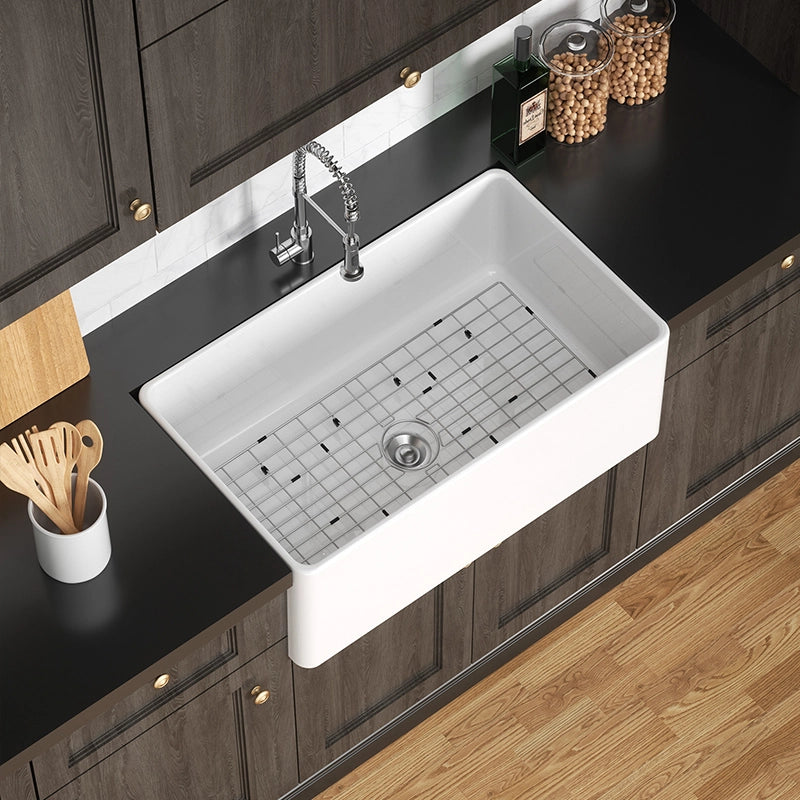
This sink has one continuous single basin that delivers a wide, uninterrupted space perfect for large cookware and easy daily cleanup. That is its biggest strength. You can set down a stockpot flat, rinse a baking sheet without turning it sideways, and wash larger cookware with less awkward lifting.
Double-bowl sink configurations typically require more complex drain and plumbing layouts, including dual drains, additional traps, and often more space for a garbage disposal if installed, which significantly crowds under-sink storage. In small kitchens, this lost storage space can be highly impactful, as cabinets already offer limited room for cleaning supplies, waste containers, and plumbing access, whereas single-bowl setups leave more open, usable space below the counter.
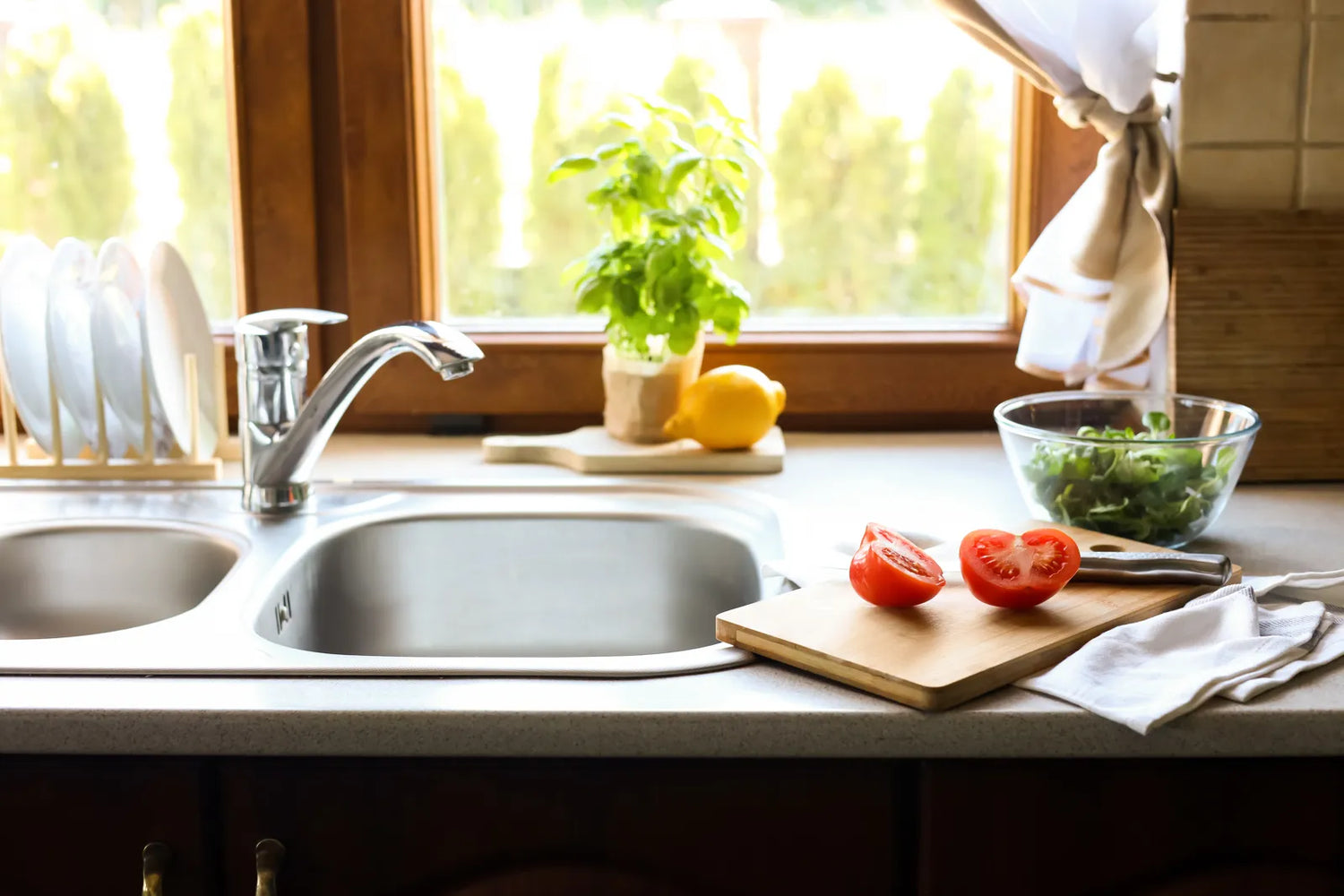
This bowl kitchen sink has two separate basins that split the same footprint into smaller, more compartmentalized work areas. That split can be useful, but it comes at a cost. In many kitchens, especially smaller ones, each bowl ends up too narrow for larger items. That is one reason people ask, are double bowl kitchen sinks outdated. The better answer is this: they are not outdated, but they are less forgiving in compact kitchens and more likely to feel limiting if your cookware is large.
As a rough guide, single bowl sinks are often easier to fit well in tighter base cabinets. Many common models work in cabinets around 30 to 36 inches wide. Standard single bowl sink sizes vary, but many popular kitchen versions run roughly 24 to 33 inches wide. If you are wondering, what is the standard size for single bowl sinks, there isn’t one exact standard, but 30 to 33 inches is a very common sweet spot for full-size kitchens.
Sink depth and basin ergonomics should serve as an upfront decision filter, not an afterthought, as they directly impact standing posture, reach distance, and wrist angle during daily use. A basin that is too deep forces excessive bending, while a narrow double bowl can create uncomfortable wrist angles when scrubbing or maneuvering cookware, both of which lead to fatigue over extended use.
Double bowls usually need enough width to make both basins useful. If the sink is too small, the divider takes up space and both sides feel cramped.
Workflow and multitasking
This is where double bowls earn their keep.
If you regularly rinse produce while dishes soak, or one person washes while another drains pasta, a double bowl can improve kitchen workflow. That is the strongest case for a double bowl sink for kitchen workflow: it lets you split tasks without stopping one job from starting another.
But if your routine is more linear, a single bowl often feels easier. One person cooks, loads the dishwasher, rinses pans, wipes the sink, and moves on. No divider. No deciding which side gets what. Less rearranging.
So is a single bowl sink better than a double bowl? Sometimes yes, but only when your routine matches it. For many smaller homes and dishwasher-first households, yes, a single bowl is better. For heavy hand-washing and split-task use, no, a double bowl is still the better tool.
Cleaning and upkeep
If your goal is easy cleanup, the single bowl usually wins.
There are fewer seams, fewer inside corners, and no center divider where grime and water spots collect. That alone answers another common question: which kitchen sink is easier to clean, single bowl or double bowl? In most cases, single bowl.
Double bowls are not hard to clean, but they do ask for more effort over time. The divider edges and tighter corners can trap debris. You also tend to wipe two smaller spaces instead of one open basin. That sounds minor, yet it becomes a weekly annoyance in busy kitchens.
There is also the issue of reach. In narrow double bowls, you may have to angle your hand and wrist more to scrub corners or handle big cookware. This matters even more if you already deal with back, shoulder, or wrist strain. Selecting WaterSense-certified kitchen faucets can also enhance daily efficiency by balancing water conservation and rinsing performance, per guidelines from the U.S. Environmental Protection Agency (EPA).
Cost and install trade-offs
In many cases, single bowl sinks cost a bit less and are simpler to install, though pricing depends on material, mount style, and accessories. The real difference is less about the sink itself and more about what fits your cabinet and plumbing setup.
Here’s a quick comparison.
| Factor | Single Bowl | Double Bowl |
| Best for | Large cookware, simple cleanup, small kitchens | Split tasks, hand-washing, shared use |
| Space inside sink | More usable open space | Less space per bowl because of divider |
| Counter efficiency | Often feels better in compact kitchens | Can work well in larger kitchens |
| Cleaning | Easier, fewer corners and seams | More edges and divider cleanup |
| Comfort | Better for washing large items | Better for task separation |
| Dish drying | Needs rack, mat, or accessories | Easier to dedicate one side |
| Installation | Often simpler | Can need more width to feel useful |
| Cost | Often a bit lower | Can be higher for useful larger models |
| Best cabinet fit | Strong choice in 30–36 inch bases | Better when base cabinet is wider |
| Common regret | No task separation | Big pans do not fit |
If you are comparing single and double bowl undermount kitchen sink options, the same logic about fit, function, and daily use still applies. Undermount models make wiping counters into the sink easier, but they do not solve divider frustration. An undermount double bowl is still a double bowl. A single undermount still gives you a cleaner, more open basin.
What actually changes the decision?
A lot of sink guides stay too broad. In real life, five things decide this faster than anything else.
Your biggest item decides first
Before you compare features, grab the biggest thing you wash by hand. Maybe it is a stockpot, roasting pan, wok, sheet pan, or air fryer insert.
Now ask one simple question: Will this fit comfortably?
That answers a lot.
If you often wash large cookware, the benefits of a large single bowl kitchen sink are obvious. You can lay items flatter, scrub with less splashing, and rinse without turning the item three times. This is why a single bowl is usually the best kitchen sink for washing large pots and pans.
Can you wash a roasting pan in a double sink? Sometimes, but often not well. You may have to tilt it diagonally, wash one end at a time, and splash more water on the counter. That is exactly the sort of small frustration that adds up.

Your dishwashing habit decides second
Next, be honest about dishwashing.
If you use a dishwasher for most loads, a double bowl may give you a function you rarely use. One side becomes a holding area for dishes waiting for the dishwasher, which often means clutter sits in view longer.
If you hand-wash every day, the answer changes. A double bowl sink better supports soaking, rinsing, and air drying. So if you are asking, is a double bowl sink better for dish drying, the practical answer is yes. One side can stay clear for a rack, mat, or drip-drying while the other remains usable.
Cabinet width limits the field
A lot of sad regret starts here. People shop by idea first and cabinet width second.
That should be reversed.
A compact base cabinet can technically accept a double bowl, but that does not mean the result will be pleasant. A single bowl vs double bowl sink for small kitchen decisions almost always favors single, because the divider takes away too much function in a limited footprint.
If your kitchen is small, does a single bowl sink increase counter space? Not in a literal measured way, because the sink still occupies its cutout. But it often feels like it increases usable workspace because you can use one basin more flexibly and avoid clutter spreading onto nearby counters.
Divider frustration is real
This is one of the least discussed but most common complaints.
In the showroom, the center divider looks tidy. In daily use, it can feel like a wall in the way. You bump pots against it, angle platters around it, and lose the ability to stack items naturally.
When a double bowl kitchen sink is not suitable, this is usually why:
-
the kitchen is small
-
the bowls are too narrow
-
cookware is oversized
-
one side ends up rarely used
-
the divider creates more hassle than order
If you already know you dislike working around obstacles, pay attention to that instinct.
Depth affects comfort more than expected
Depth sounds like a detail, but it changes comfort a lot. A deep single bowl sink vs double bowl sink comparison is not just about capacity. It is also about posture.
A very deep sink can reduce splashing and hide dishes, but it can also make you bend more. That matters if you are shorter, taller than average, or spend a long time washing by hand. A double bowl with shallow basins may feel easier on the back for some users, while others find the narrower bowls force awkward wrist angles.
The key point is this: do not choose depth only because “deeper is better.” Choose a depth you can work in comfortably.
When single bowl is better
A single bowl sink shines in several key scenarios, especially when space, cookware size, and daily routine lean toward simplicity and openness.
Small kitchen, fewer interruptions
For a small kitchen, a single bowl usually wins. It simplifies the whole zone. You get one open basin, easier movement, and fewer moments where the sink feels crowded.
This is why the single bowl vs double bowl sink for small kitchen debate often ends with one answer: if space is tight, choose single unless you hand-wash heavily every day.
Small kitchens also tend to have less landing space around the sink. A single bowl gives you more freedom to use racks, mats, and accessories only when needed instead of committing sink space permanently to a divider.
Large pots and sheet pans matter
This is the clearest reason to go single.
If you cook with Dutch ovens, stockpots, sheet pans, roasting pans, or oversized skillets, a single bowl removes friction. You can soak, rinse, and scrub without forcing each item into two small spaces.
The benefits of a large single bowl kitchen sink are not theoretical. They show up every holiday meal, every pasta night, every time you bake, and every time a pan needs to sit flat.
Modern look and easier cleaning win
Is a single bowl kitchen sink better for modern kitchens? In many cases, yes. Its sleek single bowl design matches the cleaner lines and simpler look many homeowners want today. But the stronger reason is still practical: it is easier to wipe clean and easier to use.
That is one reason some people think double sinks are going out of style. It is less about fashion and more about how kitchens changed. More homes now use dishwashers for routine washing, and more people want one large sink that handles the occasional big cleanup without complaint.
So why are double sinks going out of style in some homes? Because many buyers no longer need constant two-basin washing, and they do need room for bigger cookware and easier cleanup.
One cook, one workflow
If one person usually cooks and cleans, a single bowl often feels more natural. You are not trying to maintain separate zones at the same time. You want room, speed, and fewer interruptions.
This is also a good fit for older homeowners and anyone who wants less fuss. A single bowl avoids narrow basins and divided corners. That can make daily cleanup feel easier year after year.
When double bowl is better
While single bowl sinks dominate in many modern kitchens, a double bowl remains the superior choice for specific daily routines and household needs.
You prep and wash at once
If your kitchen sink is active from the start of cooking to the end of cleanup, the double bowl still has real value.
You can wash produce on one side and keep dirty tools on the other. You can soak pans while still having access to running water. You can separate raw meat cleanup from other prep tasks. That split is useful, and in some family kitchens it is the only setup that keeps the sink usable.
This is where single bowl vs double bowl kitchen sink pros and cons become very clear. The pro of a double is separation. The con is reduced capacity in each bowl.
Dish drying needs a dedicated side
A lot of people still air-dry more than they realize. Baby bottles, knives, wooden tools, hand-wash-only pans, and quick breakfast dishes often end up near the sink.
If that is your routine, then yes, a double bowl sink is better for dish drying. One bowl can hold a rack or mat while the other stays free. It is cleaner and more contained than covering the counter with damp items.

Family kitchens need shared access
For a single bowl vs double bowl kitchen sink for a family of 4, the better answer depends on habits. If that family uses the dishwasher heavily and cooks with large pans, single can still work very well. But if people are constantly rinsing cups, washing lunch containers, filling water bottles, and hand-washing dishes throughout the day, double bowl usually handles traffic better.
In shared kitchens, one person can wash while another still uses the second side. That may sound small, but in a busy household it reduces congestion.
One large bowl beats equal bowls
Not all double bowls are the same. In many homes, a double bowl kitchen sink with one larger bowl vs equal bowl is the smarter version of a double. A 60/40 or 70/30 style gives you one bowl large enough for real washing and one smaller bowl for rinsing, drying, or food prep.
Equal bowls look balanced, but they can be less practical if neither side is large enough for cookware. So if you know you want a double, lean toward one larger bowl rather than two equal small ones.
When the alternative wins
Some homeowners do not truly want to be single or double. They want flexibility. That is where newer layouts can solve the usual trade-off.
Workstation beats double in tight kitchens
A single bowl sink with workstation accessories vs double bowl is one of the most useful comparisons for small kitchens.
A workstation sink can give you:
-
a large open basin for pans
-
a sliding rack for drying
-
a ledge for prep
-
a colander for rinsing produce
This setup often delivers the main benefit of a double bowl, task separation, without giving up the open basin. It is one of the best ways to maximize sink utility in a small kitchen.
It is not perfect. Accessories need storage, and some people stop using them once the novelty wears off. But for compact kitchens, it often solves more problems than a cramped double bowl.
Low-divider models soften the compromise
If you like the idea of separation but hate the thought of a full-height divider, look at low-divider options. They keep one basin mostly open while still creating two zones.
This is a middle-ground choice. You can rinse on one side and soak on the other, but still slide larger items across the lower divider more easily than in a full split sink.
For buyers torn between options, this can be a smarter compromise than forcing a standard equal double into a small base cabinet.
Deep single can replace weak doubles
A deep single bowl can take over many jobs people assume require a double. Add a drying rack, bottom grid, or removable tub, and it starts to do more than expected.
That does not mean single always replaces double. It means many homeowners buy a double out of habit, when a deep single would actually fit their daily routine better.

Final Verdict
Most small kitchens should choose a single bowl sink because it fits large cookware better, feels less cramped, and is easier to clean. Busy homes that hand-wash dishes every day should choose a double bowl sink, especially if they need one side for rinsing or drying while the other stays in use. If you are unsure, compare your cabinet width, largest cookware, and dishwashing habits before anything else. In real homes, those three factors decide the right sink faster than style or trends.
Before You Buy
Use this short checklist before you order:
-
Measure your sink base cabinet width, not just the old sink.
-
Write down the biggest item you wash by hand.
-
Decide if you hand-wash daily or rely on a dishwasher.
-
Think about whether two people use the sink at once.
-
Check sink depth so you do not create back strain.
-
If choosing double, prefer one larger bowl over two equal small bowls.
-
If your kitchen is tight, compare a workstation single to a standard double.
-
Picture where wet dishes will dry in your real kitchen, not a showroom.
FAQs
1. Is a single bowl sink better than a double bowl?
The debate of single bowl vs double bowl kitchen sink comes down to daily habits and kitchen layout, with each design serving distinct household needs. A single bowl sink with workstation accessories adds flexibility, making it ideal for compact spaces where you want openness and task separation. The benefits of large single bowl sink include seamless fit for bulky items and simpler cleaning, while double bowls excel at multitasking. For most families, the choice hinges on dishwashing routines, cabinet size, and how you use your sink each day.
2. Why are double sinks going out of style?
Many homeowners ask are double bowl sinks outdated as modern kitchens shift toward dishwashers and open, minimalist designs. Double basins often struggle with large cookware, creating daily frustration that outweighs their task-splitting benefits. They also reduce under-sink storage and feel cramped in small kitchens, pushing people toward single and workstation alternatives. While not obsolete, they are less practical for modern cooking styles that prioritize space and easy cleanup.
3. Can you wash a roasting pan in a double sink?
A double sink rarely works as the best sink for washing large pots and roasting pans, as the divider prevents flat, comfortable placement. You’ll be forced to angle cookware awkwardly, leading to splashing and incomplete cleaning compared to a large single bowl. This practical limitation is one of the top reasons home cooks favor single-basin designs for heavy cookware. Even large double bowls cannot match the uninterrupted space that makes cleanup efficient and painless.
4. What is the standard size for single bowl sinks?
Standard single bowl sink sizes support both daily use and proper fit, aligning with common cabinet dimensions in most homes. Popular widths range from 24 to 33 inches, with 30–33 inches serving as the most functional sweet spot for full kitchens. Sizing also impacts maximizing sink utility in small kitchens, where compact but deep single bowls maintain capacity without wasting space. Always measure your base cabinet before choosing to ensure ergonomic and functional fit.
5. Does a single bowl sink increase counter space?
While a single bowl doesn’t add literal counter square footage, it improves perceived space and workflow, especially in small kitchens. It eliminates the restrictive divider, creating a more versatile basin that supports flexible accessory use. This improvement supports maximizing sink utility in small kitchens by reducing clutter and improving usable workspace. It also pairs well with drying mats and workstation add-ons to keep counters cleaner and more organized.
6. Should I choose a single or double bowl kitchen sink?
Your choice in the single bowl vs double bowl kitchen sink comparison depends on family size, habits, and storage needs. A double bowl is often the top double bowl sink for dish drying and works well for busy households that hand-wash frequently. The kitchen sink size for a family of 4 leans toward double basins if multiple people use the sink at once, or large single bowls if you prioritize cookware fit. For the best balance, consider a workstation single bowl or low-divider double sink.
References


Leave a comment
This site is protected by hCaptcha and the hCaptcha Privacy Policy and Terms of Service apply.