
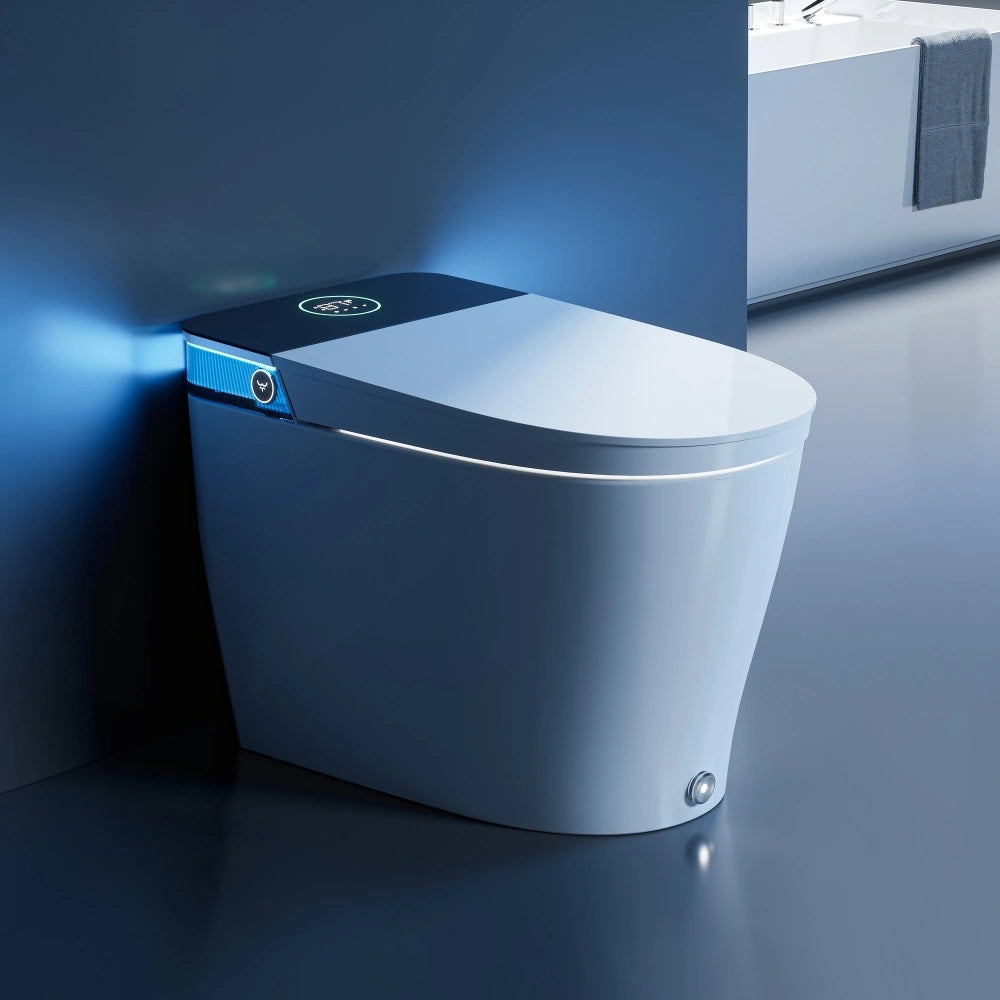
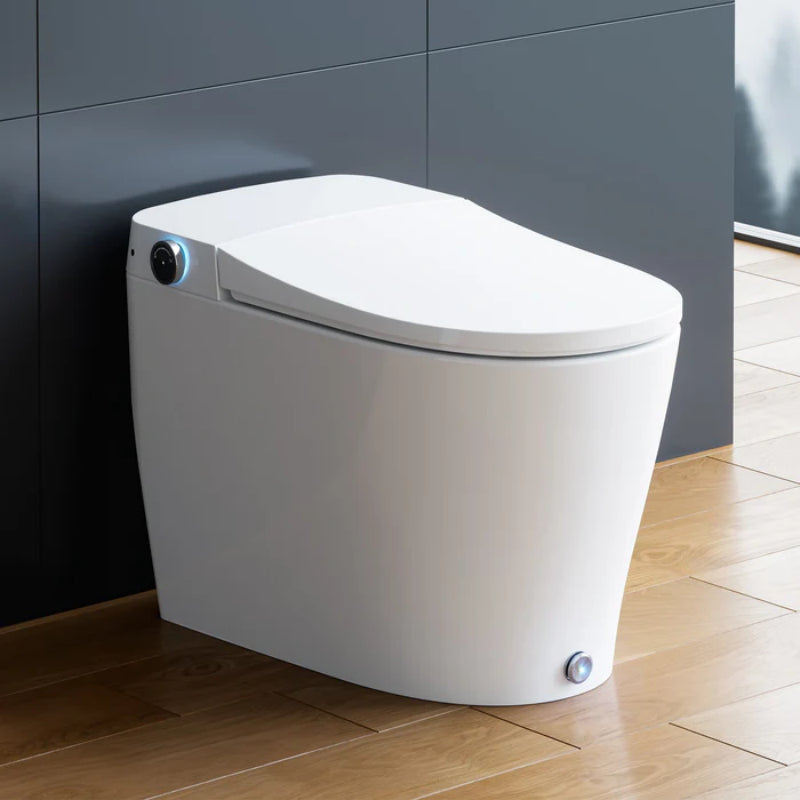
Wondering exactly how a self cleaning bidet nozzle works, whether it’s truly hygienic, if do bidet nozzles clean themselves, and how a bidet with self cleaning nozzle upgrades your routine? This guide breaks down nozzle feature functions, warm water and heated seat perks of luxury bidet units, real hygiene benefits, limitations, essential maintenance tips, and key buying considerations to help you pick the best bidet with self cleaning nozzle for your toilet and bathroom setup.
Quick Answer
A self cleaning bidet nozzle is worth it if you want less day-to-day wiping of the spray wand, cut down toilet paper use, and avoid extra effort on bathroom chores, while being realistic that it still needs occasional manual cleaning to keep your bidet seat sanitary. It is often not worth it if your bathroom is tight, your water is hard, or you expect the model’s self-cleaning cycle to keep the nozzle fully sanitized on its own.
Decision Snapshot
A self cleaning bidet nozzle makes sense if you want a lower-maintenance setup, use the bidet often, and prefer a nozzle that rinses itself before or after use. It is usually a good fit for homes where people care about bathroom hygiene but do not want to inspect and wipe the spray wand constantly.
This is often unnecessary if you already do regular bathroom cleaning and do not mind wiping a nozzle by hand now and then. It is also a poor fit when access around the toilet is tight, the water leaves mineral scale on fixtures, or you expect “self cleaning” to mean fully hands-free care. Always check for 2–3 inches of side or rear toilet clearance first, as hard water can largely negate the low-maintenance perks of a self cleaning bidet nozzle and ruin the nozzle’s long-term performance.
Best for low-maintenance buyers
This built-in nozzle feature usually becomes useful when the goal is less frequent touch-up cleaning, not zero scrubbing or full hands-off care, perfect for mobility-limited users who want simpler bathroom hygiene.
In real homes, people tend to like it when:
-
the bidet gets used daily
-
Multiple people share the bathroom
-
they feel better knowing the nozzle rinses before retracting
-
they want less visible residue on the spray wand
If that sounds like you, the feature can feel worthwhile. It removes some of the “do I need to clean that again?” feeling after repeated use.
Skip it in tight bathrooms
This can be annoying when there is not enough room to reach the nozzle area. If the toilet is very close to a wall, vanity, or tub, even a good self-rinse feature may not help much because you still need occasional access for inspection and wiping.
In many homes, this ends up being ignored if the nozzle is physically hard to reach. That is when buildup, smell, or sticky retraction starts showing up later.
What Self Cleaning Actually Does for Your Bidet Nozzle & Toilet Hygiene
Many shoppers misunderstand what a self-cleaning bidet nozzle actually accomplishes and how these self cleaning bidet toilet systems work. According to industry research on bidet hygiene systems, self-cleaning functions are designed to rinse rather than fully sanitize the spray wand. Let’s break down its real function, what it can clean, and what it cannot do for your bidet toilet seat and overall toilet hygiene.

What Is It Really Cleaning on Your Self-Cleaning Nozzle?
If you are asking what is a self cleaning bidet nozzle, the plain answer is this: it is a built-in spray wand that sprays water for cleaning via a dedicated cleaning cycle, usually with warm water, before use, after use, or both to let the bidet stays fresh all the time.
If you are wondering how does a self cleaning bidet nozzle work, the nozzle usually extends, gets rinsed by water flowing over or through it, and then retracts into a protected area. Some models use a retractable spray wand so the nozzle stays tucked away when not in use.
That helps with fresh residue and routine surface cleanup. It can also reduce how exposed the nozzle is between uses.
But this is the expectation gap: self-cleaning usually means rinse-cleaning, not deep cleaning. Basic bidet self-cleaning functions only as simple rinse-cleaning, not true sterilizing or professional sanitation technology.
Rinse Is Not Sterilizing – True Hygiene of a Bidet Nozzle
A lot of buyers assume the rinse makes the nozzle sterile. That is usually not true.
A water rinse can help wash off fresh debris. It does not automatically kill germs, remove all biofilm, or dissolve mineral scale. So if you are asking is a self cleaning bidet nozzle hygienic, the honest answer is yes, it can improve hygiene compared with a nozzle that gets no automatic rinse, but it is not the same as full sanitizing.
This matters because many regrets come from the word “self cleaning” itself, even with uv light and ultraviolet light add-ons. People expect a maintenance-free system that never needs to wipe the seat or tend to the clean nozzle manually. What they get is a cleaner nozzle between uses, but not a nozzle that never needs attention.
Does it prevent contamination?
A self-cleaning nozzle can reduce contamination risk, especially when it retracts into a shielded housing after rinsing to protect your bidet nozzle and maintain long-term hygiene. That is part of why people choose a bidet with automatic nozzle cleaning or a self cleaning bidet nozzle for better bathroom hygiene.
Still, does a self cleaning bidet nozzle prevent contamination completely? No.
It lowers risk. It does not remove risk.
Contamination can still happen if:
-
The nozzle housing traps grime
-
the rinse is weak
-
hard water leaves deposits
-
the nozzle sticks and does not retract well
-
owners stop checking it because they assume the built-in deodorizer and self-cleaning cycle handle everything, ignoring seat’s hidden grime buildup risks
Daily Use Trade-Offs of a Self Cleaning Bidet Nozzle
Using a self cleaning bidet nozzle daily comes with hidden pros and cons that impact clean performance and toilet hygiene. Below we cover common real-world trade-offs you’ll encounter with retractable design, odor buildup and dual-nozzle bidet nozzle setups.
How Retraction Can Hide Buildup on Your Self-Cleaning Nozzle
A self cleaning bidet nozzle with retractable spray wand sounds cleaner on paper, and often it is. The problem is that retraction can also hide buildup.
When the wand disappears into a guard or small compartment, grime can collect in seams, tracks, or the opening where the nozzle moves in and out. You may not notice the problem until the nozzle retracts slowly, sprays unevenly, or starts looking crusty.
This is one of the biggest real-world trade-offs. A visible nozzle reminds people to wipe it. A hidden nozzle is easier to forget.

Will it still smell clean?
Sometimes not.
If water sits in hidden parts, or if scale and residue collect around the guard, the setup may not smell as fresh as buyers expect. The nozzle itself may rinse, but the surrounding parts can still hold odor over time.
This tends to surprise people who expected the whole area to stay clean because the spray wand is self-rinsing. In practice, the nozzle can be cleaner than the housing around it.
Dual nozzles add more parts
If you are wondering are dual nozzles better than single self cleaning bidet nozzles, the answer depends less on features and more on your tolerance for upkeep.
Dual nozzles can be useful for households that want separate spray positions. But they also add more surfaces, more movement, and more places for scale or residue to collect.
That does not make them bad. It just means the “self cleaning” benefit gets spread across more parts that still need occasional checking. More parts usually mean more to inspect later.
Setup Limits People Miss When Choosing the Right Bidet Nozzle Model
Most buyers overlook critical installation and home conditions that impact how well a self cleaning bidet nozzle performs and how integrated smart bidet toilet seat units work long-term. Here we highlight easy-to-miss setup limits around space clearance, water quality, and bidet style differences for choosing the right model.
Check Toilet Side Clearance First for Easy Bidet Nozzle Clean Access
One of the most overlooked issues is simple access.
Before buying anything with this feature, check whether you have enough room to reach the nozzle area with your fingers or a cloth. If the side or rear gap is very narrow, routine cleaning becomes frustrating fast.
A rough rule: less than about 2–3 inches of side or rear toilet clearance will make routine nozzle inspection and manual wiping noticeably difficult, so if the toilet is packed tightly enough that you can barely reach behind or along one side, maintenance will feel worse than expected.
This usually becomes useful when the unit is easy to inspect. It becomes a regret when the nozzle area is hidden and hard to reach.

How Hard Water Changes the Deal for Your Self-Cleaning Nozzle
If your faucets, shower heads, or kettle collect white crust, your bidet nozzle probably will too.
That is why does hard water affect a self cleaning bidet nozzle is such an important question. Yes, it can. Hard water can leave mineral deposits that self-rinsing does not remove. Over time, scale can narrow spray openings, affect spray pattern, and make the retracting parts move less smoothly.
So if you have hard water, “self cleaning” often means less cleaning than manual-only, not little cleaning.
Sediment matters too. If your home has debris in older plumbing lines, the nozzle and internal water paths can get dirty and clogged much faster than expected. Weak self-cleaning performance can also stem from household water pressure falling outside the optimal 20–80 PSI range.
Bidet Toilet Seat and Attachment Differ in Bidet Nozzle Access & Clean Care
There is also a practical difference in self cleaning bidet nozzle on bidet attachment vs bidet seat setups. The key issue is not which is “better.” It is access.
Some setups leave the nozzle area easier to see and wipe. Others tuck it deeper under the seat structure, where cleaning is harder. Some have fixed nozzles, while others are easier to access for manual care.
This is where buyers get tripped up. They focus on the self-cleaning claim and forget to ask: “Can I still reach this thing when I actually need to clean it?” Fixed and non-detachable bidet nozzles are far harder to deep clean and often become a major maintenance regret in cramped toilet installations.
For electric versions, there is one more limit people miss: outlet placement. If the unit needs power, make sure you have a suitable nearby outlet and that the shut-off valve is easy to reach when service is needed.
Long-Term Maintenance Reality for Self Cleaning Bidet Nozzle Hygiene
Even with a self-cleaning bidet nozzle in place on your bidet toilet seat, long-term clean upkeep and hygiene care is still unavoidable. Let’s break down real maintenance needs, stuck nozzle fixes, and what UV sanitization can and cannot do for daily toilet use.
Manual Clean Still Happens Even With Self-Cleaning Nozzle
If you want the short version of how to clean a bidet nozzle with self cleaning function, it is this: use the self-clean cycle for routine rinsing, but still plan to inspect and manually wipe or descale the nozzle and nearby housing on a regular schedule.
That schedule depends a lot on water quality and usage. In some homes, light cleaning every few weeks is enough. In others, monthly or deeper seasonal cleaning is more realistic.
This is the part many owners wish they knew earlier. Self-cleaning reduces the mess of routine upkeep. It does not cancel upkeep.

What happens if it sticks?
A sticking nozzle is one of the most frustrating failures because people often make it worse.
If the wand extends slowly, retracts partway, or seems stuck, follow this clear troubleshooting sequence: never force the moving nozzle to avoid mechanism damage, shut off the water supply if needed, inspect for visible scale and debris around the nozzle opening and guard, thoroughly clean the surrounding area first, and only resume regular use once the nozzle moves smoothly and normally again.
This can be annoying when the nozzle is fixed in a cramped spot. If you cannot comfortably see what is happening, small maintenance issues can turn into bigger ones.
UV Features Change Expectations of Self Cleaning Hygiene
Some buyers look for a self cleaning bidet nozzle with UV sterilization or a self cleaning bidet toilet seat with automatic nozzle rinse and assume that extra sanitizing features mean they will never have to touch the nozzle area.
That expectation is where regret starts.
UV or similar features may improve sanitation claims on the nozzle surface, but they do not solve every real-world issue. They do not remove mineral scale. They do not clean hidden seams well. They do not fix poor access. They do not make a cramped installation easier to maintain.
So if you are considering a bidet with automatic nozzle cleaning, treat UV as an added hygiene layer, not a replacement for basic care.
Before Choosing the Right Model for Your Bidet Toilet Seat
-
Check if you can easily reach the nozzle area with a cloth after installation.
-
Look at your faucets or shower head for mineral crust; if you see it, expect extra descaling.
-
Assume “self cleaning” means rinsing, not full sanitizing or maintenance-free use.
-
Make sure the shut-off valve is easy to access for cleaning or service.
-
If the bathroom is shared heavily, expect the feature to help with freshness but not replace regular cleaning.
-
If the nozzle ever sticks, do not force it; buildup is often the real issue.
FAQs
Is a self cleaning bidet nozzle worth it?
Yes, if you want less day-to-day nozzle wiping and you use the bidet often.It’s ideal for daily use and shared family bathrooms wanting easier upkeep.It saves you from constantly wiping down the spray nozzle after every use.No, if you expect zero maintenance or have hard water and poor toilet clearance.Hard water creates mineral buildup the self-clean function can’t remove alone.Tight bathroom access also makes routine inspection and cleaning very awkward.It’s only worthwhile if you accept it reduces chores instead of eliminating them.
Is a self-cleaning bidet nozzle hygienic?
It can improve hygiene by rinsing the nozzle and keeping it retracted between uses.The auto rinse washes away fresh residue before and after every single use.Retracting the nozzle keeps it shielded from bathroom dust and outside grime.But it is not fully sterile, and manual cleaning is still needed on a regular basis.Basic water rinsing can’t kill all germs or break down stubborn biofilm buildup.You can’t rely only on self-clean mode to keep the nozzle perfectly sanitized.Light manual wiping and occasional deep cleaning are still necessary long-term.
Does hard water affect a self cleaning bidet nozzle?
Yes. Hard water can leave scale that clogs spray holes, affects spray pattern, and makes moving parts stick over time.Mineral scale builds up easily and won’t wash off with regular self-rinsing.Clogged spray holes disrupt water flow and ruin your normal bidet spray pattern.Scale also slows down the retractable nozzle and makes movement stiff and jerky.Old plumbing sediment mixes with hard water and dirties internal parts faster.Weak water pressure paired with hard water makes self-clean performance even worse.Regular descaling is a must for hard water homes to keep the nozzle working well.
How often do you still need to clean it?
That depends on water quality and use, but most homes should still inspect and manually clean the nozzle area regularly rather than relying only on the self-clean cycle.Soft water with light usage only needs casual inspection every few weeks.Hard water homes require closer checks and monthly light descaling maintenance.Busy shared bathrooms with daily use need more frequent nozzle area upkeep.The self-clean cycle only does surface rinsing and can’t replace deep cleaning.Never fully trust automatic rinsing to handle all dirt and hidden grime buildup.Always stick to a simple routine check to avoid stuck nozzles and odd odors.


Leave a comment
This site is protected by hCaptcha and the hCaptcha Privacy Policy and Terms of Service apply.