

You can repair shower doors fast with a few proven fixes, clear cost ranges, and simple steps. If your sliding shower door sticks, a hinged or frameless shower door sags, or water leaks at the bottom or sides, this guide shows what to try first, when to call a pro, and how much you’ll likely spend. We start with a quick 60‑second diagnosis and cost snapshot. Then we move into step‑by‑step repairs for sliding and hinged doors, cover leak‑stopping seals and silicone, and compare DIY vs professional service. You’ll finish with maintenance checklists, tool tips, and trusted references so you can restore a smooth, watertight shower enclosure with confidence.
How to repair shower doors now: quick diagnostic & costs at a glance
Figuring out your shower door type is the first step. Sliding or hinged? Track or hinge? Knowing this helps you quickly spot common issues and understand what repairs might cost, so you can get it working smoothly without guessing.
60‑second diagnosis (sliding vs hinged/frameless) + what that means
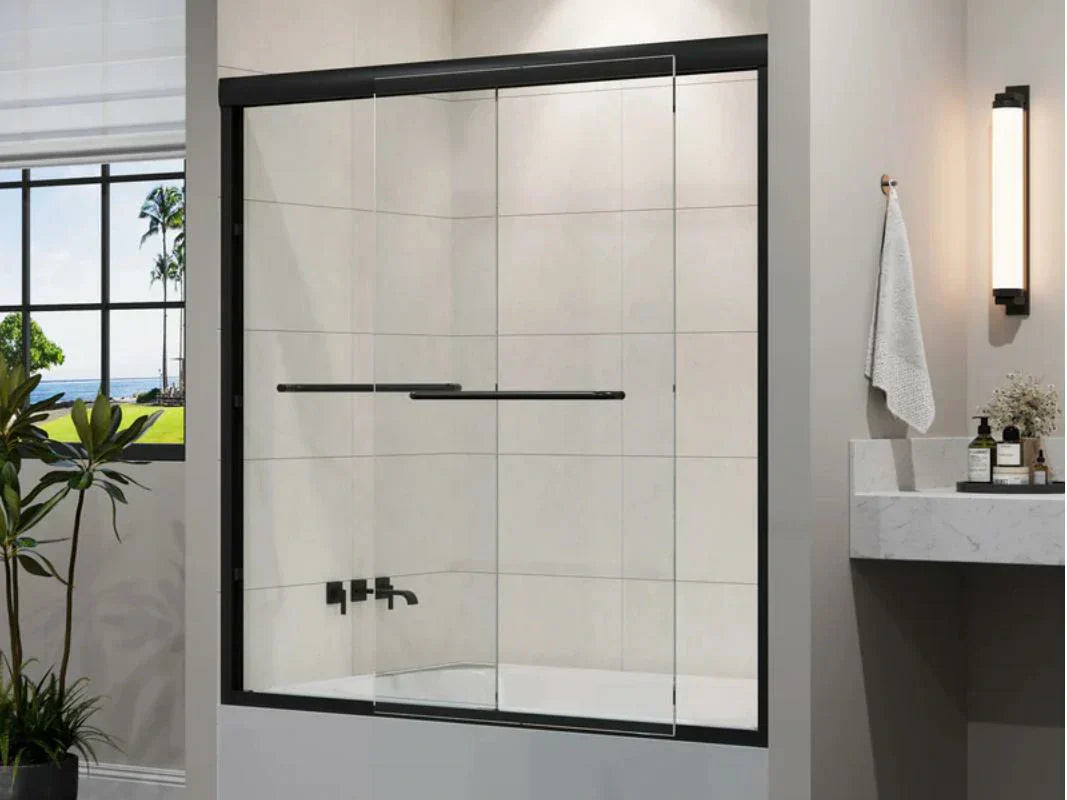
First, find your type of door. Slide the panel—does it run in a track? That’s a sliding/by‑pass door. If it swings on a door hinge, it’s a hinged or frameless door.
-
Sliding/by-pass: If it’s sticking or scraping, you likely have dirty or misaligned tracks or rollers. If it wobbles or rattles, the guides may be worn or loose.
-
Hinged/frameless: If the door drags, sags, or the shower door doesn’t close, the hinges may be loose or tired. If it won’t latch, the magnetic strips may be weak, dirty, or misaligned.
-
Leaks: Water on the bathroom floor near the threshold often points to a failed bottom sweep or a gap from misalignment. Water at the side jambs suggests worn side seals or an uneven reveal.
Quick mental picture: Sliding doors have top rollers and a bottom guide; hinged doors rely on 2–3 hinges or pivots. Both use door seals along the sides and bottom to keep water inside the shower.

Quick fixes checklist (10–20 minutes, minimal tools)
Use this as a fast start. These steps solve a large share of common shower door issues.
-
Vacuum loose debris and soap scum in the track; wipe clean and dry.
-
Soak mineral buildup with white vinegar; rinse and dry thoroughly.
-
Use a screwdriver to tighten any loose screws on hinges, rollers, and handles.
-
Lubricate rollers and hinges with a silicone‑based spray (not petroleum).
-
Reseat or replace the bottom sweep; clean the magnetic strip so the door can close.
-
Test glide, closure, and alignment. Adjust roller height or hinge position if needed.
Cost & time snapshot (2025 data)
Most shower door repair jobs are quick and affordable, especially if there’s no broken glass.
| Service | Typical Cost (US) | Typical Time |
| Routine repair (clean, adjust, minor parts) | $120–$350 | 20–90 minutes |
| National average (2025) | ~$290 | ~1 hour |
| Full door replacement | ~$530–$1,390+ | 2–4 hours |
What drives cost: the type of door, hardware wear, part availability, and any glass damage. Frameless systems often use premium hardware, so parts can cost more.
What is the fastest way to fix a sticking shower door?
Clean the track and rollers, then adjust the roller height so the door is level. In most homes, removing soap and mineral buildup and a quick adjustment is all it takes for the door to glide smoothly again. Use silicone spray on moving parts and keep it off the glass.
Common shower door problems and root causes
Shower doors may look simple, but a few common issues can make them frustrating fast. From sticking and scraping to sagging hinges and leaks, most problems have a clear cause—and once you know what’s behind them, fixing or preventing them becomes a lot easier.
Sliding shower door issues (rollers, tracks, guides)
Most sliding problems come from dirt and alignment. In fact, you’ll solve close to 90% of sticking, scraping, and wobble by cleaning the track and adjusting the rollers or tightening hardware. Hard water deposits and soap residue raise friction. If a door is slightly lower on one side, the bottom edge drags or the top rail binds. Worn wheels can flatten, making the door loud or uneven. A bent track can also cause scraping.
Symptom‑to‑cause summary:
| Symptom | Likely Cause |
| Sticking or hard to move | Mineral/soap buildup in the track; misadjusted rollers |
| Scraping sound | Bent track; worn roller; door out of level |
| Wobble or rattle | Loose guide; missing guide screws; worn roller bearings |
| Panel jumps track | Misaligned door; damaged or loose roller; broken guide |
Hinged/frameless door issues (hinges, sag, magnets)
When a hinged or frameless shower door sags, the gap at the bottom closes and the top opens. The door may scrape the threshold or the door doesn’t close against the magnets. Common causes include loose hinge screws, worn hinge pivots, shims that have settled, or heavy glass stressing old hardware. You may also hear hinge squeaks if mineral deposits or mild corrosion build up. Weak or misaligned magnets let the door spring back open.
Water leaks and overspray (seals, gaskets, alignment)
Leaking happens when water finds the path of least resistance. If the bottom sweep is torn, too short, or installed at an angle, you’ll see a drip line. If side seals are worn or pinched, water splashes at the jambs. Walls that are out of plumb can cause uneven gaps, so the seal cannot make full contact. Frames can also open up at corners if sealant fails.
Wear‑and‑tear vs damage
Normal wear includes rollers, guides, sweeps, and side seals. These are DIY‑friendly and low cost. Damage includes cracked glass, bent frames, or missing structural parts. For safety, those are pro jobs. If you need to replace a glass panel, the panel must be tempered glass that meets safety standards.

Sliding shower door repair: step‑by‑step (rollers & tracks)
Fixing a sliding shower door is mostly about tracks and rollers. With the right tools and a bit of patience, you can clean, adjust, and even replace parts to get the door gliding smoothly again. Safety first—take it slow, protect your hands and eyes, and enlist a helper for big panels.
Tools, PPE, and prep for bathroom glass repair
Have a helper for large panels. Work slow and steady. Tempered shower glass is strong but can shatter if struck at a corner.
-
Tools: screwdriver set, Allen keys, small adjustable wrench, level, tape measure, razor scraper or plastic scraper, utility knife, microfiber cloths.
-
Supplies: white vinegar, mild dish soap, silicone‑based lubricant, replacement rollers/guides if needed.
-
PPE: cut‑resistant gloves, eye protection, closed‑toe shoes.
-
Safety tips: Never drill tempered glass. Don’t force a stuck panel. Keep children and pets out of the work area.
Clean, de‑scale, and true the tracks
Track cleaning fixes a lot of sliding shower door problems and helps your door operation feel new again.
Step‑by‑step:
-
Vacuum or brush out loose debris from top and bottom tracks.
-
Wet a cloth with warm vinegar; place it along the track to soften mineral deposits for 10–15 minutes.
-
Gently scrape buildup with a plastic scraper; wipe clean with soapy water; rinse and dry.
-
Check the lower guide: confirm it’s centered and snug; tighten the screws.
-
Inspect the top track for dents or bends. If the track is loose, re-seat it per the fasteners.
-
Spray a small amount of silicone lube onto a cloth; wipe the roller bearing area and the track lightly. Avoid getting lubricant on the glass.
Test glide. If the shower door doesn’t glide smoothly, move on to roller adjustment.

Adjust or replace rollers (alignment for smooth glide)
Most sliding doors have adjustable rollers with an eccentric screw or slot. Adjusting raises or lowers a corner to level the panel.
Step‑by‑step:
-
Open the door halfway. Support the weight with one hand or a helper.
-
Locate the roller adjustment screws near the top of the panel.
-
Turn the screw to raise or lower the panel until the gap above the threshold is even.
-
Check the bottom guide: make sure all rollers are seated and the guide captures the panel.
-
If a roller is cracked, wobbly, or flat‑spotted, remove it and bring it to a hardware counter to match size and style.
-
Install the new roller; tighten the screws on the hinges/rollers so the rollers are locked in place.
-
Lightly lube the roller axle; keep lubricant off the glass and seals.
How to replace runners on a shower door (rollers):
-
Measure wheel diameter and thickness, and the mounting style (stud, screw, bracket).
-
Remove the old roller, keeping track of washers or bushings.
-
Install the new roller in the same order; tighten snug, not overtight.
-
Re‑test glide and adjust height so the door sits square in the opening.
Why is my sliding shower door hard to open?
It’s almost always friction from soap buildup or hard water deposits in the track, or the door is out of level so one roller is carrying more weight. Clean the track, adjust the rollers, and apply a silicone‑based lubricant. If the roller bearings are worn, replace them with new ones.
Hinged and frameless shower door repair: alignment, hinges, magnets
Hinged and frameless shower doors rely on precise alignment, solid hinges, and strong magnets. A little tightening, cleaning, and adjustment can fix most sagging, squeaks, or doors that won’t close, keeping your shower secure and leak‑free.
Tighten and clean hinges (squeak‑free operation)
Loose screws on the shower door hinge let the door move out of alignment. A little cleaning and tightening helps the door stay where it should.
-
Clean hinges with vinegar or a gentle degreaser to remove residue.
-
Dry fully; then tighten the screws on the hinges and the wall plate. If screws tend to back out, a tiny drop of blue threadlocker on the screw threads can help. Avoid over‑tightening.
-
Open and close the glass shower door to check for squeaks, play, or rubbing. If you feel play at the pivot, the hinge may be worn.
Fix sagging doors (re‑hang and adjust)
How to fix a shower door that has dropped:
-
With a helper, remove the door from the hinges. Place the panel on a soft blanket.
-
Check the hinge plates and holes. If screws are stripped, use longer screws of the same gauge to bite fresh material, or repair the anchor per the wall type.
-
Shim the hinge positions to correct the reveal so the door is properly aligned. Tiny changes make a big difference.
-
Re‑hang the door and use a level to set even gaps. Adjust the hinge plates until the door no longer drags.
-
If old hinges or worn‑out hinges cannot hold adjustment, replace them with new ones rated for your glass thickness and door weight. Torque to spec and re‑check closure.
Restore closure and seal (magnetic strips and sweeps)
If the sliding shower door won’t stay closed or a hinged door pops open, the magnets may be weak or misaligned.
-
Clean the magnet faces and the strike surface.
-
If magnets have lost strength or no longer meet edge‑to‑edge, replace them as a set so polarity and size match.
-
Install a new bottom sweep and side seals if the old ones are cracked or shrunken. Warm the vinyl briefly to make cutting and fitting easier, then leave 1–2 mm clearance above the threshold so water can’t wick out.
-
Close the door and check latch strength and seal contact all around.
How do I fix a shower door that won’t close?
Clean the hinges and magnets, then tighten any loose screws and realign the door. If the gap is uneven, adjust the hinges or shim the plates until the magnets touch evenly. Replace weak magnets and worn seals. If the door still won’t close, the hinges may be failing and need replacement.
Adjusting shower door to stop leaks: seals, gaskets, silicone, and alignment
How to adjust glass shower door to stop leaks? Stopping shower door leaks is all about finding where water escapes and making sure seals, gaskets, and panels fit perfectly. A few simple tests, fresh seals, and proper alignment can keep water inside the shower instead of on your bathroom floor.
Find the leak path (paper and drip tests)
Leaks can be sneaky. A simple test saves time.
-
Paper test: Close the door. Slide a dry strip of tissue at the jambs and bottom. If it snags or gets damp in a spot, you’ve found a gap.
-
Drip test: With the water off, pour a small cup of water along the inside of the threshold and watch where it exits. Mark moisture points with painter’s tape.
Common failure zones: corners of framed enclosures, under the bottom sweep, and side jambs where magnets meet.
Replace seals and sweeps (measuring and fitment)
Successful shower door repair often means fresh seal material. Types include bottom sweeps, side jamb seals, and transom gaskets on frameless doors.
Basic steps:
-
Measure glass thickness (commonly 1/4", 5/16", 3/8") and the length you need.
-
Choose the correct profile: drip rail with sweep for the bottom, and magnetic or fin seal for sides.
-
Cut square with a fine saw or sharp knife; dry fit to check contact.
-
Press‑fit or clip seals as designed. If the sweep mounts to a drip rail, secure the rail per instructions and add a thin bead of silicone if specified.
-
Let silicone cure per label before getting it wet.

Reseal frames and corners (silicone best practices)
If the frame leaks, reseal where needed.
-
Use 100% silicone rated for baths. Remove old caulk with a plastic scraper, clean with alcohol, and dry.
-
Apply a smooth, continuous bead. Tool it with a damp finger or caulk tool.
-
Do not seal weep holes. These tiny openings allow trapped water to drain from the frame—keep them clear.
-
Respect cure time. Rushing this step invites more leaks.
Realign panels for watertight fit
Even with good seals, the door must sit square and plumb. Check wall plumb with a level. Shim mounting channels if the wall is out. Re‑torque screws after alignment, and re‑test for leaks.
Costs, timelines, and when to hire a professional
Knowing what a shower door repair might cost and how long it takes helps you decide whether to tackle it yourself or call a pro. Simple fixes like cleaning, adjusting, or swapping rollers are quick and budget‑friendly, but damaged glass, bent frames, or persistent leaks are worth leaving to the experts.
Typical price ranges and what they include
Here’s what homeowners usually pay in 2025.
| Work Type | What’s Included | Typical Cost |
| Routine repair | Clean/adjust, lube, minor parts (rollers/seals) | $120–$350 |
| Average repair (national) | Labor + common parts | ~$290 |
| Glass panel replacement | Panel + install (size/thickness vary) | $250–$700+ per panel |
| Full door replacement | Framed or frameless, local rates vary | ~$530–$1,390+ |
Time: Many repairs finish in 20–90 minutes. Full replacements usually take 2–4 hours, plus lead time for custom cut glass.
How much does it cost to repair a shower door? Most pay $120 to $350, with an average near $290. Can you repair a shower door? Yes—most issues like adjusting a shower door, cleaning tracks, swapping rollers, or adding a new seal are DIY‑friendly.
How much is shower glass replacement? A single tempered panel often runs $250–$700+ depending on size, thickness, and cut‑outs. Full replacement sliding shower doors or frameless systems cost more due to premium hardware and install time.
DIY vs pro decision matrix (risk, complexity, budget)
DIY is a good fit when:
-
You’re cleaning tracks and hinges, tighten hardware, or doing a simple seal or roller swap.
-
The door just needs alignment and there’s no damage to tempered glass or frame.
Hire a pro when:
-
The glass is chipped or cracked.
-
The frame is bent or the door jumped the track and won’t reset.
-
You’ve tried alignment and sealing but leaks keep returning.
-
You need new hinges or larger structural parts installed on stone, tile, or fragile surfaces.
Safety first: tempered glass handling and PPE
Tempered shower glass is strong against bending but sensitive at edges and corners. Never drill it. Wear eye protection and cut‑resistant gloves, based on OSHA recommendations for personal protective equipment (PPE).Use a helper or suction cups for large panels. Keep the work area dry, and avoid impact or twisting while the door is partially supported.
When should I call a professional for shower door repair?
Call a pro if there’s any broken glass, the frame is bent, the door won’t stay on track, or repeated DIY attempts haven’t stopped leaks. Also call for heavy frameless panels if you’re not comfortable lifting and aligning glass.
Materials and hardware that affect repairability
The materials and hardware of your shower door play a big role in how easy it is to repair. Framed or frameless, knowing your rollers, tracks, hinges, seals, and glass type helps you tackle adjustments, replacements, and maintenance safely and efficiently.
Framed vs frameless shower door: pros, cons, and maintenance
| Type | Pros | Cons | Maintenance Notes |
| Framed | Easier to service seals and frame; often lower cost | More metal to clean; corrosion possible | Keep weep holes clear; inspect corners and caulk lines |
| Frameless | Fewer parts; clean, modern look | Precise alignment needed; premium hardware | Check hinge torque and magnet alignment; replace sweeps as they age |
Both styles can last many years with gentle use and regular cleaning. Life expectancy for a well‑maintained shower door is often 10–20 years, with seals and rollers refreshed every few years.
Hardware 101: rollers, tracks, guides, hinges, handles, magnetic strips
Rolling hardware includes the roller wheels and the top track. The bottom guide keeps the panel from swinging. Hinged hardware includes wall plates, pivot hinges, and the handle set. Magnetic strips hold a hinged door closed. For smooth repairs, match parts to your brand and series when possible. Universal rollers and seals exist, but size, glass thickness, and profiles must match. When you need to replace a part, take the old piece with you to compare.
If you’re wondering how to tighten glass shower door handle, use a screwdriver or Allen key from the inside and outside. Hold one side while you tighten the screws on the other so you don’t twist the glass.
Glass types and standards (tempered vs laminated)
Shower doors use safety glazing such as tempered glass. Tempered breaks into small cubes to reduce injury risk. Laminated has a plastic layer that holds shards. Your panel should be labeled to meet ANSI Z97.1 or the federal standard in 16 CFR 1201, according to the U.S. Code of Federal Regulations. If a panel is damaged, replace it with compliant glass. Never attempt to grind or drill a tempered panel—it can shatter.
Maintenance and prevention: keep doors smooth and leak‑free
Regular maintenance keeps your shower door sliding smoothly and leak‑free. A quick 15–30 minute check every few months—cleaning, tightening, lubricating, and inspecting seals—prevents most common problems and extends the life of your hardware.
Quarterly tune‑up routine (15–30 minutes)
A short routine keeps your door functioning well and extends the life of your shower door.
Step‑by‑step:
-
Clean tracks/hinges with vinegar and water; dry fully.
-
Inspect and tighten all accessible screws (hinges, rollers, handle).
-
Lubricate rollers and hinges lightly with silicone spray.
-
Check the bottom sweep and side seals; replace if cracked or stiff.
-
Close the door and confirm magnets meet evenly and the reveal is uniform.
Cleaning do’s and don’ts
-
Do use white vinegar to soften mineral deposits. Rinse and dry after.
-
Do use pH‑neutral cleaners and microfiber cloths on glass and metal.
-
Don’t use abrasives, steel wool, or harsh pads that scratch glass or anodized metal.
-
Don’t use petroleum oils on rollers or seals; use silicone‑based products.
-
Don’t slam the door or hang heavy towels on the handle.

Extend hardware life
Gentle handling is the best policy. Add soft‑close habits to your routine. Keep humidity under control with a vent fan. Wipe down the door after showers in hard water areas to prevent scale. These small steps reduce wear on rollers, hinges, and seals.
Conclusion
By following the steps above, you can fix your shower door, keep more water inside the shower, and make an informed decision about DIY vs hiring a pro. A clean, aligned, and well‑sealed door looks better, feels better, and protects your bathroom from water leakage—without the cost of a full replacement.
FAQs
1. How much does it cost to repair a shower door?
Expect to pay anywhere from $120 up to $350 for most common repair jobs, with the typical bill hovering around $290. This usually covers things like a thorough cleaning of the tracks and glass, aligning the door so it opens and closes smoothly, and replacing common parts such as rollers, guides, seals, or even basic hinge adjustments. Keep in mind that more complex issues, like custom glass panels or major hinge damage, can push the cost higher. But for regular maintenance and minor fixes, this is the general ballpark most homeowners see.
2. Can you repair a shower door?
Yes, absolutely! Many of the most common shower door problems are actually pretty DIY-friendly. You can handle things like cleaning soap scum and grime, adjusting the door so it lines up properly, tightening handles, swapping out old rollers, or installing a new seal. The key is to take your time, use the right tools, and don’t hesitate to have a helper if the door panels are heavy. Even small adjustments can make a big difference in how smoothly the door operates.
3. How to fix a shower door that has dropped?
If your shower door has dropped, the fix depends on the type of door you have. For sliding doors, you’ll want to adjust the roller height so that the panel sits level and the bottom gap is even across the track. For hinged doors, it’s best to remove the door with a helper, shim or adjust the hinges, then carefully re-hang it and tighten everything securely. If the screws on the hinges are stripped or the hinge pivots are worn out, you’ll need to remove the old hinges and install new ones that are rated for your door’s weight. Taking it step by step here will save you a lot of frustration.
4. What is the life expectancy of a shower door?
Most shower doors are built to last between 10 and 20 years if you take good care of them. That said, not every part lasts that long. Seals, sweeps, and gaskets are considered consumable and might need replacing every 1 to 3 years depending on how often the shower is used and the quality of your water. Regular cleaning and proper maintenance can help your door last longer and prevent issues like leaks or sticking.
5. How much is shower glass replacement?
Replacing a single standard tempered glass panel usually costs anywhere from $250 to $700 or more, depending on the thickness, size, and the type of edge work needed. If you’re replacing an entire shower door or a full enclosure, you could be looking at $530 to $1,390 or higher, because that includes the hardware and professional installation. Keep in mind that custom sizes, specialty glass, or complex installations can increase the price, but standard panels for most showers fall within these ranges.
6. How to replace runners on shower door?
“Runners” are just another word for the rollers. To replace them, start by measuring the existing wheel and matching it to the correct mounting style. Swap them out one at a time so the door doesn’t get off balance, and adjust the height so the door glides smoothly and stays properly in the track. When tightening, make it snug but don’t overtighten, or you could strip the screws or warp the roller. Doing this carefully will make your door feel like new again.
7. Why won’t my sliding door stay closed?
If your sliding shower door keeps drifting open, there are a few likely culprits. The panel might be slightly out of level, which causes it to swing open. The bottom guide could be loose, missing, or misaligned. Or the magnetic strip that holds the door closed might be weak, dirty, or misaligned. To fix it, try leveling the panel by adjusting the rollers, tightening or securing the bottom guide, and cleaning or replacing the magnet strip if necessary. Often, a few small adjustments can make a big difference and get your door closing securely again.
References


Leave a comment
This site is protected by hCaptcha and the hCaptcha Privacy Policy and Terms of Service apply.