



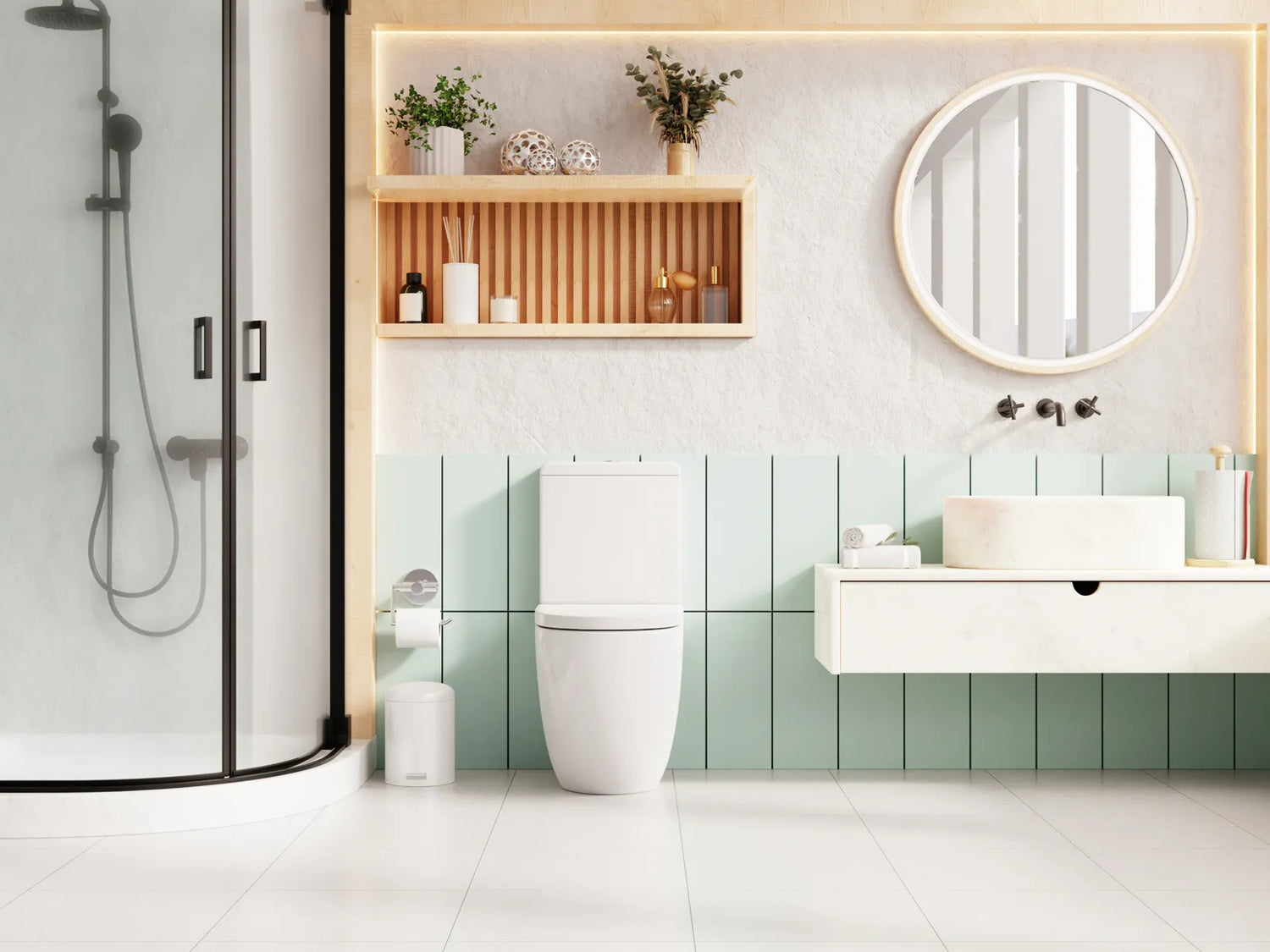
The first bathroom trip after giving birth can be a shock, even if someone warned you. You may be bleeding, sore, swollen, stitched, constipated, or dealing with hemorrhoids. In that moment, the right setup matters more than a long list of products.
This guide is here to help you make a first decision: what do you actually need in your bathroom for postpartum recovery, and what can you skip? If you are trying to build a postpartum bathroom essentials checklist to manage healing after birth, start simple. Focus on gentle cleaning, bleeding control, and pain relief. According to ACOG, postpartum recovery should prioritize pain relief, gentle hygiene, and proper wound care to support healing and reduce discomfort. Then add extras only if your recovery calls for them.
A lot of new moms get overwhelmed by giant shopping lists. Here’s the calmer way to think about it: you do not need a “fully stocked spa bathroom.” You need a setup that makes bathroom trips less painful, less messy, and less stressful for this first stage of your postpartum journey.
Postpartum bathroom essentials: the quick decision guide
If you want the short version of postpartum bathroom essentials recommended by many a doula, here it is.
Best for vaginal recovery needs
If you had a vaginal birth, especially with tearing, stitches, swelling, or hemorrhoids, the best starting setup is:
-
an angled peri bottle
-
large postpartum pads or disposable underwear
-
unscented witch hazel pads or cooling liners if approved by your care team
-
a small bathroom basket with backup supplies within reach
Best for: vaginal birth recovery with perineal soreness, swelling, or stitches, especially if hospital supplies are basic or limited.
Skip if: you had a C-section without perineal symptoms, or your hospital already provides sufficient peri care items.
For most people, this covers the hardest part of week one.
Skip extras if hospital covers basics
Many hospitals provide a basic set of postpartum bathroom essentials you can take home, including mesh underwear, pads, and a peri bottle. If that is your plan, wait to see what you receive before buying duplicate postpartum essentials.
The item most people still end up wanting to upgrade is the peri bottle; the primary benefit of an ergonomic design is ease of use. Basic hospital bottles work, but angled peri bottle benefits for postpartum bathroom use are real: easier reach, less twisting, and gentler rinsing.
Best for: parents planning to rely on hospital-issued basics before upgrading selectively at home.
Skip if: you already know hospital supplies are minimal or uncomfortable and prefer higher-quality replacements ready at home.
Avoid scented or harsh cleaning products
Skip anything fragranced, and stick to fragrance-free cleansers from trusted brands like mustela to avoid irritation. After childbirth, tissue is tender. Scented wipes, bubble bath, strong soaps, and rough toilet paper can make soreness worse.
The key point is simple: gentle cleaning after childbirth is almost always better than stronger approaches, and this is especially true in the first week when tissue is most tender.
Vaginal vs. c-section: how your recovery changes your setup
Based on the NHS, postpartum recovery varies widely depending on the type of birth, with vaginal delivery and C-section requiring different care approaches. Not every birth leads to the same bathroom routine. Your recovery type changes what belongs in your basket.
Best fit after vaginal birth
This setup matters most if you had:
-
a vaginal delivery
-
perineal tearing or stitches
-
swelling or bruising
-
hemorrhoids
-
heavy postpartum bleeding in the first days
Whether you experienced a small tear or significant tearing, this is where postpartum bathroom essentials for stitches and hemorrhoids become more than "nice to have”. They can make the difference between dreading the toilet and feeling like you can manage it.
What I've seen in practice is that people often expect pain from the birth itself, but they do not expect the stress around peeing, wiping, and changing pads—especially when they are also trying to breastfeed and recover at the same time. That is why the bathroom setup matters so much.
Different needs after a C-section
Lower priority after C-section (unless you pushed or have hemorrhoids):
-
witch hazel pads or cooling liners
-
routine sitz bath use
-
intensive perineal rinsing
Higher priority after C-section:
-
high-rise or disposable underwear that does not touch the incision
-
reliable bleeding control (pads or disposable underwear)
-
a setup that minimizes bending, twisting, or reaching
-
easy-access storage within arm’s reach
-
stool-softening support as advised
The postpartum bathroom essentials after a C-section look different, and a peri bottle, while still useful, is usually optional rather than essential unless you also have perineal symptoms.
When a simple setup is enough
If your bleeding is moderate, you have little swelling, and bathroom trips are manageable, a simple setup may be enough:
-
hospital peri bottle
-
pads
-
a small trash can with liners
-
easy-to-reach spare underwear
You do not need every product you see online. Start with the basics. Add comfort items only if you need them.
Which items actually matter first
If you are wondering what to put in a postpartum bathroom basket for healing and comfort, think in this order: clean, contain, soothe.

Start with cleansing and bleeding control
Your first priority is being able to use the bathroom without irritating sore tissue.
That usually means:
-
a peri bottle with warm water
-
postpartum pads or disposable underwear
-
extra toilet paper, preferably soft and unscented
-
a lined trash bin near the toilet
Warm water cleansing for postpartum recovery after vaginal delivery is often the first thing moms say helps most. According to MedlinePlus, using warm water to rinse the perineal area instead of wiping can help reduce irritation and support healing after childbirth. It is simple, cheap, and easy to use. Instead of wiping dry tissue, you rinse gently while urinating or after a bowel movement, then pat dry.
For bleeding control, choose based on how heavy your flow is. The first few days are often heavier than people expect. A pad that feels “too big” before birth may feel just right afterward.
Add pain relief for stitches or swelling
If you have perineal pain, swelling, or stitches, a few extra items can help:
-
cooling pad liners or chilled witch hazel pads if approved
-
doctor-approved numbing perineal spray (like dermoplast) if prescribed or recommended
-
a perineal balm if recommended by your care team
-
a donut or soft cushion only if sitting is very uncomfortable
-
cold packs or DIY padsicles chilled with aloe and witch hazel, especially in the first 24 hours
Using specialized ice pads or reusable ice packs can significantly reduce swelling; brands like Earth Mama also offer herbal-based balms". If you are using a balm from motherlove or another natural brand to soothe perineal pain, the combination of rinsing and moisturizing helps most. It is a combination: rinse with warm water, avoid harsh wiping, change pads often, and use cooling support when needed.
Include hemorrhoid support if needed
Hemorrhoids are common after birth and can make bathroom trips miserable. If this is part of your recovery, keep these in mind:
-
witch hazel pads
-
warm sitz bath use if advised
-
gentle bowel support from your care team
-
soft, absorbent pads that do not rub too much
If constipation is a concern, your care team may also mention a squatty potty or footstool to reduce straining during bowel movements. Postpartum bathroom essentials for tearing stitches and hemorrhoids often overlap. The same gentle approach helps both.
What helps most in week one?
Week one is where the right postpartum bathroom essentials matter most. If you only buy a few things before baby arrives, make them these:
-
peri bottle
-
heavy-flow postpartum pads or disposable underwear
-
one soothing option for swelling or hemorrhoids
-
a basket or caddy that keeps supplies within arm’s reach
That is the core of how to stock a postpartum bathroom for the first week after birth.
Peri bottle, bidet, or sitz bath: which one is best for healing?
This is where many shoppers get stuck. Should you keep it simple with a bottle, upgrade to a bidet, or buy a sitz bath?

Peri bottle for easiest first purchase
For most people, the peri bottle is the easiest first decision.
It is inexpensive, portable, and does one job very well: it helps you rinse without wiping. That is exactly what many sore postpartum bodies need.
If you are deciding between buying one thing now or waiting, start here. A peri bottle is low-risk, useful right away, and works in almost any bathroom.
Angled bottles make rinsing easier
Basic bottles squirt upward, but they are not always easy to position, especially if you are sore or stiff.
That is why many moms prefer an angled design. The angled peri bottle benefits for postpartum bathroom use are practical:
-
easier reach from the front or side
-
less wrist strain
-
less twisting when you are tender
-
more controlled stream
The angle of the nozzle—like that found on the frida Mom bottle—matters more than most people expect. This matters more than it sounds. In the first days, small motions can feel big.
Can a bidet help after childbirth?
Yes, in some homes the bidet benefits for postpartum healing are real, especially when the spray is gentle, adjustable, and easy to control.
A gentle bidet can provide warm water cleansing without rubbing. That can be useful if you are very sore, have stitches, or just want a more hands-free option. So if you are asking, can a bidet help with postpartum healing after childbirth, the answer is often yes, if the spray is soft, adjustable, and easy to control.
But there are trade-offs.
A bidet is not always the best first purchase for immediate recovery because:
-
the spray may feel too strong on very tender tissue
-
some units have limited angle control
-
cold water can feel unpleasant at first
-
installation may be one more task before baby arrives
The best bidet for after childbirth is usually not the most powerful one. It is one with a gentle front wash, adjustable pressure, and ideally warm water.
Sitz bath or bidet for soreness?
When managing postpartum discomfort in bath, it helps to understand that a sitz bath and a bidet are not the same tool.
A bidet helps you rinse during normal bathroom use. A sitz bath is more like a short warm bath meant for soaking and targeted comfort. If you are comparing a soothing sitz bath vs smart bidet for postpartum discomfort relief, think of them this way:
-
Peri bottle: best first-line tool for cleaning
-
Bidet: best upgrade for easier daily rinsing at home
-
Sitz bath: best for soaking and targeted comfort, not quick toilet cleaning
If your question is peri bottle vs bidet for postpartum bathroom care, most people do best with this order:
-
buy or keep a peri bottle first
-
consider a bidet if you already wanted one, or if you know you will be home a lot and want less wiping
-
add a sitz bath only if soreness, swelling, or hemorrhoids make soaking worthwhile
For many homes, the peri bottle remains useful even if a bidet is installed. It is portable and easier to control in the very early days.
And if you are wondering, can a bidet replace a peri bottle? Sometimes later, yes. In the first few days after birth, not always. A peri bottle gives you more precise control and works no matter where you are.
As for warm air dry after delivery, use caution. Warm air sounds convenient, but many postpartum moms find air drying takes too long or feels irritating when tissue is very tender. Patting dry gently is often more comfortable early on.
Pads or disposable underwear?
Start with this simple decision rule: If you expect heavy bleeding in the first few days, disposable underwear is usually the better first buy because it provides more coverage and reduces leak stress. If your flow is lighter or moderate, pads are often sufficient and give you more flexibility.
The main trade-off is comfort vs security: disposable underwear feels more secure with less leak risk, while pads feel lighter and more customizable but may shift or require more frequent changes. This is one of the most practical buying decisions because it affects every bathroom trip.
Pads work if bleeding is lighter
If your bleeding is moderate and you do not mind changing layers more often, large postpartum pads may be enough.
Pads are a good fit if you:
-
prefer your own underwear
-
want flexibility in absorbency
-
expect to taper down quickly
-
do not like the feel of full disposable briefs
Some moms also consider reusable cloth pads for lighter days, though most find disposable options easier in the early postpartum weeks.
Disposable underwear feels more secure early
In the first few days, disposable postpartum underwear—sometimes nearly diaper-thick in absorbency—often feels simpler and more secure. If your flow is heavy, if you are worried about leaks overnight, or if you do not want laundry, it is often the easier choice.
This is why many moms say the best postpartum pads and disposable underwear for bathroom recovery depend less on “best product” and more on how much security you want in week one.
Disposable underwear tends to work better when:
-
bleeding is heavy
-
you are changing often
-
you want fewer leaks onto sheets or clothes
-
you do not want to fuss with mesh underwear and giant pads shifting around
Mesh underwear vs disposable comfort
Mesh underwear vs disposable postpartum underwear for bathroom comfort is a common debate.
Mesh underwear has one big advantage: it is stretchy and gentle, especially if you are swollen. That is why hospitals use it. But many people find it flimsy, awkward under clothes, and not secure enough once they get home.
Disposable underwear usually feels:
-
more stable
-
more absorbent
-
better for sleeping
-
less likely to bunch up
Mesh can still be useful for the first day or two, especially if the hospital provides it. After that, many moms switch to disposable briefs or roomy cotton underwear with pads.
Which is worth buying for heavy flow?
If your main concern is heavy bleeding, buy disposable underwear or the most absorbent postpartum pads you can comfortably wear. Do not underbuy here.
What bathroom essentials help with postpartum bleeding and tenderness? In real life, it is usually not fancy products. It is absorbency, softness, and not having to scramble for clean supplies at 2 a.m.
How much should you spend?
You do not need to spend a lot for a good setup. But a few upgrades can make sense.
Budget kit using hospital basics
If money is tight, postpartum bathroom essentials do not have to be expensive—use what the hospital sends home and add only a few things:
-
one better peri bottle if the hospital one is awkward
-
an extra pack of heavy pads
-
a simple storage basket
-
unscented soothing pads if needed
This is enough for many people.
Mid-range basket with better comfort
A more comfortable home setup might include:
-
angled peri bottle
-
disposable underwear
-
postpartum pads in two absorbency levels
-
cooling liners or witch hazel pads
-
small sitz bath if hemorrhoids or swelling are likely
-
night light, hand towel, and spare basket liners
This is the best gift for new moms bathroom recovery: a practical set of supplies that makes 3 a.m. trips easier, not a basket assembled for social media. Brands like Rael make postpartum pads and liners designed for sensitive recovery needs, which can be worth trying if standard pads feel irritating. They make 3 a.m. bathroom trips easier.
Where spending more actually helps
If you are looking at luxury bathroom items for new moms, not all of them are worth the cost—focus your spending where it actually helps.
Worth upgrading:
-
peri bottle design
-
absorbent, comfortable disposable underwear
-
a gentle adjustable bidet if you already planned to get one
-
storage that keeps supplies easy to grab one-handed
Less worth spending on:
-
heavily scented sprays
-
decorative recovery kits
-
too many soothing products you may never use
-
duplicate supplies before you know what the hospital provides
What can you skip buying?
You can often skip:
-
multiple types of wipes
-
strong cleansers
-
extra seat cushions unless sitting is truly hard
-
a bidet if installation feels like a burden and you only want short-term postpartum help
If you are asking what to consider before buying a bidet for postpartum recovery, think beyond recovery itself. Will you want it later? Is your water pressure adjustable? Is there warm water? Can someone install it easily before birth?
If the answer is no to most of those, start with a peri bottle.
How to organize your postpartum bathroom caddy?
Your postpartum bathroom essentials only work well if the setup fits your actual space and habits.
Basket, caddy, or counter setup
The best postpartum basket or bathroom caddy is the one you can reach without bending much.
Keep it near the toilet and include only what you use often:
-
peri bottle
-
pads or disposable underwear
-
soothing liners
-
clean underwear
-
trash bags
-
hand towel or tissues for patting dry
A caddy works well if you use more than one bathroom. A basket works well if you mostly recover in one spot.
Will this work in small bathrooms?
Yes. Small bathrooms need a tighter setup, not more products.
In small spaces:
-
use a narrow basket that fits beside the toilet
-
store backup supplies elsewhere
-
keep one day’s worth of essentials in reach
-
choose fewer, more useful items
The key point is access, not size.

Shared bathroom storage without clutter
If you share a bathroom, keep things private but easy to use.
Good options:
-
a lidded basket
-
under-sink bin with a smaller toilet-side caddy
-
drawer dividers for pads and cooling items
-
a discreet lined trash can with a lid
This matters more than many people think. If your recovery setup is awkward or exposed, you are less likely to keep it stocked.
What to stock before baby arrives
If you are building a baby registry, adding a peri bottle and heavy postpartum pads covers most of what you will need in week one:
-
one peri bottle
-
one heavy bleeding option
-
one lighter bleeding option
-
one soothing option
-
easy-access storage
That is how to stock a postpartum bathroom for the first week after birth without wasting money.
How to use postpartum supplies safely during week one and beyond
Buying the right supplies is only half the job. Using them in a way that supports healing matters too.
Warm water cleaning without irritation
Warm water cleansing for postpartum recovery after vaginal delivery is often the gentlest choice. Use lukewarm, not hot, water. Hot water can increase swelling or feel irritating.
Spray gently from front to back, directing the stream toward the perineum to rinse without rubbing. Do not scrub. After rinsing, pat dry with soft toilet paper or a clean cloth if your care team says that is okay.
If you have even one stitch or multiple stitches, tenderness, or hemorrhoids, the goal is not "perfectly dry and clean" in one pass. The goal is clean enough without causing more pain.
Keeping supplies clean and ready
A few simple habits help:
-
refill the peri bottle with fresh water often
-
clean the bottle as directed
-
restock pads before bed
-
empty the trash daily if possible
-
wash hands before and after care
If you use a sitz bath basin, clean it carefully after each use. If you use a bidet, keep the nozzle clean according to the product instructions.

What happens if healing is slower?
Slower healing does not always mean something is wrong. But it does mean your bathroom needs may last longer than you expected.
If pain, bleeding, or tenderness continues, you may need to keep using:
-
peri bottle longer
-
larger pads
-
hemorrhoid care
-
sitting supports
The CDC emphasizes that symptoms such as heavy bleeding, fever, worsening pain, or unusual discharge may signal complications and require immediate medical attention.
When to phase out postpartum supplies
As your pelvic floor and perineal tissue heal, your need for intensive bathroom support will naturally decrease. Most people gradually reduce supplies in this order:
-
stop cooling products first
-
move from disposable underwear to pads
-
switch from heavy pads to lighter absorbency
-
use the peri bottle less as soreness improves
Some people keep the peri bottle for weeks, especially if wiping still feels uncomfortable. There is no prize for stopping early.
A practical setup by recovery type
If you still feel unsure about which postpartum bathroom essentials to prioritize, here is a simple way to choose.
If you had a straightforward vaginal birth with mild soreness:
Start with a peri bottle, heavy pads, and one soothing item.
If you had tearing, stitches, or strong swelling:
Choose an angled peri bottle, more absorbent protection, and cooling or hemorrhoid support.
If you expect heavy bleeding and want fewer leaks:
Pick disposable underwear first, then move to pads later.
If you are thinking about a bidet:
Buy one only if you want it beyond postpartum too, and make sure pressure is gentle and adjustable.
If you had a C-section:
Focus more on bleeding control, easy reach, and underwear that does not press the incision.
That is really the decision. You do not need the perfect basket. You need the setup that matches your body and your bathroom.
Before You Buy
-
Check what your hospital or birth center sends home.
-
Buy one reliable cleansing option first, usually a peri bottle.
-
Choose bleeding protection based on your likely early flow, not your normal period.
-
Skip scented wipes, soaps, and harsh “freshening” products.
-
If considering a bidet, make sure pressure is adjustable and gentle.
-
Set up a small basket within easy reach of the toilet.
-
Keep extra supplies for nighttime so you are not searching while sore.
-
Ask your clinician before using any medicated sprays, pads, or soaks.
FAQs
1. Is a bidet helpful for postpartum recovery?
Yes, a bidet can help by providing gentle, hands-free rinsing, which reduces the need for wiping tender tissue. This can be especially useful if you have soreness, stitches, or hemorrhoids. However, in the first few days postpartum, some sprays may feel too strong or poorly angled. Many people still prefer a peri bottle early on for better control and comfort.
2. What is the best bidet for after childbirth?
The best bidet for postpartum use is one with adjustable pressure, a gentle front wash setting, and warm water. Strong or fixed-pressure sprays can feel uncomfortable on sensitive tissue. Simple, easy-to-control models are usually better than feature-heavy ones. If the bidet is difficult to install or lacks pressure control, it may not be ideal for immediate recovery needs.
3. Can a bidet replace a peri bottle?
Sometimes later, yes—but not always in the first days after birth. A peri bottle offers more precise control, softer flow, and portability, which is especially helpful when tissue is very tender. Many people use both: a peri bottle for early recovery and a bidet as a longer-term convenience at home.
4. Is warm air dry safe after delivery?
Warm air drying is generally safe if the airflow is gentle, but many postpartum users find it too slow or slightly irritating on sensitive tissue. In early recovery, gently patting dry with soft, unscented material is usually more comfortable and practical.
Reference


Leave a comment
This site is protected by hCaptcha and the hCaptcha Privacy Policy and Terms of Service apply.