
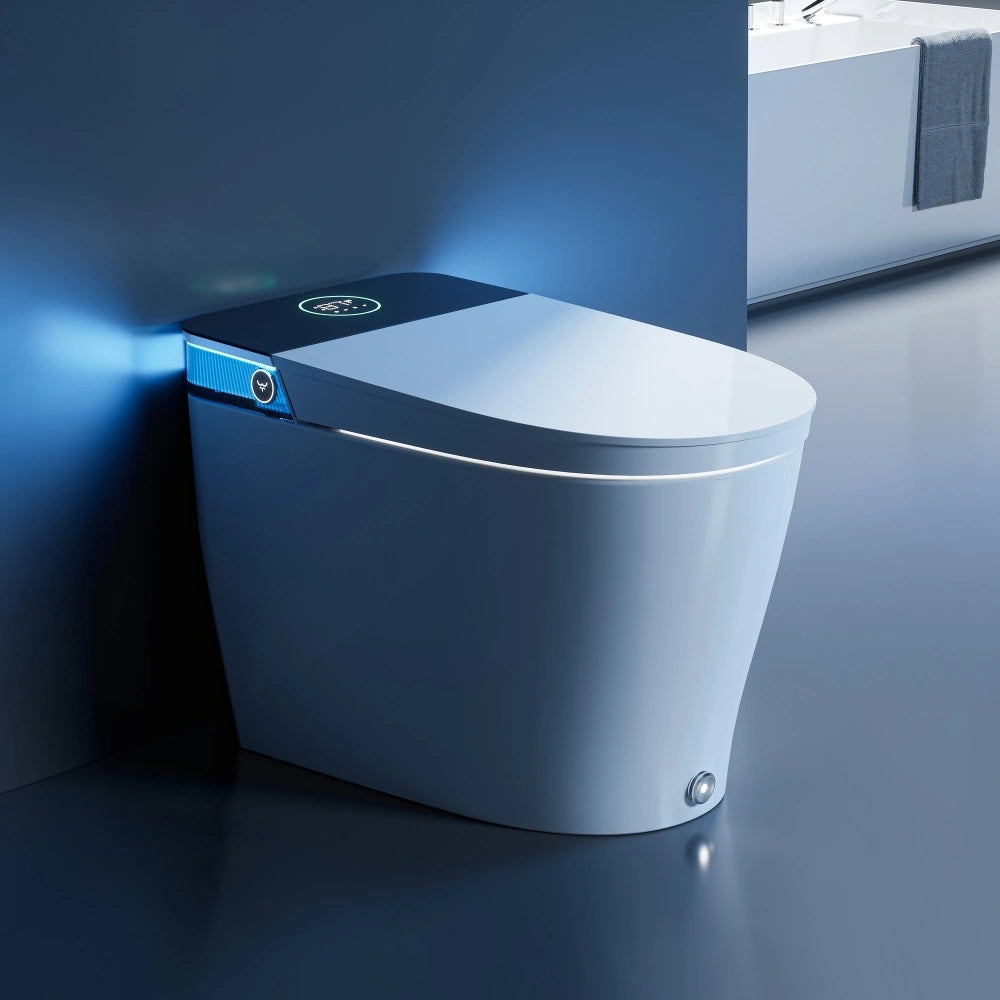
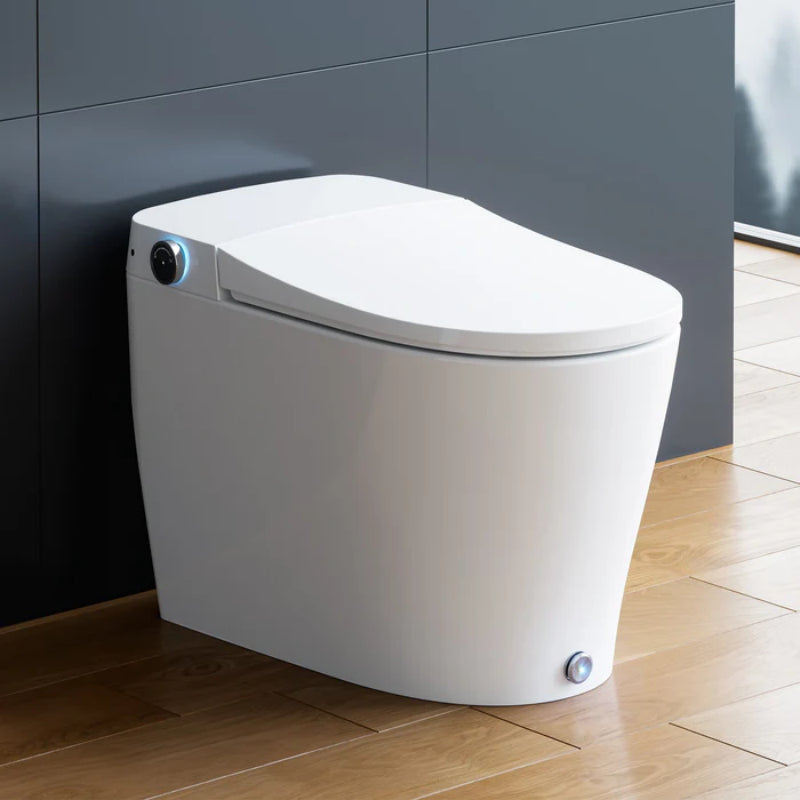
A nano ceramic glaze on a toilet sounds simple: the surface is smoother, water sheets off better, and waste has a harder time sticking. The promise is less scrubbing and a cleaner-looking bowl for longer.
That promise is partly true. But it is also easy to expect too much from it.
Nanotechnology ceramic glaze durability: quick decision guide (is it worth it?)
Best for low-maintenance buyers
This feature usually makes sense if you want a toilet that stays easier to clean with less effort, especially in a primary bath or a bathroom used by several people every day. It can also make sense if you are already buying a premium toilet and the glaze upgrade is part of that package.
Skip if expectations are too high
You should probably skip it if you expect a “self-cleaning” toilet, if your water is very hard, or if you clean with abrasive pads, pumice, or strong chemical products. In those homes, the glaze may still help some, but not enough to match the extra cost or the marketing.
Worth it on premium toilets only
For many homeowners, this is a nice extra, not a reason by itself to spend much more. It tends to feel most worthwhile when it comes on a higher-end toilet you already want, not when you are stretching your budget just for the coating.
What nanotechnology ceramic glaze durability really means for long-term performance
Advances in the ceramic industry — rooted in material science and driven by breakthroughs in nanomaterials — have brought nano-level surface treatments originally developed for glass and ceramics into mainstream bathroom fixtures over the past decade. When people ask about nanotechnology ceramic glaze durability, they are often asking three different things at once:
-
Will it keep stains from sticking?
-
Will it resist scratches?
-
Will the bowl still look glossy years later?
Those are related, but they are not the same. In real homes, durability varies more than most buyers expect. Different brands use different formulations and application methods, and some include an antimicrobial additive to further reduce bacterial growth. Like most ceramics, the base material is durable — but how the glaze is applied changes everything. And results also depend heavily on water conditions and cleaning habits. Even with proper care, some nano coatings lose their most noticeable performance—especially the slick, water-repelling feel—much sooner than expected. That does not always mean the glaze has fully failed, but it does mean the day-to-day experience can change over time.

Stain resistance lasts longer than beading
The most useful benefit is usually stain resistance, and this is where nanotechnology ceramic glaze durability makes the most consistent difference. A smoother, more water-repelling surface can reduce how much waste, paper residue, and grime hang on to the bowl. That is what makes nano ceramic toilet glaze more stain resistant in daily use. Preventing stains with nano-tech surfaces is the feature's most consistent real-world advantage.
But many buyers confuse stain resistance with dramatic water beading. The visible beading of water droplets often fades sooner than the easier-cleaning benefit. So if the bowl no longer beads water like it did at first, that does not always mean the glaze is gone. It may still be helping some. For many users, fading water beading becomes the practical signal they use to judge whether the glaze is still “working.” When that visual effect weakens, it often feels like the feature is gone—even if some easier-cleaning benefit still remains.
This matters because people often regret the feature when the visual effect changes, even though the practical effect is still there. In short, judge it by how easily the bowl cleans, not by how impressive the water looks.
Scratch resistance is not damage-proof
A lot of homeowners ask about the scratch resistance of high-end toilets, and in particular about the scratch resistance of nanotechnology ceramic toilet glaze. The short answer: the ceramic surface hardness is higher than a standard glaze, and abrasion resistance is improved — but it is not damage-proof.
Nanotechnology ceramic glaze durability in this area means it can help with light wear from normal use and soft cleaning tools. It does not make the bowl immune to:
-
abrasive powders
-
rough scrub pads
-
pumice stones
-
metal brushes
-
repeated aggressive scrubbing in one spot
This is where expectation gaps show up. Some people hear “nano ceramic” and assume the surface becomes almost hard enough to ignore bad cleaning habits. It does not. If you clean in a rough way, you can still dull the finish and reduce the low-stick effect over time.
Does self-cleaning reduce bowl stains?
Yes, but only to a point.
Understanding the benefits of self-cleaning toilet glaze starts with a realistic expectation. Does self-cleaning nano glaze reduce toilet bowl stains? In many homes, yes, especially with normal organic buildup. Waste, dirt and grime have less grip on a slick, hydrophobic surface, so the surface helps prevent stains from forming and makes them wipe away faster.
But “self-cleaning” is a misleading phrase. It does not stop:
-
mineral rings from hard water
-
rust staining from water conditions
-
heavy neglect
-
buildup under the rim or in jet areas
-
residue left by harsh cleaners themselves
So if your main problem is water quality, not surface stickiness, the glaze helps less than people expect.
Daily use reality: how long nanotechnology ceramic glaze durability really lasts
One of the biggest factors in how long the glaze lasts is not flushing or daily use, but how the toilet is cleaned. The real test of nanotechnology ceramic glaze durability is not the first month. It is what happens after a year of normal use, quick cleanups, and the occasional bad habit.
Hard water changes the experience
Does hard water affect nanotechnology ceramic glaze durability? Yes, both in appearance and in results.
Hard water leaves mineral deposits, and that contamination sits on top of the glaze and makes the surface feel less slick. Those deposits can sit on top of the glaze and make the surface feel less slick. That means homeowners may think the nano layer has failed when the real issue is scale buildup masking the finish.
In homes with hard water, the glaze still may reduce how strongly dirt bonds to the bowl. But you may not get the clean, glossy, low-effort experience shown in marketing photos. You will still need regular descaling with cleaners safe for that surface.
This is one of the biggest sources of regret: buyers pay extra for an easier-clean toilet, then discover their water conditions limit the payoff.

Harsh tools can dull the finish
What can damage nanotechnology ceramic glaze on toilets? In practice, the biggest risk is not normal flushing. It is cleaning habits.
The most common problems come from:
-
abrasive scrubbers
-
scouring powders
-
pumice stones used on mineral rings
-
harsh chemical soaking left too long
-
repeated aggressive scrubbing
If your toilet often needs heavy-duty scrubbing because users leave a mess behind, the glaze may wear sooner simply because the cleaning routine is rougher. That is a poor match.
Will it still work with daily scrubbing?
It can, but daily scrubbing changes the value.
If you wash the bowl regularly using soft brushes and non-abrasive products, the glaze can stay useful for years. If “daily scrubbing” means hard brushing with strong chemicals, the surface may lose gloss and slickness faster.
That is why how long nano ceramic toilet glaze lasts with daily use depends less on the calendar and more on the cleaning style. Gentle maintenance helps preserve it. Constant force works against the reason you bought it.
Hidden cleaning risks that reduce nanotechnology ceramic glaze durability
The glaze tends to disappoint not because it was fake, but because people clean it like a standard bowl — and nanotechnology ceramic glaze durability depends heavily on the cleaning method used.
Some cleaners shorten glaze life
Homeowners often ask about chemical resistance of nano ceramic glaze in bathroom cleaning. These surfaces generally tolerate normal bathroom cleaners better than plain surfaces, but “chemical resistant” does not mean “safe with anything.”
Repeated use of harsh acidic or highly alkaline products can wear down the low-stick properties over time, especially if the cleaner sits for long periods. Strong bleach-heavy products can also be rough on some finishes when overused. Based on guidance from the Centers for Disease Control and Prevention, bleach should be properly diluted and not left on surfaces longer than recommended, as misuse can damage materials over time in addition to posing safety risks.
The key point is simple: the glaze is usually more vulnerable to the wrong cleaner than to everyday toilet use.

Non-Abrasive cleaning matters most for nanotechnology ceramic glaze durability
According to the U.S. Environmental Protection Agency, choosing less abrasive and safer chemical formulations helps reduce long-term surface damage, which aligns with best practices for maintaining coated materials. If you want to maintain surface gloss on a nano ceramic glazed toilet, the safest routine is usually:
| Cleaning habit | Effect on glaze |
| Soft toilet brush | Low risk |
| Non-abrasive liquid cleaner | Low risk |
| Microfiber on outer surfaces | Low risk |
| Scouring powder | Higher risk |
| Pumice stone | High risk |
| Rough scrub pads | High risk |
Choosing the best cleaners for specialized glaze matters more than most buyers realize. The best non-abrasive cleaners for nanotechnology ceramic glaze are usually mild liquid bathroom cleaners that do not rely on grit. You do not need a fancy system. You just need to avoid turning every cleaning into surface wear.
What can damage the glaze?
The short list is useful here because these are the things many buyers wish they knew earlier:
-
abrasives remove the slick feel faster than expected
-
mineral scale can mimic “failure”
-
harsh chemicals can slowly reduce gloss
-
neglect leads to tougher scrubbing, which leads to more wear
-
the surface helps most when you keep up with gentle cleaning
Over time, chemical oxidation, surface corrosion from harsh products, and slow degradation of the nano layer can cause discoloration — all of which happen faster when cleaning habits work against the coating. This is also where nanotechnology ceramic glaze vs standard ceramic glaze durability gets misunderstood. The nano surface may start out more stain resistant and easier to clean, but it can lose that edge if treated roughly. A standard glaze may not perform as well day to day, yet it also may create fewer worries for someone who uses aggressive cleaners without thinking about it.
When Nanotechnology Ceramic Glaze Is Not Worth It
Not every home gets enough value from this feature.
Is nano ceramic glaze overkill for low-use bathrooms?
In a guest bath used a few times a month, nanotechnology ceramic glaze durability rarely justifies the added cost — the extra stain resistance often does not matter much. A normal glazed bowl may stay clean easily with basic upkeep.
That does not mean the nano glaze is bad there. It just means the practical benefit may be too small to notice.
Less useful if cleaning is already easy
If your current bathroom routine is simple, your water is not hard, and nobody in the home tends to leave behind stubborn messes, this feature may not change your life much. In a well-ventilated, low-traffic bathroom, even UV exposure and daily moisture cause less cumulative wear than a heavily used primary bath.
Here’s where it works well in real homes — and where it often doesn’t.
It works well when:
-
the toilet gets heavy daily use
-
you want a bowl that is easier to clean and maintain with less sticking
-
you are willing to use gentle cleaners
It often feels unnecessary when:
-
the bathroom is lightly used
-
you already clean quickly with no issue
-
your water quality is the bigger problem
-
the upgrade adds a noticeable price jump

Is it worth the extra cost?
Is nanotechnology ceramic glaze worth it for high-end toilets? Often yes, if the rest of the toilet already fits your needs and budget. In that case, the glaze can be a useful convenience feature that supports a premium finish.
Is it worth paying a large premium by itself? Often no.
The reason is simple: nanotechnology ceramic glaze durability delivers real but moderate benefits. Among ceramic products at this price point, it stands out by reducing sticking, helping cleaning go faster, and keeping the bowl's glossy finish looking newer longer. But it does not eliminate cleaning, defeat hard water, or survive every harsh cleaner without wear.
The feature is easiest to like when you see it as a small reduction in hassle, not a long-term miracle coating.
Before you choose: key questions about nano ceramic glaze durability
-
Am I buying this for easier cleaning, or because I expect a self-cleaning toilet?
-
Do I have hard water that may cause mineral buildup anyway?
-
Will people in my home use abrasive tools or strong chemicals?
-
Is this a heavily used bathroom where the convenience will be noticeable?
-
Am I paying a modest extra cost, or stretching my budget mainly for the glaze?
FAQs
What is nano-tech ceramic glaze?
Nano-tech ceramic glaze is a coating engineered at a microscopic level — often incorporating compounds such as SiO2 or titanium dioxide (TiO2) — to create a smoother, more water-repellent surface. It reduces how easily waste, residue, and bacteria stick to the bowl, making cleaning faster and less frequent. It does not eliminate cleaning but lowers how much effort is needed in daily use. The effect works through nanoparticle dispersion that alters surface energy at a molecular level, improving adhesion resistance and creating a barrier between waste and the ceramic substrate.
Does a self-cleaning toilet really work?
“Self-cleaning” toilets help reduce buildup, but they do not clean themselves completely. The slick surface slows staining and makes rinsing more effective, but mineral deposits, heavy use, and neglected areas still require manual cleaning. Think of it as easier maintenance, not a no-clean solution.
How long does the antimicrobial glaze last?
Nanotechnology ceramic glaze durability can sustain antimicrobial benefits for years, but performance changes over time. The strongest effects—like water beading or maximum slickness—often fade sooner. Longevity depends heavily on cleaning habits, water quality, and whether abrasive tools or harsh chemicals are used regularly.
Can I use abrasive cleaners on my bidet?
No—abrasive cleaners, scouring powders, and rough pads can scratch and dull the surface, reducing the low-stick effect. For best results, use soft brushes and non-abrasive liquid cleaners. Gentle cleaning preserves both the glaze and the long-term ease of maintenance.
How silver ions kill bathroom bacteria and prevent odors
Silver ion technology works by inhibiting the growth of odor-causing bacteria on the surface. Silver ions disrupt bacterial cell functions, helping reduce microbial buildup. This can limit unpleasant smells, but it works best alongside regular cleaning rather than replacing it.
Reference



Leave a comment
This site is protected by hCaptcha and the hCaptcha Privacy Policy and Terms of Service apply.