
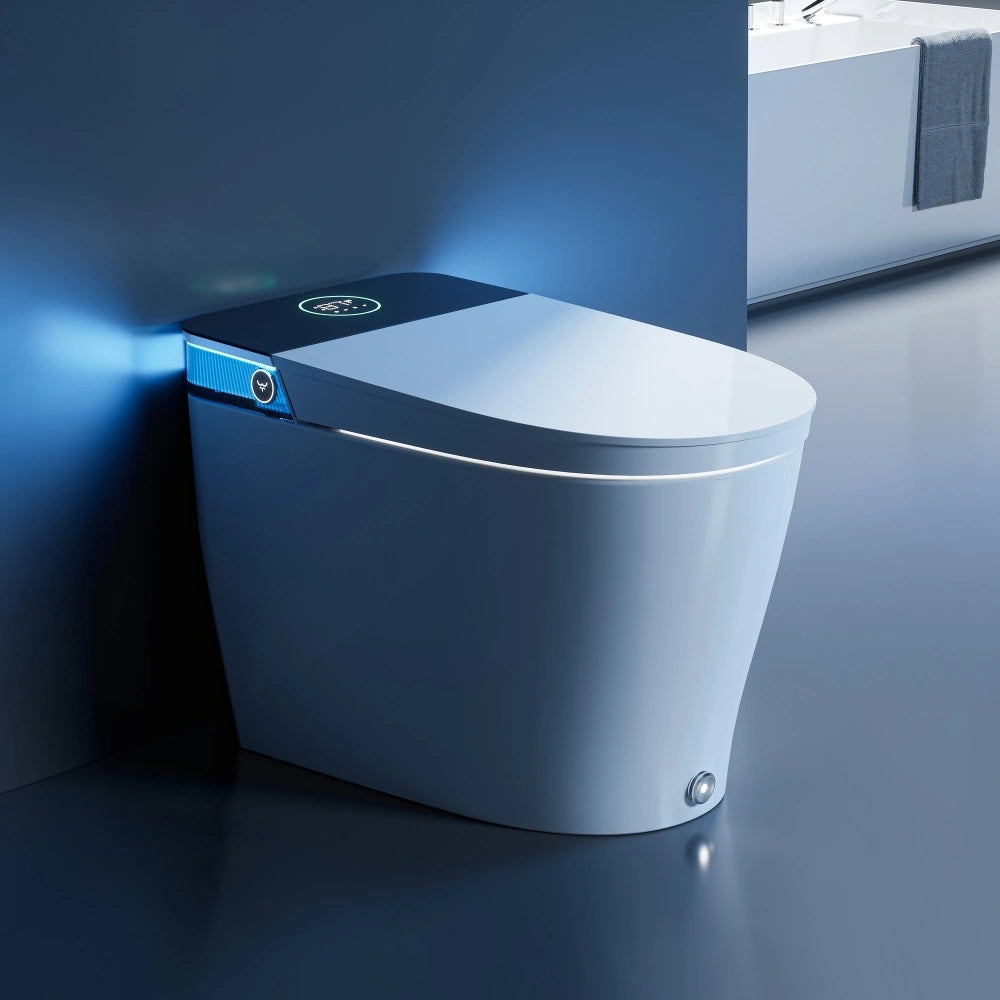
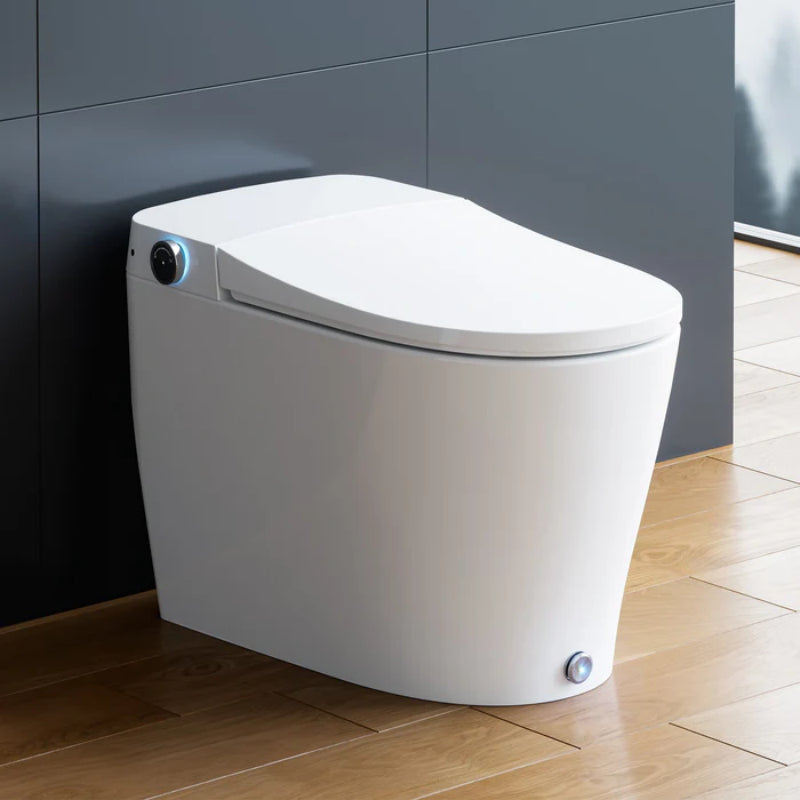
A modern one piece toilet can make a bathroom feel cleaner, newer, and easier to keep up with. But it’s also one of those purchases where the “nice-looking” option can turn into a hassle if you don’t plan for weight, fit, and future repairs.
Here’s the plain truth from what I’ve seen in real homes: most regrets come from choosing based on looks first, and layout/installation second. A one-piece toilet is often the right call—but only when your space and install situation match what it demands.
Below is a decision-first guide. It’s not here to list every feature. It’s here to help you choose the right type (one-piece vs two-piece vs wall-hung) and avoid the common mistakes that cost time and money.
Decision Snapshot: modern one piece toilet vs the best alternatives
This comparison helps you pick the right toilet, covering the modern one piece toilet, sleek toilet design and seamless toilet features to guide your bathroom choice.
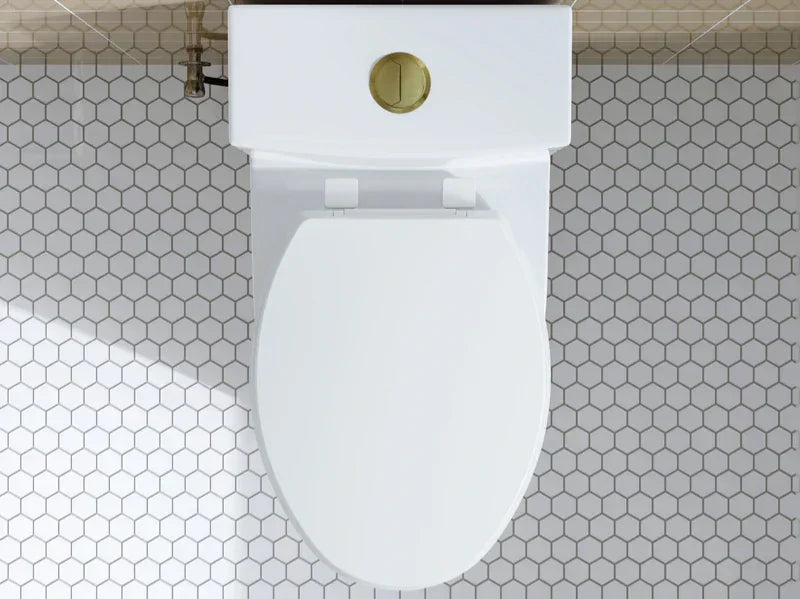
Choose a modern one piece toilet if you prioritize seamless cleaning, sleek toilet design, and a space-efficient footprint
A modern one piece toilet is ideal if you want a seamless toilet that’s easier to clean, with no annoying seam grime to scrub.
It brings a sleek toilet design to your bathroom, perfect for small spaces and modern remodels, with a streamlined, space-efficient profile.
It’s a great choice if you’re willing to spend a little more upfront for its clean, seamless look and low-maintenance design.
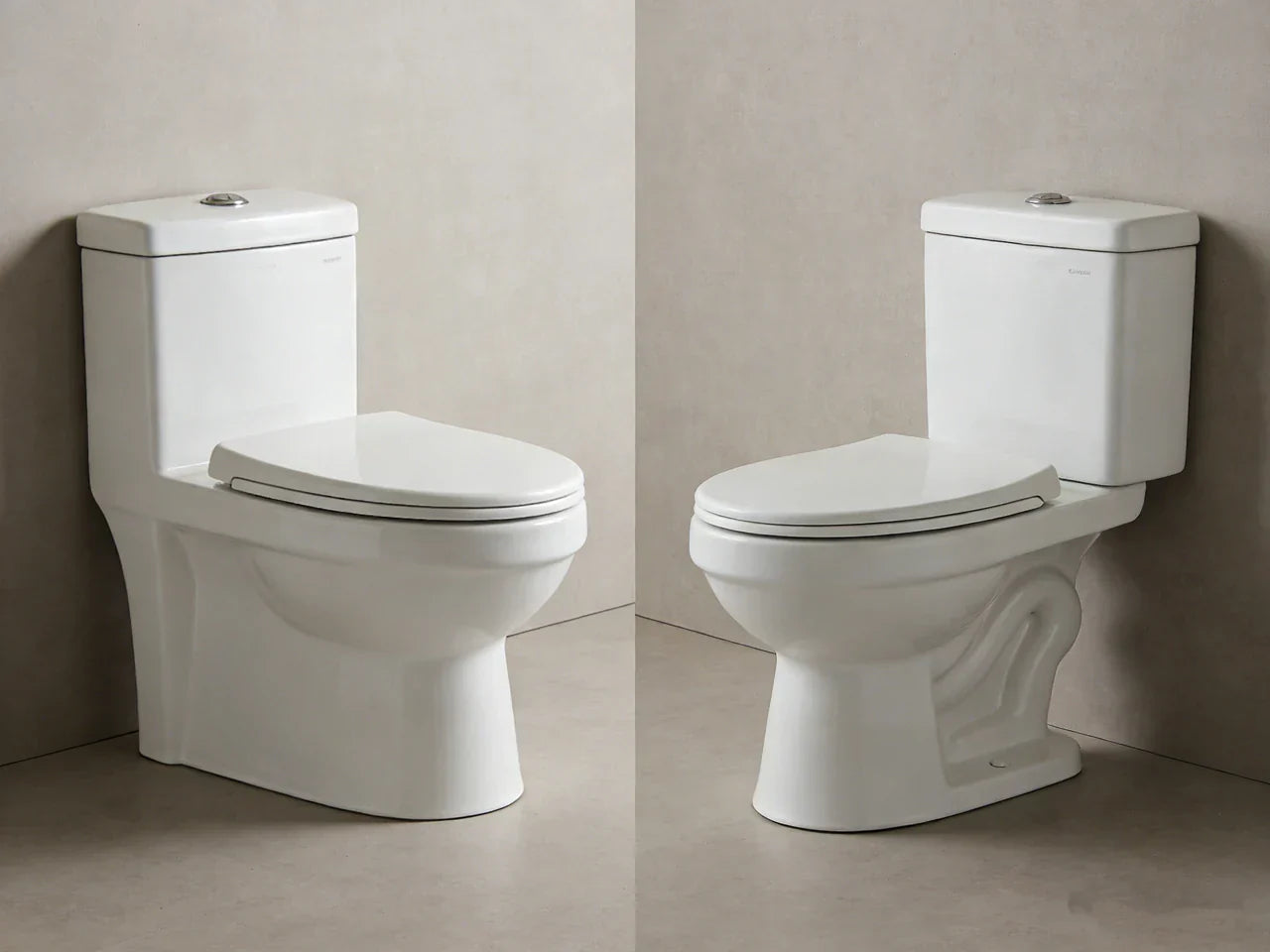
Choose a two-piece model if budget, easier carrying/installation, and cheaper future repairs matter more than seam cleaning
A two-piece model is the budget-friendly option, with a lower upfront cost and wider availability.
It’s easier to move and install solo, as the tank and bowl are separate, making it more manageable in tight spaces.
It also offers better repair flexibility, since you can replace the tank or bowl individually instead of replacing the entire fixture.
Choose a wall-hung toilet if you need maximum floor space and a contemporary bathrooms look—and can handle higher install complexity
A wall-hung toilet maximizes open bathroom floor space and delivers a sleek, modern look for contemporary bathrooms.
It’s suitable for full remodels where you can modify the wall to support its installation structure.
Be aware it requires higher installation costs and more planning for in-wall repair access, compared to standard one-piece and two-piece toilets.
Decision aid: “Choose this if / choose that if” chart (one-piece vs two-piece vs wall-hung)
| If this sounds like you… | Choose this type |
|---|---|
| “I want the easiest toilet to clean, and I hate grime lines.” | One-piece (seamless toilet style) |
| “I’m trying to keep costs down, and I may DIY the install.” | Two-piece |
| “My bathroom is tiny and every inch matters, but I’m not opening walls.” | Compact one-piece (or compact two-piece) |
| “I want a high-end, floating look and easy floor cleaning.” | Wall-hung |
| “I may need to replace just the tank later, not the whole toilet.” | Two-piece |
| “I’m okay paying more to avoid seam cleaning forever.” | One-piece |
| “I have stairs/tight hallway and I’m moving it myself.” | Two-piece (easier to move in sections) |
Rule of thumb: If your main pain is cleaning and you can handle the lift/fit, go one-piece. If your main pain is budget and DIY logistics, go two-piece. If you want maximum floor space and you’re remodeling deeply, consider wall-hung.
What trade-off actually separates one-piece and two-piece toilets in real homes?
This part breaks down the key trade-offs in one-piece vs two-piece toilet comparison, focusing on seamless toilet hygiene, sleek toilet design and practical use to help you decide.
Seamless toilet hygiene vs repair flexibility: fewer crevices vs replace tank and bowl separately
The modern one piece toilet is a seamless toilet that integrates tank and bowl, leaving no grime-collecting seams.
It avoids dust buildup and mildew in humid bathrooms, making it much easier to clean.
A two-piece model offers better repair flexibility, as a damaged tank can be replaced alone, while a cracked one-piece often means replacing the entire fixture.
Sleek modern appearance vs practical handling: one-piece looks cleaner, two-piece is easier to move and position
A one-piece toilet boasts a sleek toilet design with clean lines, ideal for contemporary bathrooms and modern remodels.
However, it is heavier and harder to move as a single unit, which can complicate installation in narrow spaces.
A two-piece toilet is easier to carry and position, since its separate tank and bowl sections simplify transport and setup.
Fewer leak-prone connections vs easier internal access: reduced gasket/bolt points vs simpler service calls
A one-piece toilet eliminates the tank-to-bowl rubber gasket and bolts, cutting down on common leak points.
It still carries standard leak risks like wax ring issues, which apply to all toilet types.
Two-piece toilets have more connection points that may degrade over time, but they usually offer simpler access to internal parts for maintenance.

When does a modern one piece toilet become the wrong choice?
Understanding the limits of the modern one piece toilet helps you avoid mismatched choices, with key considerations around seamless toilet design, installation and space to guide your selection.
Solo DIY Installation in a Small Bathroom
A modern one piece toilet is often not the best fit for a small bathroom with solo DIY installation.
Tight turns, limited bolt-alignment space and difficulty protecting the wax ring make the process challenging.
Heavy, unified construction raises the risk of damage, so professional help or a compact two-piece model is often more practical.
The Weight Challenge in DIY Installation
The modern one piece toilet is heavier as a single unit, combining tank and bowl in one fragile porcelain piece.
Awkward handling can lead to misaligned bolts, deformed wax rings and base leaks during DIY installs.
Even for experienced DIYers, positioning this one-piece toilet safely typically requires a second person to avoid mistakes.
High Repair Costs from Major Damage
For rental and high-traffic family bathrooms, a one-piece toilet can lead to higher long-term repair costs.
Major cracking or damage to the tank area usually means replacing the entire fixture, unlike two-piece toilets where only the damaged section needs replacement.
In spaces with frequent rough use, a two-piece model is a more forgiving and cost-effective option.
Space Misjudgment in Large Bathrooms
While the sleek toilet design of a compact modern one piece toilet works well in small spaces, it can appear undersized in large bathrooms.
Placed alongside large vanities or soaking tubs, it creates a visual design mismatch after a remodel.
For balanced aesthetics, a standard-depth one-piece or a larger-profile two-piece toilet is a better choice for spacious bathrooms.
Cost and value differences that change the decision
This section compares cost and value factors of one-piece and two-piece toilets, covering upfront expense, installation risk, long-term repair and resale impact, to help you evaluate the modern one piece toilet alongside other options.
Upfront cost
Two-piece toilets are available in a wide price range, with many accessible lower-cost options.
The modern one piece toilet typically has a higher starting price, driven by its complex manufacturing, seamless toilet design and often more modern styling.
If you aim to replace a dated but functional toilet, a two-piece model is more budget-friendly; if you prioritize a seamless look and easier cleaning for your bathroom remodel, the one-piece can justify its higher cost.
Installation cost risk
One-piece toilets often bring extra installation expenses, as their heavy, single-unit structure usually requires a second person or professional help for safe lifting, stair transport and precise alignment to avoid wax ring damage.
Two-piece toilets are simpler to stage and install, with the bowl set first and the tank mounted afterward, making the process more forgiving, especially in tight spaces.
Repair economics
Routine maintenance for common parts like fill valves, flush valves and toilet seats is similar for both one-piece and two-piece toilets.
The key difference lies in major damage: a two-piece allows separate replacement of the tank or bowl, while a modern one piece toilet, as a single porcelain unit, usually requires replacing the entire fixture if the tank area is cracked.
This makes the two-piece model more cost-effective for long-term repair flexibility in case of serious breakage.
Resale value and remodel signaling
A modern one piece toilet with a sleek toilet design can boost bathroom appeal and support resale value, thanks to its clean lines and updated, seamless look that reduces visual clutter.
This positive impact is most noticeable in a fully updated bathroom, where the toilet’s modern style matches the overall remodel aesthetic.
In a mostly dated space, a one-piece alone will not significantly improve resale value, but in a coordinated renovation, it helps create a polished, finished look for the bathroom.
Fit, space, and daily comfort realities (measurements that matter more than specs)
Understanding fit, space and daily comfort is key when choosing a toilet, and precise measurements matter more than standard specs. This guide helps you assess if the modern one piece toilet suits your layout, with seamless toilet and sleek toilet design factors balanced against practical space needs.
Is modern one piece toilet the best option for tight powder rooms and narrow clearances?
A modern one piece toilet is often a great fit for tight powder rooms, as its fewer visual breaks and smooth tank-to-bowl transition create a more compact, seamless toilet aesthetic.
Its actual footprint may be similar to many two-piece toilets, and some modern designs with wider tank tops or skirted bases can affect fit near trim and supply lines.
For narrow spaces, measure your current toilet’s wall projection and side clearance, then compare with the new model’s full dimensional drawings.
Rough-in, depth, and swing space: when the “compact” choice actually doesn’t fit your layout
Rough-in distance, measured from the finished wall to floor bolt centers (commonly 12", with 10" or 14" options), is critical for proper installation.
A toilet that doesn’t match your rough-in may sit unevenly or fail to install at all, so this measurement must be confirmed first.
Bowl shape impacts space and comfort: round bowls save front-to-back space, while elongated bowls offer more comfort but require extra depth, which can cause knee-to-door conflicts in small bathrooms.
Even with a technical fit, sufficient clearance is needed for comfortable use, easy cleaning, shutoff valve access, and tank lid removal for maintenance, especially with skirted base designs that may hide supply valves.
Comfort height vs standard height: who needs 16–18 seat height (tall users, aging-in-place, shared households)
Seat height directly affects daily comfort and is often overlooked in toilet selection.
Standard height works well for children and shorter adults, while comfort height, around 16–18 inches, is gentler on knees and backs, ideal for aging-in-place and shared households.
For long-term bathroom remodels, seat height should be chosen before sleek toilet design or other styling features, to prioritize daily usability.
Moving it through the home: stairs, tight hallways, and why “easier to move” can outweigh design
Before selecting a modern one piece toilet, measure hallway widths, turning points, and account for stairs, landings and doorways to plan safe transport.
The unified structure of a one-piece toilet makes it harder to maneuver, while two-piece toilets are easier to move since the tank and bowl can be carried separately.
For townhomes, walk-ups or older homes with narrow stairs, the easier mobility of a two-piece model can be a decisive factor, even if you prefer the seamless look of a one-piece toilet.

Flush choices and household habits that push you toward (or away from) one-piece
Flush performance ties closely to your household habits, and choosing between flush types helps you decide if a modern one piece toilet is right for your space, balancing dual flush one piece functionality, seamless toilet practicality and daily use needs.
Dual flush one piece vs single flush: when water savings matters—and when it becomes an annoyance
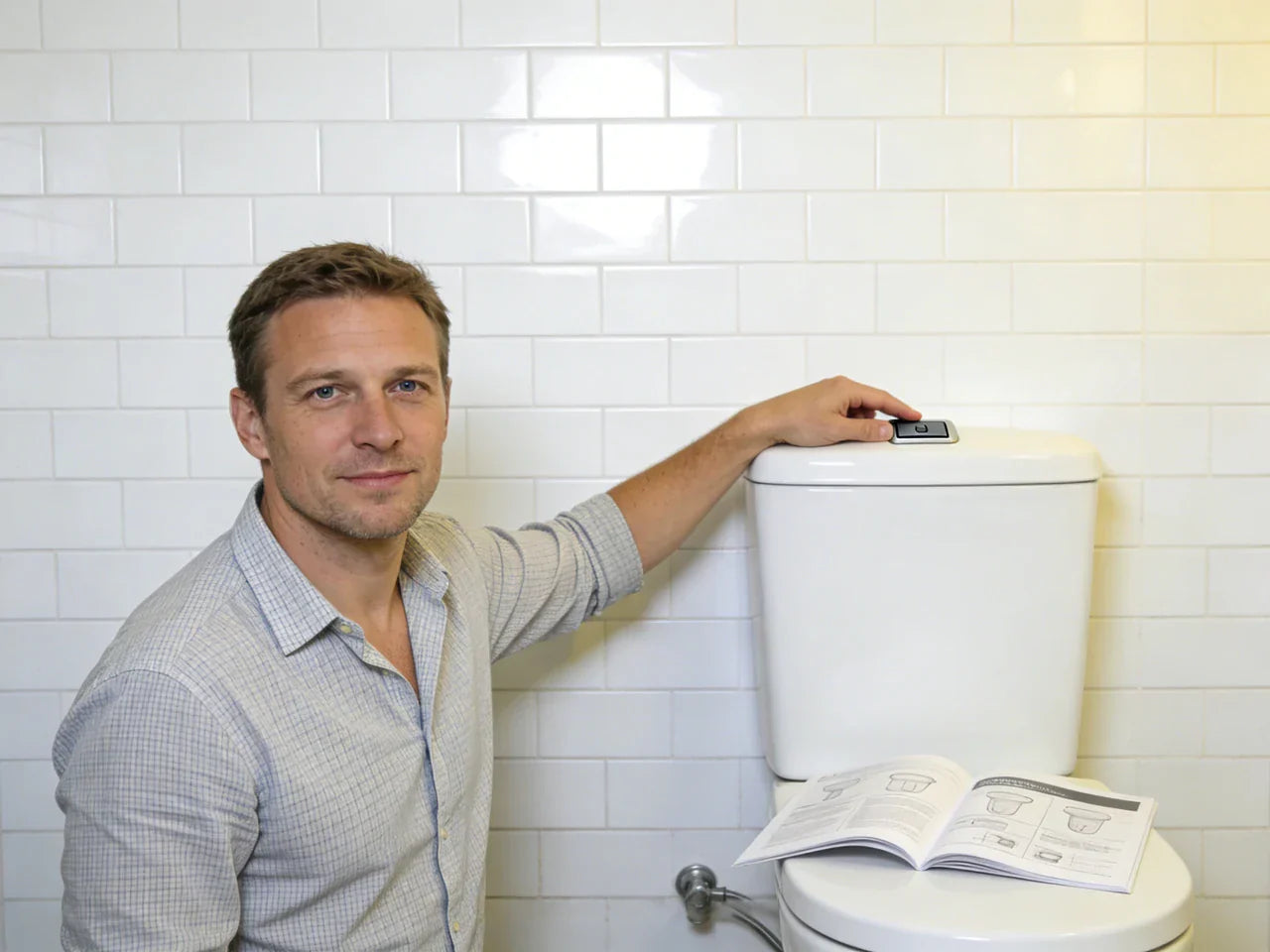
A dual flush one piece toilet is a popular pick for homeowners aiming to cut down on water consumption, working well when household members use the lighter flush appropriately.
Issues can arise with dual flush systems, as guests may be unsure which button to operate, children may press the incorrect option repeatedly, and the light flush may prove insufficient for regular household use.
If reliability and simplicity are your top priorities, especially in heavily used bathrooms, a well-functioning single flush is often the more practical choice.
Modern toilets sold in the U.S. already meet strict efficiency standards, so the water-saving difference with a dual flush one piece may be less significant than anticipated if your existing toilet is already efficient.
High-traffic bathrooms: which type stays reliable with kids, guests, and repeated flush cycles
For high-traffic bathrooms used by kids, guests and with frequent flushing, focus first on proven flushing performance, strong clog resistance, readily available internal parts and sturdy seat mounting.
Whether you choose a one-piece or two-piece toilet is secondary to these core practical factors, as the most dependable option is one that operates consistently without issues.
A modern one piece toilet does offer an advantage in busy bathrooms, as its seamless toilet design has fewer crevices for grime to collect, making it easier to clean and maintain a tidy appearance, which is especially beneficial for a main guest bathroom.
Clog tolerance and bowl performance: choosing flushing technology for your “worst day” use, not average use
Toilet flush and bowl performance are affected by drain line condition, bathroom venting, household paper usage and the specific trapway and bowl design of the fixture.
Avoid choosing based solely on “strong flush” marketing claims; instead, select based on your home’s unique needs.
Homes with older plumbing or a history of clogs should avoid overly water-efficient models, while basement bathrooms with tricky drainage should prioritize reliability over sleek toilet design.
For guest bathrooms with light use, you can safely emphasize the seamless look and easy cleaning of a modern one piece toilet, as performance demands are lower in these spaces. Always choose a toilet suited for your worst-case usage scenarios, not just average daily use.
Maintenance, annoyance risks, and long-term ownership differences
This part compares long-term maintenance of one-piece and two-piece toilets, focusing on seamless toilet upkeep, cleaning ease and part availability to guide your choice.
Which option is easier to live with long term: seamless cleaning now vs easier repairs later?
Long-term living comfort depends on your preferred maintenance trade-off.
A modern one piece toilet is ideal if you prefer quick, simple cleaning and minimal detail work.
A two-piece model is more suitable if you prioritize cost efficiency and flexible repair and replacement options.
Neither choice is incorrect; it simply comes down to the inconvenience you are more willing to accept.
Cleaning time and bacteria/mold risk: seam grime on two-piece vs quick wipe-down on one-piece
The seamless toilet design of a one-piece model means fewer seams and crevices, reducing buildup around the tank and bowl area.
It allows for faster wiping and lowers the chance of persistent grime lines that are hard to clean thoroughly.
Two-piece toilets have more edges where dust and moisture accumulate, which can lead to mildew growth in humid or poorly ventilated bathrooms, even though they are not inherently unclean.
Leak points and failure modes: rubber gasket/bolt seams on two-piece vs fewer joints but harder access on one-piece
Two-piece toilets rely on tank bolts and a rubber gasket, which can loosen or degrade over time, causing slow, unnoticed leaks and staining.
A modern one piece toilet eliminates these connection points, reducing common leak risks.
However, some one-piece designs have smaller tank openings or special top panels, resulting in tighter access to internal parts for maintenance.
It is important to plan ahead and ensure you can access and source parts easily for years to come.
Seat replacement and part availability: what’s standardized vs what’s model-specific (and why it matters years later)
Before purchasing a modern one piece toilet, verify that the seat is a standard round or elongated size with standard mounting holes for easy future replacement.
Some sleek toilet designs limit seat replacement options, a detail worth noting in advance.
Common fill valves are generally universal, but certain flush mechanisms and dual flush buttons may be proprietary and harder to replace later.
For minimal long-term hassle, choose models that use widely available, standard internal components.
One-piece vs two-piece vs wall-hung: the “real home” comparison
Wall-hung toilets are often considered alongside the modern one piece toilet for contemporary bathrooms, but they aren’t a simple replacement.
They require an in-wall carrier, specialized drain planning, and their installation and repair access depend on wall construction and access panel design.
If you’re not opening walls for a remodel, wall-hung toilets become much costlier and more disruptive.
Wall-hung toilets excel in small bathrooms where floor space and under-bowl cleaning matter, and in high-design remodels centered on a floating look.
The modern one piece toilet shines when you want a modern aesthetic without wall modifications, offering fewer crevices than a two-piece.
It’s also a simpler replacement for existing layouts, delivering the benefits of a seamless toilet without extra remodel work.
The buying path that keeps you out of trouble (simple, but works)
Follow this straightforward order to avoid costly mistakes when choosing a toilet, whether a modern one piece toilet or other options.
First, confirm your rough-in and clearances—this step alone eliminates half of all bad toilet choices.
Next, choose your bowl shape: round for tight spaces and elongated for comfort, if it fits your bathroom layout.
Select seat height (standard or comfort) based on the people who will use the toilet daily, prioritizing comfort over style.
Decide on toilet type—one-piece, two-piece, or wall-hung—by weighing cleaning ease, installation logistics, and repair strategy.
Then pick your flush style: single or dual flush, aligning with your household’s habits (dual flush one piece is an option for water savings).
Finally, confirm parts and seat replacement practicality before buying, especially for sleek toilet designs with unique sizing.
This order prevents the common mistake of falling for a sleek toilet design, only to find it doesn’t fit or is hard to install.
Before You Buy: checklist
Measure your rough-in (wall to bolt center) and confirm the toilet matches it.
Check front clearance (door swing, knees, vanity) and pick round vs elongated accordingly.
Decide seat height (standard vs comfort height) based on who uses the bathroom most.
Plan installation: can you lift and place a one-piece safely, or do you need a second person/pro?
Confirm the water supply valve location won’t be blocked by a skirted/seamless base.
If choosing dual flush, make sure your household will actually use it correctly.
Verify seat type and replacement options (standard sizing, easy removal).
Consider your “worst case”: if the toilet gets damaged, are you okay with replacing the entire one-piece?

FAQs
1. Why are one-piece toilets better than two-piece?
A modern one piece toilet is better than a two-piece model if you value easier cleaning and the seamless look of a seamless toilet, as its unified design eliminates hard-to-clean crevices. It also boasts a sleek toilet design that elevates contemporary bathrooms, making it a popular choice for remodels focused on modern aesthetics.
2. Are one-piece toilets harder to install?
One-piece toilets are often harder to install than two-piece models, primarily due to their heavier, unified construction that combines the tank and bowl into one awkward unit. While most installs go smoothly with two people, solo DIY installation becomes difficult due to the weight and limited maneuverability, especially in tight bathroom spaces.
3. Do they leak less than traditional toilets?
One-piece toilets can leak less than traditional two-piece toilets because they eliminate the tank-to-bowl rubber gasket and bolt connections, which are common leak points that degrade over time. However, any toilet—one-piece or traditional—can still leak at the wax ring, supply line, or worn internal parts.
4. Are they easier to clean around the base?
Many one-piece toilets are easier to clean around the base, especially those with skirted, seamless designs that have fewer crevices for grime and mold to collect. When choosing a model, it’s important to ensure the sleek toilet design still allows easy access to bolts and doesn’t block the shutoff valve for maintenance.
5. Can you replace the tank on a one-piece toilet?
You can usually not replace the tank on a one-piece toilet, as it is a single, unified porcelain body where the tank and bowl are integrated. A crack or damage to the tank area of a modern one piece toilet typically means replacing the entire fixture, unlike two-piece models where the tank can be replaced separately.
References


Leave a comment
This site is protected by hCaptcha and the hCaptcha Privacy Policy and Terms of Service apply.