
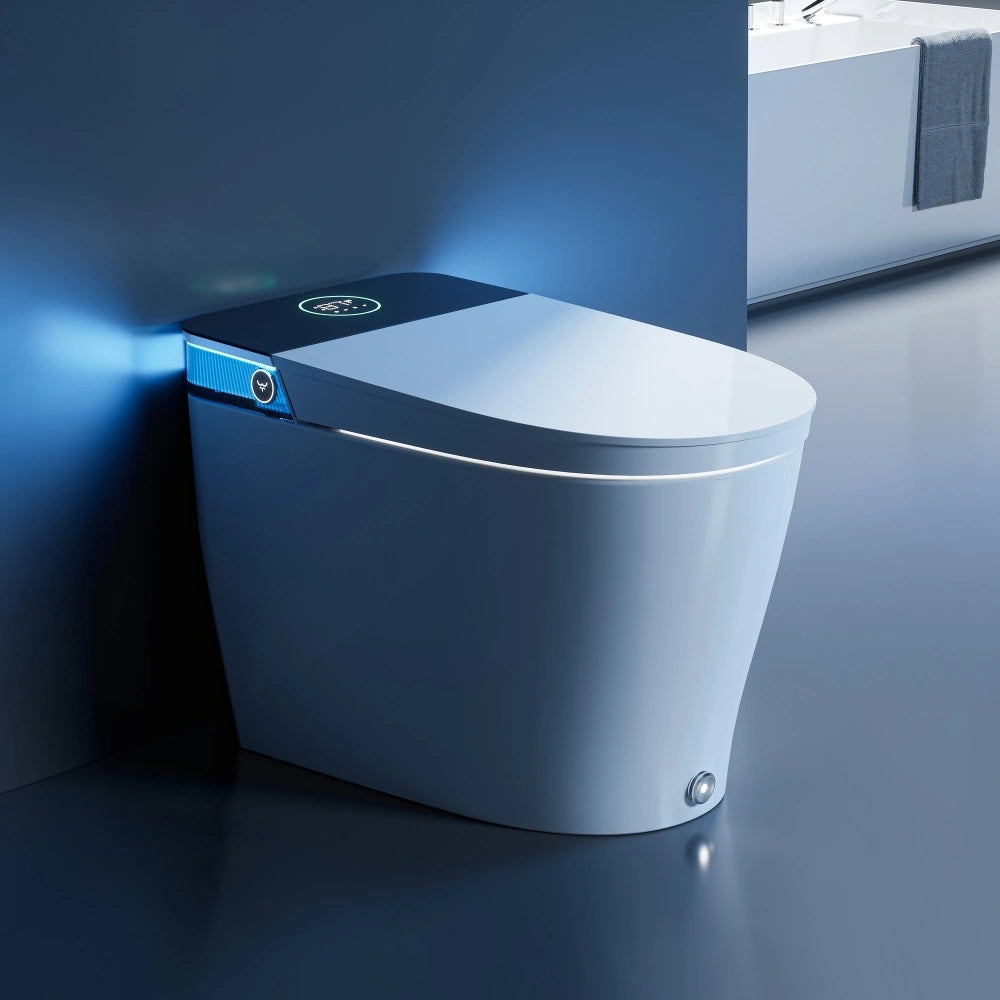
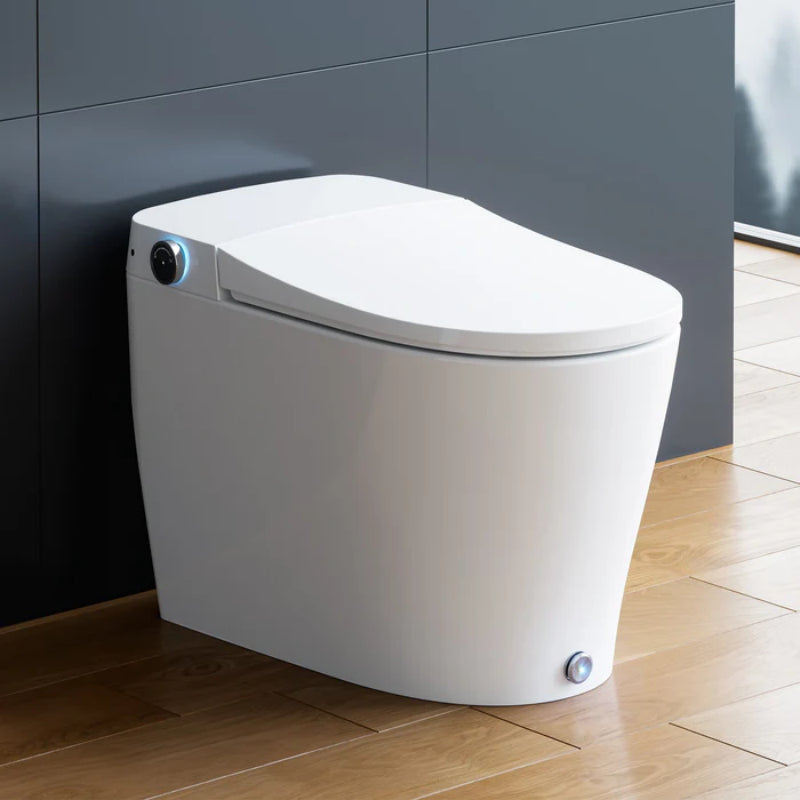
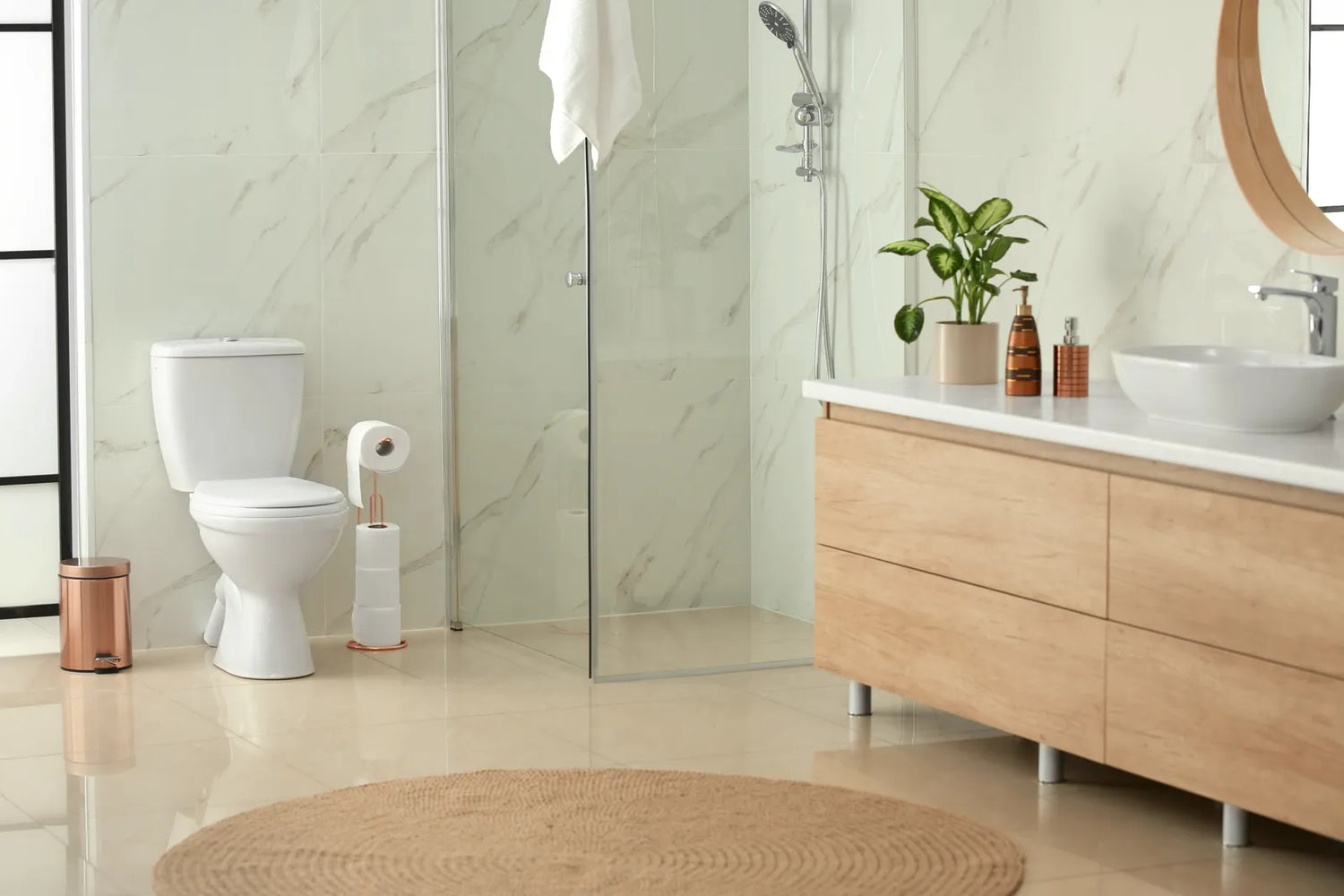
Choosing between a matte black vs glossy white toilet sounds like a style decision. In real homes, it usually becomes a cleaning, water-quality, and regret-avoidance decision.
Both can work. But they do not age the same way, and they do not ask the same things from you day to day.
If you want the short version: matte black looks striking when the room supports it, but it is less forgiving in hard water areas and often asks for more careful cleaning. Glossy white is still the easier long-term choice for most households because it is cheaper, easier to replace, and simpler to clean with standard products.
That does not mean black is a bad idea. It means you should choose it for the right room and for the right reason.
Decision Snapshot: matte black vs glossy white toilet
Here’s the rule of thumb I’d give a homeowner standing in a showroom.
Choose matte black for bold, bright bathrooms
Pick matte black if your bathroom is bright, modern, and design-led, and you are happy to be a little more careful with cleaning products and visible mineral marks.
It suits:
-
well-lit bathrooms
-
guest baths or powder rooms
-
modern homes where the toilet is part of the look
-
buyers who already know their water is not very hard, or who have water treatment
Avoid matte black if you are hoping it will hide all mess and be lower maintenance. That is usually the wrong assumption.
Choose glossy white for easier daily ownership
Pick glossy white if this is your main household toilet and you want the lowest-friction option.
It suits:
-
family bathrooms
-
kids’ bathrooms
-
rentals and resale-minded renovations
-
anyone who wants standard cleaning and easy replacement
-
homes with hard water
White is not as dramatic, but it is usually the safer first decision.
Choose another finish for hard water or low light
If your bathroom is small, dim, or has obvious hard water staining, neither extreme may be ideal.
A softer middle ground can work better, such as:
-
matte white
-
off-white
-
light gray
-
a standard glazed white with cleaner lines and fewer visual seams
The key point is simple: matte black is a style choice with more finish upkeep, meaning it requires careful attention to remain looking pristine. Glossy white is the practical default for a reason.
Quick Disqualifiers: When Matte Black Might Not Work
-
Hard water homes → Matte black shows water spots and mineral buildup more easily than white.
-
Kid-/roommate-heavy shared bathrooms → Multiple users leave fingerprints and oils, causing uneven shiny patches on matte surfaces.
-
Small or dim bathrooms → Black toilets can make the space feel smaller and darker; glossy white is usually safer for visibility and openness.

Matte Black vs Glossy White by Buyer Type
The right choice changes based on who uses the toilet and how often.
Solo buyer or family home?
A solo homeowner can usually get away with more design-driven choices because the toilet sees less traffic and cleaning habits are more predictable.
In a busy family home, glossy white usually wins. It gives you clear visual cues when it needs cleaning. That matters more than people think. In practice, toilets that look fine can still feel dirty all the time, especially black ones that hide grime in the wrong light around the outer bowl, base, and seat hinges. Then mineral spots or dried splash marks suddenly stand out once the light hits them.
If you have kids, white is easier to monitor. You can spot missed cleaning quickly. In a house with teenagers, guests, or shared use, that visibility is helpful.
Shared-Household Touch Marks
Matte black looks sleek in a single-user or lightly used bathroom, but in shared households, fingerprints and hand oils accumulate quickly, creating uneven shiny patches that are difficult to clean. If multiple users will touch the toilet daily, avoid matte black in favor of glossy white or another forgiving finish.
Showpiece bath or main bathroom?
This is one of the biggest decision points.
A matte black toilet makes the most sense in:
-
a guest powder room
-
an ensuite with controlled use
-
a modern remodel where contrast is part of the design
A glossy white toilet makes more sense in:
-
the main family bathroom
-
the only bathroom in the house
-
high-use spaces where easy upkeep matters more than style impact
What I’ve seen in practice is that many people love black in inspiration photos, then live with the white mineral ring, seat dust, splash marks, and finish-care limits for a year and get less excited.
That does not happen to everyone. But it happens enough that black should be a deliberate choice, not an impulse one.
Smart toilet or classic simplicity?
If you are comparing a matte black vs glossy white smart toilet appearance and upkeep, black often looks more high-end at first glance. It can make a tech-heavy fixture feel cleaner and more architectural.
But smart toilets already have more surfaces, seams, lids, controls, and cleaning instructions than a basic porcelain toilet. Adding a matte black finish can increase the feeling that you need to “baby” it.
If you want a smart toilet that blends into the room and feels easy to own, glossy white is usually the calmer choice. If you want the toilet to read as a feature piece, matte black can work well in the right room.
What Trade-Off Matters Most?
Most buyers do not regret the color itself. They regret underestimating the trade-off that came with it.
Hidden grime or visible dirt?
A common question is: are matte black toilets harder to keep clean than glossy white toilets?
The honest answer is this: they are not always harder to clean, but they are often harder to keep looking clean.
That is different.
Glossy white shows dirt, splashes, and residue quickly. That sounds bad, but it also means you know when to wipe it down. White supports fast, obvious maintenance. According to the CDC, regular wiping and targeted disinfection help prevent buildup in high-touch surfaces, which is particularly relevant in family or shared bathrooms.
Matte black may hide some dust and light grime from a distance, but it often shows:
-
water spots
-
dried drips
-
soap film
-
pale residue
-
mineral scale from hard water
So if your question is which toilet finish looks cleaner longer, matte black or glossy white, the answer depends on what your bathroom leaves behind most often.
If you have soft water and a careful routine, black can look clean for a long time.
If you have hard water, frequent splash marks, or sloppy household use, glossy white usually looks better between scrubs.
Dramatic style or low cleaning friction?
This is the real choice.
Matte black offers:
-
stronger visual contrast
-
a more custom look
-
better fit in modern bathroom design
-
less “builder basic” appearance
Glossy white offers:
-
easier product compatibility
-
less worry about finish damage
-
simpler stain removal
-
lower stress for daily use
If you enjoy maintaining a polished look and the bathroom is part of your home’s design statement, black can be worth it.
If you want a toilet you rarely think about, white is usually the smarter buy.
Scratch concealment or stain detection?
Buyers often ask about scratch resistance of matte black toilet finish vs glossy white glaze.
This depends on the quality of the finish, but there is a general pattern:
-
Glossy white glazed porcelain tends to be more forgiving because the surface is hard, standard, and easy to clean with widely available products.
-
Matte black finishes can hide tiny visual glare marks better in some lighting, but if the black is a coating or specialty surface, scratches, chips, or rub marks may be more noticeable once they happen.
White also has an advantage: if there is a stain, buildup, or damage issue, you usually notice it sooner and can address it early.
Cost and Value
Price matters, but not just at checkout.
Matte black costs more
In most cases, matte black toilets cost more than glossy white versions. You are paying for a less common finish and, in some cases, a more premium styling package.
That extra cost can be justified if:
-
the bathroom is design-driven
-
you are renovating a high-end ensuite
-
the toilet is visible and central to the room
-
the model has a durable, easy-clean surface treatment
But if the only goal is “something different,” the premium can feel hard to defend after the first year of ownership.
White is easier to replace
Glossy white wins on budget and replacement ease.
That matters if:
-
you may need matching pieces later
-
you want simpler seat replacement
-
you may sell the house
-
you are doing a practical remodel, not a statement room
White is the default in the market, so future replacement is easier and less risky. If a black model is discontinued, matching a future replacement can become harder.
When black is worth the money
Paying more for black makes sense when the toilet is part of a complete room plan, not a stand-alone style move.
For example, black can feel very intentional when the bathroom also has:
-
strong natural or layered lighting
-
warm wood or stone tones
-
pale wall surfaces to balance the depth
-
enough space so the toilet does not make the room feel heavy
If the room itself does not support the look, black can feel expensive without feeling better.

Which Finish Fits Your Bathroom?
Room conditions matter more than many buyers expect.
Small dark room or open bright space?
A matte black toilet in a small, low-light bathroom can visually shrink the room. It may make the lower half of the space feel heavy, especially if the floor is also dark.
In an open, bright bathroom, matte black has room to breathe. It can read as crisp and modern instead of dense.
If your bathroom has:
-
no window
-
weak overhead lighting
-
dark wall tile
-
dark flooring
then glossy white is usually the safer choice.
If your bathroom has:
-
white or light walls
-
good daylight
-
contrast elsewhere in the room
-
enough floor area around the toilet
then matte black becomes more realistic.
Black or white in modern design?
If you are choosing matte black vs glossy white toilet for modern bathroom design, both can work. They just create different moods.
Matte black gives:
-
strong contrast
-
a more editorial, styled look
-
a focal-point effect
Glossy white gives:
-
a cleaner, quieter backdrop
-
easier pairing with changing accessories
-
a more timeless feel
Modern does not always mean black. In many modern bathrooms, glossy white still looks sharper because it lets the architecture, tile, and fixtures do the talking.
Guest bath or family bath?
This is one of the simplest filters.
For a guest bath, matte black can be a good choice because:
-
it sees lighter use
-
it can add impact in a small room
-
you can keep it looking good with less effort than in a full family bath
For a primary family bath, glossy white is usually the better tool for the job.
Is black worth it in small bathrooms?
Sometimes, but only if the room is bright and simple.
If the room is small and dark, black often feels heavier than buyers expect. If the room is small but very bright, with light walls and minimal clutter, black can still look sharp.
The key point is that matte black needs support from the room. Glossy white can survive almost any room.
Hard Water and Daily Messes
This is where many buying decisions should be made.
Black or white in hard water?
If you have hard water, think carefully before choosing black.
A very common question is: do black toilets show more limescale than white toilets?
Yes, in most homes they do. The pale, chalky residue from hard water tends to stand out more against black surfaces. On glossy white, limescale still forms, but it is less visually dramatic.
So if you want the short answer on matte black toilet vs white toilet for hard water areas, here it is:
Glossy white is usually the better choice for hard water homes.
Black can still work if you:
-
have softened or treated water
-
clean frequently
-
use finish-safe products correctly
-
accept that mineral marks may show faster
If your water is hard, choose glossy white. It resists mineral spots and scale much better than matte black.
Do black toilets show water spots faster?
Often yes.
If you are asking which toilet finish hides water spots better matte black or glossy white, glossy white usually does better in daily life. Matte black can make dried droplets and splash outlines more visible, especially around the outer bowl and lid.
This is one reason some buyers feel black looks dusty or marked sooner, even when the toilet is not truly dirty.
Which finish looks cleaner between scrubs?
In a normal household, white often wins.
That may sound odd because white shows dirt faster. But black can collect visual noise: pale spots, dried residue, fingerprints on some surfaces, and mineral haze.
White tends to read as cleaner from a distance, especially with regular quick wipe-downs.
If your home has:
-
hard water
-
boys using the toilet
-
poor ventilation
-
frequent toothpaste or soap splash nearby
glossy white is usually easier to live with.
Soap film and splash marks
People often focus only on the bowl. The outside matters too.
Matte black is more likely to show:
-
cleaner streaks if not buffed properly
-
splash marks from handwashing nearby
-
dust around the base in bright side light
-
pale residue from cleaning solution
Glossy white can also show residue, but the surface is usually easier to rinse and wipe clean without leaving a visible trail.
When Matte Black Can Still Work
-
Use softened or filtered water
-
Wipe down surfaces regularly and clean weekly
-
Accept that light streaks or spots may appear

Maintenance and Long-Term Annoyances
This is where the real difference shows up after the new-bathroom excitement wears off.
Is matte black harder to maintain?
Is a matte black toilet harder to maintain than a white porcelain toilet? In many homes, yes.
Not always because the cleaning itself is harder. Often because the cleaning has to be more careful.
With glossy white porcelain, you can usually use standard toilet-safe products and tools without worrying much about changing the look of the finish.
With matte black, you may need to avoid:
-
abrasive powders
-
rough scrub pads
-
harsh bleach exposure on exterior surfaces
-
acidic products left sitting too long on visible finish areas
The result is that matte black often asks for a gentler routine and a little more attention.
Which finish is easier to live with?
For everyday family use, glossy white is easier.
If someone asked me, “Are matte black toilets worth it for everyday family use?” I’d say only if the style matters a lot to you and you understand the upkeep.
For most households, white is still the better balance of:
-
appearance
-
maintenance
-
cost
-
long-term flexibility
Matte-safe cleaners matter
A common question is the best cleaner for a matte black toilet without damaging the finish.
The safest approach is simple:
-
use mild soap and water for the exterior
-
use a soft microfiber cloth
-
use non-abrasive toilet-safe products
-
test anything stronger in a hidden area first
-
follow the finish care guidance from the manufacturer
For the inside bowl, care depends on what the interior surface is made from and how the finish is applied. Some black toilets have more durable glazed surfaces than others. That is why finish details matter before you buy.
White gives you more freedom here. It is easier to clean a glossy white toilet compared with a matte black one because there is less fear of dulling, streaking, or damaging the visible finish.
Finish Construction Check
Some matte black toilets are glazed, while others have coated or specialty finishes. Glazed surfaces are more durable and tolerate standard cleaners better; coated or specialty finishes often require gentle, specific cleaners to prevent streaking or damage. Buyers should know this distinction before purchase.
How cleaning routines change
If you buy matte black, expect a different routine.
A realistic routine looks like this:
-
quick wipe of the exterior more often
-
immediate removal of water spots
-
gentler cloths and products
-
closer watch for limescale near standing water areas
-
less aggressive scrubbing on visible outer surfaces
With glossy white, maintenance is less fussy. You can be more direct and less precious.
That difference is small in week one. It feels much bigger after a year.

Durability Over Time
Finish durability is not only about whether the toilet works. It is about whether it still looks good years later.
Black vs white over time
For matte black vs glossy white toilet durability over time, glossy white usually has the edge in real-world ownership.
Why:
-
white glazed porcelain is standard and proven
-
minor wear is less risky from a style standpoint
-
standard cleaners are less likely to create visible finish issues
-
replacement parts and matching pieces are easier to find
Matte black can hold up well, but quality matters much more. A high-quality black finish may age nicely. A lower-quality one can start to show wear, fading, dull areas, or chips that are more obvious because of the dark color.
Do black toilets stain easily?
Do matte black toilets show stains and grime more than white toilets?
They show some things less and some things more.
Less visible on black:
-
certain dust
-
some light surface dirt from a distance
-
some small glare marks
More visible on black:
-
limescale
-
hard water spotting
-
dried cleaner residue
-
soap film
-
light-colored splash marks
So black does not automatically “stain easier,” but it often reveals the kinds of residue many bathrooms actually deal with every day.
Does glossy finish hide scratches better?
A glossy white glaze often handles routine cleaning wear better because it is hard, sealed, and familiar to clean. Fine surface marks are not always as visually obvious because the color is consistent and expected.
Matte black may disguise some tiny hairline surface disruption in low light, but if the finish is chipped, rubbed, or etched, the contrast can make the problem stand out.
When Neither Is Best
Sometimes the best advice is not black or white.
Matte white in soft spaces
If you want a modern look without the maintenance risk of black, matte white can be a good compromise. It feels softer and less shiny than glossy white, but it usually keeps the light, clean look many bathrooms need.
Matte White Maintenance Caveats
Matte white (and other matte colors) can have similar maintenance drawbacks as matte black. Streaking, residue, and cleaner sensitivity can still occur, so it’s not a universally safe option. Light-colored mattes require regular gentle cleaning, especially in hard water or high-use bathrooms, to maintain a smooth, even appearance.
White for accessibility setups
Glossy white often makes more sense in bathrooms designed around accessibility or aging in place. The higher contrast against many floors and the familiar appearance can help with visibility, cleaning checks, and caregiver support.
Accessibility & Aging-in-Place Decision Filter
Choose glossy white if the toilet is part of an accessibility or aging-in-place setup. White improves visibility, contrasts well with flooring, and makes it easier for caregivers to check cleanliness. This is especially useful for elderly users, visually impaired individuals, or shared bathrooms where safety and hygiene are key priorities. Matte black may look stylish but can hide residue and create subtle safety risks.
Skip black in kid-heavy baths
If this bathroom will be used hard every day by children, matte black is usually more trouble than it is worth.
That is not about taste. It is about traffic, splash habits, rushed cleaning, and hard water spots.
Quick comparison chart
| If this sounds like you | Better choice |
| Main family bathroom, heavy daily use | Glossy white |
| Hard water area with frequent scale | Glossy white |
| Small dark bathroom | Glossy white |
| Bright modern guest bath | Matte black |
| Design-first remodel with careful upkeep | Matte black |
| Budget renovation or resale focus | Glossy white |
| You want easy cleaning with standard products | Glossy white |
| You want a statement piece and accept more care | Matte black |
So Which Should You Buy?
If you want the most practical answer, buy glossy white unless you have a clear design reason to choose matte black.
Choose matte black if:
-
the room is bright
-
the design is modern and intentional
-
the toilet is not in the highest-use bathroom
-
your water quality is manageable
-
you are willing to clean with more care
Choose glossy white if:
-
this is the main bathroom
-
you want lower maintenance
-
you have hard water
-
you want easier long-term ownership
-
you care more about function than visual drama
In short, matte black is a selective choice. Glossy white is the default because it solves more real-life problems.
Before You Buy
-
Check your water hardness before choosing black.
-
Look at the bathroom lighting at night, not just during the day.
-
Decide whether this is a showpiece room or a workhorse bathroom.
-
Ask what cleaners are safe for the exterior finish.
-
Check whether replacement seats and parts are easy to get.
-
Think about who will clean it, and how often.
-
Avoid black if you dislike visible water spots or streaks.
-
If possible, see both finishes in person under normal indoor lighting.
FAQs
1. Is a black toilet harder to clean than white?
When comparing matte black vs glossy white toilet, black toilets aren’t inherently harder to clean, but they show different things. Dust and soap scum are more visible on black surfaces, while white toilets highlight stains differently. For cleaning black vs white toilets, black may need more frequent wiping to keep it looking fresh, but it won’t necessarily take more effort if you use the right routine and cleaners.
2. Do matte black toilets stain easily?
Matte black finishes can show marks if spills or minerals sit too long. Using the best cleaners for matte black ceramic helps remove stains without damaging the surface. Unlike glossy finishes, matte doesn’t hide smudges as well, but gentle cleaning and regular care prevent most staining issues.
3. Does hard water show more on black toilets?
Yes. One common question is: do black toilets show more lime scale? The answer is yes—hard water spots and mineral buildup are more visible on black surfaces than on white. To reduce spotting, wipe the bowl after each use or use cleaners designed to handle hard water deposits. A water softener can also help if your area has very hard water.
4. Are white toilets better for long-term use?
White toilets usually maintain a classic look over time. They show when they need cleaning but are less affected by lighting changes or subtle surface wear. When considering longevity of toilet bowl finishes, white, especially glossy, is easier to maintain for long-term resale or bathroom aesthetics, whereas black may require more careful upkeep.
5. How do I keep my matte black toilet looking new?
For HOROW black toilet durability, regular maintenance is key. Wipe down frequently, avoid harsh scrubbing pads, and use soft microfiber cloths with best cleaners for matte black ceramic. Good ventilation prevents moisture spots and helps preserve the scratch resistance of matte finishes, keeping your matte black toilet looking as new as the day you installed it.
6. Which toilet finish is more durable?
Glossy finishes generally resist stains better and are easier to clean. Matte finishes look stylish but are slightly more delicate. When comparing matte black vs glossy white toilet, durability depends on care: glossy hides wear better, while matte requires mindful cleaning. Both can last years with proper attention.
7. Does a glossy finish hide scratches better?
Yes. The scratch resistance of matte finishes is lower than glossy, so minor marks show more. Glossy white toilets reflect light, masking small scratches and scuffs. If you want maximum longevity with less visible wear, glossy finishes are a safer choice, while matte surfaces prioritize style over hiding imperfections.
Reference



Leave a comment
This site is protected by hCaptcha and the hCaptcha Privacy Policy and Terms of Service apply.