
Most people buy a warm-water bidet imagining instant comfort—then discover within weeks that the real challenge is not warmth, but control. A setting that felt "just right" leaves the next user with an unexpected shock. A guest presses a button out of curiosity, and suddenly your child gets water hotter than expected. An elderly parent finds the dial confusing and stops using the feature entirely. Temperature safety is rarely about the headline features—it is about what actually happens in your bathroom on an ordinary Tuesday morning when someone is not thinking about it. This guide moves past marketing claims and installation manuals to address what really matters: How do you choose a bidet system that stays safe and consistent when multiple people use it? When does warmth actually improve hygiene, and when is it unnecessary complexity? And why do so many people regret their purchase choices six months later? The answers depend less on how hot your bidet can get, and far more on whether your household can reliably manage the temperature within safe limits.
Decision Snapshot
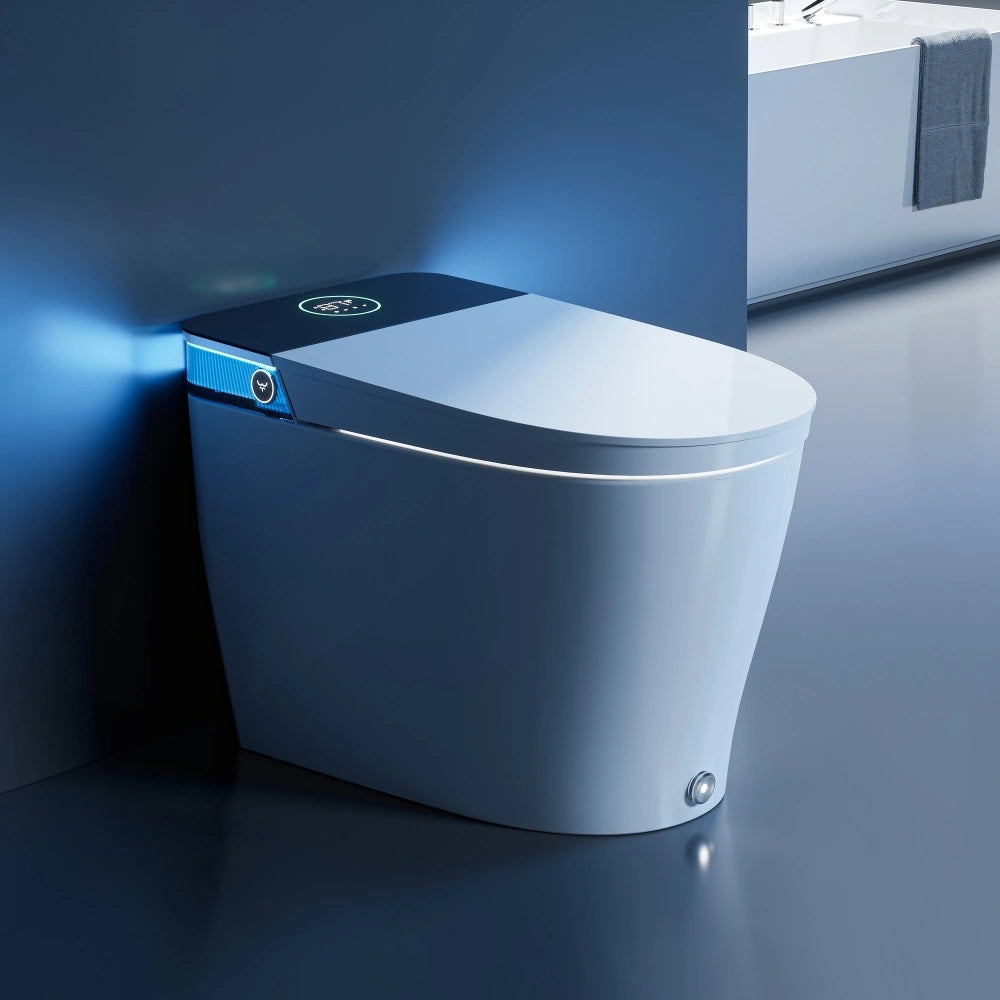
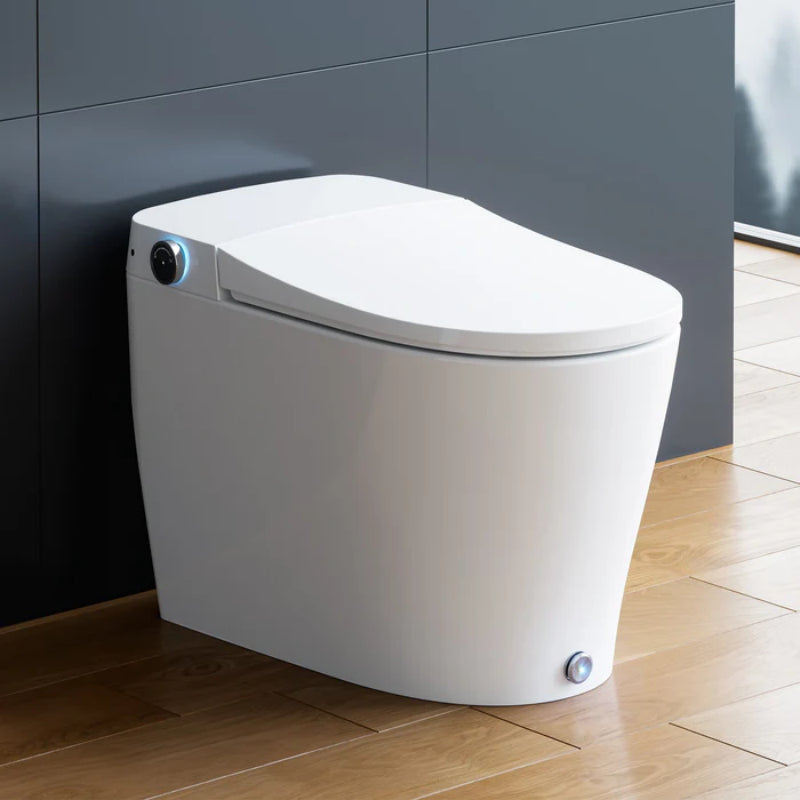
Bidet temperature safety for water bidet systems matters most when you need predictable, controlled warmth without risk of overheating. This is especially important for water bidet units with instant water heater or tank water heater configurations In homes with children, seniors, or sensitive skin, the priority is not comfort alone—it is maintaining a stable, moderate temperature that does not suddenly spike or drift. Adjustable controls, clear settings, and anti-scald protection help ensure the water stays within a safe range during real use.
In lower-risk setups—such as single users comfortable with cool water or homes in warm climates—temperature control becomes less critical. In those cases, the main concern is usually whether the system stays consistent and easy to manage, not whether it can reach higher warmth levels.
Who benefits most
Ensuring bidet temperature safety across different user groups is essential for household wellness.

Sensitive skin needs less heat
People often assume warm water is always gentler. That is only partly true. For sensitive skin, the safest temperature of the water is usually lukewarm, not hot. Understanding temperature sensitivity in skin care, a common comfort range for bidet use is about 30–38°C (86–100°F), but many people with irritation benefit from adjustable water temp for sensitive skin set to the lower end of that range.
This matters because hot water can make skin feel clean at first, then leave it dry, stingy, or more inflamed later. This is why adjustable water temperature settings that users to adjust the water temperature is crucial for conditions like eczema. Water can actually cause delayed irritation rather than immediate discomfort. That is a common regret. People buy warm water for comfort, then set it too high because “warm” feels nice in the moment. After a week or two, they notice itchiness or dryness and do not connect it to the heat.
According to AAD recommendations, if you have eczema, hemorrhoids, postpartum soreness, or easily irritated skin, temperature safety is less about luxury and more about control. You want a bidet with adjustable water temp for sensitive skin that stays low and steady—crucial for conditions like eczema and postpartum care. You do not want something that drifts hotter than expected.
Bidet temperature for seniors: steady warmth & easy controls
For some older adults, using cold water feels harsh enough that they stop using the bidet. Understanding senior skin care means recognizing when warm-water features genuinely improve personal hygiene and better hygiene rather than just comfort. In that case, warm water can improve real use, not just comfort.
Senior users often benefit from bidet installations with large, easy-to-read dials and mixing valve systems that prevent temperature shock. The key point for bidet temperature safety with seniors is that they need steady warmth, simple controls, and anti-scald limits. Fine motor issues, vision issues, or memory issues can make fussy controls a real problem. If the dial is hard to read or the temperature jumps too fast, that is a safety issue in practice even if the unit looks safe on paper.
The best bidet temperature settings for seniors are usually moderate, repeatable, and easy to return to. If every use requires fiddling, many people will either leave it in one setting for everyone or stop adjusting it at all.
Children need stricter limits
If children's use is a concern, this is where bidet temperature safety is most critical. The ideal water temp for children's bidet use is generally lower than what adults may enjoy, around 28–32°C (82–90°F). Kids have more sensitive skin and may not react fast enough if the water feels too warm.
Family sharing is where problems start. One person raises the setting for winter comfort. The next user is a child. Temperature sensitivity in children is higher, and they water can feel changes more acutely than adults. According to the U.S. Consumer Product Safety Commission, anti-scald features in smart toilets—especially in bidet seats—are not just marketing language. A hard upper limit, slow temperature changes, and easy-to-understand controls all reduce risk.
In short, if this is for family use, do not think only about your own preference. Think about the least cautious person using it.
The real risks: temperature vs comfort trade-offs in bidet use
The paradox is this: the sensation that feels best often creates the most risk.

Comfort can become irritation
Understanding bidet temperature safety becomes crucial when managing shared household use. A lot of homeowners focus on “warm water bidet vs cold water bidet for skin comfort” as if warm always wins. Real life is more mixed.
Water provides soothing sensations, yet water can actually cause irritation with overuse. Hot or cold water exposure varies—warm water may increase irritation, especially with frequent use. Some people who switch from toilet paper to using the bidet use it more often because warm water wash feels gentler. Hot or near-hot water may increase irritation, especially with frequent use. Some people who switch from toilet paper to a bidet use it more often because it feels gentler. That can be good, but If the setting is too hot, skin can get dry faster. Water also affects the cumulative effect of repeated exposure. It also means more water exposure. If the setting is too warm, skin can get dry faster than expected.
So, can hot water bidets irritate sensitive skin? Yes. Very easily, in some people. The safest habit is to start cooler than you think you need and adjust upward slowly if needed.
Warm-up delays frustrate daily use
This is one of the most common expectation gaps. Homeowners imagine instant comfort. In practice, many warm-water systems do not deliver a stable temperature immediately.
Temperature shock is common: A brief cold start, followed by warming, or a sudden shift from cool to warmer temperature of the water. Small fluctuations before the temp settles occur because the system needs time to balance water supply line flow and reach the set level.
This happens because the system needs time to balance incoming water and reach the set level. During this period, the output you feel is not yet stable.
Water quickly reaching the wrong temperature often results from over-adjustment rather than system failure. A common mistake is reacting too quickly:
-
The water feels cool → you increase the heat
-
A few seconds later → the system catches up and becomes hotter than expected
The safer approach is:
-
Wait a few seconds for the stream to stabilize
-
Then make gradual temperature adjustments if needed
Understanding this delay is key to bidet temperature safety. Without that patience, users may unintentionally create overheating situations caused by over-adjustment, not device failure.
Is a warm water bidet worth it?
For some households, yes. For others, no.
If your main reason is avoiding temperature shock, using cold water may be sufficient. If your main reason is comfort during recovery, temperature sensitivity skin care, or winter use, then unlimited warm water access often is worth the added complexity.
The question is less 'Is warm water bidet better?' and more 'Will my home actually use and manage the temperature within safe limits?
Daily setup realities
The first reality most owners encounter is simpler than temperature science but harder to ignore.

Controls matter more than expected
What people often wish they knew before choosing a warm water bidet for family use is that the control layout matters almost as much as the temperature feature itself.
A small dial with vague markings can be a daily nuisance. In shared bathrooms, settings drift. One person wants lukewarm water, another wants it warmer. Many cold water bidet users find that controls matter more than they expected for getting the right bidet water temperature consistency. A guest presses buttons out of curiosity. Then the next user gets a surprise.
If you care about bidet temperature safety, look for controls that make it obvious where low, medium, and high sit, and whether the setting stays consistent from one use to the next.
Pressure changes comfort too
According to EPA WaterSense standards, water pressure and temperature of the water interact—higher pressure makes even safe temps feel intense, while optimal pressure settings can reduce water waste.
Temperature does not act alone. Pressure changes how warm water feels. Higher pressure can make even safe temperatures feel more intense on sensitive skin. Lower pressure often feels gentler and gives you more margin for error.
This is why homeowners sometimes blame temperature when the real problem is the mix of heat and force. If you are trying to prevent burns with electric bidets or just avoid irritation, the safe approach is to lower both temperature and pressure first, then increase only if needed.
Will settings stay consistent?
This is a simple question, but in real homes, consistency is often the biggest challenge.
Several factors affect whether your “usual setting” actually stays the same:
-
Seasonal incoming water changes
Seasonal incoming water changes: In colder months, incoming water supply line temperature drops. Temperature plays a critical role in perceived warmth, and the same setting may feel colder.
-
Household usage patterns
In shared bathrooms:
-
One person adjusts for comfort
-
Another user inherits that setting
-
Settings gradually drift higher or lower over time
This is especially risky in families, where not everyone adjusts carefully.
-
Heater and valve response variation
Different systems respond differently:
-
Some take longer to stabilize
-
Some react more aggressively to small adjustments
-
Some vary slightly between uses
Over time, wear or mineral buildup can also make output less predictable, even if the control position looks unchanged. Over time, mineral buildup in water supply line components can make temperature output less predictable. Water can feel inconsistent from day to day even if controls appear unchanged.
What this means in practice:
A setting that felt “just right” last week may not be reliable today. For safety, it is better to:
-
Check temperature briefly before full use
-
Avoid assuming consistency based on dial position alone
In bidet temperature safety, repeatability matters more than the labeled setting. For safety, users to adjust the water temperature before full use, or bidet is used by someone other than the operator.
Long-term risks and upkeep
The longer you own a warm-water bidet, the more you realize that complexity has a cost.

Heater parts add failure points
Proper maintenance directly impacts sustained temperature range safety. Electric models add more parts involved in temperature control. Tank water heater and instant water heater systems differ in how water temperature can make differences in consistency. More parts usually means more possible failure points over time. Most of the time, that does not mean dramatic danger. It means drift, inconsistency, or a feature that stops working as expected.
This is one reason some people ask whether preventing burns with electric bidets requires more active maintenance than cold-water systems. In one sense, a non-electric cold-water setup avoids overheating risk because there is no heater. But “safer” can be misleading if the non-electric setup is connected to a hot water source without good control. What matters is not electric vs non-electric by itself. It is whether the system has a reliable way to limit water temperature.
Mineral buildup affects temperature
If you have hard water, mineral buildup can interfere with heaters, valves, and flow. Then the temperature may feel less stable, or the water may take longer to warm up. Homeowners often do not connect this to water quality at first. They just think the unit is getting worse.
This is one of those small maintenance issues that can turn a comfort feature into a hassle. If your home already struggles with scale buildup, expect the same maintenance attention needed for preventing burns with electric bidets and maintaining proper temperature control.
What happens if controls fail?
Anti-scald features in smart toilets like modern bidet toilet seat models are designed to prevent water from reaching unsafe temperatures. Water can feel dangerously hot without these safeguards even if something goes wrong. In daily use, this means:
-
Limiting maximum heat output
-
Reducing sudden temperature spikes
-
Protecting users from accidental overheating
This is especially important in shared households, where settings change and users may not check before use.
If controls begin to fail—whether by drifting, sticking, or responding inconsistently—the risk is not just inconvenience. The real concern is that:
-
Water may become hotter than expected without warning
-
Users may react too slowly, especially children or seniors
-
Repeated small drift can go unnoticed until discomfort or irritation occurs
Without effective anti-scald limits, a minor control issue can turn into a real safety risk during normal use, not just a technical fault.
For this reason, the priority is not how hot a bidet can get, but how reliably it prevents exceeding a safe range.
When it is unnecessary
Geography is often the first clue that you may not need the added complexity.
Warm climates reduce the benefit
In warm regions, many cold water bidet users find that cold water may feel fine most of the year. Find cold water acceptable, and the comfort gap shrinks.
Cold water may feel fine
Some homeowners expect cold water to be unbearable, then adjust within a few days. If your household is not especially sensitive and does not mind a quick cool rinse, bidet temperature safety may not need to be a major deciding factor because warm water may not be necessary at all. Using cold water may be sufficient for households that water provides acceptable hygiene without heating. Water availability at room temperature often works effectively than cold water alternatives in tropical climates.
Is this overkill for guests?
In a guest bathroom, it often is. Guests do not always understand the controls. They may avoid using the feature entirely. If the bathroom is not used by someone with specific skin or mobility needs, focusing heavily on temperature control can be more complication than value.
Before You Choose
-
Is anyone in the home a child, senior, postpartum, or prone to skin irritation?
-
Will people actually adjust settings carefully, or will one person leave it too warm?
-
Are you okay with occasional warm-up delay and some maintenance?
-
Does your climate make cold water acceptable most of the year?
-
Do you want comfort features, or do you want the fewest things to troubleshoot?
-
Does your household include seniors who would benefit from senior skin care and bidet use education?
FAQs
1. Is bidet water safe for sensitive skin?
Yes. Lukewarm water (around 30–38°C / 86–100°F), preferably on the lower end, is safest and least irritating. It helps avoid dryness, stinging, or inflammation that can occur with hotter water. For sensitive skin conditions, consistent low and stable temperature is more important than warmth.
2. Can a bidet burn you with hot water?
Yes. Excessively hot water can irritate or burn skin, especially with sensitive users. This risk increases if the temperature is not properly limited or adjusted. Anti-scald protection and gradual temperature control help prevent sudden overheating.
3. What is the safest temp for a child's bidet?
Around 28–32°C (82–90°F), with anti-scald limits to prevent overheating. Children are more sensitive to temperature changes and may not react quickly to discomfort. Keeping the range mild and stable ensures safer and more comfortable use.
4. Do smart toilets have anti-scald protection?
Yes. Many include temperature limits, gradual heating, and controls to prevent sudden hot water spikes. These features help maintain a consistent output within a safe range. They are especially useful in shared households where settings may be changed unintentionally.
5. How do I lock the temperature on my bidet?
Use models with temperature lock, preset modes, or child/lock functions to prevent adjustments. Some units allow you to save preferred settings so they remain consistent between uses. This reduces the chance of accidental changes in shared bathrooms.
6. Is warm water better than cold for seniors?
Yes, moderate warm water is often more comfortable and encourages consistent hygiene use for seniors. It can reduce discomfort associated with cold water and improve usability. However, the temperature should remain steady and within a safe, moderate range to avoid irritation.
Reference



Leave a comment
This site is protected by hCaptcha and the hCaptcha Privacy Policy and Terms of Service apply.