
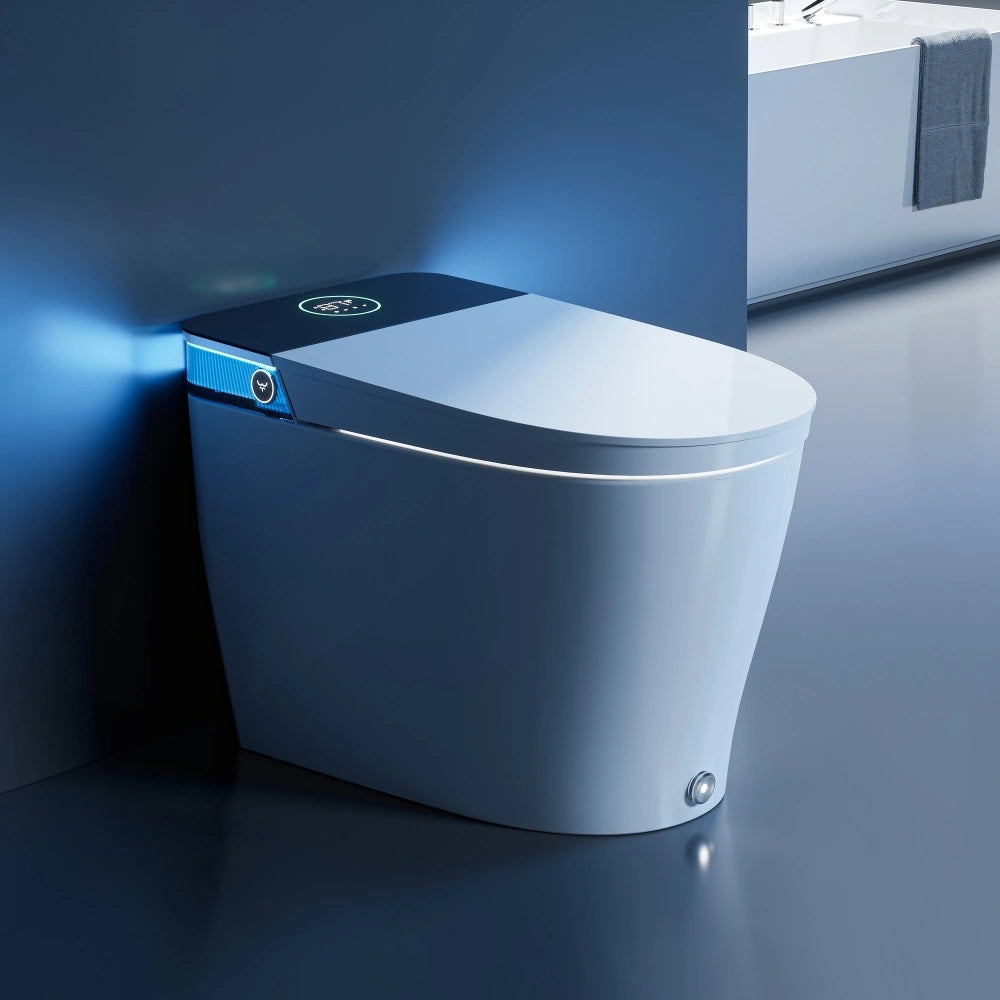
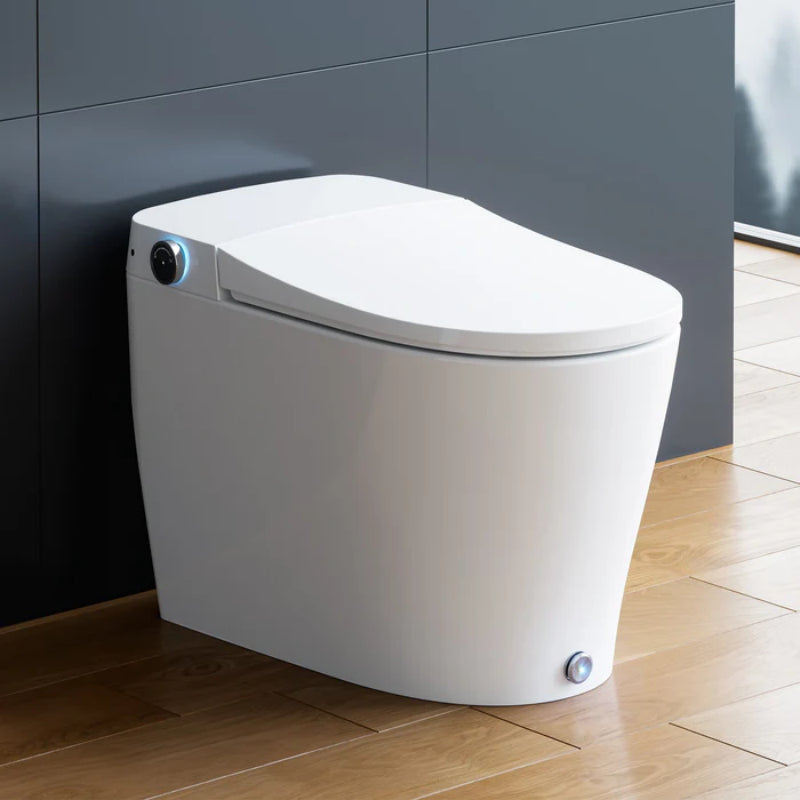
Japanese-style bidet toilets are increasingly popular in American homes, thanks to their comfort and better hygiene. That said, installing them in the U.S. bathrooms often creates a few practical hurdles.
Picking the right type is key. Whether you prefer basic attachments or complete smart toilets, there is a choice for every budget, space and lifestyle. This guide breaks down everything you need to know before you buy.
Short Answer
Many American bathrooms lack proper power outlets, sufficient space and compatible plumbing for Japanese toilets, so these practical hurdles are key to consider first. According to the National Fire Protection Association, bathrooms require GFCI-protected outlets near water sources to reduce shock risk. Even so, a Japanese toilet can still be a solid pick for homeowners seeking improved comfort and gentle cleaning.
For most U.S. homes, the smartest starting point is an electric bidet seat on an existing toilet, not a fully integrated smart toilet.
Pick a non-electric attachment if you have no power access and a tight budget, go with an electric bidet seat for standard retrofits, and opt for a full integrated smart toilet only during a full bathroom remodel.
When It Works Well
A Japanese-style toilet works well when the household will actually use the features often enough to justify the cost. This upgrade is best suited for four groups: homeowners open to minor electrical or plumbing work, people living in cold regions who prioritize everyday comfort, households supporting older family members or those with limited mobility, and anyone undertaking a full bathroom remodel or building a new home.
Many users find that the biggest day-to-day wins are not the flashy features. They are warm-water cleaning and a heated seat. In cold parts of the U.S., people often say the heated seat alone makes the upgrade feel worth it. Some even say they miss it whenever they travel.
This also works well if you want gentler hygiene than toilet paper alone. Users often describe feeling cleaner and less irritated. That comes up a lot with hemorrhoids, postpartum recovery, and older adults who find wiping difficult or painful.
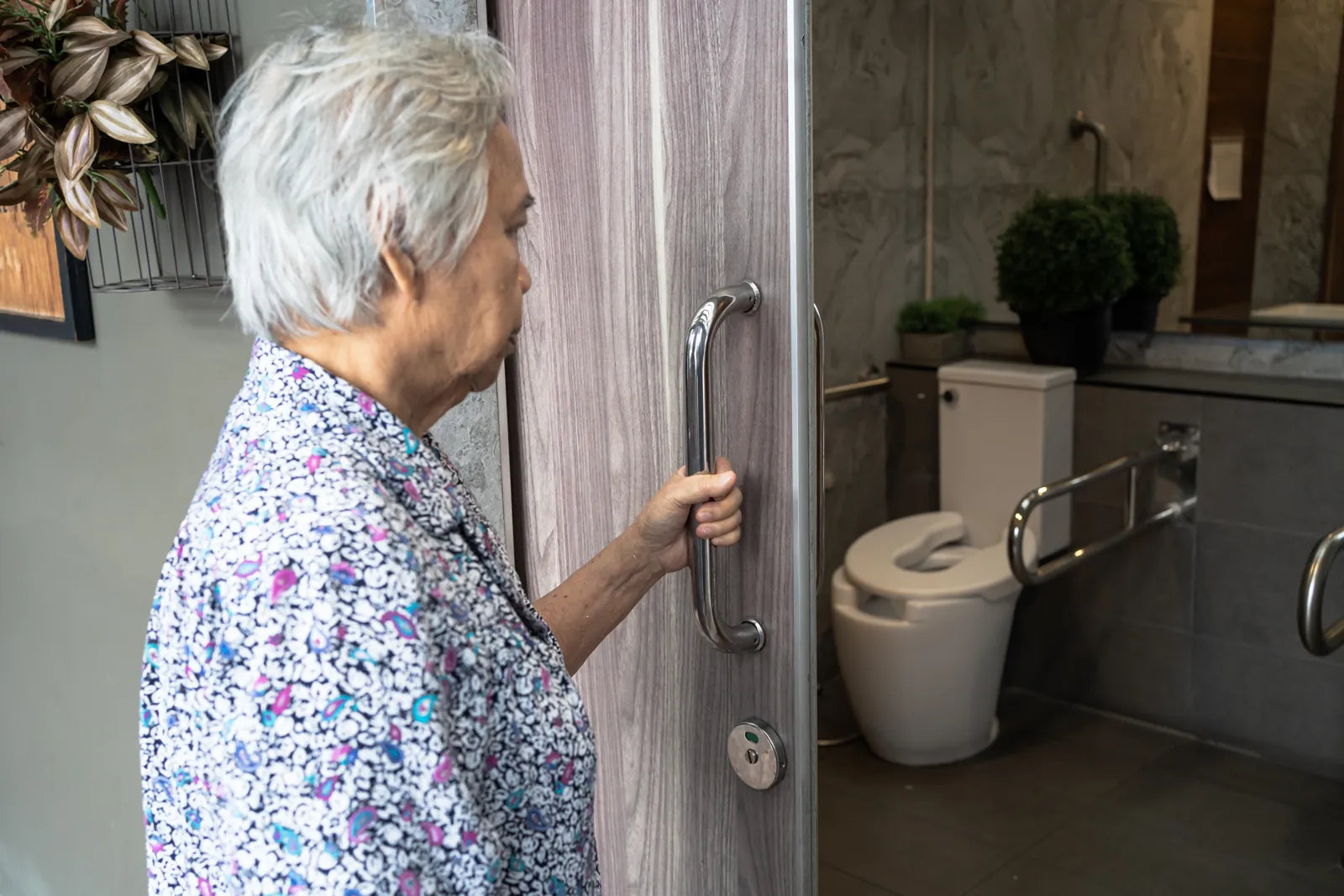
It is also a strong fit for aging in place. Families with older relatives, arthritis, or limited mobility often say a washlet-style seat helps people stay more independent. In that case, it stops being a luxury item and becomes more of an accessibility tool.
This works well if your bathroom already has, or can easily get, a nearby GFCI outlet. That single detail changes the whole experience. Without power, you lose many of the features that make Japanese toilets appealing in the first place: heated water, seat warming, dryer, deodorizer, and some control options.
For most homeowners in America, this works best as a bidet seat added to a standard toilet. That is usually the easiest way to get the “Japanese toilet” experience without a full remodel. It costs less, is easier to replace later, and usually avoids the biggest plumbing compatibility headaches.

Can I buy a Japanese toilet in the US?
Yes, you can buy a Japanese toilet in the U.S., including bidet seats and full smart toilets. In practice, though, many American buyers do better with Japanese-style bidet seats from brands with U.S. support, such as Toto, or major U.S.-market brands rather than obscure imported models.
That matters because the purchase is only part of the story. Parts, warranty support, and repairs are much easier when the brand already has a service network in America.


When “HOROW smart toilet options for Japanese-style toilets in America” points toward a product change, HOROW Japanese-style toilet options shows the current range without replacing this page's informational role.
The “HOROW smart toilet options for Japanese-style toilets in America” guidance comes first; HOROW smart toilets is the commercial page for comparing current models.
When It May Not Be Ideal
Not ideal if you are expecting a simple swap with no extra work.
A common issue is no nearby GFCI outlet. Many U.S. bathrooms were never designed with powered toilet seats in mind. What looks like a quick upgrade can turn into an electrical project with wall work, added labor, and code questions.
Not ideal if you are buying the most advanced smart toilet for a small bathroom. In small bathrooms, seat length, lid overhang, and door swing matter more than many buyers expect. Some Japanese-style seats and one-piece units are larger than the existing toilet setup allows.
This may also be a bad fit if you are in very hard water and do not want to maintain it. Mineral buildup is one of the most repeated complaints. Spray nozzles and valves can clog over time, and some owners regret not adding filtration or a softener.
It is also not ideal if you dislike gadget upkeep. These are not always “set it and forget it” fixtures. More electronics means more possible failures: sensors, remotes, pumps, heaters, and drying functions. If you already hate troubleshooting appliances, a smart toilet may annoy you more than it helps.
Budget matters too. Many users think the toilet itself is the major expense, then regret the full project cost after adding electrician and plumber visits. That is one of the most common regret patterns in the U.S. market.
If you rent, the choice is narrower. A removable seat or attachment can work. A full toilet replacement usually does not. You may also run into issues with mismatched rough-in dimensions, hard-to-reach shut-off valves, or restrictions set by landlords, condo rules or HOA guidelines.

Pros and Cons
These fixtures deliver clear everyday benefits, but they also come with notable drawbacks to weigh before deciding.
Pros
-
Better comfort and cleaning: Many users feel cleaner and less irritated than with toilet paper alone.
-
Heated seat and warm water: These are often the features people value most in daily use.
-
Helpful for mobility limits: Older adults and people with arthritis often find them easier to use independently.
-
Less toilet paper use: Many households use much less paper, often just to pat dry.
-
Extra quality-of-life features: Deodorizers, soft-close lids, and night lights can make the bathroom feel more comfortable.
-
Good in colder climates: Warm seat and water matter more in winter than many first-time buyers expect.
Cons
-
High upfront cost: Full smart toilets can cost thousands, and even good electric seats are not cheap.
-
Installation complexity: A common issue is needing both a plumber and an electrician.
-
Outlet requirement: Many U.S. bathrooms do not have a practical power source near the toilet.
-
Water quality sensitivity: Hard water can shorten lifespan and reduce cleaning performance.
-
More maintenance and repair risk: More features also mean more failure points.
-
Guest confusion: Some visitors avoid using them because the controls feel unfamiliar.
-
Fit and space problems: Seat shape, bowl size, and room layout can cause trouble.
-
Power outage limits: Some models still flush manually, but bidet functions may stop working.
Real-World Considerations
Getting the installation right is the first critical step, so let’s start with what to check before you shop.
Installation is where many buying decisions go wrong
If you are adding one to an existing American bathroom, start by checking these key details:
-
Is there a GFCI outlet near the toilet?
-
Does your toilet have a round or elongated bowl?
-
Is there enough clearance so the seat and lid can open freely without touching doors or walls?
-
Do your toilet’s rough-in measurements match the new fixture?
-
Can you easily access the water shut-off valve?
For most U.S. homes, the safest advice is: start with a bidet seat rather than a full smart toilet. Full one-piece Japanese toilets make more sense during a remodel or new build, when electrical and plumbing can be planned from the start.
Elongated seats fit many modern American toilets and are often more comfortable. But buyers do regret getting the wrong size. A common issue is assuming a seat “fits most toilets” when the actual bowl shape does not match well.

Do you wipe after a Japanese toilet?
Usually, yes—but much less.
In daily use, many people still use a small amount of toilet paper to pat dry, especially if the unit does not have a dryer or if the dryer is too slow for their taste. A dryer can reduce paper use more, but some users still prefer a quick pat dry because it is faster.
That means the idea is not “never use toilet paper again.” It is more like using far less paper than before.
Daily usability matters more than showroom features
A lot of people like these toilets after a short learning curve. Many skeptical guests become converts once they actually try one. But that does not mean every feature is equally useful.
A common issue is confusing controls. If the remote has many buttons, guests may ignore it or press the wrong thing. This is one reason some owners regret putting the most complex smart toilet in a guest bathroom.
For households with older users, extra features can help—but only if the controls are clear. Night lights, auto-open lids, and stronger wash options can be useful. But too much complexity can create friction instead of comfort.
Maintenance is real
Many guides focus on self-cleaning nozzles, but owners often learn that maintenance still matters.
You may need to:
-
clean around hinges and crevices
-
descale parts if you have hard water
-
replace filters or deodorizer parts on some models
-
deal with slower repairs if specialized parts fail
This works well if you are on city water or softened water. Not ideal if you rely on a hard-water well and do not want to install filters.

Long-term expectations should stay realistic
Do not assume a Japanese toilet will raise resale value enough to justify the cost. For most homeowners, the value is mainly personal daily comfort, not a strong resale upgrade.
Also, the most expensive model is not always the best choice. Many users regret going too cheap on a cold-water unit they barely use in winter. But others regret overspending on features they rarely touch.
The middle ground is often best: a well-supported electric bidet seat from a known brand.
Who Should Buy / Who Should Skip
Use these clear pointers to decide if this upgrade fits your home and needs.
You should buy it if:
-
You are a homeowner willing to add an outlet or make small plumbing changes
-
You want warm water and a heated seat, not just a basic spray
-
You live in a colder climate
-
Someone in the home has mobility issues, arthritis, hemorrhoids, or postpartum sensitivity
-
You are comfortable with light maintenance and occasional troubleshooting
-
You can buy from a brand with U.S. parts and service support
-
You plan to stay in the home long enough to enjoy the upgrade
You should skip or choose a simpler option if:
-
You rent and cannot change wiring or plumbing
-
Your bathroom is very small or the door barely clears the toilet
-
You have very hard water and do not want filters or regular descaling
-
You want a simple fixture with minimal upkeep
-
Your budget is tight and the extra comfort does not justify the cost
-
You are considering a cheap off-brand smart toilet with unclear warranty support
Decision Summary
For most homeowners, a Japanese toilet in America is good if you want daily comfort, better hygiene, and are willing to handle the installation and maintenance realities. The best starting point is usually an electric bidet seat on your existing toilet, not a full smart toilet.
If you need warm cleaning, a heated seat, and better accessibility → good choice. If you care more about low cost, zero complexity, or avoiding electrical and hard-water issues → consider a simple attachment or stick with a standard toilet.
References


Leave a comment
This site is protected by hCaptcha and the hCaptcha Privacy Policy and Terms of Service apply.