
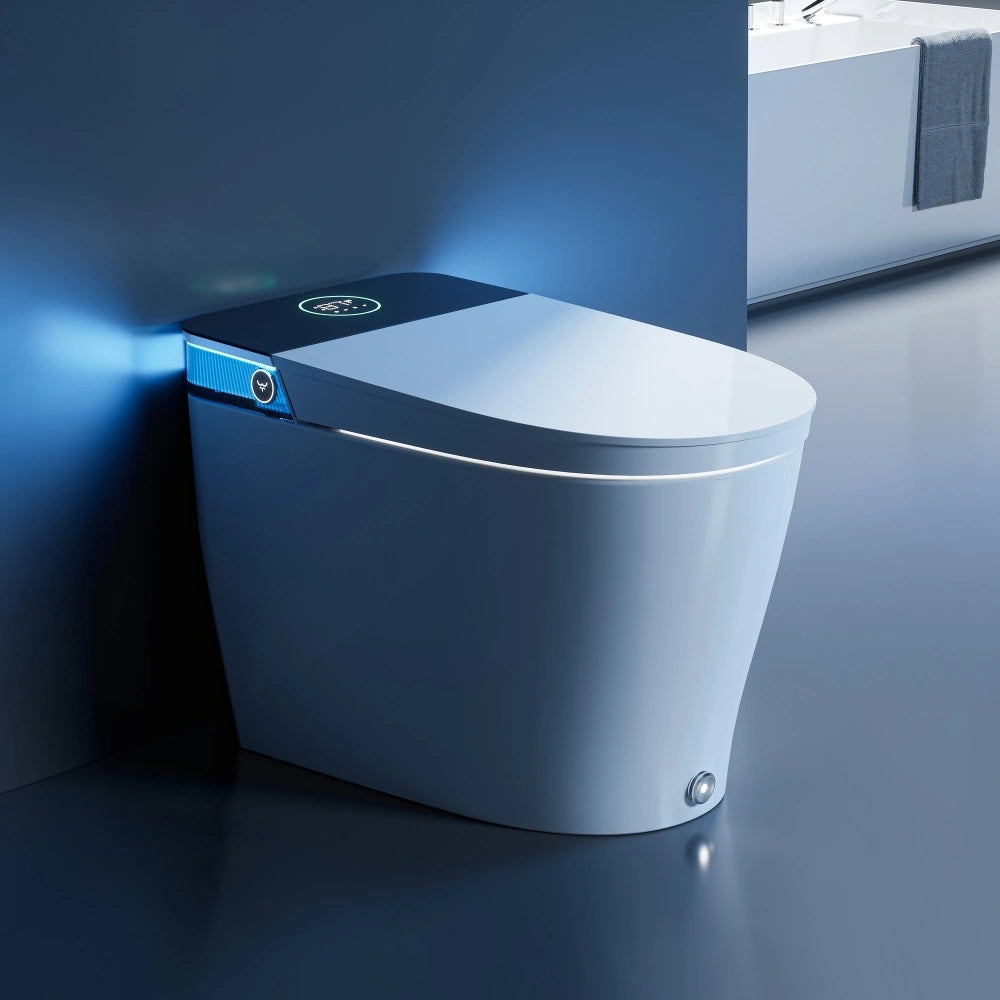
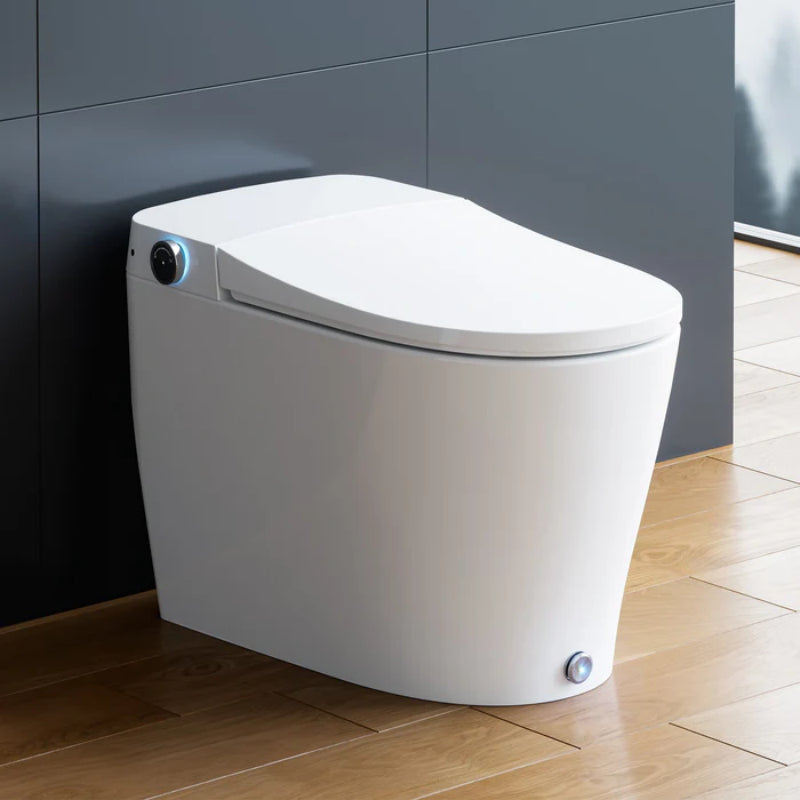
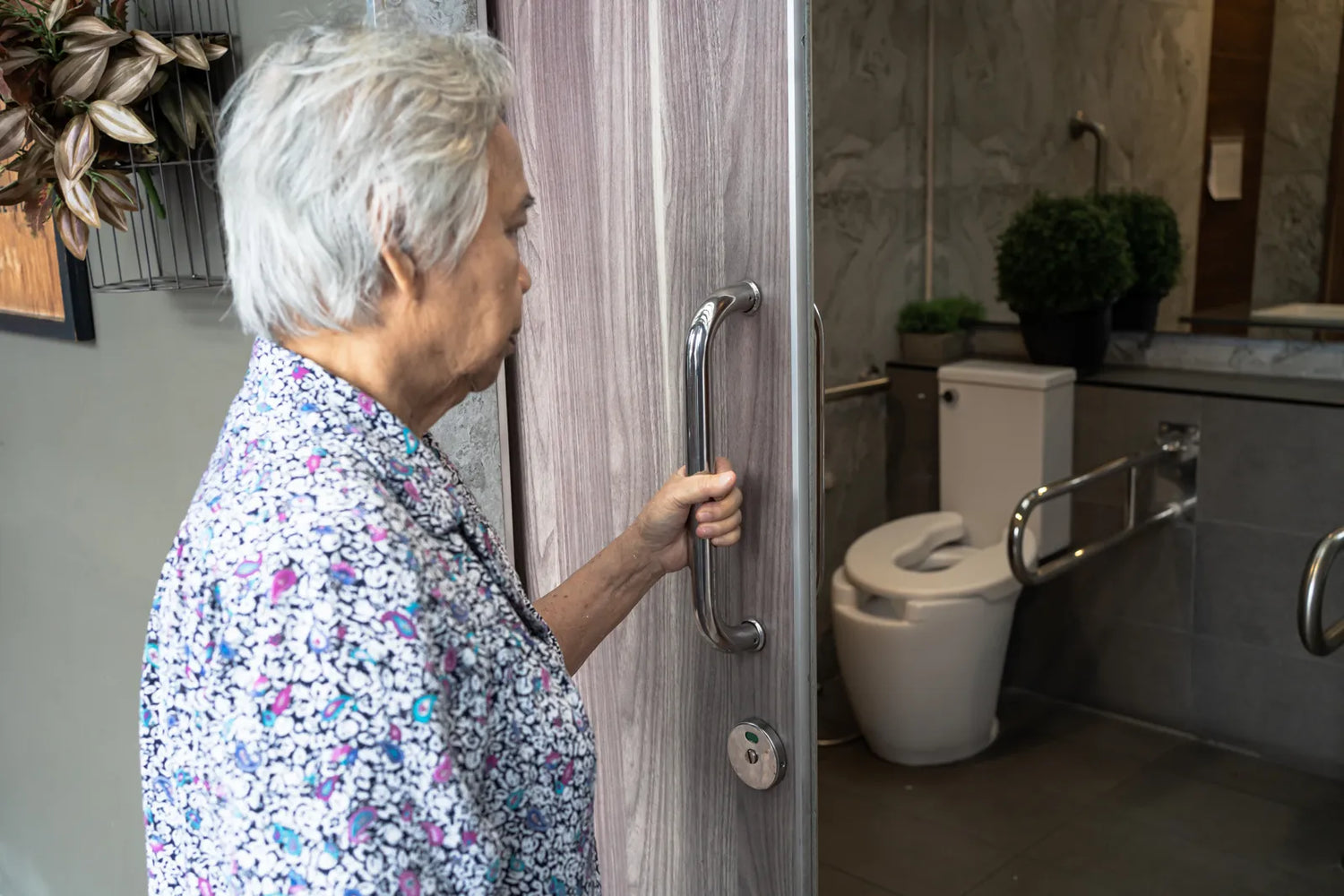
Shopping for a senior-friendly bidet toilet? We break down top options with heated seats, simple controls and user-friendly designs tailored to older adults’ daily needs.
Quick Answer
For most older adults, the best bidet toilet for seniors is usually an electric bidet seat on a standard comfort-height toilet, not a full smart toilet. If the senior has trouble wiping because of arthritis, hip pain, limited flexibility, or shoulder problems, choose an electric model with warm water, gentle pressure, a dryer, and easy side controls. If you just want a low-cost trial and the person can still wipe on their own, a basic attachment can work. If you are already remodeling for aging in place, a full integrated bidet toilet makes more sense.
Decision Snapshot
Here’s the short version most families need.
First Filters: Quick Threshold Checks to Narrow Your Choice
-
Can the user wipe or pat dry independently? → Yes = Basic attachment; No = Electric bidet seat or integrated toilet
-
Can they reliably follow controls, and do they not get startled easily? → Yes = Standard electric seat/smart toilet; No = Simplified attachment or basic electric seat
-
Is there a nearby electrical outlet, or can power be added easily? → Yes = Electric seat / integrated toilet; No = Non-electric attachment
-
Does the bathroom layout leave space for a side control panel? → Yes = Side-control electric seat; No = Remote seat, slim attachment or integrated toilet
Best for arthritis and reaching limits
If the older adult struggles to twist, reach, or wipe well, choose an electric bidet seat. The useful features are warm water washing, adjustable nozzle position, gentle pressure, and a dryer that reduces how much wiping is still needed.
Choose simpler options for tech resistance
If the senior dislikes gadgets, gets confused by remotes, or only needs a little cleaning help, choose a basic attachment or a very simple electric seat. In real homes, too many buttons often means the bidet gets ignored.
Choose full toilets for aging-in-place remodels
If you are already replacing the toilet and planning for long-term independence, choose an integrated bidet toilet. This works best when you also want comfort height, a cleaner look, and fewer hoses or add-on parts.
Skip smart models for dementia risk
If the user has dementia, gets startled easily, or cannot remember steps, skip feature-heavy smart models. A simpler setup is often safer and more usable than a premium unit with many modes.
Older buyers often ask three basic questions: are bidets good for older people, what is the best toilet for the elderly, and can a bidet help someone stay independent longer? A good bidet setup can support healthy aging by reducing twisting, wiping strain, and bathroom hygiene stress. But the type matters. The wrong one can become an expensive gadget no one uses.
Best bidet toilet options for seniors
The biggest mistake people make is shopping by features instead of by limitation. Start with the problem the senior actually has.
Is the problem light cleanup after bowel movements? Is it painful reaching? Is it poor balance? Is it hand arthritis? Is it sensitive skin? Those answers point you toward the right type much faster than a long spec sheet.
Seat vs Attachment vs Integrated Toilet
For most homes, the middle option wins. A bidet toilet for seniors with mobility issues does not need to be a whole new toilet. An electric seat gives most of the benefit with less cost and less disruption.

Warm water and dryers change independence
This is where real use separates from wishful thinking.
A lot of seniors will try cold water once and then stop. That is even more true for frail older adults, people who are often cold, and those who already feel uneasy about the idea. So if you are buying for a parent or spouse who needs daily help, a bidet toilet for seniors with warm water washing is usually worth the extra cost.
The dryer matters too, but with a caveat. Most dryers do not leave the user perfectly dry in a few seconds. They usually get the person mostly dry. If the senior cannot wipe or pat dry reliably, a non-electric attachment is usually the wrong choice, and a functional dryer becomes a primary requirement for full independence—not just an extra luxury. For someone with mild shoulder pain, partial drying may be enough. For someone who cannot reach it at all, the dryer is essential to reduce reliance on manual wiping.
So, can a bidet toilet help seniors with hygiene difficulties? Yes, often in a big way. But if the goal is near-total independence, cold-water attachments usually fall short.
Side controls beat remotes for many seniors
For elderly users, easy-to-use controls matter more than having the most features.
In practice, many older adults do better with fixed side controls than with a remote. Why? Because the controls are always in the same place. They do not get lost. They are easier to remember. And there is less chance that someone presses the wrong button and gets startled.
Remotes can still work well in some bathrooms, especially if a side panel would hit a wall, grab bar, or vanity. But for a senior with arthritis, mild memory issues, or poor vision, large labeled buttons on the side are often the safer choice.

Height and fit decide comfort
The best bidet toilet height for seniors is usually the same range recommended for many older adults: comfort height, often around 17 to 19 inches including the seat. That height makes sitting down and standing up easier for many people with knee pain, weakness, or balance concerns.
That said, taller is not always better. Some shorter seniors feel less stable if their feet do not rest flat on the floor. If the bidet seat adds height and the person’s feet dangle, a small footstool may help. Stability matters more than the trend toward extra height.
If someone asks, “What is the best toilet for the elderly?” the practical answer is usually this: a comfort-height toilet with a simple electric bidet seat. It gives easier transfers and better hygiene without forcing a full remodel.

Which differences actually matter?
A lot of product pages focus on extras. Most families should focus on four simple questions.
Can it replace wiping?
This is the first question.
If the senior still has enough flexibility to pat dry or do light wiping, a basic attachment may be enough. If they cannot reach behind well, have severe arthritis, had shoulder surgery, or have a larger body that makes wiping hard, they usually need an electric seat with warm water, nozzle adjustment, and a dryer.
This is where many people waste money. They buy a cheap attachment hoping it will solve a serious hygiene problem. Then they realize the user still has to wipe a lot, so the real problem remains.
A smart toilet for elderly users with arthritis should reduce hand strain, not just spray water.
Will cold water stop daily use?
For some households, cold water is acceptable. For many seniors, it is the reason the product gets abandoned.
If the user is cold-sensitive, anxious about new routines, frail, or recovering from surgery, skip the cold-water trial unless budget leaves no other option. In fact, one of the most common regrets is, “We bought the cheap cold one and they never used it.”
A heated seat bidet toilet for older adults also helps at night. That sounds like a luxury until you live with an older parent who dislikes cold bathroom surfaces and starts avoiding the new device.
Will controls confuse the user?
This matters more than many buyers expect.
The best setup for aging in place is often not the fanciest. It is the one the person can use half asleep at 2 a.m. without thinking. Large buttons. Clear labels. A visible stop button. Gentle default settings.
That is why many families choose smart toilet features that help seniors stay independent based on simplicity, not on novelty. Useful features are warm wash, gentle pressure, dryer, seat heat, and easy controls. Less useful for many seniors are complex presets, motion features that surprise them, or tiny remote icons.
Will the bathroom layout fight the install?
A good product can still be the wrong choice if the room is too tight.
Measure the toilet shape. Check whether it is round or elongated. Check the distance to the tank. Check where the electrical outlet is. If side controls collide with walls, vanities, grab bars, or block walker/transfer clearance, select a remote-controlled electric seat, a slimmer non-electric attachment, or a fully integrated bidet toilet instead. Think about walkers, canes, grab bars, and door clearance.
This is especially important for a bidet toilet for seniors with limited flexibility. If they already move carefully, the bathroom should not ask them to twist around a bulky side panel or step over a visible cord.

When electric seats are better
This is the category most people should start with.
Mobility issues make adjustability worth it
A bidet toilet for seniors with mobility issues needs to work even when the person cannot shift their body much. Electric seats usually let you adjust spray position and pressure. That matters more than it sounds.
A fixed spray sounds fine until the user has stiff hips, back pain, or limited trunk movement. Then a small adjustment can be the difference between “works great” and “not useful at all.”
For disabled seniors, adjustability should be one of the first features to prioritize.
Warm wash helps sensitive older adults
Older skin can be more sensitive. So can tissue affected by hemorrhoids, irritation, or frequent wiping. Gentle warm wash often feels much better than strong cold spray.
This is also where people ask if a bidet is good after surgery. But the person should still follow their surgeon’s instructions, use gentle settings, and make sure sitting position and transfers are safe. The key point is that many people find a bidet easier than wiping during recovery because it asks less from the hips and shoulders.
Dryers reduce caregiver help
A dryer is not magic, but it can reduce the amount of manual cleanup left. For caregivers, that can mean less hands-on wiping. For seniors, it can mean more dignity and privacy.
If the whole point is to support independent toileting, this is one of the few features that changes the outcome in daily life. That is why an electric model often makes more sense than a cheap attachment to serious hygiene limits.
Is a remote too hard to manage?
Sometimes yes.
If the bathroom is cramped, a remote may be easier than a side panel. But if the user loses things, forgets button meanings, or has vision trouble, a side control is usually better. A smart toilet for seniors with a comfort-height seat is only helpful if the controls are easy to find and use every day.
When alternatives make more sense
Electric seats are not always the right answer.
Cleaning Burden Factor
Consider who will regularly clean the bidet unit. If daily deep cleaning will fall on a caregiver or the senior themselves, bulky electric seats and exposed add-on attachments create extra work. In this case, opt for a streamlined integrated bidet toilet with fewer external parts.
Transfer Style & Accidental Button Bumps
For users who rely on side transfers while sitting or standing, protruding side controls on electric seats risk accidental button presses and safety disruptions. Choose a remote-controlled seat or integrated toilet to avoid unintended activation.
Tight budgets favor basic attachments
If budget is very limited and the senior mainly wants a cleaner feeling, not a full replacement for wiping, an attachment is a fair place to start.
This is the clearest budget case for choosing a basic attachment or bidet seat instead of a full bidet toilet. If the older adult still has decent hand use and can dry themselves, there is no reason to overspend.
But be honest about the goal. If the need is serious hygiene help, the attachment may end up being a temporary step, not the final answer.
No outlet changes the answer fast
Many people decide on an electric seat and only later notice there is no outlet near the toilet. At that point, the real choice becomes: pay for electrical work, choose a non-electric model, or rethink the bathroom plan.
If adding a proper bathroom outlet is practical, have a licensed electrician quote the work. If not, and the bathroom is rented or hard to modify, an attachment may be the most realistic answer.
Remodels justify integrated toilets
If you are replacing flooring, toilet, outlets, and maybe adding grab bars, it can be efficient to choose an integrated bidet toilet from the start.
This also fits buyers looking for the best smart toilet for aging in place. In that setting, a full toilet can combine comfort height, easy cleaning, and a more stable feel in one package.
When a smart toilet is not suitable
This matters and many guides skip it.
Smart toilets with extensive feature sets aren’t a practical pick for specific users and households. They’re ill-suited for seniors who grow confused by multi-step operation sequences, get startled by automatic motion or operating noises, or struggle with shifts to daily routines, as well as residences prone to regular power outages; for these circumstances, a basic electric bidet seat or straightforward non-electric bidet attachment serves as the far simpler alternative.
So, when is a smart toilet not suitable for elderly users? When mental load, surprise, or complexity is more of a problem than wiping itself.
What buyers regret most
These regrets show up again and again because they affect real use.
We bought cold water and they quit
This is probably the most common one. It saved money at checkout but failed in daily use.
If the person already dislikes the idea of a bidet, cold water gives them one more reason not to adapt. Warm water removes a major barrier.
We chose features over simple buttons
Families often buy the “best” model on paper and forget the user needs confidence, not options. If every wash mode has a symbol instead of words, or the remote looks like a TV remote, the bidet may sit there unused.
For elderly users who need easy-to-use controls, simplicity usually matters more than feature count.
We ignored toilet shape and height
Round versus elongated matters. Tank clearance matters. Seat height matters. So does whether the added seat changes posture.
A best bidet toilet height for seniors choice is not just about standing up easier. It is also about stable sitting, feet on the floor, and comfort during the wash.
Will it still work during outages?
This is easy to overlook. If power goes out, the toilet still flushes in many setups, but bidet features may stop. If the user depends on the bidet for hygiene, think about what the backup plan is.
That could mean keeping supplies nearby, having another bathroom with a simple attachment, or making sure caregiver support is available during outages.
Final Verdict
Most seniors should start with an electric bidet seat on a comfort-height toilet because it gives the best balance of hygiene help, comfort, price, and easy retrofit. Choose a basic attachment only if the user still wipes on their own, the budget is tight, or the bathroom cannot support power. Choose an integrated bidet toilet during a remodel or long-term aging-in-place project, not as the default first step. Pick the option that improves independence with the fewest daily steps, not the one with the most features.
Before You Buy
Use this quick checklist before ordering:
-
Check if the toilet is round or elongated
-
Measure seat length and tank clearance
-
Confirm there is a nearby GFCI outlet, or price the electrical work
-
Decide if the user needs warm water and a dryer, or just basic washing help
-
Choose side controls or remote based on vision, memory, and bathroom space
-
Check seat height and whether feet will rest flat on the floor
-
Think about cords, walkers, grab bars, and door clearance
-
Make sure the user can follow the control steps comfortably
FAQs About Bidet Toilets for Seniors
Are bidets good for older people?
Yes, often very much so. They can reduce wiping strain, improve hygiene, and support more independent toileting for older adults with arthritis, limited reach, or balance problems.
What is the best toilet for the elderly?
For many homes, it is a comfort-height toilet with an easy-to-use electric bidet seat. That setup improves both transfers and hygiene without requiring a full luxury smart toilet.
Can a bidet help after hip replacement?
Often yes, because it may reduce twisting and reaching. But recovery rules vary, so the person should follow their surgeon’s guidance and use gentle settings.
Is a bidet seat better than a full bidet toilet?
Usually yes for most buyers. A bidet seat costs less, is easier to replace later, and gives most of the same day-to-day benefits. A full bidet toilet makes more sense in a remodel.
What controls are easiest for seniors?
Large labeled side buttons are usually easiest. They are simpler to find and remember than small remotes with many icons.
References


Leave a comment
This site is protected by hCaptcha and the hCaptcha Privacy Policy and Terms of Service apply.