



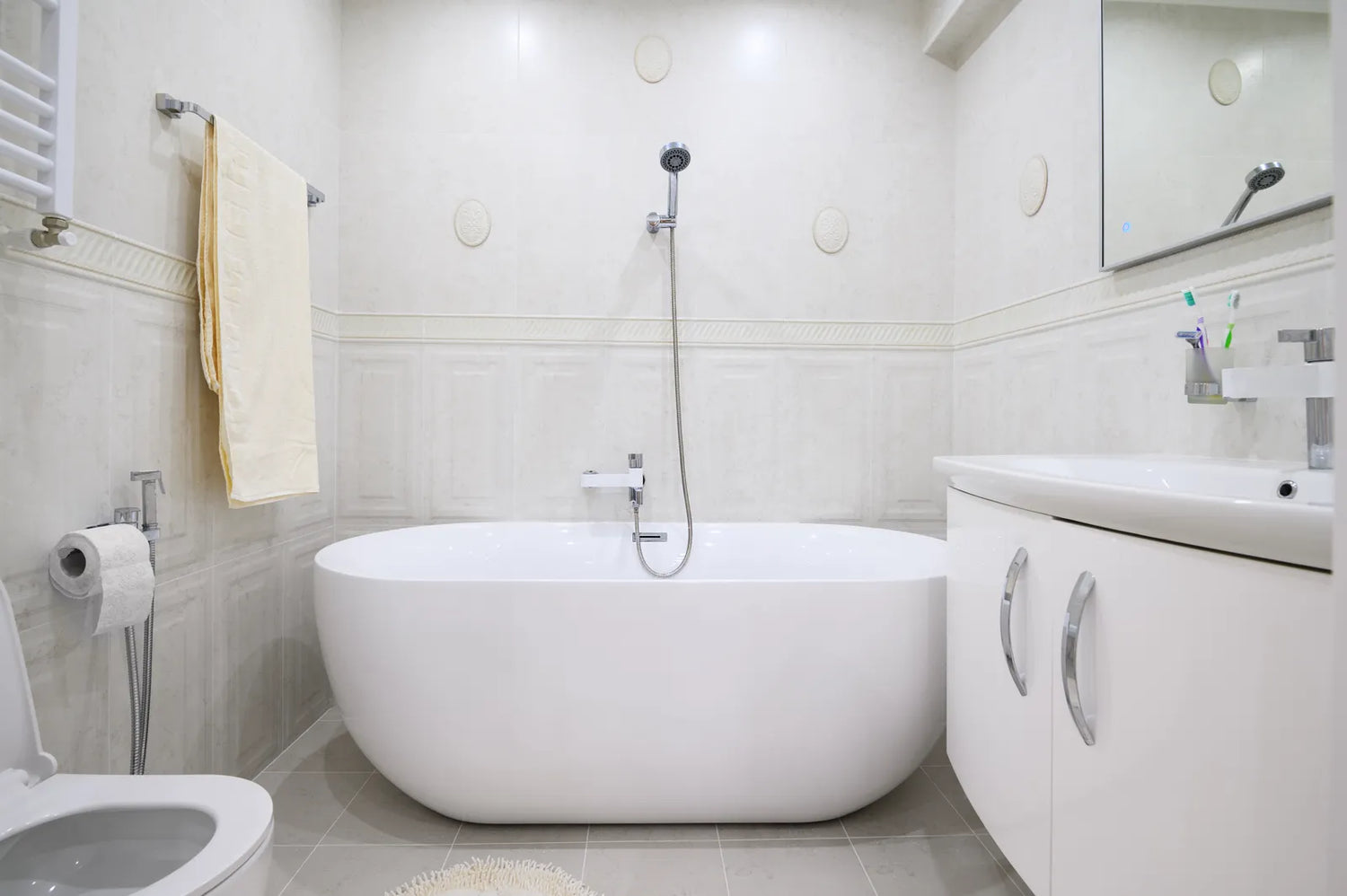
Acrylic tubs are popular for a reason: they feel warmer than many other tub surfaces, look clean when new, and are pleasant to use. The problem is that hard water changes the ownership experience more than many homeowners expect. According to the U.S. Geological Survey (USGS), hard water contains high levels of dissolved calcium and magnesium, which can leave mineral deposits (scale) on plumbing fixtures, appliances, and surfaces as the water evaporates.
If you live in a hard-water area, this is less about one ugly stain and more about whether you want a tub that asks for gentle, regular upkeep to stay nice.
Decision Snapshot
Choosing an acrylic tub isn’t just about style—it’s about how your home’s water and your cleaning habits match up with the material. The next few points give a quick snapshot of when acrylic shines, when it struggles, and where it might demand more effort than you’re willing to give.
Good fit for soft-water homes
Acrylic tubs tend to work well if your water is fairly soft, you already wipe down wet surfaces, and you’re realistic about using only gentle cleaners. In that kind of home, the tub’s smooth finish is easier to keep shiny and clean.
Risky in hard-water homes
If your water leaves white crust on faucets, shower glass, or kettles, acrylic can become frustrating. Hard water can dull the finish, leave mineral rings, and make the tub look older faster than expected. The softer surface also means scratches can trap more buildup over time.
Skip if upkeep feels unrealistic
If you know you won’t dry the tub often, clean weekly, or stay patient with slow-acting non-abrasive cleaners, this is where regret starts. In real homes, many people don’t mind the tub itself — they mind the routine it demands.

Impact of hard water on acrylic tubs: what damage shows up first?
Acrylic tubs tend to show damage in three distinct stages. First, a removable surface mineral film from hard water often appears as a cloudy layer or light calcium buildup—these deposits can usually be cleaned away with gentle, non-abrasive methods. Next, finish wear from abrasive cleaning or scrubbing can roughen the acrylic surface and cause more serious damage to the acrylic, making it easier for minerals to stick and dulling the finish. Finally, staining, yellowing, or cloudiness may develop over time; this kind of damage is often only partially reversible, even with repeated cleaning, because the acrylic’s protective surface may be compromised.
Dullness starts before deep stains
Many homeowners expect hard water damage to show up as obvious white spots or yellow marks first. In practice, the finish often loses its shine before it looks badly stained.
Does hard water dull the finish of an acrylic tub? Yes, often. Mineral deposits sit on the surface and create a cloudy look. At first, it may seem like normal soap scum. Then the tub starts looking tired even right after cleaning.
This matters because people keep scrubbing harder to bring back the shine. That’s where the cycle gets worse. Acrylic is softer than many people assume, so “just scrubbing it clean” can do more harm than good.
Scratches trap more minerals
This is one of the biggest expectation gaps. Homeowners often think hard water is the only issue. It isn’t. The bigger issue is what happens when hard water meets a surface that scratches easily.
A rough sponge, abrasive powder, scrub pad, or even repeated aggressive cleaning can leave micro-scratches. Those tiny marks trap mineral residue and soap film. So the tub gets harder to clean, which leads to more scrubbing, which makes the surface rougher.
That’s how hard water damages acrylic tub surfaces over time in many homes: not through one dramatic event, but through a slow mix of deposits, abrasion, and repeat cleaning.
Once the surface of your tub is roughened, even cleaners that are specifically formulated for acrylic surfaces may struggle because residues can actually bond with the acrylic. Always choose cleaners that are safe for acrylic tubs or specifically for acrylic, and ensure any product you use on acrylic will not scratch or chemically harm the surface. Soap scum, grime, mold, and even bacteria can cling to tiny scratches and micro-abrasions, making the tub feel persistently “dirty” even after normal cleaning. The more the surface is roughened, the harder it becomes to get it truly clean without professional refinishing.
Can stains become permanent?
Yes, bathtub stains caused by hard water can become permanent over time, especially when buildup sits for long periods or the finish is already compromised. In some cases, yes — especially when buildup sits for long periods, when the finish has already been scratched, or when well water adds iron and other minerals into the mix.
People often assume all hard water stains will come off with vinegar or a tub cleaner. Sometimes they do. But once the finish turns rough, cloudy, or yellowed, full restoration gets harder. At that point, the tub may never return to its original look without professional refinishing.
So if your question is, “How bad can this really get?” — bad enough that some owners wish they had known maintenance would be this strict from the start.
It’s important to recognize the limits of DIY cleaning. Once the tub surface is rough, cloudy, yellowed, or heavily worn, repeated home treatments—no matter how gentle—are unlikely to fully restore its original shine. At this stage, professional acrylic refinishing may be the only way to partially recover the tub’s appearance, and even then, a perfect finish may not be guaranteed.

Daily upkeep most people underestimate
Even tubs that look low-maintenance can demand more daily attention than most people expect. The next section breaks down why small habits—like wiping down water spots and keeping up with weekly cleaning—make a bigger difference than scrubbing, and when acrylic tubs in hard water homes start to feel high-maintenance.
Drying matters more than scrubbing
If you want the best way to keep an acrylic tub looking clean in hard water homes, it usually isn’t stronger cleaner. It’s less water left behind.
Drying the tub after use, and occasionally using warm water to rinse the tub, helps stop minerals from drying onto the surface.
In practice, a quick wipe or squeegee often matters more than an extra deep-clean day later. This is also one of the simplest ways to protect an acrylic tub finish from mineral deposits.
That sounds minor, but think about your actual routine. After a bath or shower, will someone in your home really wipe the tub most days? If not, the maintenance plan may look easy on paper and annoying in daily life.
Weekly cleaning becomes non-negotiable
How often should you clean an acrylic tub in hard water areas? For many homes, weekly is the realistic minimum if you want to stay ahead of mineral film.
That doesn’t mean a harsh scrub every week, but it does mean a deep clean of the tub at least once, focusing on mineral deposits before they harden. It means using a tub cleaner to clean your acrylic tub gently or clean a tub with soft cloths before buildup hardens. Once deposits sit too long, achieving a tub looking spotless will require more soaking and repeat cleaning. Consistent weekly care helps keep your tub spotless with minimal effort.
This is where people often get caught off guard. They expected “easy care” because acrylic starts out smooth. What they get in a hard-water home is a tub that looks good only if they keep up with it consistently.
Will this feel high-maintenance fast?
For some homes, yes.
Acrylic in hard water usually feels manageable when:
-
one or two adults use the tub
-
the bathroom dries out well
-
someone already wipes surfaces down
-
buildup is treated early
It often feels high-maintenance when:
-
several people use the tub daily
-
children leave lots of bath residue behind
-
the room stays humid
-
the water is very hard
-
cleaning gets skipped for a week or two at a time
The key point is simple: the tub may not be hard to maintain, but it is easy to fall behind on.

Cleaning limits that cause regret
Cleaning an acrylic tub safely isn’t just about what you use—it’s about how you use it. The next section explains why gentle cleaners often work slowly, why abrasives can make buildup worse, and how even common remedies like vinegar need careful handling to avoid long-term damage.
Gentle cleaners work slower
The best non-abrasive cleaner for hard water buildup on acrylic tubs is usually whatever removes deposits without scratching or chemically damaging the finish. That sounds obvious, but the trade-off is speed.
Safe cleaning on acrylic is often slow cleaning. You may need to spray, let the cleaner sit, wipe, rinse, and repeat. If the buildup is heavy, one pass may not do much.
That’s why many homeowners become impatient and reach for stronger tools. In fact, that impatience is what often causes more lasting damage than the hard water itself.
Abrasives make buildup worse
What should you avoid when cleaning hard water stains on acrylic tubs? Avoid anything that roughens the surface or attacks the finish.
That includes abrasive cleaners, stiff scrub pads, rough brushes, and harsh solvents. Harsh cleaners or abrasives can break down the acrylic, leaving the tub more vulnerable to mineral buildup and stains. So you may remove today’s stain but make next month’s buildup worse.
If you’re trying to remove calcium buildup from a freestanding acrylic tub, this is even more important. Freestanding tubs often expose more visible surface area, so dull spots and patchy shine stand out more.
Is vinegar always safe?
A common DIY approach is white vinegar and warm water, which can help dissolve mineral deposits. After cleaning, use warm water to remove residues and water to remove any cleaner thoroughly to prevent finish damage. Is white vinegar safe for acrylic tubs with hard water stains? Usually in a diluted or moderate, short-contact cleaning routine, it’s widely used for this purpose. But “safe” does not mean “risk-free in any amount.”
The real issue in vinegar vs acrylic tub cleaner for hard water stains is not just what works faster. It’s how often, how long it sits, and whether the tub manufacturer allows it. Long soak times, repeated strong applications, or combining methods without care can create problems.
Here’s the practical takeaway: vinegar can help with mild to moderate hard water film, but it is not a magic fix for advanced dullness, deep yellowing, or a surface already damaged by abrasion.
If you’re asking how to remove hard water stains from an acrylic tub safely, the safest path is usually:
-
start gentle
-
let the cleaner do the work
-
use soft cloths only
-
rinse well
-
stop before you turn a stain problem into a finish problem
While vinegar and mild acids are generally safe for light calcium buildup, some harsher solvents or chemical cleaners can chemically damage acrylic, causing permanent discoloration, etching, or surface degradation. Always check manufacturer recommendations before applying strong chemicals, and test any cleaner on a hidden area first to prevent irreversible damage.
When prevention is actually worth it
Treat the water first. Hard water can accelerate acrylic wear, create persistent mineral deposits, and contribute to yellowing or cloudiness over time. To protect your tub, consider using a water softener, a shower filter, or regularly testing water hardness to significantly slow down these effects. After addressing water quality, routine prevention methods—like gentle wiping after each use, non-abrasive cleaners, and soft microfiber cloths—help maintain the tub’s shine and reduce the chance of scratches or buildup.
Softened water reduces long-term wear
Hard water vs soft water for acrylic tub maintenance is not a small difference. Softened water usually means fewer mineral deposits, less frequent stain removal, and less risk of the cloudy, rough look that frustrates many owners.
Water softener benefits for protecting acrylic tubs from hard water can be real if your water is truly hard. You may not need to wipe and descale as often, and the finish may stay smoother longer.
This is where prevention starts making sense: not because a tub must be babied, but because hard water can slowly wear down the ownership experience.
Freestanding tubs need extra attention
Freestanding tubs and a freestanding acrylic tub's exposed surfaces can be more demanding in hard-water homes because any mineral film or yellow stain is easier to notice on open sides and curved outer walls. Any mineral film, calcium line, or yellow stain is easier to notice on open sides and curved outer walls.
If you want a freestanding acrylic tub and have hard water, be honest about whether you’ll clean the outside as well as the inside. Many people imagine maintaining only the bathing surface, but in reality, you need to pay attention to the entire tub, including sides and outer shell. Then they realize visible mineral spots on the outer shell also need attention.
When is prevention overkill?
Not every home needs a full prevention plan. If your water is only mildly hard, the bathroom dries quickly, and you already clean often, simple habits may be enough.
Prevention may be overkill if:
-
your water leaves little visible residue
-
you rarely use the tub
-
the finish stays shiny with normal gentle cleaning
-
stains have not been a recurring issue elsewhere in the house
But if your fixtures already collect chalky buildup fast, prevention is not overkill. It’s what keeps the tub from becoming a repeat annoyance.
And if you’re wondering how to prevent yellow stains on an acrylic bathtub from hard water, the answer is not a single cleaner. It’s lower mineral exposure, faster drying, and less abrasive cleaning over time.

Before You Choose
-
Check your water hardness, not just your guess about it.
-
Be honest about whether someone will wipe the tub dry most days.
-
Expect weekly gentle cleaning in hard-water homes.
-
Avoid acrylic if you tend to solve buildup with hard scrubbing.
-
If your home already has heavy mineral residue, think seriously about water treatment first.
FAQs
1. Does hard water ruin acrylic bathtubs?
Hard water doesn’t immediately ruin acrylic tubs, but over time the impact of hard water on acrylic tubs can be noticeable. Minerals like calcium and magnesium can leave stubborn deposits that dull the finish and make your tub look worn. Regularly wiping down your tub and using gentle, acrylic-safe cleaners helps reduce buildup and protects the tub finish from minerals, keeping your soaking tub looking bright and smooth for years.
2. How do I remove hard water stains from my tub?
To tackle mineral buildup, start by using the best cleaners for hard water buildup designed for acrylic surfaces. A soft cloth or non-abrasive sponge works best, and for tough spots, a paste of baking soda and water can help. For heavier deposits, consider products that focus on removing calcium from freestanding tubs. Rinse thoroughly after cleaning to avoid residue, and your tub’s shine will be easier to maintain over time.
3. Why is my white acrylic tub turning yellow?
A white acrylic tub often turns yellow due to soap scum, body oils, or minerals from hard water. To avoid this, focus on preventing yellow stains on acrylic by cleaning regularly with gentle, acrylic-safe products and avoiding harsh chemicals or prolonged contact with bath oils. Soft water also reduces yellowing, while regular descaling helps restore shine to a dull bathtub and keeps it looking fresh.
4. Can I use CLR on an acrylic bathtub?
CLR can remove tough mineral stains, but it’s important to use it carefully on acrylic tubs. Overuse can damage the surface, so follow the instructions and rinse immediately. For safer alternatives, you can use products targeted at removing calcium from freestanding tubs. These approaches help maintain the tub’s finish and restore shine to a dull bathtub without risking scratches or etching.
5. Is vinegar safe for cleaning acrylic tubs?
Yes, diluted vinegar is generally safe and effective. A 1:1 vinegar-water mix can dissolve mineral deposits and soap scum without scratching, making it great for the best cleaners for hard water buildup at home. Always rinse thoroughly afterward. Regular use helps in preventing yellow stains on acrylic and contributes to protecting tub finish from minerals, keeping your tub looking polished and fresh naturally.
6. How often should I descale my soaking tub?
Most tubs benefit from descaling every 1–3 months depending on water hardness. Regular descaling helps in removing calcium from freestanding tubs, preventing mineral buildup, and keeping the surface smooth. Combined with daily wiping, this routine helps in restoring shine to a dull bathtub and ensures the acrylic finish remains protected from the long-term impact of hard water on acrylic tubs.
7. Does a water softener help my bathtub last longer?
Definitely. Using soft water instead of hard water can dramatically reduce mineral buildup and protect the tub finish from minerals. Soft water minimizes stains, reduces the need for harsh cleaners, and helps in hard water vs soft water for bathing, keeping your acrylic tub bright and shiny. Over time, this simple step makes maintenance easier and extends the life of your soaking tub while reducing the risk of yellow stains and dullness.
Reference


Leave a comment
This site is protected by hCaptcha and the hCaptcha Privacy Policy and Terms of Service apply.