



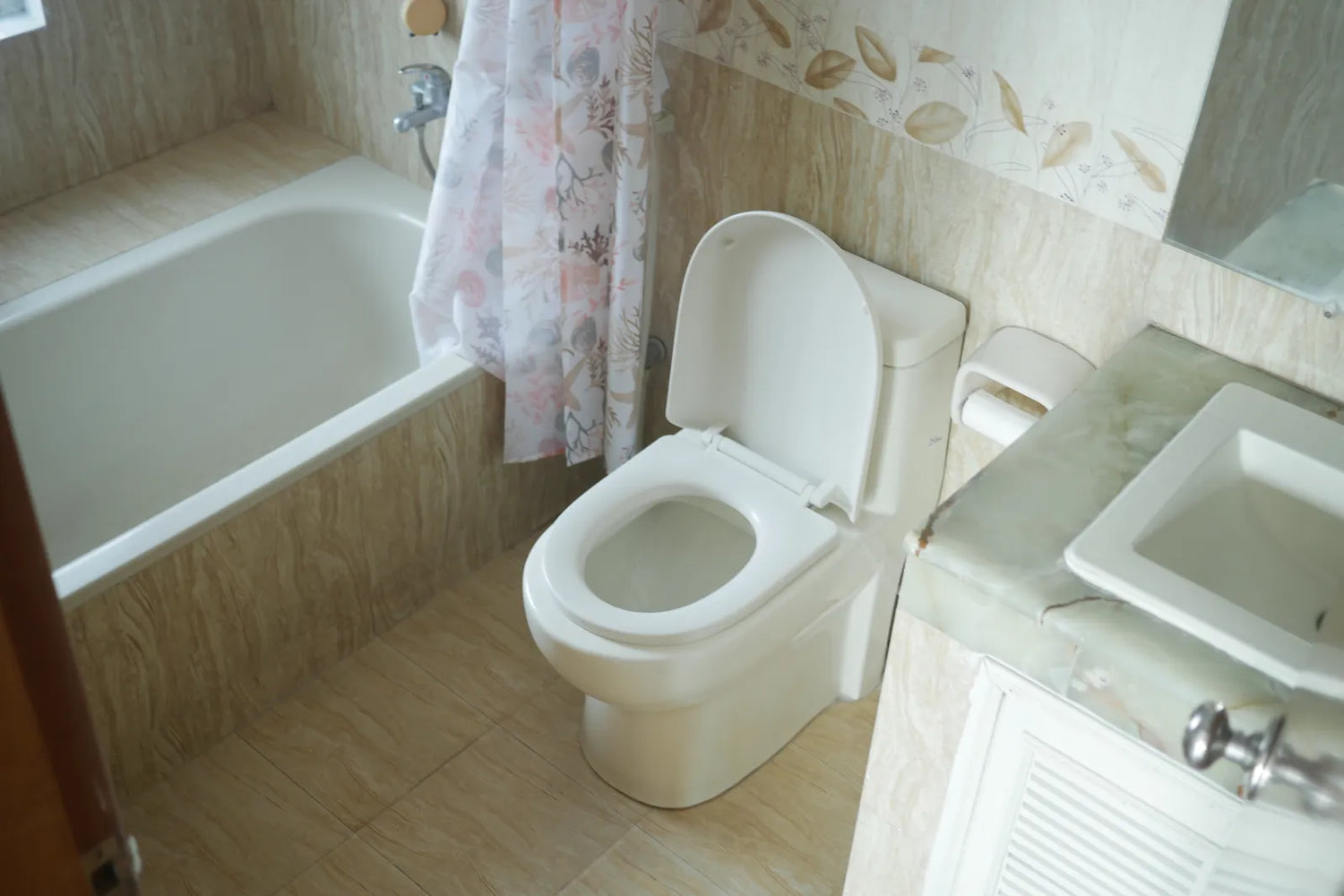
People search “how install a bathtub” expecting a step-by-step guide. What usually stops the project isn’t the steps—it’s the house. A new bathtub is an awkward, heavy, very exact fit that has to land in the right place, on a solid floor, with plumbing that seals the first time. If any of those are “almost,” you get the callbacks: rocking tubs, cracked tile, slow leaks, moldy corners, and drains that never quite clear.
This guide is meant to help you decide if installing a tub will actually work in your bathroom before you buy anything or start demo. It focuses on constraints, failure points, and the extra work that shows up mid-project.
Is this a viable DIY install or a “call a pro” job? (Decision Snapshot)
This is the quick filter I use before anyone removes an old bathtub.
Works best when your alcove is truly square/level, drain aligns, and access is open (unfinished wall or ceiling below)
A DIY bathtub installation has a fair chance of going smoothly if all of these are true:
-
Your existing tub is a standard alcove size (often 60" long) and your new tub is the same style (alcove to alcove).
-
The new tub’s drain location matches your existing drain (not just “same side,” but close enough that the waste-and-overflow lines can connect without forcing).
-
The floor under the tub is solid (no bounce, no slope you can feel).
-
You have access to the tub plumbing—either an unfinished ceiling below, a removable access panel, or you’re already opening the wet wall for a valve/shower update.
When those are true, installing a new bathtub becomes a careful carpentry/plumbing job, not an exploration of hidden damage.
Avoid or reconsider if walls are out-of-plumb 1/4–1/2", floor feels bouncy/sagged, or drain location won’t match the new tub
These are the conditions that turn “replace a bathtub” into a bigger renovation:
-
Walls out-of-plumb by 1/4" to 1/2" in the tub alcove (common in older homes). This often causes the tub to rock, the flange not to sit flat, or the surround/tile to fight you.
-
Floor deflection (it feels springy when you step in the tub area). That can lead to grout/tile cracks or caulk seams opening after you “finished.”
-
Drain mismatch (the new tub’s drain hole is even 2–6" off). That can force drain relocation, which can mean opening the floor and venting changes, not just swapping a fitting.
Rule of thumb: if you can’t confirm rough-in dimensions + floor capacity before purchase, don’t buy the tub yet
If you can’t measure the alcove correctly, confirm how the tub is supported, and verify where the drain/overflow will land, pause. The most expensive tub is the one you can’t return after it’s been carried upstairs and unboxed.
Who installing a tub is for / not for (based on your home’s constraints)
Understanding whether a tub install is right for you starts with recognizing which scenarios work smoothly—and which will quickly become complicated.
Good fit: replacing like-for-like alcove tubs where framing, drain side, and faucet wall stay the same
This is the “works in real life” scenario:
-
You’re removing the old bathtub and putting in a new bathtub with the same footprint and the same drain end.
-
You’re keeping the faucet/valve wall where it is (no valve relocation).
-
You can open the wall behind the tub or have access from below to connect the drain and overflow.
-
You’re willing to redo the waterproofing around the tub (tile or surround) instead of trying to “save” the bottom row.
In this situation, the project is mostly about careful measuring, setting the tub level, and getting a clean, leak-free drain assembly.
Not a good fit: older bathrooms with non-square alcoves or unknown subfloor damage behind the old bathtub
If your home is older, the alcove often isn’t square. What tends to happen:
-
The tub fits at the floor but leaves a gap at the top flange, or the opposite.
-
You shim the tub to make it look right, but the tub isn’t supported evenly underneath.
-
Months later, you get flexing, squeaks, and hairline cracks in grout or caulk.
The other big risk is hidden water damage. Many “simple” bathtub replacement jobs discover rotted subfloor near the drain, soft studs at the valve wall, or a rim that was never waterproofed correctly. If you’re not prepared to repair framing and subfloor, you’re not prepared to set a tub correctly.
High-risk homes: narrow stairs/doors (<30") or tight turns that make getting the tub in impossible without damage
A bathtub can be blocked by the house before you even start installing tub plumbing.
-
Doorways or turns under about 30" often become a problem with alcove tubs (and packaging makes it worse).
-
Tight stair landings lead to damaged drywall corners, bent flanges, and scratched floors.
-
In apartments or small second-floor baths, simply getting the tub into the room can be the hardest part.
Before you order a tub, measure the full path: exterior door → hallway turns → stair width/landing → bathroom door → clear floor space to rotate the tub.
What trade-offs you accept when you choose a new bathtub install (before you buy)
Choosing a new tub involves more than just looks—it means understanding how your existing space and plumbing will shape every decision.
Alcove vs freestanding: when your existing plumbing forces the choice (not aesthetics)
In a retrofit, the house often chooses the tub type.
-
Alcove bathtub installs are usually the most forgiving for existing plumbing because the drain and overflow are designed to land in a wall-and-floor layout that matches many older bathrooms.
-
Freestanding bathtubs can be harder in an existing bathroom because you may need to move the drain to a new location (center drains are common), and you often need floor-mounted or exposed plumbing that your bathroom was not built for.
A freestanding tub also needs service planning. If the drain connection or overflow leaks, you need a way to access it. In many real bathrooms, there is no access without cutting something open.
If you’re replacing an old alcove tub and you’re not moving plumbing, an alcove tub usually avoids the “open the floor” moment.
Mortar bed, shims, and flex: what happens if the tub isn’t fully supported underneath
“How hard is it to plumb in a bath?” is usually not the hardest part. The hardest part is setting the tub so it never moves.
Many tubs—especially acrylic—need full support under the base. If the bottom of the tub isn’t supported:
-
The floor of the tub flexes when you stand in it.
-
The drain connection gets stressed (movement at the drain shoe is a classic slow-leak cause).
-
Caulk at the tile line cracks because the tub edge moves independently of the wall.
A lot of tubs require a mortar bed or a specific support method according to the manufacturer’s instructions. Skipping that can void warranties and create squeaks and movement you can’t fix without pulling the tub back out.
Shims are not a substitute for base support. Shims can help level the flange or the apron edge, but the tub’s weight still needs to be carried evenly.
Tile/surround commitment: the hidden cost of “just swapping the tub” when waterproofing must be rebuilt
The tub and the waterproof wall are a system. When you remove the old tub, you often damage the waterproofing at the bottom course:
-
Tile backer board may be buried over the old flange.
-
Old waterproofing may not extend correctly to the new tub’s flange height.
-
The new tub’s flange thickness may push the wall plane out, changing how tile sits.
If your plan is “keep the tile, swap the tub,” expect compromises: mismatched wall planes, a thick caulk joint you can’t clean, or a gap that collects water. Often the cleaner, longer-lasting move is to commit to rebuilding the surround properly at least from the tub lip up.

What will this really cost in a retrofit? (Work you may be forced to do)
Costs swing because the tub is only part of the job. The surprise costs come from access, drain alignment, and repairs.
Drain relocation reality: what happens if the P-trap/drain center is 2–6" off your new tub’s drain hole
Drain mismatch is one of the most common “we’re stuck” moments.
-
If the new tub’s drain hole doesn’t align with your drain pipe, you might be able to correct small offsets with proper fittings—without stressing the connection.
-
If the offset is more like 2–6", you’re usually into drain relocation: cutting the subfloor, moving the trap arm, and sometimes touching venting.
Does a bathtub need a P-trap? Yes. A tub requires a trap to block sewer gas. If your existing setup is unusual (old drum trap, odd offsets), replacing it while you have access is often the smart part of “putting in a new bathtub,” even if it adds cost now.
Typical real-world cost impacts (very rough ranges, because houses vary):
-
Basic waste-and-overflow parts + drain cover + sealants: often $50–$200 in materials.
-
Plumber time for a straightforward tub drain swap (good access, no relocation): often a few hundred dollars.
-
Drain relocation (floor opened, trap moved, patching later): commonly climbs into the high hundreds or more, especially if access is poor.
If you’re asking “how much does it cost to plumb in a bathtub?” the honest answer is: it depends on whether the drain is already where the new tub needs it, and whether the plumbing is reachable without demolition.
Access costs: when you must open the wall/ceiling to install or repair tub plumbing connections
The cheapest plumbing job is the one you can reach.
You may need to “gain access” by opening:
-
The ceiling below the tub (common in second-story bathrooms).
-
The wall behind the tub (often the valve wall).
-
An adjacent closet wall.
Access affects not just installation cost, but future repair sanity. If your drain assembly or overflow drain drips later and there is zero access, the repair becomes a demolition job.
If you have a slab foundation, access is harder. Drain relocation can become a major project, so verifying drain location before buying the tub matters even more.
Code/permit triggers: changes to drain size/venting, moving valves, adding circuits, or altering framing
Even if you’re doing a DIY project, permits may be required when you:
-
Change drain sizes or tie into a different line.
-
Modify venting (common when moving traps or fixtures).
-
Move the mixing valve location (especially if you’re opening walls and changing supply routing).
-
Add electrical for pumps/heaters (some tubs need a dedicated circuit).
-
Alter framing (notching/boring beyond limits, cutting joists, moving studs).
The practical point: if your “tub swap” includes moving plumbing or electrical, budget time and money for inspection-driven changes. This is where “install a bath tub” turns into “renovate the whole wet area.”
Will the tub physically fit and sit correctly in your space?
Even if a tub looks like it fits on paper, real-world sizing and framing details can create unexpected fit issues.
Alcove sizing traps: the 60" × 30–32" assumption, apron overhang, and flange depth that steal 1–2"
A lot of people measure the open alcove and assume any “60-inch tub” will drop in. Two common misses:
-
Apron overhang: the front skirt may stick out farther than your old tub, interfering with a toilet, vanity, or door swing.
-
Flange geometry: the tile flange and tub deck can take up space against studs, especially if your existing walls were built tight.
In practice, that “missing” 1–2 inches shows up as:
-
The tub won’t slide fully into place.
-
The tub fits, but the wall board can’t sit flat over the flange.
-
You end up forcing the tub against framing, which can twist it and create an out-of-level drain plane.
Before you remove the existing tub, verify:
-
The new tub’s overall length and width (not just “nominal” size).
-
The flange depth and where the wall board is supposed to land.
-
The apron/front profile relative to the finished wall.
Out-of-square walls: why 1/4–1/2" framing variance can cause rocking, gapping, or cracked surrounds over time
In older homes, a tub alcove can be a parallelogram. Here’s how that becomes a problem:
-
You set the tub in place, and one corner touches first.
-
You shim to get the tub level at the rim.
-
The tub looks level, but the base is not fully bearing, so it flexes.
-
Tile or an acrylic surround is installed on top of that “almost stable” tub.
-
Months later, movement shows up as caulk cracking, grout lines opening, or a squeak you can’t un-hear.
This is why installers obsess over: square framing, a flat subfloor, and proper support under the tub base. If you have 1/4–1/2" out-of-plumb conditions, you may need to fur studs, plane high points, or rebuild part of the alcove so the tub flange can sit correctly without forcing it.
Small-bath clearance: if toilet/vanity is <15" from tub edge, daily use and cleaning become a regret
Even if the tub “fits,” you have to live with it.
If a toilet or vanity is too close to the tub edge, you get:
-
Knee and hip bumps getting in/out.
-
Hard-to-clean pinch points where grime builds up.
-
Shower curtains that cling because there’s no space for a proper rod position.
A good reality check: measure from the tub apron face to the nearest obstruction. If you’re under about 15 inches of usable clearance, expect daily annoyance. Sometimes the right move is a slightly smaller tub, or accepting that other fixtures must change too.
Can you actually connect the plumbing you have to the tub you want?
This is the core of “how to plumb a tub” in a real retrofit: you’re not plumbing in open space. You’re adapting to what’s already in the floor and walls.
“Will my existing drain/overflow line up with this tub?” (drain location is often 14–18" from the end, end—verify before demo)
Don’t assume “left drain” means it lines up.
What matters is:
-
The drain hole center location from the tub end wall.
-
The height and position of the overflow drain opening.
-
The orientation and space behind the tub for the waste-and-overflow elbow.
If you’re replacing an old bathtub, measure the drain center from the back wall and from the end wall before you remove anything. Then compare that to the new tub’s spec sheet.
If you demo first and discover the new tub’s drain lands on a joist bay edge—or directly over a joist—you can get stuck doing structural work just to run a drain pipe.
Also, be cautious reusing old waste-and-overflow parts. Cross-compatibility is not guaranteed. Old parts may not seal well to a new tub’s drain opening because thickness and geometry differ. That’s a common hidden leak that shows up as a ceiling stain later.

“Is this still a good idea if my water supply lines are undersized?” (hot/cold <1/2" can mean slow fills and uneven temp)
A tub fill is a high-demand use. If you have older or undersized water supply lines, you can end up with:
-
Slow fill times (which is not just annoying—kids’ bath routines become a daily drag).
-
Temperature swings when another fixture runs.
-
More noticeable pressure drop if you have a shower/tub combo.
In many homes, the tub spout line and valve are set up for standard flows. If your supply piping is restricted, “upgrading the tub” won’t fix that. If you’re already opening the wall, that’s the time to evaluate supply sizing and shutoff access.
Cross-compatibility risk: when old waste-and-overflow parts don’t seal correctly on a new tub and create leaks
Slow leaks are the nightmare scenario because they rot framing quietly.
Common causes after installing a new bathtub:
-
Using a mismatched drain assembly and getting a poor seal at the drain shoe.
-
Overtightening and cracking plastic parts or deforming rubber gaskets.
-
Using the wrong sealant.
A practical question homeowners ask is: Is it better to use plumbers putty or silicone on a shower drain?
For tub drains, it depends on the drain material and tub material. Many plumbers still use putty on metal-to-porcelain or metal-to-metal, but some tub/drain manufacturers call for silicone—especially where plastic is involved or where putty can stain or degrade a surface. The key point is: check your bathtub’s instructions and the drain assembly instructions. Using the wrong sealant is an easy way to create a leak you won’t see until damage is done.
What are the failure modes after installing a new bathtub (and what fails first)?
If a bathtub installation is going to fail, it usually fails in predictable places.
Drainage and leveling: if slope to drain is wrong (<1/4" per foot), standing water and odors show up fast
Tubs should drain fully and cleanly. When they don’t:
-
Water pools in the back corner after showers.
-
Odors can develop if the trap isn’t vented correctly or if water lingers.
Some installers chase “perfectly level rim” at the expense of how the tub drains. Others eyeball it and miss that the tub in place is slightly twisted. The fix is to level on multiple axes (length and width) and confirm real drainage behavior during a full fill-and-drain test before closing the walls.
Also, the drain piping itself needs proper slope (commonly 1/4" per foot for horizontal runs). If the drain pipe is back-pitched or flat, you can get slow drains and gurgling, even if the tub itself is fine.
Hidden mold zones: when rim/ledge clearances (<4") make cleaning impossible and moisture gets trapped
Mold problems often come from designs that are hard to clean in a real bathroom.
What tends to happen:
-
The tub-to-wall joint has a thick caulk bead because the wall plane and flange didn’t align.
-
Water sits in that “shelf” area behind a shower curtain.
-
You can’t reach the ledge to dry it, so it stays damp.
If you end up with tight gaps, poor airflow, and surfaces that stay wet, you will fight mildew no matter how good your fan is. Planning the wall system to land correctly on the flange (and keeping joints neat, not oversized) prevents a lot of this.
Movement and settling: floor deflection and uneven support causing creaks, cracked caulk/tile, and recurring leaks
Movement is the silent killer of tub surrounds.
Signs you have a support issue:
-
The tub creaks when you step in.
-
The caulk line opens and closes over time.
-
Grout cracks in the bottom row of tile.
-
The drain starts leaking months later, especially after someone stands while showering.
Movement usually comes from one of three things:
-
The floor structure is weak or damaged.
-
The tub base isn’t supported properly (skipped mortar bed or incorrect bedding).
-
The tub flange was forced to the studs rather than letting the tub sit naturally, level, and supported.
If you’re seeing movement during install, don’t “finish and hope.” Once tile is up, your repair options get expensive fast.
What must be true during the installation process (non-negotiable checks)
This section is the closest thing to a step-by-step guide, but framed as “stop/go” checks. These are the points where a smart DIYer stops and fixes the cause, instead of pushing forward.
Subfloor and framing gates: when sagging/rot means you stop and repair before you set the tub
After you remove the old bathtub, don’t rush. This is your best chance to prevent future failure.
Non-negotiable checks:
-
Subfloor condition: If it’s soft near the drain opening, swollen, delaminated, or stained, repair it now. Setting a new tub on questionable subfloor is asking for movement and leaks.
-
Joist integrity: If there’s bounce, address it before the new tub goes in. A filled tub plus a person is a lot of load.
-
Stud condition: Probe studs around the valve wall and along the tub edges. If fasteners pull out easily, you may have hidden rot.
-
Alcove square: Measure corner-to-corner and check plumb. If the walls are out, you may need to fur or plane studs so the tub flange can sit flat and your wall board can hang correctly.
If you find damage, the project changes. That’s not bad news—it’s the right time to fix it.
Set the tub in place and level it on multiple axes (laser/long level), then secure flange to studs without forcing it
The most important moment in “install a bathtub” is setting it.
A practical sequence that avoids common mistakes:
-
Dry-fit the tub in the alcove before you attach the drain. Confirm it actually slides into position without bending the flange.
-
Confirm the tub’s support plan. If a mortar bed is required, stage it correctly so the tub can be set without smearing mortar into the drain area.
-
Set the tub in place and check level:
-
Along the long rim (front and back).
-
Along the short ends.
-
Check for twist (one corner high).
-
-
Adjust per the manufacturer’s leveling method (some tubs want the feet adjusted; others rely on bedding and shims at specific points).
-
Only after the tub is level and supported do you attach it:
-
Secure the flange to the studs using the specified fasteners and spacing.
-
Don’t pull a bowed flange tight to a crooked wall. Straighten the wall or shim/fur so the flange sits naturally.
-
If you have to “winch” the tub into place with screws, something is wrong—and it usually becomes a crack or leak later.

Leak-test before closing: fill/drain cycles, overflow test, and access strategy if a drip appears later
This is where many DIY installs fail—not because the plumbing is impossible, but because people close the wall too soon.
Before you install tile or a surround:
-
Turn off the water at the main line if you’re changing valves or supply lines, then restore and pressure-check.
-
Run multiple tests:
-
Fill the tub and let it sit (check the drain shoe).
-
Drain it fully (check the trap and joints under flow).
-
Test the overflow drain by filling to the overflow opening.
-
-
Check from below or from the access opening with a bright light.
-
Wipe joints with a dry paper towel to catch tiny drips.
Also decide: if a leak shows up in 2 years, how will you reach it? If your answer is “cut tile,” consider adding an access panel now (often from the adjacent room or closet). It’s not pretty, but it beats tearing out a finished surround for a $10 gasket.
Before You Buy checklist
-
Measure the full delivery path (doors, stairs, turns). If any pinch point is under ~30", verify the tub can pass.
-
Confirm the alcove’s real dimensions (length, width, and wall plumb), not just “it’s a 60-inch tub space.”
-
Locate and measure the existing drain center before demo; compare to the new tub’s drain hole location.
-
Plan access for installing tub plumbing and future repair (ceiling below, access panel, or open wall).
-
Verify floor stiffness and inspect for hidden water damage after removal; be ready to repair subfloor and studs.
-
Follow the tub’s support requirements (mortar bed vs feet vs bedding). Don’t assume the base is self-supporting.
-
Buy the correct, compatible waste-and-overflow kit for the tub; don’t count on reusing old parts.

FAQs
1. Can you install a new bathtub yourself?
Yes, many homeowners can install the bathtub themselves if the space is straightforward and the existing plumbing system is in good condition. The most DIY-friendly situation is when you can simply remove the tub, slide the right bathtub into the alcove, and align the drain without moving pipes. Before starting, ensure the tub fits between the studs in the wall, check that the floor underneath the tub is solid, and follow the manufacturer’s installation instructions carefully. Some bathtub types also require you to install a ledger board along the wall to help support the bathtub and keep the edge of the tub level. After positioning the tub, you’ll need to secure the tub or secure it to the studs, depending on the design, so the tub doesn’t shift when filled with water. DIY becomes much harder if the new bathtub doesn’t match the existing tub’s plumbing, if you need to remove damaged subfloor, or if waterproofing around the surround and mark lines must be rebuilt for your next bathroom renovation.
2. How much would a plumber charge to install a bathtub?
The cost to install the bathtub varies widely depending on the condition of the space and how much work is required on the plumbing system. In a simple project where you only remove the tub, slide a replacement into the same alcove, and install the drain in the same location, a plumber may only need a few hours. However, costs increase quickly if the new bathtub doesn’t line up with the existing tub’s plumbing, or if you must open the wall to align the drain and reposition the trap. Labor also increases when installers must add a ledger board, reinforce the framing, or secure it to the studs so the tub remains stable over time. Access is another big factor—if the tub will be installed on an upper floor or behind finished tile, contractors may need to open ceilings or walls to reach the pipes. For many homeowners planning a next bathroom renovation, getting quotes early helps determine whether the right bathtub will fit the current layout without major plumbing changes.
3. What do you put under a new bathtub?
What goes underneath the tub depends on the design and the manufacturer’s installation instructions. Some tubs include built-in supports or molded feet, while others require a mortar bed or foam base to support the bathtub evenly across the floor. The goal is to make sure the tub doesn’t flex when filled with water or when someone steps in, because movement can stress the tub’s plumbing and eventually cause leaks. If the bathtub requires a bedding layer, installers usually spread mortar or similar material before lowering the tub so the base is fully supported. In alcove installations, a ledger board mounted to the studs in the wall may also be used to hold the edge of the tub at the correct height while you secure the tub to framing. Proper support is critical: without it, the drain connection can loosen, and the tub may creak or shift. Always confirm how to support the bathtub before you install the bathtub.
4. How should a bathtub be plumbed?
A bathtub must connect correctly to the home’s plumbing system so water drains efficiently and no sewer gases enter the bathroom. The drain assembly should include a properly sized P-trap connected to a vented drain line with the right slope. During installation, plumbers install the drain assembly and carefully align the drain opening with the tub’s waste outlet. This part matters because stressed fittings or misalignment can cause hidden leaks behind walls. The overflow assembly must also seal tightly at the edge of the tub, where the overflow plate connects to the pipe. When positioning the tub, installers typically dry-fit the tub first, check the tub’s plumbing connections, and surround and mark reference lines on the wall before fastening anything. Once everything lines up, the installer can secure the tub and connect the waste-and-overflow system underneath. Whether you DIY or hire a pro, the goal is to ensure the tub drains smoothly and the entire plumbing system remains leak-free.
5. Does a bathtub need a P-trap?
Yes, every bathtub must have a P-trap as part of the plumbing system. The curved section of pipe holds a small amount of water that blocks sewer gases from traveling back up through the drain. When you install the bathtub, the trap sits directly beneath the drain opening, connecting the tub to the house’s main drain line. During a replacement project, it’s often smart to inspect or replace this component while the tub area is open, especially if you already need to remove the old unit. A worn trap or misaligned pipe can make it difficult to install the drain correctly and may create slow leaks around the tub’s plumbing connections. If the new bathtub doesn’t match the previous drain location, the trap may also need to be repositioned so installers can properly align the drain. Updating the trap during installation helps ensure the tub drains efficiently and avoids odors or future plumbing problems.
6. What are common bathtub installation mistakes?
One of the most common mistakes when people install the bathtub is failing to confirm that the right bathtub actually fits the alcove before demolition. If the new bathtub doesn’t match the opening, installers may struggle to ensure the tub fits between the studs in the wall or along the edge of the tub. Another frequent issue is poor structural support—if you don’t properly support the bathtub or prepare the surface underneath the tub, the tub can flex, squeak, or damage the tub’s plumbing. Drain alignment errors are also common. If you don’t align the drain carefully or properly install the drain, even a small offset can cause slow leaks over time. Many DIYers also forget to add a ledger board or secure it to the studs, which helps stabilize the tub. Finally, skipping the manufacturer’s installation instructions or rushing the step where you surround and mark the wall layout can lead to crooked installations and waterproofing problems.
7. How much does it cost to plumb in a bathtub?
The cost to plumb a bathtub depends on how much work is required on the home’s plumbing system. If the tub will be installed in the same spot and the installer only needs to install the drain and connect it to existing pipes, the cost is relatively modest. However, if the new bathtub doesn’t line up with the current tub’s plumbing, a plumber may need to move the trap, extend drain pipes, or adjust venting. Those changes often require opening floors or walls and carefully repositioning pipes so installers can align the drain correctly. Additional costs may appear if framing must be modified so you can secure the tub or secure it to the studs. In many next bathroom renovation projects, homeowners also upgrade the tub style or size, which can affect how easily the pipes connect. Planning the right bathtub for the existing layout can keep plumbing costs manageable.
8. How hard is it to plumb in a bath?
Plumbing a bathtub can range from moderately challenging to very complex, depending on the condition of the plumbing system and the type of tub being installed. If you simply remove the tub and replace it with a similar model, the job may only require aligning the waste-and-overflow assembly and connecting the pipes underneath. But if the new bathtub doesn’t match the original drain location, you may need to adjust the trap and reposition pipes so you can properly align the drain and install the drain assembly. This process often involves working in tight spaces below the tub and carefully sealing the tub’s plumbing connections. Structural work may also be needed to support the bathtub, add a ledger board, or secure the tub to the studs in the wall. Because so many factors interact—framing, drainage slope, and waterproofing—many homeowners choose professional help, especially during a larger next bathroom renovation.
9. Is it better to use plumbers putty or silicone on a shower drain?
Both plumber’s putty and silicone can be used when you install the drain, but the correct choice depends on the material of the tub and the manufacturer’s installation instructions. Plumber’s putty has traditionally been used to seal the drain flange at the edge of the tub because it remains flexible and easy to adjust. However, some modern bathtub types—especially acrylic or composite models—recommend silicone sealant instead, since certain putties can stain or react with the finish. When installing the drain, the goal is to create a watertight seal between the flange and the tub surface while keeping the tub’s plumbing connections stress-free. Regardless of the sealant type, you should first position the tub, make sure the tub is level, and confirm the pipes underneath the tub are properly aligned. Once the drain is sealed and tightened, installers can secure the tub or tub to the wall studs, helping ensure the tub stays stable and leak-free.
References


Leave a comment
This site is protected by hCaptcha and the hCaptcha Privacy Policy and Terms of Service apply.