
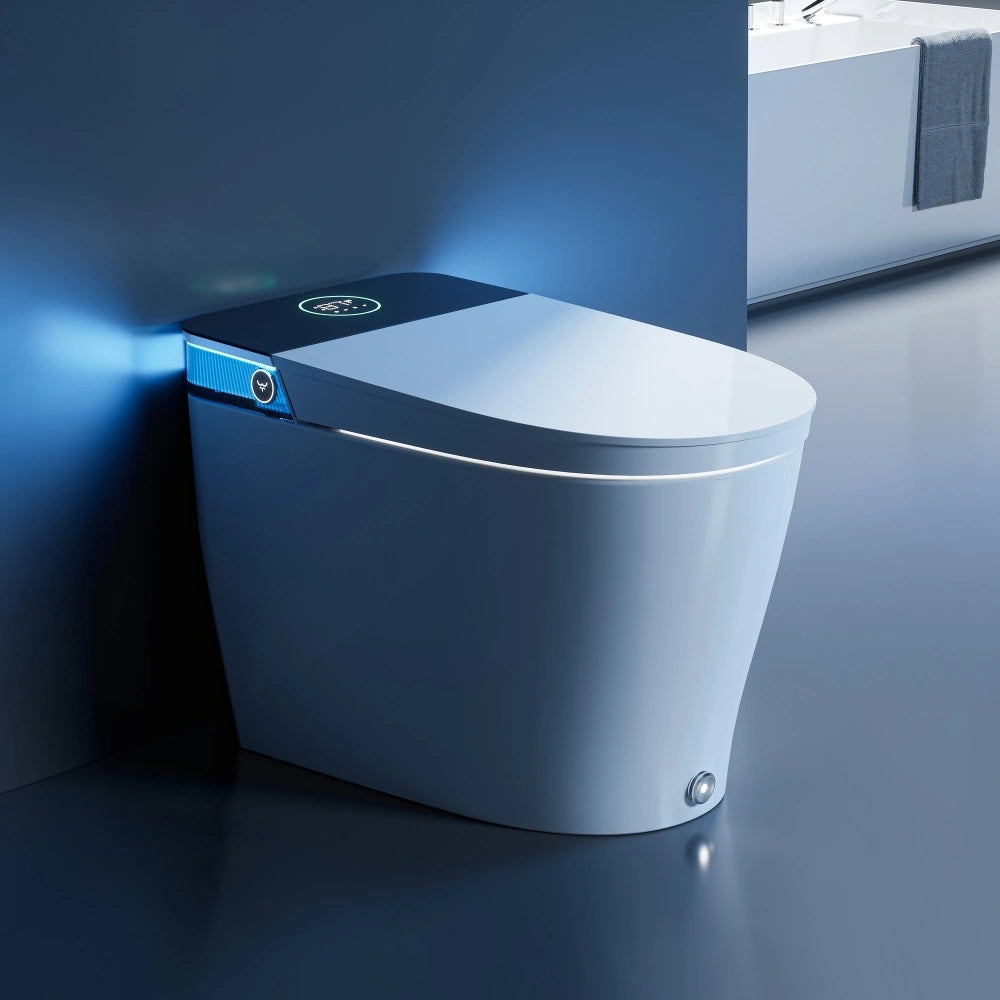
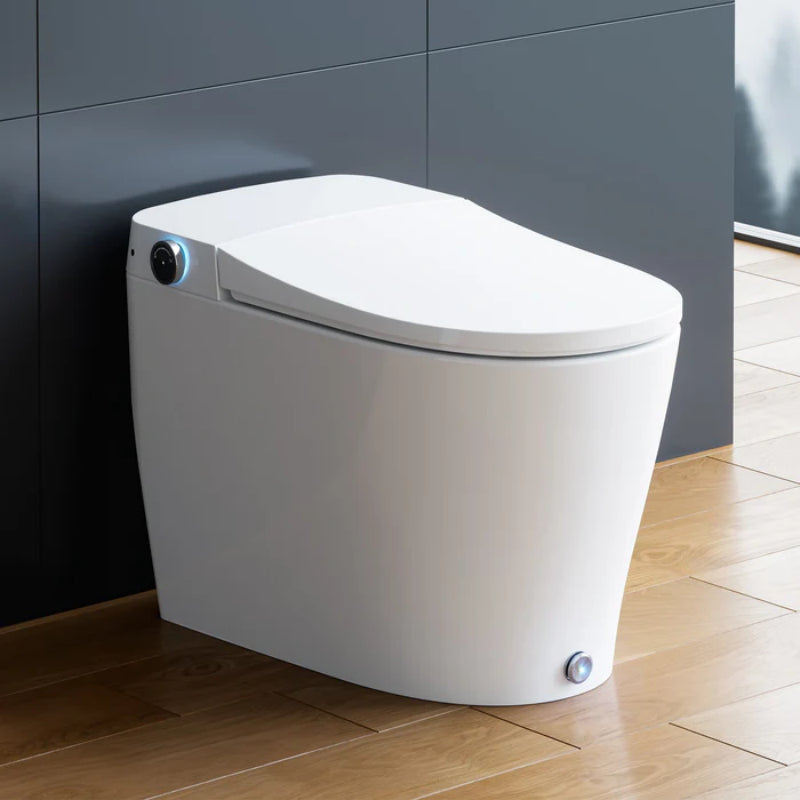

A toilet with heated seat and bidet can feel like a small winter luxury. It can also turn into a fussy appliance that needs power, patience, and the occasional fix. The key is knowing which “daily life” problems it solves in your home — and which new ones it adds.
Should you get a toilet with heated seat and bidet? (Decision Snapshot)
Heated seats and bidet functions have moved from novelty features into practical comfort upgrades, but whether they make sense depends on how you actually use your bathroom. The decision usually comes down to comfort priorities, electrical realities, and tolerance for small tech quirks. Here’s a quick decision snapshot to help you see whether you’re the type who benefits—or the type who ends up annoyed.
Rule of thumb: who it’s for vs. who should skip it
Usually a good fit if you:
-
Have a bathroom where a safe outlet is already close enough (or you’re willing to add one).
-
Care about warmth + cleanliness, not just “a cool feature.”
-
Are okay learning a few buttons and keeping a remote/side panel clean and working.
-
Have a real reason it helps: cold winters, sensitive skin, limited mobility, or post-surgery hygiene.
Probably skip it if you:
-
Don’t have easy power access near the toilet and don’t want electrical work.
-
Get annoyed by devices that need settings, occasional resets, or troubleshooting.
-
Expect strong, instant hot water and a fast dryer every time.
-
Have a household where guests/kids will be confused or rough on the seat.
Who tends to regret it: outlet limits, weak pressure expectations, and “luxury fatigue”
Most regrets come from three gaps between expectation and real life:
-
Power reality: no outlet close enough, or the cord becomes an eyesore or a daily annoyance.
-
Performance reality: water pressure and warm water duration may be less than you pictured.
-
Lifestyle reality: after the first week, you may not want to deal with remotes, profiles, and extra cleaning points.
Is toilet with heated seat and bidet worth it if winter comfort is your main goal?
If winter comfort is the main goal, the heated seat is the feature you’ll notice first and most often. For many people, a warm seat toilet makes early mornings easier, and it can make a cold bathroom feel less harsh.
But be honest about how much you use that bathroom. If it’s a guest bath, or you only go in there a few times a week, the comfort may feel “nice” rather than “worth it.” In short: it makes the most sense in the bathroom you use every day.
Solves / Does NOT Solve: A toilet with heated seat and bidet reliably delivers warmth, improved personal hygiene, and reduced reliance on manual wiping—especially in cold climates or for sensitive skin. It does NOT guarantee instant or unlimited hot water, strong water pressure, paper-free drying, or zero-maintenance operation. Users should expect modest setup, occasional minor adjustments, and realistic daily performance rather than perfection.

What trade-offs of warm seat toilet surprise people after the first week?
Early excitement usually gives way to more practical impressions once the novelty wears off. The “surprises” most users notice aren’t about whether the bidet works, but how it works under real bathroom conditions with real routines. The points below highlight the trade-offs that tend to show up after the first week.
Warm water isn’t always “instant” or unlimited (cold spurts, tank limits, mid-wash cooldown)
Many people assume warm water means “always warm, right away.” In practice, warm water often has a few quirks:
-
A brief cold start: some units rinse cold for a moment before warming up.
-
A warm-water limit: models that warm from a small tank can cool down mid-wash, especially if you like longer cycles or multiple users back-to-back.
-
Temperature swing surprises: you may need to adjust expectations for winter, when incoming water is colder.
This doesn’t make the bidet useless. It just means the “heated bidet” experience is sometimes warm-ish, sometimes warm after a moment, and sometimes warm for part of the cycle.
If you hate sudden cold water, this is the #1 issue to plan for.
Note: The primary factor affecting warm-water duration is whether the unit is tank-heated or tankless. Tank-heated models may run out mid-cycle, while tankless designs rely on flow rate and household water pressure. Users should set expectations based on system type rather than assuming “heated” means unlimited warmth.
Pressure reality: why a heated bidet can feel weaker than expected
Another common surprise is pressure. People often expect a strong spray, then find the stream feels gentler than they hoped — even on high settings.
Why it happens in real homes:
-
Some designs trade pressure for comfort (especially with warm water systems).
-
Your home’s water pressure and the toilet’s fill valve setup can affect the feel.
-
People tend to compare the idea in their head (“power wash”) to the reality (“clean rinse”).
If you want a very strong spray, be careful with your expectations. A heated seat and bidet can still clean well, but it may not feel forceful.
Note: Water pressure varies by home plumbing and unit design. A “heated” seat does not guarantee a strong spray, so user experience may differ even on high settings.
The dryer isn’t a replacement for toilet paper (slow 3–5 minute reality)
Air drying is often the most oversold feature in day-to-day use. Many people try it once, then go back to toilet paper because:
-
Drying can take 3–5 minutes to feel truly dry.
-
The warm air can feel weak, especially in a cold bathroom.
-
It’s fine when you have time, but annoying when you’re rushing.
A more realistic expectation: the dryer can reduce how much paper you use, but it may not replace it. If you’re in a hurry, the dryer may disappoint; it works best as a paper-reduction tool rather than a full replacement.

Will heated bidet fit your bathroom and habits without becoming annoying?
The comfort benefits only matter if the toilet integrates smoothly into your space and routine. A surprising number of frustrations come not from the features themselves, but from how they interact with power access, household habits, and daily bathroom traffic. The points below are the practical fit checks that decide whether the upgrade feels effortless or annoying.
Do you have the right power setup? (outlet distance, cord reach, GFCI, daily usability)
This is the “make or break” question, because the heated seat and warm water features need power.
What to check before you commit:
-
Outlet location: Is there an outlet close enough that the cord won’t be stretched or crossing a walkway?
-
GFCI protection: Bathrooms usually need GFCI protection for safety, according to the U.S. Consumer Product Safety Commission (CPSC). If you’re unsure, treat it as a reason to pause and verify.
-
Daily practicality: Will the plug be bumped by cleaning tools, a trash can, or the toilet brush? Will it look messy in a way that bugs you every day?
If you’ll need an electrician, factor that into the decision early. People rarely regret the feature as much as they regret the hassle of making power work.
What happens if the seat is lowered and someone sits on it? (stability and “seat collapse” complaints)
This sounds minor until it happens. Some people report a “seat collapse” feeling when someone sits on the lid while it’s down, or when weight is placed in the wrong spot.
Real-world causes include:
-
Sitting on the lid to put on socks or help a child.
-
Kids climbing or leaning on the seat.
-
Guests not realizing it’s not built like a standard heavy-duty lid.
If anyone in your home tends to sit on a closed lid, or you have kids who treat the bathroom like a gym, you may need to change habits. If that sounds unrealistic, this feature set may create more irritation than comfort.
Household fit test: Ensure no one routinely sits or kneels on the closed lid. Children or guests who treat the toilet lid as a step can trigger seat collapse, a frequent source of early frustration. Confirm that daily habits are compatible with the unit’s weight and hinge limitations before purchase.
Winter bathroom luxury vs. daily routine: remote controls, profiles, night light, deodorizer learning curve
These toilets often add “small conveniences” that also add small chores:
-
Remotes that need a clean, dry spot and occasional wiping.
-
User profiles that confuse guests (or get changed accidentally).
-
Night lights and deodorizers that are helpful, but only if everyone understands what they do.
None of this is hard, but it’s more like owning a bathroom appliance than a basic fixture. If you want “set it and forget it,” you may find yourself turning features off just to keep things simple.

What problems show up in real-world installation and early use of warm seat toilet?
Even with careful planning, early installation often reveals small but irritating issues. Many of the frustrations aren’t design flaws—they’re quirks of plumbing, space, or pre-existing conditions in your bathroom. The following points highlight the common surprises people encounter during setup and the first few uses.
What happens if a gasket or tee valve leaks? (rubber washer failures, quick fixes people didn’t expect)
Small leaks are one of the most common early complaints. Often it’s not a major failure — it’s a simple sealing issue.
What tends to happen:
-
A rubber washer doesn’t seat right.
-
A gasket is thin or gets pinched during installation.
-
A connector is “hand tight” but actually needs a careful snug.
The annoying part is not the fix. It’s discovering it at 10 p.m. when the bathroom smells damp and the floor looks shiny. Plan to check for drips right after install and again the next day.
If a leak would cause big damage in your home, be extra cautious here.
Immediate post-install leak check:
-
Inspect all rubber washers and gaskets immediately after tightening connections.
-
Run a full flush cycle and observe under the tank and behind the toilet for drips.
-
Recheck connections after 24 hours of regular use to catch slow leaks before damage occurs.
“Easy DIY” isn’t always plug-and-play: access to shutoff valve, tight clearances, tool surprises
Many installs are easy. Some are not, especially in older bathrooms.
Common friction points:
-
The shutoff valve is hard to reach or stuck.
-
The space between the toilet and wall is tight, so your hands and tools barely fit.
-
The water supply line doesn’t have much slack, so adding one more connection becomes tricky.
If your toilet is in a cramped corner, or you already hate working under the tank, expect more frustration than the videos show.
Clean-first reality: why bowls/seats may need deep scrubbing before installation for best results
People don’t always think about this: installing a new bidet seat onto an older toilet can highlight old grime.
Before installing, it often helps to:
-
Deep clean around the mounting area and hinge zone.
-
Clean mineral buildup where water may splash back.
-
Start “fresh” so you don’t trap smells or stains under new hardware.
This is a one-time effort, but it affects your first impression a lot. Based on guidance from the Centers for Disease Control and Prevention (CDC), proper cleaning of bathroom surfaces is essential to reduce household contamination and ensure hygienic installation.
Will you still like heated bidet months later, or does it become overkill?
Initial excitement can fade once the novelty wears off, leaving questions about long-term usefulness and maintenance. Many users start noticing which features remain genuinely helpful versus those that feel like extra chores. The points below highlight the common realities and potential annoyances that emerge after months of use.
Reliability and longevity doubts: what users worry about after the honeymoon phase
After the first month, the big question becomes: “Will this keep working like this?”
Common long-term worries include:
-
More parts that can fail than a standard seat (heater, sensors, controls).
-
A remote or side panel that gets less responsive over time.
-
Mineral buildup if your water is hard, which can affect spray performance.
If you’re the type who hates maintaining appliances, you may end up using only the basic wash and seat heat, and ignoring the rest.
When a warm seat toilet feels unnecessary (seasonal use, guest confusion, feature overload)
A heated seat is most loved in winter. In warmer months, many owners turn down the heat or turn it off. That’s fine — but it changes the value of what you bought.
Also consider guests:
-
Some guests won’t use the bidet at all.
-
Some will press buttons at random.
-
Some will feel awkward asking how it works.
If this is a household with frequent guests or renters, feature overload can become a mild but steady annoyance.
Will this still feel worth it if you travel or use public restrooms often? (comfort reset and expectations)
One unexpected “regret” is comfort reset. Once you get used to warm water and a warm seat, public restrooms can feel extra unpleasant. This isn’t a safety issue, but it is real.
If you travel often and already dislike public bathrooms, this can make that contrast sharper. If you’re easygoing about bathrooms outside the home, it won’t matter much.
Before You Choose (Checklist)
-
Do you have a safe, convenient outlet close enough (and ideally GFCI-protected)?
-
Are you okay with warm water limits (possible cold start or mid-wash cooldown)?
-
Will your household treat the seat gently (no sitting on the closed lid, fewer “seat collapse” moments)?
-
Are you fine using some toilet paper anyway because drying can be slow?
-
Can you handle basic upkeep and occasional troubleshooting (leak checks, cleaning around nozzles/controls)?
FAQs
1. Can you leave the seat heater on all the time?
Yes, you can leave the seat heater on all the time, and many people do—especially if they have a toilet with heated seat and bidet since comfort is a big part of the experience. Modern models are low-power and designed for continuous standby, so keeping a warm seat toilet doesn’t put much strain on energy usage and makes cold mornings easier. People who care about winter bathroom luxury often leave the heat on during colder months for instant comfort, while others use eco or timer modes to balance comfort and efficiency.
2. How much electricity does a heated seat use?
A heated bidet seat doesn’t use much electricity—most toilet with heated seat and bidet units draw around 40–70 watts for the seat heater, and only spike briefly when initially warming up. The warm seat toilet feature typically adds just a small amount to your utility bill, especially compared to other bathroom appliances. Households in colder climates often consider it worth it for winter bathroom luxury since it dramatically improves comfort at a very low operating cost.
3. Is the seat temperature adjustable?
Yes, nearly every toilet with heated seat and bidet lets you adjust the seat temperature, usually from low to medium to high settings, and some premium heated bidet models even allow more precise digital adjustments. This helps users set a comfortable warmth level year-round—higher in winter, lower in summer—making the warm seat toilet experience more personal and enjoyable. If you live in a colder region, being able to customize the heat level adds a real layer of winter bathroom luxury without needing to heat the entire room.
4. Why is my heated toilet seat not getting warm?
If your heated seat isn’t getting warm, the most common reasons include the heater being turned off, eco mode limiting heat output, or the temperature being set too low on your toilet with heated seat and bidet. Some heated bidet models only warm when they sense someone sitting, so it may feel cold until activated. Other causes include a tripped bathroom outlet, slow warm-up in very cold spaces, or a worn heating element. These issues don’t mean you have to give up your warm seat toilet comfort—many cases are quick fixes, and older units often just need a small repair to restore that winter bathroom luxury feel.
References


Leave a comment
This site is protected by hCaptcha and the hCaptcha Privacy Policy and Terms of Service apply.