
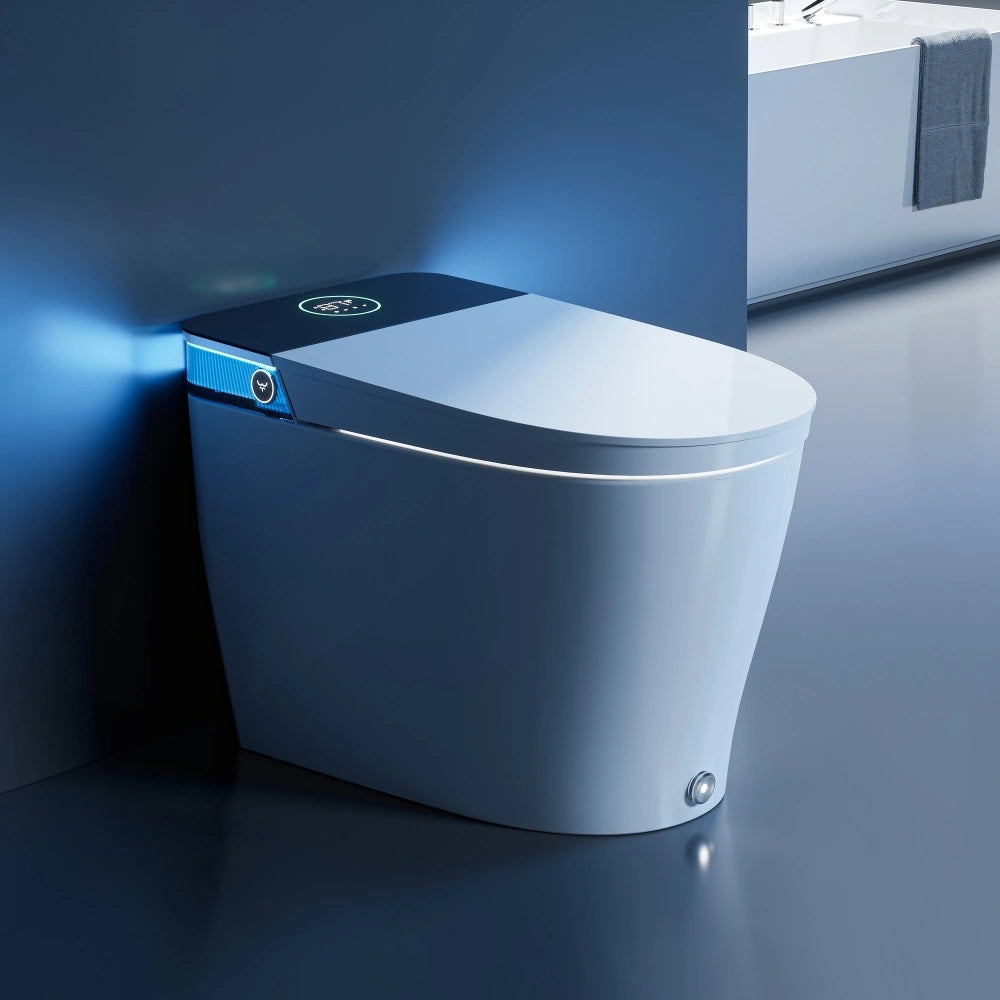
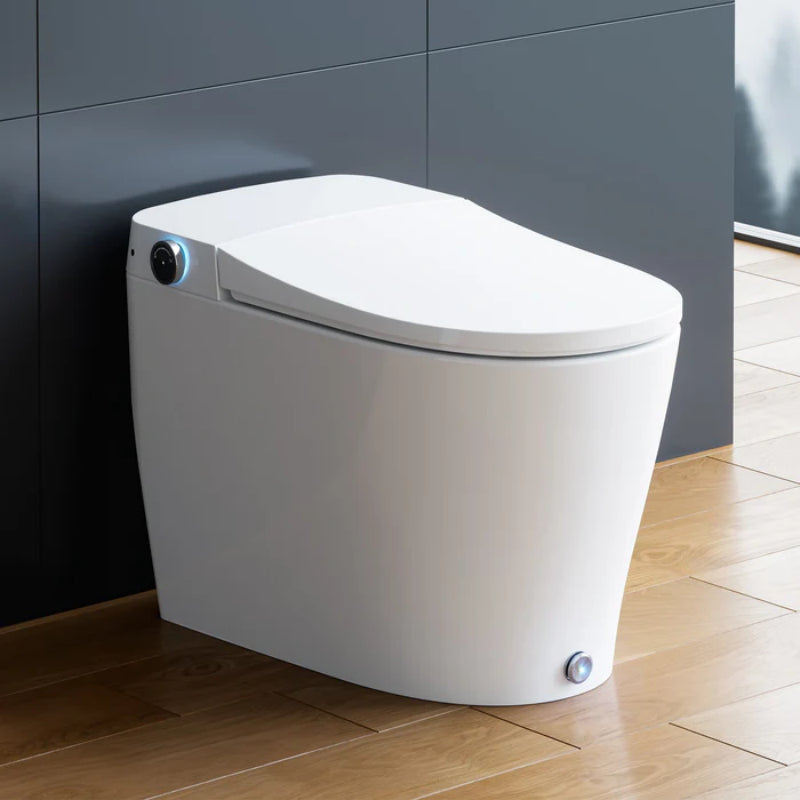
As homeowners weigh water conservation, monthly costs, and everyday performance, high efficiency toilets have become a common upgrade choice—but their real value depends heavily on household habits, plumbing conditions, and personal expectations. This guide is a straightforward breakdown to help you learn if switching is a smart fit for your home.
Quick Answer
A high efficiency toilet is usually worth it if you have steady daily use, want to cut water waste, and are replacing an older high-volume toilet. It is often not worth the trouble if the bathroom is rarely used, your home already has a reliable modern toilet, or you will be frustrated by occasional double flushes or clog sensitivity.
Decision Snapshot
A high efficiency toilet makes sense if your current toilet uses a lot of water, the bathroom gets used every day, and you want lower water use without changing much about your routine. It is often a practical upgrade in busy homes where small per-flush savings add up over time.
You should probably skip it if your tolerance for clogging is low, your drain line already has known problems, or the bathroom sees very light use. In those homes, the water savings may be modest, while the daily annoyances can feel more important than efficiency gain.
This is also usually a good fit when replacing a very old toilet. The difference between an older 3.5 to 5 gallon model and a 1.28 gallon high efficiency toilet can be meaningful. But if you already have a modern standard toilet, the jump in savings is smaller and may not feel worth the cost or risk.
Water Savings vs Real Payoff
Understanding the financial and practical return of a high-efficiency toilet starts with comparing water usage, real bill impact, and available incentives.
How much water will you save?
The basic appeal is simple: a high efficiency toilet uses 1.28 gallons per flush or less, compared with older toilets that may use 1.6, 3.5, or even more. Certified efficient toilets, including those with WaterSense certification, are tested against established performance standards to verify both water efficiency and flushing capability, helping ensure reliable design for everyday use, as outlined by EPA WaterSense residential toilet guidelines. That can add up fast in homes with several people and one or two heavily used bathrooms, helping preserve natural resources.
This usually becomes useful when:
-
The home has older toilets
-
Multiple people are flushing throughout the day
-
Water and sewer rates are not cheap
For a household replacing an old wasteful toilet, the water savings can be real and noticeable on paper. That is the strongest case for a high efficiency toilet.
If you are comparing an ultra high efficiency toilet vs standard toilet in a home that already has 1.6 gallon models, the savings are still there, but they are less dramatic. In that case, you are not fixing a major waste problem. You are just trimming it.
Are bill savings actually noticeable?
This is where some homeowners feel let down. Yes, high efficiency toilets save water over time. But that does not always mean the utility bill change feels large month to month.
If your water rates are low, or you live alone, the savings may be too small to feel exciting. The toilet may technically be more efficient, but the payback can be slow. In many homes, this ends up being ignored if the old toilet was already fairly efficient and working well.
Are WaterSense toilets worth it for utility bill savings? Often yes, but mostly in larger households, higher-rate areas, or homes replacing very old fixtures. In small households, the savings are usually real but modest.
Rebates can shorten the payoff
Rebate programs and government incentives for green baths along with WaterSense incentives can make the decision easier. Some utilities and local water agencies offer money back for replacing older high-water-use toilets with certified efficient models.
This matters because rebates reduce the regret risk. If you are on the fence, a rebate can make the cost easier to justify even if the monthly bill savings alone would not.
Still, rebates should not be the main reason to buy. If the toilet ends up being noisy, touchy, or prone to repeat flushing in your home, the incentive will not matter much after the install.

Flush Power and Daily Friction
While high-efficiency toilets deliver clear water-saving benefits, their real-world performance often comes down to flush strength and how well they fit your daily routine.
Is 1.28 GPF enough?
For many homes, yes. Modern 1.28 gpf toilet performance is much better than many people expect, especially compared with early low-flow designs that built a bad reputation. A well-designed bowl and trapway can clear waste effectively with less water.
But the honest answer to “is a 1.28 gpf toilet enough for solid waste?” is: usually, not always.
Waste type, paper use, and user habits matter more than brochures suggest. Some people will never notice a problem. Others will notice that a flush that used to feel effortless now feels more borderline.
Less water can mean second flushes
In some households, less water may result in the need for occasional second flushes, which can act as a potential tradeoff that may reduce water savings and create minor ongoing inconvenience for some users.
This potential inconvenience may arise when:
-
Users use a lot of toilet paper
-
Solid waste is larger than average
-
The toilet is in a busy household
-
Guests do not know how the toilet behaves
An occasional second flush is typically not a significant issue. Needing a second flush multiple times daily, however, can be a potential tradeoff that impacts daily usability. This is a consideration buyers may wish to note in advance: performance relates not only to flushing capability but also to how consistently reliable the flush is for individual households.
Waste type changes experience
High efficiency toilet options across the market deliver varying results, so performance with less water is not equally smooth in every household. Homes with lighter use may do fine. Homes with heavy daily use, frequent solid waste loads, or lots of paper may be less happy.
This is also why people often search for the best low flow toilet with strong flushing power or the best flushing power in a water efficient toilet. What they really want is not efficiency alone. They want efficiency without added friction.
If your household strongly prioritizes a consistent “one flush and done” experience, pairing a high efficiency toilet with a convenient toilet bidet seat can enhance daily usability while minimizing tradeoffs.

Installation and Fit Realities
Installing a high efficiency toilet involves more than just picking a model—it also means accounting for your home’s existing plumbing, flushing technology, and user-friendly design.
Older drain lines need scrutiny
The toilet is only part of the system. If your home has older plumbing, long horizontal runs, partial buildup in drain lines, or a history of slow waste movement, a lower-water toilet can expose those issues.
This does not mean high efficiency toilets cause plumbing problems by themselves. It means they leave less room for a weak drain system to hide. In some homes, an older toilet used enough water to help push waste farther down the line. A lower-water model may not be as forgiving.
This is one of the most important factors to review before selecting any new toilet item, especially in older homes.
Pressure-assisted changes noise expectations
Pressure-assisted vs gravity high efficiency toilet is not just a technical choice. It changes how the bathroom feels. Pressure-assisted models are often chosen for stronger flushing power and better clog resistance, but they are louder.
That may be fine in a busy main bathroom. It can be less welcome near bedrooms, in nurseries, or where nighttime noise matters.
Gravity models are quieter and familiar, but some homeowners worry more about whether they have enough force. The trade-off is not only performance. It is also comfort and noise tolerance.
Dual flush adds user confusion
Dual-flush vs single-flush high efficiency toilet sounds simple, but daily use is not always that neat. Some people like the choice and use it correctly. Others ignore the lighter flush, use the full flush every time, or guests simply guess.
In many homes, this ends up being ignored if ease of use matters more than squeezing every bit of water savings. The feature is not bad. It just depends on whether the people using the bathroom will actually use it as intended.

Long-Term Problems to Expect
While high-efficiency toilets offer clear water-saving benefits, they can also present certain long-term considerations that vary by home and usage.
Potential concerns to consider
Some households may encounter a range of possible issues with high efficiency toilets, which can include:
-
occasional double flushing
-
potential sensitivity to higher toilet paper volume
-
infrequent skid marks or bowl streaking
-
unexpected clogs in some instances
-
modest savings that may feel underwhelming to some users
These issues vary by household and plumbing system, and buyers may wish to be aware of these possible outcomes.
Maintenance considerations may impact overall value
A high efficiency toilet may still deliver water savings even if it requires occasional additional plunging, cleaning, or adjustments as a potential home-specific risk. While such needs do not eliminate water savings, they can shape the overall ownership experience.
This is why the question of whether high efficiency toilets save money over time can vary. In terms of water usage, they may reduce consumption. In terms of daily upkeep, experiences differ based on individual household conditions.
If a household experiences increased cleaning needs, occasional repeat flushing, or infrequent service requirements as potential plumbing-dependent risks, the perceived practical value may be reduced.
What happens when clogs keep returning?
If clogs keep returning, the issue may not be the toilet alone. It could be drain line slope, old pipe buildup, venting issues, or simply a mismatch between the toilet’s flush style and the household’s usage pattern.
At that point, replacing the toilet may not solve the real problem. This is why expert advice suggests homeowners looking for the best high efficiency toilet to prevent clogs explore smart toilets and first ask whether the home itself is clog-prone. A more efficient fixture cannot fully overcome a weak system.
When It’s Not Worth It
Not every home stands to benefit equally from a high efficiency toilet. Several common scenarios can make the upgrade less practical or worthwhile.
Small households may save little
If only one person uses the bathroom most of the time, the yearly water savings may be too small to feel important. The toilet may still be fine, but the payoff is less convincing.
Reliable older toilets may not justify replacement
If your current toilet works well, does not waste much water, and does not cause problems, replacing it just for efficiency can be hard to justify. This is especially true if it is already a modern standard model rather than a very old high-volume one.
Overkill for low-use bathrooms
For a guest bath, basement bath, or other low-use space, a high efficiency toilet is often unnecessary. The bathroom simply may not get enough use for the savings to matter much. In that case, the decision often becomes more about preference than payoff.
Before You Choose
-
Check how many gallons your current toilet uses. The upgrade is far more worthwhile if you are replacing an older high-volume model.
-
Be honest about your household habits. Heavy paper use and frequent solid waste loads matter more than many buyers expect.
-
Look at your plumbing history. If that bathroom already has slow drains or repeat clogs, fix that question first.
-
Decide how much noise you can tolerate. Stronger pressure-assisted flushing may solve one problem while creating another.
-
Think about actual bathroom use. A heavily used main bath is a better candidate than a guest bath.
-
See whether local rebate programs or WaterSense incentives apply, but do not let a rebate override obvious fit concerns.

FAQs
1. What qualifies as a high efficiency toilet?
A high efficiency toilet is a water‑saving fixture rated at 1.28 gallons per flush or less, designed to cut household water waste while maintaining reliable performance. It meets strict flushing and efficiency standards, with many models earning official certifications for consistent daily use. These fixtures represent a practical green upgrade for homes looking to lower their environmental footprint without sacrificing function. They stand apart from older, high‑volume toilets by delivering strong performance with significantly less water per use.
2. Do 1.28 GPF toilets actually flush well?
Modern designs deliver strong clearing power, making 1.28 GPF toilet benefits noticeable in daily use for most households. Advanced bowl and trapway engineering ensures effective waste removal, addressing the performance concerns of early low‑flow models. Results can vary slightly by household habits, but well‑built units avoid frequent clogs or repeated flushes for typical needs. They balance water conservation with dependable flushing to suit busy family bathrooms.
3. Are there tax credits for high efficiency toilets in 2026?
Federal tax credits do not apply to these fixtures in 2026, though homeowners can explore WaterSense toilet rebates 2026 offered by local water utilities and regional agencies. These rebates help lower upfront costs when replacing outdated, water‑hungry toilets with certified efficient models. They vary by location but can significantly improve the overall value of switching to a water‑saving fixture. It is wise to check with local providers to confirm available incentives in your area.
4. How much water does a high efficiency toilet save per year?
A high efficiency toilet delivers substantial annual water savings, especially when replacing older 3.5–5-gallon models commonly found in aging homes. Larger households see the most impact, with cumulative savings growing quickly from frequent daily flushes. This direct reduction in water usage supports saving money with eco toilets by lowering monthly water and sewer bills over time. Exact savings depend on household size, flush frequency, and the efficiency of the original toilet being replaced.
5. How does Horow ensure powerful flushes with less water?
Horow engineers its models to match best flushing power low flow toilets standards, using optimized siphon, trapway, and flush‑valve designs for strong waste clearance. The brand maintains strict performance testing to ensure reliable flushing while staying within low‑water efficiency requirements. These systems prevent clogs and reduce the need for double flushes, even under heavy household use. Each unit is built to deliver consistent force while meeting strict water‑saving guidelines.
References


Leave a comment
This site is protected by hCaptcha and the hCaptcha Privacy Policy and Terms of Service apply.