
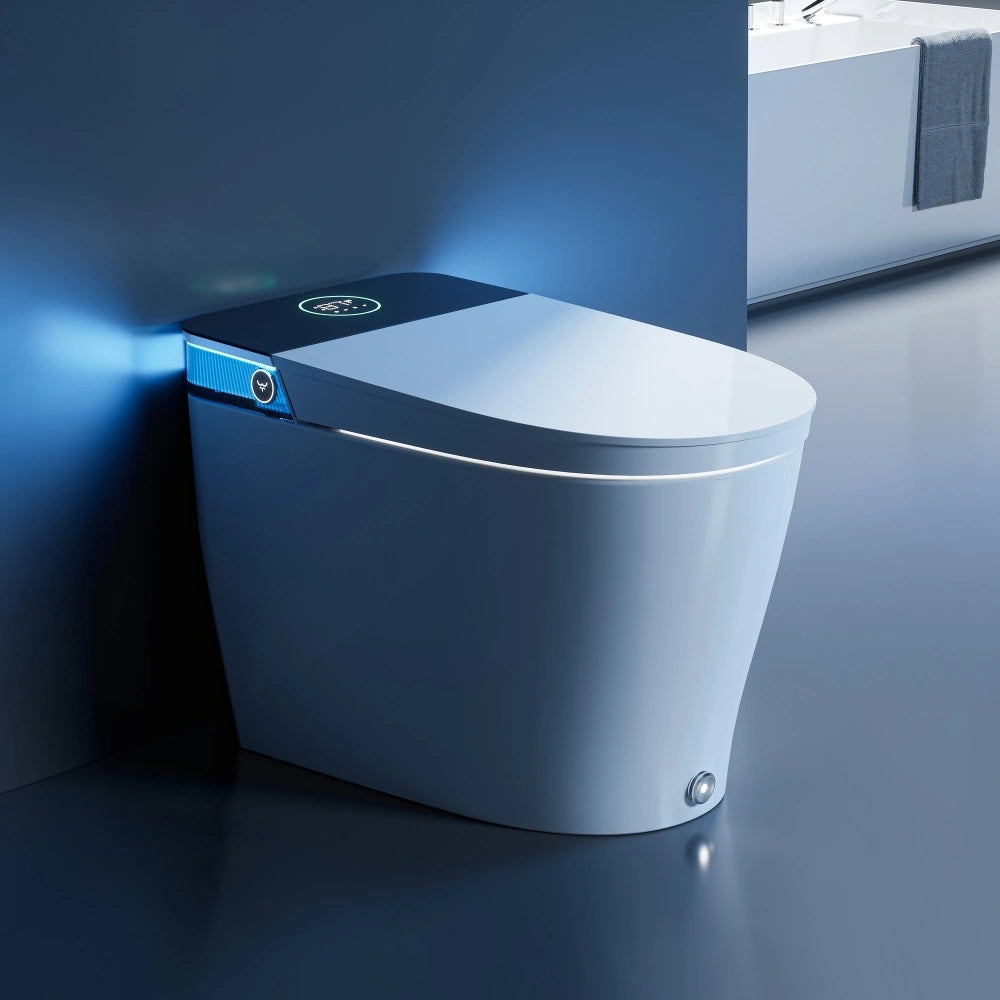
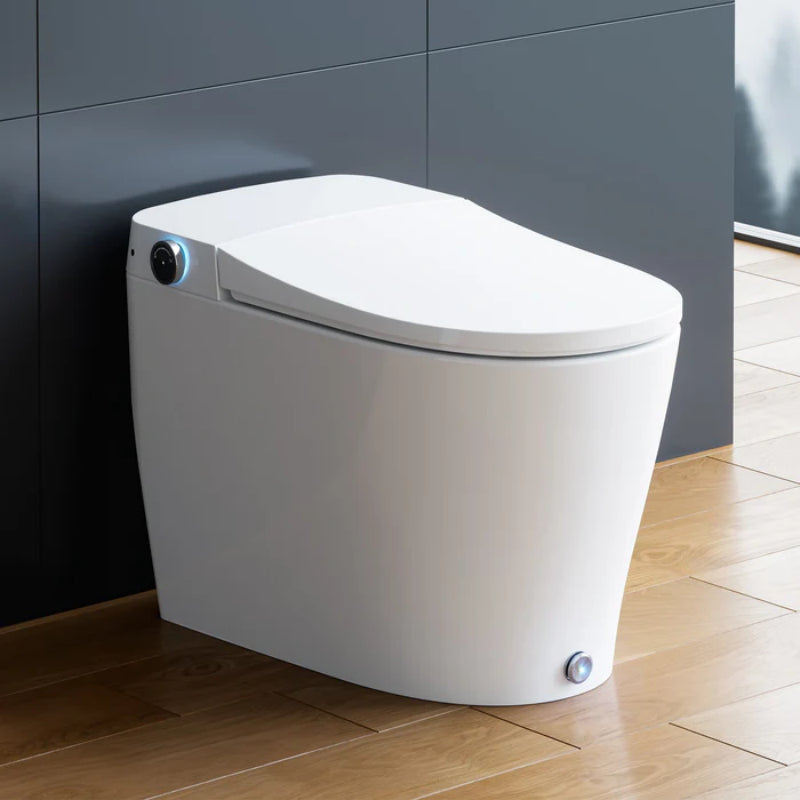

A heated toilet seat is usually worth using if your bathroom gets cold, you wake up often at night, or someone in the home is very sensitive to cold. It is often not worth it if you dislike extra cleaning, do not have a nearby outlet, or see toilet features as one more thing to manage.
Who Should Consider It First
Choosing a heated toilet seat mostly comes down to your living environment and daily habits.
Decision Snapshot
This makes sense if your main problem is simple and repeatable: a cold bathroom, a cold toilet seat, or discomfort during winter and overnight trips. It also tends to make more sense when one person in the home will use and value it every day.
This is often unnecessary if your bathroom stays warm year-round, you already dislike electronic bathroom add-ons, or adding power near the toilet feels like too much trouble for a comfort feature.
Best for cold-sensitive users
The clearest heated toilet seat benefits show up in homes where cold is a daily nuisance, not just an occasional annoyance. That includes older homes, bathrooms on outside walls, rooms over garages, or any bathroom that feels much colder than the rest of the house.
This usually becomes useful when someone in the home is strongly sensitive to cold. In real homes, that often means older adults, people with circulation issues, or anyone who dreads sitting on a cold seat in winter. The benefits of heated toilet seats in winter are less about luxury and more about removing a small but repeated discomfort.
It can also matter more than people expect for middle-of-the-night bathroom trips. If you get up several times a night, the warm seat often feels most valuable at 2 a.m. when the room is cold and you are half awake.
Skip if setup feels excessive
A heated seat is still a toilet seat with electronics inside. If that already sounds fussy, your answer may be clear.
In many homes, this ends up being ignored if the owner has to think too much about power cords, settings, sensor behavior, or special cleaning. If you prefer simple fixtures that work without attention, this feature can feel like unnecessary complexity.
It is also easy to overestimate how much this changes daily life. If your bathroom is already comfortable and your current seat never bothers you, the benefit may feel too small to justify the setup and maintenance.
When Comfort Actually Pays Off
These warm seats truly shine in specific daily scenarios and weather conditions.
Winter use feels most valuable
How heated toilet seats improve bathroom comfort depends heavily on season and room temperature. In mild weather, many people barely notice the feature. In winter, the value becomes obvious much faster.
That is why heated toilet seat benefits for cold climates are easier to justify than in homes where the bathroom rarely feels cold. The comfort gain is not dramatic in every use, but it is consistent. You avoid the cold-seat shock, especially first thing in the morning.
Some people also feel that local heat at the seat is a more sensible comfort upgrade than heating the whole bathroom more than needed. If you are asking whether heated toilet seats are worth the electricity, that partly depends on what they replace. If the seat helps you avoid running extra bathroom heat, the trade-off may feel reasonable.
Night trips benefit most
Heated toilet seats really shine here. The comfort they bring for late-night bathroom visits is far more noticeable than during the day, since the cold feels much more intense after dark.
You notice it more when:
-
the bathroom is colder than the bedroom
-
you are tired and less patient with discomfort
-
you get up often enough that the benefit repeats every night
That repeated use is what makes the feature feel worthwhile. If you only use that bathroom occasionally, the value drops quickly.
Can warmth ease stiffness?
Some buyers ask, can a heated toilet seat help with arthritis pain? It may help a little, but expectations should stay modest.
Warmth can make sitting down and standing up feel less harsh for people with arthritis, back stiffness, or cold-sensitive joints. Some also say it helps reduce muscle clenching in winter. In that sense, heated toilet seat benefits for people sensitive to cold can overlap with mild comfort support for pain or stiffness.
But this is still a comfort feature, not treatment. The heat is usually gentle, not intense. If someone expects deep therapeutic heat, they may be disappointed. It is better viewed as a small daily comfort that may reduce tension, not something that solves pain.

Trade-Offs Buyers Miss
There are often overlooked downsides that affect your actual experience.
Warm, not always toasty
One of the biggest expectation gaps is assuming the seat will feel hot. In practice, most seats are designed to feel warm enough for comfort, not very hot.
It is annoying that buyers picture a strong car-seat-heater effect and instead get a mild warmth. In very cold bathrooms, some seats can feel only slightly warm, especially if eco mode lowers the temperature or the unit uses occupancy-based heating.
A heated toilet seat with adjustable temperature settings helps, but even then, “high” may not feel as strong as expected. And for some people, high settings feel too hot after a few minutes. There is often a short trial-and-error period before it feels right.
Are energy costs noticeable?
Do heated toilet seats increase energy bills? Usually not in a dramatic way, but they are not free to run either.
The real answer to are heated toilet seats worth the electricity is usage-based:
-
one seat on moderate settings may add only a small amount
-
multiple seats running all day can add up
-
eco modes, timers, and lower temperatures matter
-
standby power still exists even when no one is using it
That is why “energy efficiency claims” should be viewed carefully. They can be efficient relative to heating more space than needed, but they still use electricity around the clock if left active. If you are very energy-conscious, this is worth thinking through before buying.
Smart controls can annoy
Many people do not regret the warmth. They regret the interface.
This can be annoying when a seat has too many buttons, confusing icons, or settings that change after a power outage. In shared homes, someone often turns the temperature down, activates eco mode, or shuts something off and nobody knows why the seat feels different later.
If you want comfort with little thought, complex controls can become the part you dislike most. This is especially true in guest bathrooms or households where not everyone wants to learn the settings.
Setup Realities Before Buying
It is wise to check practical conditions in advance before making a purchase.
Outlet location matters most
What to consider before buying a heated toilet seat starts with power, not comfort. Many buyers look at features first and only later realize their bathroom is the real limitation.
Most heated seats need a nearby GFCI outlet. If there is no outlet close to the toilet, the project may stop there or get more expensive than expected. Running a loose extension cord across the bathroom is not a good fix. It looks bad, creates cleaning hassle, and is unsafe.
This is often the biggest real-world reason people decide not to proceed.
Fit issues are common
People assume toilets are standard. They are not standard enough.
Fit problems go beyond round versus elongated. Some seats interfere with the tank, some do not lift cleanly, and some leave awkward overhang or gaps. Compact and unusual toilet shapes create more trouble, but even common toilets can have small spacing issues that affect stability and appearance.
In many homes, this ends up being the biggest source of regret after installation: the seat technically fits, but not well. It may wobble, look bulky, or create tight spaces that are harder to clean.
Is installation actually easy?
Are heated toilet seats easy to install on a standard toilet? Sometimes, yes. But “easy” depends on two things: proper fit and nearby power.
If both are already in place, installation may be straightforward. If either is off, the job becomes frustrating fast. That is why simple online claims about easy installation can be misleading. The seat itself may be simple to attach, but the bathroom may not be ready for it.

Long-Term Hassles to Expect
You will also face various trivial troubles during long-term use.
Cleaning takes more effort
A standard seat is simple to wipe down. An electric heated seat usually has more seams, hinge covers, and hard-to-reach edges.
You may get troubled when you like a very clean bathroom and expect a quick wipe to handle everything. Dust, hair, and bathroom grime collect around joints and hardware more easily. It is not unmanageable, but it is more effort.
If you are already tired of cleaning around toilet hardware, this may matter more than the comfort benefit.
Electronics may not last
A heated toilet seat behaves more like an appliance than a basic bathroom fixture. That matters for expectations.
Some owners assume it will last as long as the toilet itself. In reality, electronics and heating elements can fail well before that. If the heat stops working after a few years, the disappointment feels larger because the feature was the whole point.
This does not mean failure is guaranteed. It means you should not think of it as a lifetime fixture.
When this feature feels unnecessary
In many homes, the novelty fades and the seat becomes background comfort. That is fine if the setup was easy and the user still appreciates it daily.
But it can feel unnecessary when:
-
the bathroom is not actually cold
-
the seat is in a guest bath with light use
-
no one remembers to adjust settings
-
the household dislikes added maintenance
-
the heat feels too subtle to matter
This is where heated toilet seat vs standard toilet seat comfort becomes a personal judgment. For some people, the difference feels obvious every day. For others, it is a minor upgrade they could live without.
The same is true when comparing heated bidet seat benefits vs heated toilet seat benefits. Some homeowners are really responding to the full comfort of added wash and drying features, not seat heat alone. If warmth is the only feature you care about, be honest about whether that single benefit is enough.
Before You Choose
-
Check for a nearby GFCI outlet before you shop, not after.
-
Measure more than bowl shape: include bowl length, bolt spacing, and tank clearance.
-
Ask whether your bathroom is truly cold often enough to matter.
-
Decide if you want a simple warm seat or if household settings and controls will become annoying.
-
Expect more cleaning around hinges, seams, and hardware.
-
Treat it like an appliance with a limited lifespan, not a permanent fixture.
Questions About Heated Toilet Seat
What is the point of a heated toilet seat?
A heated toilet seat mainly makes bathroom use more comfortable by preventing the shock of a cold seat. It feels especially nice on cold days and late at night, and helps keep people who are sensitive to the cold feeling at ease.
What are the disadvantages of heated seats?
They come with a few downsides. They are trickier to clean and need a nearby power outlet. Besides, their electronic parts wear out faster than regular toilet seats.
Can I leave my heated toilet seat on all the time?
Yes, many heated toilet seats can be left on, but it uses standby electricity. To cut down on energy costs, switch it off when not in use. You can also refer to the product manual for recommended settings.
Does a heated toilet seat use a lot of electricity?
Most use a modest amount of electricity, but higher heat settings and all-day use can increase costs. Turning on the energy-saving mode will help you use less power each day.
Are heated toilet seats sanitary?
They stay clean as long as you clean them regularly. Their extra crevices easily collect dirt and hair, so you need to wipe them more thoroughly than standard seats.
Do all heated toilet seats need to be plugged in?
Most household heated toilet seats need a nearby electrical outlet, usually a GFCI outlet in bathrooms. Cordless heated models are still quite rare on the market.

References



Leave a comment
This site is protected by hCaptcha and the hCaptcha Privacy Policy and Terms of Service apply.